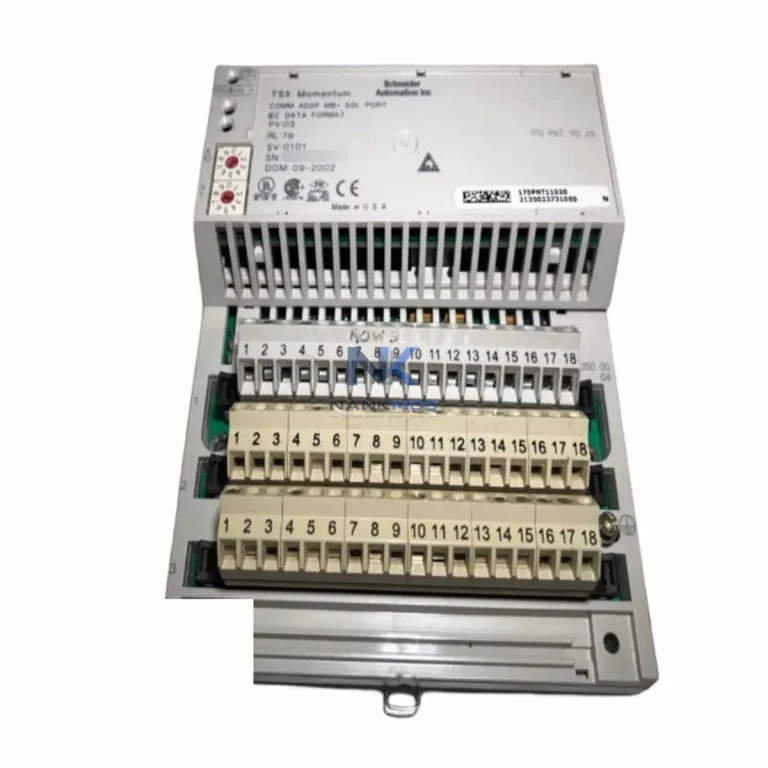
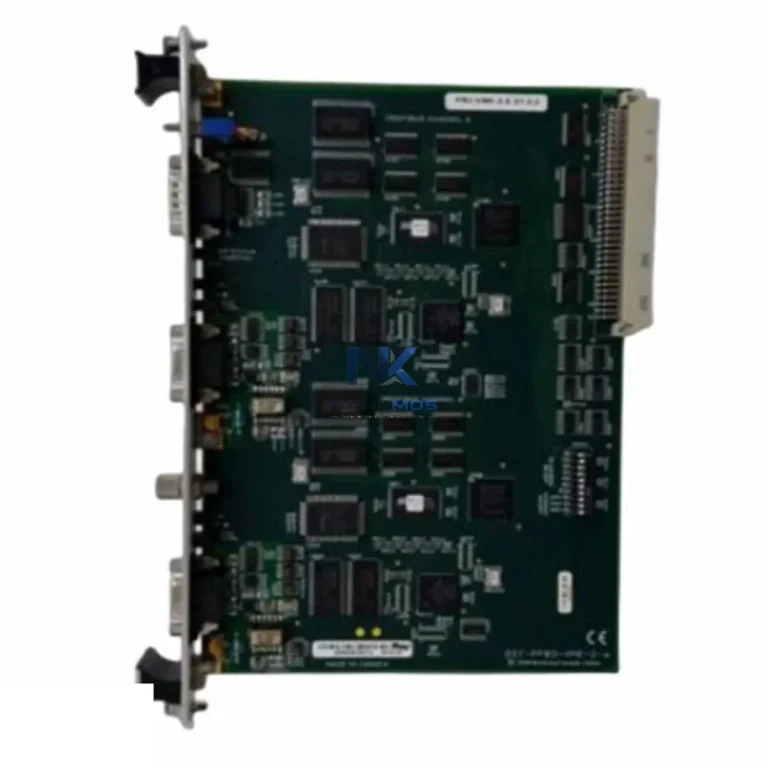
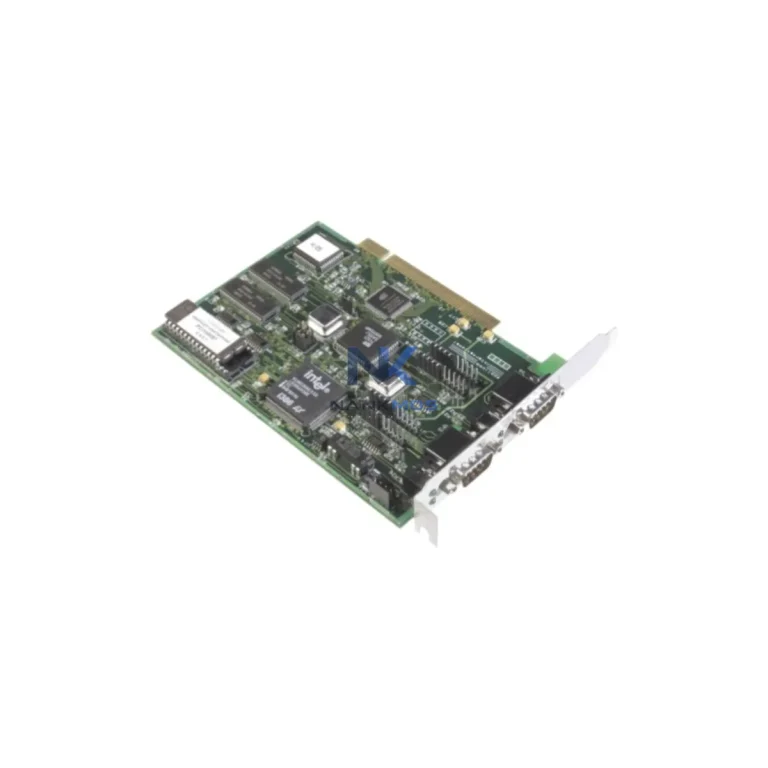
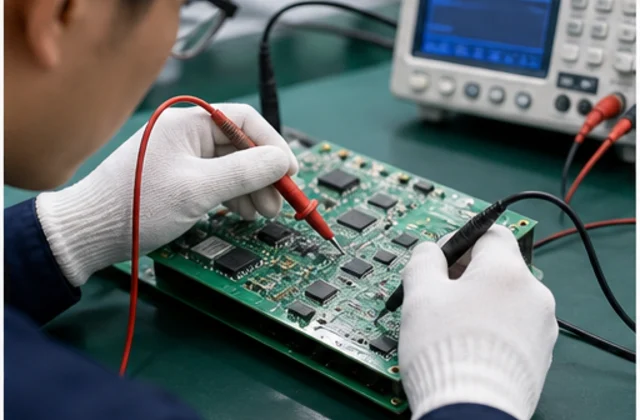
 Functional Inspection
100% tested on professional platforms to ensure stable performance.
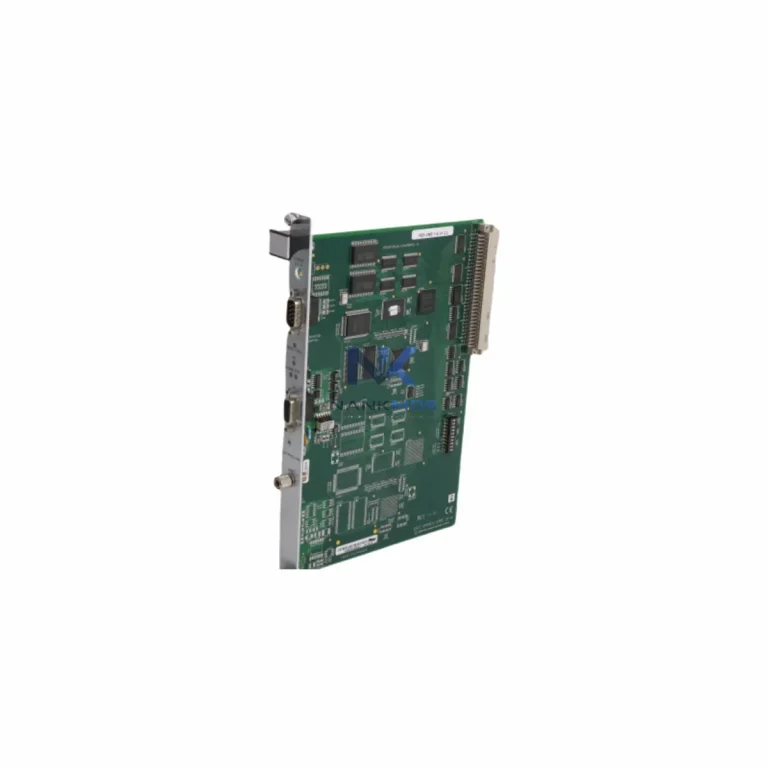
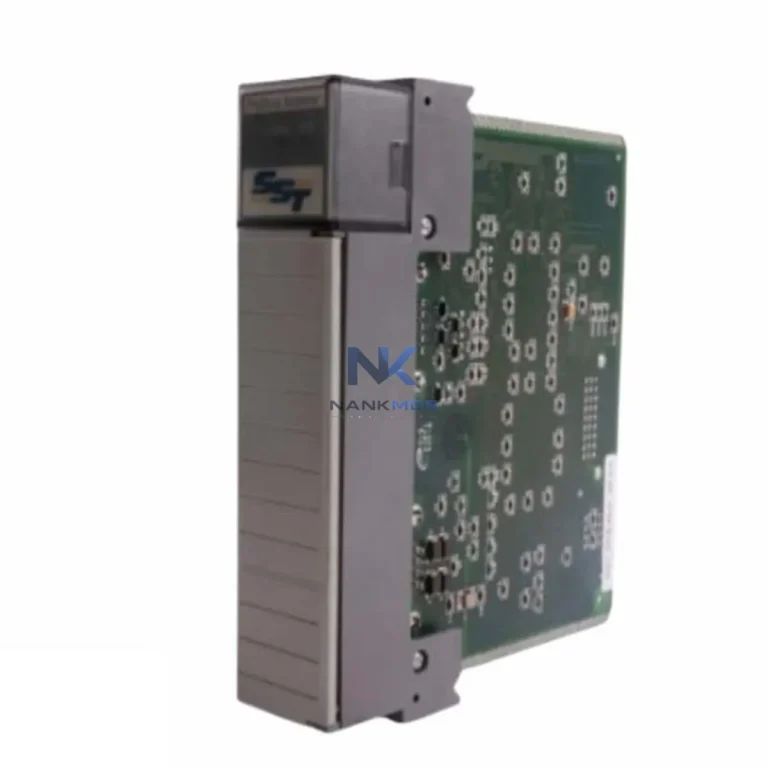
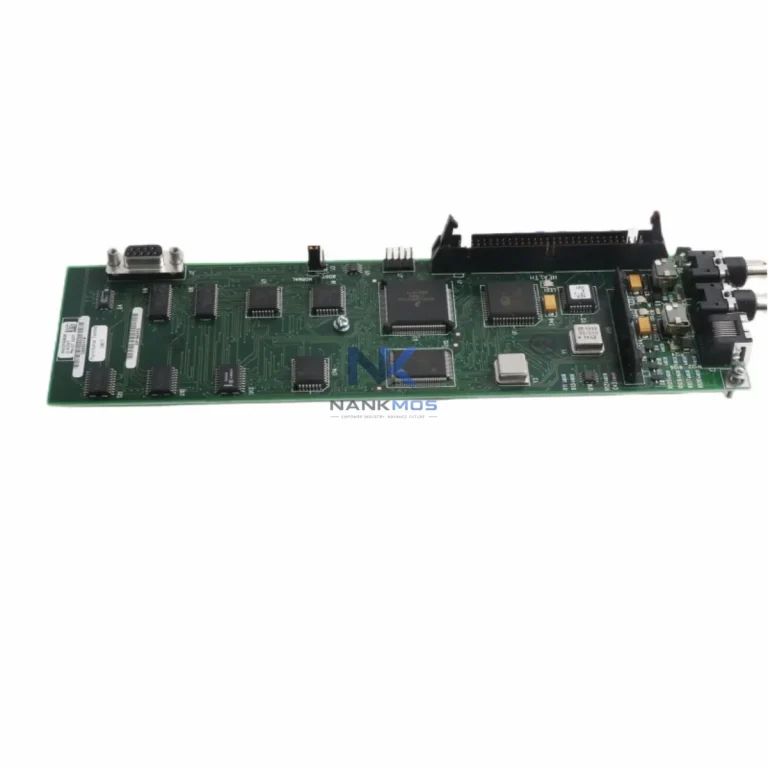
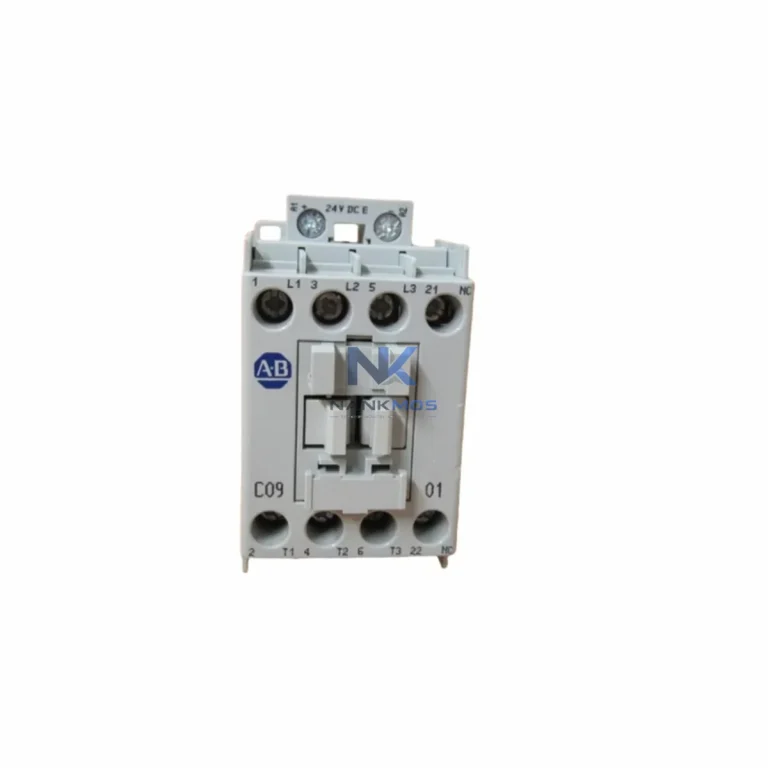
SST SST-PBMS-P is a NANKMOS industrial automation product record Listed under Other series series and Business & Industrial > Automation, Control & Flow Devices. Confirm condition, availability, lead time, compatibility and documentation by email inquiry.
Brand names are used for identification only.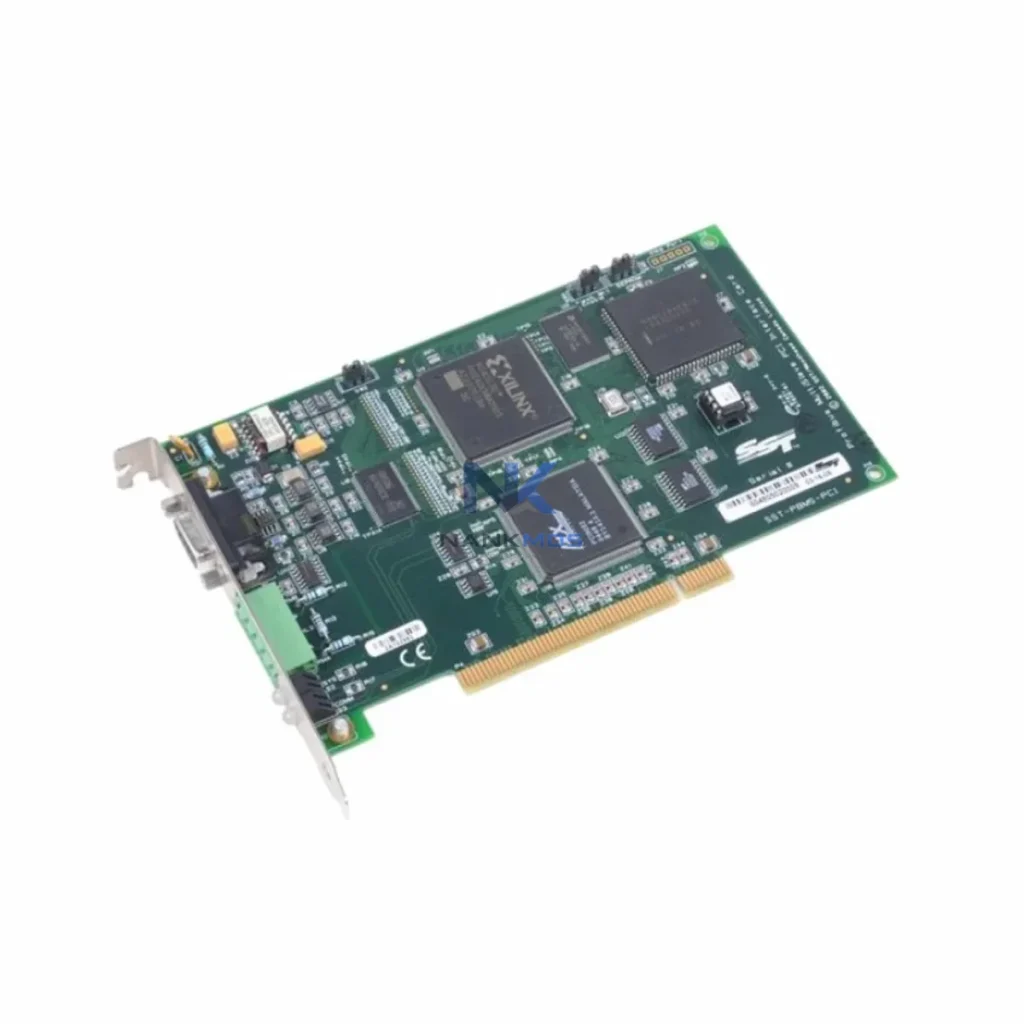
SST SST-PBMS-P is a NANKMOS industrial automation product record Listed under Other series series and Business & Industrial > Automation, Control & Flow Devices. Confirm condition, availability, lead time, compatibility and documentation by email inquiry.
| Manufacturer | SST |
|---|---|
| Application | Industrial Network Communication |
| Part Number / Model | SST-PBMS-P |
| Compatible System | Confirmed by inquiry |
| Condition Options | To Confirm |
| Module Type | Communication Module |
| Warranty | 12 Months |
| Packaging | Anti-static Bag / Secure Box |
| Shipping Methods | DHL / FedEx / UPS / Air / Sea |
| Availability | To Confirm |
| Lead Time | To Confirm |
| Documentation | Part number and revision checked before quote |
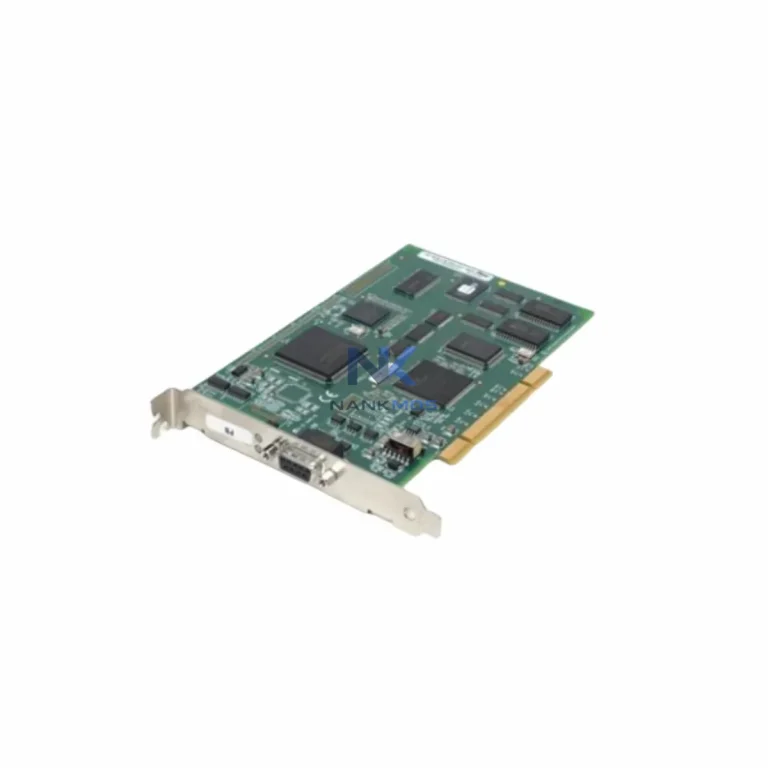
The SST SST-PBMS-P is a high-performance PROFIBUS PCI communication card engineered for industrial data link architectures that demand deterministic protocol handling, real-time signal transmission, and seamless integration across multi-vendor automation environments. Designed for deployment within SST Series communication platforms, the SST-PBMS-P operates as both a PROFIBUS DP master and slave, enabling bidirectional data exchange between field-level devices and supervisory control systems without protocol bottlenecks or data latency. In smart factory environments where every millisecond of communication delay translates into production risk, the SST-PBMS-P delivers the network stability and protocol fidelity that industrial engineers require.
At the core of its value proposition is the ability to bridge PROFIBUS DP networks with host PC-based control platforms via a standard PCI bus interface. This architecture allows the card to serve as a critical gateway node between field instrumentation — including pressure transmitters, flow sensors, and distributed I/O modules — and upper-level SCADA systems, DCS platforms, and HMI visualization layers. The SST-PBMS-P supports up to 125 slave nodes per segment, making it suitable for large-scale process automation lines, discrete manufacturing cells, and hybrid control architectures where both legacy PROFIBUS devices and modern Ethernet-based systems must coexist.
Signal acquisition begins at the field device layer, where sensors and actuators connected via PROFIBUS DP transmit process variables — temperature, pressure, flow rate, valve position — to the SST-PBMS-P master interface. The card's onboard firmware handles cyclic data exchange, acyclic parameter reads, and diagnostic message routing with sub-millisecond cycle times, ensuring that the PLC controller or DCS host receives accurate, time-stamped data for closed-loop control decisions. When integrated alongside SST-5136-PFB-ISA or SST-5136-DN-ISA communication modules in multi-protocol control cabinets, the SST-PBMS-P enables parallel PROFIBUS and DeviceNet data paths, reducing the need for separate gateway hardware and simplifying cabinet wiring.
For remote I/O expansion, the SST-PBMS-P interfaces directly with distributed I/O racks such as Siemens ET 200S or Phoenix Contact Inline series, extending the control reach of a central PLC without additional fieldbus repeaters. Data collected from remote I/O nodes is aggregated at the card level and forwarded to the host system via DMA-based PCI transfers, minimizing CPU overhead and ensuring that high-frequency process data does not degrade overall system performance. This architecture is particularly valuable in automotive assembly lines, chemical processing plants, and water treatment facilities where distributed sensor networks must report to a centralized SCADA platform in real time.
Integration with HMI and SCADA platforms is streamlined through the SST-PBMS-P's compatibility with OPC DA/UA server middleware, enabling Wonderware InTouch, Ignition SCADA, and Siemens WinCC to consume live PROFIBUS data without custom driver development. Alarm and event data generated by field devices — including drive fault codes from Siemens SINAMICS G120 variable frequency drives or diagnostic frames from ABB ACS880 inverters — are captured at the card level and forwarded to the SCADA alarm management layer for real-time operator notification and historical trending. This closed-loop alarm feedback mechanism is essential for predictive maintenance workflows and unplanned downtime reduction strategies.
Remote diagnostics capability is a defining feature of the SST-PBMS-P in connected factory deployments. The card's diagnostic buffer stores network health metrics — bus cycle time, slave response latency, CRC error counts, and token rotation statistics — that can be polled by remote monitoring agents or edge gateway platforms such as the Moxa MGate MB3480 or Red Lion Data Station Plus. These metrics feed into industrial IoT dashboards and MES data lakes, providing operations teams with visibility into PROFIBUS network health without requiring physical access to the control cabinet. When anomalies are detected — such as a slave device dropping off the bus or a CRC error rate exceeding threshold — automated alert workflows can trigger maintenance tickets or initiate safe-state sequences in the PLC program.
Data visualization is further enhanced when the SST-PBMS-P is deployed alongside edge computing platforms that aggregate PROFIBUS data and publish it to cloud-based analytics environments. Integration with Kepware KEPServerEX or Cogent DataHub allows PROFIBUS process variables to be normalized into unified data models compatible with Azure IoT Hub, AWS IoT Greengrass, or on-premise historian platforms such as OSIsoft PI. This end-to-end data chain — from PROFIBUS field device through the SST-PBMS-P gateway to cloud analytics — forms the backbone of digital twin implementations and OEE (Overall Equipment Effectiveness) monitoring programs in Industry 4.0 facilities.
System scalability is supported through the SST-PBMS-P's multi-card installation capability, allowing multiple cards to be installed in a single host PC to manage independent PROFIBUS segments simultaneously. This configuration is common in large DCS environments where separate PROFIBUS networks serve different process units — reactors, separators, utilities — and must be monitored from a single operator workstation. Each card operates independently with its own IRQ and memory address space, eliminating inter-card interference and ensuring deterministic communication across all segments.
In a typical smart factory deployment, the SST-PBMS-P anchors the PROFIBUS data layer between field instrumentation and the supervisory control tier. At the device level, PROFIBUS DP slaves — including Siemens ET 200M remote I/O stations, Endress+Hauser Promag flow transmitters, and Pepperl+Fuchs proximity sensor arrays — transmit cyclic process data to the SST-PBMS-P master interface at configurable scan rates. The card's DMA-based PCI transfer engine moves this data into the host PC memory map, where it becomes immediately available to PLC runtime environments such as Siemens STEP 7 or Rockwell RSLogix 5000 running on the host platform.
For protocol conversion requirements, the SST-PBMS-P can be paired with an SST-5136-PFB-ISA PROFIBUS ISA card or an SST-5136-DN-ISA DeviceNet card in multi-protocol cabinets, enabling simultaneous PROFIBUS and DeviceNet data acquisition from a single host system. This eliminates the need for standalone protocol converters and reduces the number of active network nodes, improving overall bus stability. Upstream, the aggregated data stream is forwarded to SCADA platforms via OPC DA connections, where Wonderware InTouch or Ignition SCADA visualizes real-time process trends, alarm states, and equipment KPIs on operator workstations.
Variable frequency drives connected as PROFIBUS DP slaves — such as Siemens SINAMICS G120 or ABB ACS880 series inverters — report speed references, torque feedback, fault codes, and energy consumption data through the SST-PBMS-P to the SCADA historian. This data feeds predictive maintenance algorithms that correlate drive thermal signatures with bearing wear patterns, enabling condition-based maintenance scheduling before unplanned failures occur. Edge gateway platforms such as the Moxa MGate MB3480 or Advantech WISE-5231 can subscribe to this data stream and publish normalized JSON payloads to cloud IoT platforms, completing the data chain from field device to enterprise analytics.
Industrial automation sites frequently encounter data gaps caused by protocol fragmentation, legacy device incompatibility, and inadequate remote monitoring infrastructure. The SST-PBMS-P directly addresses these challenges by providing a unified PROFIBUS DP master/slave interface that consolidates data from heterogeneous field devices into a single, structured data stream accessible to modern SCADA and MES platforms.
Protocol inconsistency — where PROFIBUS DP devices from different manufacturers implement vendor-specific parameter sets or diagnostic extensions — is managed through the SST-PBMS-P's support for DP-V1 acyclic messaging, which allows the host system to read and write device parameters on demand without interrupting cyclic data exchange. This capability is essential for online parameter adjustment of drives, positioners, and smart transmitters without requiring manual field access.
Data island elimination is achieved by connecting previously isolated PROFIBUS segments — such as a legacy packaging line or a standalone compressor skid — to the plant-wide SCADA network through the SST-PBMS-P host interface. Once integrated, process variables from these isolated segments become visible in the central historian and alarm management system, enabling cross-system correlation and root cause analysis that was previously impossible.
Remote monitoring gaps are closed through the SST-PBMS-P's diagnostic buffer, which continuously logs bus health metrics and makes them available to remote monitoring agents. Operations teams can access network health dashboards from any location, reducing the need for on-site troubleshooting visits and accelerating mean time to repair (MTTR) when network faults occur. Production line transparency is further enhanced by publishing PROFIBUS data to MES platforms, where OEE calculations, shift production reports, and quality event logs are generated automatically from real-time field data.
System expansion is supported without network redesign: additional PROFIBUS slave devices can be added to existing segments up to the 125-node limit, and additional SST-PBMS-P cards can be installed in the host PC to manage new segments as the facility grows. This scalability protects the initial infrastructure investment and allows the automation network to evolve alongside production capacity.
Q: What is the communication latency of the SST-PBMS-P in a fully loaded PROFIBUS DP network?A: In a network with 125 slave nodes operating at 12 Mbps, the SST-PBMS-P achieves bus cycle times in the range of 1–5 ms depending on the data volume per slave. DMA-based PCI transfers ensure that host CPU overhead does not introduce additional latency into the data acquisition loop.
Q: Is the SST-PBMS-P compatible with third-party PROFIBUS DP slaves from Siemens, ABB, and Schneider Electric?A: Yes. The SST-PBMS-P is fully compliant with the PROFIBUS DP-V0, DP-V1, and DP-V2 specifications, ensuring interoperability with any certified PROFIBUS DP slave device regardless of manufacturer. GSD files for third-party devices are loaded into the SST configuration utility to define the slave data structure.
Q: How does the SST-PBMS-P support remote diagnostics and network health monitoring?A: The card maintains an onboard diagnostic buffer that logs bus cycle time, slave response latency, token rotation statistics, and CRC error counts. These metrics can be polled by OPC DA/UA clients, edge gateway platforms, or custom monitoring agents, enabling remote network health assessment without physical access to the control cabinet.
Q: What warranty and pre-shipment testing does the SST-PBMS-P include?A: Every SST-PBMS-P unit is covered by a 12-Month Warranty from the date of shipment. Pre-shipment functional testing verifies PROFIBUS DP master/slave communication, PCI bus enumeration, DMA transfer integrity, and diagnostic buffer operation. Units are shipped in anti-static packaging with full documentation to ensure safe arrival and rapid commissioning.
Functional Inspection100% tested on professional platforms to ensure stable performance.
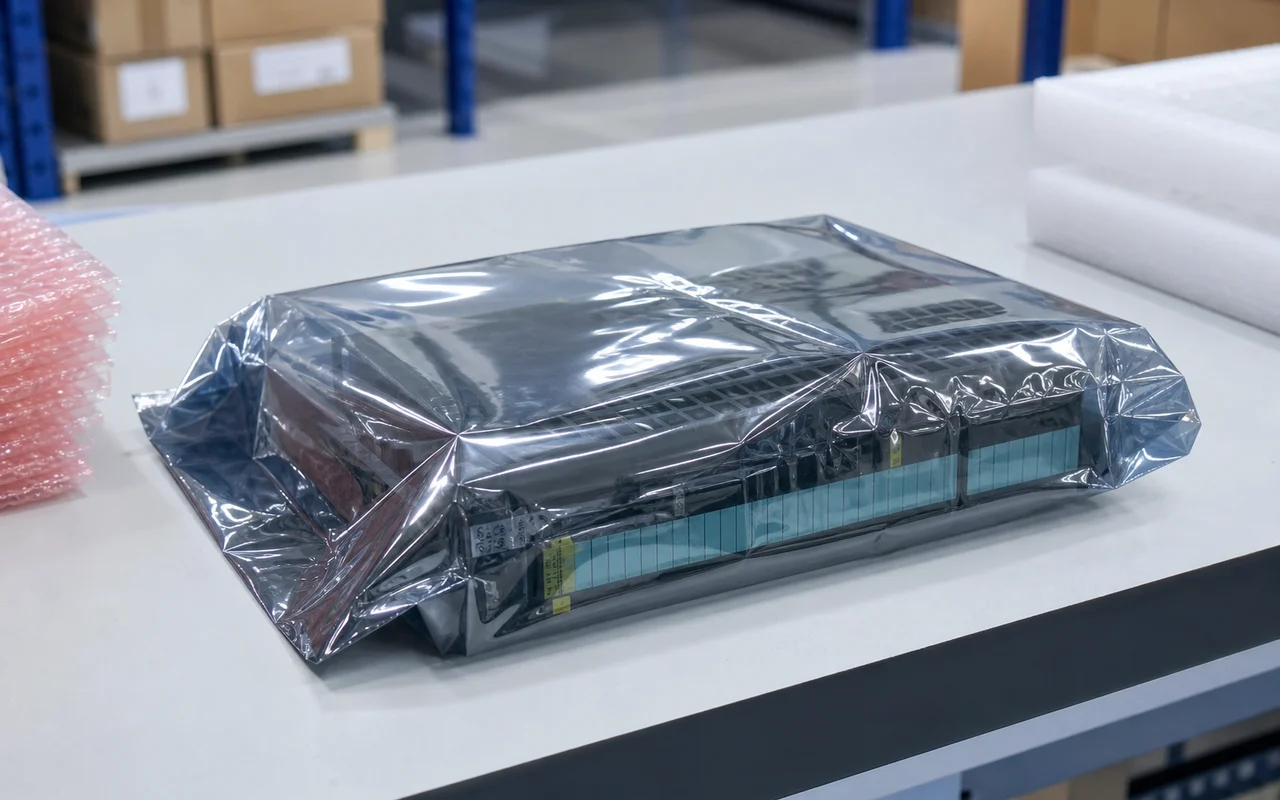 Anti-static Packaging
Modules are packed in anti-static bags to prevent electrostatic damage.
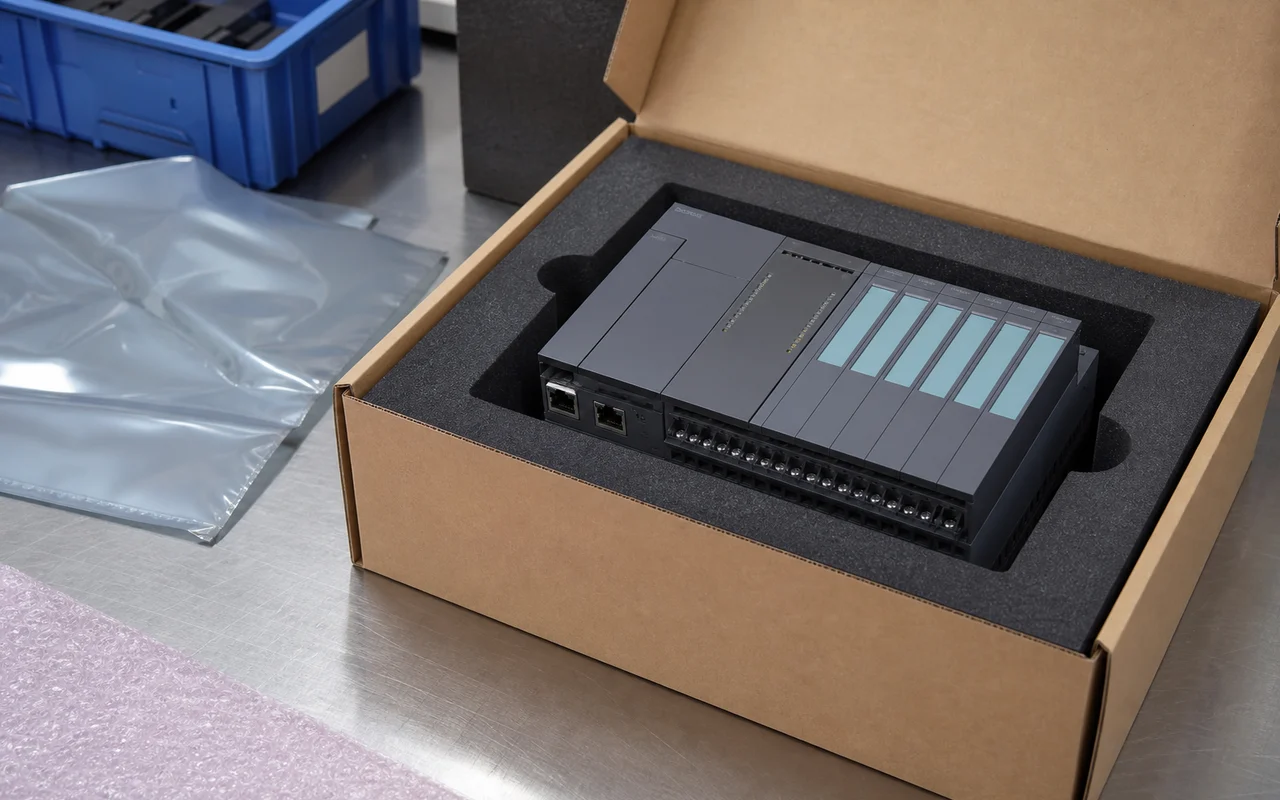 Secure Export Packing
Cushion protection and strong cartons ensure safe transportation.
 Worldwide Shipping
Global logistics network supports air, sea and express delivery.
 Documentation Check
Part number, revision and compatibility verified before shipment.
 After-sales Support
Professional technical support to help resolve your issues.