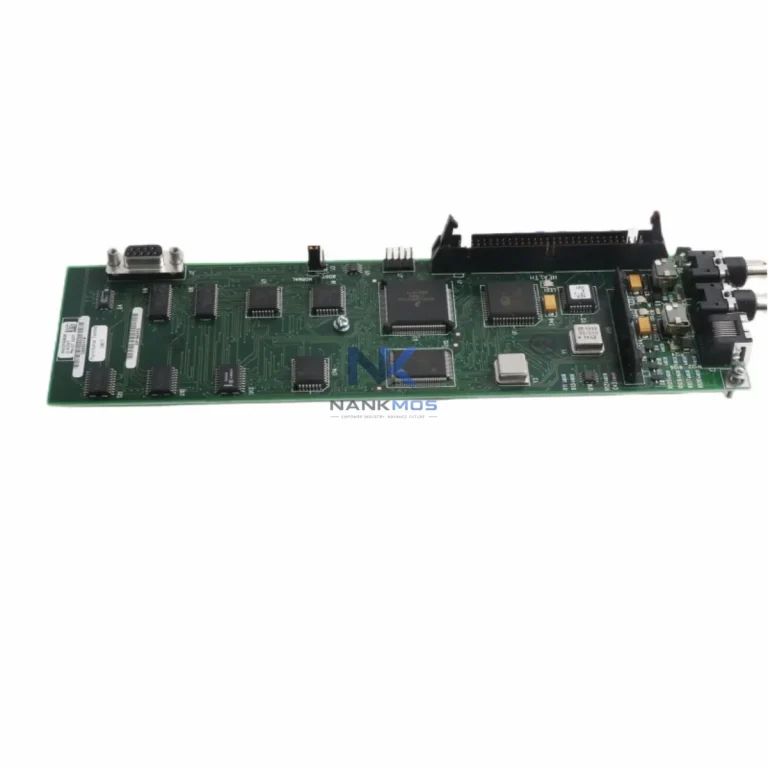
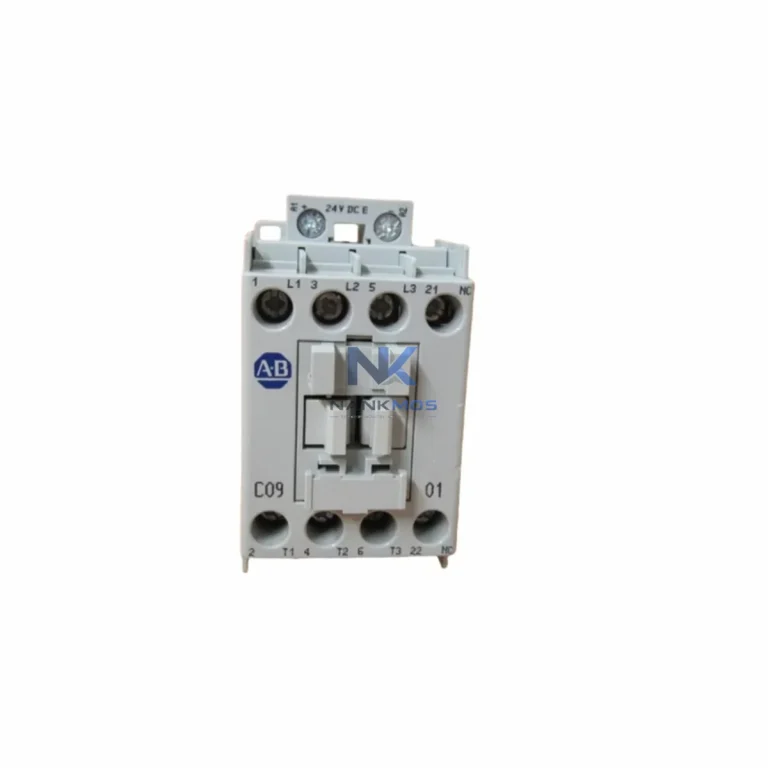
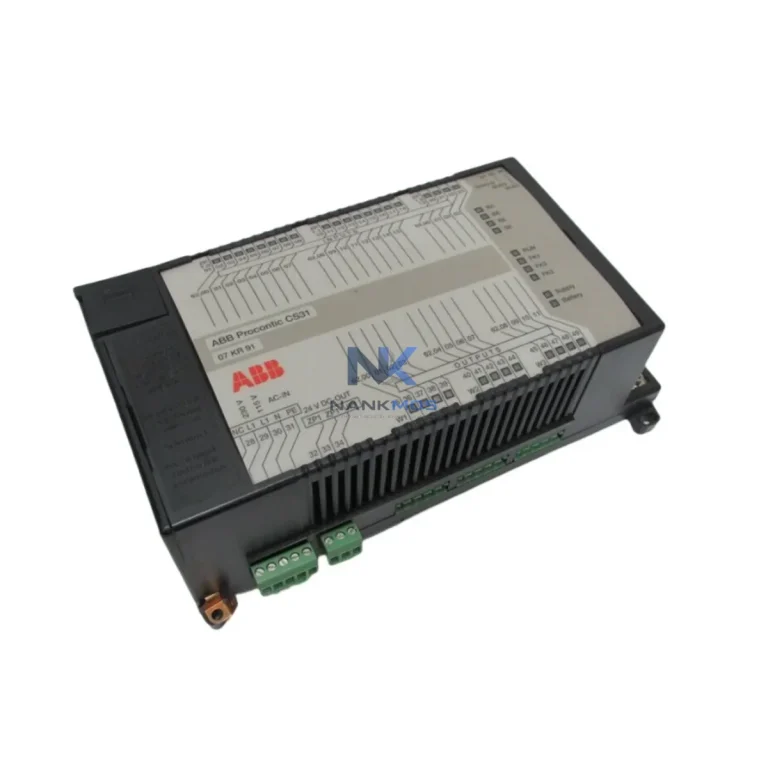
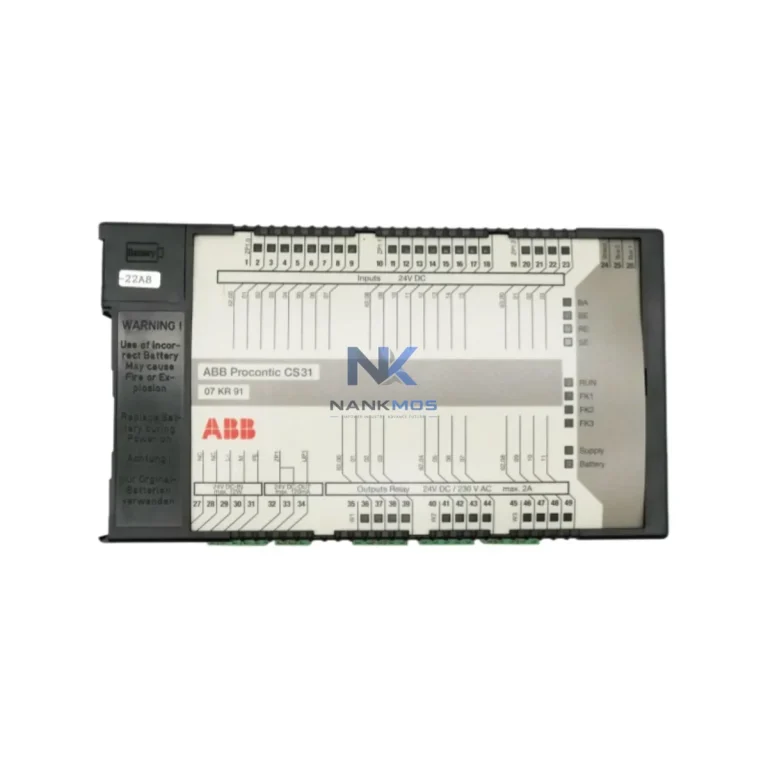
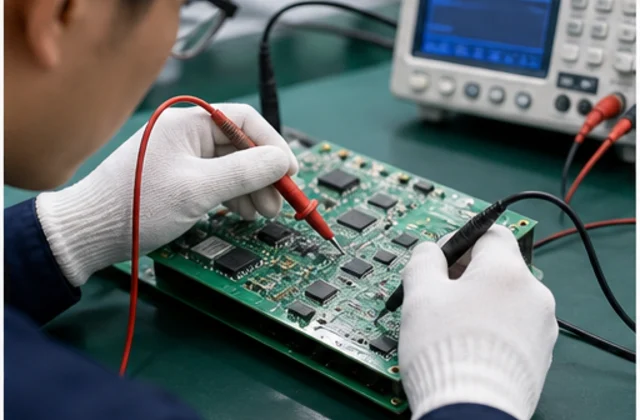
 Functional Inspection
100% tested on professional platforms to ensure stable performance.
TURBUL TBL2100 is a NANKMOS industrial automation product record Listed under Other series series and Business & Industrial > Automation, Control & Flow Devices. Confirm condition, availability, lead time, compatibility and documentation by email inquiry.
Brand names are used for identification only.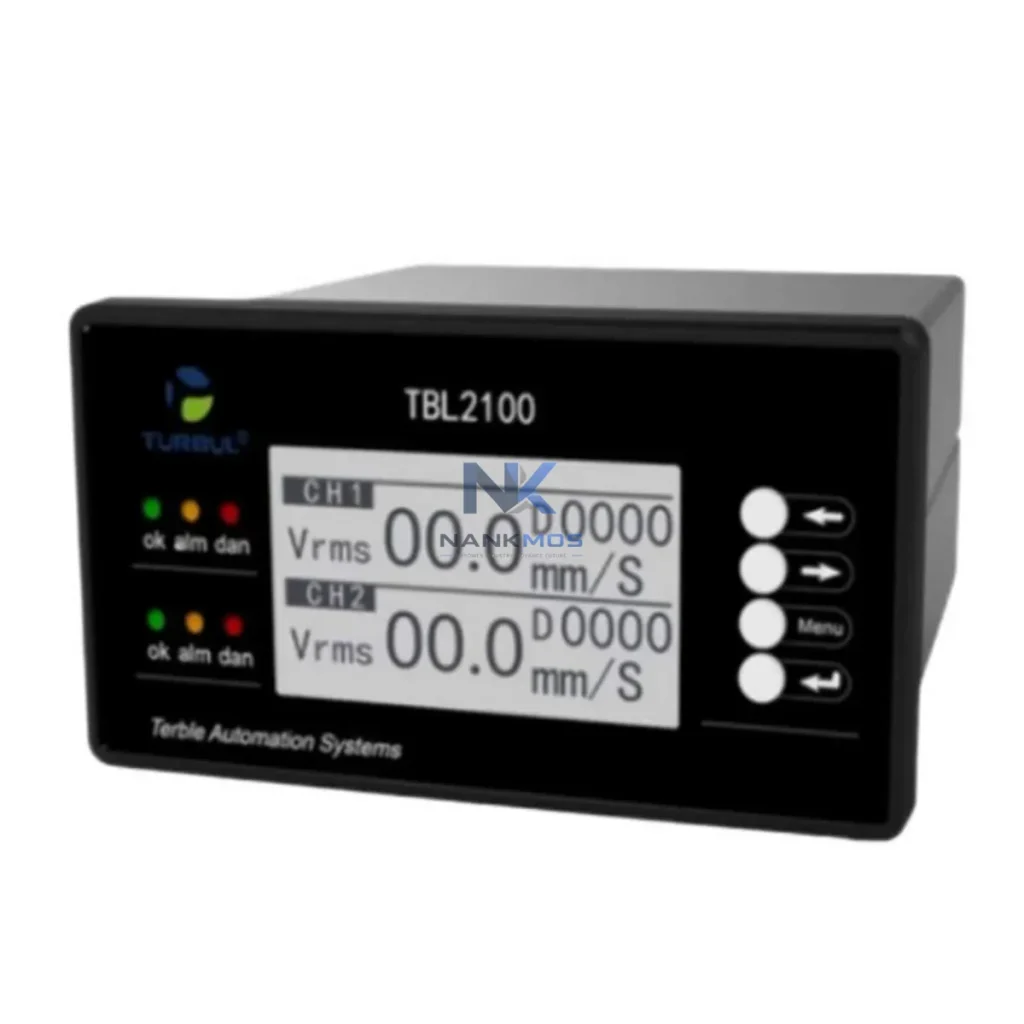
TURBUL TBL2100 is a NANKMOS industrial automation product record Listed under Other series series and Business & Industrial > Automation, Control & Flow Devices. Confirm condition, availability, lead time, compatibility and documentation by email inquiry.
| Manufacturer | TURBUL |
|---|---|
| Application | Turbine & Condition Monitoring |
| Part Number / Model | TBL2100 |
| Compatible System | Confirmed by inquiry |
| Condition Options | To Confirm |
| Module Type | Monitoring Module |
| Warranty | 12 Months |
| Packaging | Anti-static Bag / Secure Box |
| Shipping Methods | DHL / FedEx / UPS / Air / Sea |
| Availability | To Confirm |
| Lead Time | To Confirm |
| Documentation | Part number and revision checked before quote |
The TURBUL TBL2100 is a precision vibration monitoring unit engineered for continuous condition monitoring across rotating machinery, drive systems, and critical production assets in smart manufacturing environments. Designed as a core node in the industrial data chain, the TBL2100 bridges the gap between field-level vibration sensors and upper-layer control and analytics platforms — enabling real-time signal acquisition, protocol-native communication, and seamless integration with SCADA, HMI, and edge computing infrastructure.
In modern smart factories, vibration data is not merely a maintenance metric — it is a live data stream that feeds predictive algorithms, drives alarm logic, and informs remote diagnostic decisions. The TBL2100 is built to serve this role with precision, supporting both Modbus RTU/TCP and PROFIBUS DP communication protocols, making it compatible with a wide range of industrial control architectures including Siemens S7-series PLCs, Schneider Modicon M340/M580 controllers, and ABB AC500 automation platforms.
The TBL2100 operates as a critical data origination point within the smart factory data flow architecture. Vibration sensors mounted on motors, pumps, compressors, and gearboxes feed raw acceleration and velocity signals into the TBL2100's onboard signal conditioning module. The unit processes these signals locally — applying FFT analysis and RMS calculation — before transmitting structured data packets upstream via its Modbus TCP or PROFIBUS DP interface.
In a typical deployment, the TBL2100 connects directly to a Siemens ET 200SP remote I/O station or a Phoenix Contact AXL F BK PN bus coupler, aggregating vibration data alongside temperature, pressure, and flow readings from co-located field instruments. This consolidated data stream is then forwarded to a Siemens S7-1500 PLC or a Beckhoff CX2040 embedded PC acting as the site controller, where condition-based logic triggers maintenance alerts or adjusts drive parameters on connected Danfoss FC302 variable frequency drives.
For facilities running distributed SCADA architectures, the TBL2100's Modbus TCP output integrates natively with Wonderware InTouch or Ignition SCADA platforms, enabling live vibration trend visualization on operator HMI panels. Alarm thresholds configured in the SCADA layer can trigger automated notifications to maintenance teams, reducing unplanned downtime and extending asset lifecycle. In parallel, an edge gateway such as the Moxa MGate MB3480 or a Hilscher netTAP NT 100 protocol converter can bridge the TBL2100's RS-485 Modbus RTU output to higher-level OPC-UA or MQTT data pipelines, feeding industrial IoT analytics platforms and digital twin environments.
Where network segmentation is required, the TBL2100 can be deployed behind a Hirschmann RS20 industrial managed switch, ensuring deterministic data delivery across ring-topology Ethernet segments. This architecture supports multi-zone vibration monitoring across large production floors, with each TBL2100 node addressable independently within the Modbus register map. The result is a scalable, network-native condition monitoring backbone that grows with the facility — from a single machine cell to a plant-wide predictive maintenance program.
Many industrial sites face a persistent challenge: vibration data exists at the machine level but never reaches the control room or maintenance dashboard in a usable form. Legacy monitoring units rely on analog 4–20 mA outputs that require additional signal converters and introduce latency into the data chain. The TBL2100 eliminates this bottleneck by delivering digital, protocol-native data directly onto the plant network — no intermediate converters, no signal degradation.
Protocol fragmentation is another common barrier. Sites running mixed Siemens PROFIBUS and Modbus-based Schneider or Mitsubishi control systems often struggle to unify vibration data across platforms. The TBL2100's dual-protocol support — Modbus RTU/TCP and PROFIBUS DP — allows a single device model to serve both network environments, simplifying spare parts management and reducing engineering overhead during system integration.
Remote monitoring and diagnostics are increasingly critical as maintenance teams are asked to cover larger facility footprints with fewer personnel. The TBL2100 supports remote parameter configuration and live data polling via its network interface, enabling maintenance engineers to assess machine health from the control room or via remote VPN access — without requiring physical presence at the machine. Alarm history logs stored in the device's onboard memory provide a traceable record for root-cause analysis and regulatory compliance reporting.
For production transparency and OEE improvement initiatives, the TBL2100's continuous data stream feeds directly into MES and ERP-connected analytics layers, providing the vibration baseline data needed to calculate machine availability, detect performance degradation trends, and schedule condition-based maintenance interventions before failures occur. This transforms vibration monitoring from a reactive maintenance tool into a proactive production optimization asset.
Q1: What communication protocols does the TURBUL TBL2100 support, and how does this affect integration with existing PLC systems? The TBL2100 supports Modbus RTU (RS-485), Modbus TCP (Ethernet), and PROFIBUS DP. This dual-protocol architecture ensures compatibility with the majority of industrial PLC platforms currently deployed in manufacturing — including Siemens S7, Schneider Modicon, Mitsubishi MELSEC, and ABB AC500 series controllers. Integration typically requires only standard function block configuration in the PLC program, with no custom driver development needed.
Q2: How does the TBL2100 perform in high-noise industrial network environments, and what measures ensure data transmission stability? The TBL2100 is designed for industrial EMC environments, with RS-485 differential signaling providing inherent noise immunity on Modbus RTU links. For Ethernet-based Modbus TCP deployments, the device supports connection to industrial managed switches with VLAN segmentation and QoS prioritization, ensuring vibration data packets are delivered with deterministic latency even on congested plant networks. PROFIBUS DP operation follows IEC 61158 electrical specifications for noise-hardened fieldbus communication.
Q3: Can the TBL2100 be integrated with SCADA and HMI systems for real-time vibration visualization and alarm management? Yes. The TBL2100's Modbus TCP interface is natively supported by all major SCADA platforms including Ignition, Wonderware InTouch, Citect SCADA, and WinCC. Vibration amplitude, RMS velocity, frequency band data, and alarm status registers are all accessible via standard Modbus register addressing. HMI panels from Siemens, Weintek, and Proface can display live TBL2100 data using built-in Modbus TCP drivers, with no additional middleware required.
Q4: What does the 12-month warranty cover, and how is the TBL2100 tested before shipment? Every TURBUL TBL2100 unit supplied by NANKMOS is covered by a 12-month warranty from the date of shipment. Prior to dispatch, each unit undergoes functional verification including communication protocol handshake testing, signal output calibration check, and network connectivity validation. Units are shipped in original manufacturer packaging with test documentation available on request. In-stock units are available for immediate dispatch to support urgent project timelines.
Functional Inspection100% tested on professional platforms to ensure stable performance.
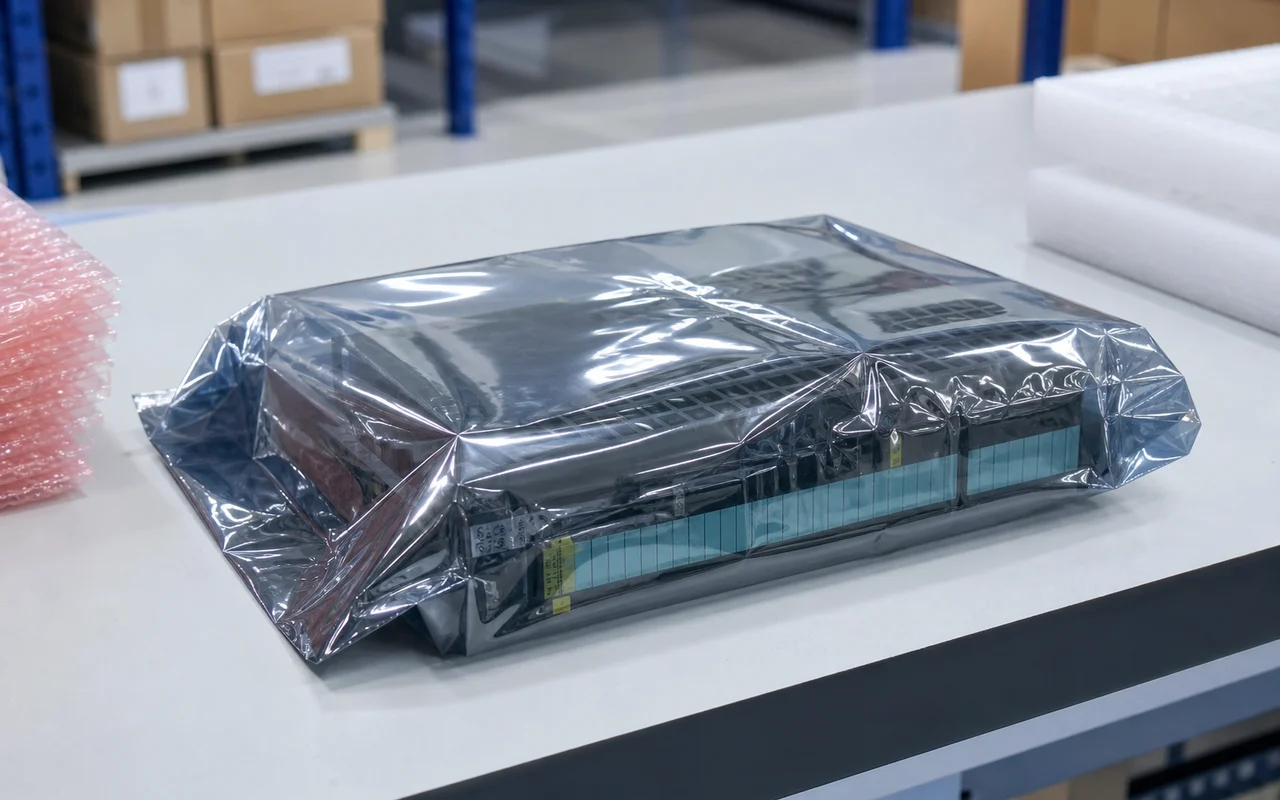 Anti-static Packaging
Modules are packed in anti-static bags to prevent electrostatic damage.
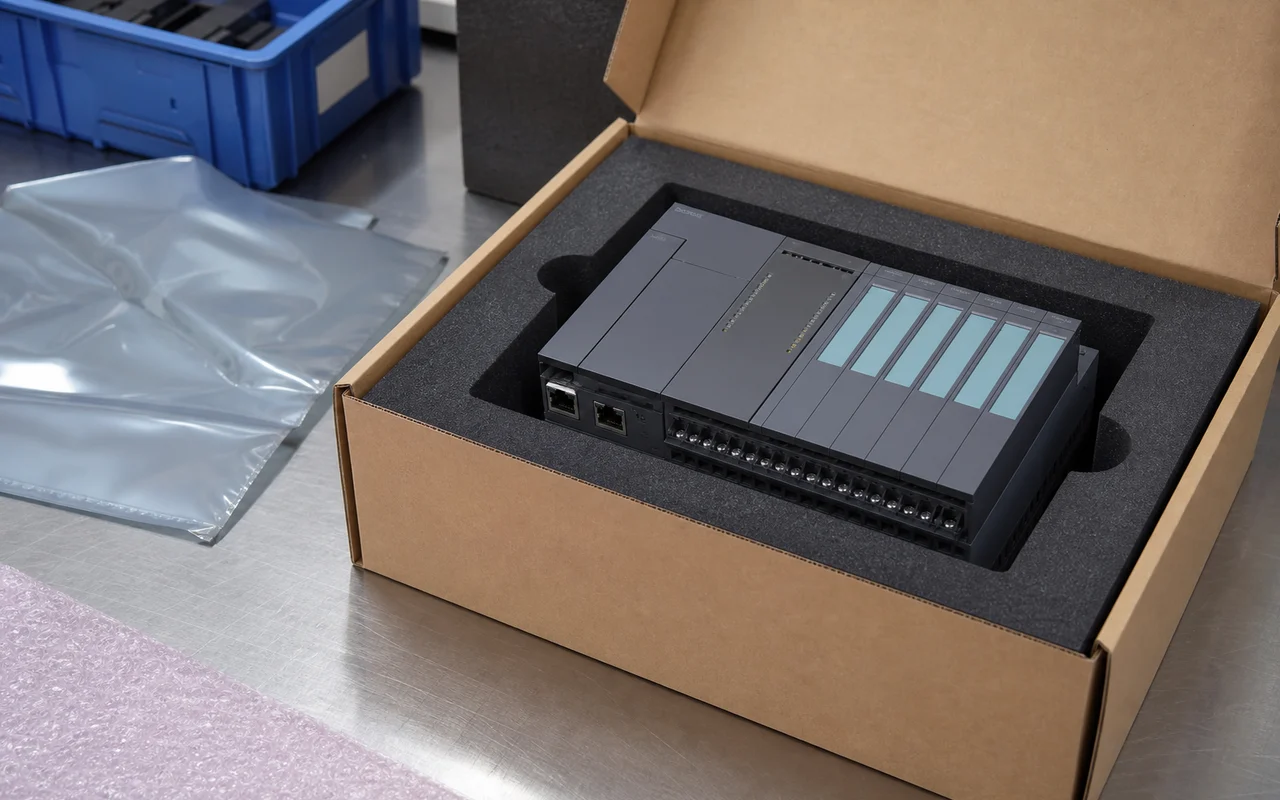 Secure Export Packing
Cushion protection and strong cartons ensure safe transportation.
 Worldwide Shipping
Global logistics network supports air, sea and express delivery.
 Documentation Check
Part number, revision and compatibility verified before shipment.
 After-sales Support
Professional technical support to help resolve your issues.