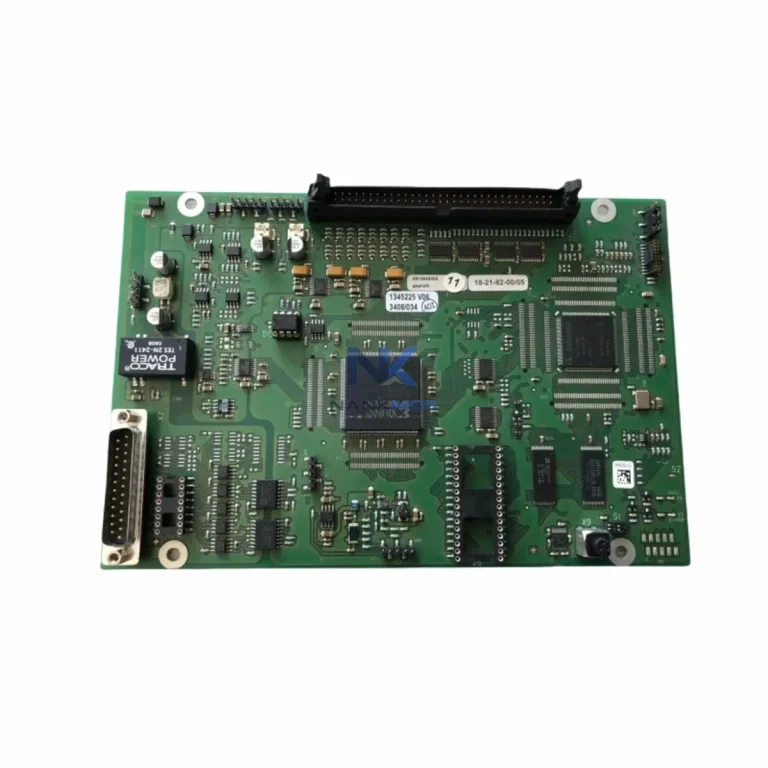
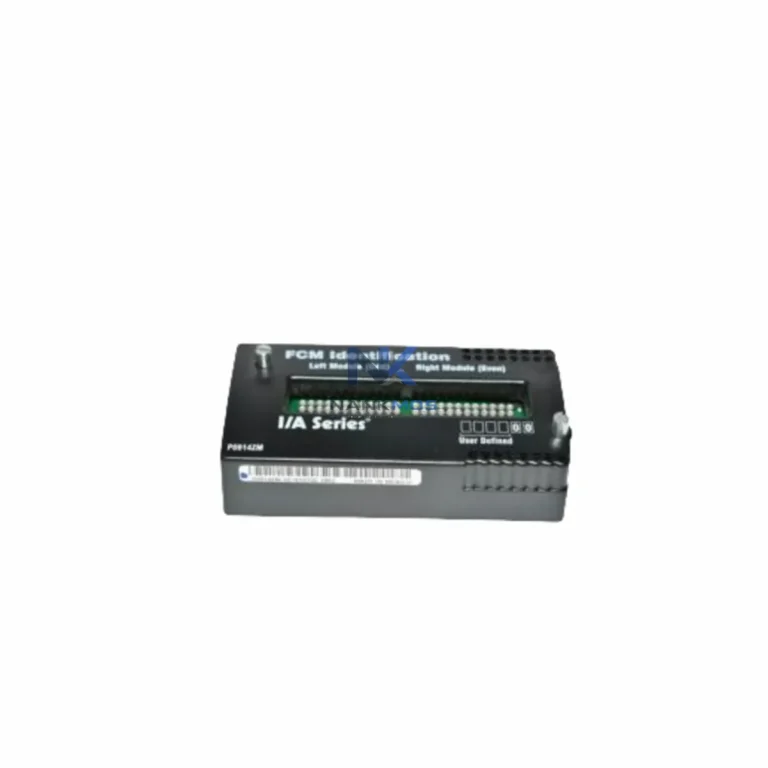
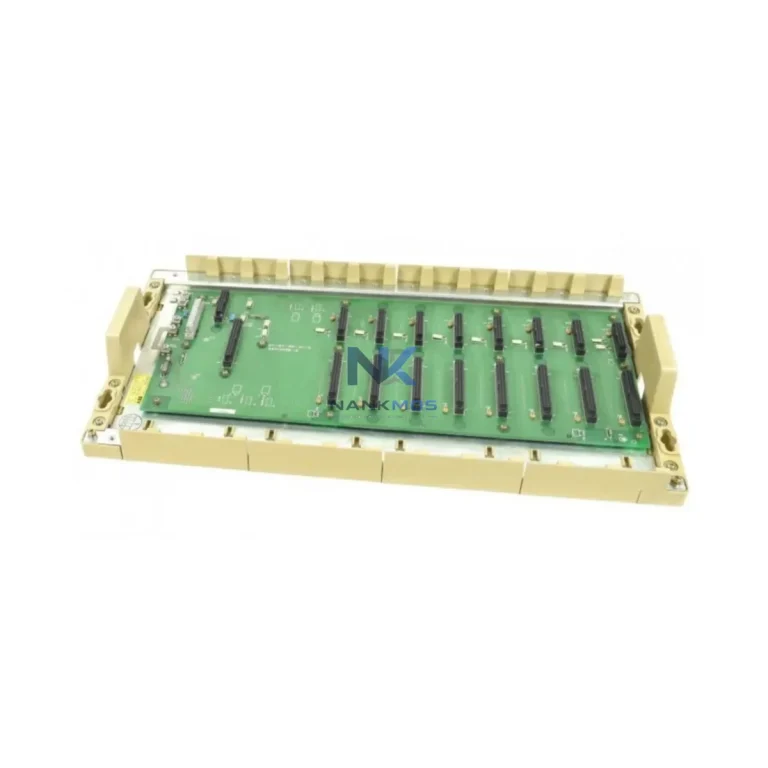
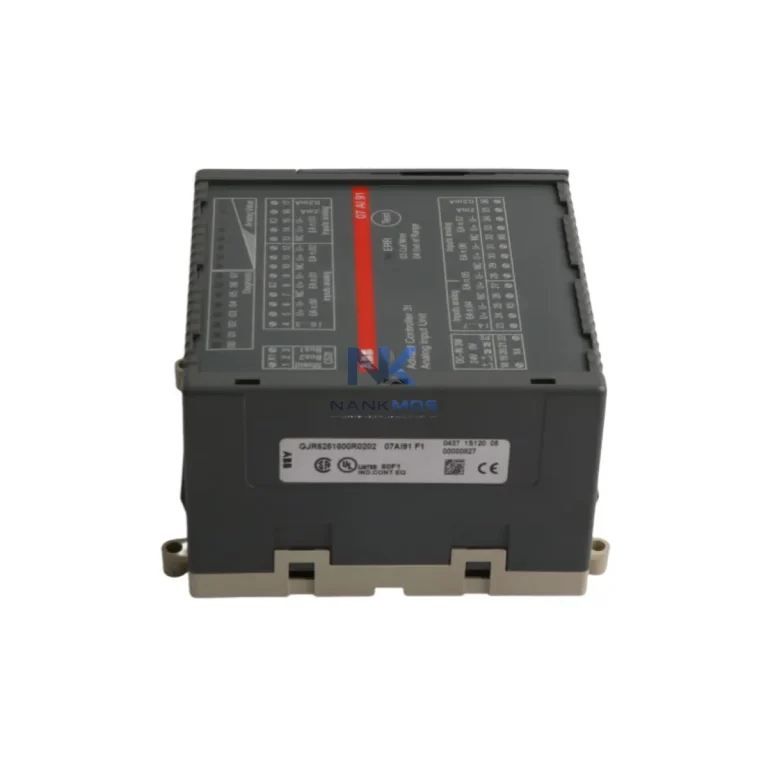
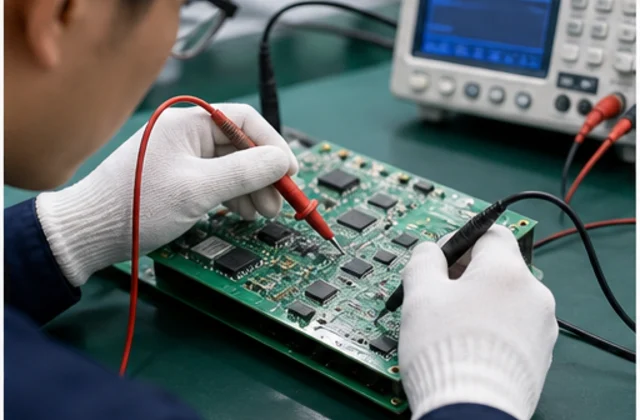
 Functional Inspection
100% tested on professional platforms to ensure stable performance.
Makino UP-MF13-A is a NANKMOS industrial automation product record Listed under Other series series and Business & Industrial > Automation, Control & Flow Devices > Programmable Logic Controllers. Confirm condition, availability, lead time, compatibility and documentation by email inquiry.
Brand names are used for identification only.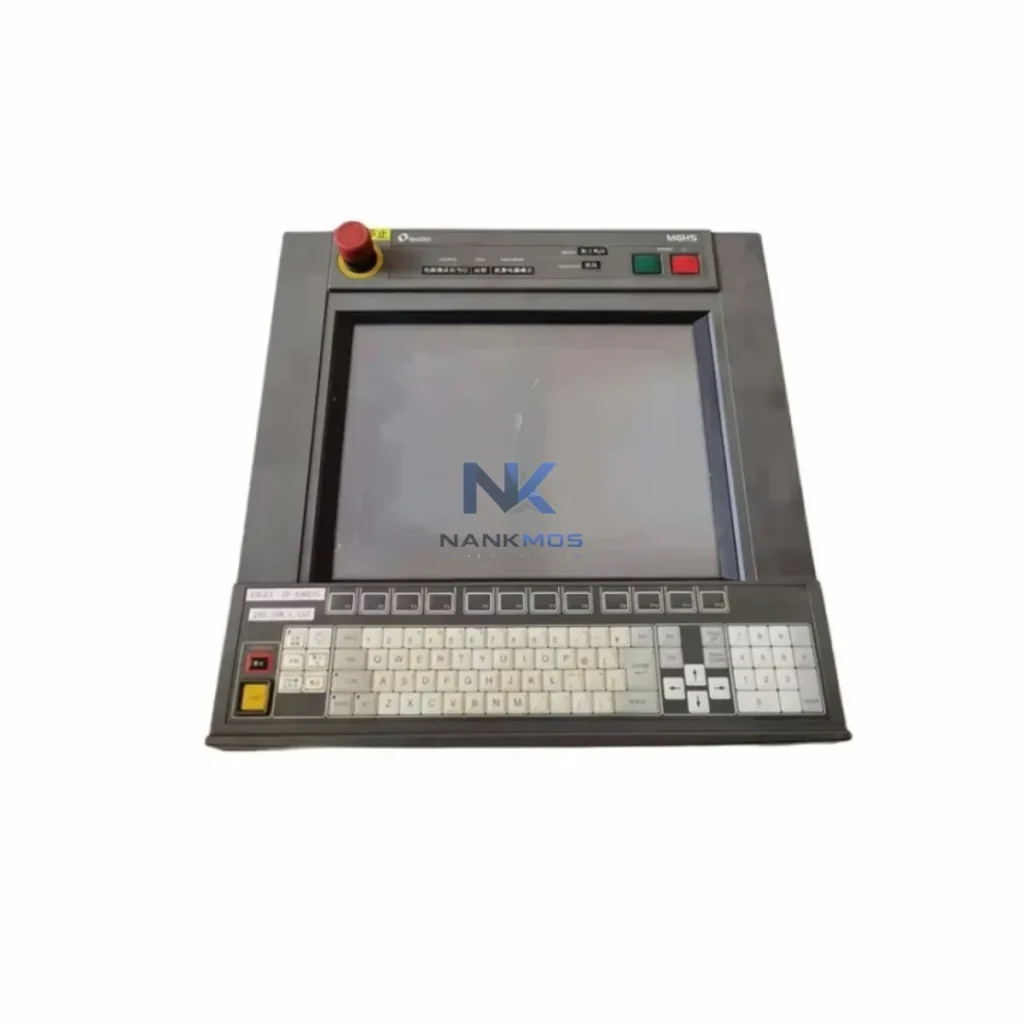
Makino UP-MF13-A is a NANKMOS industrial automation product record Listed under Other series series and Business & Industrial > Automation, Control & Flow Devices > Programmable Logic Controllers. Confirm condition, availability, lead time, compatibility and documentation by email inquiry.
| Manufacturer | Makino |
|---|---|
| Application | Controller Processing & System Control |
| Part Number / Model | UP-MF13-A |
| Compatible System | Confirmed by inquiry |
| Condition Options | To Confirm |
| Module Type | Controller / CPU Module |
| Warranty | 12 Months |
| Packaging | Anti-static Bag / Secure Box |
| Shipping Methods | DHL / FedEx / UPS / Air / Sea |
| Availability | To Confirm |
| Lead Time | To Confirm |
| Documentation | Part number and revision checked before quote |
The Makino UP-MF13-A is a precision CNC control module engineered for wire electrical discharge machining (Wire EDM) systems. Designed to operate at the intersection of energy efficiency and high-accuracy machining, the UP-MF13-A delivers stable, low-waste power management across demanding production environments. Whether integrated into a standalone EDM cell or embedded within a broader smart factory architecture, this module provides the control intelligence needed to reduce idle-state energy draw, optimize servo response, and maintain consistent machining rhythm across multi-shift operations.
Built to Makino's exacting standards for precision manufacturing, the UP-MF13-A supports real-time feedback loops that allow the CNC system to dynamically adjust discharge energy based on workpiece material, cut geometry, and thermal load conditions. This adaptive energy modulation directly reduces unnecessary power consumption during non-cutting phases, contributing to measurable reductions in facility energy overhead without sacrificing surface finish quality or dimensional accuracy.
The UP-MF13-A does not operate in isolation — its value is amplified when deployed as part of a coordinated, power-aware automation architecture. In a typical smart factory EDM cell, the module interfaces with the machine's internal AC servo drive units to regulate axis motion energy during wire threading, flushing, and repositioning phases. By minimizing unnecessary servo torque during non-cutting transitions, the system reduces reactive power draw and lowers the thermal burden on drive components.
When paired with a FANUC Series 31i CNC controller or equivalent Makino-native CNC platform, the UP-MF13-A enables coordinated G-code execution with energy-aware interpolation. The controller can schedule discharge pulses in alignment with the machine's power envelope, preventing peak-demand spikes that would otherwise trigger facility-level energy penalties.
Integration with power monitoring modules — such as those from the Yokogawa WT series or equivalent industrial power analyzers — allows plant engineers to log real-time energy consumption per machining program. This data feeds directly into energy management systems (EMS) or SCADA platforms like Wonderware or Ignition, where consumption trends can be visualized, benchmarked, and acted upon. The UP-MF13-A's stable, predictable power signature makes it an ideal data source for such monitoring workflows.
On the I/O side, the module communicates status signals — including fault states, cycle completion, and energy mode transitions — through the machine's I/O interface, which can be extended to a Siemens ET 200SP distributed I/O or similar remote I/O rack for integration into a plant-wide PLC network. A Siemens S7-1500 PLC or Omron NX-series controller can then use these signals to coordinate upstream and downstream production steps, ensuring the EDM cell operates in sync with the broader production line rhythm.
For facilities running HMI-driven production dashboards — such as those built on Siemens WinCC or Omron NS-series panels — the UP-MF13-A's operational data can be surfaced in real time, giving operators visibility into energy consumption, cycle status, and alarm conditions without leaving the production floor. This reduces response latency to energy anomalies and supports faster corrective action.
Where variable-speed auxiliary equipment is involved — such as dielectric fluid pumps or filtration systems — pairing the EDM cell with an ABB ACS880 variable frequency drive (VFD) on the pump motor allows flow rate to be matched to actual machining demand. This eliminates the constant-speed energy waste common in legacy EDM installations and can reduce auxiliary system power consumption by 20–40% depending on duty cycle.
Wire EDM is inherently an energy-intensive process, but the Makino UP-MF13-A introduces a layer of intelligent energy governance that transforms the machine from a passive power consumer into an active participant in factory-wide efficiency strategy.
During active cutting, the module's discharge energy control algorithm continuously adjusts pulse width, frequency, and gap voltage to match the instantaneous cutting condition. This prevents over-energizing the gap — a common source of wasted electrical energy and unnecessary electrode wire consumption. The result is a tighter energy-per-unit-volume-removed ratio, which translates directly into lower electricity costs per finished part.
During non-cutting intervals — wire threading, workpiece repositioning, operator intervention pauses — the UP-MF13-A transitions the machine into a reduced-power standby state, cutting idle energy draw significantly compared to systems that maintain full discharge readiness at all times. In multi-shift operations where machines may sit idle for 30–60 minutes per shift, this standby optimization alone can yield meaningful energy savings at scale.
From a predictive maintenance perspective, the module's internal diagnostics track discharge stability metrics over time. Degradation in pulse consistency — often an early indicator of worn wire guides, contaminated dielectric, or aging power supply components — can be detected before it causes scrap or unplanned downtime. When this diagnostic data is routed to a CMMS or SCADA system, maintenance teams can schedule interventions during planned downtime windows rather than reacting to failures mid-production.
At the production line level, the UP-MF13-A contributes to takt time stability by ensuring the EDM cell completes its cycle within a predictable time window. Erratic energy delivery — caused by unstable power supply or poorly tuned discharge parameters — is a leading cause of cycle time variance in EDM operations. By maintaining consistent discharge energy, the module supports the kind of repeatable, predictable cycle times that lean production scheduling depends on.
For facilities pursuing ISO 50001 energy management certification or internal carbon reduction targets, the UP-MF13-A provides a measurable, documentable contribution to machine-level energy efficiency. Its compatibility with standard industrial monitoring infrastructure means energy data can be captured, reported, and audited without custom instrumentation.
All units supplied by NANKMOS undergo full pre-shipment functional testing, including discharge circuit verification, control signal integrity checks, and communication interface validation. Each unit is backed by a 12-month warranty covering manufacturing defects and functional failure under normal operating conditions. Global inventory is maintained to support urgent replacement requirements with minimal lead time.
Q1: What measurable energy savings can the Makino UP-MF13-A deliver in a production environment? The UP-MF13-A's adaptive discharge energy control reduces over-energizing of the EDM gap during active cutting, and its standby power reduction mode lowers idle-state consumption during non-cutting intervals. In multi-shift operations, facilities typically observe a reduction in per-part energy consumption and a measurable decrease in peak demand events. Actual savings depend on material type, program complexity, and shift utilization rates.
Q2: Is the UP-MF13-A compatible with existing Makino Wire EDM platforms and third-party automation systems? The UP-MF13-A is designed for integration within Makino UP-series Wire EDM platforms, including the UP3, UP4, and UP6. Its I/O signal outputs are compatible with standard industrial PLC and SCADA integration frameworks, including FANUC-based CNC environments and fieldbus-extended I/O networks. For specific compatibility verification with your machine serial number and control version, contact NANKMOS technical support.
Q3: What is the recommended replacement and testing process when sourcing a UP-MF13-A as a spare or emergency replacement? NANKMOS supplies the UP-MF13-A from verified inventory with full pre-shipment functional testing completed prior to dispatch. Upon receipt, installation should follow Makino's standard module replacement procedure, including discharge circuit re-initialization and parameter verification against the machine's backup configuration file. NANKMOS technical documentation is available upon request to support the replacement process.
Q4: What does the 12-month warranty cover, and what is the supply lead time for urgent orders? The 12-month warranty covers manufacturing defects and functional failure under normal operating conditions from the date of shipment. It does not cover damage resulting from improper installation, electrical overstress, or unauthorized modification. For urgent replacement requirements, NANKMOS maintains global inventory with expedited shipping options available. Contact [email protected] or +86 18359268345 to confirm current stock and lead time for your region.
Functional Inspection100% tested on professional platforms to ensure stable performance.
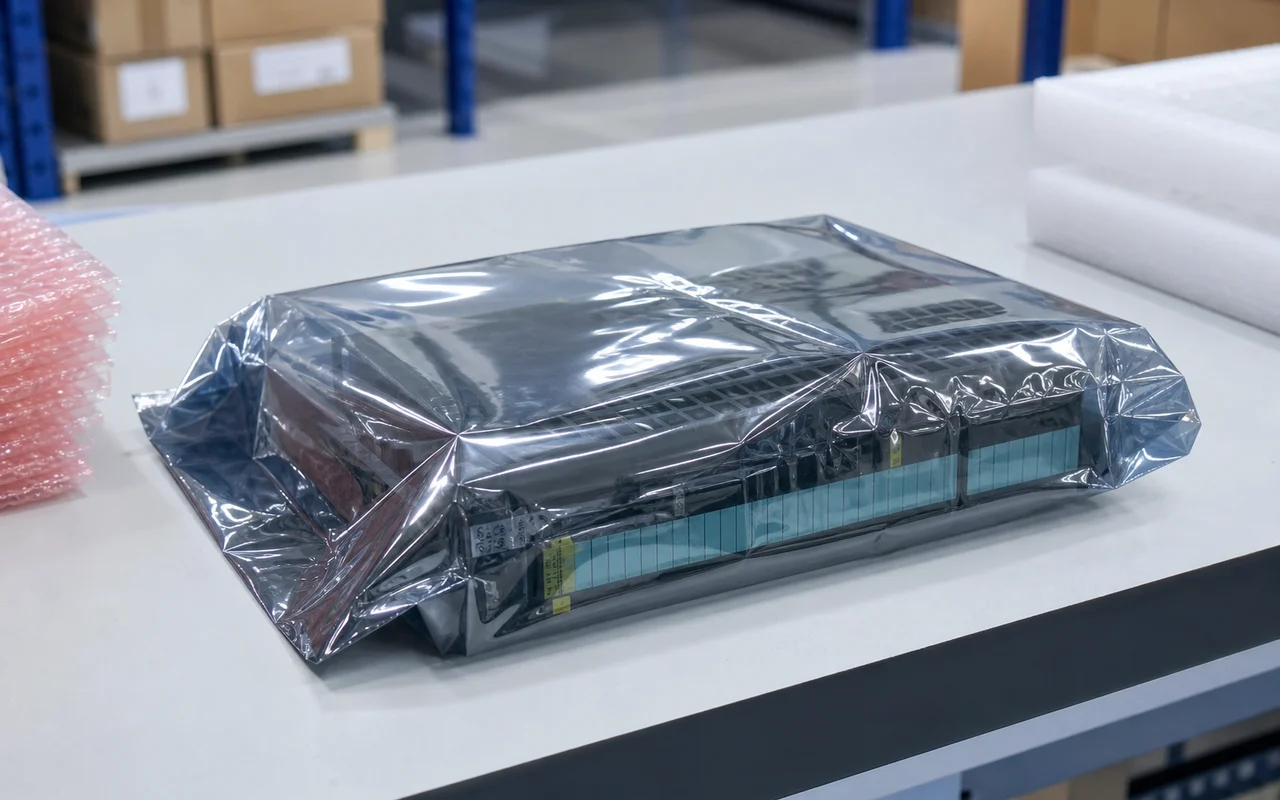 Anti-static Packaging
Modules are packed in anti-static bags to prevent electrostatic damage.
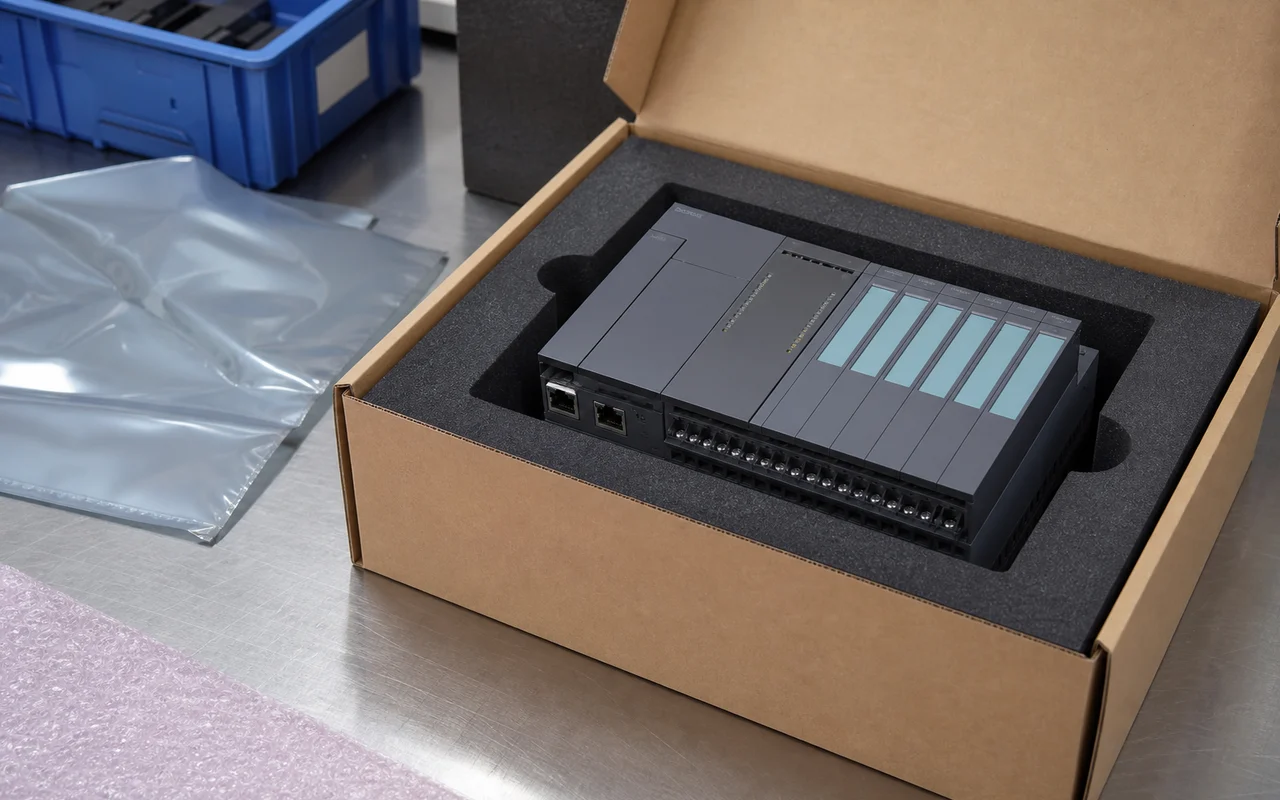 Secure Export Packing
Cushion protection and strong cartons ensure safe transportation.
 Worldwide Shipping
Global logistics network supports air, sea and express delivery.
 Documentation Check
Part number, revision and compatibility verified before shipment.
 After-sales Support
Professional technical support to help resolve your issues.