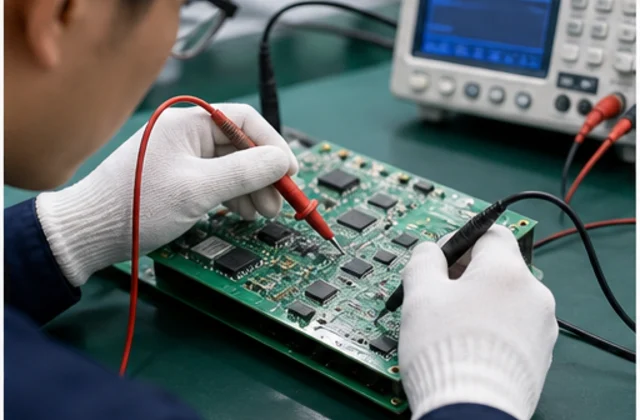
 Functional Inspection
100% tested on professional platforms to ensure stable performance.
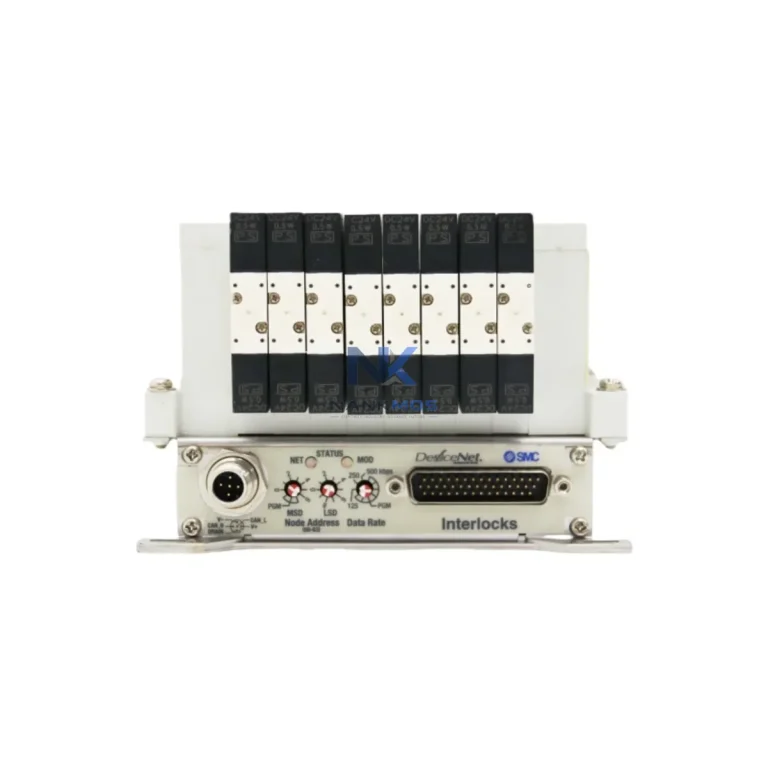
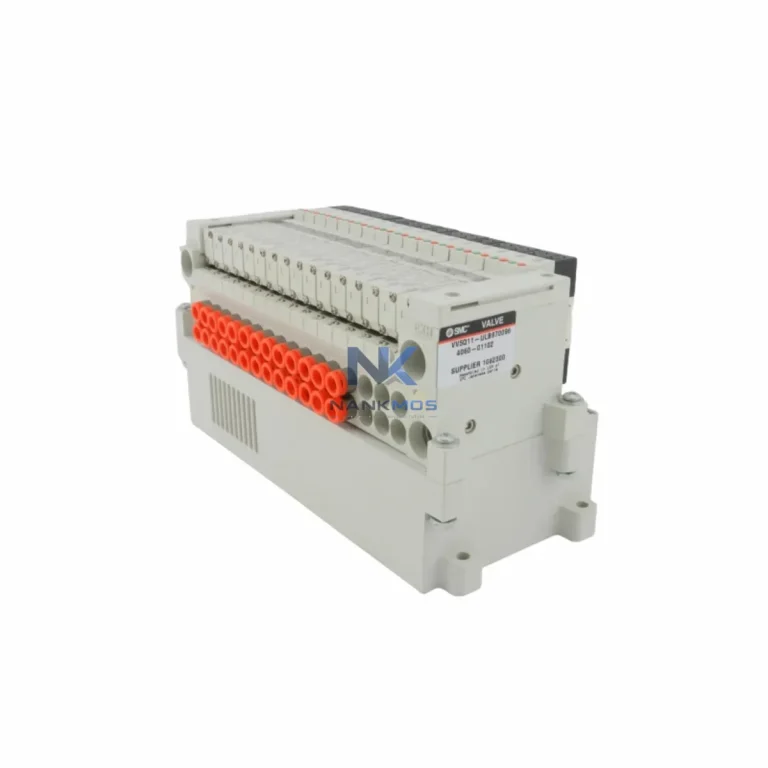
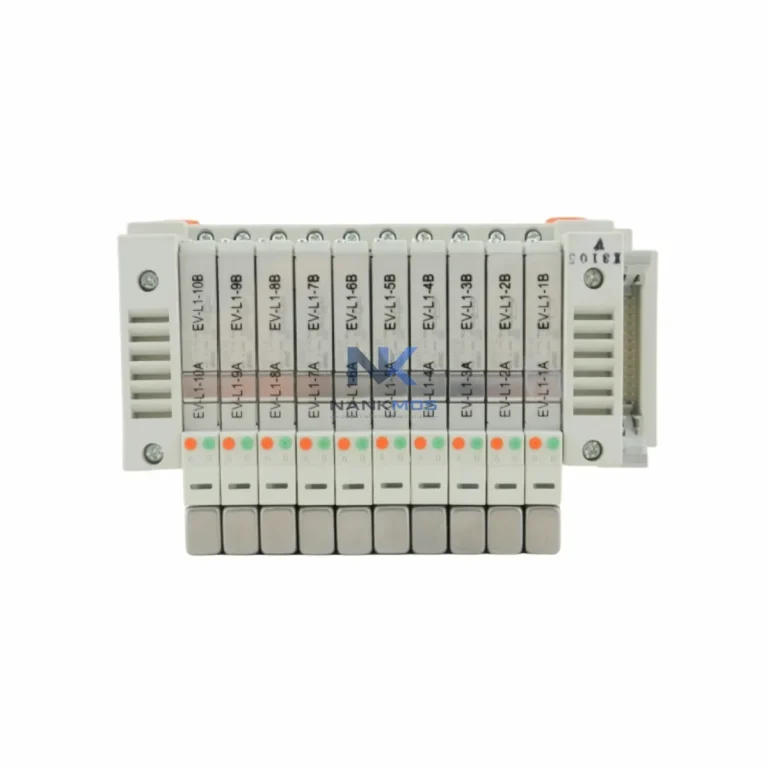
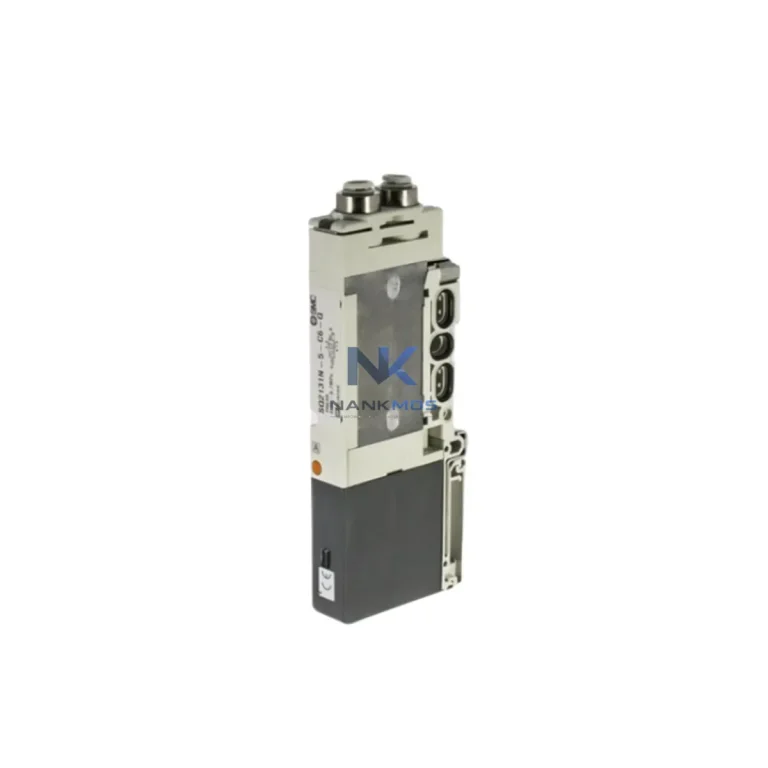
SMC VV5Q11-ULB970096 4060-01102 LF-I TRANS 8226 LF-I PP MIT REL.-PP-EPDM HN-802 is a NANKMOS industrial automation product record Listed under Other series series and Business & Industrial > Automation, Control & Flow Devices. Confirm condition, availability, lead time, compatibility and documentation by email inquiry.
Brand names are used for identification only.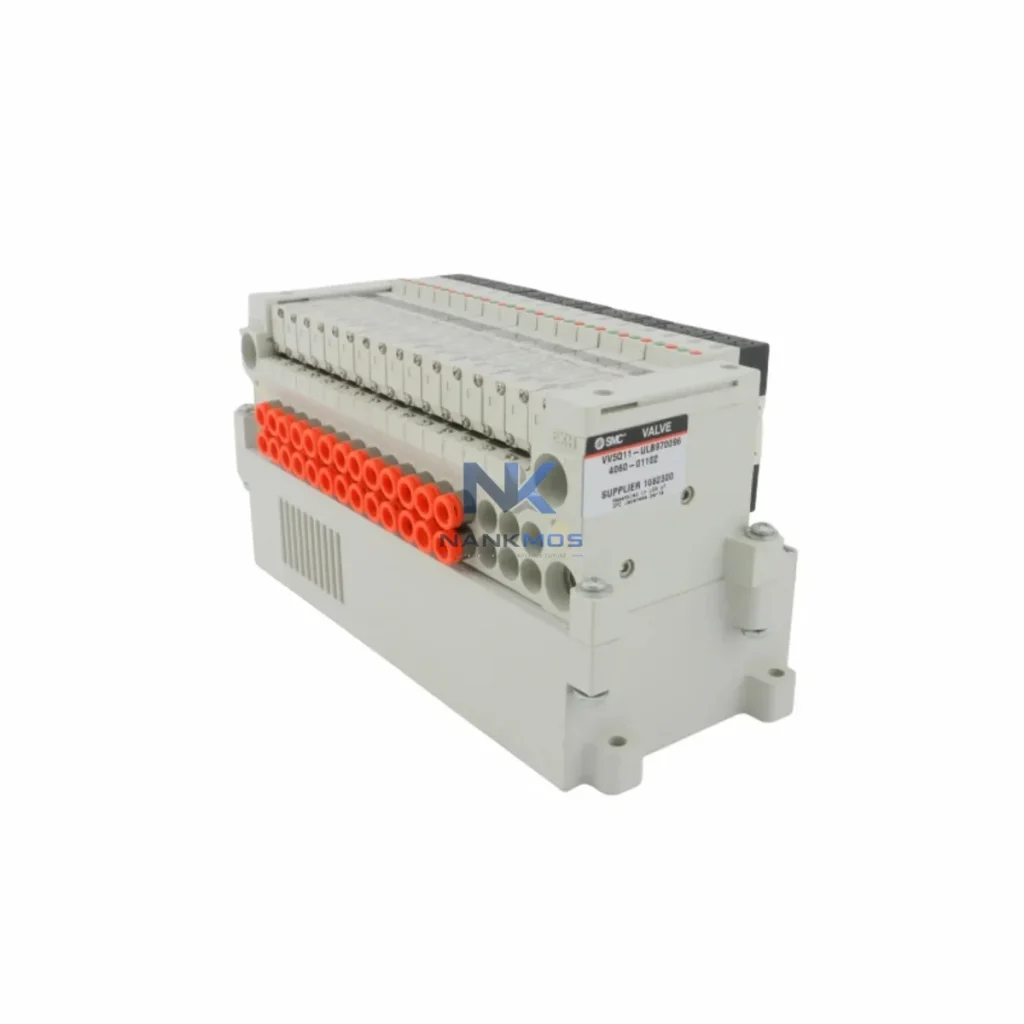
SMC VV5Q11-ULB970096 4060-01102 LF-I TRANS 8226 LF-I PP MIT REL.-PP-EPDM HN-802 is a NANKMOS industrial automation product record Listed under Other series series and Business & Industrial > Automation, Control & Flow Devices. Confirm condition, availability, lead time, compatibility and documentation by email inquiry.
| Manufacturer | SMC |
|---|---|
| Application | Industrial Automation Maintenance |
| Part Number / Model | VV5Q11-ULB970096 4060-01102 LF-I TRANS 8226 LF-I PP MIT REL.-PP-EPDM HN-802 |
| Compatible System | Confirmed by inquiry |
| Condition Options | To Confirm |
| Module Type | Automation, Control & Flow Devices |
| Warranty | 12 Months |
| Packaging | Anti-static Bag / Secure Box |
| Shipping Methods | DHL / FedEx / UPS / Air / Sea |
| Availability | To Confirm |
| Lead Time | To Confirm |
| Documentation | Part number and revision checked before quote |
The SMC VV5Q11-ULB970096 is a high-density, energy-optimized pneumatic valve manifold from SMC's proven VQ Series, engineered for demanding industrial automation environments where air consumption efficiency, cycle-time stability, and thermal load management are mission-critical. Designed for integration into smart production lines, this manifold delivers centralized solenoid valve control with minimized pressure drop, reduced dead volume, and consistent flow characteristics — enabling factories to lower compressed air energy costs while maintaining precise actuator sequencing across multi-axis systems.
Built to operate reliably in continuous-duty cycles, the VV5Q11-ULB970096 supports both individual and collective wiring configurations, making it compatible with a wide range of PLC output modules and fieldbus communication architectures. Its compact manifold block design reduces pneumatic circuit complexity, shortens tubing runs, and lowers the overall thermal footprint of the pneumatic control cabinet — directly contributing to reduced heat dissipation loads on enclosure cooling systems.
In a fully integrated smart factory architecture, the SMC VV5Q11-ULB970096 valve manifold functions as the pneumatic execution layer, receiving discrete output signals from a Mitsubishi MELSEC Q-Series PLC or Siemens S7-1500 PLC via a DeviceNet or EtherNet/IP fieldbus gateway mounted directly to the manifold's D-sub connector block. This eliminates individual solenoid wiring runs and reduces I/O channel consumption on the PLC's digital output modules.
On the drive side, pneumatic actuators controlled by this manifold often work in tandem with SMC LECP6 electric actuator controllers or Yaskawa Σ-7 Series servo drives on adjacent axes — creating a hybrid pneumatic-electric motion system where the manifold handles high-speed, low-precision switching tasks while servo axes manage precision positioning. This division of labor is a proven energy optimization strategy: pneumatic actuation consumes energy only during the switching event, while servo drives manage regenerative braking energy recovery.
For power quality monitoring, the manifold's solenoid current draw can be tracked through a Schneider Electric PowerLogic PM5000 Series power monitoring module or an ABB M2M energy meter integrated into the MCC panel. These instruments feed real-time load data to the plant's SCADA system — enabling operators to detect coil degradation, abnormal current spikes, or solenoid valve sticking before they escalate into unplanned downtime events.
On the sensing side, SMC D-M9 Series magnetic sensors mounted on pneumatic cylinders driven by this manifold provide end-of-stroke feedback to the PLC, closing the control loop and enabling precise cycle-time measurement. This data feeds into the HMI dashboard — typically a Proface GP4000 Series or Siemens TP1200 Comfort Panel — where production engineers monitor actuator cycle counts, dwell times, and air consumption trends in real time.
Communication between the manifold's fieldbus gateway and the plant's PROFINET or EtherNet/IP network backbone allows the SCADA system to issue valve enable/disable commands during scheduled production pauses, eliminating idle-state air consumption — a frequently overlooked source of compressed air energy waste in continuous-operation facilities.
Compressed air is consistently ranked among the most expensive energy utilities in manufacturing, with system-wide inefficiencies — including leakage, pressure drop, and oversized valve dead volumes — accounting for 20–30% of total compressed air energy waste in typical plants. The SMC VV5Q11-ULB970096 addresses these losses at the point of use through its low-dead-volume manifold design, which minimizes the air volume that must be pressurized and exhausted with each valve cycle.
By centralizing multiple solenoid valves into a single manifold block, the VV5Q11-ULB970096 reduces the number of pneumatic fittings, tube connections, and potential leak points in the circuit. Each eliminated leak point represents a measurable reduction in compressor load — directly translating to lower electricity consumption at the air compressor motor, reduced compressor duty cycle, and extended compressor service intervals.
From a production rhythm perspective, the manifold's consistent switching response time ensures that pneumatic actuators reach end-of-stroke positions within predictable time windows — a prerequisite for stable machine cycle times. Cycle-time variance caused by sluggish or inconsistent valve response is a primary driver of production line throughput loss. By maintaining tight valve response consistency, the VV5Q11-ULB970096 supports OEE (Overall Equipment Effectiveness) improvement initiatives by reducing the micro-stoppages and timing faults that accumulate into significant throughput losses over a production shift.
For predictive maintenance programs, the manifold's solenoid coil resistance and current draw characteristics provide early indicators of coil aging or contamination-induced valve sticking. When integrated with a condition monitoring system, these parameters can trigger maintenance alerts before valve failure causes a line stoppage — shifting maintenance strategy from reactive to predictive and reducing unplanned downtime costs.
All units are supplied from verified inventory stock, with pre-shipment functional testing completed under rated pressure and voltage conditions. Each unit is covered by a 12-Month Warranty against manufacturing defects, with technical support available for application engineering and system integration queries.
Q1: How does the VV5Q11-ULB970096 contribute to measurable energy savings on a production line? The manifold's low-dead-volume design reduces the compressed air volume consumed per valve cycle. Combined with centralized solenoid grouping — which eliminates distributed individual valve bodies and their associated fittings — the result is a measurable reduction in compressor load. Plants with high-cycle pneumatic systems typically see 10–25% reductions in compressed air consumption when replacing distributed valve installations with centralized manifold architectures.
Q2: Which PLC platforms and fieldbus protocols is this manifold compatible with? The VV5Q11-ULB970096 supports collective wiring via D-sub connectors compatible with standard 24VDC PLC digital output modules from Mitsubishi, Siemens, Omron, and Rockwell Automation. With the appropriate SMC fieldbus gateway (DeviceNet, EtherNet/IP, PROFIBUS, or CC-Link), the manifold integrates directly into the plant's network architecture without additional relay wiring.
Q3: Can this manifold replace an existing VQ Series installation, and what is the recommended validation process? Yes — the VV5Q11-ULB970096 is designed for direct replacement within compatible VQ Series manifold assemblies. The recommended validation process includes: (1) pressure and flow verification at rated operating pressure, (2) solenoid coil resistance check, (3) full-cycle functional test under PLC control, and (4) leak-down test at all port connections. All units shipped from our inventory have completed pre-shipment functional testing.
Q4: What does the 12-Month Warranty cover, and what is the typical lead time for in-stock units? The 12-Month Warranty covers manufacturing defects in materials and workmanship under normal operating conditions, including solenoid coil failure, manifold body integrity, and port sealing. It does not cover damage from contaminated air supply, overpressure, or incorrect installation. In-stock units are available for immediate dispatch, with standard lead times of 3–7 business days depending on destination and shipping method.
Functional Inspection100% tested on professional platforms to ensure stable performance.
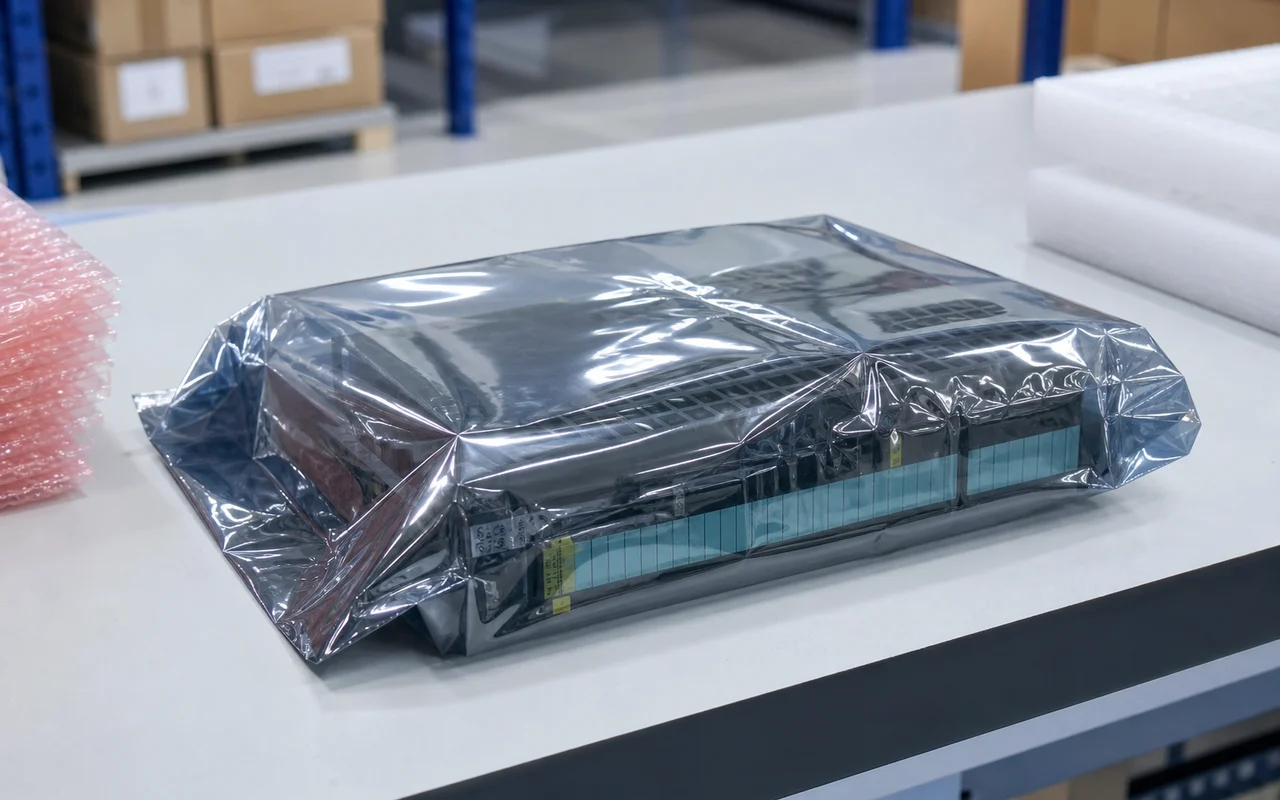 Anti-static Packaging
Modules are packed in anti-static bags to prevent electrostatic damage.
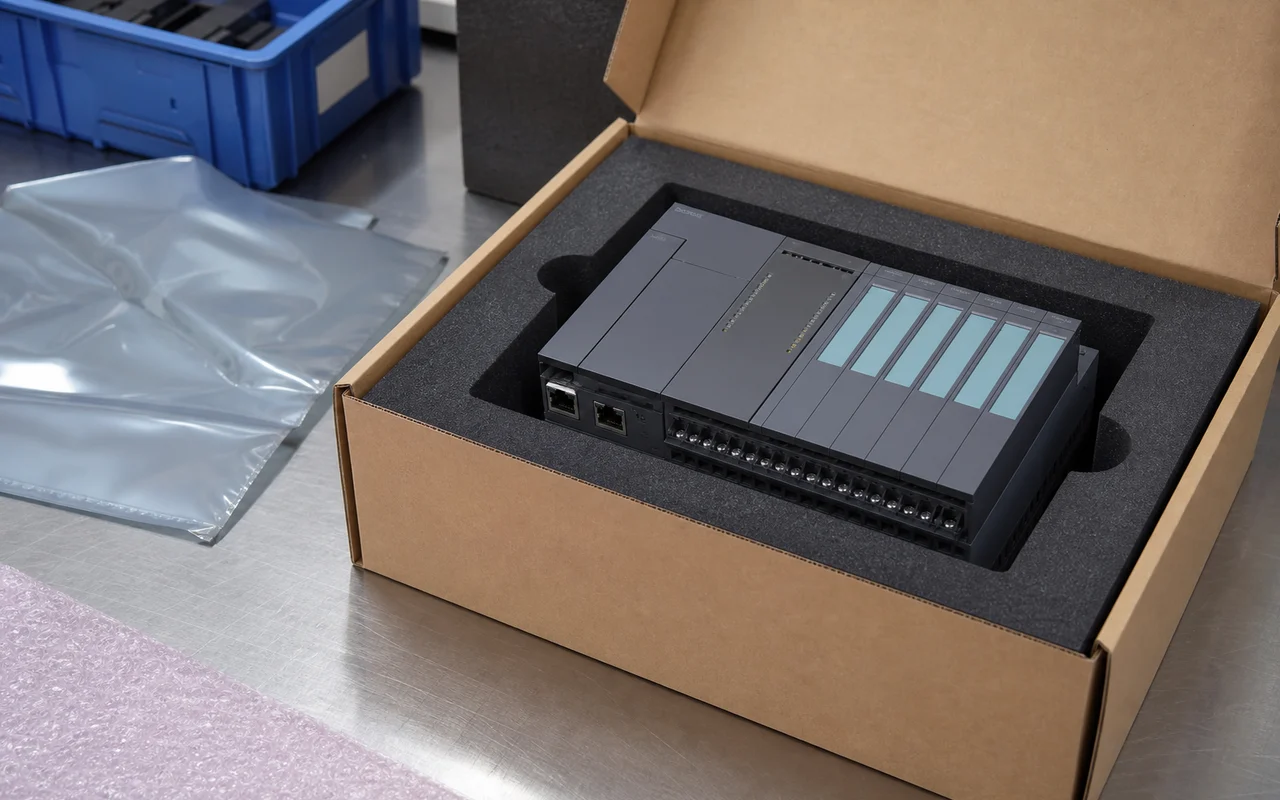 Secure Export Packing
Cushion protection and strong cartons ensure safe transportation.
 Worldwide Shipping
Global logistics network supports air, sea and express delivery.
 Documentation Check
Part number, revision and compatibility verified before shipment.
 After-sales Support
Professional technical support to help resolve your issues.