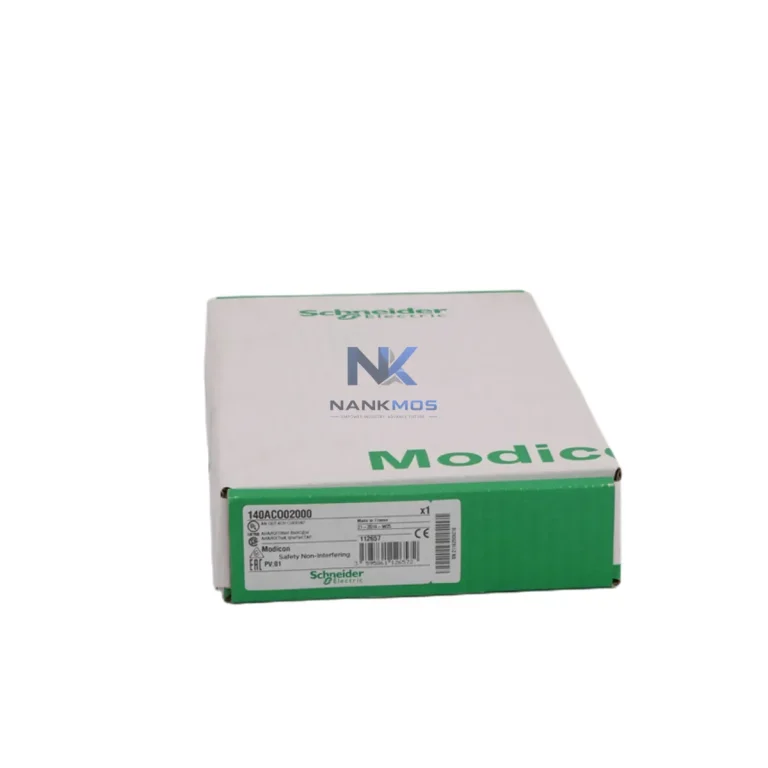
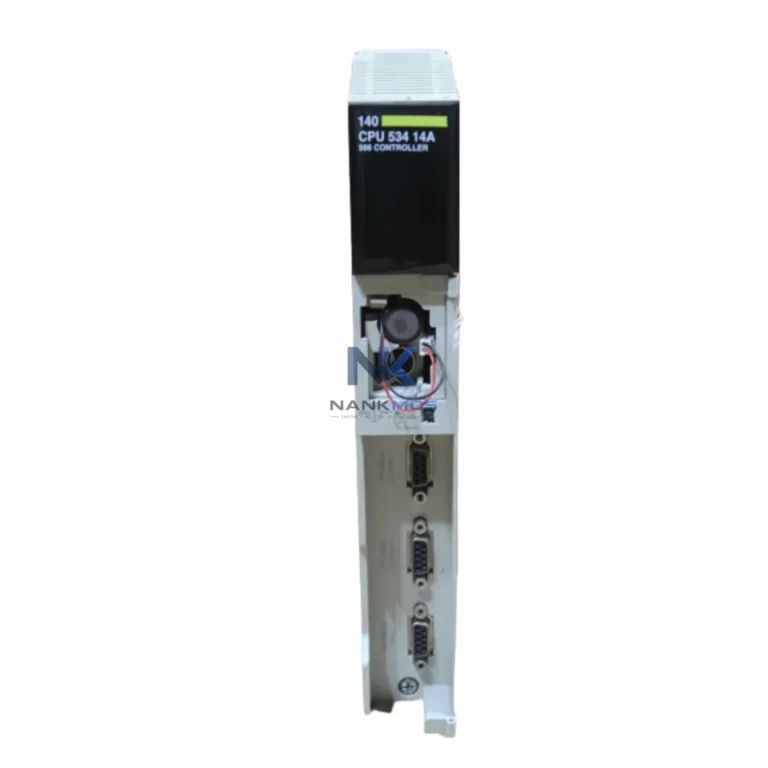
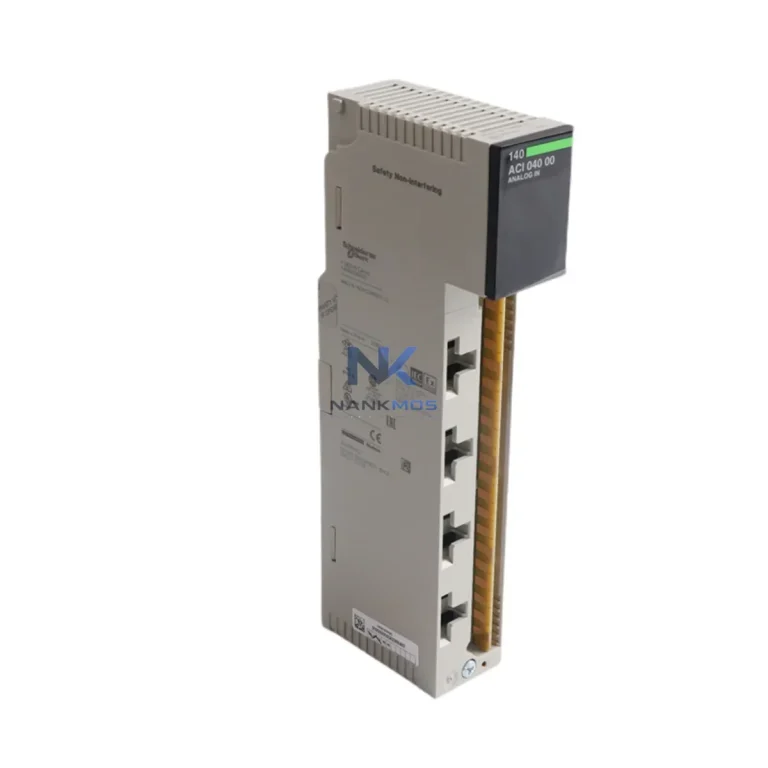
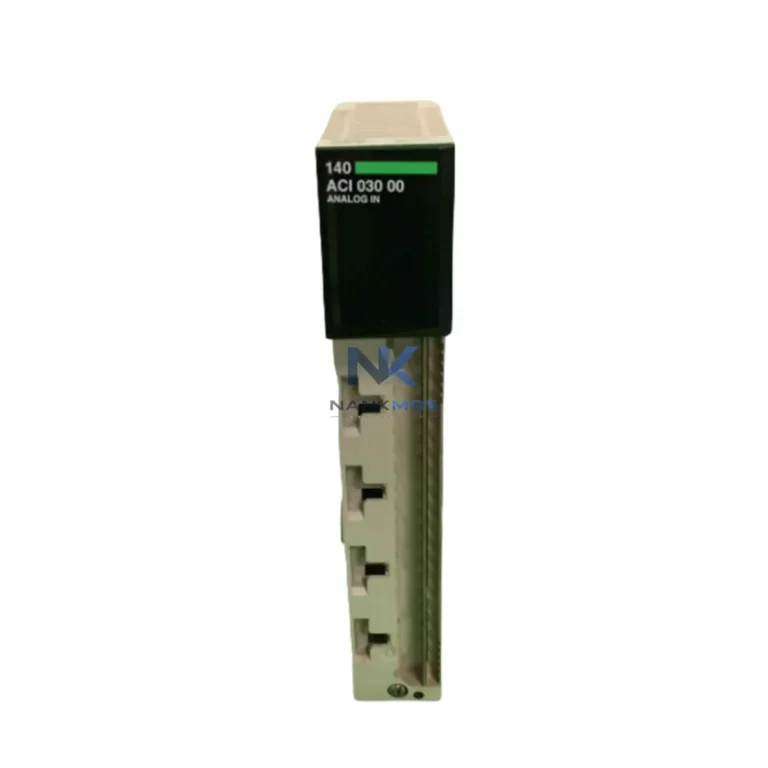
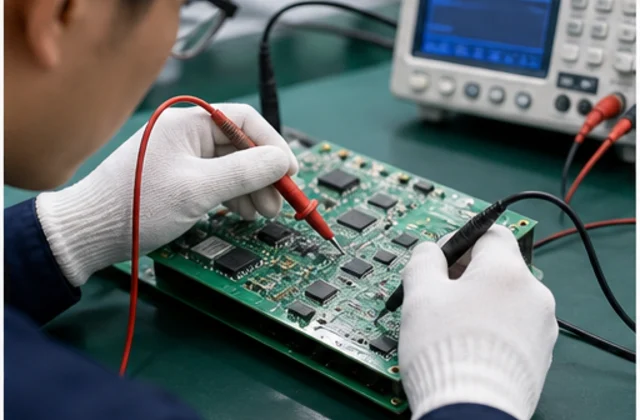
 Functional Inspection
100% tested on professional platforms to ensure stable performance.
Schneider Electric 140CRP81100 is a NANKMOS industrial automation product record Listed under Other series series and Business & Industrial > Automation, Control & Flow Devices > Programmable Logic Controllers. Confirm condition, availability, lead time, compatibility and documentation by email inquiry.
Brand names are used for identification only.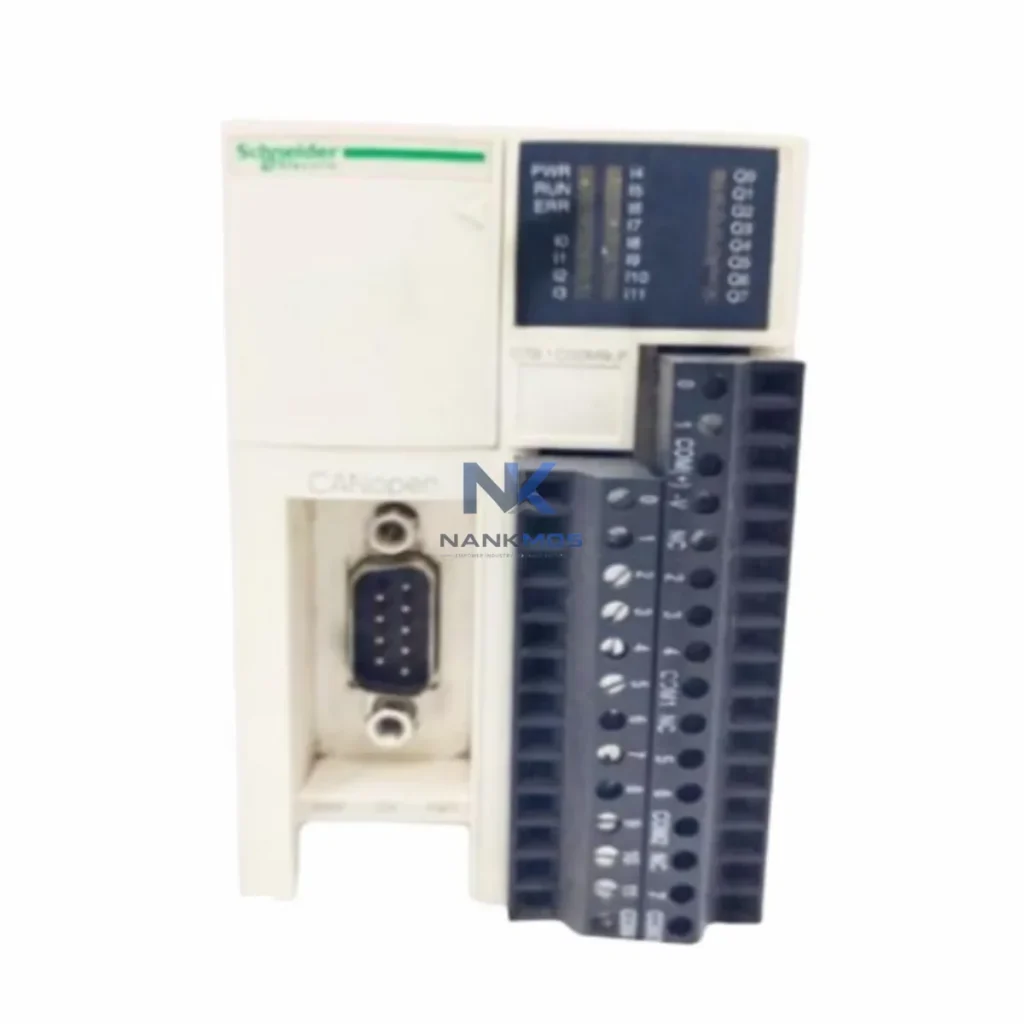
Schneider Electric 140CRP81100 is a NANKMOS industrial automation product record Listed under Other series series and Business & Industrial > Automation, Control & Flow Devices > Programmable Logic Controllers. Confirm condition, availability, lead time, compatibility and documentation by email inquiry.
| Manufacturer | Schneider Electric |
|---|---|
| Application | Controller Processing & System Control |
| Part Number / Model | 140CRP81100 |
| Compatible System | Confirmed by inquiry |
| Condition Options | To Confirm |
| Module Type | Controller / CPU Module |
| Warranty | 12 Months |
| Packaging | Anti-static Bag / Secure Box |
| Shipping Methods | DHL / FedEx / UPS / Air / Sea |
| Availability | To Confirm |
| Lead Time | To Confirm |
| Documentation | Part number and revision checked before quote |
The Schneider Electric 140CRP81100 is a Quantum-series Remote I/O (RIO) Hot Standby Master Module engineered for mission-critical industrial data communication. Designed to sustain uninterrupted data flow between field devices and upper-level control systems, the 140CRP81100 serves as the backbone of a resilient, high-availability automation network. It enables seamless integration across PLC controllers, remote I/O drops, SCADA platforms, HMI terminals, and edge gateways — making it an essential component in smart factory architectures where data continuity and network stability are non-negotiable.
Operating on the Modbus Plus communication protocol, the 140CRP81100 manages the RIO bus with deterministic scan cycles, ensuring that field-level signals — from sensors, actuators, and distributed I/O racks — are reliably transmitted to the Quantum PLC CPU (such as the 140CPU65160 or 140CPU67160) without latency or data loss. In hot standby configurations, a redundant master module monitors the primary path continuously, enabling automatic failover in milliseconds — a critical capability for process industries where downtime translates directly to production loss.
In a fully connected smart factory, the 140CRP81100 sits at the intersection of field-level signal acquisition and upper-layer data processing. The data flow begins at the sensor and actuator layer — pressure transmitters, flow meters, proximity switches, and motor feedback signals — all wired into Quantum remote I/O drop racks such as the 140XBP01600 backplane populated with 140DDI35300 digital input modules or 140ACI04000 analog input modules. These drop racks communicate back to the 140CRP81100 master over the RIO bus, delivering real-time process values with scan-cycle precision.
The 140CRP81100 then forwards this consolidated field data to the Quantum PLC CPU over the local backplane. From the CPU, data is routed upstream via a 140NOE77101 Ethernet communication module to the plant SCADA server — enabling operators to monitor live process variables, configure alarm thresholds, and execute remote control commands from a centralized HMI workstation. In parallel, the Modbus Plus network allows peer-to-peer communication between multiple Quantum PLCs on the same production line, supporting coordinated multi-axis control and synchronized process sequencing.
For edge connectivity and IIoT integration, a Moxa MGate MB3480 or similar Modbus-to-Ethernet gateway can bridge legacy Modbus Plus segments to modern TCP/IP infrastructure, feeding data into MES platforms, cloud historians, or OPC-UA servers. Industrial managed switches — such as those in the Hirschmann MICE or Phoenix Contact FL SWITCH series — provide the Layer 2 network backbone, ensuring deterministic Ethernet performance across the factory floor. Variable frequency drives (VFDs) connected via Modbus RTU to dedicated communication adapters can also report speed, torque, and fault status back through the RIO network, giving maintenance teams full drivetrain visibility within the SCADA dashboard.
In hot standby deployments, a secondary 140CRP81100 module operates in standby mode, continuously synchronized with the primary master. Should the primary module detect a bus fault or communication timeout, the standby takes over within one scan cycle — maintaining uninterrupted data delivery to the CPU and preventing alarm cascades or process upsets. This redundancy architecture is particularly valuable in water treatment, oil and gas, and power generation applications where process continuity is a regulatory and operational requirement.
Many industrial sites face persistent challenges with fragmented data architectures: legacy field devices speaking proprietary protocols, remote I/O drops that lack visibility in the SCADA layer, and PLC networks that cannot scale without significant re-engineering. The 140CRP81100 directly addresses these pain points within the Quantum ecosystem.
Protocol Fragmentation: By standardizing field communication on Modbus Plus and the RIO bus, the 140CRP81100 eliminates the need for ad-hoc protocol converters between the PLC and remote I/O drops. All drop racks — whether carrying digital I/O, analog signals, or specialty modules — communicate through a single, deterministic bus managed by the 140CRP81100, reducing configuration complexity and minimizing protocol mismatch errors.
Data Islands and Blind Spots: Remote I/O drops located hundreds of meters from the main control panel often become data islands when communication modules fail or are improperly configured. The hot standby capability of the 140CRP81100 ensures that even in the event of a primary module failure, the standby master maintains full visibility of all connected drops — eliminating blind spots in the process data stream and preserving alarm integrity.
Remote Monitoring and Diagnostics: Through integration with the 140NOE77101 Ethernet module and a SCADA platform such as Wonderware InTouch or Ignition, maintenance engineers can remotely interrogate the 140CRP81100's diagnostic registers to identify bus errors, drop communication faults, and module health status — without requiring a site visit. This remote diagnostic capability reduces mean time to repair (MTTR) and supports predictive maintenance workflows.
Production Line Transparency and Alarm Tracking: By feeding structured, time-stamped process data from all RIO drops into the SCADA historian, the 140CRP81100 enables full production line transparency. Alarm events are logged with precise timestamps, allowing root-cause analysis of process deviations and supporting continuous improvement initiatives across the plant.
System Scalability: The Quantum RIO architecture supports up to 31 drop addresses per RIO bus, allowing the 140CRP81100 to manage a large distributed I/O network from a single module. As production capacity expands, additional drop racks can be added to the existing RIO bus without modifying the PLC program structure — providing a scalable, future-proof connectivity foundation for growing smart factory deployments.
Q1: What communication protocols does the Schneider 140CRP81100 support? The 140CRP81100 operates on the Modbus Plus protocol for peer-to-peer PLC communication and manages the Schneider Quantum Remote I/O (RIO) bus for field-level device connectivity. It does not natively support Ethernet/IP or PROFIBUS, but can be integrated into broader network architectures via gateway modules such as the 140NOE77101 Ethernet bridge.
Q2: How does the hot standby function work, and what is the failover time? In a hot standby configuration, two 140CRP81100 modules are installed — one as the active primary master and one as the standby. Both modules continuously monitor the RIO bus. If the primary detects a communication fault or hardware failure, the standby assumes control within one PLC scan cycle (typically under 10 ms), ensuring uninterrupted data flow to the CPU and preventing process upsets.
Q3: Can the 140CRP81100 be integrated with modern SCADA and HMI systems? Yes. The 140CRP81100 feeds process data to the Quantum PLC CPU, which can then communicate upstream via Ethernet modules (e.g., 140NOE77101) to SCADA platforms including Schneider Electric EcoStruxure, Wonderware, Ignition, and iFIX. HMI terminals connected via Modbus TCP or Modbus Plus can display live I/O values, alarm states, and module diagnostics in real time.
Q4: What warranty and pre-shipment testing does NANKMOS provide for the 140CRP81100? Every 140CRP81100 unit supplied by NANKMOS is covered by a 12-Month Warranty and undergoes functional testing prior to shipment to verify communication integrity, module identification, and bus initialization. In-stock units are available for immediate dispatch to support urgent project timelines and minimize procurement lead times.
Functional Inspection100% tested on professional platforms to ensure stable performance.
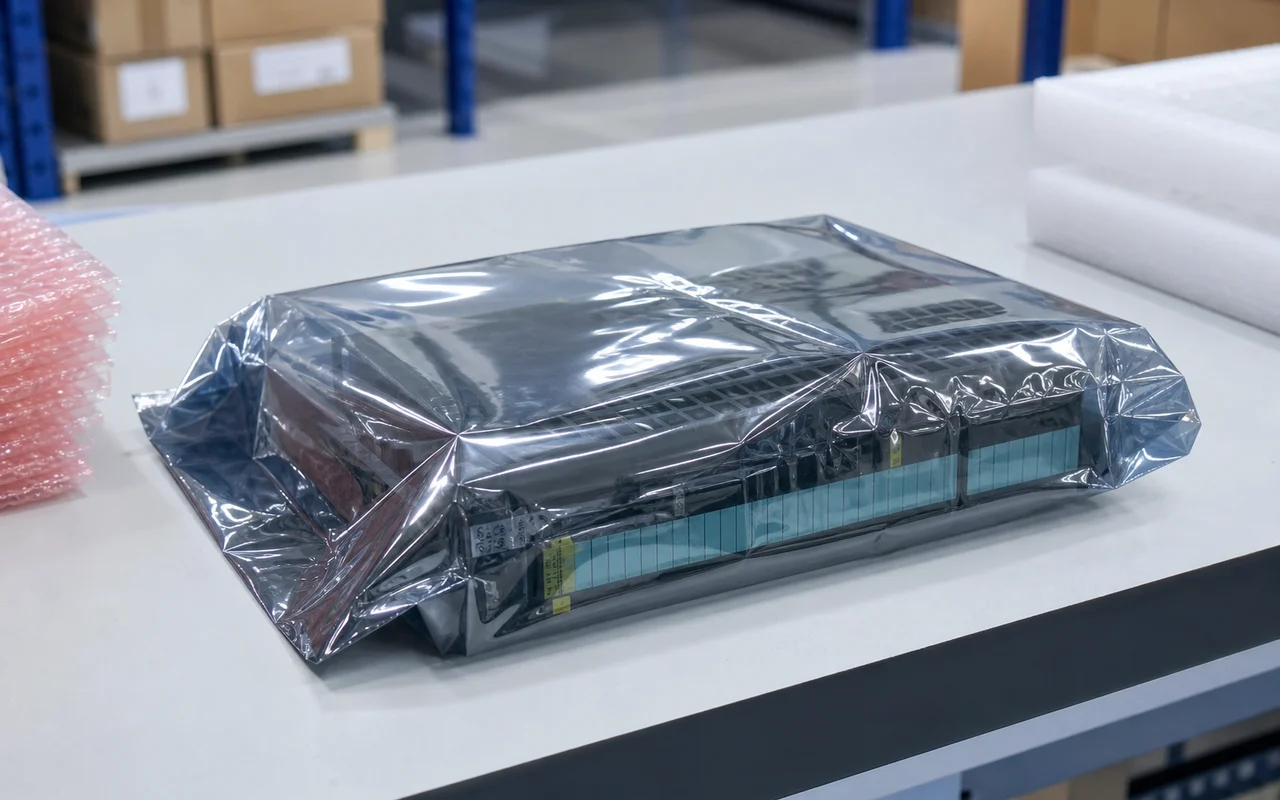 Anti-static Packaging
Modules are packed in anti-static bags to prevent electrostatic damage.
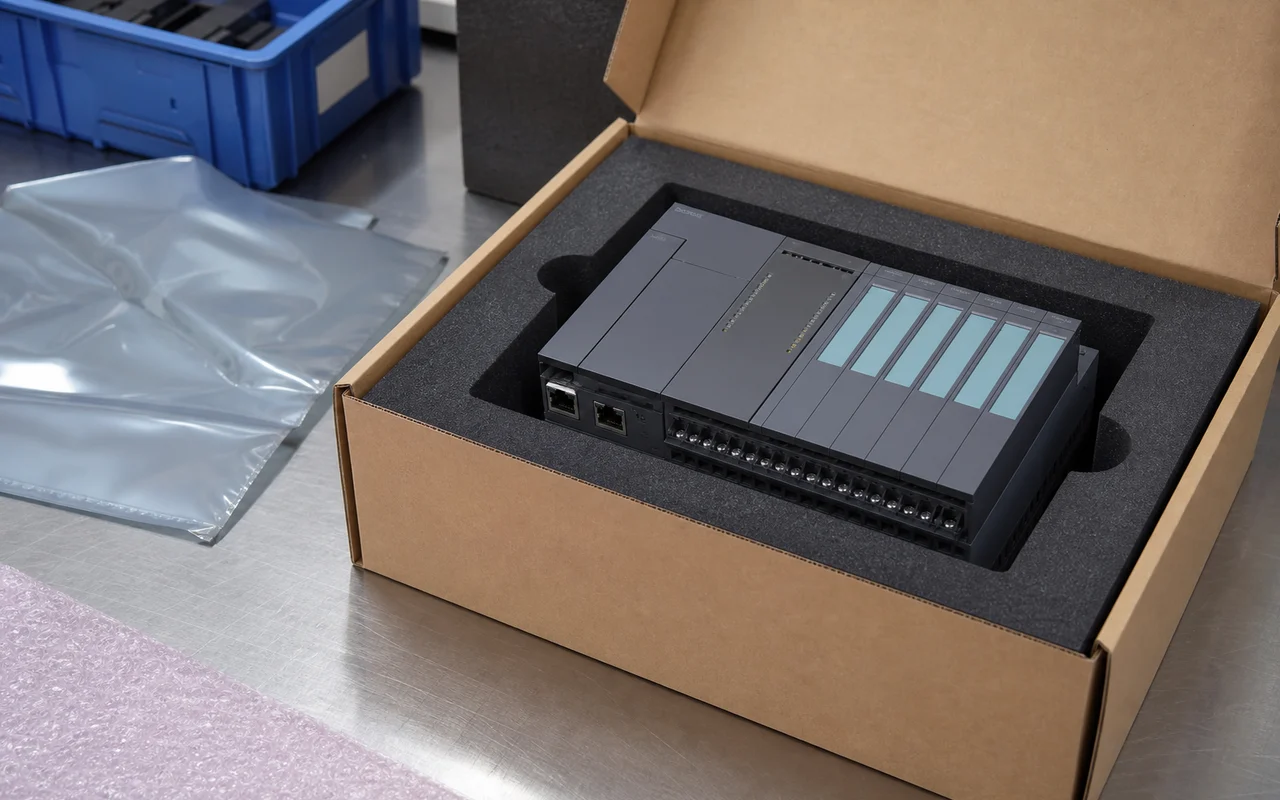 Secure Export Packing
Cushion protection and strong cartons ensure safe transportation.
 Worldwide Shipping
Global logistics network supports air, sea and express delivery.
 Documentation Check
Part number, revision and compatibility verified before shipment.
 After-sales Support
Professional technical support to help resolve your issues.