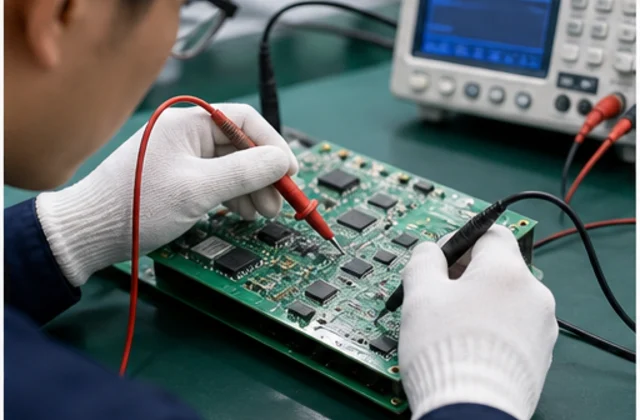
 Functional Inspection
100% tested on professional platforms to ensure stable performance.
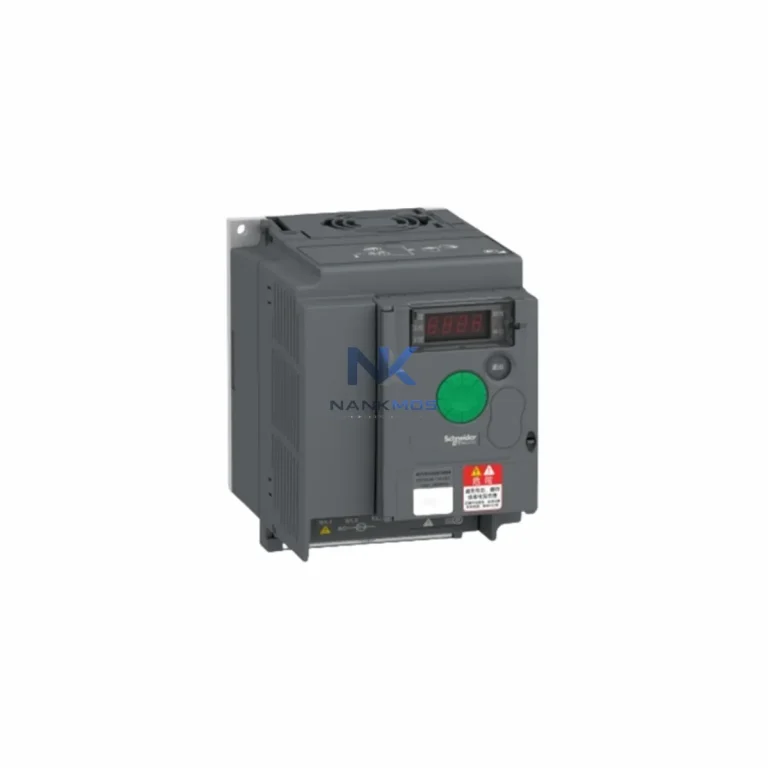
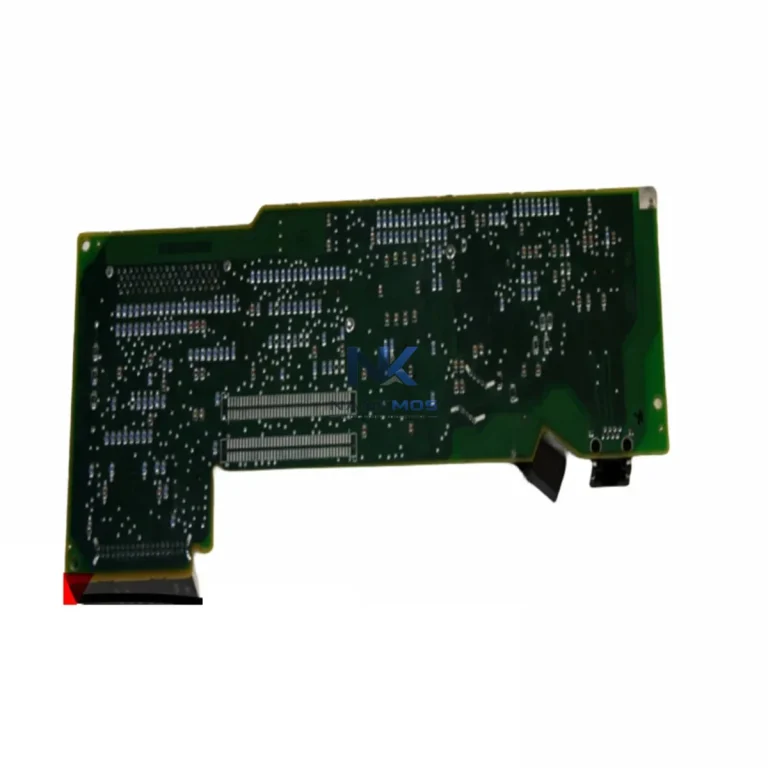
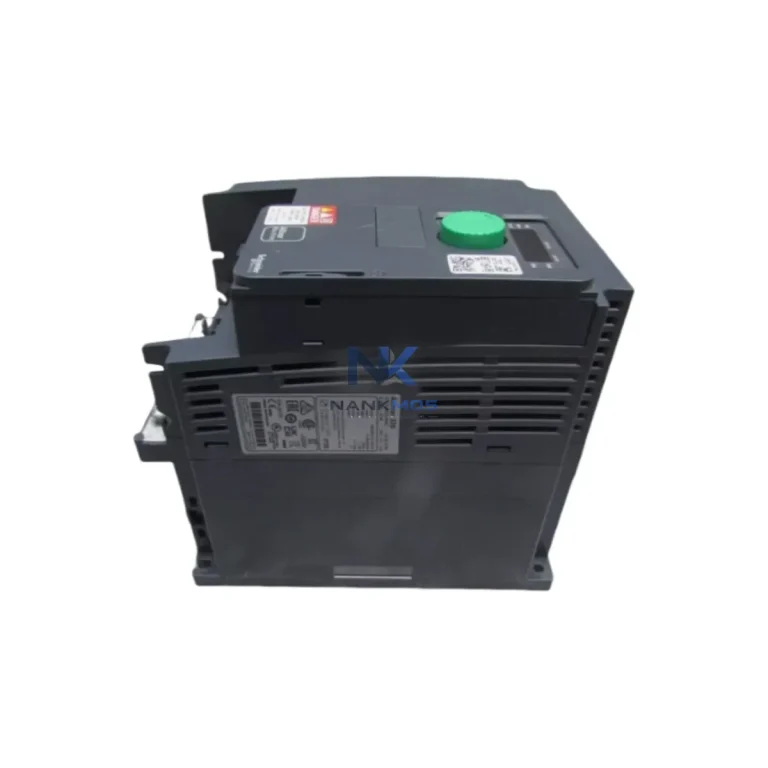
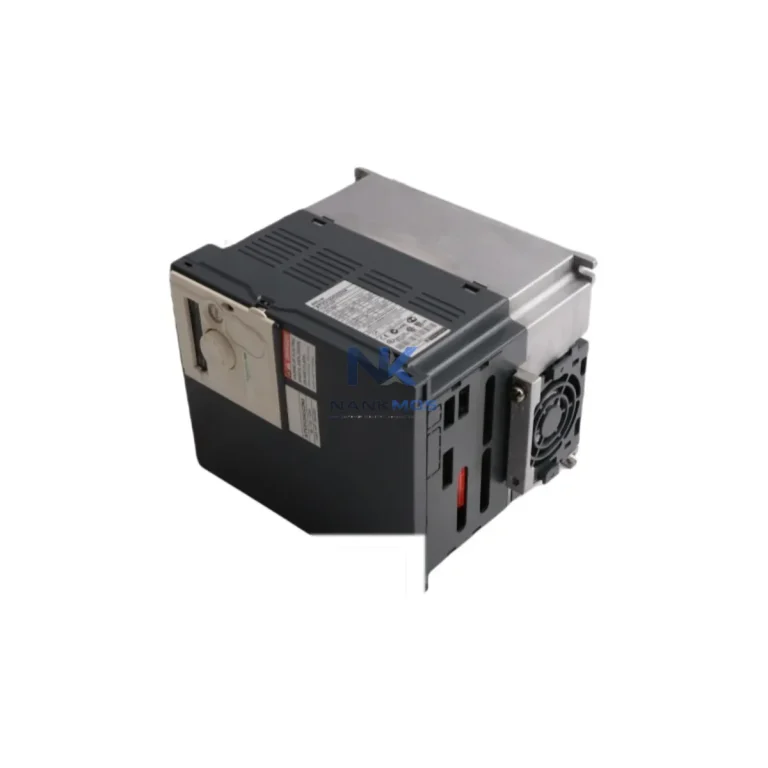
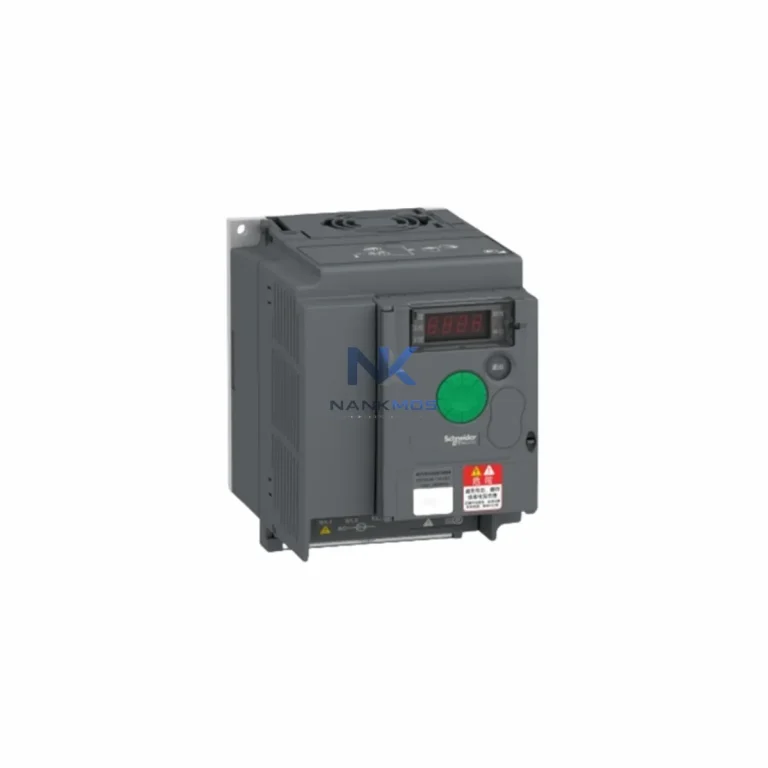
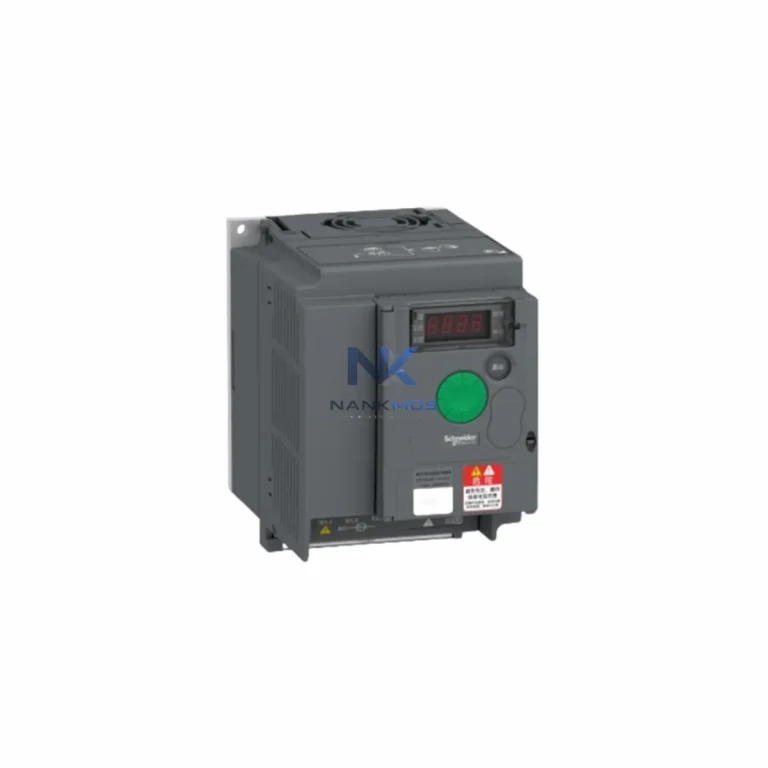
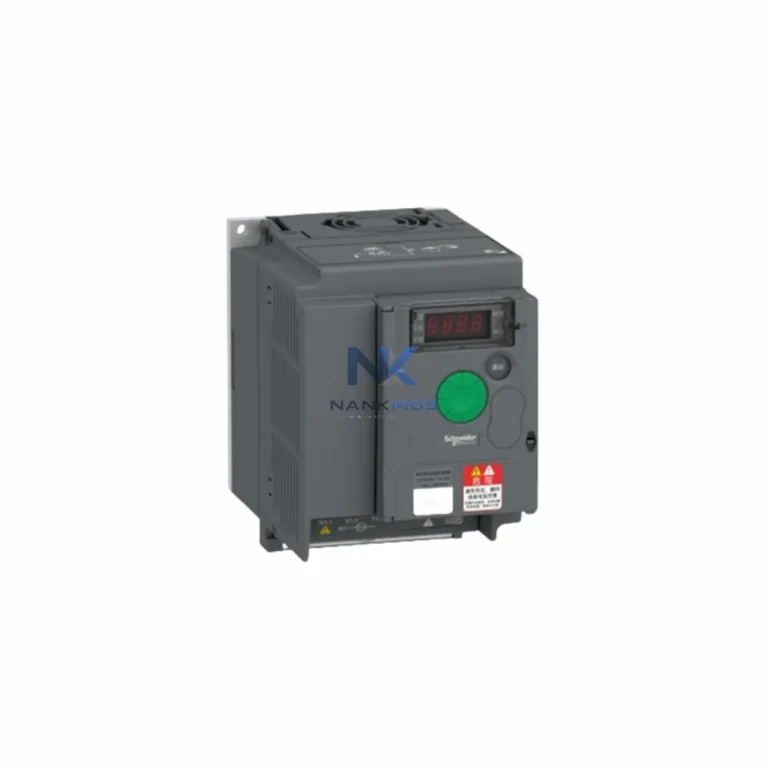
Schneider Electric MC-4/11/03/400 is a NANKMOS industrial automation product record Listed under Other series series and Drives. Confirm condition, availability, lead time, compatibility and documentation by email inquiry.
Brand names are used for identification only.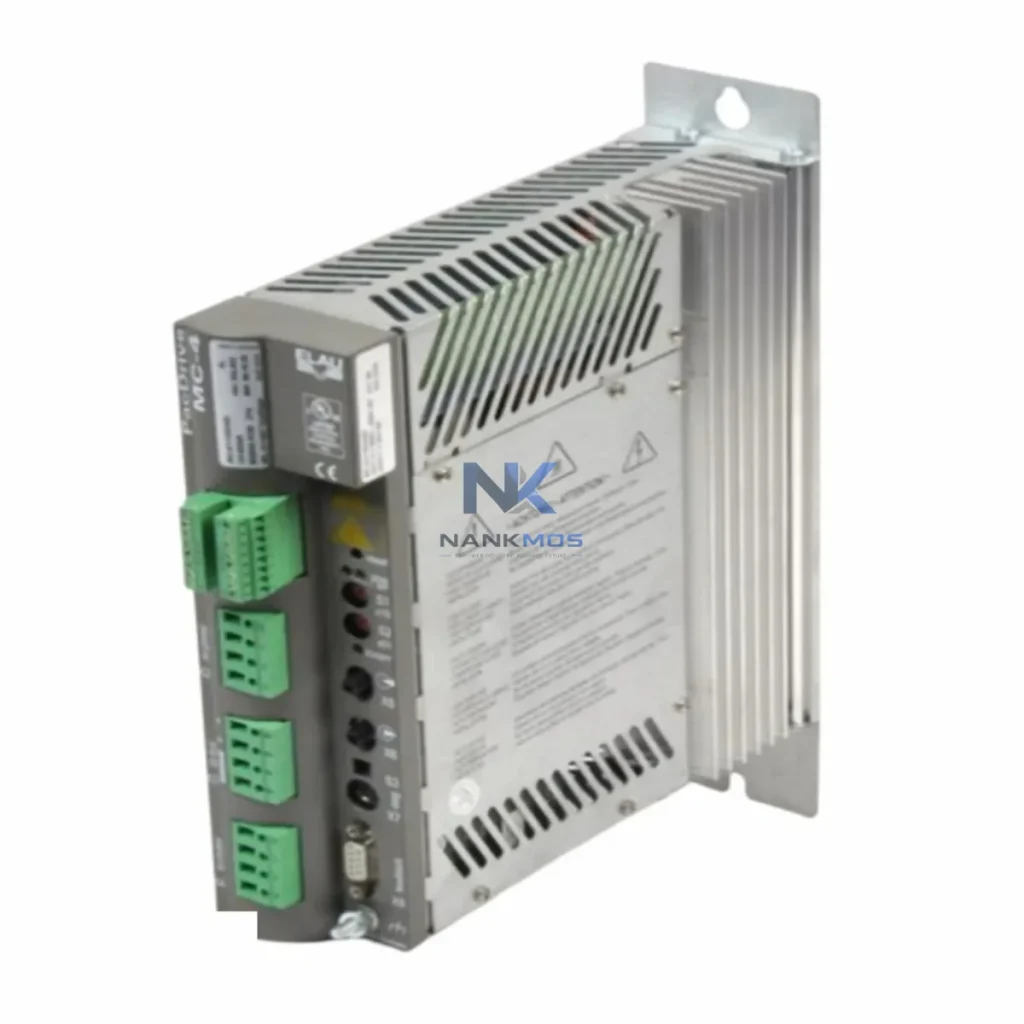
Schneider Electric MC-4/11/03/400 is a NANKMOS industrial automation product record Listed under Other series series and Drives. Confirm condition, availability, lead time, compatibility and documentation by email inquiry.
| Manufacturer | Schneider Electric |
|---|---|
| Application | Controller Processing & System Control |
| Part Number / Model | MC-4/11/03/400 |
| Compatible System | Confirmed by inquiry |
| Condition Options | To Confirm |
| Module Type | Controller / CPU Module |
| Warranty | 12 Months |
| Packaging | Anti-static Bag / Secure Box |
| Shipping Methods | DHL / FedEx / UPS / Air / Sea |
| Availability | To Confirm |
| Lead Time | To Confirm |
| Documentation | Part number and revision checked before quote |
The Schneider Electric MC-4/11/03/400 is a high-performance Sercos III motion controller engineered for demanding smart factory environments where real-time data integrity, deterministic communication, and seamless multi-axis coordination are non-negotiable. Designed as a core node in the PowerDrive motion network, this controller bridges field-level servo drives, PLC controllers, remote I/O modules, HMI panels, and upper-level SCADA systems into a unified, high-speed data backbone — eliminating the latency and fragmentation that plague legacy automation architectures.
In modern industrial connectivity deployments, the MC-4/11/03/400 functions as both a motion execution engine and a network intelligence hub. Its Sercos III interface delivers isochronous real-time (IRT) communication at cycle times as low as 31.25 µs, enabling precise synchronization across multi-axis servo systems while simultaneously feeding process data upstream to supervisory platforms. This dual role — motion control and network data relay — makes it an indispensable component in smart factory data flow design, where every millisecond of latency and every dropped packet translates directly into production loss.
The MC-4/11/03/400 sits at the intersection of motion execution and industrial network intelligence. In a typical smart factory deployment, signal acquisition begins at the sensor and actuator layer — encoders, torque sensors, and position feedback devices feed real-time data into Schneider Lexium 32 servo drives, which communicate upstream via the Sercos III ring to the MC-4/11/03/400 controller. The controller processes motion commands, executes interpolation algorithms, and simultaneously publishes axis status, fault codes, and performance metrics onto the network data bus.
At the PLC layer, a Schneider Modicon M340 or M580 PAC acts as the supervisory logic engine, exchanging cyclic process data with the MC-4/11/03/400 over the Sercos III backbone. For installations requiring protocol bridging — for example, where legacy PROFIBUS DP field devices or Modbus RTU sensors must be integrated — a Schneider ConneXium TCSEGPA23F14FK industrial Ethernet gateway or equivalent protocol converter handles the translation layer, ensuring that data from heterogeneous field devices reaches the motion controller without loss or distortion.
Remote I/O expansion is handled through Schneider TM5 or Advantys STB distributed I/O modules, which extend the digital and analog signal reach of the control architecture across large production floors. These modules communicate back to the MC-4/11/03/400 via the Sercos III or EtherNet/IP backbone, depending on network topology. At the HMI layer, a Schneider Magelis HMIGTO or equivalent touch panel provides operators with real-time axis position, velocity, torque, and alarm visualization — pulling live data directly from the motion controller's network registers.
For SCADA integration, the MC-4/11/03/400 exposes its process data to upper-level systems such as Wonderware InTouch, Ignition SCADA, or Schneider EcoStruxure Operator Terminal Expert via OPC-UA or Modbus TCP gateways. This enables plant-wide data aggregation, KPI dashboards, and predictive maintenance analytics. Edge computing nodes — such as a Schneider EcoStruxure Machine Advisor gateway or a third-party IIoT edge device — can subscribe to the motion controller's data streams for local pre-processing before forwarding to cloud-based MES or ERP platforms.
Variable frequency drives (VFDs) operating on auxiliary conveyor or pump systems alongside the servo axes can be integrated via a Schneider Altivar Process ATV630 or ATV930 drive, connected through a PROFIBUS DP or EtherNet/IP adapter module. The MC-4/11/03/400 coordinates motion sequencing between servo and VFD-driven axes, ensuring synchronized production flow. Industrial managed switches — such as a Hirschmann RS20 or Schneider ConneXium TCSESM — provide the Layer 2 network infrastructure that maintains deterministic Sercos III frame delivery across the factory floor.
Many automation sites operating mixed-generation equipment face persistent data gaps: Sercos III servo systems cannot natively communicate with legacy PROFIBUS or Modbus RTU field devices; motion controller fault data never reaches the SCADA historian; remote diagnostics require on-site engineer visits; and production line transparency is limited to manual inspection. The MC-4/11/03/400 directly addresses these challenges through its open network architecture and rich diagnostic register set.
Protocol Fragmentation: By deploying the MC-4/11/03/400 alongside a protocol gateway module, engineers can bridge Sercos III motion data with PROFIBUS DP, Modbus TCP, or EtherNet/IP networks — consolidating previously isolated data islands into a single, queryable data fabric. This eliminates the need for parallel wiring runs and manual data reconciliation between control layers.
Remote Monitoring & Diagnostics: The controller's network-accessible diagnostic registers expose axis fault codes, following error thresholds, drive temperature, and communication health metrics to remote SCADA or MES clients. Maintenance teams can perform root-cause analysis, tune motion parameters, and acknowledge alarms from a central control room or mobile HMI — reducing mean time to repair (MTTR) and eliminating unnecessary machine downtime.
Production Line Transparency: Real-time cycle data from the MC-4/11/03/400 feeds directly into OEE calculation engines, enabling shift supervisors to track availability, performance, and quality metrics without manual data entry. Alarm event logs with millisecond timestamps provide the audit trail required for ISO 9001 production records and continuous improvement initiatives.
System Scalability: The Sercos III ring topology supported by the MC-4/11/03/400 allows engineers to add additional servo axes, I/O nodes, or gateway devices without reconfiguring the existing network — supporting phased capacity expansion aligned with production growth plans.
Q1: What is the communication latency of the MC-4/11/03/400 on a Sercos III network?The MC-4/11/03/400 supports Sercos III cycle times from 31.25 µs to 65 ms, configurable based on axis count and network load. For typical 4-axis deployments, a 250 µs cycle time delivers deterministic IRT performance with sub-microsecond jitter — suitable for high-speed pick-and-place, CNC interpolation, and synchronized conveyor applications.
Q2: Can the MC-4/11/03/400 integrate with non-Sercos field devices or legacy PROFIBUS systems?Yes. While the MC-4/11/03/400 natively communicates over Sercos III, integration with PROFIBUS DP, Modbus RTU, or EtherNet/IP devices is achieved through protocol gateway modules such as the Schneider ConneXium series or third-party Anybus gateways. This allows legacy sensors, VFDs, and remote I/O modules to participate in the smart factory data flow without hardware replacement.
Q3: How does the MC-4/11/03/400 support remote diagnostics and predictive maintenance?The controller exposes a comprehensive set of network-accessible diagnostic registers covering axis position error, drive fault codes, communication health, and thermal status. These registers are readable by OPC-UA clients, SCADA historians, and edge computing platforms, enabling remote condition monitoring, alarm management, and predictive maintenance analytics without requiring physical access to the control cabinet.
Q4: What warranty and pre-shipment testing does the MC-4/11/03/400 include?Every MC-4/11/03/400 unit supplied by NANKMOS carries a 12-month warranty covering hardware defects and communication failures under normal operating conditions. Each unit undergoes pre-shipment functional testing — including Sercos III communication verification, axis command response, and I/O integrity checks — before dispatch. In-stock units are available for immediate shipment to support urgent project timelines.
Functional Inspection100% tested on professional platforms to ensure stable performance.
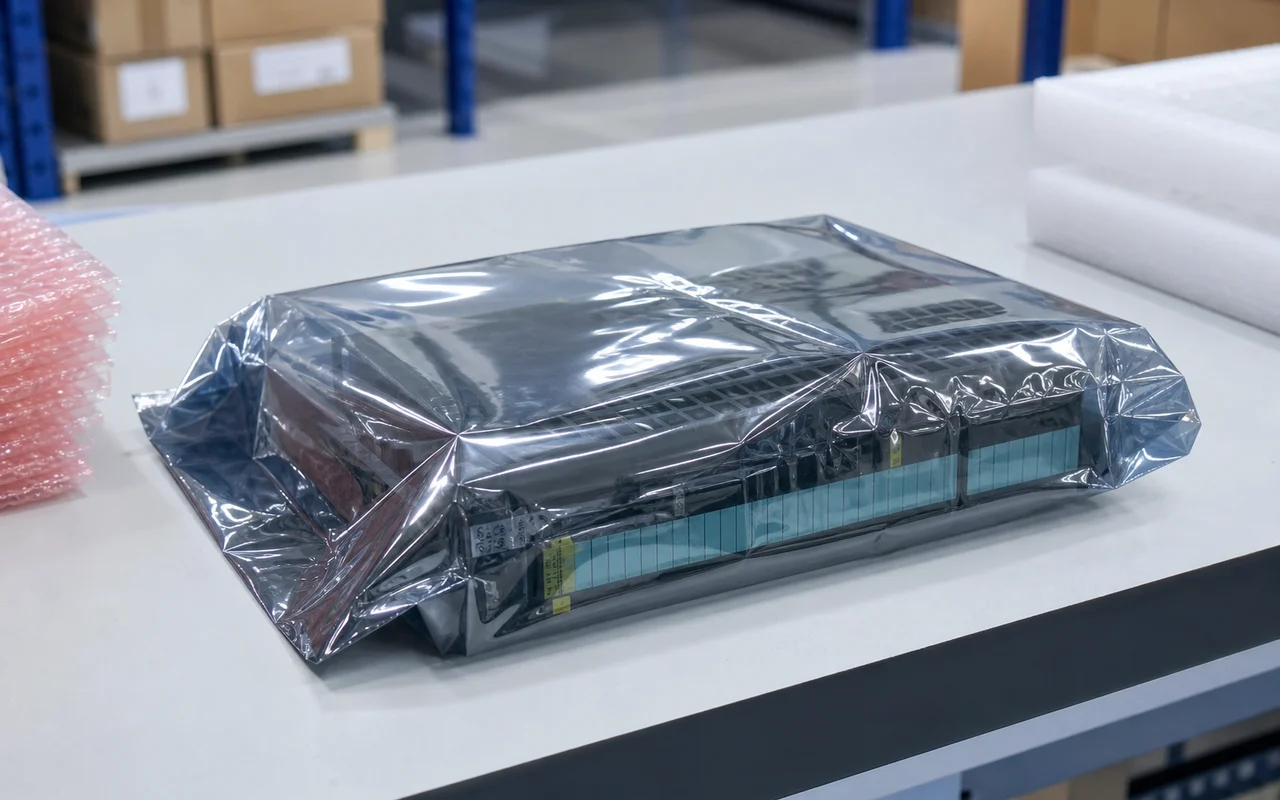 Anti-static Packaging
Modules are packed in anti-static bags to prevent electrostatic damage.
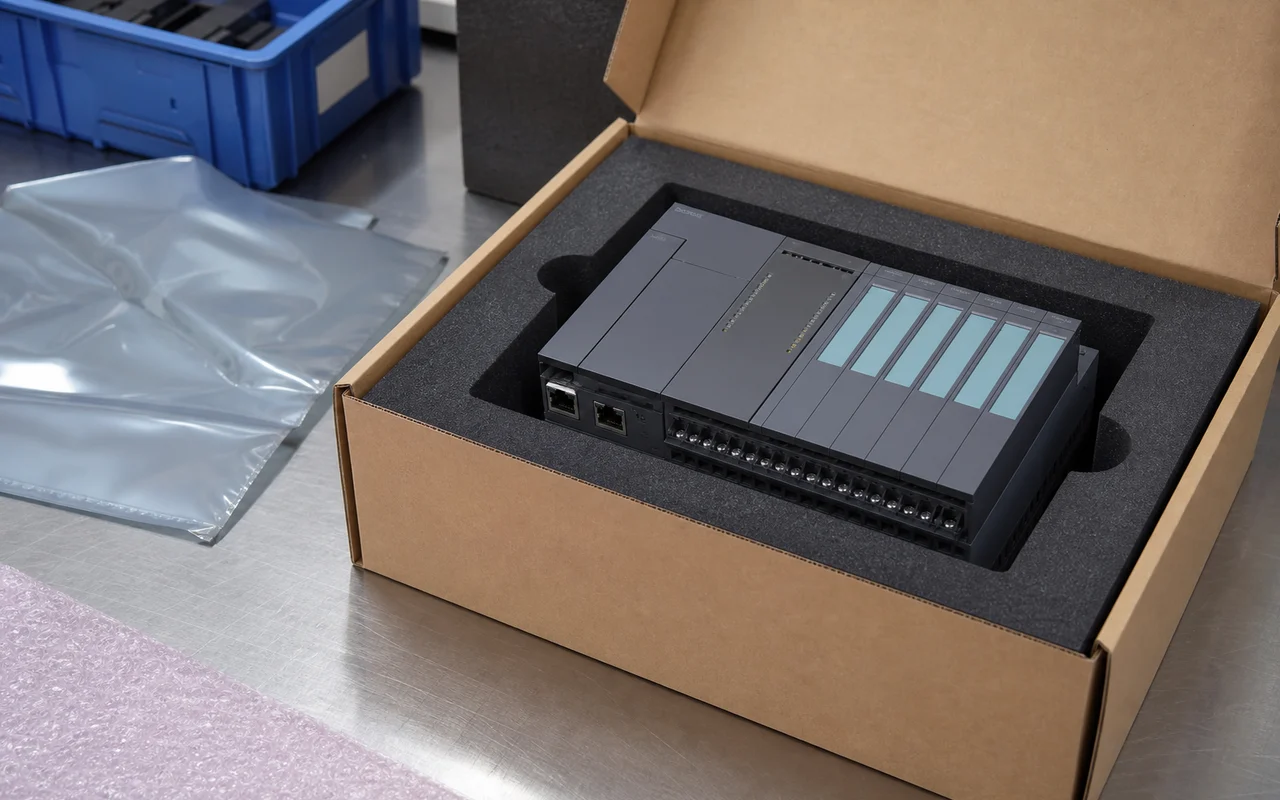 Secure Export Packing
Cushion protection and strong cartons ensure safe transportation.
 Worldwide Shipping
Global logistics network supports air, sea and express delivery.
 Documentation Check
Part number, revision and compatibility verified before shipment.
 After-sales Support
Professional technical support to help resolve your issues.