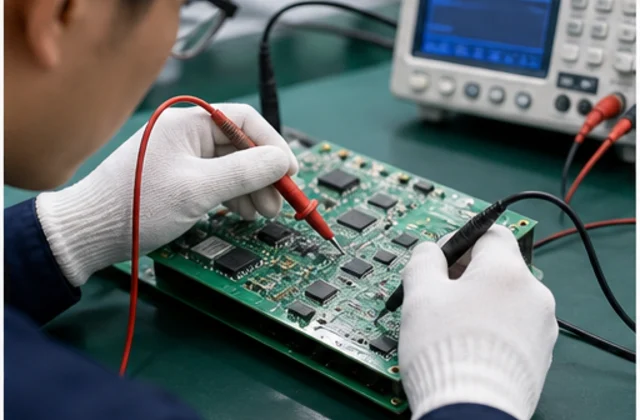
 Functional Inspection
100% tested on professional platforms to ensure stable performance.
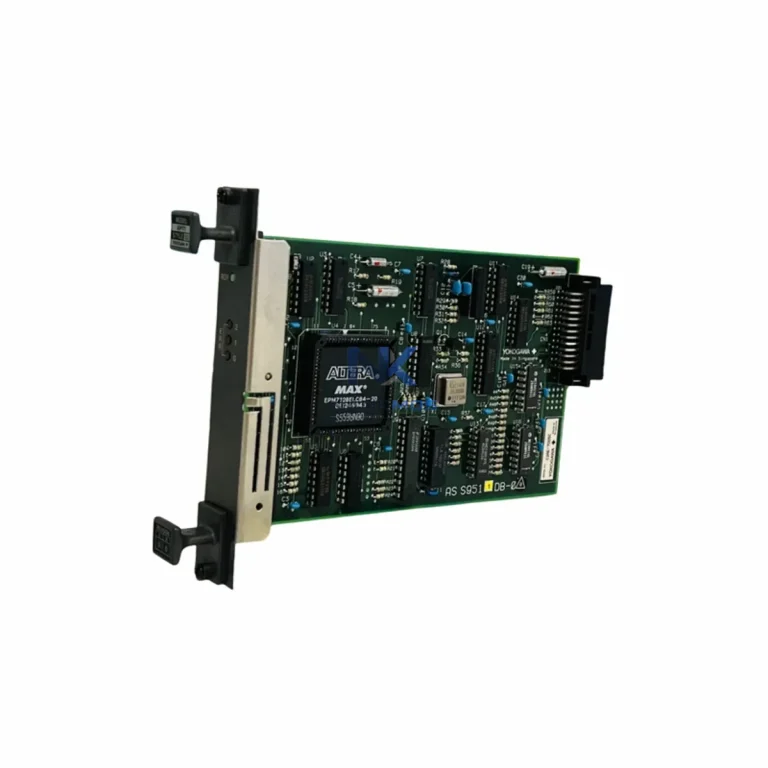
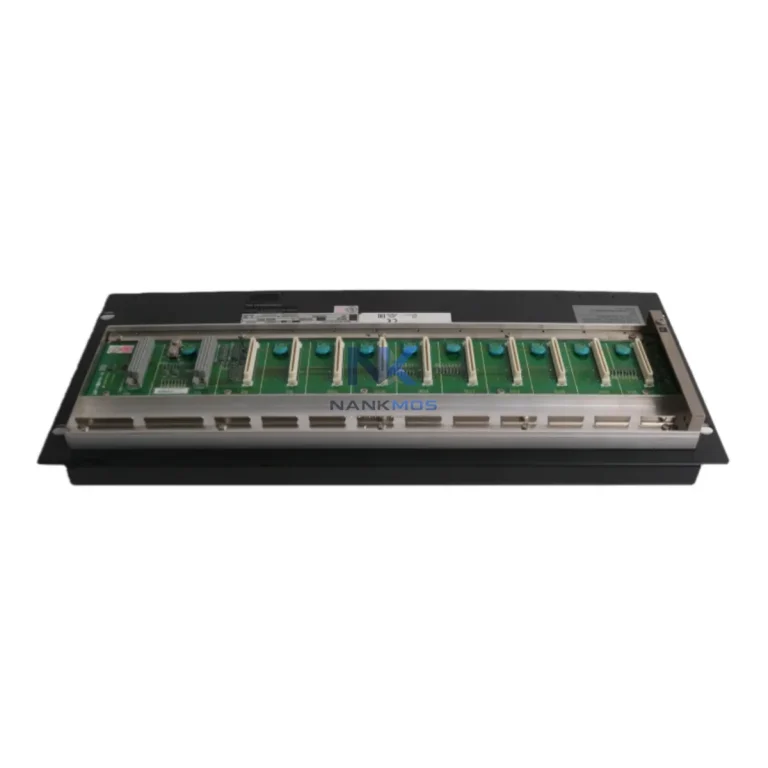
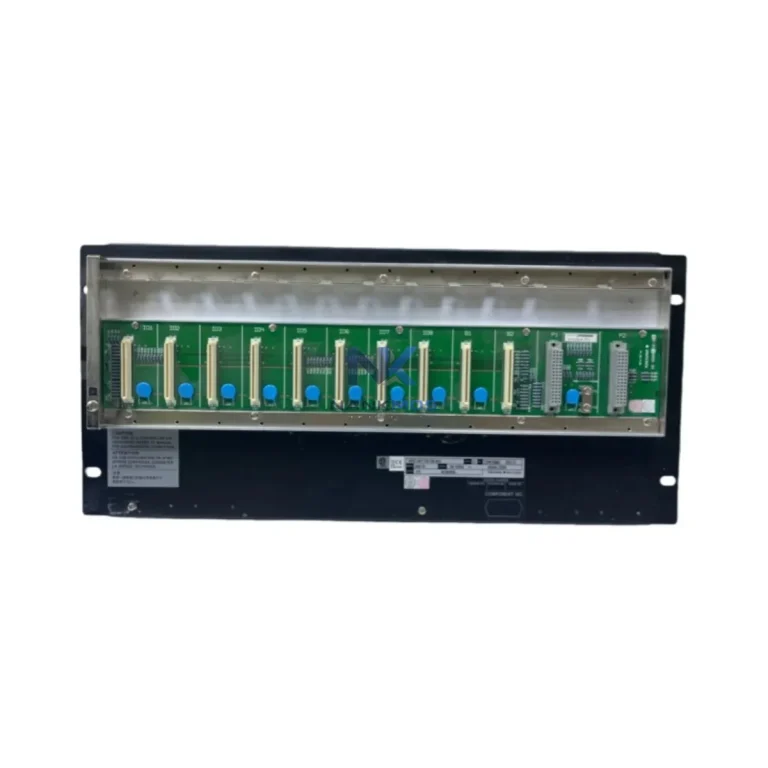
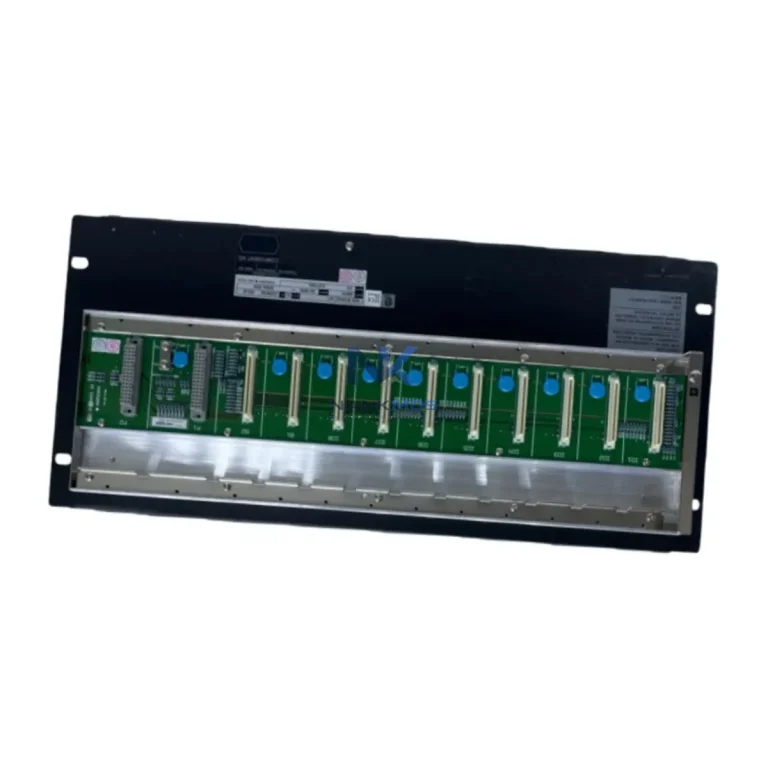
Yokogawa AET4D is a NANKMOS industrial automation product record Listed under Other series series and Business & Industrial > Automation, Control & Flow Devices. Confirm condition, availability, lead time, compatibility and documentation by email inquiry.
Brand names are used for identification only.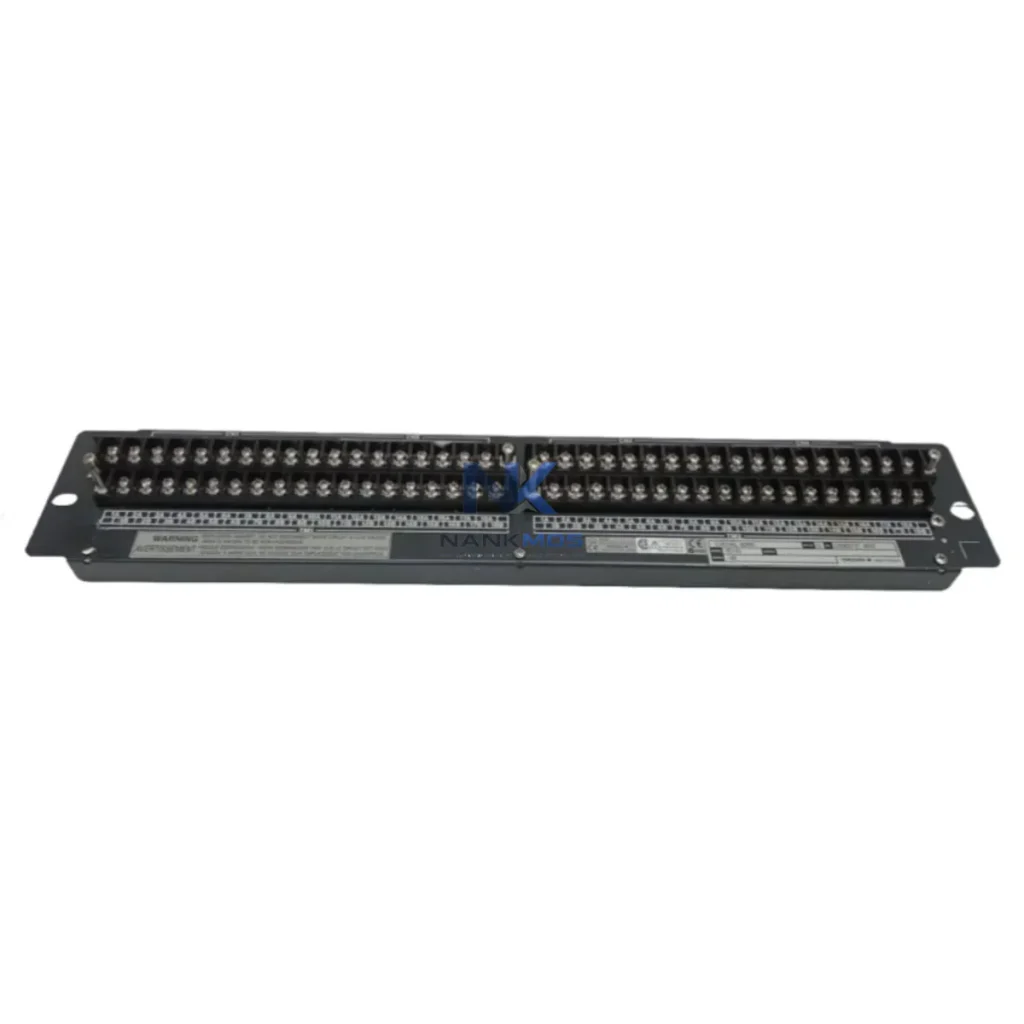
Yokogawa AET4D is a NANKMOS industrial automation product record Listed under Other series series and Business & Industrial > Automation, Control & Flow Devices. Confirm condition, availability, lead time, compatibility and documentation by email inquiry.
| Manufacturer | Yokogawa |
|---|---|
| Application | DCS / Control Board Replacement |
| Part Number / Model | AET4D |
| Compatible System | Confirmed by inquiry |
| Condition Options | To Confirm |
| Module Type | Control Board / Card |
| Warranty | 12 Months |
| Packaging | Anti-static Bag / Secure Box |
| Shipping Methods | DHL / FedEx / UPS / Air / Sea |
| Availability | To Confirm |
| Lead Time | To Confirm |
| Documentation | Part number and revision checked before quote |
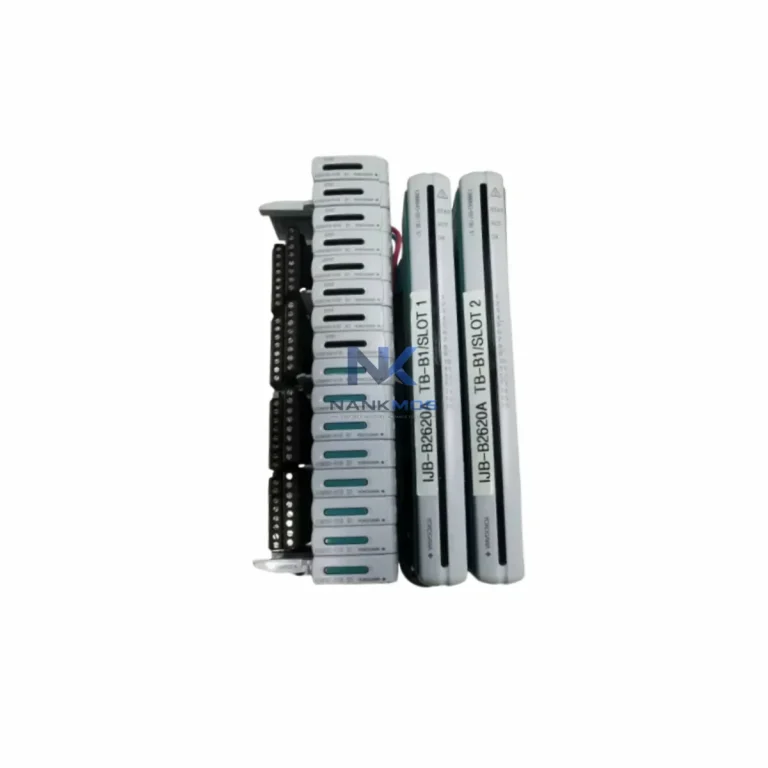
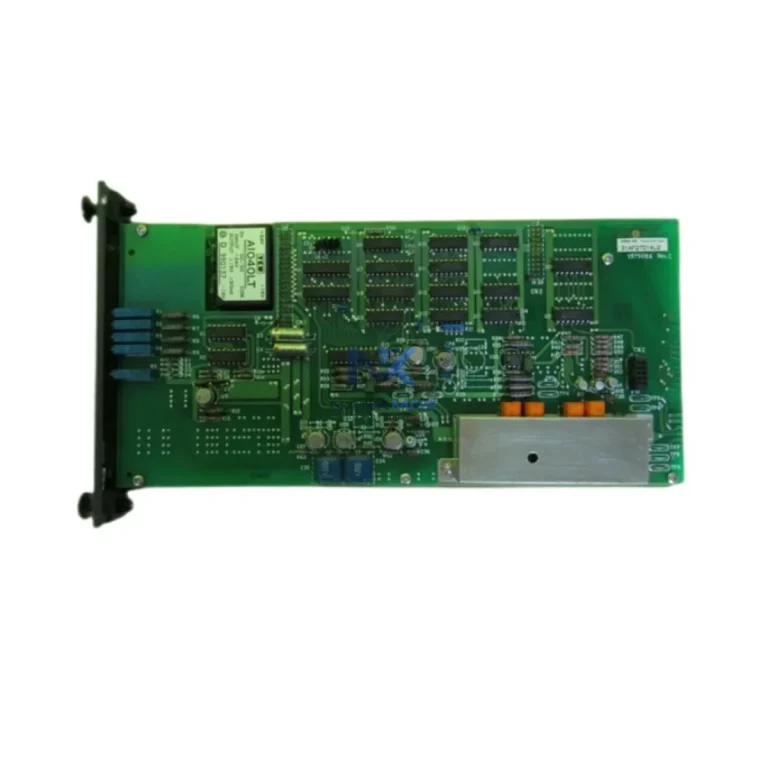
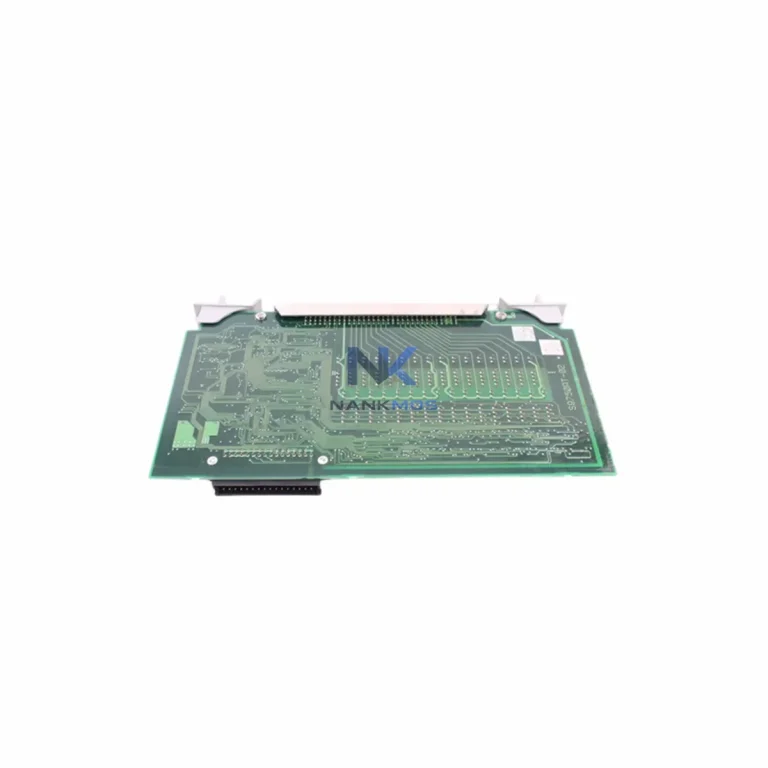
The Yokogawa AET4D is a system-matched relay terminal board engineered for seamless integration within the CENTUM VP and CENTUM CS distributed control system (DCS) architecture. Designed to serve as a critical interface node between the field instrument layer and the controller I/O layer, the AET4D ensures reliable signal switching, galvanic isolation, and deterministic relay output performance across demanding industrial environments. Its role within the control hierarchy extends beyond simple terminal connectivity — it functions as a structural element that reinforces system consistency, reduces wiring complexity, and supports long-term maintainability across the full automation platform.
In a layered industrial control architecture, the AET4D occupies the I/O termination layer, bridging field-side discrete signals with the controller's process I/O modules. When deployed alongside Yokogawa's FCS (Field Control Station) units such as the AFV10D or AFV30D, the AET4D provides a standardized relay interface that maintains signal integrity from the field device through to the control logic. This consistency is essential in applications where relay contact bounce, signal cross-talk, or ground loop interference could compromise process stability or trigger nuisance trips.
The AET4D is designed for direct compatibility with Yokogawa's I/O module ecosystem, including analog input modules such as the AAI141 and AAI143, as well as digital output modules like the ADO141. When these modules are mounted within the CENTUM VP node unit — typically housed in a standard 19-inch control cabinet alongside the ACN11D or ACN21D node controllers — the AET4D provides the relay termination layer that completes the signal path from the controller output to the field actuator or interlock circuit. This modular design philosophy ensures that each layer of the control architecture can be independently maintained, tested, and replaced without disrupting adjacent system components.
From a communication and redundancy perspective, the AET4D supports architectures where the CENTUM VP's Vnet/IP control network provides the backbone for real-time data exchange between the FCS, HIS (Human Interface Station), and EWS (Engineering Workstation). While the AET4D itself operates at the physical termination layer, its reliable relay switching performance directly supports the integrity of interlock and safety logic executed at the controller level. In redundant FCS configurations, where dual-redundant I/O modules and power supply units such as the APW122 are deployed, the AET4D's consistent contact ratings ensure that failover events do not introduce signal anomalies at the field interface.
For HMI and SCADA integration, the AET4D's relay outputs can be mapped to discrete status points monitored through the CENTUM VP HIS or third-party SCADA systems via OPC-DA or OPC-UA gateways. This contextual integration capability allows operators to monitor relay contact state, detect field device faults, and initiate corrective actions from a centralized control room environment. The AET4D's compatibility with Yokogawa's System 1 asset management platform further extends its diagnostic value, enabling predictive maintenance workflows that reduce unplanned downtime and extend equipment service life.
In terms of power architecture, the AET4D is designed to operate within the low-voltage DC distribution environment typical of CENTUM VP control cabinets, where regulated 24 VDC power is distributed from centralized power supply modules to I/O nodes and termination boards. This design eliminates the need for separate relay power supplies and simplifies cabinet wiring, reducing both installation time and the risk of wiring errors during commissioning. The AET4D's compact form factor allows it to be mounted in high-density termination panels alongside other Yokogawa terminal boards, maximizing cabinet space utilization without compromising accessibility for maintenance personnel.
The AET4D is pre-shipment tested to Yokogawa factory standards prior to dispatch, ensuring that each unit meets specified contact resistance, insulation resistance, and relay coil parameters before installation. This testing protocol, combined with NANKMOS's 12-Month Warranty coverage, provides engineering teams with confidence in the reliability of their control architecture from day one of commissioning. In-stock availability ensures that replacement units can be sourced rapidly to support planned maintenance windows or emergency repair scenarios, minimizing the risk of extended process downtime.
Across industries including power generation, petrochemical processing, oil and gas production, water treatment, mining, metallurgy, marine propulsion, and packaging line automation, the AET4D has established a proven track record as a dependable relay termination solution within Yokogawa CENTUM-based control systems. Its compatibility with both legacy CENTUM CS 3000 architectures and current CENTUM VP platforms ensures that it can be deployed in greenfield projects as well as brownfield upgrades, providing a consistent interface standard across the full lifecycle of the control system.
The AET4D operates as part of a cohesive Yokogawa CENTUM automation platform that spans multiple architectural layers. At the control layer, the AFV10D and AFV30D Field Control Stations execute process logic and manage I/O communication across the Vnet/IP network. The ACN11D and ACN21D node controllers provide the local I/O management function, coordinating data exchange between the FCS and the termination layer where the AET4D resides. Analog signal acquisition is handled by AAI141 and AAI143 input modules, while the ADO141 digital output module drives the relay coil circuits interfaced through the AET4D. Power distribution within the control cabinet is managed by the APW122 redundant power supply module, ensuring continuous operation even during single power supply failures. For process field instrumentation, Yokogawa EJA-series pressure transmitters and YTA-series temperature transmitters provide the primary process variable inputs that feed into the control logic executed by the FCS. At the HMI layer, the CENTUM VP Human Interface Station provides operator visualization and alarm management, with relay contact states from the AET4D mapped as discrete process points. Engineering and configuration tasks are performed from the EWS (Engineering Workstation), which connects to the control network via the Vnet/IP backbone. For facilities requiring integration with enterprise-level SCADA or MES systems, Yokogawa's Exaquantum historian and OPC-UA gateway modules provide the data bridge between the CENTUM VP control domain and higher-level information systems.
In power generation facilities, the AET4D supports turbine control and boiler management systems where reliable relay switching is essential for interlock logic and equipment protection circuits. In petrochemical and refinery applications, the AET4D provides the relay termination interface for emergency shutdown (ESD) logic outputs, ensuring that process isolation valves and safety interlock circuits respond deterministically to controller commands. Oil and gas production platforms deploy the AET4D within CENTUM VP-based wellhead control and pipeline monitoring systems, where its compact form factor and robust relay performance support high-density I/O configurations in space-constrained offshore control rooms. Water treatment and wastewater management facilities use the AET4D to interface pump motor control circuits and valve actuator outputs with the CENTUM VP process controller, enabling automated flow management and chemical dosing control. In mining and metallurgical processing plants, the AET4D supports conveyor control, crusher interlock, and ore processing automation systems where relay output reliability directly impacts production throughput and personnel safety. Marine propulsion and vessel automation systems deploy the AET4D within integrated bridge and engine room control architectures, where its compatibility with Yokogawa's marine-certified CENTUM platform ensures compliance with classification society requirements. Packaging line and discrete manufacturing automation applications leverage the AET4D's relay output capability to interface with machine safety circuits, conveyor drive controls, and product rejection systems within CENTUM VP-managed production environments.
Q1: Is the AET4D compatible with both CENTUM CS 3000 and CENTUM VP control systems?Yes. The AET4D is designed for compatibility with Yokogawa's CENTUM platform family, including both the legacy CENTUM CS 3000 and the current CENTUM VP architecture. This cross-generation compatibility makes it suitable for brownfield upgrade projects where existing CS 3000 infrastructure is being migrated to CENTUM VP, as well as for greenfield CENTUM VP installations. Engineering teams should verify specific I/O module and node controller compatibility during the detailed design phase to confirm termination board assignments.
Q2: How does the AET4D support redundant control architectures and long-term maintenance efficiency?In redundant CENTUM VP configurations, the AET4D provides a stable relay termination interface that remains consistent across primary and redundant I/O module pairs. Its modular design allows individual relay terminal boards to be replaced during planned maintenance windows without requiring rewiring of field cables, significantly reducing maintenance time and the risk of wiring errors. NANKMOS maintains in-stock inventory of the AET4D to support both planned maintenance and emergency replacement scenarios, with all units pre-shipment tested and covered by a 12-Month Warranty.
Q3: What is the procurement and warranty support process for the AET4D through NANKMOS?NANKMOS supplies the Yokogawa AET4D from verified in-stock inventory, with each unit undergoing pre-shipment functional testing prior to dispatch. A 12-Month Warranty is provided on all AET4D units, covering manufacturing defects and functional performance under normal operating conditions. For procurement inquiries, technical specifications, system compatibility confirmation, or bulk order requirements, contact NANKMOS at [email protected] or +86 18359268345. Expedited shipping options are available to support urgent maintenance and commissioning schedules.
Functional Inspection100% tested on professional platforms to ensure stable performance.
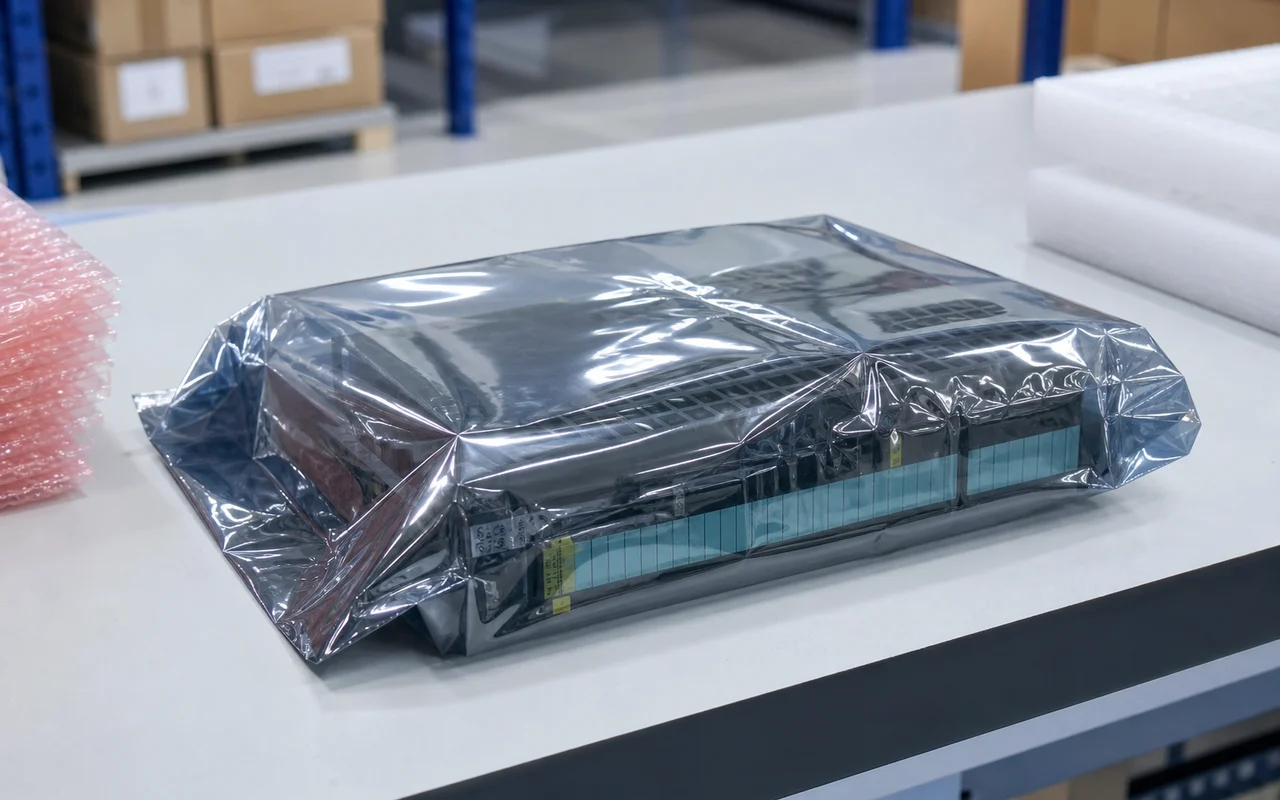 Anti-static Packaging
Modules are packed in anti-static bags to prevent electrostatic damage.
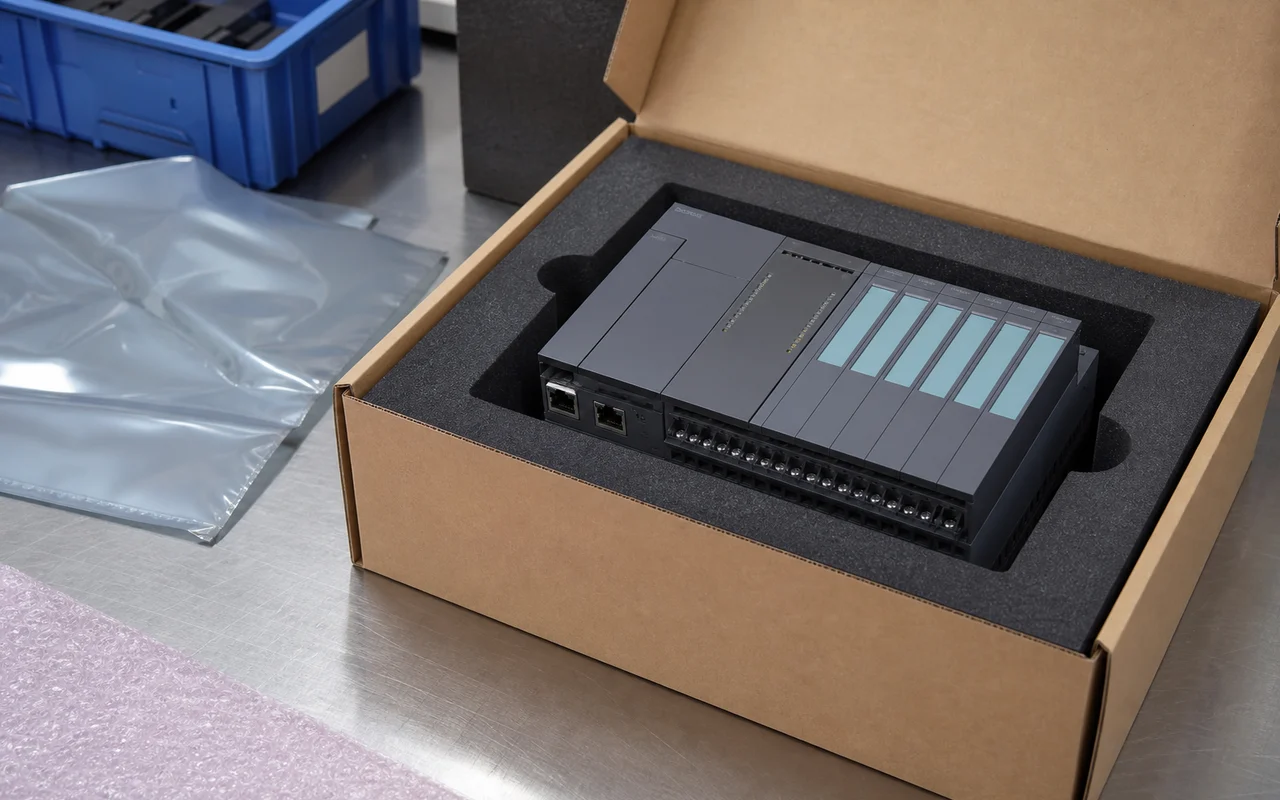 Secure Export Packing
Cushion protection and strong cartons ensure safe transportation.
 Worldwide Shipping
Global logistics network supports air, sea and express delivery.
 Documentation Check
Part number, revision and compatibility verified before shipment.
 After-sales Support
Professional technical support to help resolve your issues.