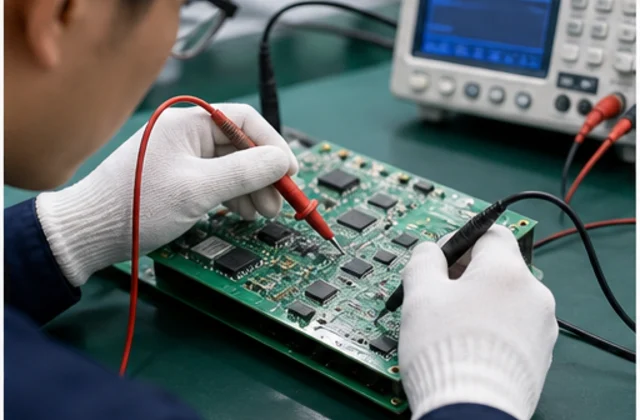
 Functional Inspection
100% tested on professional platforms to ensure stable performance.
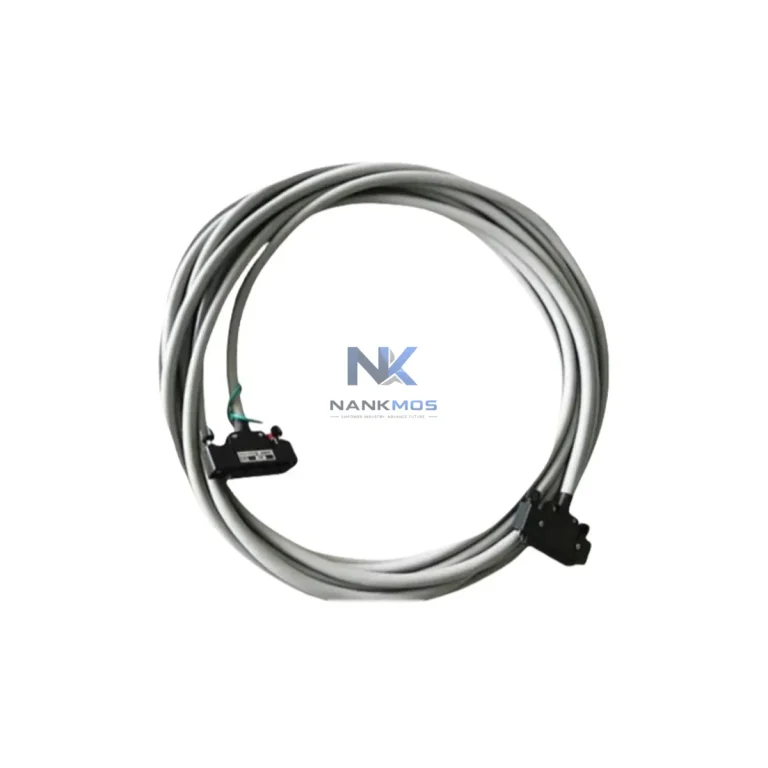
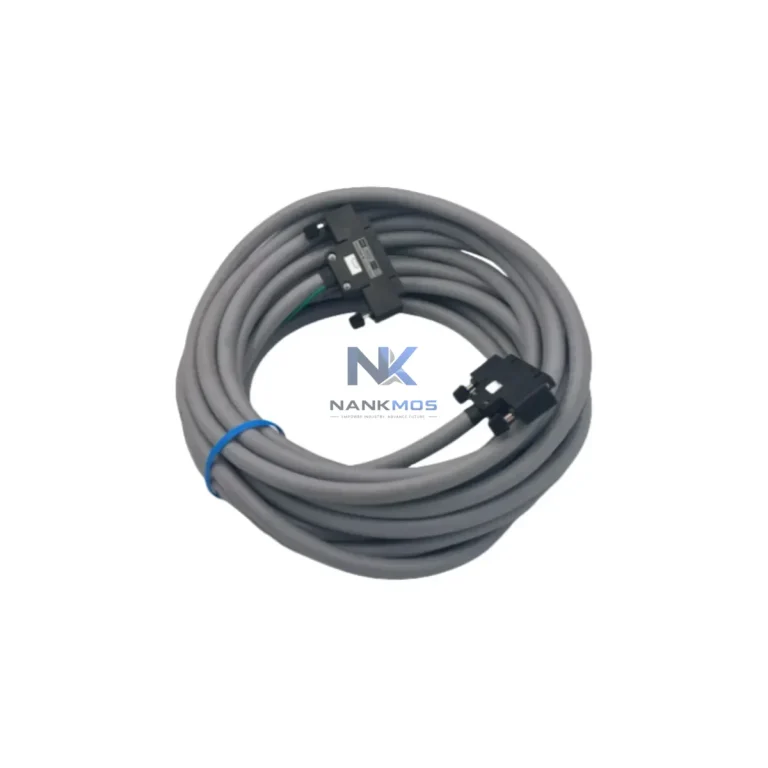
Yokogawa KS3-10*A is a NANKMOS industrial automation product record Listed under Other series series and Cables & Connectors. Confirm condition, availability, lead time, compatibility and documentation by email inquiry.
Brand names are used for identification only.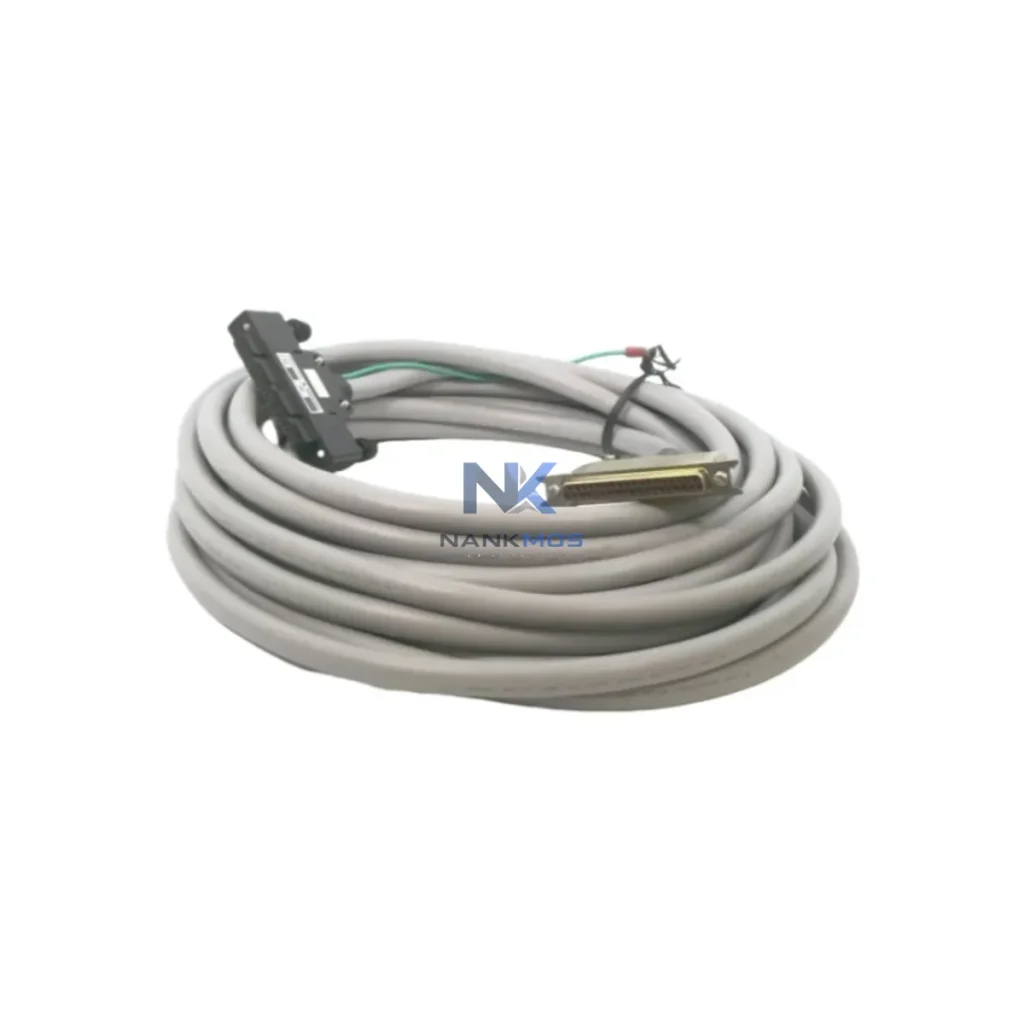
Yokogawa KS3-10*A is a NANKMOS industrial automation product record Listed under Other series series and Cables & Connectors. Confirm condition, availability, lead time, compatibility and documentation by email inquiry.
| Manufacturer | Yokogawa |
|---|---|
| Application | Industrial Automation Maintenance |
| Part Number / Model | KS3-10*A |
| Compatible System | Confirmed by inquiry |
| Condition Options | To Confirm |
| Module Type | Cables & Connectors |
| Warranty | 12 Months |
| Packaging | Anti-static Bag / Secure Box |
| Shipping Methods | DHL / FedEx / UPS / Air / Sea |
| Availability | To Confirm |
| Lead Time | To Confirm |
| Documentation | Part number and revision checked before quote |
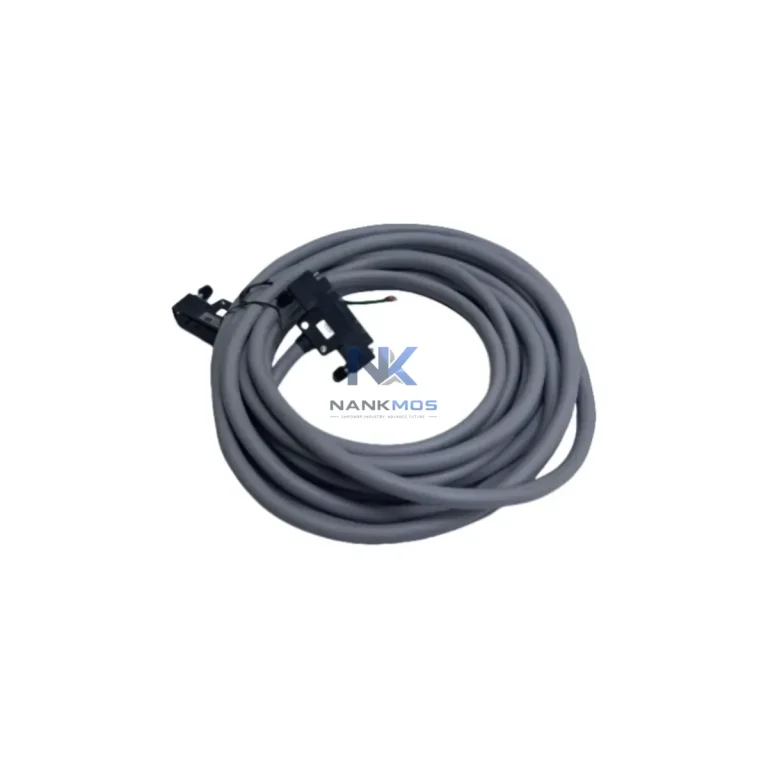
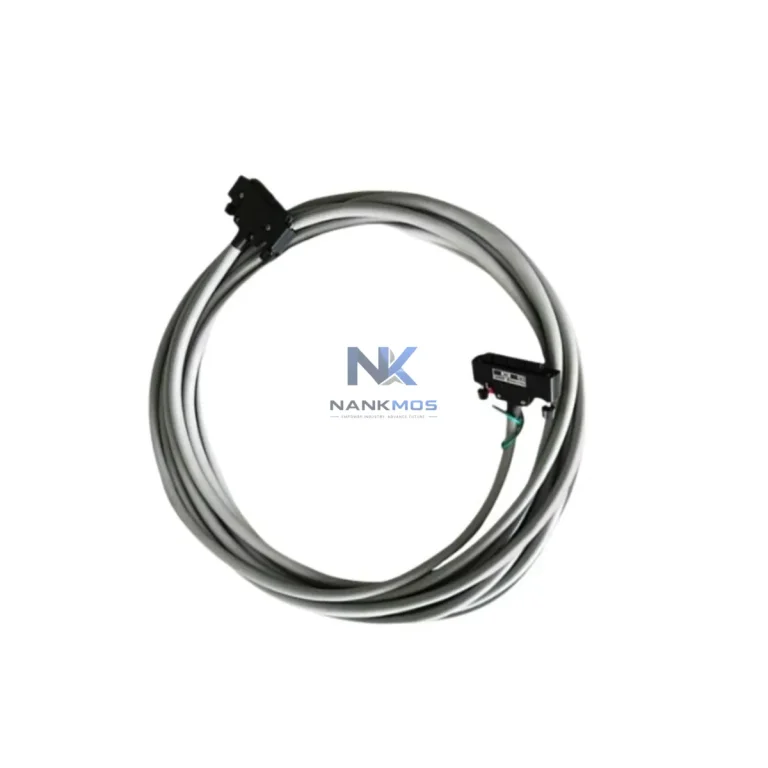
The Yokogawa KS3-10*A is a precision-engineered signal cable designed for the Centum series distributed control system (DCS) platform. In modern industrial environments where energy efficiency and production continuity are non-negotiable, this cable serves as a critical link between field instruments, I/O modules, and the central control architecture. By maintaining low-loss, high-integrity signal transmission across the entire control loop, the KS3-10*A directly contributes to reduced energy waste, stable equipment pacing, and optimized load management across smart production lines.
Engineered to Yokogawa's exacting standards for the Centum VP and Centum CS 3000 platforms, the KS3-10*A ensures that analog and digital signals from field sensors — including pressure transmitters, flow meters, and temperature sensors — reach the DCS controller without degradation. Signal integrity at this level is foundational to accurate energy monitoring: when the control system receives clean, noise-free data, it can make precise decisions about motor speed, valve position, and load distribution, eliminating the hidden energy losses caused by signal drift or interference.
In a typical power generation or petrochemical facility, the KS3-10*A connects field-mounted Yokogawa EJA-series differential pressure transmitters and ADMAG AXF magnetic flowmeters to the Centum VP I/O cards. These signals feed directly into the DCS's energy management logic, enabling real-time load balancing across multiple drive systems. When paired with Yokogawa's STARDOM network-based controllers or integrated with a SCADA layer via OPC-UA or Modbus/TCP gateways, the cable's shielded construction prevents ground loops and electromagnetic interference that would otherwise introduce measurement error — and measurement error translates directly into inefficient energy dispatch.
The KS3-10*A is most effective when deployed as part of a fully integrated, power-aware automation architecture. In a smart factory or process plant, this cable connects the field layer to the control layer, enabling the following energy-conscious workflows:
PLC and DCS Integration: When the Centum VP DCS receives clean 4–20 mA signals via the KS3-10*A from field instruments, the system's PID controllers can maintain tighter process setpoints. Tighter control means fewer overcorrections, which directly reduces the duty cycle of high-energy actuators such as control valves and variable-speed pump drives. In facilities also running Yokogawa's FA-M3 range-free multi-controller PLC for auxiliary systems, the KS3-10*A's consistent signal quality ensures that both the DCS and PLC layers share coherent process data, eliminating redundant energy consumption caused by conflicting control actions.
Variable Frequency Drive (VFD) Coordination: Motor-driven systems — compressors, fans, pumps — account for the majority of energy consumption in process industries. The KS3-10*A carries speed reference and feedback signals between the DCS and VFD units such as Yokogawa's VS mini J7 or compatible third-party drives. Accurate signal transmission ensures the VFD receives precise speed commands, preventing over-speed operation and the associated thermal losses. In a water treatment plant, for example, a 1% improvement in pump speed accuracy can translate to measurable reductions in annual energy expenditure.
Power Monitoring and Load Management: Yokogawa's WT series power analyzers and PM series power monitors are often deployed alongside Centum DCS installations to provide real-time energy consumption data at the equipment level. The KS3-10*A facilitates the signal pathways between these power monitoring modules and the DCS I/O cards, enabling the energy management system to correlate process throughput with power draw. This data supports demand-side load management strategies, where non-critical loads are shed during peak tariff periods without disrupting production continuity.
HMI and SCADA Visibility: Operators monitoring production lines through Yokogawa's Exaopc OPC server or third-party SCADA platforms rely on the accuracy of field data to make energy-related decisions. The KS3-10*A's shielded construction ensures that the signal chain from sensor to HMI display remains free of noise artifacts, giving operators a true picture of energy consumption, equipment loading, and process efficiency. When anomalies appear — a rising motor current trend, an unexpected pressure drop — operators can intervene before the condition escalates into an unplanned shutdown, which is always the most energy-expensive event in any production cycle.
Communication Module Compatibility: In facilities transitioning to Industry 4.0 architectures, the KS3-10*A supports signal routing to Yokogawa's YFGW series field wireless management stations and to Modbus/TCP or PROFIBUS gateway modules. This allows legacy analog field devices to participate in digital energy management networks without requiring full instrument replacement, protecting capital investment while enabling modern energy analytics.
Production line energy optimization is not achieved through a single device — it is the cumulative result of signal integrity, control precision, and system-wide visibility. The Yokogawa KS3-10*A contributes to this outcome at the most fundamental level: the signal pathway.
Reducing Unplanned Downtime: Signal cable failures are a leading cause of spurious trips and unplanned shutdowns in process plants. Each unplanned shutdown carries a significant energy penalty: the energy required to restart a cold process — reheating reactors, re-pressurizing systems, re-synchronizing drives — far exceeds the energy consumed during normal steady-state operation. By using the KS3-10*A, which is manufactured to Yokogawa's quality standards and pre-shipment tested before dispatch, facilities reduce the probability of cable-induced failures and the associated restart energy costs.
Stabilizing Equipment Pacing: In high-throughput production lines — pharmaceutical batch reactors, food processing lines, automotive paint shops — consistent equipment pacing is essential for energy efficiency. When signal cables introduce noise or intermittent faults, controllers respond with unnecessary corrective actions that disrupt pacing and increase energy consumption. The KS3-10*A's stable signal transmission supports the consistent control loop performance that underpins steady production pacing.
Thermal Load Reduction: Electrical noise on signal cables can cause control systems to misread process temperatures, leading to over-heating of reactors or heat exchangers as the system attempts to compensate for apparent temperature deficits. The KS3-10*A's shielding minimizes this risk, contributing to lower thermal loads and reduced cooling energy requirements in process equipment.
Predictive Maintenance Enablement: Clean signal data is the foundation of effective predictive maintenance programs. When vibration sensors, temperature transmitters, and flow meters connected via KS3-10*A cables deliver accurate, noise-free data to the Centum DCS or to a connected asset management system such as Yokogawa's PRM (Plant Resource Manager), maintenance teams can detect early signs of equipment degradation — bearing wear, seal leakage, heat exchanger fouling — before they cause energy-wasting failures. This shifts maintenance from reactive to predictive, reducing both energy waste and maintenance costs.
Every unit of KS3-10*A signal cable shipped by NANKMOS is sourced from verified supply channels, pre-shipment tested for continuity, insulation resistance, and shield integrity, and covered by a 12-month warranty. In-stock availability ensures that maintenance teams can replace cables promptly, minimizing the duration of any signal-related production disruption.
Q1: How does the KS3-10*A contribute to energy savings in a Centum DCS installation? The KS3-10*A maintains low-loss, noise-free signal transmission between field instruments and the Centum DCS I/O modules. Accurate signal data enables tighter PID control, which reduces unnecessary actuator movement and over-speed operation of motor-driven equipment — directly lowering energy consumption across the control loop.
Q2: Is the KS3-10*A compatible with both Centum VP and Centum CS 3000 systems? Yes. The KS3-10*A is designed for use within the Yokogawa Centum platform family, including Centum VP and Centum CS 3000 installations. It is also compatible with STARDOM controllers and Yokogawa field I/O modules used in hybrid DCS/PLC architectures.
Q3: What is the recommended replacement procedure for a degraded signal cable in a live production environment? For live production environments, we recommend a hot-swap procedure using a pre-tested spare KS3-10*A cable. Verify signal continuity on the replacement cable before installation, isolate the affected I/O channel at the DCS marshalling cabinet, replace the cable, and restore the channel. All replacement cables supplied by NANKMOS are pre-shipment tested and ready for immediate installation.
Q4: What warranty and supply assurance does NANKMOS provide for the KS3-10*A? NANKMOS provides a 12-month warranty on all KS3-10*A signal cables, covering manufacturing defects and premature failure under normal operating conditions. Units are held in stock and dispatched promptly to minimize production downtime. Pre-shipment testing documentation is available upon request.
Functional Inspection100% tested on professional platforms to ensure stable performance.
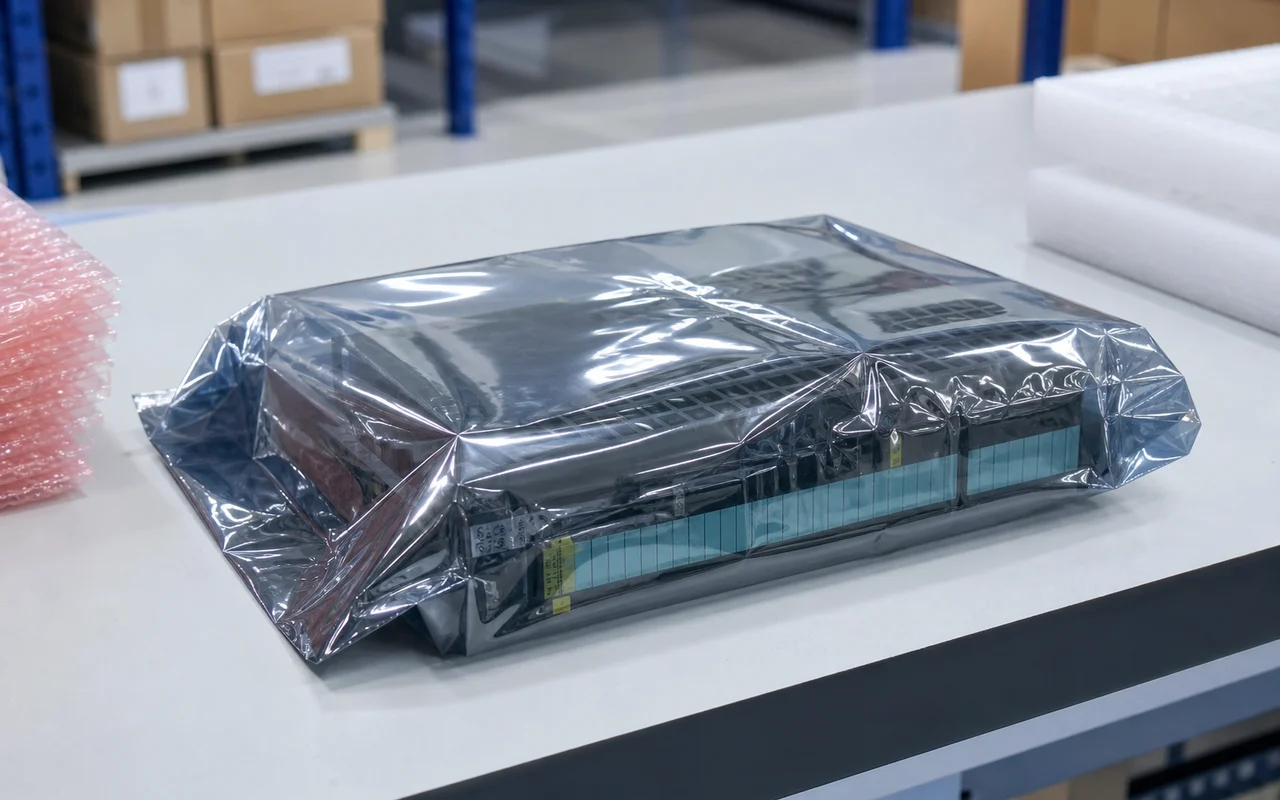 Anti-static Packaging
Modules are packed in anti-static bags to prevent electrostatic damage.
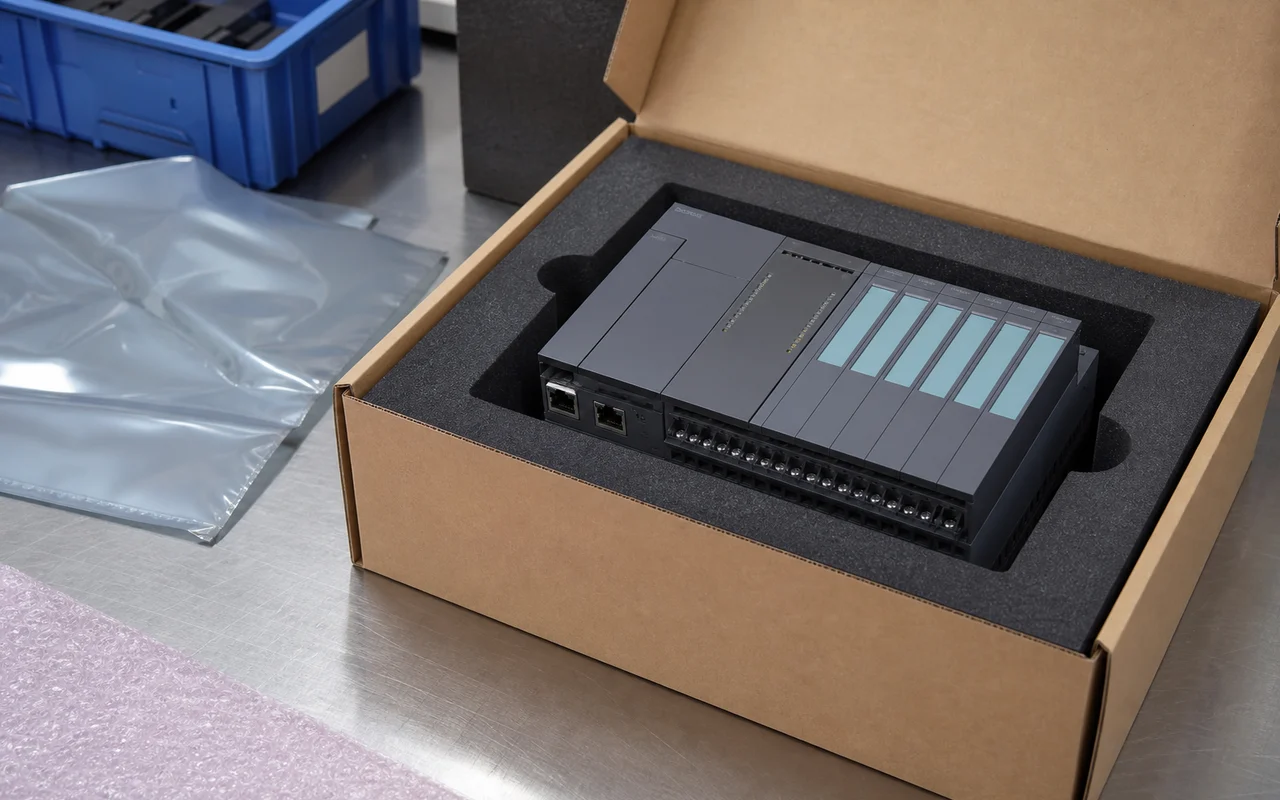 Secure Export Packing
Cushion protection and strong cartons ensure safe transportation.
 Worldwide Shipping
Global logistics network supports air, sea and express delivery.
 Documentation Check
Part number, revision and compatibility verified before shipment.
 After-sales Support
Professional technical support to help resolve your issues.