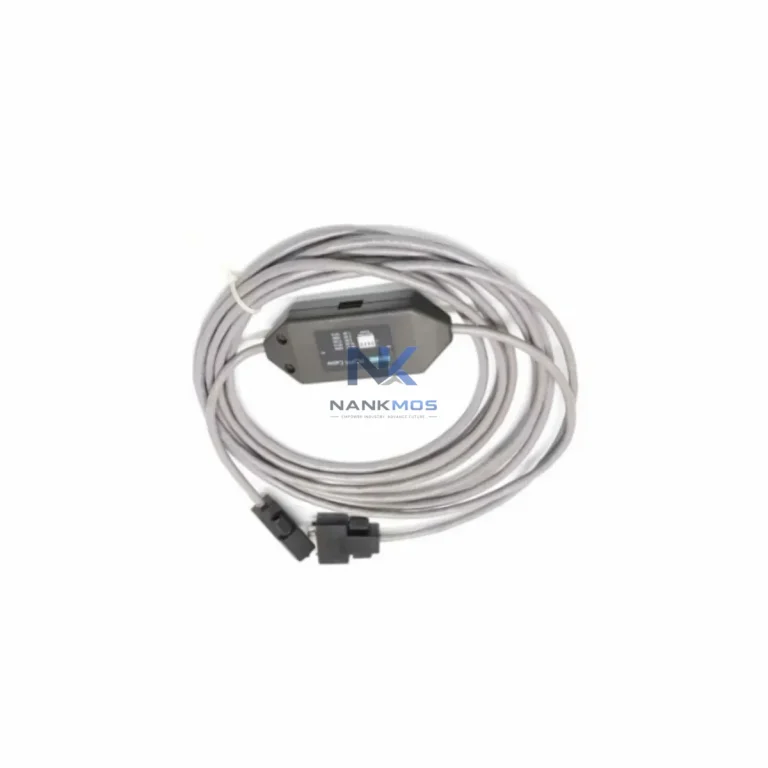
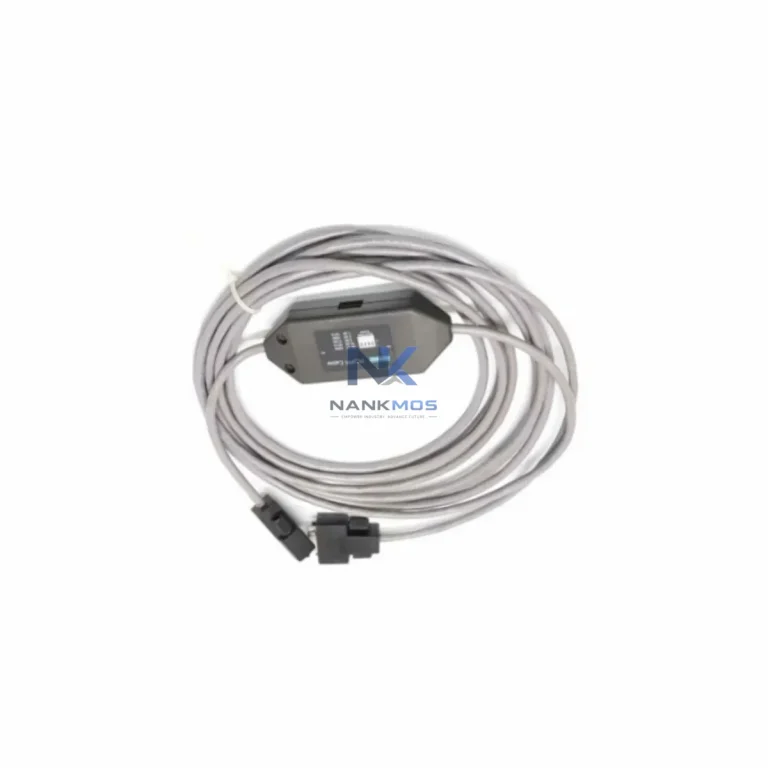
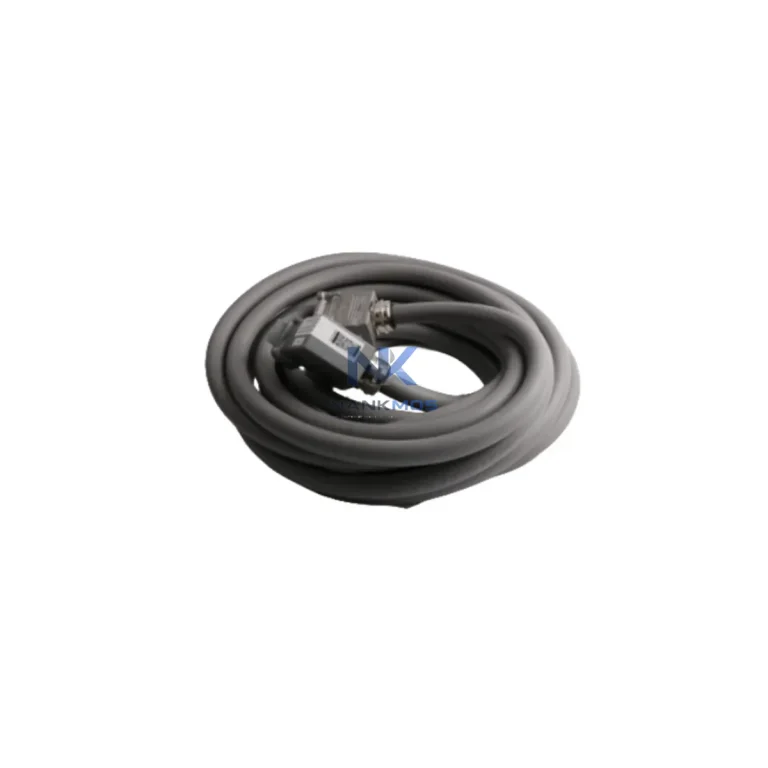
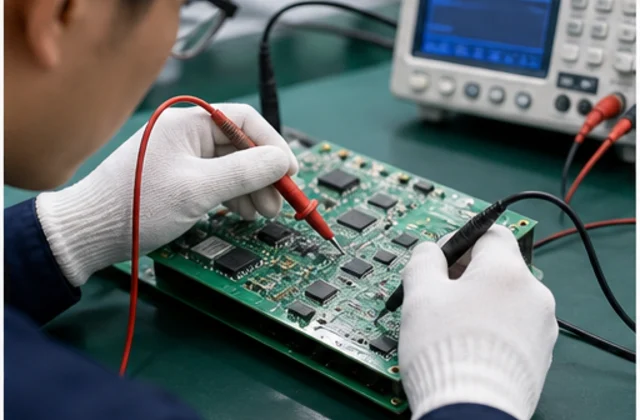
 Functional Inspection
100% tested on professional platforms to ensure stable performance.
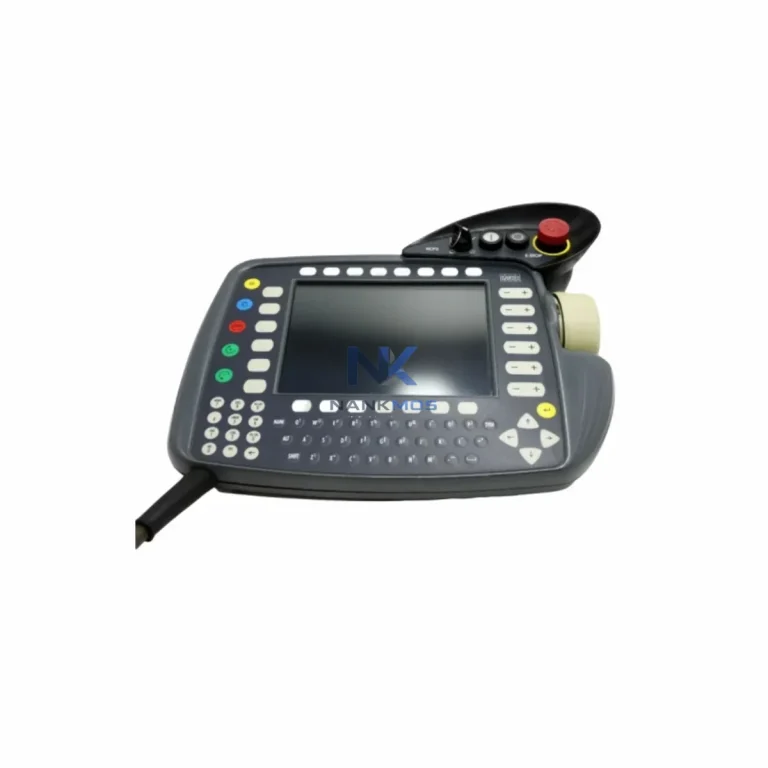
KUKA 00-291-556 is a NANKMOS industrial automation product record Listed under KRC4 series and HMI Panels. Confirm condition, availability, lead time, compatibility and documentation by email inquiry.
Brand names are used for identification only.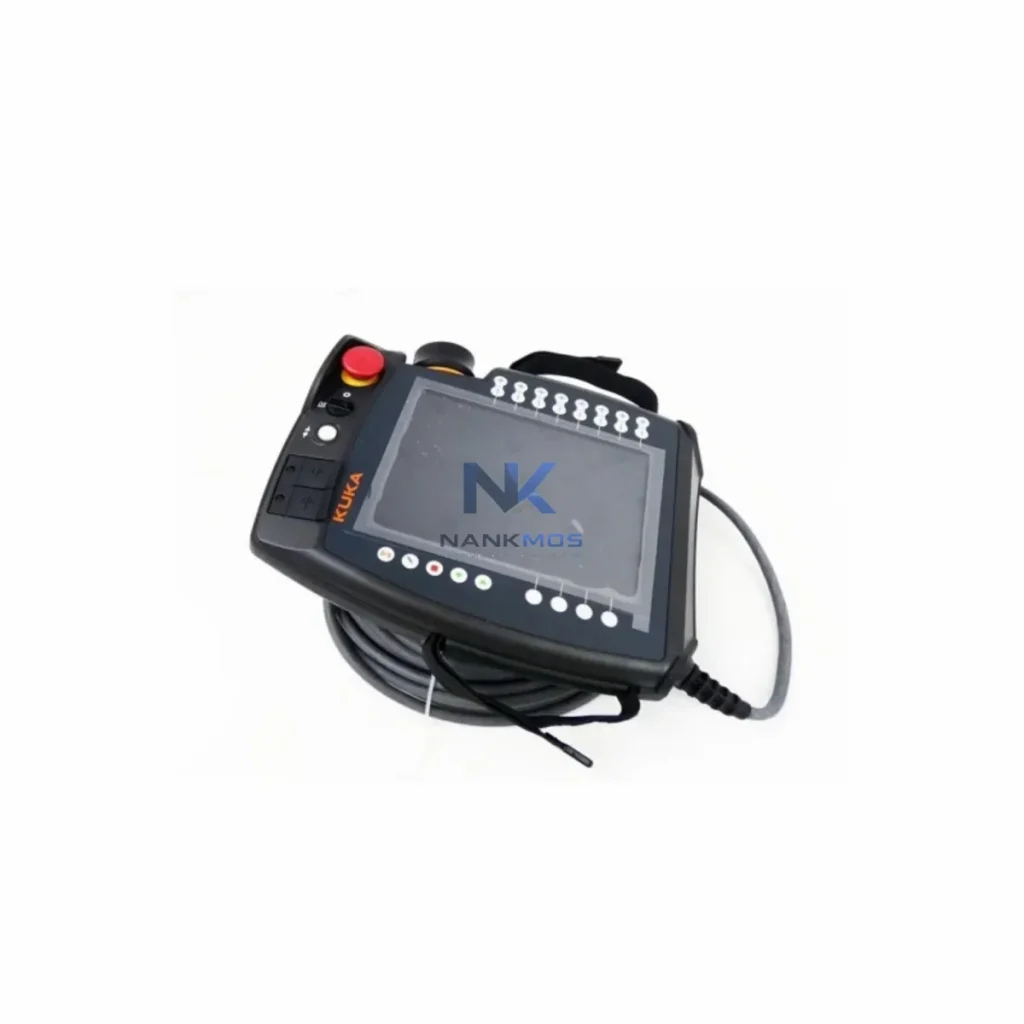
KUKA 00-291-556 is a NANKMOS industrial automation product record Listed under KRC4 series and HMI Panels. Confirm condition, availability, lead time, compatibility and documentation by email inquiry.
| Manufacturer | KUKA |
|---|---|
| Application | Industrial Automation Maintenance |
| Part Number / Model | 00-291-556 |
| Compatible System | KRC4 |
| Series | KRC4 |
| Condition Options | To Confirm |
| Module Type | HMI Panels |
| Warranty | 12 Months |
| Packaging | Anti-static Bag / Secure Box |
| Shipping Methods | DHL / FedEx / UPS / Air / Sea |
| Availability | To Confirm |
| Lead Time | To Confirm |
| Documentation | Part number and revision checked before quote |
The KUKA 00-291-556 SmartPAD Teach Pendant is a high-performance human-machine interface engineered for seamless integration within KRC4 robot controller architectures. Designed to serve as the primary operator interface in smart factory environments, the SmartPAD bridges the gap between field-level robot operations and upper-level control systems — enabling real-time data exchange, remote diagnostics, and full SCADA/HMI visibility across the production floor.
In modern industrial automation, the teach pendant is no longer just a programming tool — it is a critical node in the factory data chain. The KUKA 00-291-556 supports EtherCAT and Ethernet/IP communication protocols, allowing it to participate directly in high-speed deterministic networks alongside PLCs, remote I/O modules, industrial switches, and edge gateways. This connectivity ensures that every motion command, alarm event, and status update is captured, transmitted, and logged in real time.
The KUKA 00-291-556 SmartPAD operates at the intersection of robot control and factory-wide data infrastructure. In a typical smart factory deployment, the data flow begins at the field level: sensors and actuators connected to the KRC4 controller transmit real-time process values — joint positions, torque feedback, cycle counts, and fault codes — directly to the SmartPAD interface. Operators can monitor, adjust, and confirm robot programs without interrupting the production cycle.
At the network layer, the KRC4 controller — paired with the SmartPAD — communicates upstream via EtherCAT to a managed industrial Ethernet switch (such as those in the Hirschmann SPIDER or Phoenix Contact FL SWITCH series), which aggregates data from multiple robot cells and remote I/O stations. This aggregated data stream is then forwarded to a SCADA gateway or edge computing node — for example, a Siemens SCALANCE or Moxa MGate series gateway — where protocol conversion from EtherCAT or Ethernet/IP to PROFINET or OPC-UA takes place.
From the edge gateway, data flows into the plant's SCADA system (such as Wonderware InTouch or Ignition by Inductive Automation), where production KPIs, alarm histories, and robot utilization rates are visualized on operator dashboards. Simultaneously, the MES (Manufacturing Execution System) receives cycle time data and quality flags, enabling traceability from raw material to finished product.
In multi-robot cells, the SmartPAD's Ethernet/IP interface allows it to coexist on the same network segment as Allen-Bradley ControlLogix PLCs or Siemens S7-1500 controllers, enabling coordinated motion sequences and interlocked safety zones. Remote I/O modules — such as the Beckhoff EK1100 EtherCAT coupler or Phoenix Contact Axioline F series — extend digital and analog signal coverage to peripheral devices including servo drives, variable frequency drives (VFDs), and vision sensors, all of which feed status data back through the KRC4 and SmartPAD into the central monitoring layer.
For facilities running predictive maintenance programs, the SmartPAD's diagnostic interface provides direct access to KRC4 error logs, motor current trends, and axis calibration data. This information, when forwarded to an industrial IoT platform or cloud-based analytics engine, enables maintenance teams to detect bearing wear, cable fatigue, or calibration drift before unplanned downtime occurs — a key advantage in high-throughput automotive, electronics, and logistics automation environments.
Many industrial sites face a common challenge: robots and controllers operate in isolation, generating valuable process data that never reaches the SCADA or MES layer. The KUKA 00-291-556 SmartPAD directly addresses this data gap by providing a standardized, network-ready interface that integrates robot-level events into the broader factory data architecture.
Protocol fragmentation is one of the most persistent barriers to factory transparency. Sites running a mix of PROFINET, Ethernet/IP, and EtherCAT devices often struggle to unify data streams. The SmartPAD, operating within the KRC4 ecosystem, supports multi-protocol environments through gateway-assisted conversion, ensuring that robot data is accessible regardless of the upstream control platform.
Data silos — where robot cells operate without visibility into adjacent processes — are eliminated when the SmartPAD is integrated into a plant-wide OPC-UA data model. Alarm events triggered at the SmartPAD level (e-stop activations, joint limit warnings, payload exceedances) are immediately propagated to the SCADA alarm management system, enabling rapid response and full audit trail documentation.
Remote monitoring and diagnostics are increasingly critical as maintenance teams manage larger robot fleets across multiple facilities. The SmartPAD's Ethernet connectivity enables remote desktop access to the KRC4 WorkVisual environment, allowing engineers to upload programs, review fault logs, and perform virtual commissioning without physical presence on the factory floor — reducing travel costs and mean time to repair (MTTR).
Production line transparency is achieved when SmartPAD data is combined with outputs from barcode scanners, RFID readers, and vision inspection systems at the same network layer. This unified data view allows plant managers to correlate robot cycle times with product quality outcomes, identify bottlenecks, and optimize throughput in real time.
All units supplied by NANKMOS are pre-shipment tested and covered by a 12-month warranty, with verified stock available for immediate dispatch to global destinations.
Q1: What communication protocols does the KUKA 00-291-556 SmartPAD support?The SmartPAD communicates natively with the KRC4 controller via a proprietary high-speed Ethernet link. The KRC4 system supports EtherCAT, Ethernet/IP, and PROFINET (via optional technology packages), enabling integration with a wide range of PLCs, SCADA systems, and industrial network architectures.
Q2: Can the SmartPAD be used for remote diagnostics and monitoring?Yes. When the KRC4 controller is connected to the plant network, the SmartPAD interface data — including fault codes, program states, and axis positions — can be accessed remotely via KUKA WorkVisual or OPC-UA-compatible SCADA clients. This supports remote commissioning, fault analysis, and predictive maintenance workflows.
Q3: Is the 00-291-556 compatible with existing KRC4 robot systems without hardware modification?The KUKA 00-291-556 SmartPAD is a direct replacement for compatible KRC4 installations. No hardware modification is required for standard KRC4 systems. Firmware compatibility should be verified against the installed KRC4 software version prior to deployment. NANKMOS provides pre-shipment functional testing on all units.
Q4: What warranty and stock availability does NANKMOS offer for this part?NANKMOS supplies the KUKA 00-291-556 with a 12-month warranty covering manufacturing defects and functional failures under normal operating conditions. Units are held in verified inventory and dispatched following pre-shipment testing. Global shipping is available with lead times confirmed at order placement. Contact [email protected] for availability and pricing.
Functional Inspection100% tested on professional platforms to ensure stable performance.
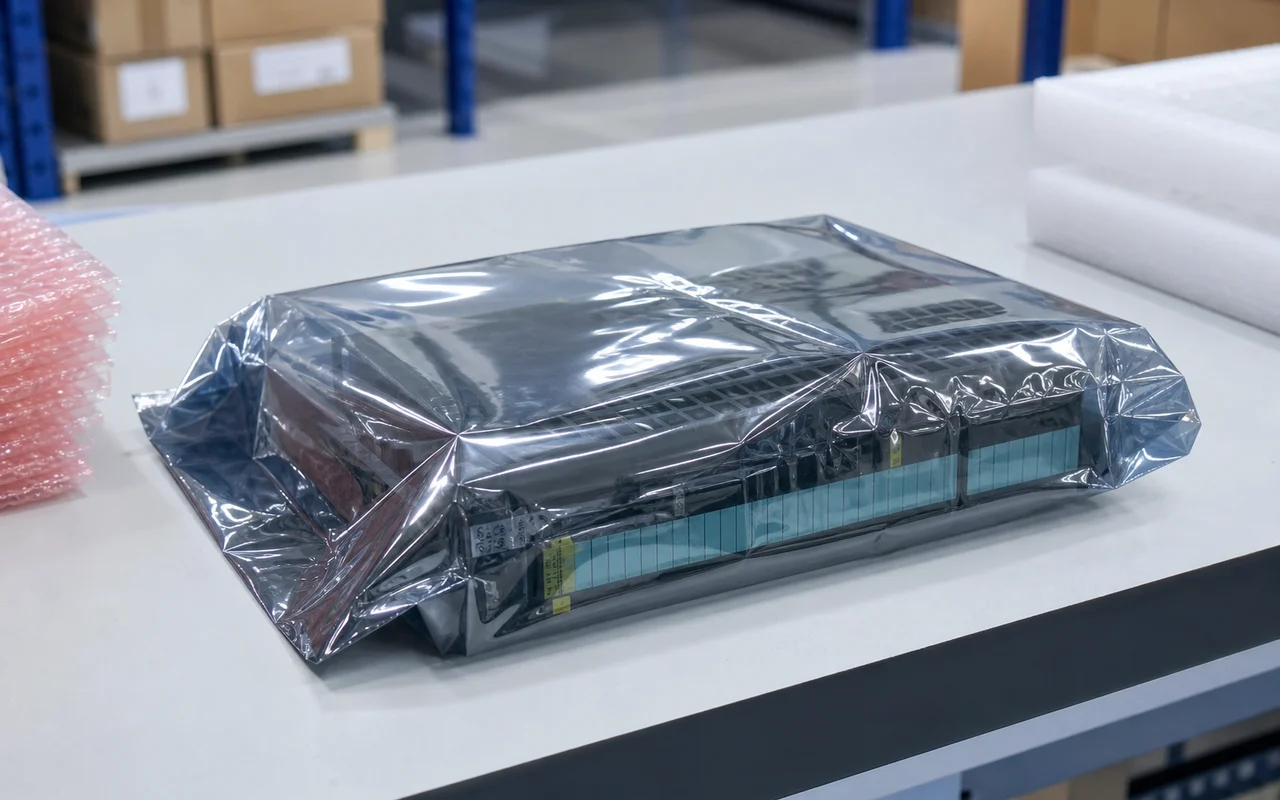 Anti-static Packaging
Modules are packed in anti-static bags to prevent electrostatic damage.
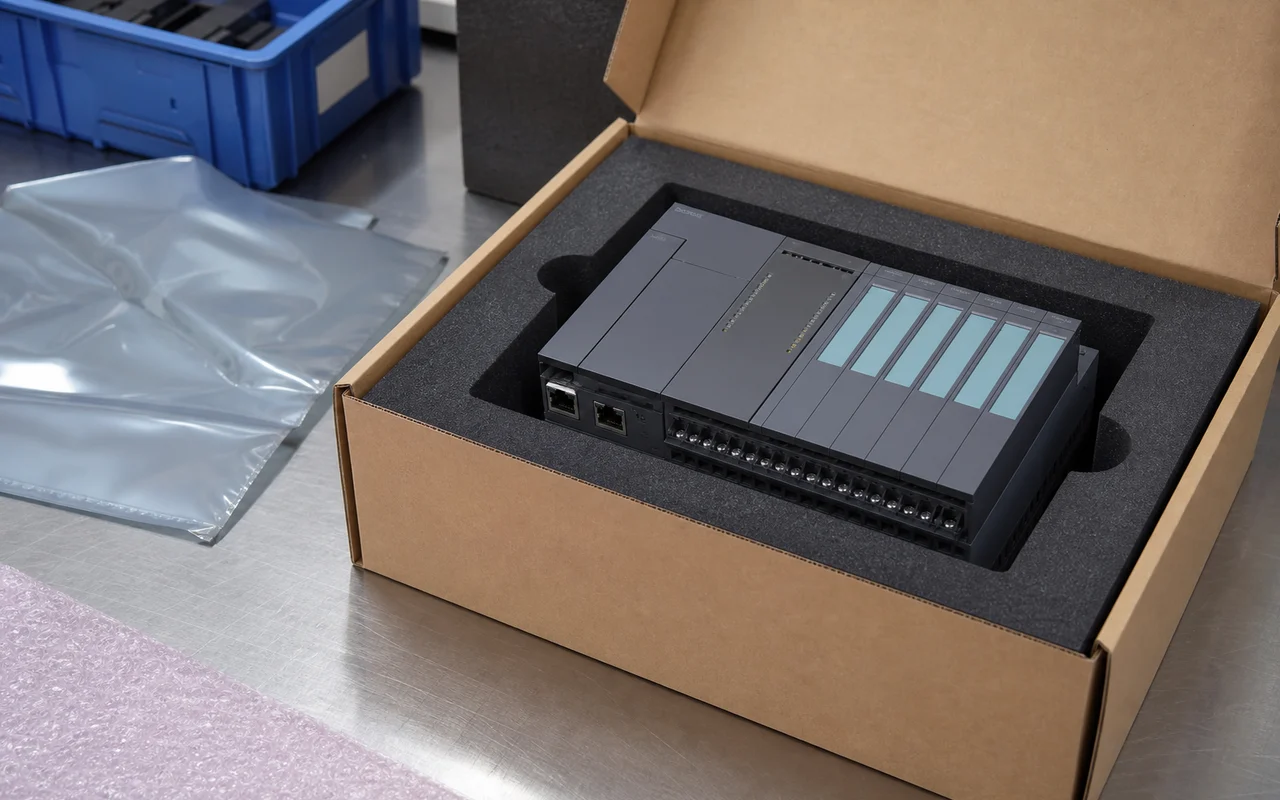 Secure Export Packing
Cushion protection and strong cartons ensure safe transportation.
 Worldwide Shipping
Global logistics network supports air, sea and express delivery.
 Documentation Check
Part number, revision and compatibility verified before shipment.
 After-sales Support
Professional technical support to help resolve your issues.