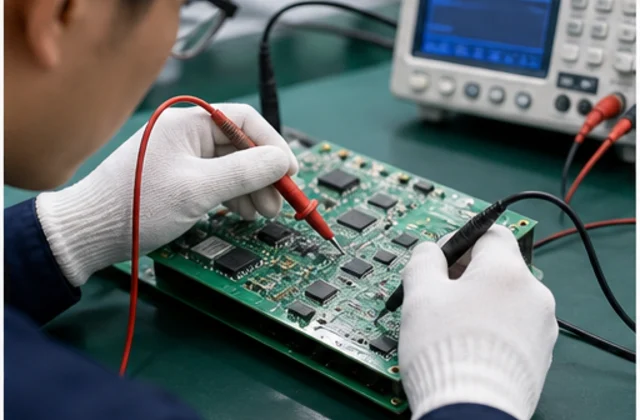
 Functional Inspection
100% tested on professional platforms to ensure stable performance.
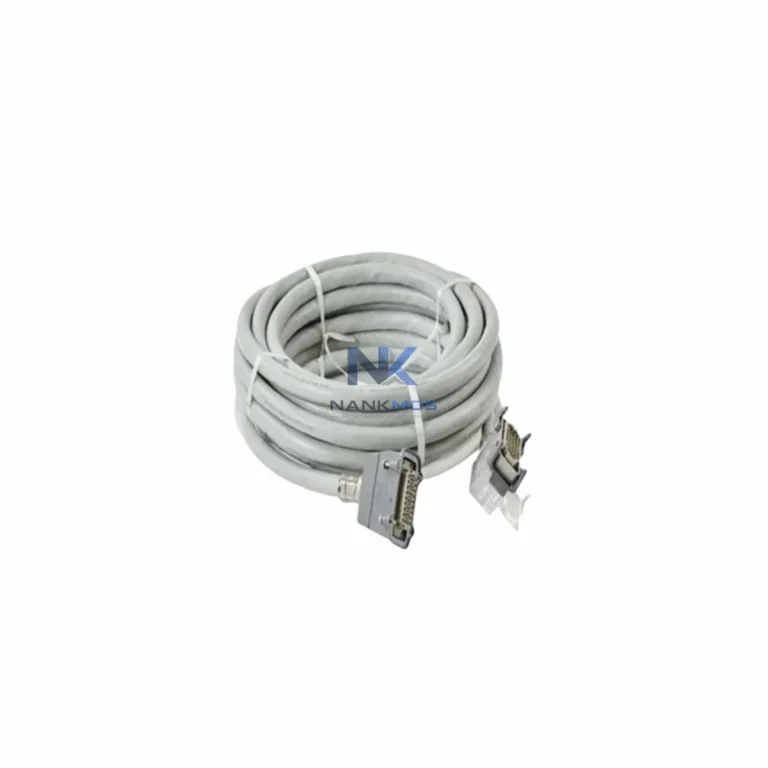
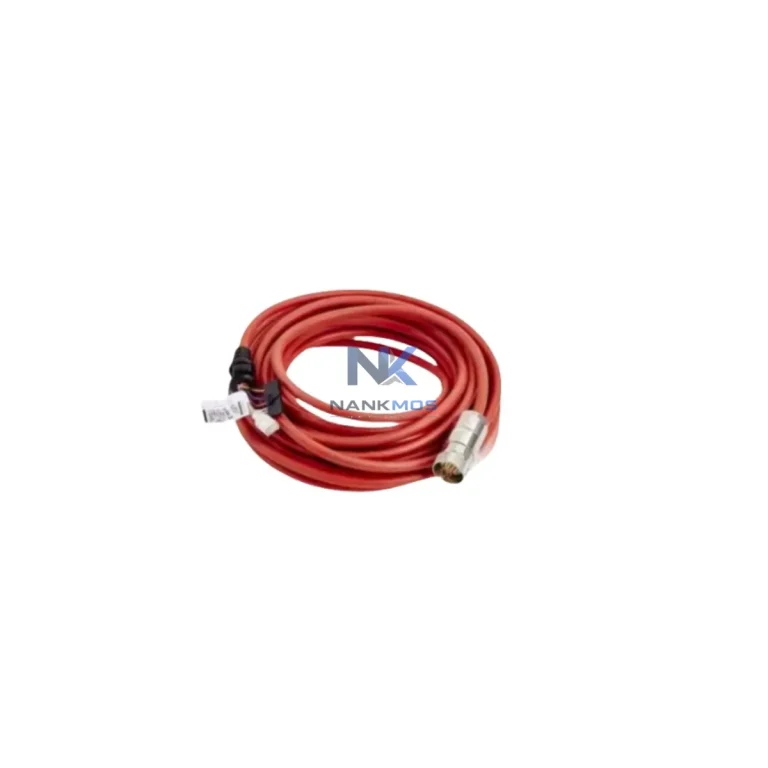
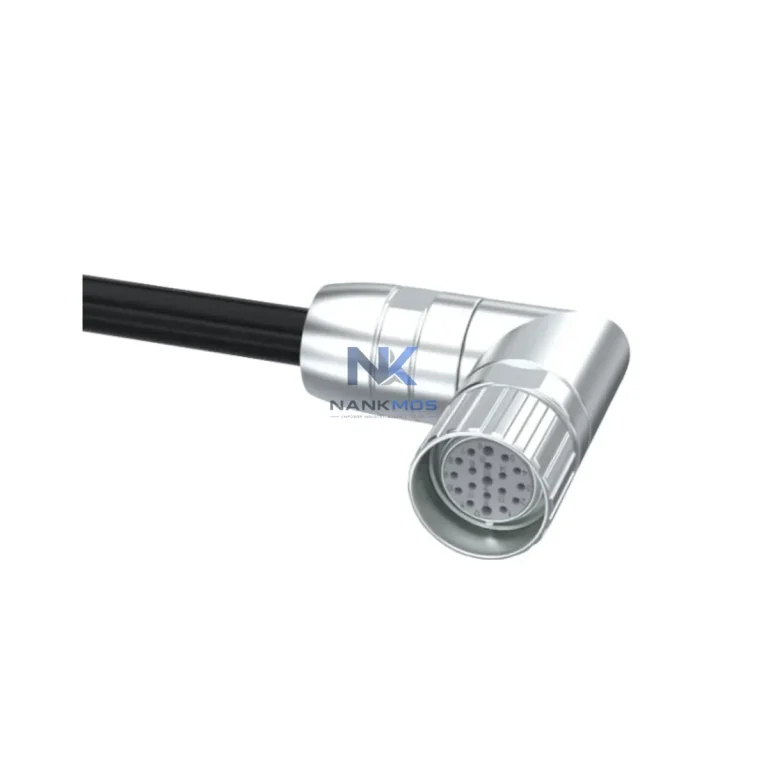
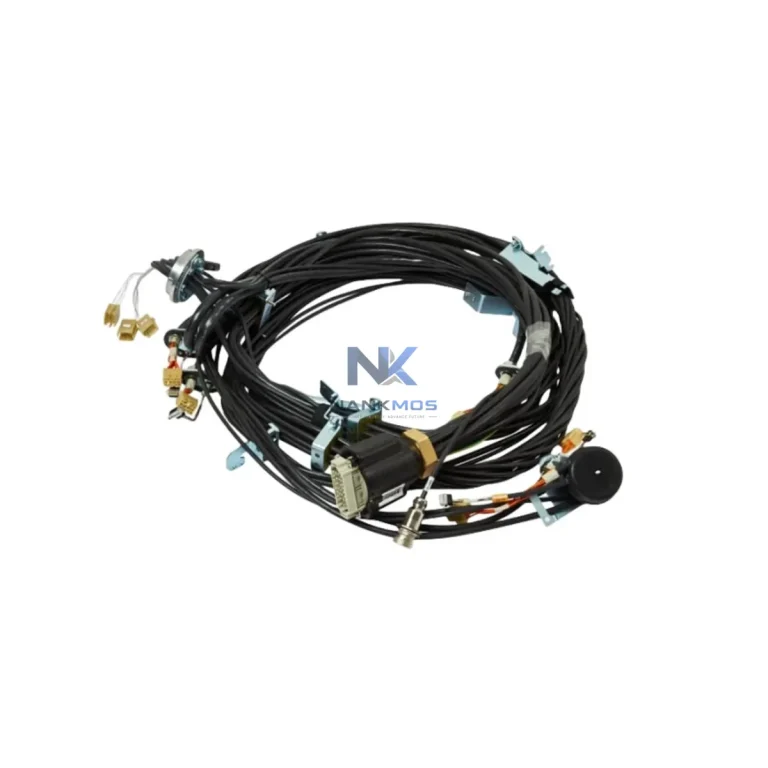
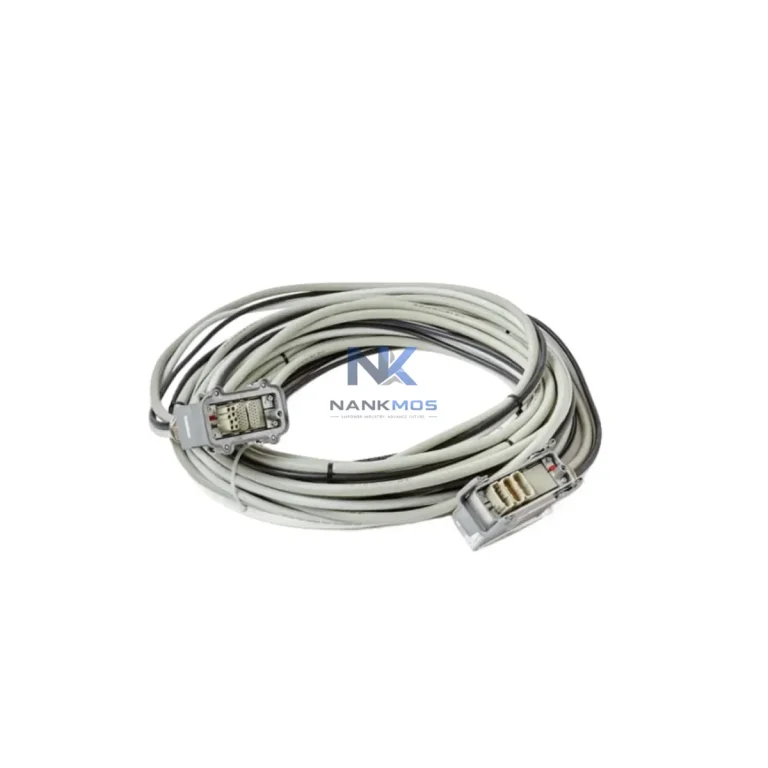
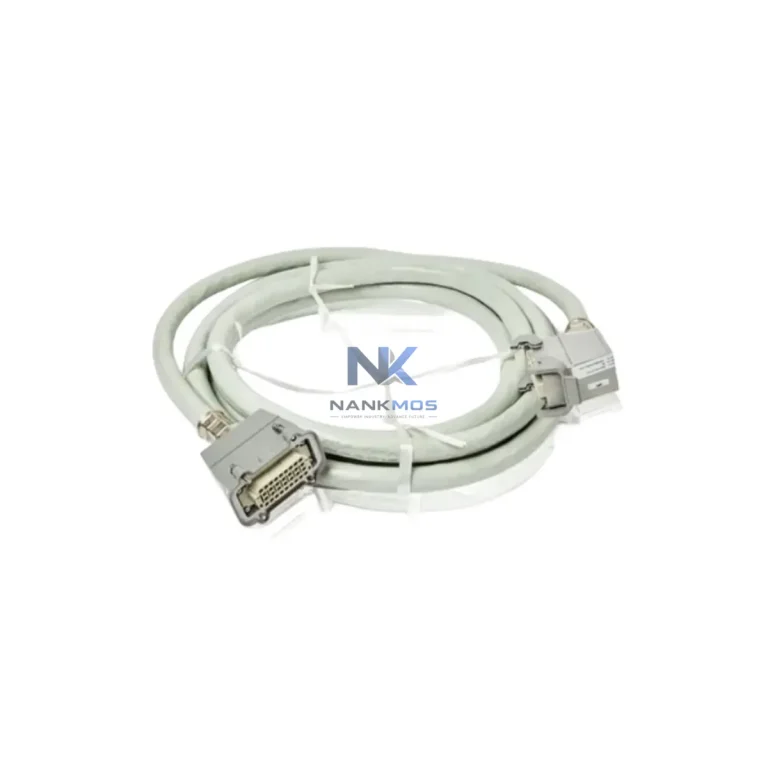
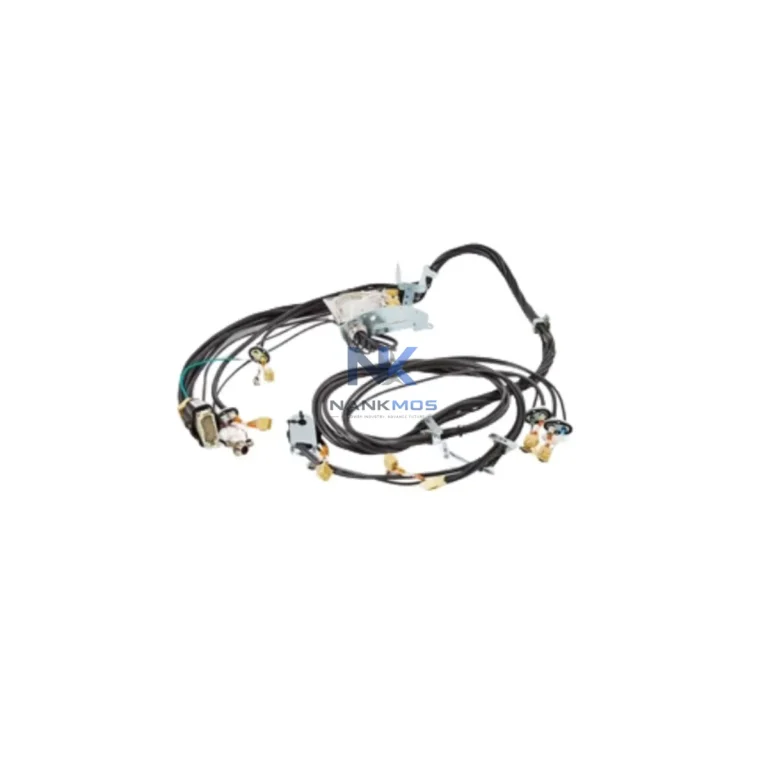
ABB IRB44003HAC12326-1 IRB44004-63HAC8304-1 IRB44003HAC050567-001 is a NANKMOS industrial automation product record Listed under Other series series and Cables & Connectors. Confirm condition, availability, lead time, compatibility and documentation by email inquiry.
Brand names are used for identification only.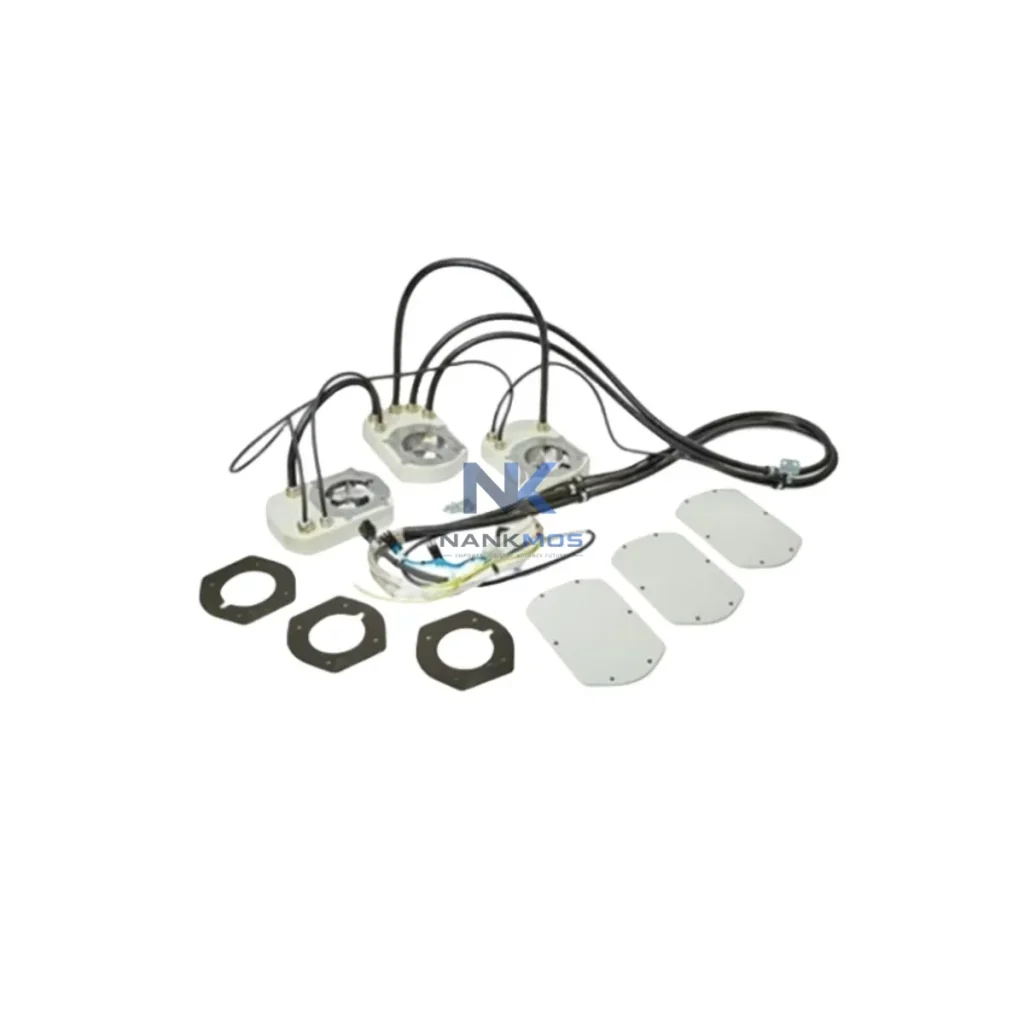
ABB IRB44003HAC12326-1 IRB44004-63HAC8304-1 IRB44003HAC050567-001 is a NANKMOS industrial automation product record Listed under Other series series and Cables & Connectors. Confirm condition, availability, lead time, compatibility and documentation by email inquiry.
| Manufacturer | ABB |
|---|---|
| Application | Industrial Automation Maintenance |
| Part Number / Model | IRB44003HAC12326-1 IRB44004-63HAC8304-1 IRB44003HAC050567-001 |
| Compatible System | Confirmed by inquiry |
| Condition Options | To Confirm |
| Module Type | Cables & Connectors |
| Warranty | 12 Months |
| Packaging | Anti-static Bag / Secure Box |
| Shipping Methods | DHL / FedEx / UPS / Air / Sea |
| Availability | To Confirm |
| Lead Time | To Confirm |
| Documentation | Part number and revision checked before quote |
The ABB 3HAC12326-1 is a factory-original robot cable module engineered specifically for the ABB IRB 4400 articulated robot series. Designed to operate within ABB's tightly integrated drive and control architecture, this cable assembly plays a direct role in energy-efficient motion execution — reducing resistive losses, minimizing thermal buildup, and ensuring stable signal integrity across every axis of robot movement. For production environments where uptime, energy accountability, and drive efficiency are non-negotiable, the 3HAC12326-1 delivers the electrical backbone that keeps the entire system performing at rated efficiency.
In modern smart factories, every cable in the robot arm is part of the energy chain. The 3HAC12326-1 connects the robot's servo drives to its joint motors, carrying both power and encoder feedback signals with minimal attenuation. When cable resistance increases due to wear, improper routing, or non-OEM substitution, the servo amplifier must compensate — drawing more current, generating excess heat, and reducing overall drive efficiency. By maintaining OEM-spec impedance and shielding, the 3HAC12326-1 ensures that the ABB DSQC series servo drive modules operate within their optimal efficiency band, reducing unnecessary energy draw at the drive stage.
The ABB 3HAC12326-1 does not operate in isolation — it is one node in a tightly coupled energy and control network. Understanding how it interacts with adjacent components is essential for designing a power-aware automation strategy.
At the controller level, the ABB IRC5 main computer (DSQC 1000) manages motion planning and cycle timing. Every trajectory command issued by the IRC5 translates into a current demand on the servo drive chain. When the 3HAC12326-1 maintains low-resistance signal paths, the ABB DSQC 661 drive module can execute torque commands with minimal overshoot — reducing reactive current draw and the associated I²R losses in the power supply stage. This directly lowers the thermal load on the ABB DSQC 604 power supply unit, extending its service interval and reducing cooling energy consumption in the control cabinet.
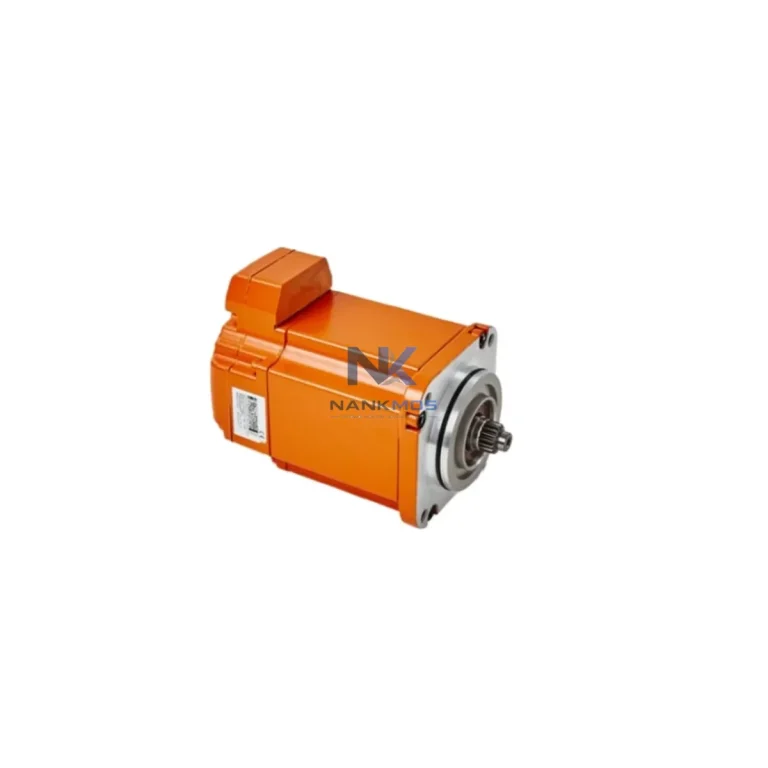
On the field side, the 3HAC12326-1 carries encoder feedback from the joint resolver or encoder back to the drive. Clean, low-noise feedback allows the ABB servo motor (3HAC series) to operate with tighter position loop gains — meaning less hunting, less micro-correction current, and smoother velocity profiles. This is particularly important in high-cycle applications such as spot welding or press-tending, where the robot executes thousands of identical moves per shift. Accumulated micro-inefficiencies in the feedback path translate directly into measurable energy waste over a production day.
For energy monitoring integration, the 3HAC12326-1 supports the broader deployment of ABB Ability™ energy monitoring and third-party power measurement modules connected via PROFINET or EtherNet/IP to the plant SCADA system. When drive current data is logged against cycle time, facilities engineers can identify axes where cable degradation is causing efficiency drift — enabling condition-based replacement rather than time-based maintenance. This approach, combined with the ABB FlexPendant (IRC5 HMI) diagnostic screens, gives maintenance teams real-time visibility into drive load and thermal status without interrupting production.
In multi-robot cells, the 3HAC12326-1 is often deployed alongside the ABB 3HAC050567-001 and ABB 3HAC8304-1 cable assemblies, which serve adjacent axes or robot variants in the same IRB 4400 family. Standardizing on OEM cable assemblies across all axes ensures that the ABB IRC5 I/O board (DSQC 652) receives consistent signal quality from every joint — simplifying fault diagnosis and reducing the risk of nuisance trips caused by signal degradation on a single axis.
Production line energy optimization is not achieved through a single component — it is the cumulative result of every element in the drive chain performing at specification. The ABB 3HAC12326-1 contributes to this goal in three measurable ways: reducing resistive losses in the power path, maintaining encoder signal quality for tight servo control, and enabling predictive maintenance workflows that prevent unplanned downtime.
Reducing Resistive Losses: A degraded or non-OEM cable introduces additional resistance into the motor power circuit. At the current levels typical of an IRB 4400 joint motor, even a small increase in resistance generates significant additional heat — heat that must be removed by the cabinet cooling system, adding to facility energy consumption. The 3HAC12326-1, built to ABB's original conductor cross-section and insulation specification, keeps resistive losses at the designed minimum across the full operating temperature range of the robot.
Stabilizing Production Beat Rate: In synchronized production lines, robot cycle time directly determines line throughput. When servo drives must compensate for noisy or attenuated encoder feedback, motion profiles become less precise — leading to extended settling times at waypoints and increased cycle time variability. The 3HAC12326-1's OEM shielding and connector termination quality ensures that the IRC5 controller receives clean feedback, allowing the motion planner to execute at the programmed beat rate without conservative safety margins that waste time and energy.
Supporting Predictive Maintenance: Cable assemblies are wear items. The 3HAC12326-1 is designed with ABB's specified flex life for the IRB 4400's range of motion, meaning its degradation curve is predictable. By tracking drive current trends via the SCADA system and correlating them with cable service hours, maintenance teams can schedule replacement during planned downtime windows — avoiding the energy and production losses associated with unplanned robot stops. Every unit shipped by NANKMOS undergoes outgoing quality inspection and functional testing before dispatch, ensuring that the replacement cable performs to specification from the first cycle.
Whether you are managing a single IRB 4400 cell or a fleet of robots across multiple production lines, maintaining OEM cable integrity is one of the highest-return, lowest-cost interventions available for energy and efficiency optimization. NANKMOS maintains ready stock of the 3HAC12326-1 to support rapid replacement cycles without extended lead times.
Q1: How does replacing a worn cable with the ABB 3HAC12326-1 affect energy consumption? A degraded cable increases resistance in the motor power circuit, forcing the servo drive to draw more current to deliver the same torque. This excess current generates heat and increases energy consumption. Replacing with an OEM-spec 3HAC12326-1 restores the designed impedance, allowing the DSQC drive module to operate within its rated efficiency band and reducing unnecessary energy draw at the drive stage.
Q2: Is the 3HAC12326-1 compatible with both the IRC5 and S4C+ controller platforms? Yes. The 3HAC12326-1 is designed for the ABB IRB 4400 robot family, which was produced across both the S4C+ and IRC5 controller generations. Compatibility depends on the specific robot variant and axis assignment — please confirm your robot's serial number and controller type when ordering to ensure the correct cable assembly is supplied.
Q3: What is the recommended replacement interval, and how is it determined? ABB specifies flex life for IRB 4400 cable assemblies based on the robot's programmed range of motion and cycle rate. As a general guideline, cables on high-cycle axes should be inspected at each planned maintenance shutdown and replaced when drive current trends show a measurable increase above baseline, or when visual inspection reveals jacket cracking or connector wear. NANKMOS can advise on replacement scheduling based on your application profile.
Q4: What testing is performed before shipment, and what does the 12-month warranty cover? Every ABB 3HAC12326-1 unit dispatched by NANKMOS undergoes outgoing quality inspection including continuity testing, insulation resistance verification, and connector integrity checks. The 12-month warranty covers manufacturing defects and premature failure under normal operating conditions. It does not cover damage resulting from improper installation, cable routing outside ABB's specified bend radius, or exposure to chemicals not listed in the IRB 4400 environmental specification.
Functional Inspection100% tested on professional platforms to ensure stable performance.
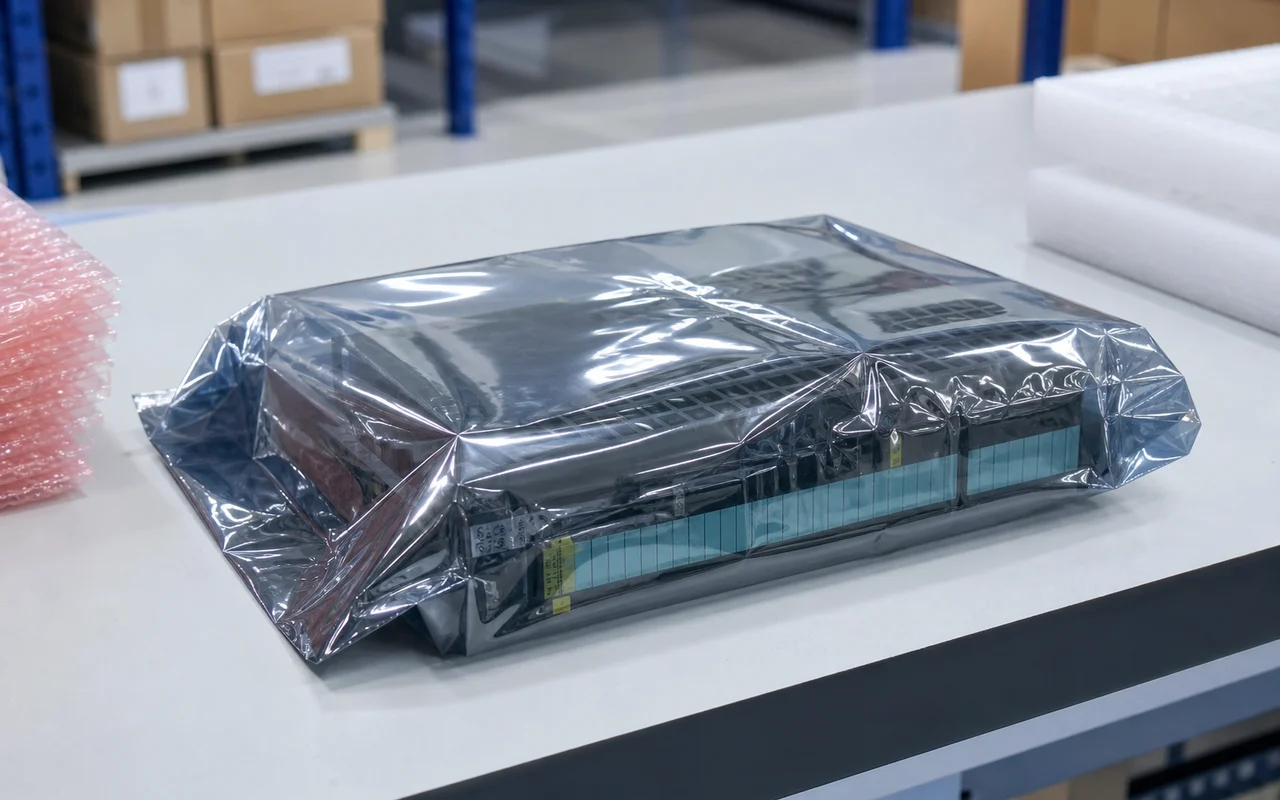 Anti-static Packaging
Modules are packed in anti-static bags to prevent electrostatic damage.
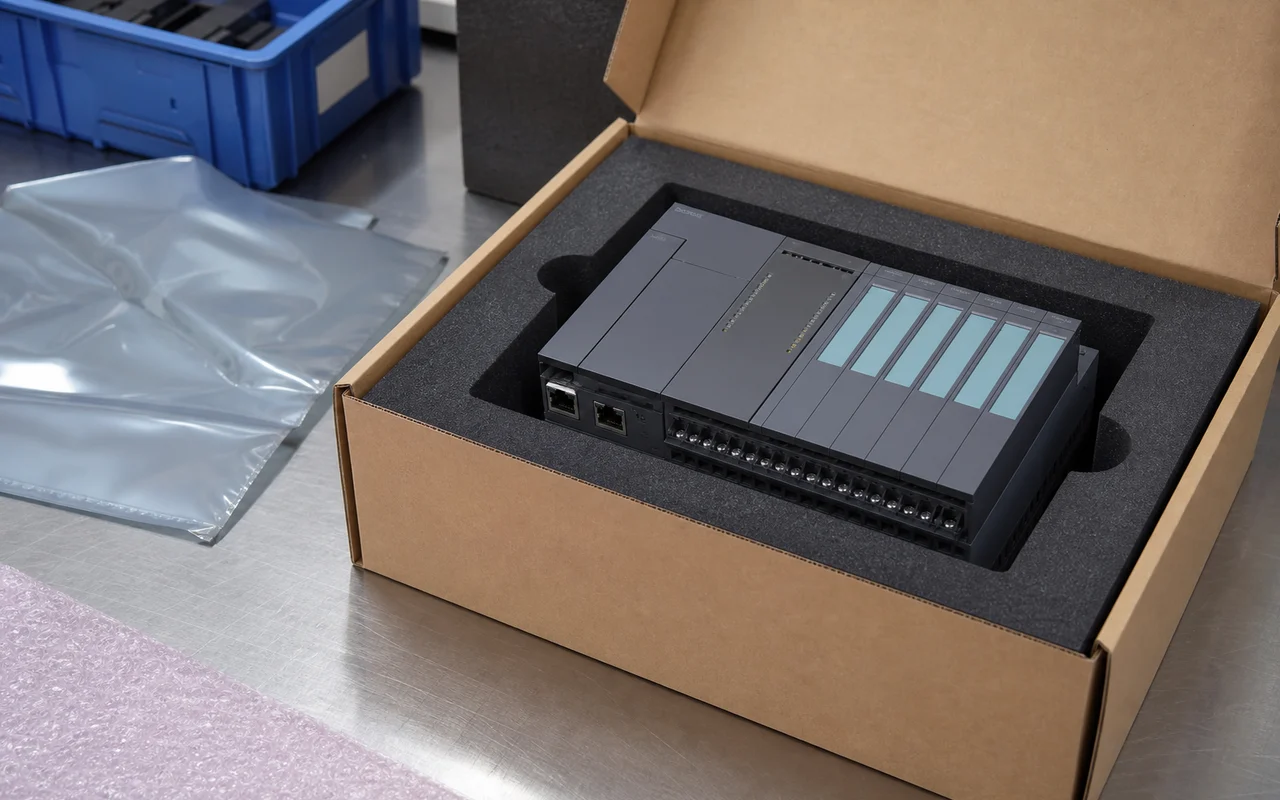 Secure Export Packing
Cushion protection and strong cartons ensure safe transportation.
 Worldwide Shipping
Global logistics network supports air, sea and express delivery.
 Documentation Check
Part number, revision and compatibility verified before shipment.
 After-sales Support
Professional technical support to help resolve your issues.