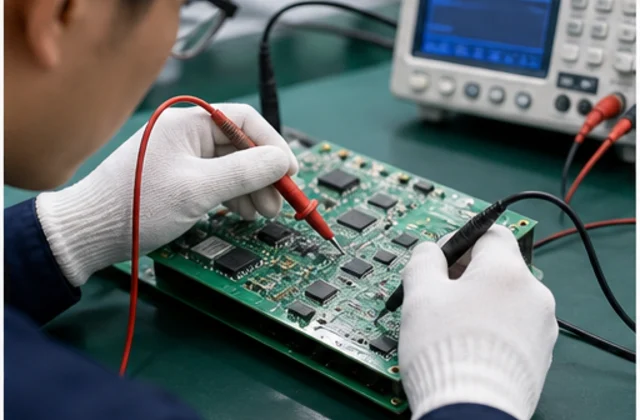
 Functional Inspection
100% tested on professional platforms to ensure stable performance.
ABB 3BSE004939R2 SDCS-PIN-48 is a NANKMOS industrial automation product record Listed under Other series series and Drives. Confirm condition, availability, lead time, compatibility and documentation by email inquiry.
Brand names are used for identification only.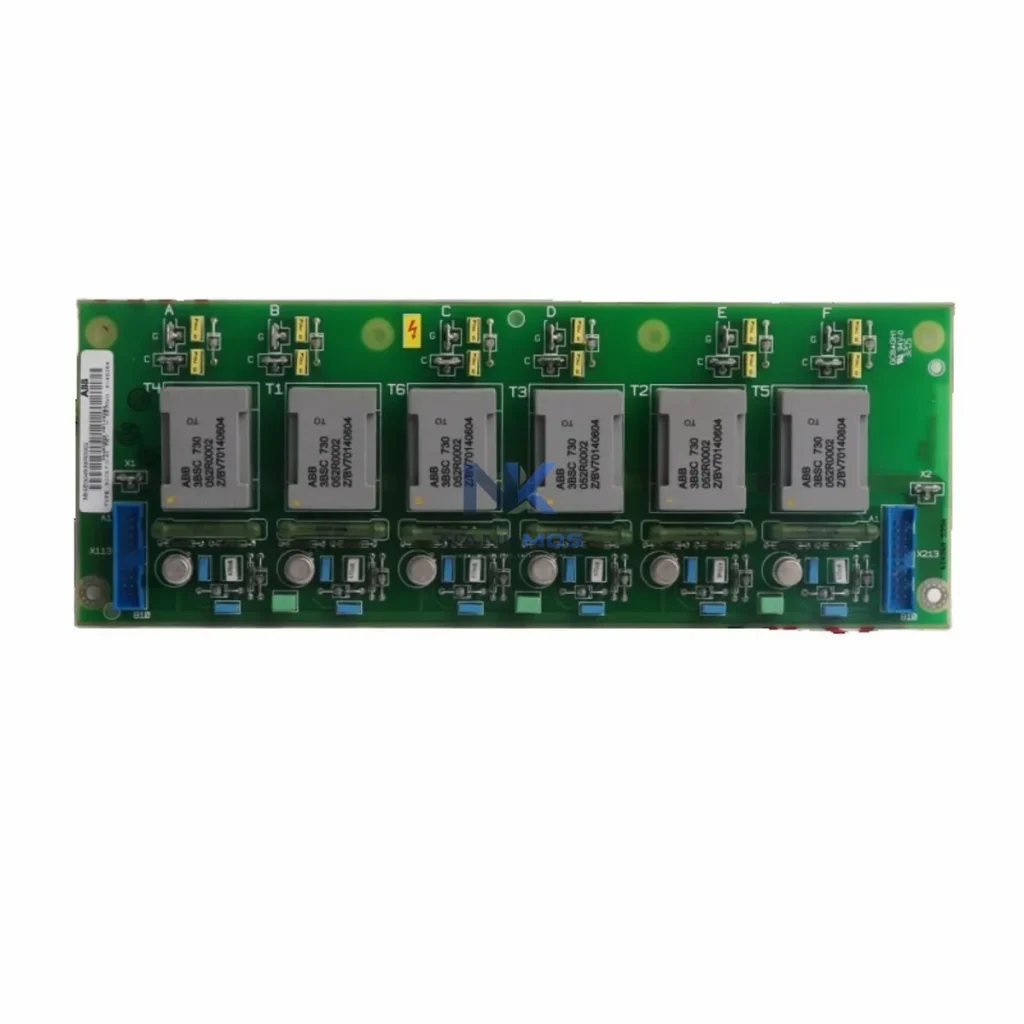
ABB 3BSE004939R2 SDCS-PIN-48 is a NANKMOS industrial automation product record Listed under Other series series and Drives. Confirm condition, availability, lead time, compatibility and documentation by email inquiry.
| Manufacturer | ABB |
|---|---|
| Application | Motion Control & Drive System |
| Part Number / Model | 3BSE004939R2 SDCS-PIN-48 |
| Compatible System | Confirmed by inquiry |
| Condition Options | To Confirm |
| Module Type | Servo / Drive Module |
| Warranty | 12 Months |
| Packaging | Anti-static Bag / Secure Box |
| Shipping Methods | DHL / FedEx / UPS / Air / Sea |
| Availability | To Confirm |
| Lead Time | To Confirm |
| Documentation | Part number and revision checked before quote |
The ABB SDCS-PIN-48 (part number 3BSE004939R2) is a precision pulse transformer board engineered for integration within ABB's SDCS series DC drive control architecture. Designed to deliver reliable gate pulse isolation and signal conditioning between the control electronics and the thyristor firing circuits, this module plays a critical role in maintaining signal integrity, electrical isolation, and firing accuracy across the full operating range of the drive system. In modern industrial automation environments — spanning steel mills, paper machines, marine propulsion systems, and large-scale process lines — the SDCS-PIN-48 serves as a foundational component that ensures the DC drive operates with consistent torque response, minimal harmonic distortion, and long-term electrical stability.
Within the layered architecture of an ABB SDCS DC drive system, the SDCS-PIN-48 occupies the interface layer between the digital control board and the power conversion stage. The control board — typically the SDCS-CON-4 or SDCS-CON-2 — generates firing angle commands based on speed and current feedback loops. These commands are transmitted as low-voltage digital pulses to the SDCS-PIN-48, which transforms and isolates them before delivering the gate trigger signals to the thyristor bridge. This isolation is essential not only for protecting the sensitive control electronics from high-voltage transients on the power side, but also for ensuring that each thyristor in the six-pulse or twelve-pulse bridge receives a precisely timed, correctly shaped gate pulse. Any degradation in pulse shape or timing — caused by a failing transformer board — will directly manifest as torque ripple, commutation failure, or drive trip events.
The SDCS-PIN-48 is designed to operate in conjunction with the broader SDCS hardware ecosystem. The SDCS-FEX-2 field excitation board manages the DC motor field current, while the SDCS-IOB-3 and SDCS-IOB-39 I/O expansion boards handle analog and digital signal routing between the drive and the plant control system. The SDCS-AMC-DC-3 advanced motor control board provides the high-level speed and current regulation algorithms, and the SDCS-DSL-4 serial link board enables communication with supervisory systems via DDCS or PROFIBUS protocols. Together, these modules form a tightly integrated control platform where the pulse transformer board's performance directly influences the stability of the entire drive loop. Replacing or upgrading the SDCS-PIN-48 with a genuine ABB spare ensures that the firing circuit characteristics remain within the original design tolerances, preserving the drive's dynamic response and protection behavior.
From a system architecture perspective, the SDCS-PIN-48 supports both single-drive and multi-drive configurations. In coordinated drive systems — such as those used in continuous casting lines, winding machines, or multi-motor paper machine sections — precise synchronization of firing pulses across multiple drives is critical for maintaining tension control and speed matching. The SDCS-PIN-48's consistent pulse output characteristics contribute to this synchronization by ensuring that each drive's thyristor bridge responds identically to control commands, reducing the risk of speed deviation or mechanical stress on coupled machinery. In redundant drive architectures, where a standby drive must be capable of seamless takeover, having a verified and tested SDCS-PIN-48 in the spare parts inventory is a standard engineering practice.
Installation of the SDCS-PIN-48 follows ABB's standard SDCS board replacement procedure. The drive must be powered down and the DC bus fully discharged before the board is accessed. The module connects to the main SDCS backplane via a dedicated connector, and no manual calibration is required after installation — the drive's self-commissioning routine will verify firing circuit continuity and pulse timing during the next power-up sequence. Engineers should verify that the firmware version on the SDCS-CON-4 is compatible with the installed hardware revision of the SDCS-PIN-48, as ABB has released several hardware revisions over the product lifecycle to address improvements in pulse rise time and thermal performance. The 3BSE004939R2 part number designates the current production revision, which is backward-compatible with all SDCS drive frames that originally specified the SDCS-PIN-48.
Long-term maintenance planning for SDCS-based drive systems should include periodic inspection of the pulse transformer board for signs of thermal stress, connector oxidation, or insulation degradation. In high-cycle applications — such as reversing rolling mills or crane drives — the firing circuit operates at elevated duty cycles, and the pulse transformer is subjected to continuous thermal cycling. ABB recommends replacing the SDCS-PIN-48 as part of a scheduled drive overhaul every five to seven years, or immediately upon detection of firing-related fault codes such as F507 (firing circuit fault) or A505 (pulse transformer warning) in the SDCS diagnostic log. Maintaining a stocked spare of the 3BSE004939R2 minimizes unplanned downtime and supports rapid restoration of drive availability.
Each SDCS-PIN-48 3BSE004939R2 unit supplied by NANKMOS is sourced from verified ABB distribution channels and undergoes pre-shipment functional testing to confirm pulse output integrity, isolation resistance, and connector condition. All units are covered by a 12-Month Warranty against manufacturing defects and are shipped with full ESD protective packaging. Global logistics support is available, with expedited shipping options for critical maintenance situations. Our technical team provides Contextual Integration support — assisting engineers with compatibility verification, firmware cross-referencing, and installation guidance to ensure the replacement board is correctly matched to the target drive system.
The SDCS-PIN-48 3BSE004939R2 is most effectively deployed as part of a complete ABB SDCS drive platform. A fully integrated SDCS control cabinet typically includes the SDCS-CON-4 digital control board as the primary speed and current regulator, supported by the SDCS-AMC-DC-3 for advanced motor control algorithms. The SDCS-FEX-2 field excitation board manages the motor field winding, while the SDCS-IOB-3 and SDCS-IOB-39 I/O boards provide the analog and digital interface points for encoder feedback, tachometer signals, and external interlock circuits. Serial communication to the plant DCS or PLC is handled by the SDCS-DSL-4 DDCS/PROFIBUS link board, enabling integration with ABB AC800M controllers or third-party Siemens S7 / Rockwell ControlLogix systems via gateway modules. The power supply section relies on the SDCS-POW-4 internal power supply board to deliver regulated voltages to all control electronics. In multi-drive configurations, the SDCS-COM-8 communication board facilitates drive-to-drive coordination over the DDCS fiber optic ring. Signal isolation between field instruments and the drive's analog inputs is often reinforced with dedicated signal isolators such as the ABB AI523 or equivalent DIN-rail mounted barriers, ensuring clean 4–20 mA or ±10 V references reach the SDCS-CON-4 without ground loop interference. Together, these components form a cohesive, diagnostics-rich automation platform where the SDCS-PIN-48 pulse transformer board is the critical link between digital control intelligence and high-power thyristor switching.
The ABB SDCS-PIN-48 3BSE004939R2 is deployed across a wide range of heavy industrial sectors where DC drive technology remains the preferred solution for high-torque, wide speed-range applications. In steel and metals processing, SDCS drives with SDCS-PIN-48 boards control rolling mill main drives, coiler/uncoiler tension reels, and straightener drives, where precise torque control and rapid current response are essential for product quality. In the paper and pulp industry, multi-section paper machines rely on coordinated SDCS drive systems to maintain web tension and speed matching across press, dryer, and calendar sections — applications where firing circuit reliability directly affects product consistency and machine availability. Marine and offshore applications use SDCS drives for anchor windlass, mooring winch, and thruster control systems, where the SDCS-PIN-48's robust isolation characteristics are valued in electrically noisy shipboard environments. In mining and mineral processing, SDCS drives power conveyor belt drives, ball mill drives, and hoist systems, where the ability to sustain high continuous torque at low speeds demands a firing circuit with stable, repeatable pulse characteristics. Water and wastewater treatment facilities use SDCS drives on large pump and blower applications, where energy efficiency and long service intervals are prioritized. Chemical and petrochemical plants deploy SDCS drives in extruder, agitator, and compressor applications, often in hazardous area installations where drive reliability and diagnostic transparency are critical for process safety. Across all these sectors, the SDCS-PIN-48 3BSE004939R2 provides the firing circuit foundation that enables the SDCS drive to deliver consistent, controllable DC motor performance over decades of continuous operation.
Q1: Is the SDCS-PIN-48 3BSE004939R2 compatible with all SDCS drive frame sizes?The SDCS-PIN-48 3BSE004939R2 is compatible with the full range of ABB SDCS drive frames that utilize the standard SDCS control board architecture, including DCS400, DCS500, and DCS600 series drives. Compatibility is determined by the control board type (SDCS-CON-2 or SDCS-CON-4) rather than the drive frame size. Engineers should verify the hardware revision compatibility between the SDCS-PIN-48 and the installed control board firmware version before installation. NANKMOS provides compatibility verification support as part of our Contextual Integration service.
Q2: What diagnostic indicators suggest the SDCS-PIN-48 requires replacement?The most common indicators of SDCS-PIN-48 degradation include recurring fault codes F507 (firing circuit fault), A505 (pulse transformer warning), and intermittent F508 (thyristor overcurrent) events that cannot be attributed to load or supply conditions. Physical inspection may reveal discoloration of the transformer cores, connector pin oxidation, or cracked solder joints on the board. In some cases, oscilloscope measurement of the gate pulse waveform at the thyristor gate terminals will reveal reduced pulse amplitude or distorted rise time, confirming transformer degradation. Replacement with a tested 3BSE004939R2 unit typically resolves these fault patterns immediately.
Q3: What warranty and supply assurance does NANKMOS provide for the SDCS-PIN-48 3BSE004939R2?Every SDCS-PIN-48 3BSE004939R2 unit supplied by NANKMOS is covered by a 12-Month Warranty against manufacturing defects and functional failures under normal operating conditions. Units are pre-tested for pulse output integrity and isolation resistance before shipment, and are packaged in ESD-protective materials to prevent transit damage. NANKMOS maintains stock of the 3BSE004939R2 to support both planned maintenance programs and emergency breakdown situations, with expedited global shipping available for critical applications. Our technical team provides post-sale Contextual Integration support to assist with installation verification and commissioning.
Functional Inspection100% tested on professional platforms to ensure stable performance.
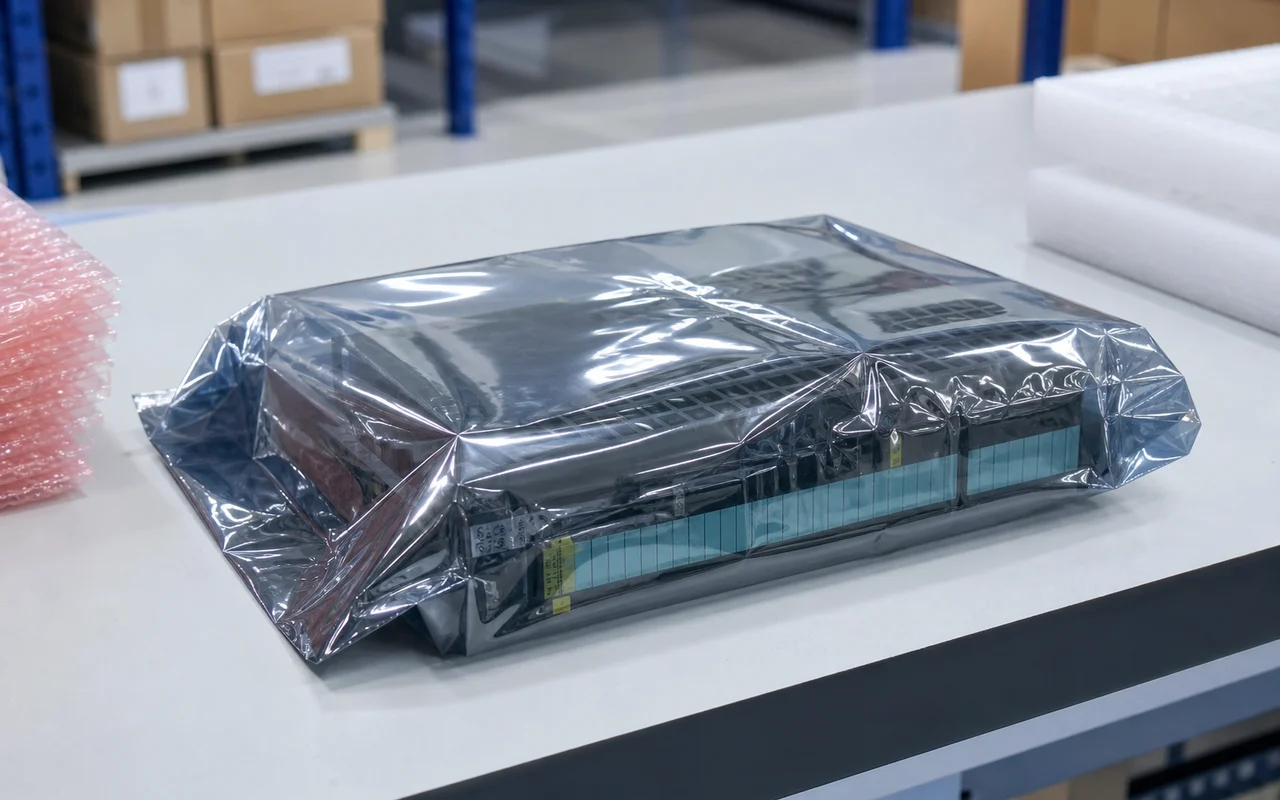 Anti-static Packaging
Modules are packed in anti-static bags to prevent electrostatic damage.
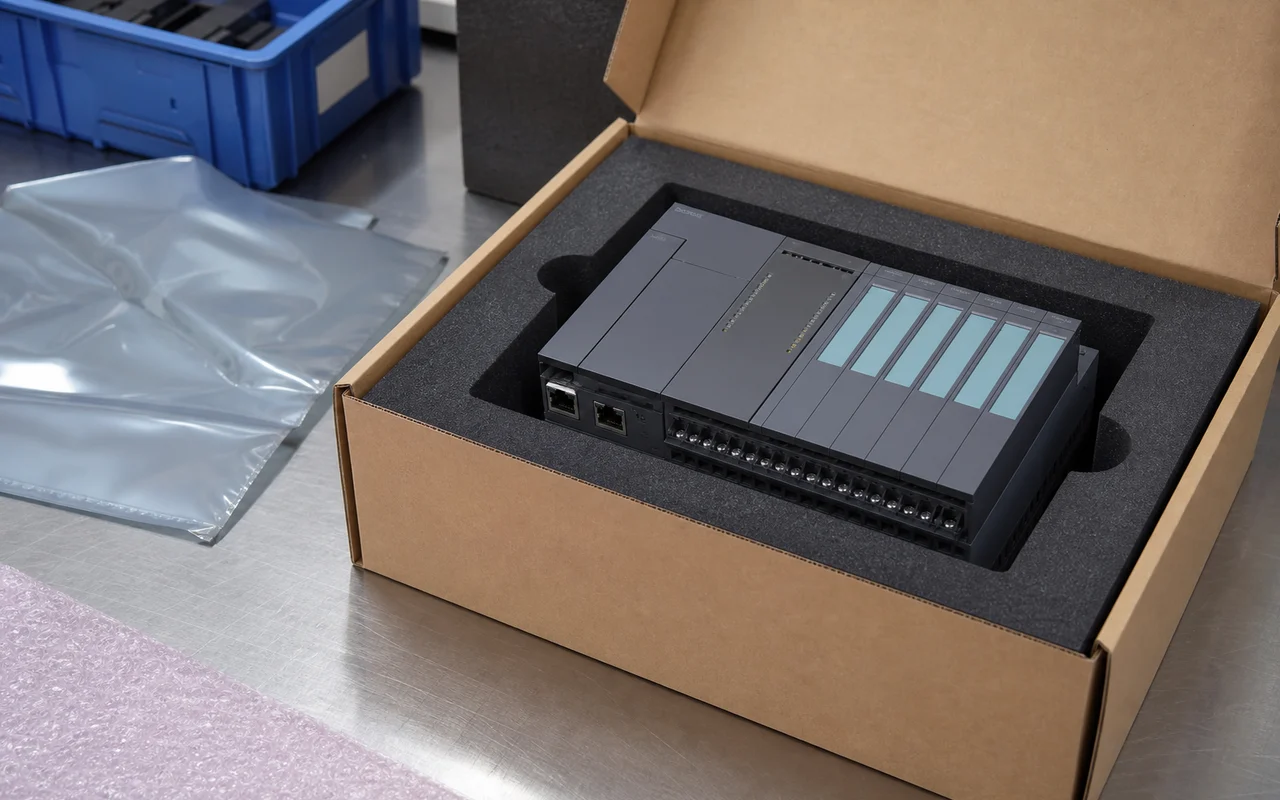 Secure Export Packing
Cushion protection and strong cartons ensure safe transportation.
 Worldwide Shipping
Global logistics network supports air, sea and express delivery.
 Documentation Check
Part number, revision and compatibility verified before shipment.
 After-sales Support
Professional technical support to help resolve your issues.