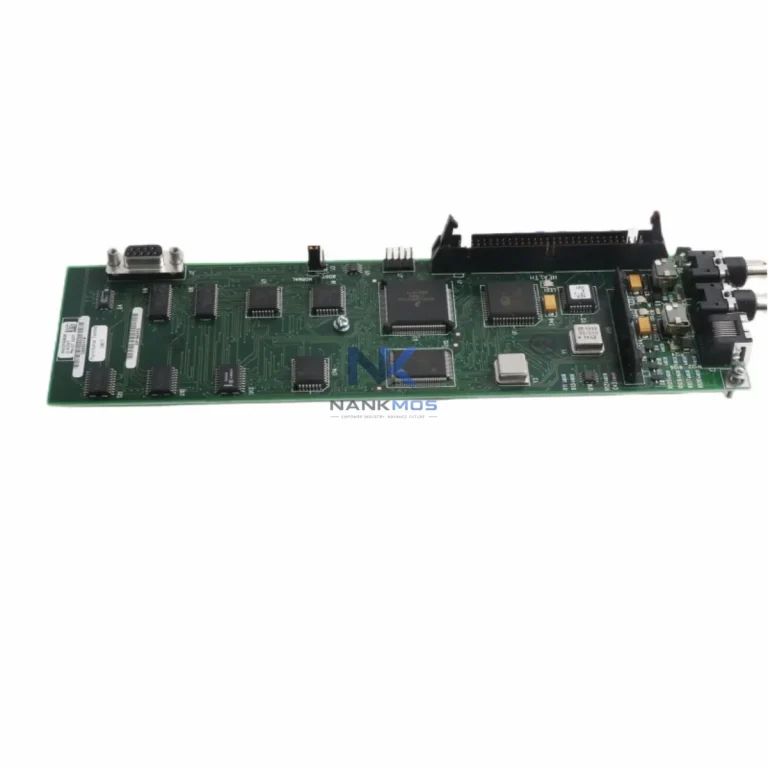
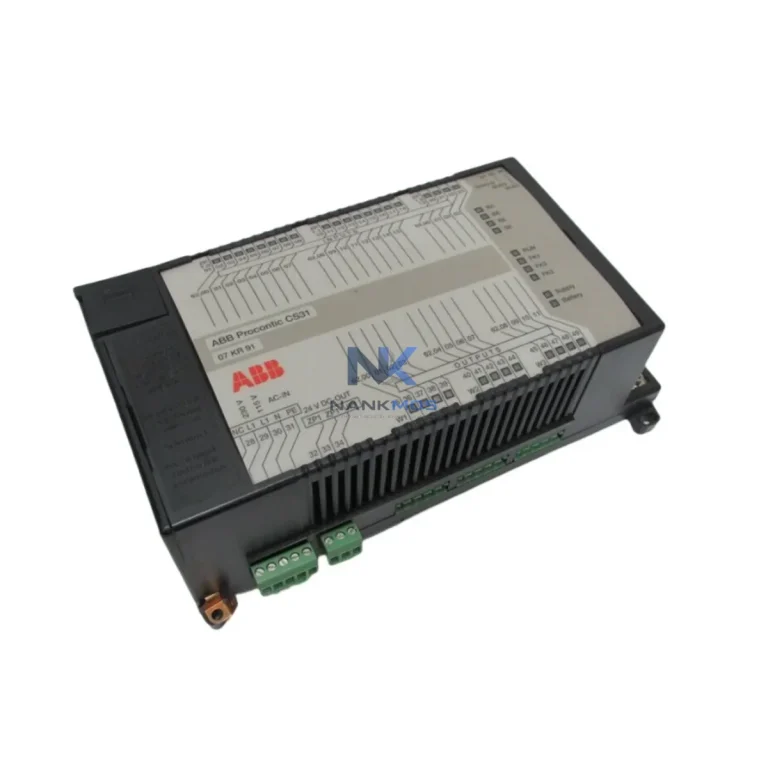
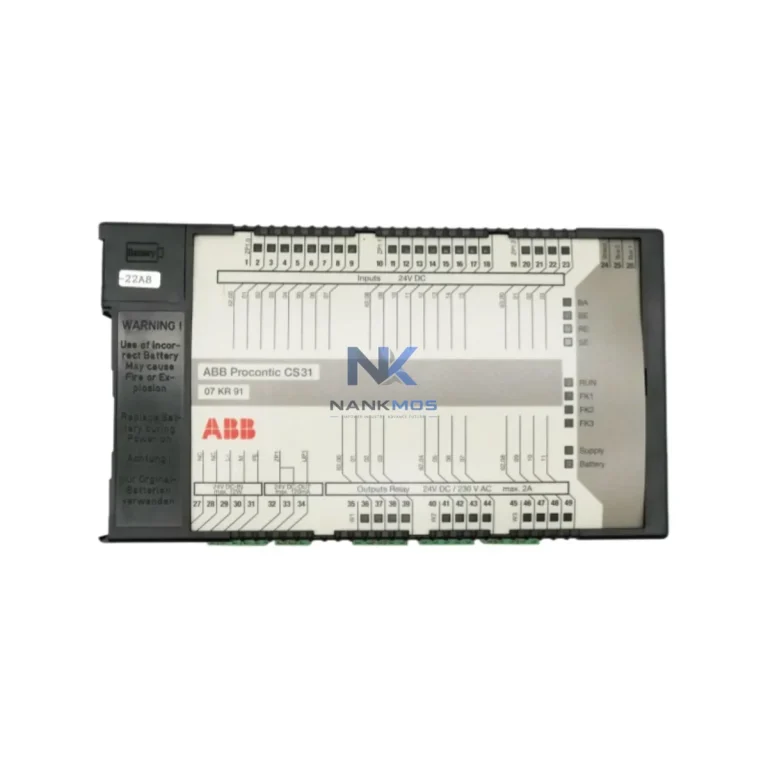
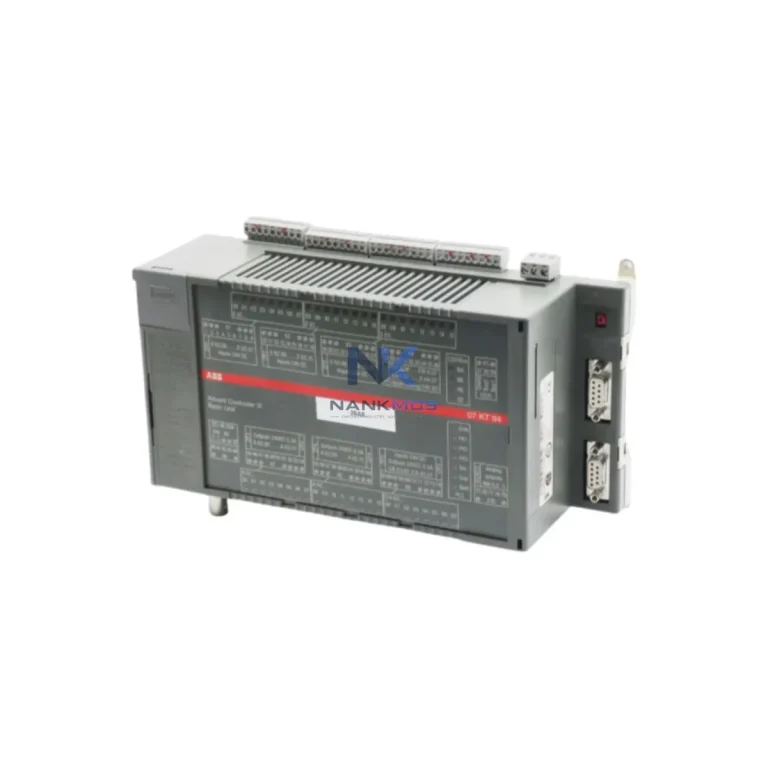
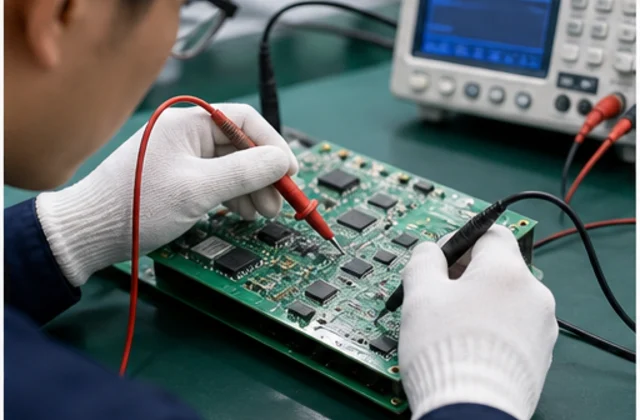
 Functional Inspection
100% tested on professional platforms to ensure stable performance.
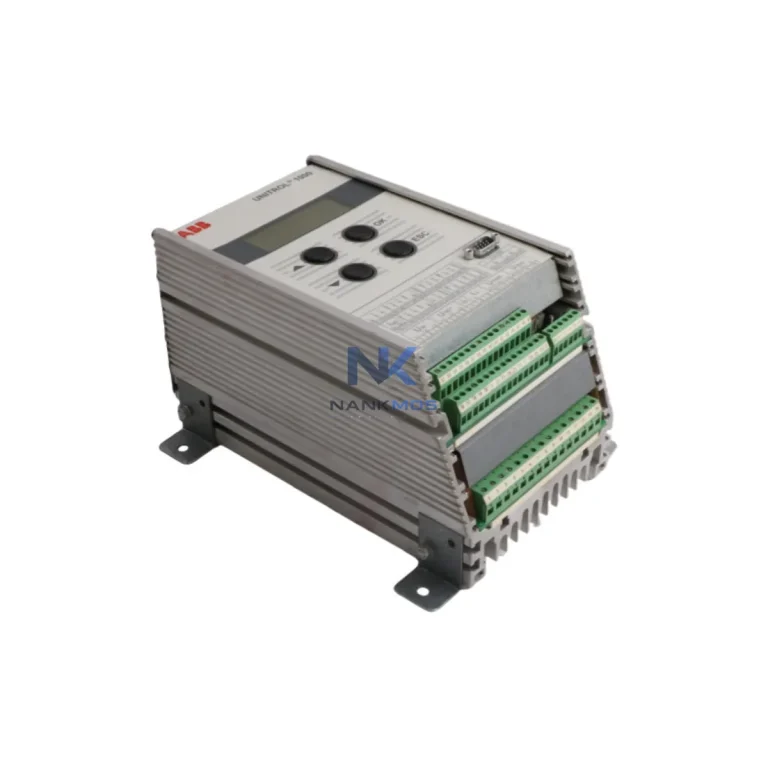
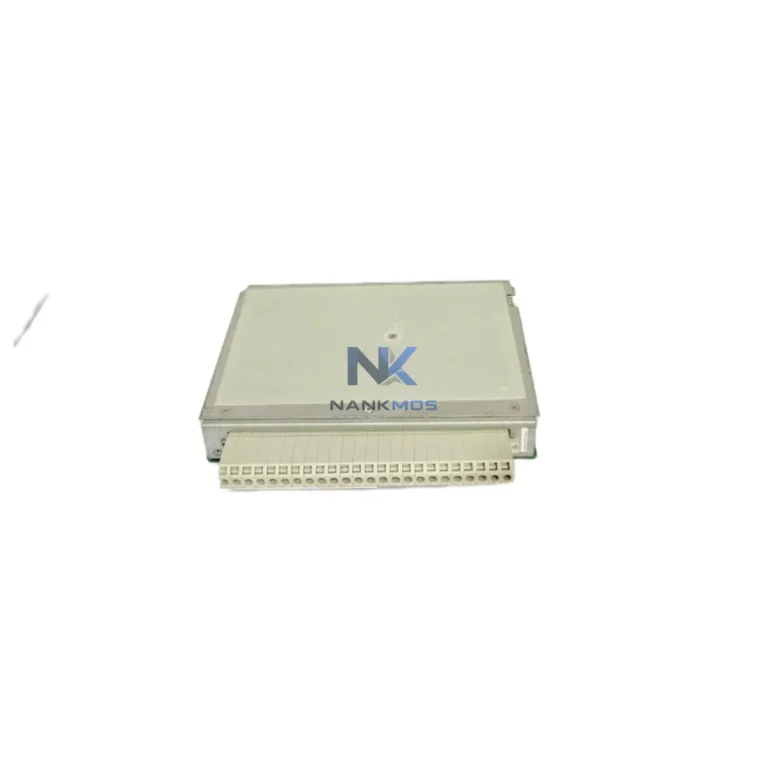
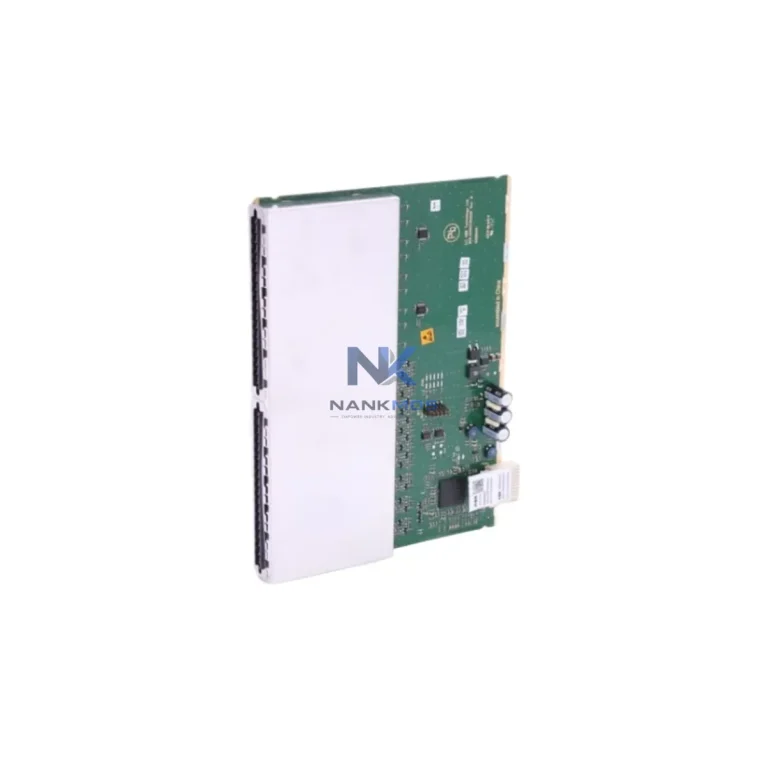
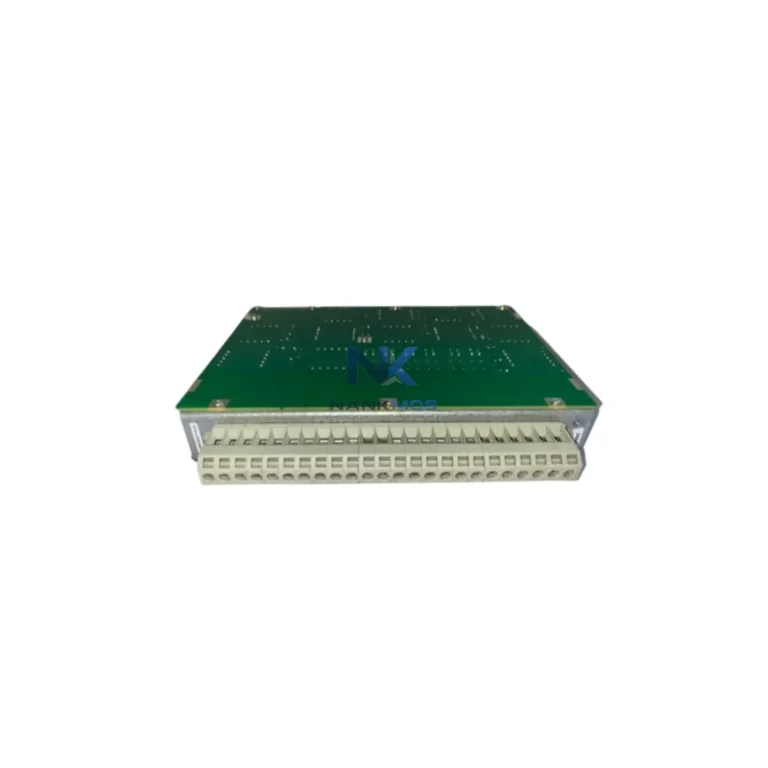
ABB 3BHE004468R0021 GDC780BE21 is a NANKMOS industrial automation product record Listed under UNITROL series and Business & Industrial > Automation, Control & Flow Devices. Confirm condition, availability, lead time, compatibility and documentation by email inquiry.
Brand names are used for identification only.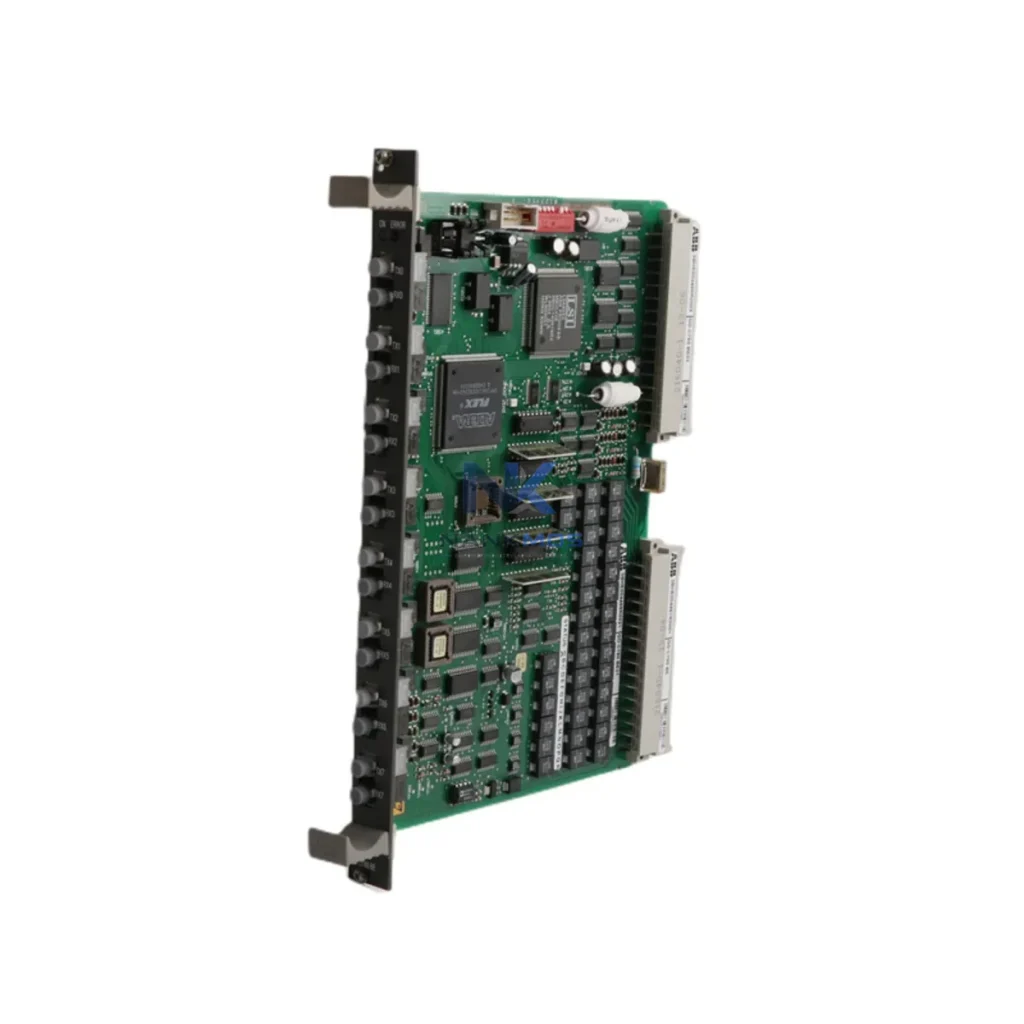
ABB 3BHE004468R0021 GDC780BE21 is a NANKMOS industrial automation product record Listed under UNITROL series and Business & Industrial > Automation, Control & Flow Devices. Confirm condition, availability, lead time, compatibility and documentation by email inquiry.
| Manufacturer | ABB |
|---|---|
| Application | Industrial Automation Maintenance |
| Part Number / Model | 3BHE004468R0021 GDC780BE21 |
| Compatible System | UNITROL |
| Series | UNITROL |
| Condition Options | To Confirm |
| Module Type | Automation, Control & Flow Devices |
| Warranty | 12 Months |
| Packaging | Anti-static Bag / Secure Box |
| Shipping Methods | DHL / FedEx / UPS / Air / Sea |
| Availability | To Confirm |
| Lead Time | To Confirm |
| Documentation | Part number and revision checked before quote |
The ABB 3BHE004468R0021 GDC780BE21 is a precision-engineered excitation control PCB designed for the ABB Unitrol F automatic voltage regulator (AVR) platform. Purpose-built for synchronous generators and large AC motors in industrial power generation and heavy-process environments, this board governs field current regulation, reactive power management, and voltage stability — three pillars of energy-efficient machine operation. By maintaining tight excitation control, the GDC780BE21 directly reduces reactive power losses, lowers thermal stress on generator windings, and stabilises bus voltage across the entire production network.
In a modern energy-aware production facility, the ABB 3BHE004468R0021 GDC780BE21 sits at the heart of the generator excitation loop, but its influence extends across the entire automation stack. The board interfaces directly with the ABB Unitrol F AVR's measurement and firing circuits, receiving voltage and current feedback from ABB HESG448562R2 potential transformers and current measurement modules to compute precise firing angles for the thyristor bridge. This closed-loop architecture eliminates the reactive power surges that inflate apparent power demand and drive up energy costs.
On the drive side, the GDC780BE21 works in concert with ABB ACS880 variable-frequency drives deployed on auxiliary motor loads — cooling fans, feed pumps, and compressors — ensuring that generator terminal voltage remains stable even as VFD-connected loads modulate their power draw. Stable terminal voltage means the ACS880 units operate within their optimal input voltage window, reducing DC-link ripple and switching losses. Similarly, when ABB DCS880 DC drives are used for winding machines or extruder lines, the GDC780BE21's tight voltage regulation prevents the bus sags that force DC drives into current-limit operation, a known source of energy waste and mechanical stress.
The board's gate drive signals are conditioned to work alongside ABB SDCS-CON-4 control boards in legacy DC drive cabinets, making it a practical retrofit component for plants that operate mixed AC/DC drive architectures. For power monitoring, the GDC780BE21's excitation data feeds into ABB B23 power quality meters via the Unitrol F's analogue output channels, giving energy managers real-time visibility of reactive power, power factor, and field current trends — all critical inputs for an ISO 50001-aligned energy management system.
At the PLC layer, the ABB AC500 PLC reads generator status signals from the Unitrol F's digital I/O interface, enabling sequence logic that coordinates generator start/stop, load sharing, and automatic transfer switching. The AC500's CI502-PNIO PROFINET I/O modules relay excitation status to the plant SCADA, where operators monitor field current setpoints alongside production throughput KPIs. This integration allows the energy management system to correlate excitation events with production cycle data, identifying periods of reactive power excess that can be trimmed without affecting output quality.
For HMI visibility, ABB CP600 operator panels display real-time excitation parameters — field voltage, field current, and AVR mode — directly on the generator control panel, reducing the need for manual meter readings and enabling faster operator response to excitation anomalies. When paired with ABB Ability™ Energy Manager software at the SCADA level, the data stream from the GDC780BE21-equipped Unitrol F contributes to site-wide energy dashboards, supporting demand-response strategies and peak-shaving initiatives that reduce utility charges.
Uncontrolled excitation is one of the most overlooked sources of energy waste in generator-fed production facilities. When the excitation PCB degrades, field current regulation becomes erratic: the generator over-excites to compensate for voltage droop, drawing excess reactive power from the network and increasing copper losses in both the generator and the distribution transformers. The ABB 3BHE004468R0021 GDC780BE21 eliminates this failure mode by restoring precise thyristor firing control, bringing reactive power back within design limits and reducing the apparent power demand that determines utility capacity charges.
Beyond energy savings, stable excitation directly improves production line uptime. Voltage sags caused by poor excitation control are a leading trigger for nuisance trips in sensitive CNC machining centres, injection moulding machines, and robotic welding cells. By maintaining ±0.5% terminal voltage regulation, the GDC780BE21 removes the voltage disturbance events that interrupt production cycles, reducing scrap rates and unplanned downtime. Plants that have replaced degraded excitation boards report measurable improvements in overall equipment effectiveness (OEE), particularly on lines where multiple high-inertia motors start and stop in rapid succession.
Thermal load reduction is another key benefit. Over-excitation generates excess heat in generator windings and in the thyristor bridge itself. Sustained thermal stress accelerates insulation ageing and increases the probability of catastrophic winding failure. The GDC780BE21's precise gate drive timing keeps thyristor conduction losses at design minimums, reducing heat sink temperatures and extending the service life of both the excitation system and the generator. This translates directly into lower maintenance costs and longer intervals between planned outages — a critical advantage in continuous-process industries where scheduled downtime is expensive.
For predictive maintenance programmes, the restored excitation control provided by the GDC780BE21 creates a stable baseline for condition monitoring. When field current and terminal voltage behave predictably, deviations from the baseline become meaningful early-warning indicators of developing faults — in the generator, the transformer, or the connected load. This predictability is the foundation of effective predictive maintenance, enabling maintenance teams to schedule interventions before failures occur rather than reacting to unplanned breakdowns.
Every unit is tested under load conditions before shipment, with functional verification of gate drive output, feedback signal processing, and protection logic. Stock is maintained for immediate dispatch, supporting the fast replacement cycles that minimise generator downtime in critical applications.
Q1: What energy-saving impact can I expect after replacing a degraded 3BHE004468R0021 GDC780BE21? Restoring precise excitation control typically reduces reactive power draw by bringing power factor back toward unity, which lowers apparent power demand and reduces copper losses in the generator and distribution network. The exact saving depends on the degree of degradation in the original board and the generator's operating load profile, but plants operating large synchronous generators in continuous-process applications commonly report measurable reductions in reactive energy charges after excitation board replacement.
Q2: Is the 3BHE004468R0021 GDC780BE21 compatible with all Unitrol F variants and firmware versions? The GDC780BE21 is designed for the ABB Unitrol F AVR platform. Compatibility with specific Unitrol F hardware revisions and firmware versions should be confirmed against the Unitrol F system documentation or the generator's commissioning records. If you require assistance cross-referencing your Unitrol F serial number and hardware revision, our technical team can support the verification process before shipment.
Q3: What is the recommended replacement procedure, and how is the board tested before shipment? Replacement follows the standard Unitrol F PCB exchange procedure: de-energise the excitation circuit, discharge the thyristor bridge, extract the existing GDC780BE21, install the replacement, and recommission the AVR per the Unitrol F commissioning guide. Every board supplied by NANKMOS is functionally tested under representative load conditions — gate drive output, feedback signal integrity, and protection response — before dispatch. A test report is available on request.
Q4: What does the 12-month warranty cover, and what is the typical lead time? The 12-month warranty covers manufacturing defects and functional failures under normal operating conditions. It does not cover damage resulting from incorrect installation, overvoltage events beyond the board's rated limits, or physical damage. Stock is maintained for immediate dispatch; standard lead time for in-stock units is 3–7 business days depending on destination. Express shipping options are available for urgent replacement requirements.
Functional Inspection100% tested on professional platforms to ensure stable performance.
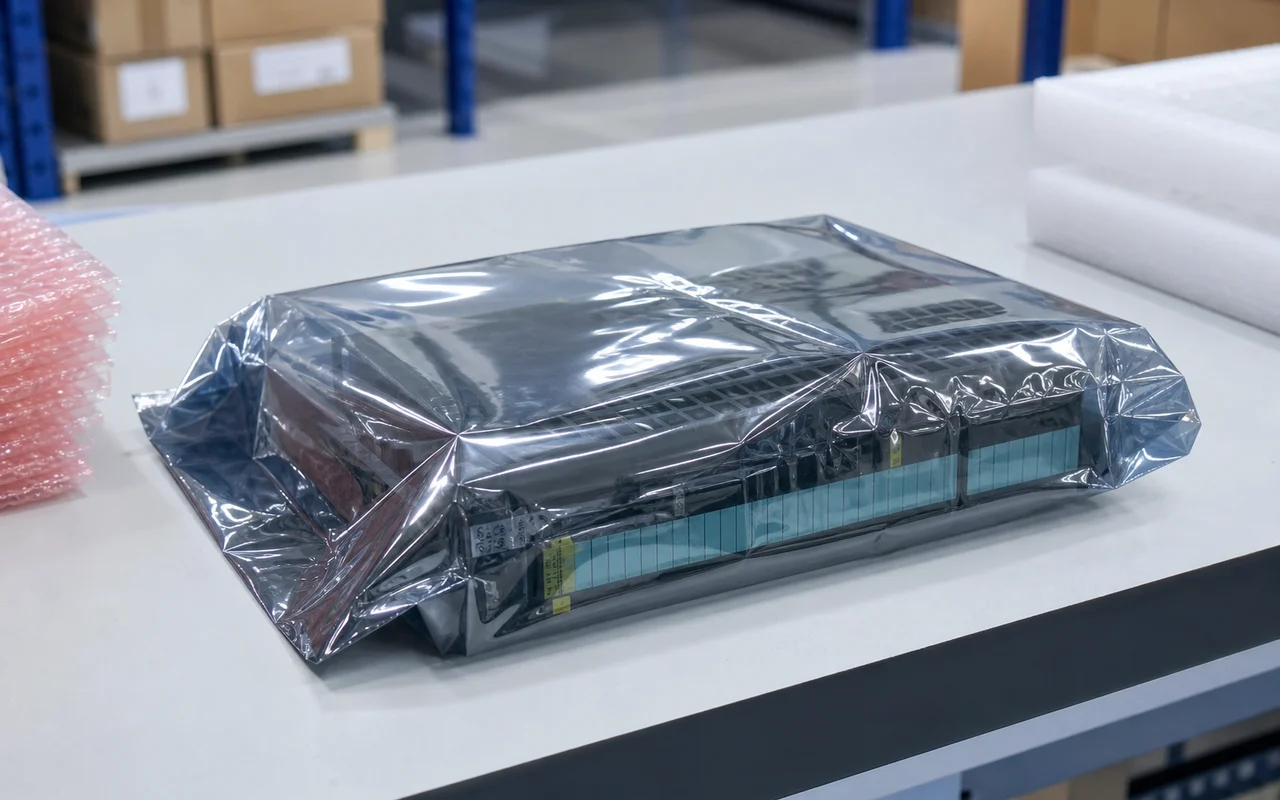 Anti-static Packaging
Modules are packed in anti-static bags to prevent electrostatic damage.
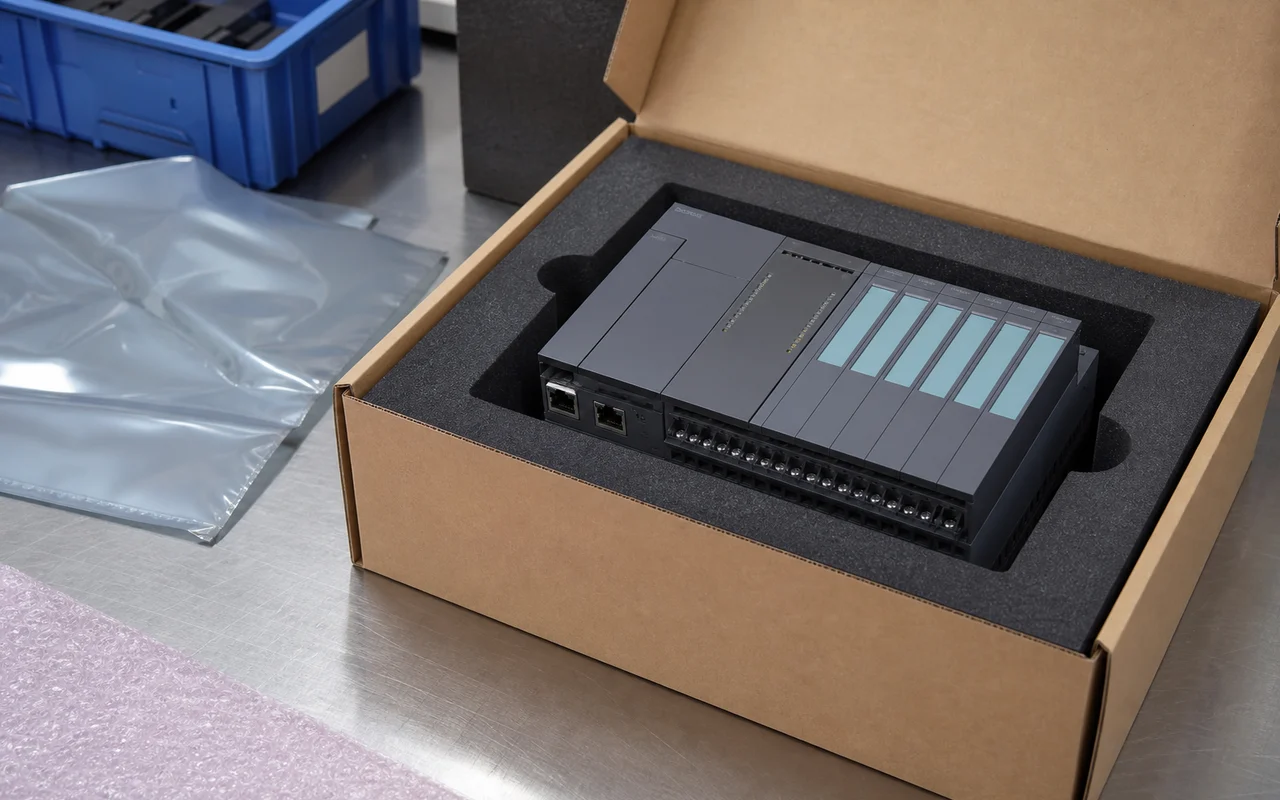 Secure Export Packing
Cushion protection and strong cartons ensure safe transportation.
 Worldwide Shipping
Global logistics network supports air, sea and express delivery.
 Documentation Check
Part number, revision and compatibility verified before shipment.
 After-sales Support
Professional technical support to help resolve your issues.