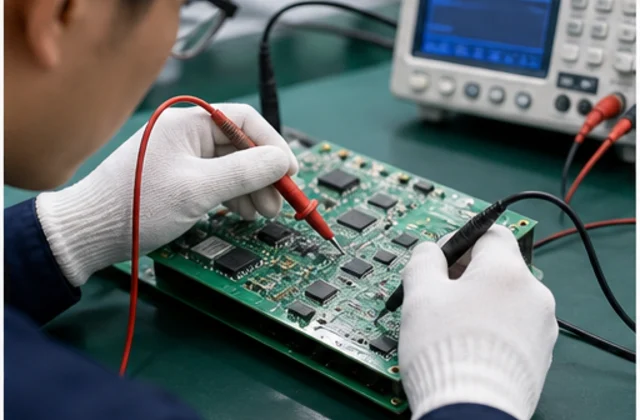
 Functional Inspection
100% tested on professional platforms to ensure stable performance.
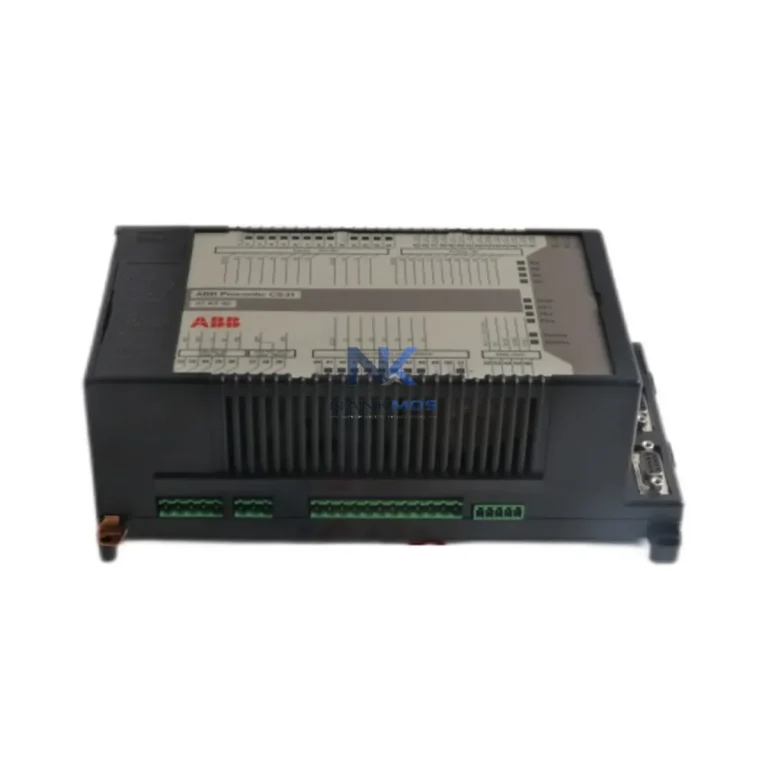
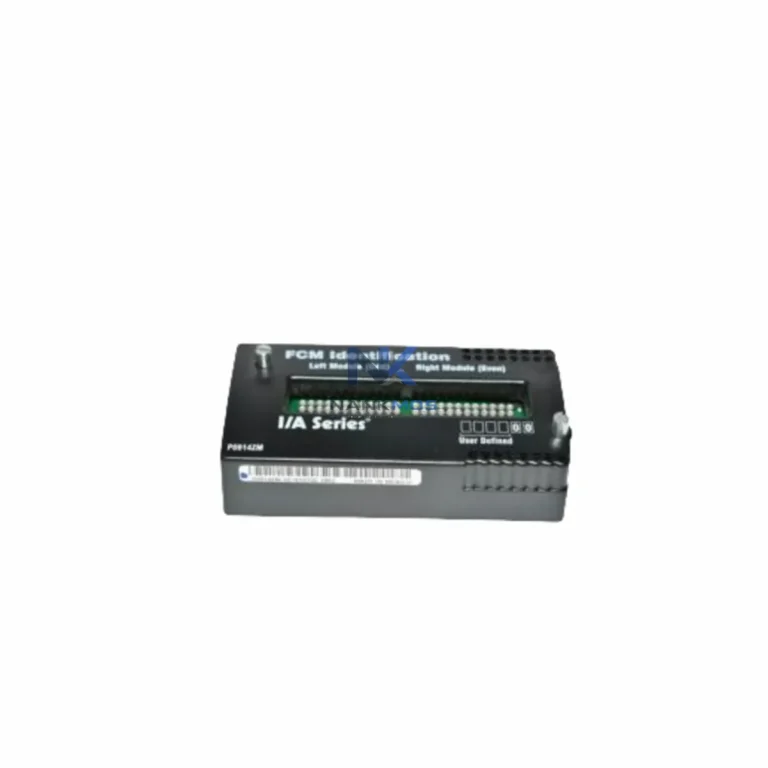
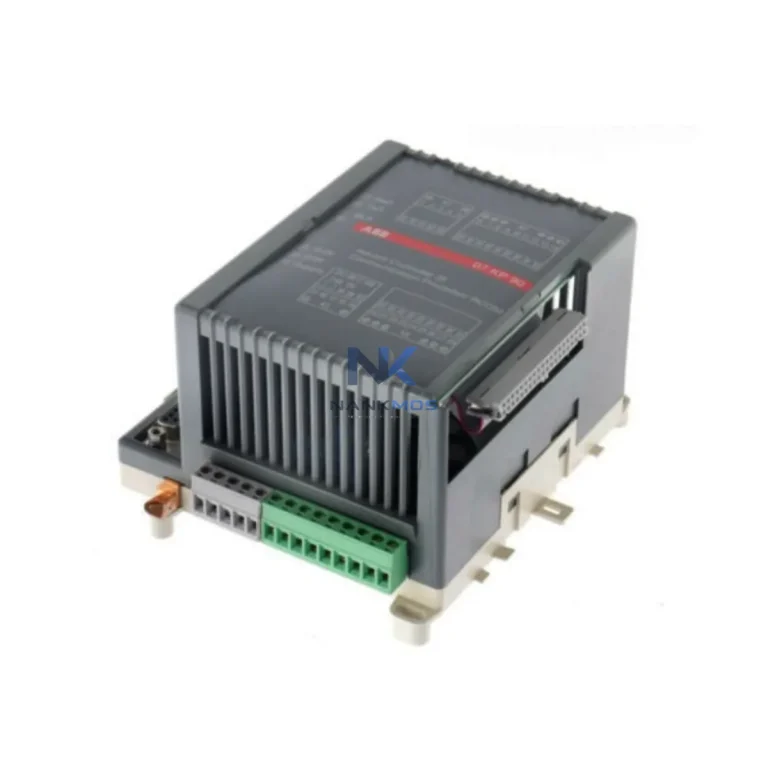
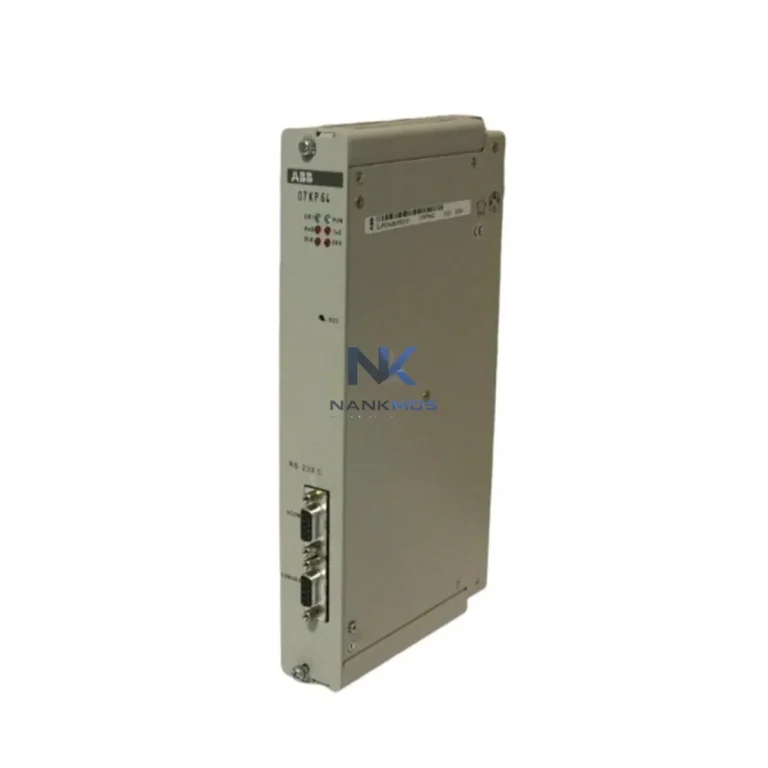
ABB 3BHE019633R0101 PDD200 A101 is a NANKMOS industrial automation product record Listed under Symphony Plus series and Business & Industrial > Automation, Control & Flow Devices > Programmable Logic Controllers. Confirm condition, availability, lead time, compatibility and documentation by email inquiry.
Brand names are used for identification only.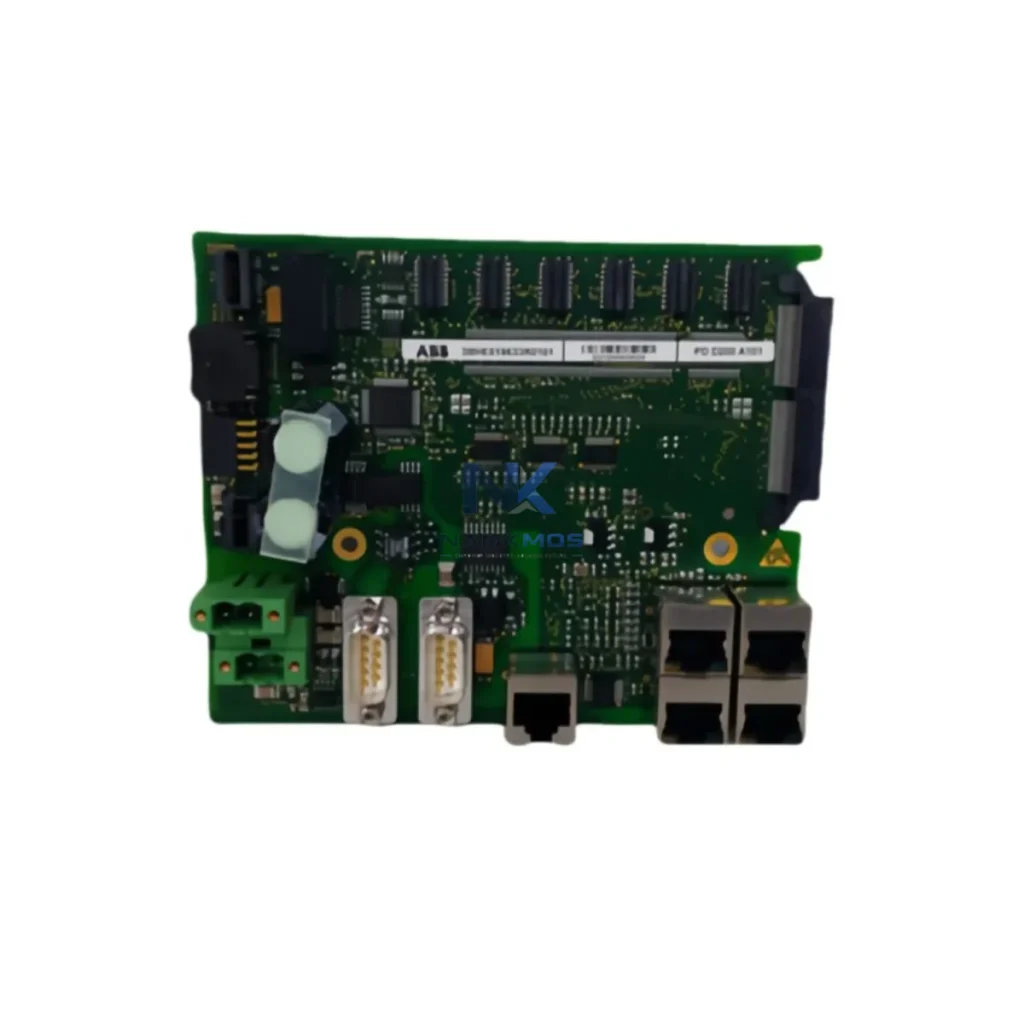
ABB 3BHE019633R0101 PDD200 A101 is a NANKMOS industrial automation product record Listed under Symphony Plus series and Business & Industrial > Automation, Control & Flow Devices > Programmable Logic Controllers. Confirm condition, availability, lead time, compatibility and documentation by email inquiry.
| Manufacturer | ABB |
|---|---|
| Application | Controller Processing & System Control |
| Part Number / Model | 3BHE019633R0101 PDD200 A101 |
| Compatible System | Symphony Plus |
| Series | Symphony Plus |
| Condition Options | To Confirm |
| Module Type | Controller / CPU Module |
| Warranty | 12 Months |
| Packaging | Anti-static Bag / Secure Box |
| Shipping Methods | DHL / FedEx / UPS / Air / Sea |
| Availability | To Confirm |
| Lead Time | To Confirm |
| Documentation | Part number and revision checked before quote |
The ABB PDD200A101 (full part number 3BHE019633R0101) is a high-performance Exciter Controller Module engineered for seamless integration within ABB's Symphony Plus Distributed Control System (DCS) architecture. In modern smart factory environments, where every millisecond of data latency and every node in the industrial network carries operational significance, the PDD200A101 serves as a critical bridge between field-level excitation hardware and the upper layers of plant automation — from PLC controllers and remote I/O modules to SCADA platforms, HMI workstations, and edge computing gateways.
Designed to operate within ABB's proprietary S+ communication backbone, the PDD200A101 supports deterministic, high-speed data exchange across the Symphony Plus control network. This enables real-time monitoring of generator excitation parameters — including voltage regulation setpoints, reactive power output, field current feedback, and fault status — directly accessible from SCADA supervisory systems and DCS operator stations without signal degradation or protocol mismatch.
In a fully connected power generation or heavy industrial facility, the ABB PDD200A101 sits at the intersection of field instrumentation and supervisory control. The data flow begins at the generator terminal, where voltage transformers and current transducers feed analog signals into the excitation system. The PDD200A101 processes these signals and communicates excitation status — including AVR (Automatic Voltage Regulator) mode, PSS (Power System Stabilizer) output, and limiter activation — upstream through the Symphony Plus DCS backplane to the ABB AC800M process controller.
From the AC800M, data is forwarded via the S+ Ethernet network to the ABB System 800xA SCADA/DCS platform, where operators at HMI workstations can visualize real-time excitation trends, configure setpoints, and acknowledge alarms. Alongside the PDD200A101, modules such as the ABB SDCS-CON-4 converter control board and the SDCS-PIN-205 power interface board handle the power electronics layer, while the ABB UNITROL 6800 excitation system provides the overarching excitation management framework in larger installations.
For remote I/O expansion and field signal aggregation, ABB S800 I/O modules — including AI810 analog input and DI810 digital input cards — collect sensor data from temperature transmitters, vibration probes, and protection relays installed on the generator set. These signals are routed through the S+ I/O bus to the AC800M controller, where they are correlated with excitation data from the PDD200A101 to provide a unified plant-wide view.
At the network infrastructure layer, managed industrial Ethernet switches — such as those in the ABB Ethernet Switch ES series — ensure deterministic, low-latency communication between DCS controllers, remote engineering stations, and the plant historian. The plant historian, integrated with ABB System 800xA, archives excitation performance data for trend analysis, compliance reporting, and predictive maintenance workflows. Edge gateway devices can further push this data to cloud-based analytics platforms, enabling remote diagnostics and performance benchmarking across multiple generation units.
For facilities operating mixed-vendor environments, protocol gateways such as the ABB CI854A PROFIBUS DP communication interface or the CI840A PROFINET I/O adapter allow the Symphony Plus DCS to exchange data with third-party PLCs, variable frequency drives (VFDs), and protection relays using standardized industrial protocols. This ensures that the PDD200A101's excitation data can be surfaced in multi-vendor SCADA environments without proprietary lock-in.
Many power plants and heavy industrial facilities face persistent challenges around data fragmentation, protocol incompatibility, and limited remote visibility into excitation system performance. The ABB PDD200A101 directly addresses these pain points within the Symphony Plus ecosystem.
Protocol Unification: Legacy excitation systems often rely on proprietary serial interfaces that cannot communicate natively with modern Ethernet-based DCS platforms. The PDD200A101, operating within the Symphony Plus architecture, eliminates this gap by providing a standardized, network-integrated excitation control interface that speaks the same data language as the rest of the DCS — removing the need for external protocol converters and reducing potential points of failure.
Eliminating Data Silos: Without integrated excitation monitoring, operators must rely on standalone excitation panels for status information, creating data silos that prevent holistic plant visibility. The PDD200A101 feeds excitation parameters directly into the DCS data highway, making generator health data available to SCADA dashboards, alarm management systems, and plant historians in real time.
Remote Monitoring and Diagnostics: With excitation data fully integrated into the Symphony Plus network, remote engineers can access live excitation trends, fault logs, and parameter histories from any authorized engineering workstation — or via secure remote access solutions — without requiring physical presence at the generator panel. This dramatically reduces diagnostic response times and enables proactive maintenance scheduling.
Production Line Transparency: By correlating excitation performance data with other plant parameters — such as turbine speed, generator output, and grid frequency — operators gain a transparent, end-to-end view of power generation performance. Alarm tracking becomes systematic, with excitation faults automatically logged, timestamped, and escalated through the DCS alarm management hierarchy.
System Scalability: The Symphony Plus architecture supports modular expansion, allowing additional PDD200A101 modules or complementary excitation control cards to be added as generation capacity grows — without redesigning the communication network or replacing existing infrastructure.
Q1: What communication protocols does the ABB PDD200A101 (3BHE019633R0101) support?The PDD200A101 communicates via the ABB Symphony Plus S+ proprietary DCS bus, enabling deterministic, real-time data exchange with AC800M controllers, System 800xA SCADA platforms, and S800 I/O modules. For integration with third-party systems, protocol gateways such as the CI854A (PROFIBUS DP) or CI840A (PROFINET I/O) can be used to bridge the Symphony Plus network with external PLCs, drives, and sensors.
Q2: How does the PDD200A101 ensure network stability and low-latency data transmission in a live power plant environment?The module is designed for deterministic cyclic communication within the Symphony Plus DCS backplane, ensuring consistent scan cycle times and predictable data delivery. The underlying S+ network architecture uses managed industrial Ethernet infrastructure with redundancy options, minimizing the risk of communication interruptions during critical generation operations.
Q3: Can the PDD200A101 support remote diagnostics and fault analysis without on-site intervention?Yes. When integrated with ABB System 800xA or a compatible SCADA platform, the PDD200A101 exposes excitation fault codes, limiter status, and performance trends to remote engineering stations. Authorized personnel can perform parameter adjustments, review alarm histories, and conduct diagnostic assessments from remote locations via secure network access — reducing mean time to repair (MTTR) and minimizing unplanned downtime.
Q4: What warranty and pre-shipment testing does NANKMOS provide for the ABB PDD200A101?Every ABB PDD200A101 (3BHE019633R0101) supplied by NANKMOS is covered by a 12-month warranty and undergoes pre-shipment functional testing to verify communication integrity, module identification, and hardware condition. Stock is maintained for prompt dispatch, and our technical team is available to support integration queries, compatibility verification, and system configuration guidance.
Functional Inspection100% tested on professional platforms to ensure stable performance.
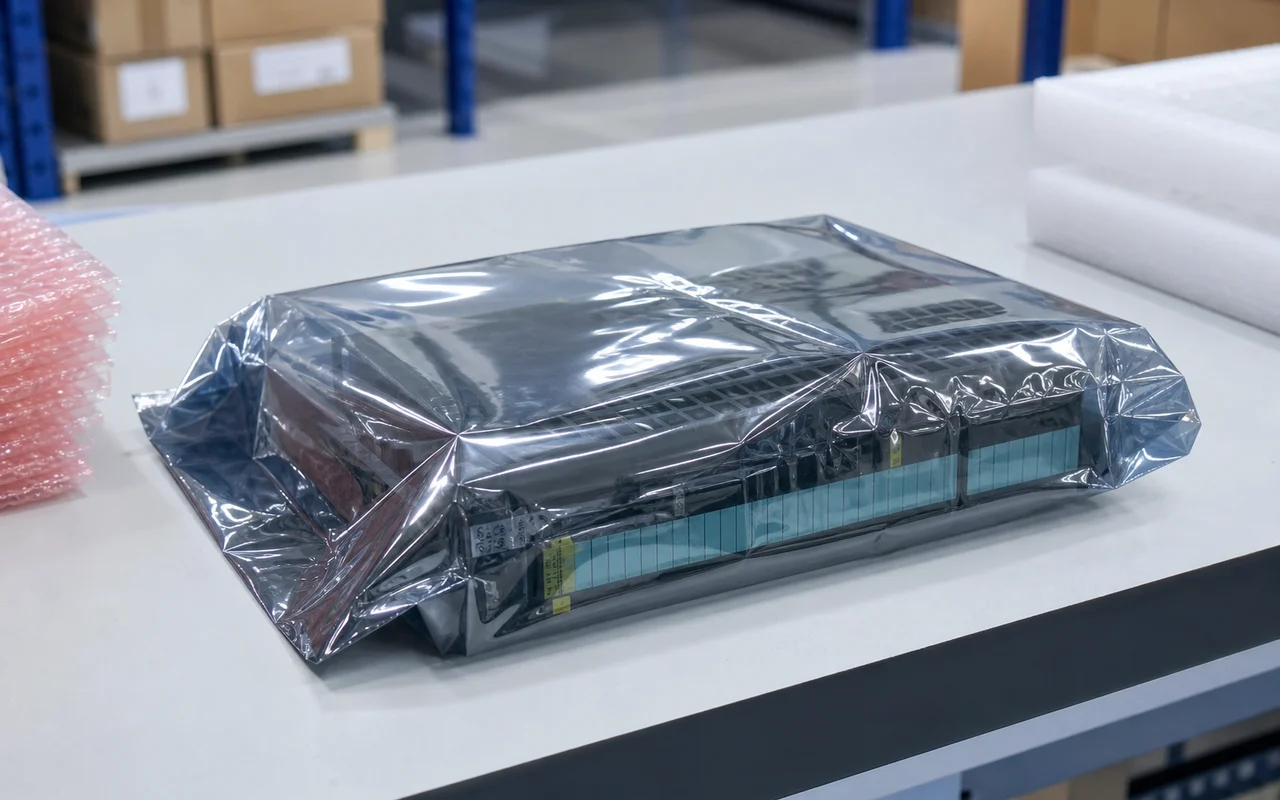 Anti-static Packaging
Modules are packed in anti-static bags to prevent electrostatic damage.
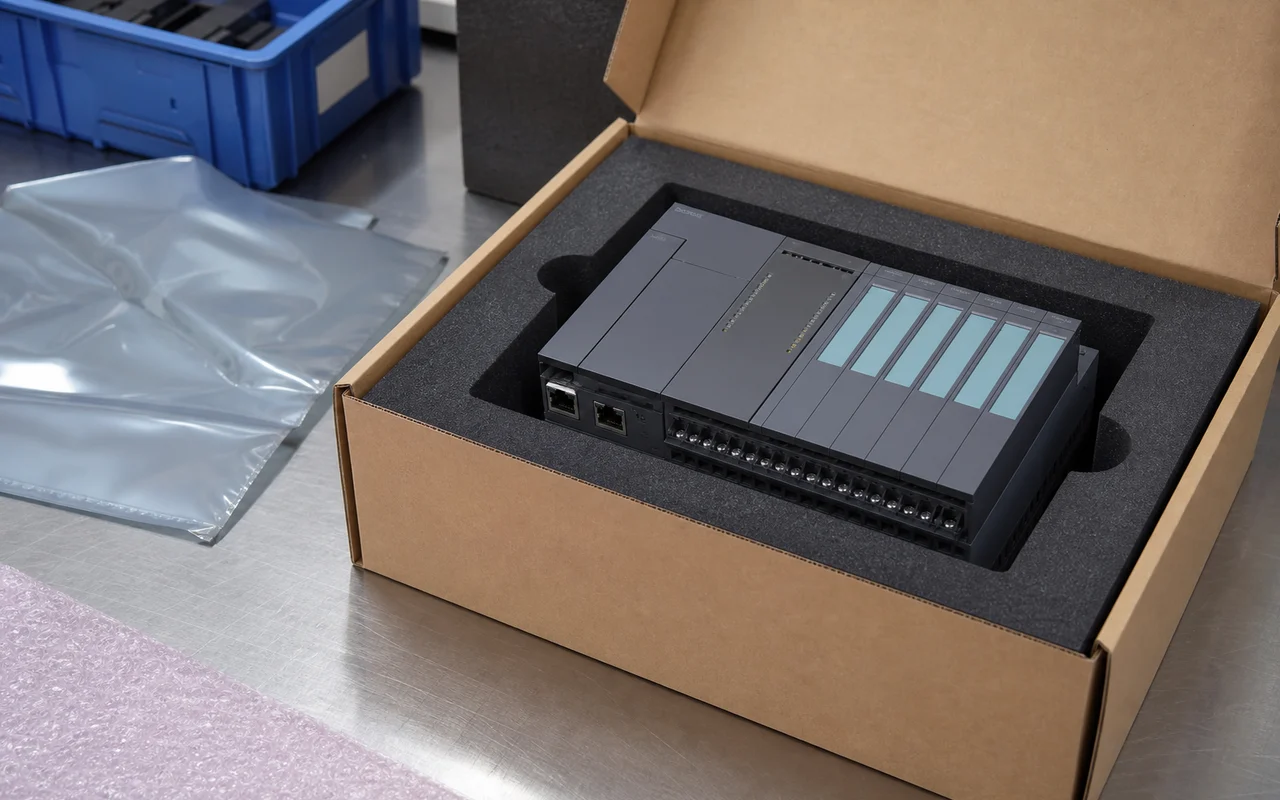 Secure Export Packing
Cushion protection and strong cartons ensure safe transportation.
 Worldwide Shipping
Global logistics network supports air, sea and express delivery.
 Documentation Check
Part number, revision and compatibility verified before shipment.
 After-sales Support
Professional technical support to help resolve your issues.