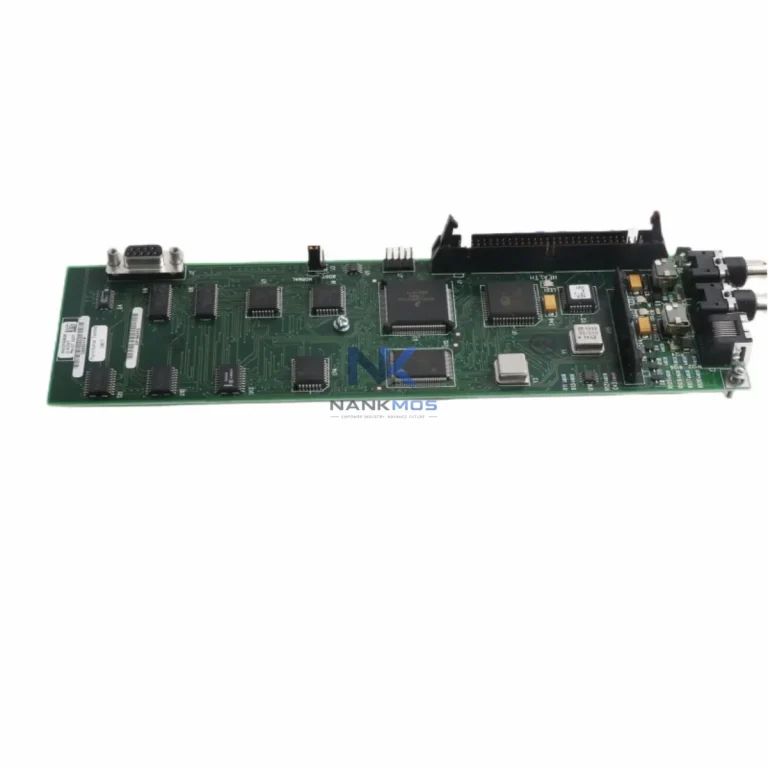
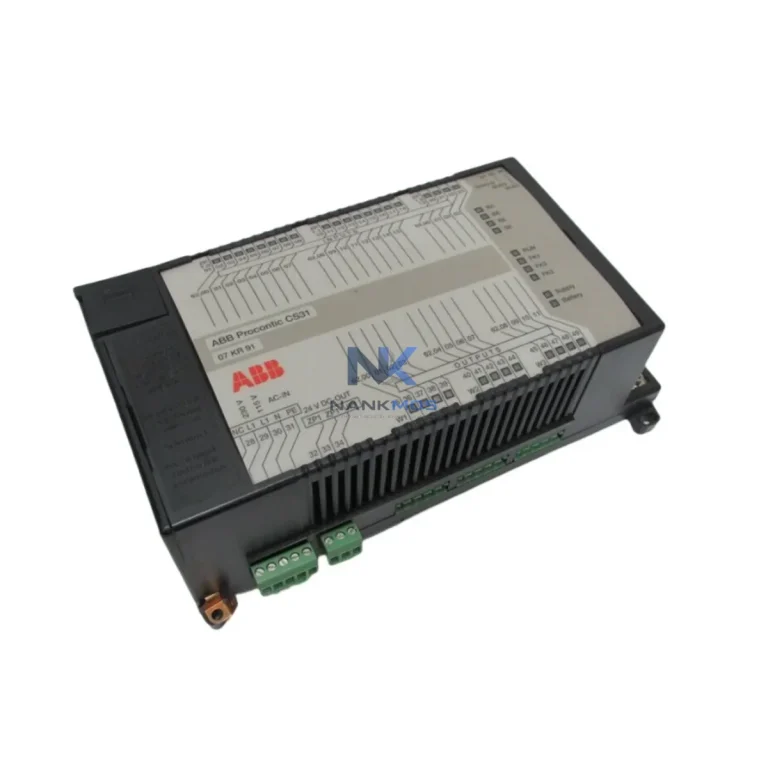
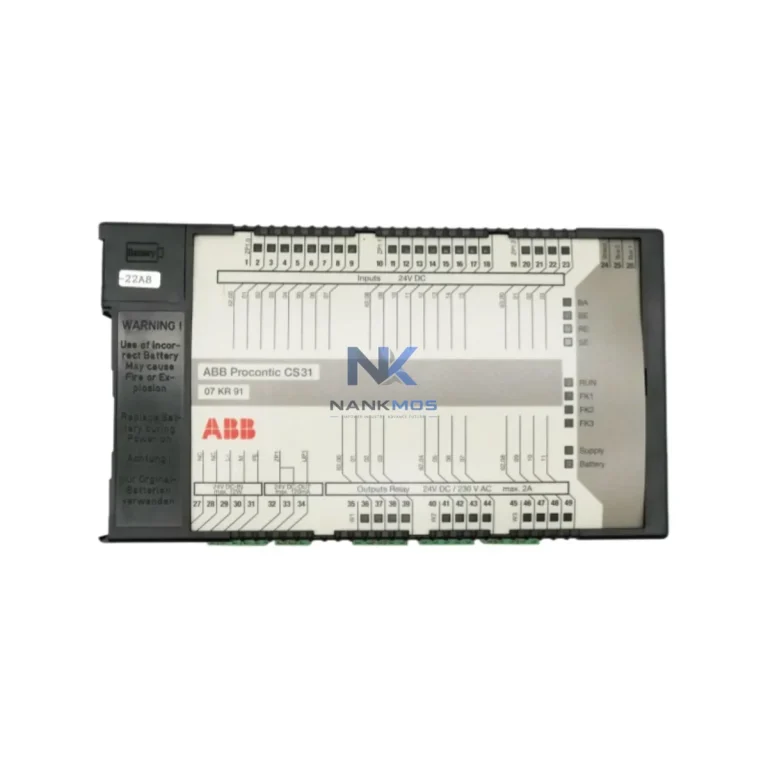
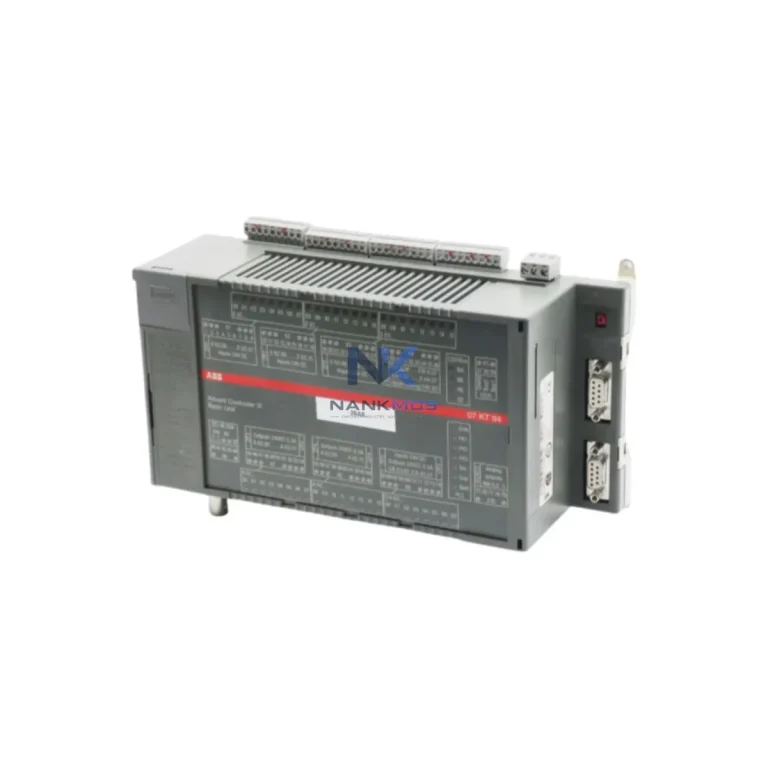
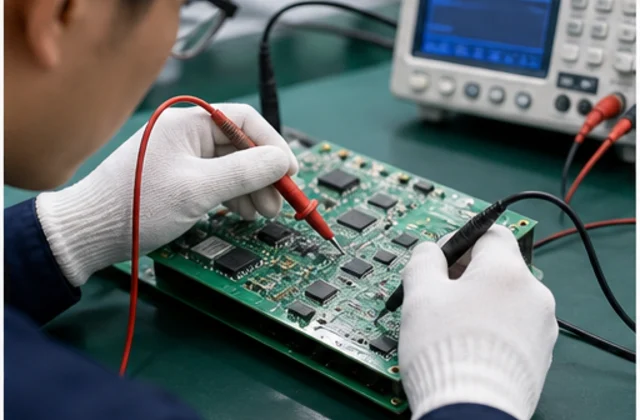
 Functional Inspection
100% tested on professional platforms to ensure stable performance.
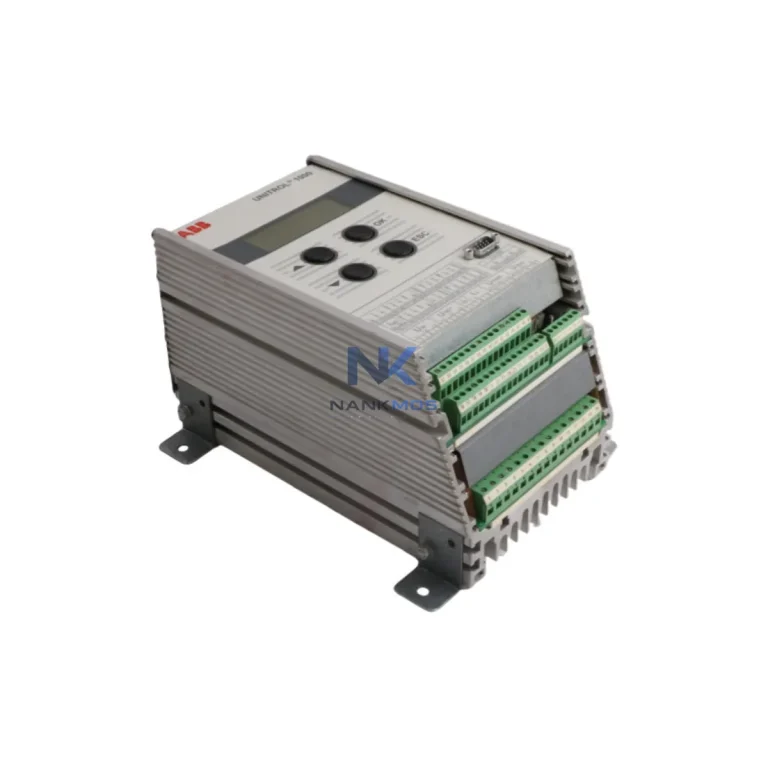
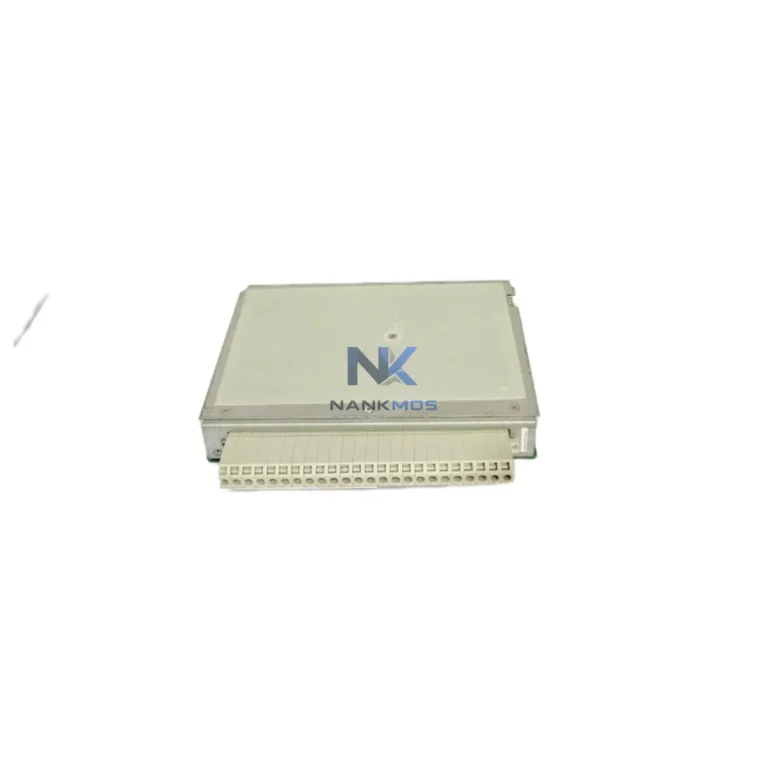
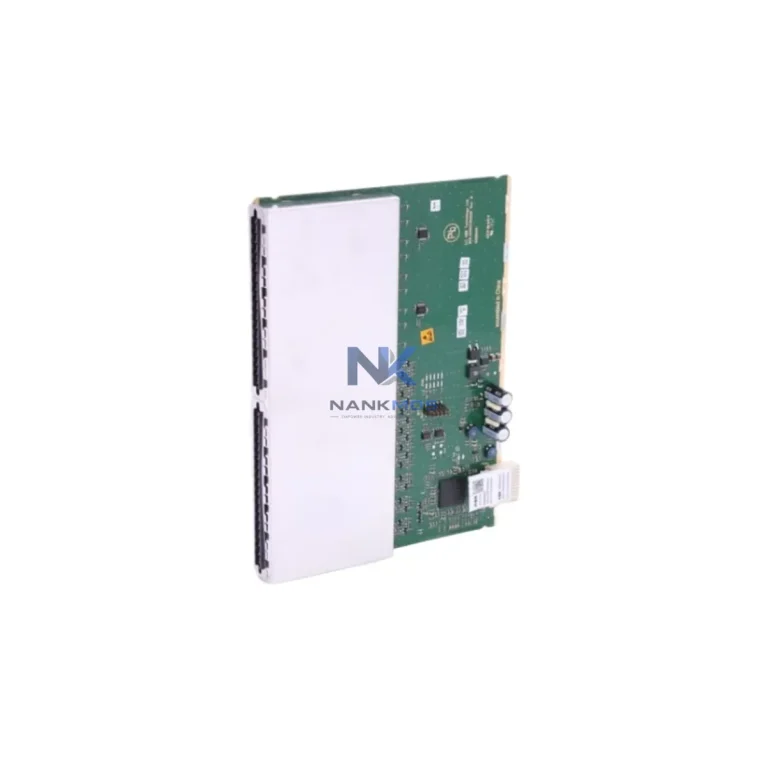
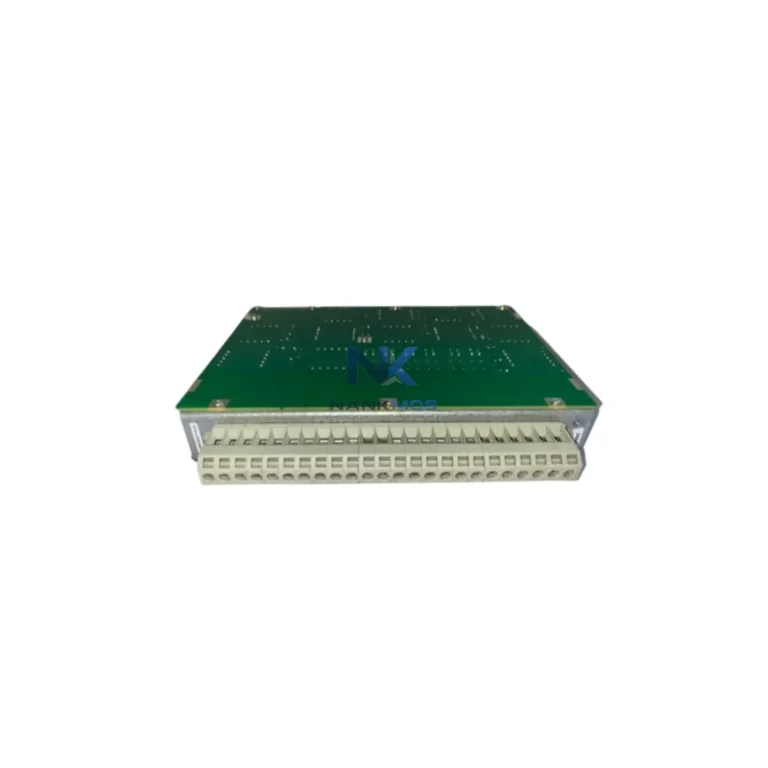
ABB IRB1600ID 3HS1170-01 3HS0864-01 is a NANKMOS industrial automation product record Listed under IRB1600ID Painting Robot series and Business & Industrial > Automation, Control & Flow Devices. Confirm condition, availability, lead time, compatibility and documentation by email inquiry.
Brand names are used for identification only.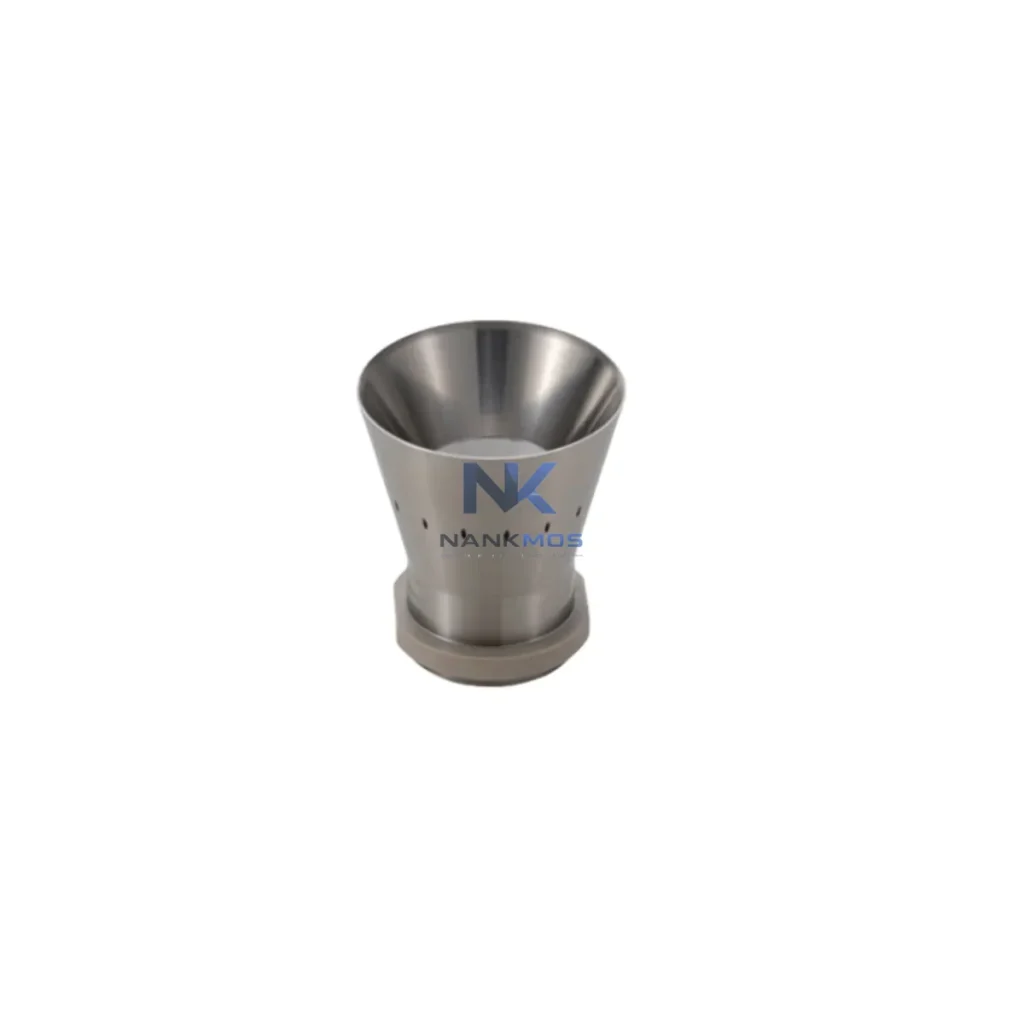
ABB IRB1600ID 3HS1170-01 3HS0864-01 is a NANKMOS industrial automation product record Listed under IRB1600ID Painting Robot series and Business & Industrial > Automation, Control & Flow Devices. Confirm condition, availability, lead time, compatibility and documentation by email inquiry.
| Manufacturer | ABB |
|---|---|
| Application | Industrial Automation Maintenance |
| Part Number / Model | IRB1600ID 3HS1170-01 3HS0864-01 |
| Compatible System | IRB1600ID Painting Robot |
| Series | IRB1600ID Painting Robot |
| Condition Options | To Confirm |
| Module Type | Automation, Control & Flow Devices |
| Warranty | 12 Months |
| Packaging | Anti-static Bag / Secure Box |
| Shipping Methods | DHL / FedEx / UPS / Air / Sea |
| Availability | To Confirm |
| Lead Time | To Confirm |
| Documentation | Part number and revision checked before quote |
The ABB 3HS1170-01 Bell Cup Assembly (cross-reference: 3HS0864-01) is a high-precision rotary atomizer component engineered for the ABB IRB1600ID series painting robots. Designed for integrated paint application in automotive, aerospace, and general industrial coating lines, this bell cup assembly sits at the heart of the automated spray process — where mechanical precision, fluid dynamics, and digital control converge to define coating quality and production throughput.
In a modern smart factory painting cell, the IRB1600ID robot does not operate in isolation. It functions as a networked node within a fully integrated automation architecture. The ABB IRC5 robot controller governs motion trajectories and process parameters in real time, communicating over EtherNet/IP or PROFINET with the plant-level PLC — typically an ABB AC500 or Siemens S7-1500 — which coordinates the entire painting cell sequence, including conveyor indexing, booth ventilation, and fluid delivery. The bell cup assembly's rotational speed, high-voltage electrostatics, and paint flow rate are all managed through this digital control loop, with process data continuously streamed to the SCADA layer for real-time monitoring and historical trending.
Upstream of the robot, signal acquisition begins at the fluid delivery system. Flow meters, pressure transducers, and viscosity sensors feed analog and digital signals into remote I/O modules — such as the ABB S900 remote I/O or Beckhoff EtherCAT terminals — which relay process values over the fieldbus network to the PLC. Any deviation in paint viscosity, atomizing air pressure, or shaping air flow is detected within milliseconds, triggering automatic compensation or alarm escalation through the SCADA/HMI interface. Operators monitoring the ABB Ability™ MES or a third-party SCADA platform such as Ignition by Inductive Automation can visualize bell cup RPM, coating thickness trends, and fault histories on a single dashboard — enabling true production transparency.
The 3HS1170-01 bell cup is the terminal point of this data-driven process chain. Its balanced rotation at speeds up to 60,000 RPM generates the electrostatic atomization that defines transfer efficiency and film uniformity. When the bell cup wears or becomes contaminated, coating defects propagate immediately — and in a connected factory, these defects are traceable. Vision inspection systems integrated downstream of the painting booth capture surface quality data and feed it back through the OPC UA data layer to the process historian, closing the quality control loop and enabling predictive maintenance scheduling for bell cup replacement intervals.
For multi-robot painting lines, the IRC5 controllers are networked via an industrial Ethernet switch — such as the ABB Ethernet Switch ES9528-XTE or a Hirschmann MACH series managed switch — ensuring deterministic, low-latency communication between robot cells, the paint kitchen, and the plant MES. Edge gateways, such as the ABB Edge Connect or Moxa UC-8100 series, aggregate data from multiple painting robots and push structured datasets to cloud analytics platforms or on-premise data historians, enabling fleet-level performance benchmarking and remote diagnostics without interrupting production.
Remote diagnostics capability is particularly critical for the painting process. Maintenance engineers can access IRC5 controller logs, bell cup process parameters, and alarm histories remotely through secure VPN tunnels, identifying wear patterns before they result in unplanned downtime. Integration with ABB Ability™ Condition Monitoring allows predictive replacement scheduling based on actual operating hours and process load — not fixed calendar intervals — reducing spare parts consumption and maximizing painting cell availability.
NANKMOS maintains verified stock of the ABB 3HS1170-01 / 3HS0864-01 Bell Cup Assembly, sourced through authorized supply channels with full traceability. Every unit undergoes pre-shipment inspection to confirm dimensional integrity and surface finish compliance. A 12-month warranty is provided on all supplied components, covering manufacturing defects and material non-conformance. Fast global logistics with DHL Express, FedEx, and UPS ensures minimal lead times for urgent maintenance requirements worldwide.
The painting cell built around the ABB IRB1600ID and the 3HS1170-01 bell cup represents a complete smart factory data node. At the field level, fluid delivery sensors and electrostatic generators report process values to ABB S900 remote I/O modules over PROFIBUS DP or EtherCAT. These values are aggregated by the ABB AC500 PLC, which executes the painting program logic and synchronizes robot motion via the IRC5 controller over PROFINET. The PLC communicates upstream to the SCADA server — running platforms such as Ignition, WinCC, or ABB Ability™ — over OPC UA, providing real-time dashboards for coating thickness, transfer efficiency, and fault status.
An industrial Ethernet switch (e.g., Hirschmann MACH 4002 or ABB ES9528-XTE) forms the network backbone of the painting cell, connecting the IRC5 controller, PLC, HMI panel, vision inspection system, and paint kitchen controller on a single managed VLAN. A Moxa UC-8100 edge gateway or ABB Edge Connect device aggregates multi-robot data and forwards structured JSON or MQTT payloads to the plant data historian or cloud analytics platform. Downstream, a Cognex In-Sight vision system captures post-paint surface quality images, feeding defect classification data back through OPC UA to close the quality loop. The entire data chain — from bell cup atomization physics to cloud-level KPI dashboards — is orchestrated through this layered network architecture, with the 3HS1170-01 as the precision mechanical interface at the process endpoint.
Painting lines that rely on manual inspection and paper-based maintenance logs suffer from data silos that obscure true process performance. When bell cup wear is not tracked digitally, coating defects accumulate undetected until a batch rejection event forces an unplanned shutdown. The ABB 3HS1170-01, when operated within a fully networked IRC5-PLC-SCADA architecture, eliminates this blind spot: process parameters are logged continuously, alarm thresholds are enforced automatically, and maintenance intervals are calculated from actual operating data rather than fixed schedules.
Protocol fragmentation is another common challenge on legacy painting lines, where older robot controllers communicate over DeviceNet or serial RS-232 while newer PLCs expect PROFINET or EtherNet/IP. Protocol gateways — such as the Anybus Communicator or Moxa MGate series — bridge these legacy interfaces to modern Ethernet networks, enabling unified data collection without replacing existing infrastructure. Remote monitoring becomes feasible once all devices share a common data layer: maintenance engineers can review IRC5 alarm logs, bell cup process trends, and paint consumption data from any location, reducing on-site diagnostic visits and accelerating root cause analysis.
Production line transparency — knowing exactly which robot, which bell cup, and which batch produced a given coating result — is achievable only when the painting cell is fully integrated into the plant MES. With OPC UA connectivity from the IRC5 controller to the MES, every coating cycle is timestamped and linked to a specific bell cup serial number and process recipe, creating a complete digital audit trail for quality certification and customer traceability requirements.
Q1: What communication protocols does the ABB IRC5 controller support for SCADA integration? The IRC5 controller supports EtherNet/IP, PROFINET, DeviceNet, and OPC UA through optional fieldbus adapter modules. For SCADA integration, OPC UA is recommended as it provides structured, secure, and platform-independent data access. ABB Ability™ MES and third-party SCADA platforms such as Ignition and WinCC connect natively via OPC UA without additional middleware.
Q2: Can the painting cell be monitored and diagnosed remotely without interrupting production? Yes. The IRC5 controller supports remote access via secure VPN, allowing maintenance engineers to review alarm histories, process logs, and bell cup operating parameters in real time. Edge gateways such as the Moxa UC-8100 or ABB Edge Connect further enable continuous data streaming to cloud platforms, supporting predictive maintenance without any production interruption.
Q3: How is network stability ensured in a high-EMI painting environment? Industrial managed switches with EMC-rated enclosures (e.g., Hirschmann MACH series, ABB ES9528-XTE) are specified for painting booth environments. Fiber optic uplinks between the booth network and the plant backbone eliminate electromagnetic interference from high-voltage electrostatic generators. PROFINET RT and EtherNet/IP CIP provide deterministic communication with sub-millisecond cycle times, ensuring robot motion and process control remain synchronized even under high EMI conditions.
Q4: What warranty and pre-shipment testing does NANKMOS provide for the 3HS1170-01? All ABB 3HS1170-01 / 3HS0864-01 Bell Cup Assemblies supplied by NANKMOS carry a 12-month warranty covering manufacturing defects and material non-conformance. Each unit undergoes pre-shipment dimensional inspection and surface finish verification before dispatch. Stock is sourced through authorized supply channels with full part traceability. Expedited global shipping via DHL Express, FedEx, and UPS is available for urgent maintenance requirements.
Functional Inspection100% tested on professional platforms to ensure stable performance.
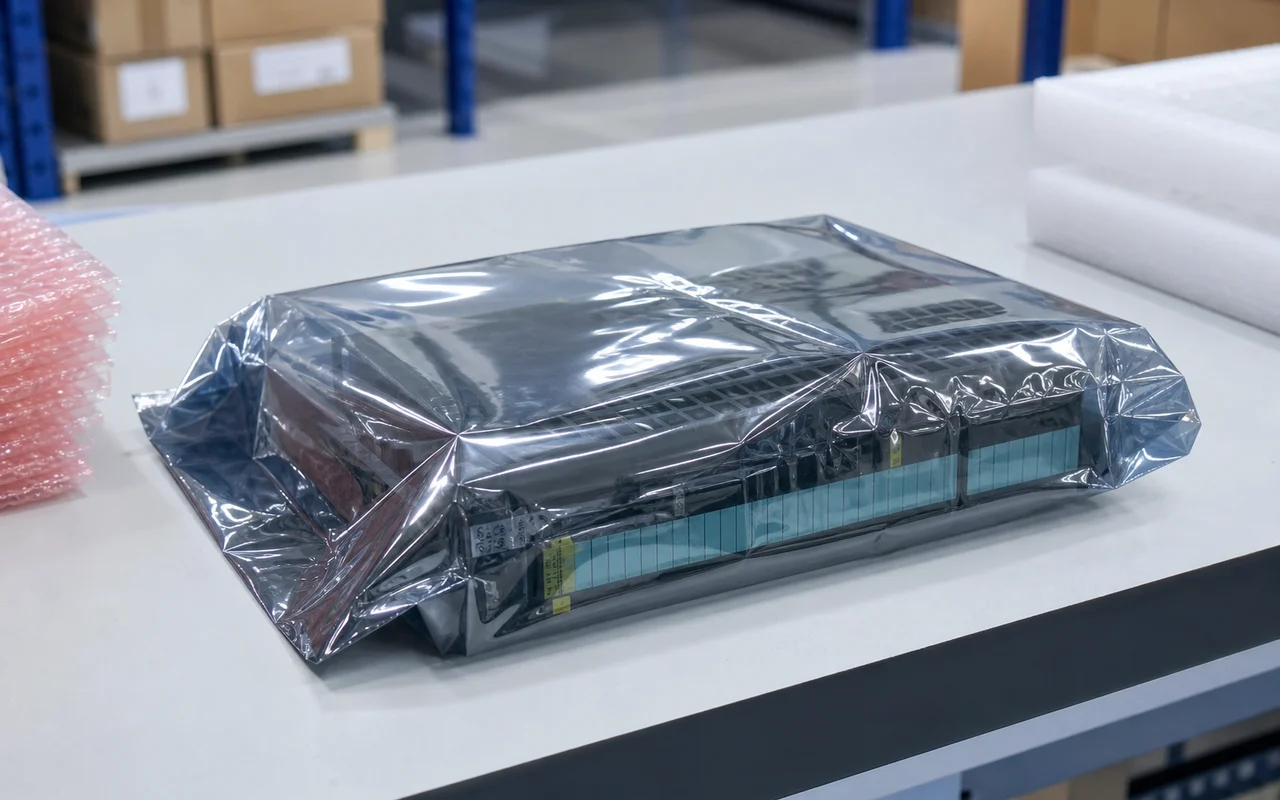 Anti-static Packaging
Modules are packed in anti-static bags to prevent electrostatic damage.
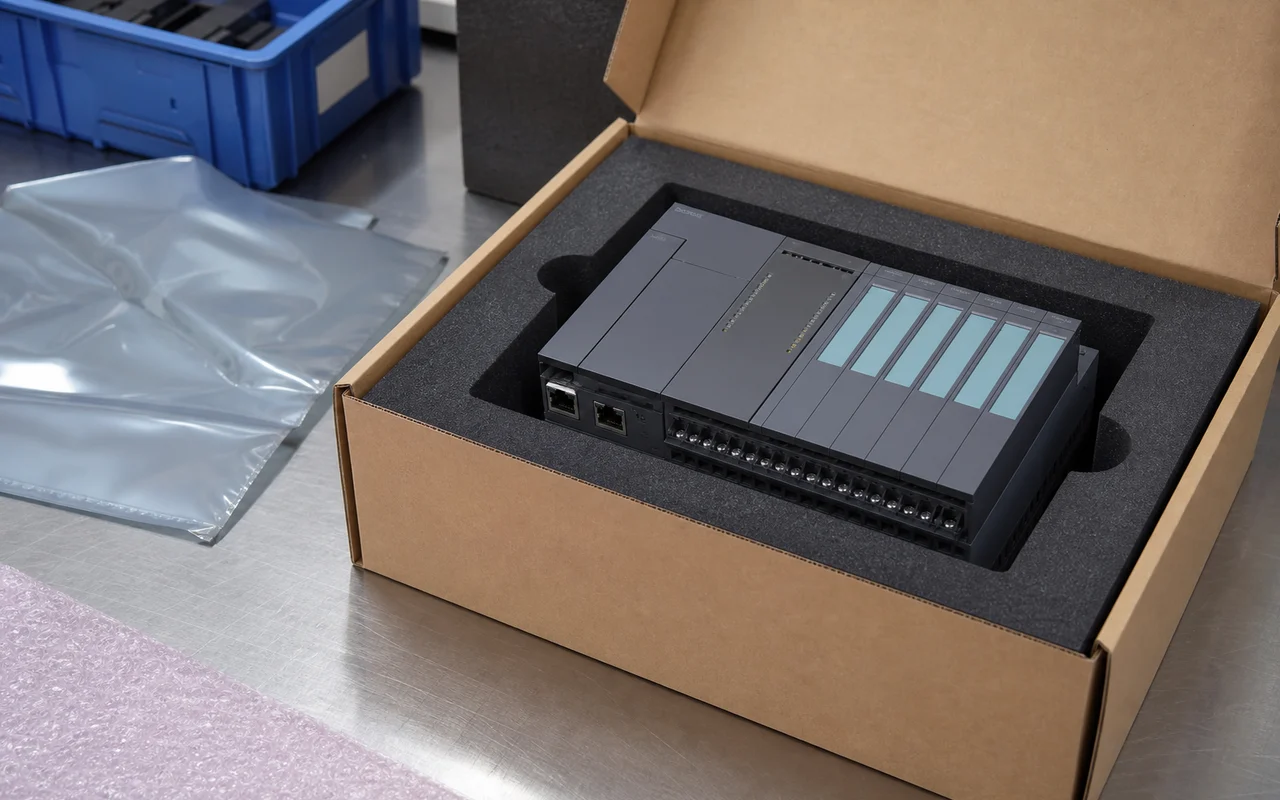 Secure Export Packing
Cushion protection and strong cartons ensure safe transportation.
 Worldwide Shipping
Global logistics network supports air, sea and express delivery.
 Documentation Check
Part number, revision and compatibility verified before shipment.
 After-sales Support
Professional technical support to help resolve your issues.