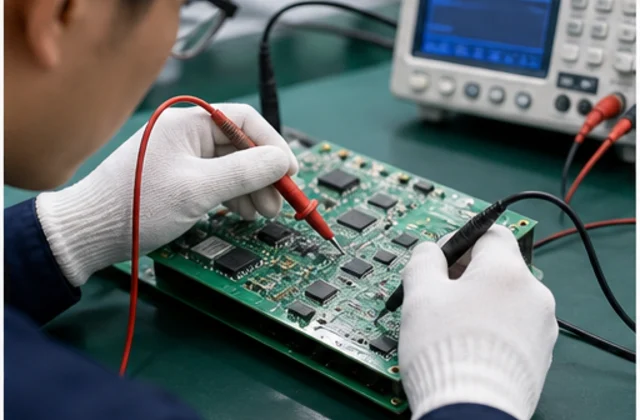
 Functional Inspection
100% tested on professional platforms to ensure stable performance.
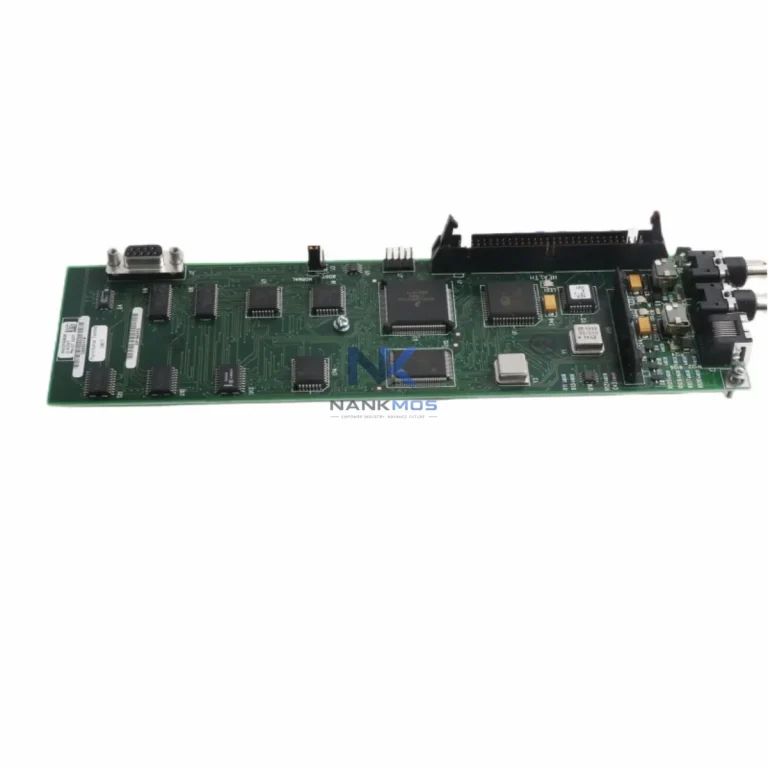
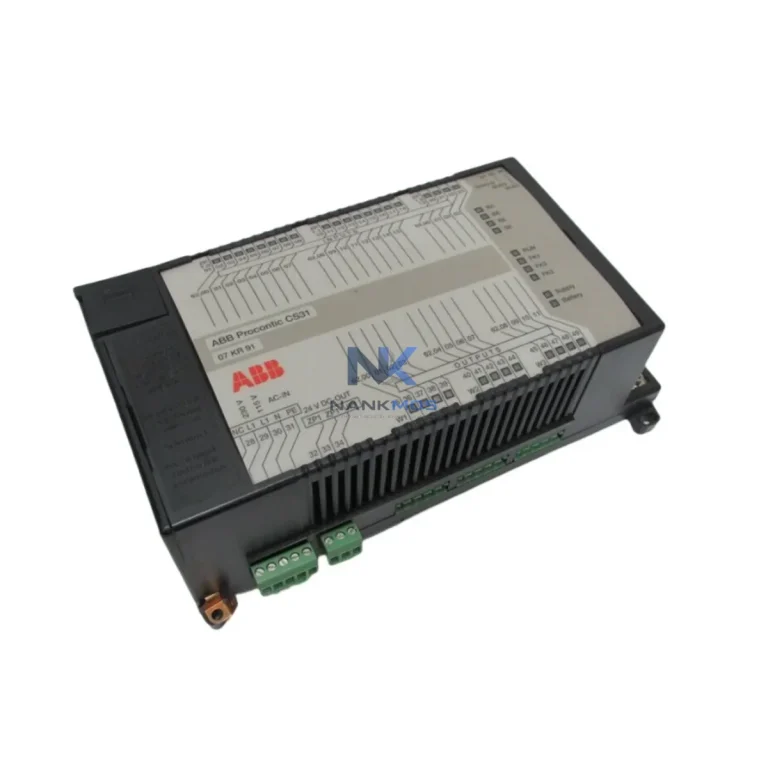
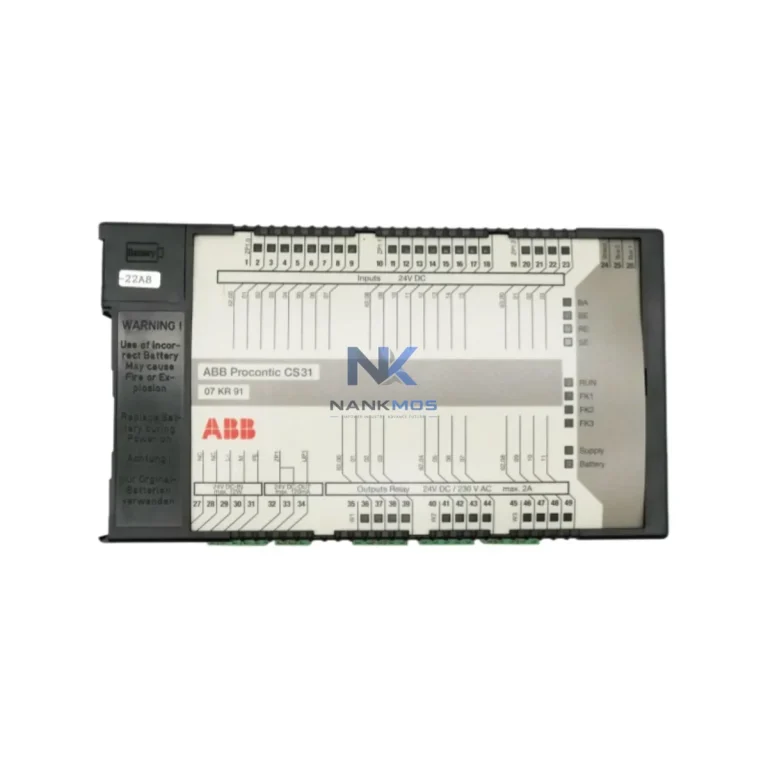
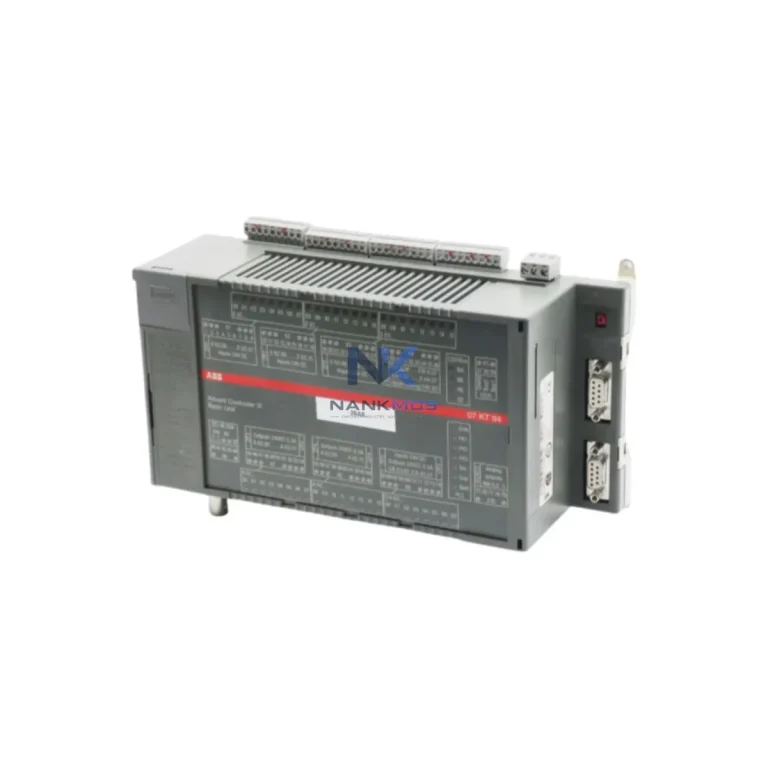
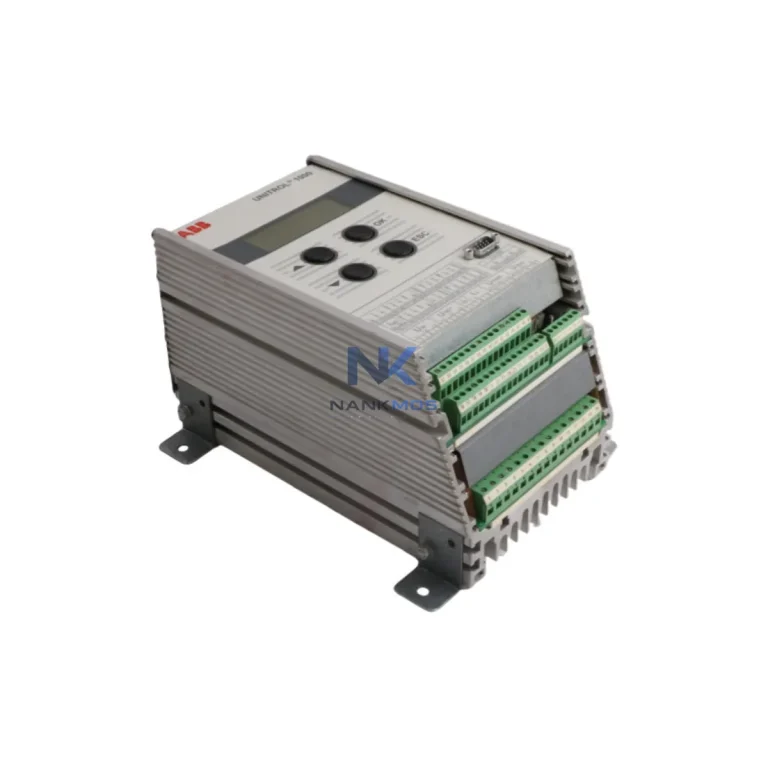
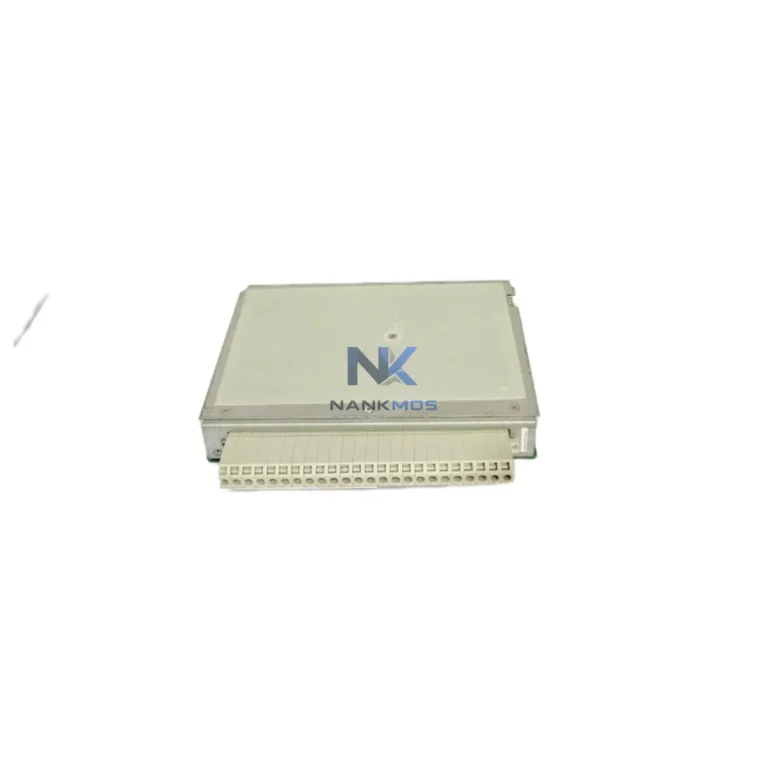
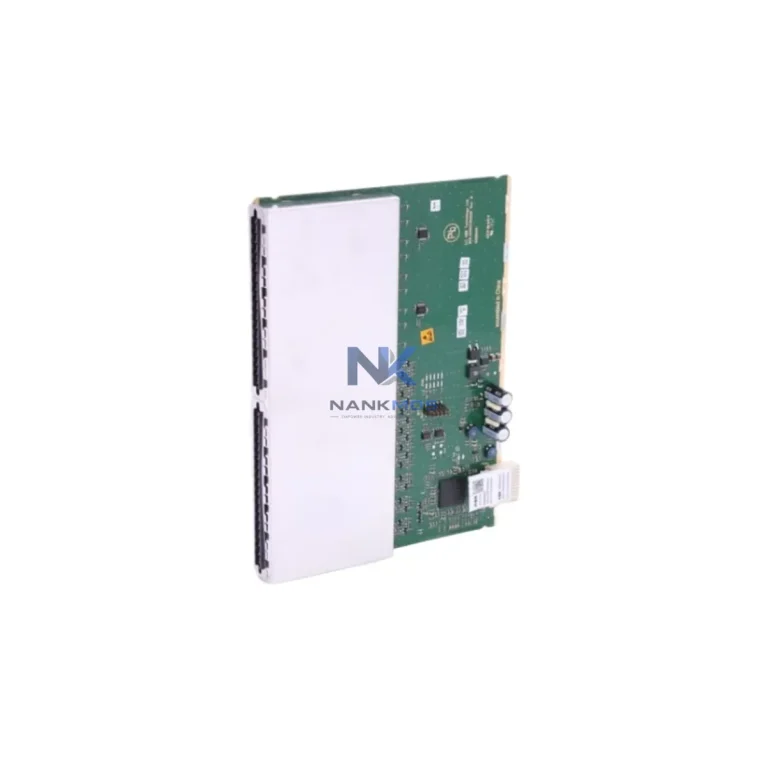
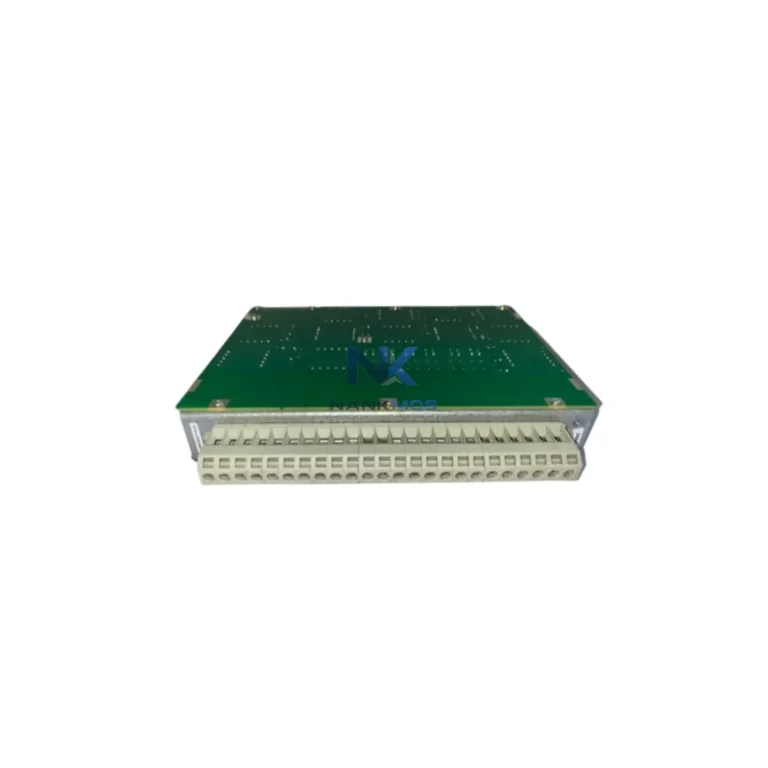
ABB PFEA112-65 3BSE050091R65 is a NANKMOS industrial automation product record Listed under PFEA series and Business & Industrial > Automation, Control & Flow Devices. Confirm condition, availability, lead time, compatibility and documentation by email inquiry.
Brand names are used for identification only.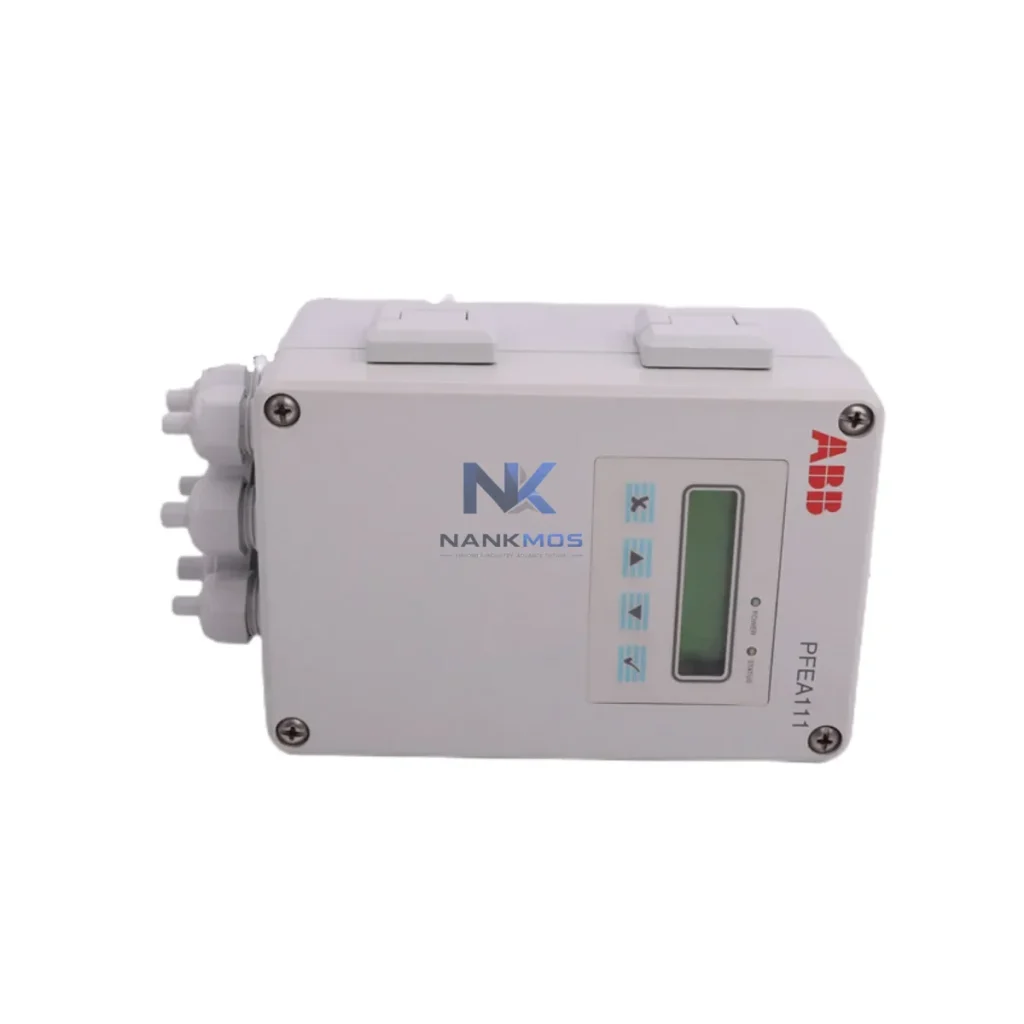
ABB PFEA112-65 3BSE050091R65 is a NANKMOS industrial automation product record Listed under PFEA series and Business & Industrial > Automation, Control & Flow Devices. Confirm condition, availability, lead time, compatibility and documentation by email inquiry.
| Manufacturer | ABB |
|---|---|
| Application | Industrial Automation Maintenance |
| Part Number / Model | PFEA112-65 3BSE050091R65 |
| Compatible System | PFEA |
| Series | PFEA |
| Condition Options | To Confirm |
| Module Type | Automation, Control & Flow Devices |
| Warranty | 12 Months |
| Packaging | Anti-static Bag / Secure Box |
| Shipping Methods | DHL / FedEx / UPS / Air / Sea |
| Availability | To Confirm |
| Lead Time | To Confirm |
| Documentation | Part number and revision checked before quote |
The ABB PFEA112-65 (order reference 3BSE050091R65) is a dedicated tension measurement module engineered for seamless integration within ABB's PF Series drive and control architecture. Designed to deliver precise web tension feedback across continuous process lines, this module occupies a critical role at the intersection of the measurement layer and the control layer — translating real-time mechanical load signals into actionable data that drives closed-loop tension regulation. Whether deployed in paper mills, metal strip processing, textile winding, or film extrusion lines, the PFEA112-65 ensures that tension control remains stable, repeatable, and fully synchronized with the broader automation platform.
Within a layered industrial control architecture, the PFEA112-65 functions as the primary signal conditioning and processing unit for load cell inputs. It accepts signals from tension transducers or load cells mounted on dancer rolls, nip rolls, or idler rolls, amplifies and filters those signals, and transmits processed tension values to the supervisory control layer — typically an ABB AC500 PLC or an ACS880 drive configured for winding applications. This tight integration between the measurement layer and the control execution layer eliminates latency in tension correction loops, reduces mechanical oscillation, and extends the service life of web-handling machinery.
The module's architecture is optimized for compatibility with ABB's broader PF Series ecosystem. When paired with the PFEA113 tension electronics unit or the PFTL101 load cell series, the PFEA112-65 forms a complete tension measurement chain that can be calibrated and commissioned directly from the drive's control panel or via ABB's Drive Composer engineering tool. Signal integrity is maintained through differential input design and onboard filtering, ensuring that electrical noise from variable frequency drives — such as the ACS580 or ACS880 — does not corrupt tension readings. This is particularly important in environments where multiple drives share a common cabinet with the tension electronics.
The PFEA112-65 achieves its full potential when deployed as part of a coordinated automation platform rather than as a standalone instrument. In a typical winding or unwinding line, the tension measurement chain begins with the PFTL101 load cell or PFTL201 tension transducer, which converts mechanical force into a millivolt-level electrical signal. The PFEA112-65 receives this signal, applies gain and offset calibration, and outputs a conditioned analog value to the drive's reference input. The ACS880 industrial drive — configured in torque control mode — uses this tension feedback to continuously adjust motor output, maintaining web tension within the defined setpoint band.
At the control layer, an ABB AC500 PLC (such as the PM573 or PM591 CPU module) supervises the overall winding sequence, manages speed ramp profiles, and coordinates tension setpoint changes during roll changes or splice events. The AC500 communicates with the ACS880 via PROFIBUS-DP or EtherNet/IP, ensuring that tension setpoint updates are transmitted with deterministic timing. For applications requiring redundant control, the AC500's hot-standby CPU configuration — supported by the TB541 communication module — ensures that a CPU fault does not interrupt the tension control loop.
At the I/O layer, ABB TU515 or TU516 terminal units provide the physical connection points for field wiring, while AI523 analog input modules can be used to monitor additional process variables such as roll diameter, line speed, or nip pressure alongside the tension signal. For cabinet-level signal integrity, ABB RINT-5611C signal isolators or equivalent galvanic isolation modules are recommended between the PFEA112-65 output and the PLC analog input to prevent ground loop interference in large installations.
At the HMI layer, an ABB CP635 or CP651 operator panel provides the operator interface for tension setpoint entry, calibration initiation, and alarm acknowledgment. The HMI communicates with the AC500 PLC via Modbus TCP or PROFINET, displaying real-time tension values, roll diameter estimates, and drive status in a unified process overview screen. This integrated HMI-PLC-drive architecture reduces commissioning time and simplifies operator training by presenting all tension-related parameters in a single interface.
For power distribution within the control cabinet, an ABB CP-E 24/5.0 or CP-E 24/10.0 power supply provides the regulated 24 VDC rail that powers the PFEA112-65, the AC500 I/O modules, and the field sensor circuits. Proper power supply sizing — accounting for inrush current from multiple modules — is essential for maintaining signal stability during system startup sequences.
Paper & Pulp Manufacturing: In paper machine winder sections, the PFEA112-65 monitors parent roll tension during unwinding and controls slit roll tension during rewinding. Precise tension control prevents web breaks, reduces paper waste, and maintains consistent reel hardness profiles across production shifts.
Metal Strip Processing: In cold rolling mills and slitting lines, the module provides tension feedback for strip tension control between bridle rolls and tension reels. Integration with the ACS880 drive's torque control function ensures that strip tension remains within metallurgical tolerances during acceleration, steady-state, and deceleration phases.
Textile & Film Extrusion: For warp beam winding in weaving preparatory machines and film winding in extrusion lines, the PFEA112-65 delivers the measurement accuracy required to maintain consistent fabric tension and film gauge uniformity. Its compatibility with the PF Series drive ecosystem simplifies integration into existing machine control architectures.
Packaging Lines: In flexible packaging machinery, the module controls substrate tension in laminating, printing, and slitting machines. Stable tension control reduces registration errors in multi-color printing and prevents substrate deformation in heat-sensitive film applications.
Power & Energy: In cable manufacturing lines and wire drawing machines, the PFEA112-65 monitors capstan tension and take-up reel tension, ensuring consistent wire diameter and preventing conductor breakage during high-speed drawing operations.
Q1: Is the PFEA112-65 3BSE050091R65 compatible with ABB ACS880 drives configured for winding applications? Yes. The PFEA112-65 is designed for integration within ABB's PF Series tension control ecosystem, which is fully compatible with the ACS880 winding application program. The module's analog output connects directly to the drive's external reference input, and calibration parameters can be configured via the drive's control panel or Drive Composer PC tool. No additional signal conditioning hardware is required for standard single-load-cell configurations.
Q2: Can the PFEA112-65 be used in a redundant control architecture with an ABB AC500 hot-standby PLC? Yes. The PFEA112-65 outputs a continuous analog signal that can be wired to both the primary and standby PLC analog input modules simultaneously. In a hot-standby AC500 configuration, both CPUs monitor the tension signal in parallel, and the standby CPU assumes control without interrupting the tension feedback loop in the event of a primary CPU fault. This architecture is recommended for critical continuous process lines where unplanned tension loss would result in web breaks or product damage.
Q3: What is the warranty coverage and lead time for the PFEA112-65 3BSE050091R65? All PFEA112-65 3BSE050091R65 units supplied by NANKMOS are covered by a 12-Month Warranty against manufacturing defects and functional failures. Units are sourced from verified supply channels, inspected prior to dispatch, and shipped with full documentation. Standard lead time is 1–3 business days for in-stock units, with expedited shipping available for urgent project requirements. For volume orders or long-term supply agreements, contact [email protected] or call +86 18359268345.
Functional Inspection100% tested on professional platforms to ensure stable performance.
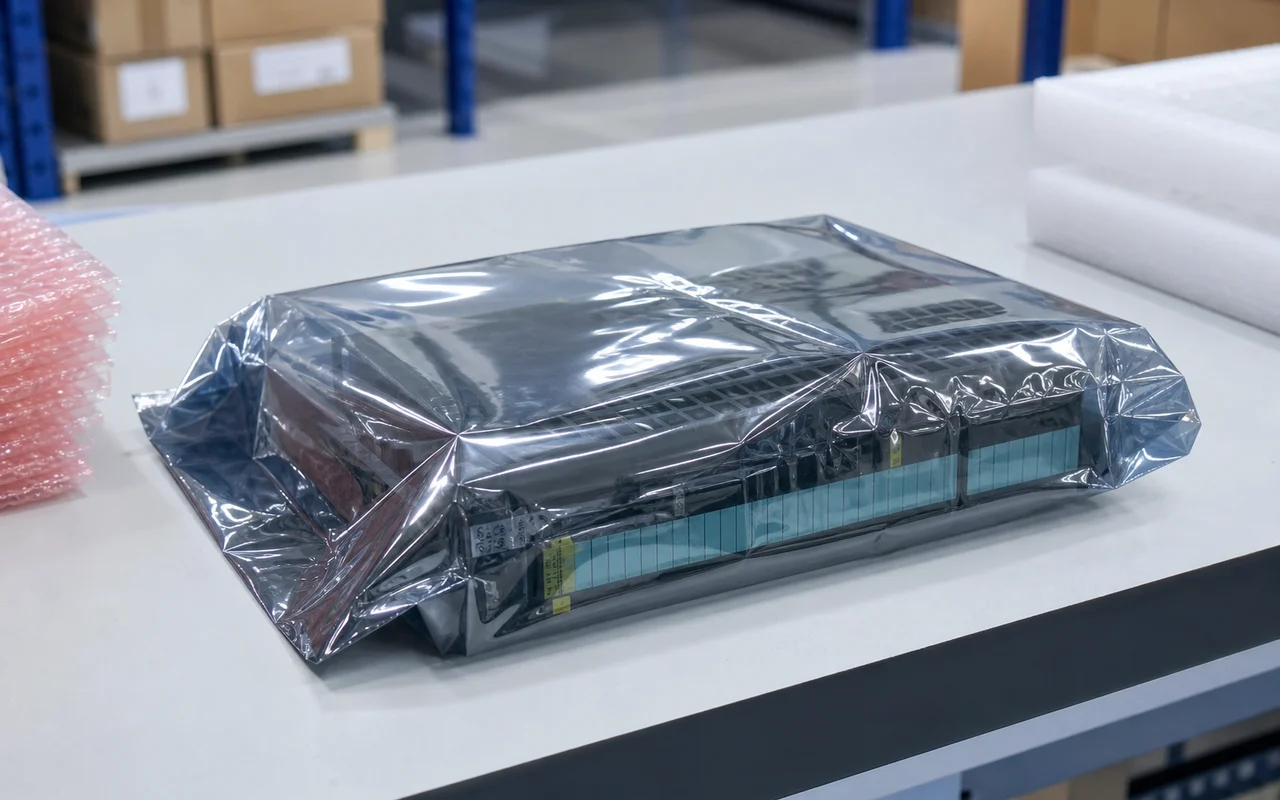 Anti-static Packaging
Modules are packed in anti-static bags to prevent electrostatic damage.
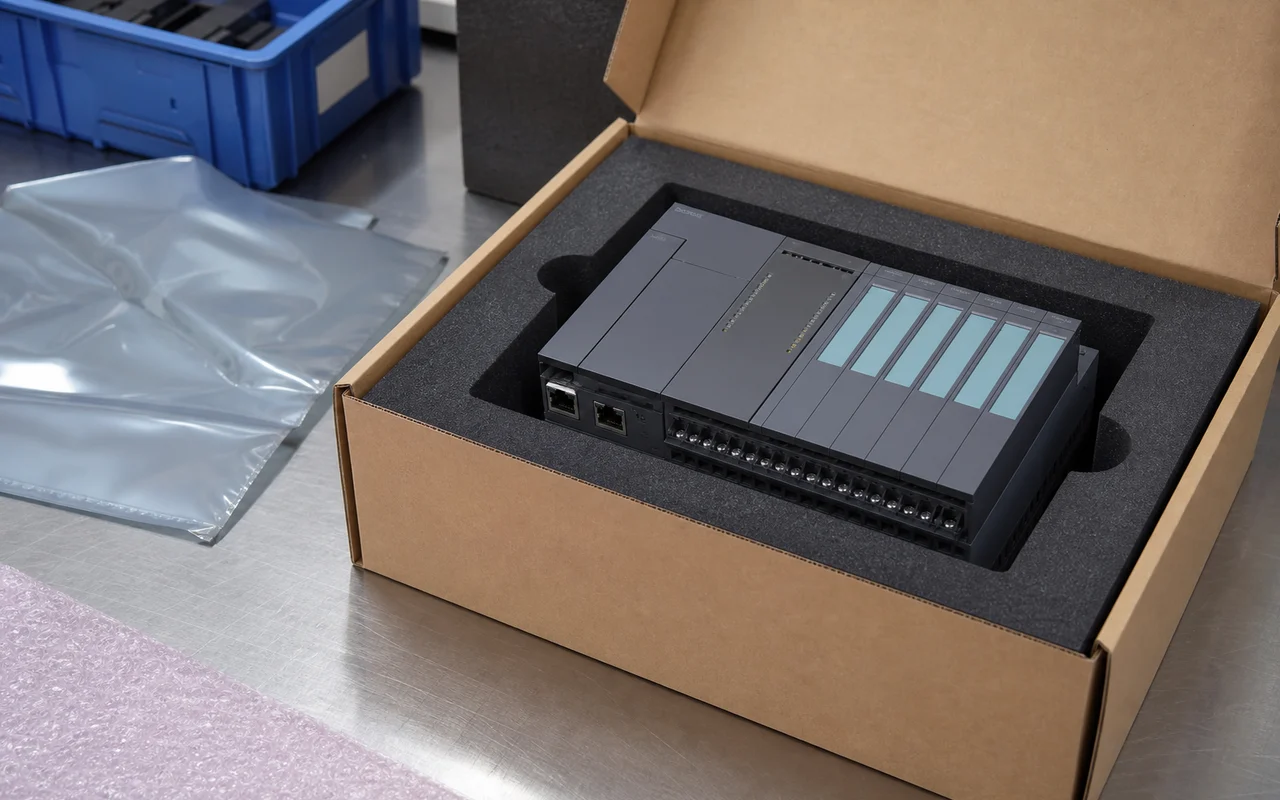 Secure Export Packing
Cushion protection and strong cartons ensure safe transportation.
 Worldwide Shipping
Global logistics network supports air, sea and express delivery.
 Documentation Check
Part number, revision and compatibility verified before shipment.
 After-sales Support
Professional technical support to help resolve your issues.