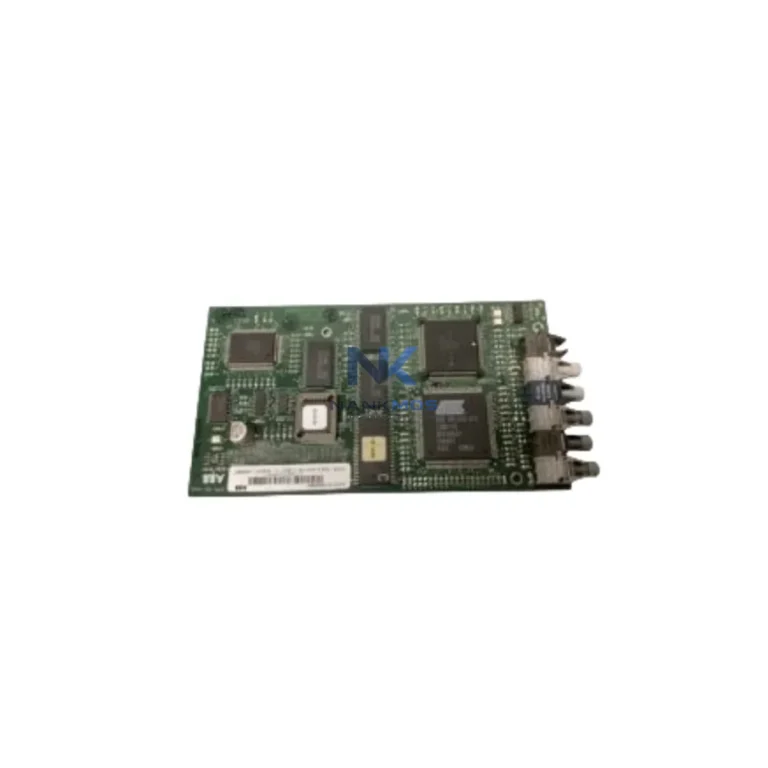
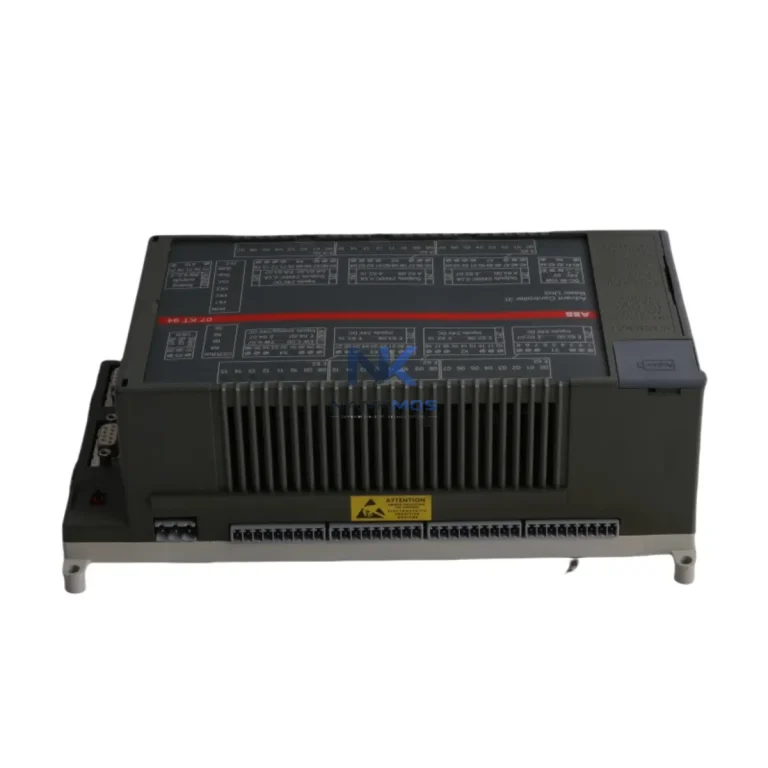
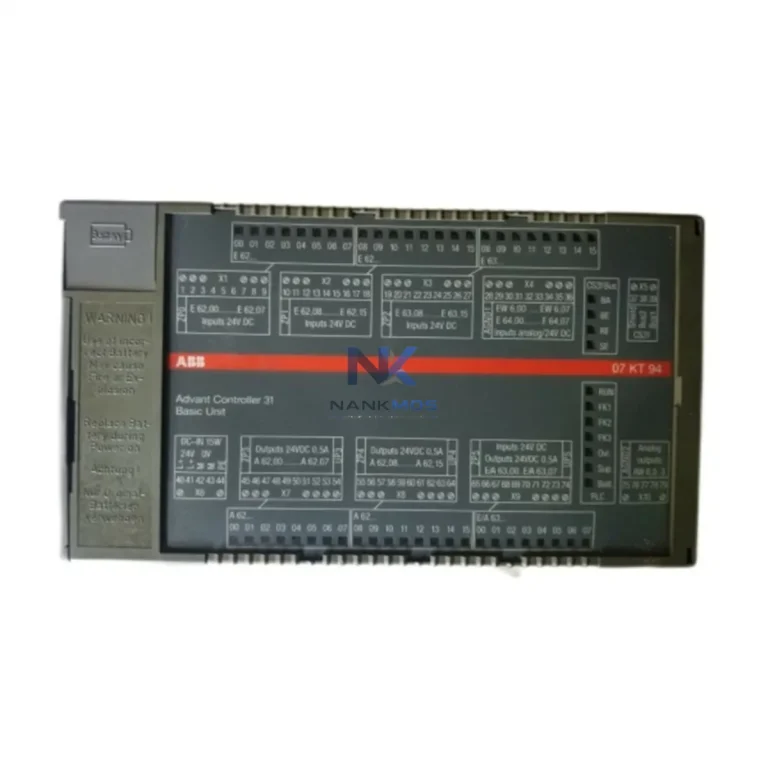
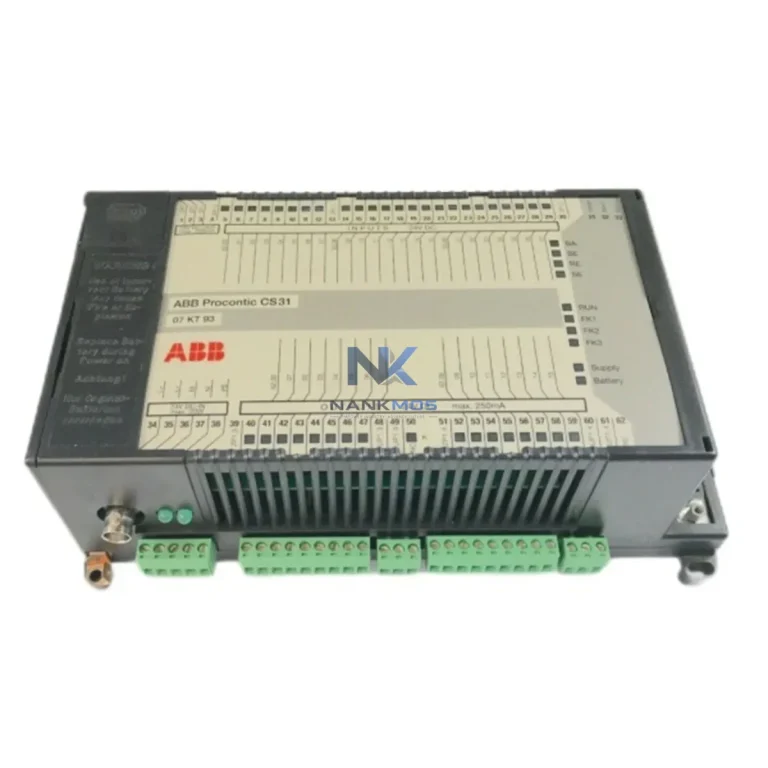
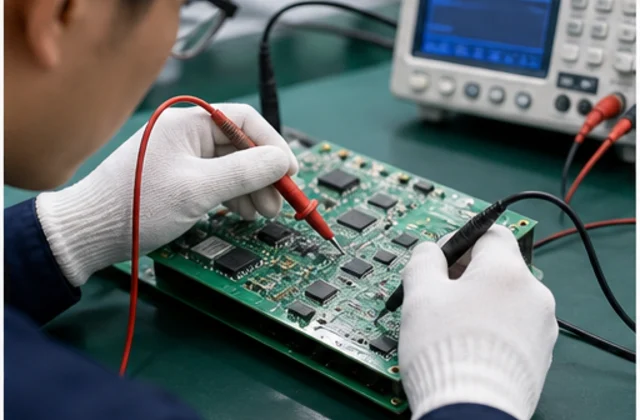
 Functional Inspection
100% tested on professional platforms to ensure stable performance.
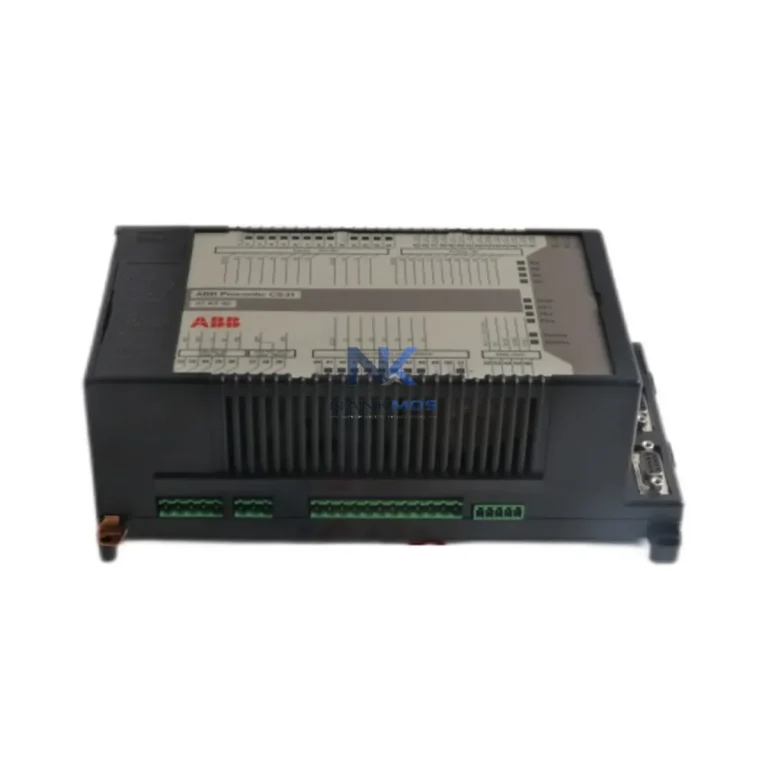
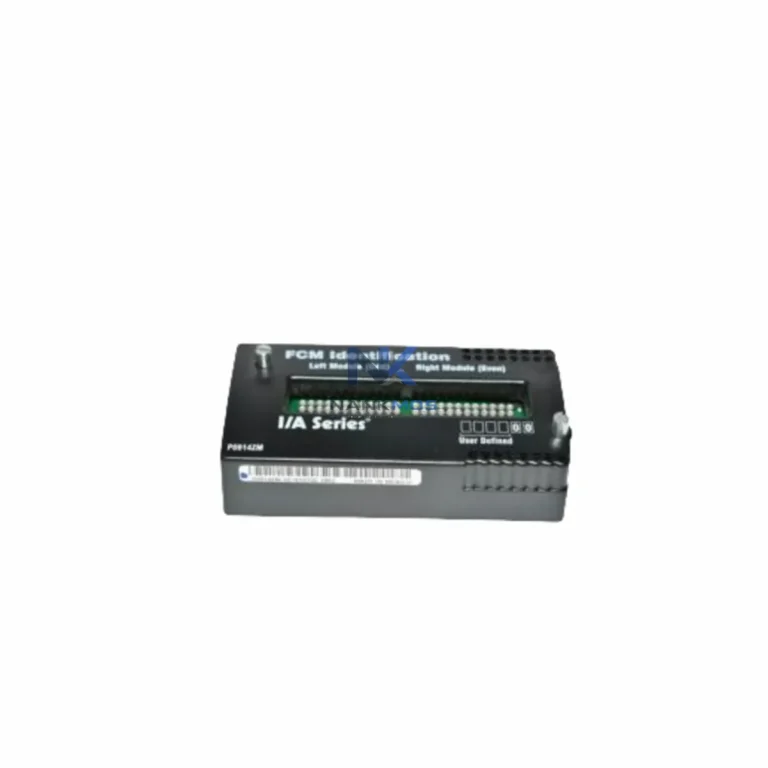
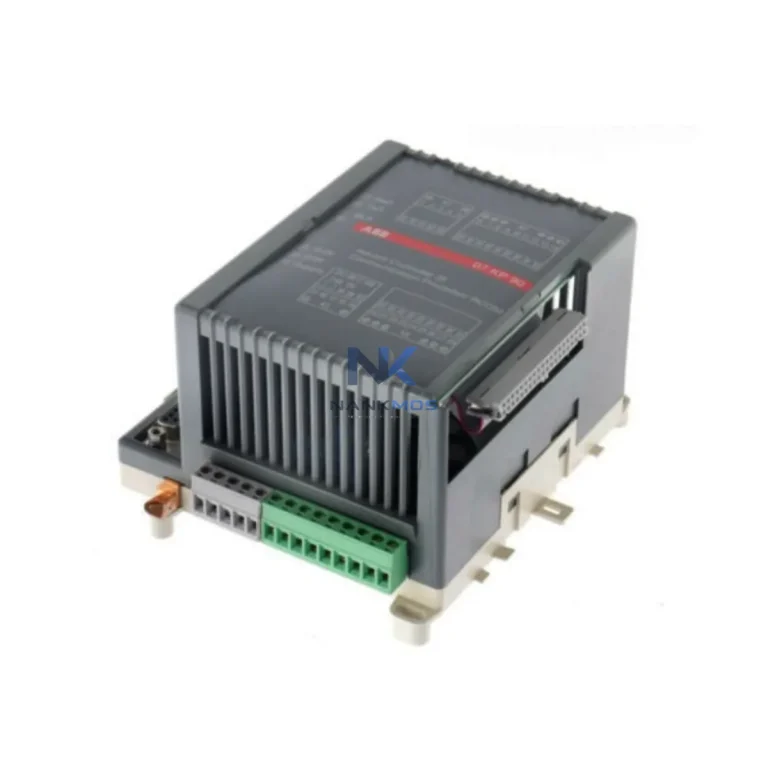
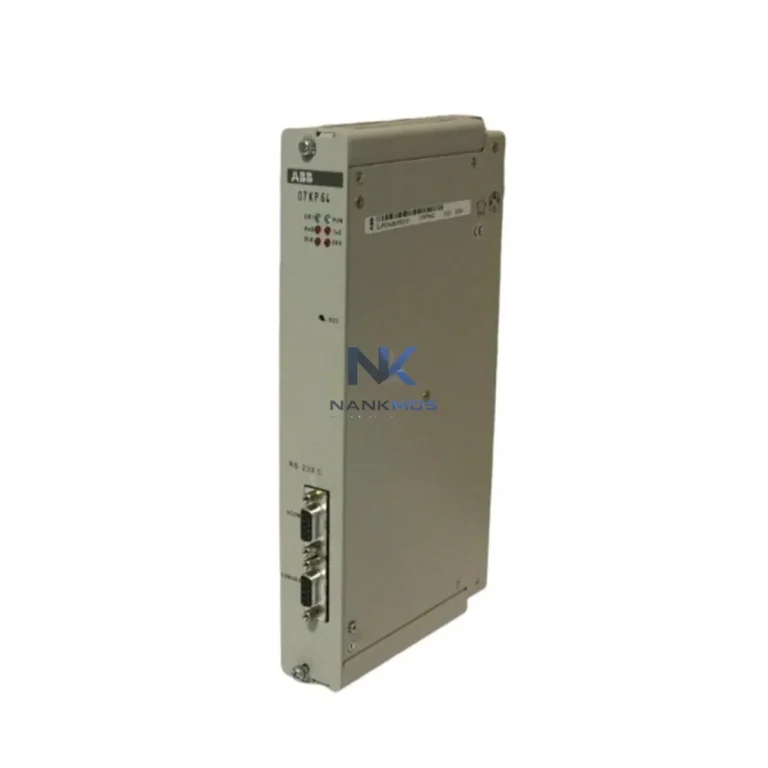
ABB SPBRC300 is a NANKMOS industrial automation product record Listed under Symphony Plus series and Business & Industrial > Automation, Control & Flow Devices > Programmable Logic Controllers. Confirm condition, availability, lead time, compatibility and documentation by email inquiry.
Brand names are used for identification only.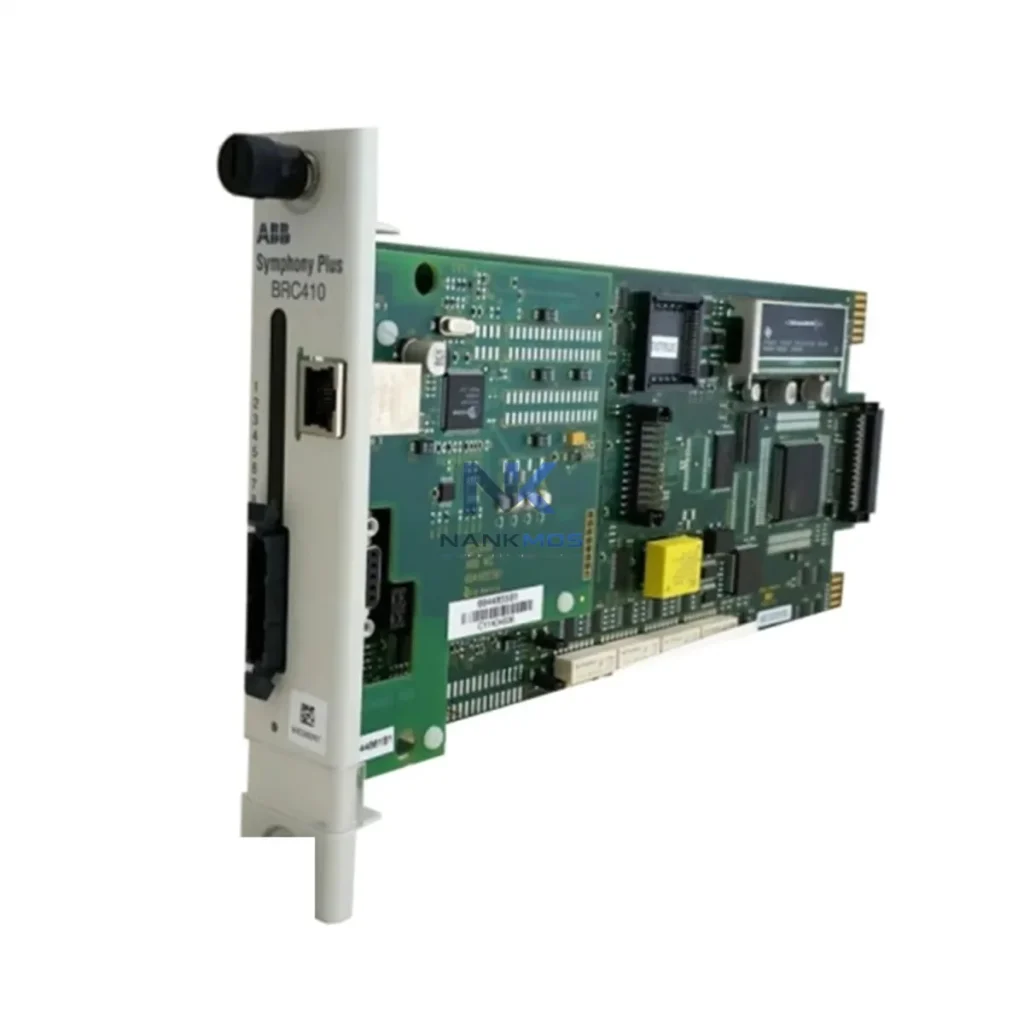
ABB SPBRC300 is a NANKMOS industrial automation product record Listed under Symphony Plus series and Business & Industrial > Automation, Control & Flow Devices > Programmable Logic Controllers. Confirm condition, availability, lead time, compatibility and documentation by email inquiry.
| Manufacturer | ABB |
|---|---|
| Application | Controller Processing & System Control |
| Part Number / Model | SPBRC300 |
| Compatible System | Symphony Plus |
| Series | Symphony Plus |
| Condition Options | To Confirm |
| Module Type | Controller / CPU Module |
| Warranty | 12 Months |
| Packaging | Anti-static Bag / Secure Box |
| Shipping Methods | DHL / FedEx / UPS / Air / Sea |
| Availability | To Confirm |
| Lead Time | To Confirm |
| Documentation | Part number and revision checked before quote |
The ABB SPBRC300 is a high-performance Bridge Controller engineered for the Symphony Plus Distributed Control System (DCS) platform. Designed to operate at the intersection of energy monitoring, load management, and real-time process control, the SPBRC300 delivers measurable reductions in energy waste while sustaining stable production line throughput. For facilities targeting lower operating costs and higher equipment utilization, this controller represents a critical node in any power-aware automation architecture.
As industrial plants face increasing pressure to reduce carbon footprint and energy expenditure, the SPBRC300 provides the control intelligence needed to manage electrical loads dynamically, coordinate drive systems, and feed actionable data into plant-wide energy management systems. Its role extends beyond simple signal bridging — it actively participates in the energy control loop that governs how power is consumed, distributed, and optimized across the production floor.
The SPBRC300 functions as a communication and control bridge within the Symphony Plus DCS architecture, enabling seamless data exchange between field devices and the supervisory control layer. In a typical energy-optimized plant layout, the SPBRC300 works in close coordination with the ABB AC800M controller, which serves as the primary process controller managing setpoints, interlocks, and energy demand schedules. The SPBRC300 relays real-time field data — including motor load feedback, drive status signals, and process variable updates — back to the AC800M, enabling closed-loop energy control decisions.
On the field side, the SPBRC300 interfaces with ABB S800 I/O modules to aggregate analog and digital signals from sensors, actuators, and field transmitters. This I/O data feeds directly into load management algorithms running on the DCS, allowing the system to modulate energy consumption based on actual production demand rather than fixed schedules. When paired with ABB ACS880 variable speed drives, the SPBRC300 enables dynamic motor speed adjustment — one of the most impactful levers for reducing energy consumption in pump, fan, and compressor applications.
For power quality monitoring, the SPBRC300 integrates with ABB M2M power monitoring modules and compatible PROFIBUS DP energy meters, providing granular visibility into per-circuit energy consumption. This data is surfaced through the ABB System 800xA SCADA/HMI platform, where operators can visualize energy KPIs, set demand thresholds, and trigger automated load shedding sequences during peak tariff periods. The combination of real-time monitoring and automated response significantly reduces peak demand charges and smooths the plant's energy consumption profile.
Communication reliability is maintained through the Symphony Plus bus architecture, which the SPBRC300 bridges to downstream PROFIBUS DP networks and HART-enabled field instruments such as pressure transmitters, flow meters, and temperature sensors. These instruments provide the process data necessary for predictive energy management — detecting inefficiencies such as pump cavitation, heat exchanger fouling, or motor overloading before they escalate into unplanned downtime events. The SPBRC300 also supports integration with ABB Freelance DCS modules in hybrid plant configurations, ensuring consistent energy data flow across mixed-platform environments.
In continuous process industries, energy waste most commonly originates from three sources: oversized or poorly controlled motors running at fixed speed, idle equipment consuming standby power, and thermal losses from inefficient heat management. The SPBRC300 addresses all three by providing the control infrastructure needed to implement demand-responsive automation strategies.
By bridging the Symphony Plus DCS to variable speed drive networks, the SPBRC300 enables the control system to reduce motor speeds during low-demand periods — directly cutting energy consumption in proportion to the cube of speed reduction. A motor running at 80% speed consumes only 51% of the energy required at full speed, a saving that compounds across dozens of motors in a large facility. The SPBRC300 ensures that these speed commands are delivered reliably and with the low latency required for stable closed-loop control.
Idle equipment management is another key contribution. The SPBRC300 relays equipment status signals — run/stop, fault, ready — to the DCS, enabling automated shutdown sequences for non-critical loads during planned downtime windows or shift changeovers. This reduces standby power consumption and extends equipment service life by minimizing unnecessary run hours. Combined with the 12-Month Warranty coverage provided with every SPBRC300 unit, plant engineers can deploy this controller with confidence in both performance and long-term reliability.
Thermal load reduction is achieved through the SPBRC300's passive cooling design and its role in coordinating drive derating strategies. By monitoring drive thermal status signals and feeding them back to the DCS, the SPBRC300 enables proactive load reduction before thermal limits are reached — preventing forced shutdowns and the associated production losses. This predictive approach to thermal management reduces HVAC energy demand in control panels and switchrooms, contributing to facility-wide energy savings.
From a production line throughput perspective, the SPBRC300 contributes to stable line pacing by ensuring that control signals are delivered consistently and without communication bottlenecks. Jitter or latency in control communications can cause process variability, leading to quality rejects, rework, and energy waste. The SPBRC300's deterministic communication architecture eliminates this variability, supporting the tight synchronization required for high-efficiency production lines. Every unit shipped undergoes outgoing quality testing to verify communication integrity and signal accuracy before dispatch.
Q1: How does the SPBRC300 contribute to measurable energy savings in a Symphony Plus DCS environment?The SPBRC300 enables closed-loop energy control by bridging field device data — including drive feedback, motor load signals, and process variables — to the Symphony Plus DCS. This allows the control system to implement demand-responsive strategies such as variable speed drive modulation, load shedding, and idle equipment shutdown, all of which directly reduce energy consumption. Plants integrating the SPBRC300 into a structured energy management architecture typically achieve 10–25% reductions in motor-related energy costs.
Q2: Is the SPBRC300 compatible with third-party drives and I/O systems, or is it limited to ABB equipment?While the SPBRC300 is optimized for the ABB Symphony Plus ecosystem — including AC800M controllers, S800 I/O, and ACS series drives — its support for PROFIBUS DP and HART communication protocols enables integration with a broad range of third-party field devices and drive systems. Compatibility should be verified against the specific firmware version and network configuration of the target installation.
Q3: What is the recommended replacement or upgrade path for legacy Symphony Plus bridge controllers?The SPBRC300 is designed as a direct functional replacement for earlier-generation ABB Symphony Plus bridge modules. Migration from legacy hardware typically requires a firmware update on the AC800M controller and reconfiguration of the I/O mapping in the DCS engineering tool. No physical wiring changes are required in most standard installations, minimizing downtime during the upgrade.
Q4: What warranty and supply assurance does NANKMOS provide for the SPBRC300?Every ABB SPBRC300 supplied by NANKMOS is covered by a 12-Month Warranty against manufacturing defects and functional failures. Units are held in stock and subject to outgoing functional testing prior to dispatch, ensuring that each controller arrives ready for installation. For volume procurement or urgent replacement requirements, contact our team directly to confirm lead times and availability.
Functional Inspection100% tested on professional platforms to ensure stable performance.
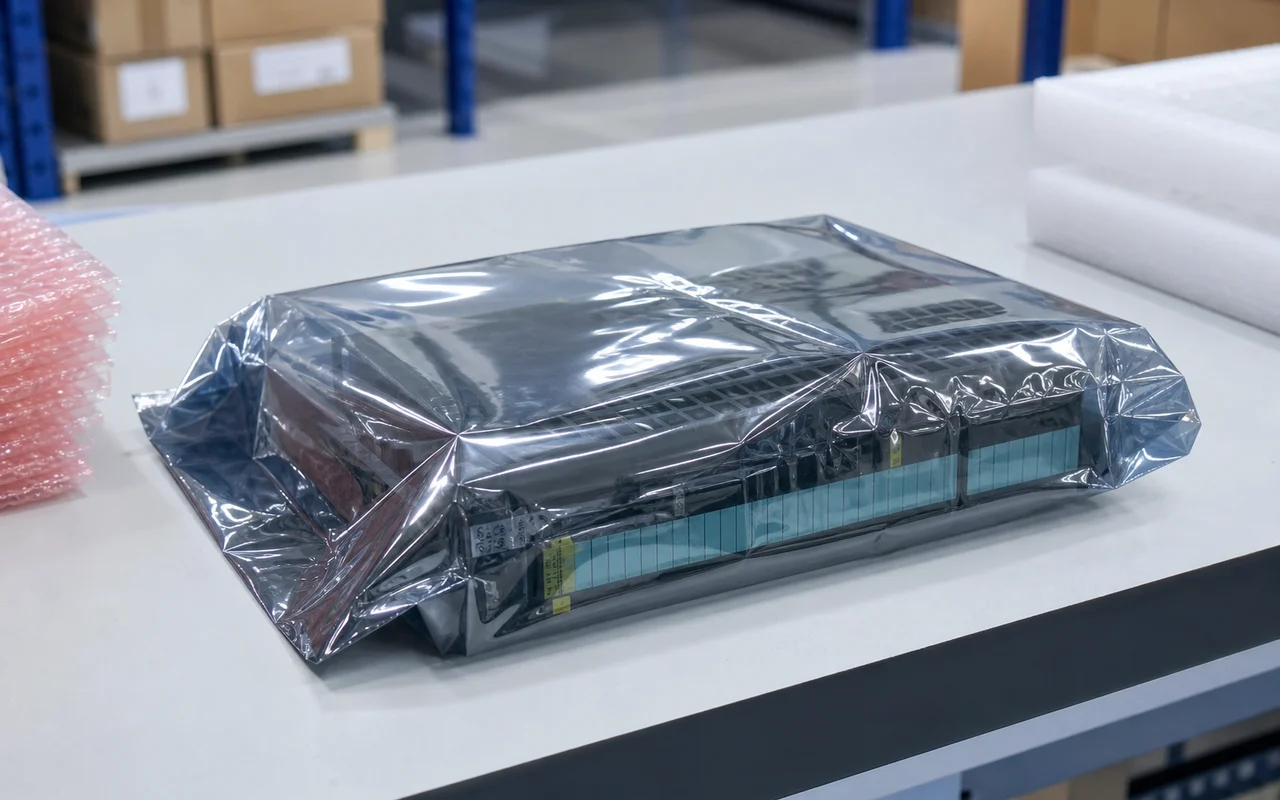 Anti-static Packaging
Modules are packed in anti-static bags to prevent electrostatic damage.
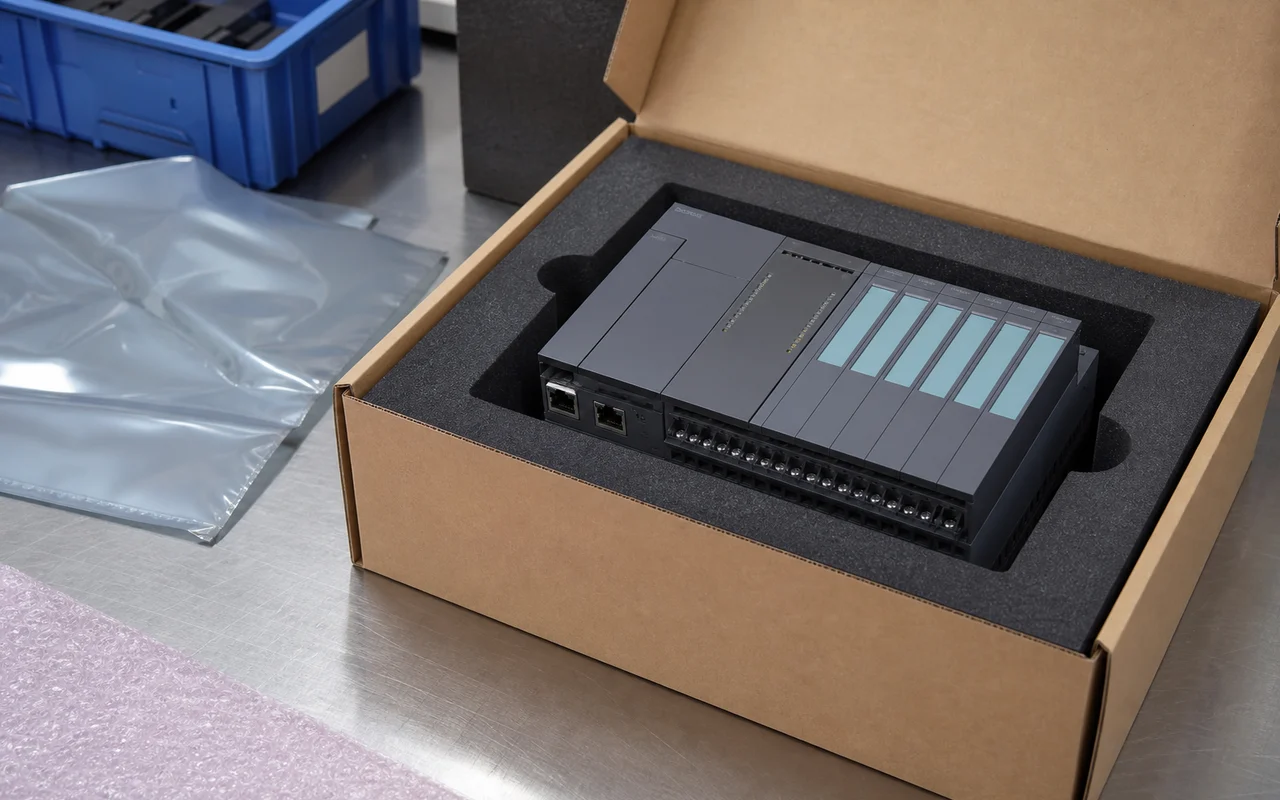 Secure Export Packing
Cushion protection and strong cartons ensure safe transportation.
 Worldwide Shipping
Global logistics network supports air, sea and express delivery.
 Documentation Check
Part number, revision and compatibility verified before shipment.
 After-sales Support
Professional technical support to help resolve your issues.