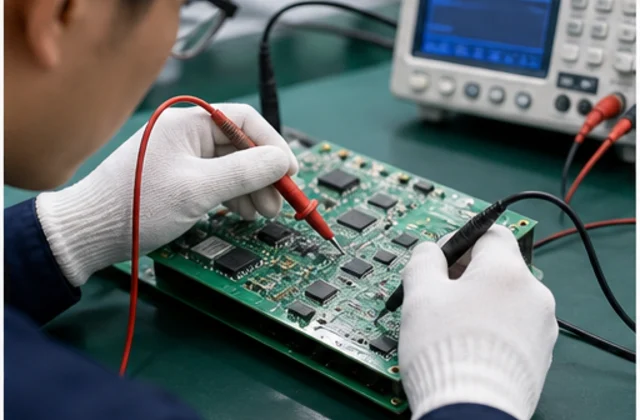
 Functional Inspection
100% tested on professional platforms to ensure stable performance.
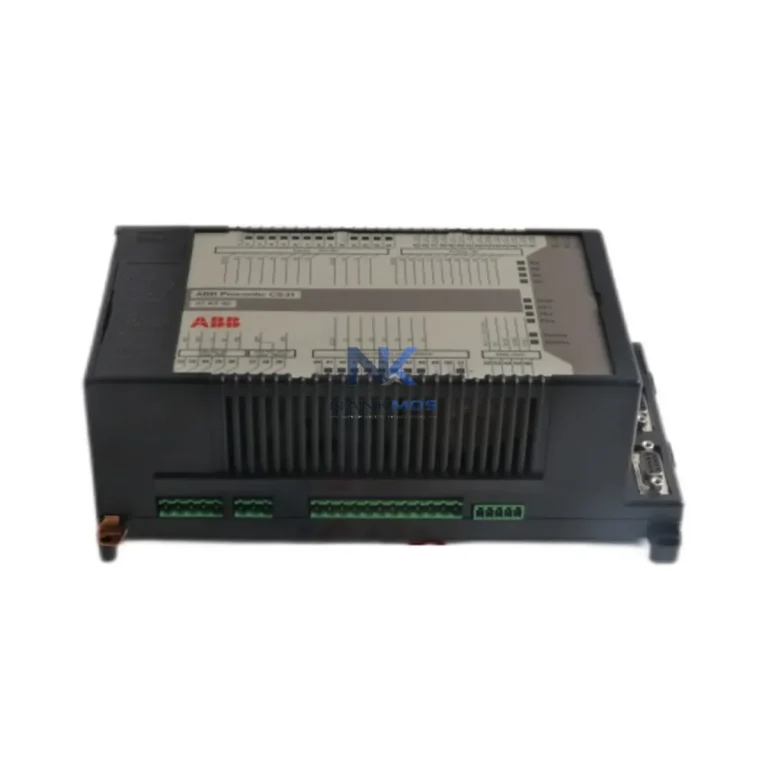
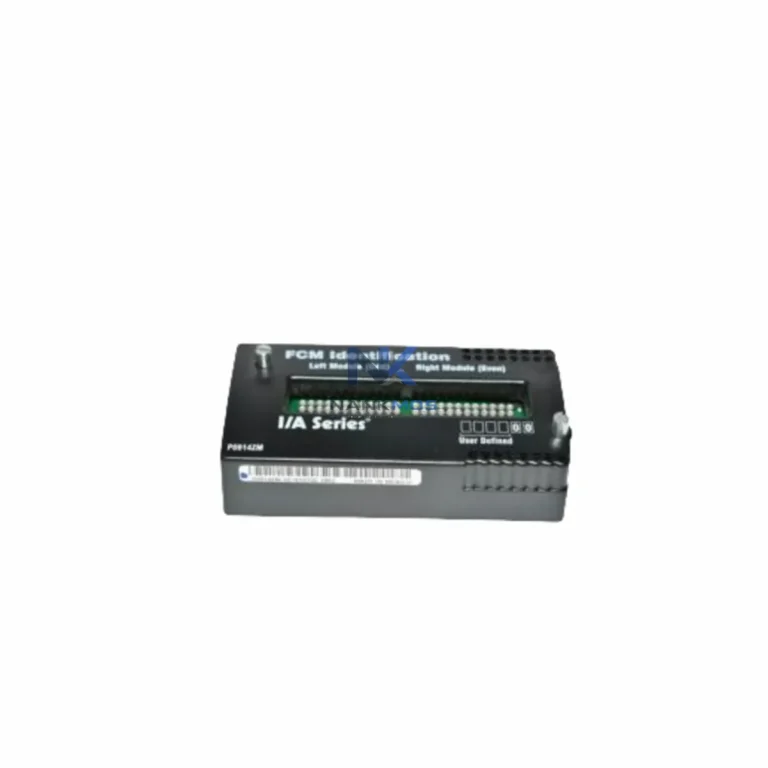
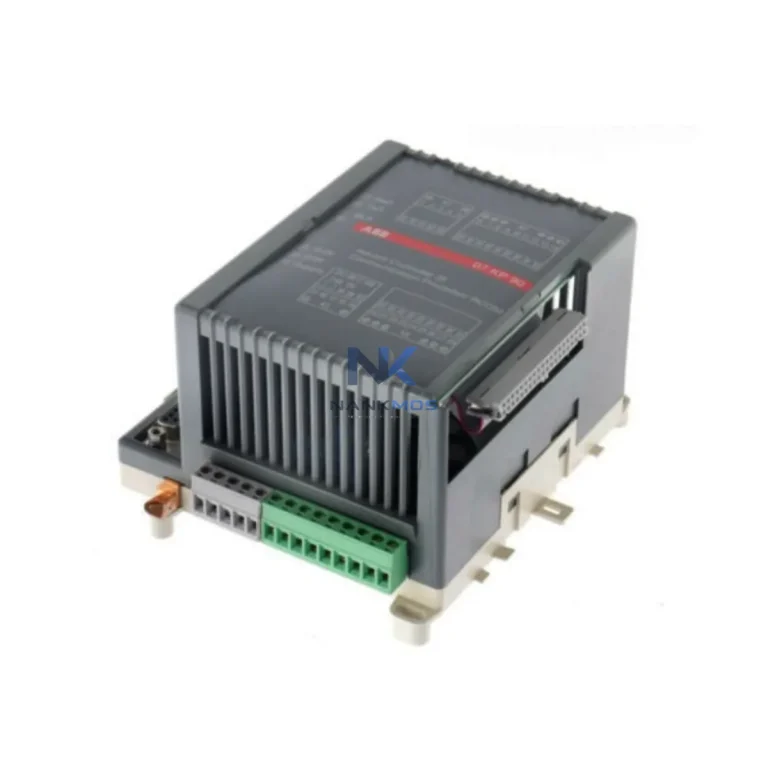
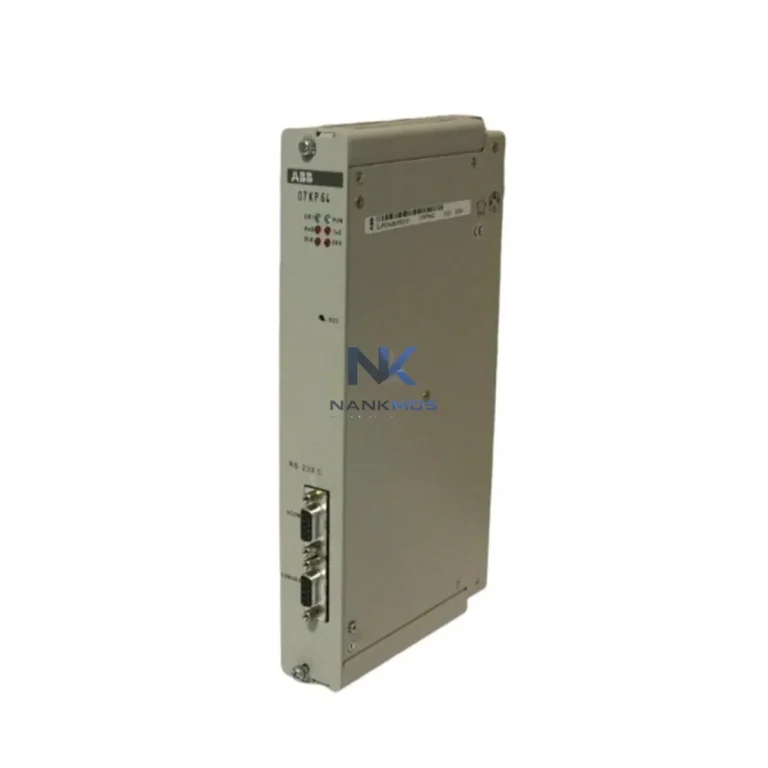
ABB SPFCS01 is a NANKMOS industrial automation product record Listed under Symphony Plus series and Business & Industrial > Automation, Control & Flow Devices > Programmable Logic Controllers. Confirm condition, availability, lead time, compatibility and documentation by email inquiry.
Brand names are used for identification only.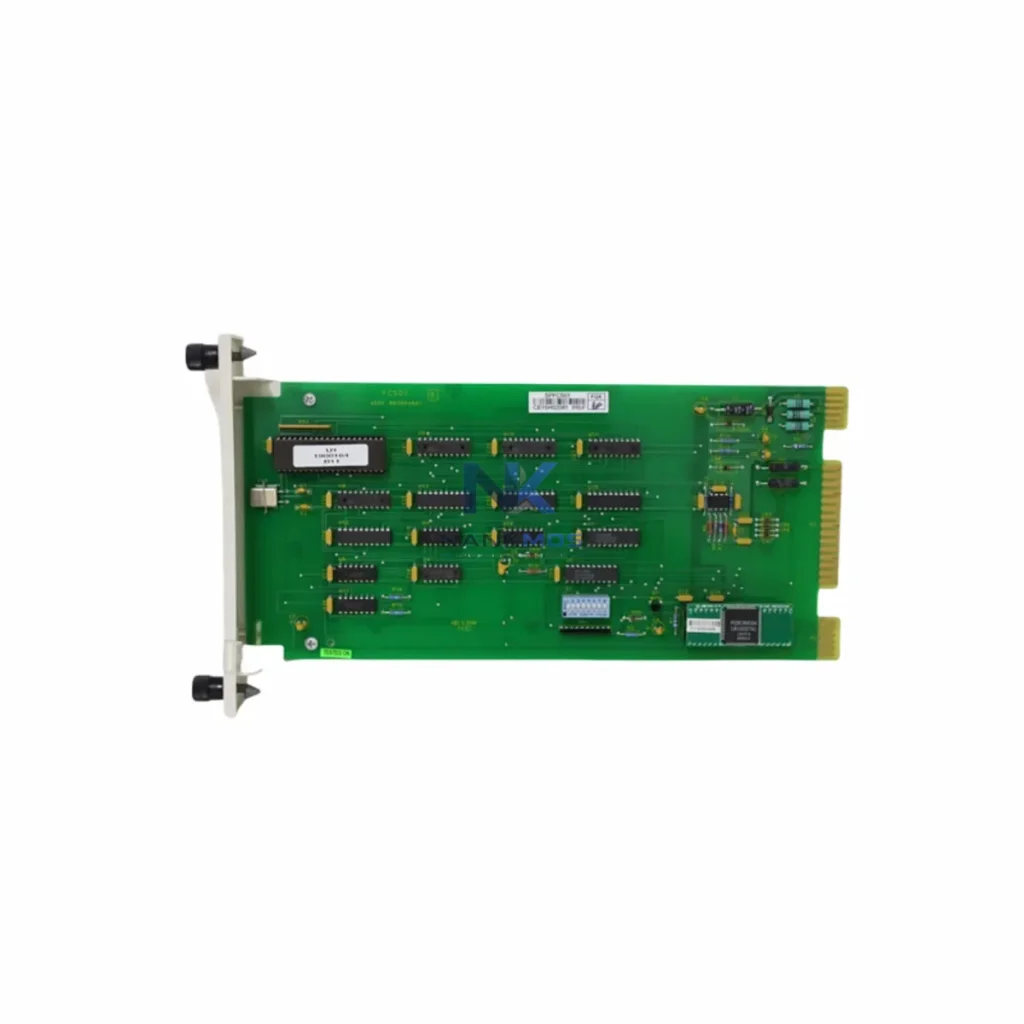
ABB SPFCS01 is a NANKMOS industrial automation product record Listed under Symphony Plus series and Business & Industrial > Automation, Control & Flow Devices > Programmable Logic Controllers. Confirm condition, availability, lead time, compatibility and documentation by email inquiry.
| Manufacturer | ABB |
|---|---|
| Application | Controller Processing & System Control |
| Part Number / Model | SPFCS01 |
| Compatible System | Symphony Plus |
| Series | Symphony Plus |
| Condition Options | To Confirm |
| Module Type | Controller / CPU Module |
| Warranty | 12 Months |
| Packaging | Anti-static Bag / Secure Box |
| Shipping Methods | DHL / FedEx / UPS / Air / Sea |
| Availability | To Confirm |
| Lead Time | To Confirm |
| Documentation | Part number and revision checked before quote |
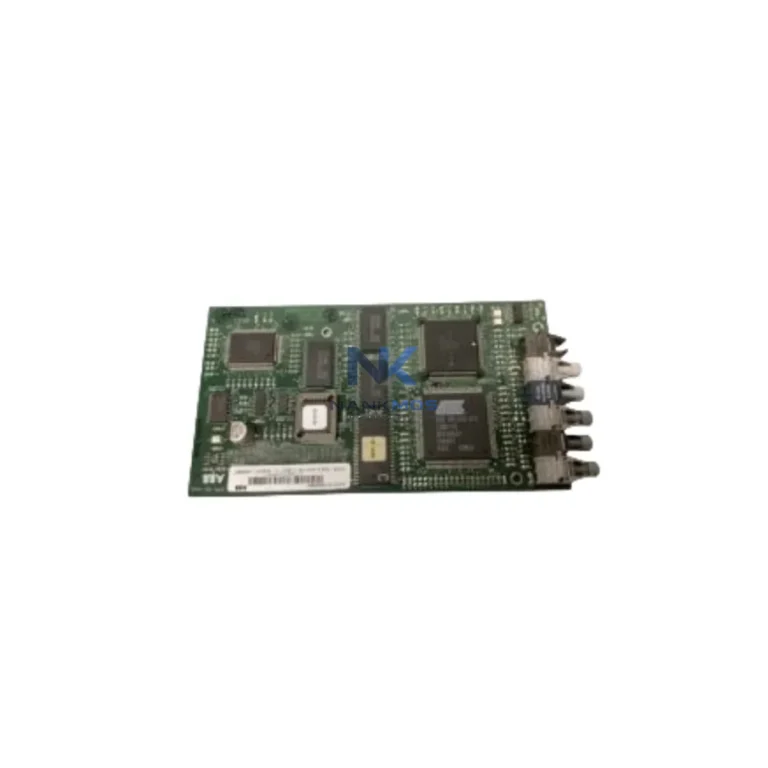
The ABB SPFCS01 is a dedicated fiber optic communication module engineered for deployment within the Symphony Plus Distributed Control System (DCS) platform. Designed to operate as a high-integrity optical link between controller nodes, I/O clusters, and supervisory layers, the SPFCS01 delivers deterministic signal transmission, galvanic isolation, and long-distance reach that copper-based fieldbus alternatives cannot match. In large-scale process control environments — including power generation, petrochemical refining, water treatment, and continuous manufacturing — the SPFCS01 serves as a foundational element of the optical backbone that ties together the full control hierarchy.
Within the Symphony Plus architecture, the SPFCS01 integrates directly with the AC800M High Integrity controller family and the AF100 Advant Fieldbus 100 optical network, enabling seamless data exchange across geographically distributed control cabinets. Its role extends beyond simple signal carriage: the module actively supports system-level redundancy schemes, loop-back diagnostics, and hot-standby configurations that are essential for uninterrupted process operation in safety-critical plants.
The SPFCS01 does not operate in isolation — it is a node in a carefully engineered optical network that spans every layer of the Symphony Plus control hierarchy. At the controller layer, the module interfaces with the AC800M PM865 and PM866 processor modules, which serve as the primary and redundant CPUs governing process logic execution. The optical link established by the SPFCS01 ensures that scan-cycle data from these controllers reaches remote I/O clusters with sub-millisecond latency and without electromagnetic interference — a critical requirement in high-voltage switchgear rooms and motor control centres.
At the I/O layer, the SPFCS01 connects to S800 I/O clusters populated with modules such as the AI810 (8-channel analogue input), AO810 (8-channel analogue output), DI810 (24 V DC digital input), and DO810 (digital output relay). These modules mount on TB820 ModuleBus optical interface units, which themselves rely on the AF100 optical ring maintained by the SPFCS01 to communicate upstream to the controller. Any degradation in the optical link — connector contamination, bend-radius violation, or module failure — is immediately surfaced through the Symphony Plus diagnostic layer, allowing maintenance teams to isolate the fault without interrupting the broader control loop.
At the communication and supervisory layer, the SPFCS01 supports integration with the SPNIS01 network interface module, which bridges the AF100 optical ring to higher-level PROFIBUS DP or Ethernet-based SCADA networks. This gateway capability allows process data collected across the optical fieldbus to be aggregated by 800xA System operator stations running ABB's Extended Automation platform, providing plant-wide visibility from a single engineering environment. The SPBRC410 redundancy controller further complements the SPFCS01 by managing automatic switchover between primary and standby optical paths, ensuring that a single fiber break does not interrupt process control.
Power integrity across the optical network is maintained by SD821 and SD822 power supply modules mounted within the same S100 rack. These units provide regulated 24 V DC to the SPFCS01 and co-resident I/O modules, with built-in current limiting and diagnostic outputs that feed into the system health monitoring framework. For installations requiring extended cabinet depth or additional node capacity, SB821 subrack extension units allow the optical ring to be physically expanded without reconfiguring the AF100 network parameters.
Power Generation & Utilities: In combined-cycle power plants and hydroelectric facilities, the SPFCS01 forms the optical spine connecting turbine control panels, excitation systems, and balance-of-plant I/O racks to the central Symphony Plus DCS. The galvanic isolation inherent to fiber optic transmission eliminates ground-loop interference from high-voltage bus bars and generator terminals, preserving signal integrity across the full load range. Dual-ring redundancy ensures that a single cable fault — whether from mechanical damage during maintenance or rodent ingress — triggers automatic path switchover within milliseconds, maintaining continuous turbine speed and load regulation.
Petrochemical & Refining: Refinery control architectures demand long cable runs between process units separated by hundreds of metres of hazardous-area piping. The SPFCS01 supports fiber runs of up to several kilometres (glass fiber variant), allowing a single AF100 ring to span a crude distillation unit, vacuum flasher, and associated heat exchanger trains without signal attenuation. Integration with HART-enabled AI810 analogue input modules allows the same optical infrastructure to carry both process values and device diagnostics from smart field transmitters, reducing the need for separate HART multiplexer networks.
Water & Wastewater Treatment: Municipal water treatment plants benefit from the SPFCS01's immunity to the high-humidity and chemically aggressive atmospheres found in chlorination buildings and sludge processing areas. Optical isolation prevents corrosion-induced ground faults from propagating into the control system, while the modular AF100 ring topology allows new pump stations or dosing skids to be added to the network without disrupting existing nodes — a key advantage during phased plant expansions.
Mining & Metals Processing: Conveyor systems, crusher drives, and flotation cell controls in mining operations generate significant electrical noise from variable-frequency drives and high-current contactors. The SPFCS01's optical transmission path is inherently immune to this interference, ensuring that position feedback, flow measurements, and motor current signals arrive at the AC800M controller without distortion. Redundant optical rings provide the fault tolerance required for continuous mining operations where unplanned downtime carries significant production cost.
Packaging & Discrete Manufacturing: High-speed packaging lines require deterministic communication between the DCS and servo drive systems. The SPFCS01 supports the low-latency optical link needed to synchronise motion sequences coordinated by the AC800M with analogue speed references delivered to drive systems via AO810 output modules, maintaining product registration accuracy at line speeds exceeding 300 units per minute.
Q1: How many SPFCS01 modules are required to build a redundant AF100 optical ring, and what is the maximum number of nodes supported? A single AF100 optical ring requires one SPFCS01 per node — each controller rack or remote I/O cluster that participates in the ring occupies one node position. A standard AF100 ring supports up to 32 nodes per ring segment. For redundant operation, the ring is wired in a closed loop so that a single fiber break leaves all nodes reachable via the alternate path; no additional SPFCS01 modules are required specifically for redundancy, as the dual-path capability is inherent to the ring topology. For installations exceeding 32 nodes, multiple rings can be interconnected via SPNIS01 gateway modules.
Q2: Is the SPFCS01 compatible with both legacy Advant OCS racks and current Symphony Plus S100 racks, and are there firmware considerations when mixing module generations? The SPFCS01 is designed for the Symphony Plus S100 rack backplane and is electrically and mechanically compatible with Advant OCS S100 subrack hardware, making it suitable for brownfield upgrades where existing rack infrastructure is retained. When mixing SPFCS01 modules with older PFCS modules in the same AF100 ring, firmware version alignment between the AC800M processor and the optical modules should be verified against ABB's compatibility matrix. NANKMOS pre-shipment testing includes a functional verification of the module's optical transmit and receive power levels, ensuring the unit meets ABB's specified link budget before dispatch.
Q3: What does the 12-Month Warranty cover, and what is the process for warranty claims or advance replacement? The 12-Month Warranty provided by NANKMOS covers hardware defects, functional failure of the optical transmitter/receiver circuitry, and backplane interface faults that manifest under normal operating conditions. The warranty period begins from the date of shipment. In the event of a confirmed failure, NANKMOS offers advance replacement dispatch to minimise plant downtime — a replacement unit is shipped upon receipt of the defective module and completion of a brief fault description form. All warranty claims are handled directly through [email protected] or by calling +86 18359268345. Contextual Integration support — including configuration guidance for AC800M binding and AF100 ring commissioning — is available throughout the warranty period at no additional charge.
Functional Inspection100% tested on professional platforms to ensure stable performance.
 Anti-static Packaging
Modules are packed in anti-static bags to prevent electrostatic damage.
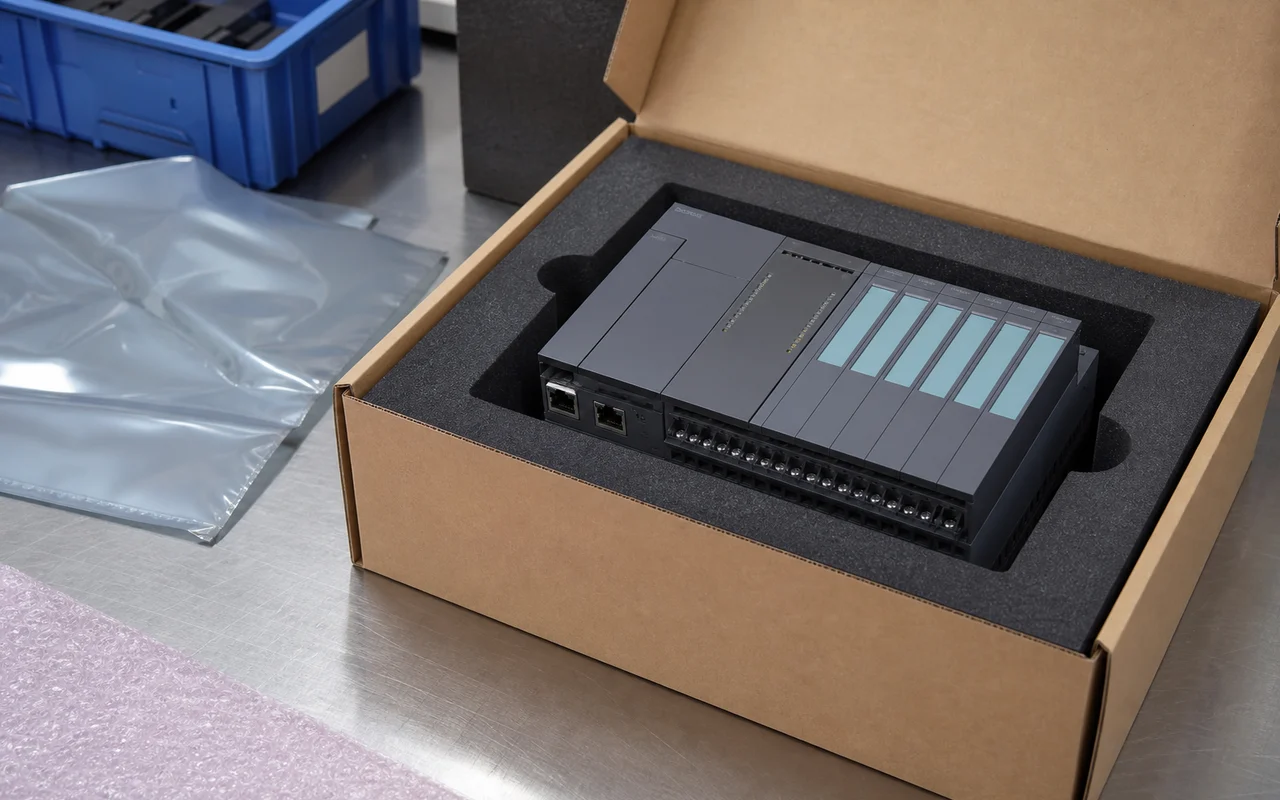 Secure Export Packing
Cushion protection and strong cartons ensure safe transportation.
 Worldwide Shipping
Global logistics network supports air, sea and express delivery.
 Documentation Check
Part number, revision and compatibility verified before shipment.
 After-sales Support
Professional technical support to help resolve your issues.