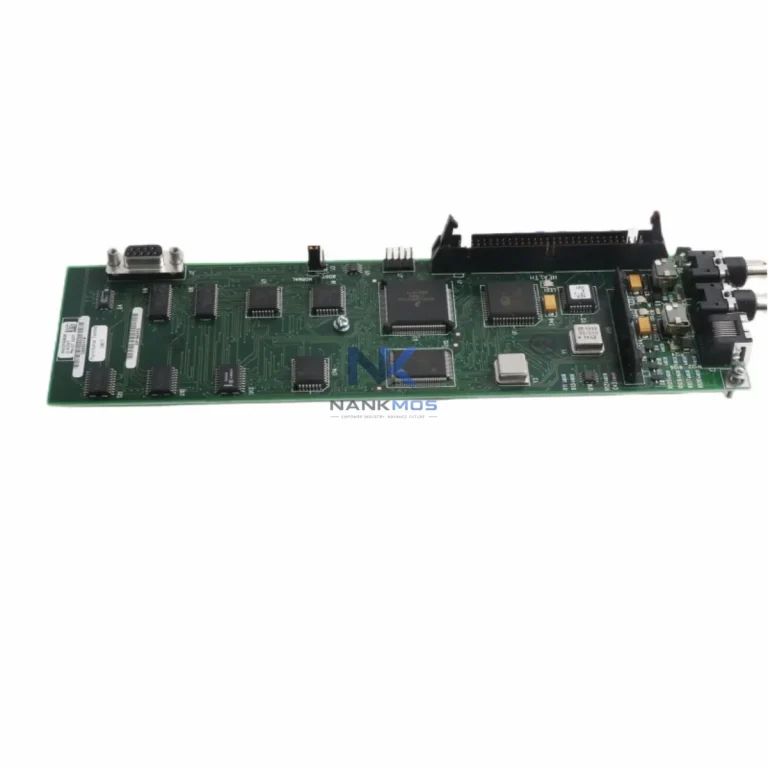
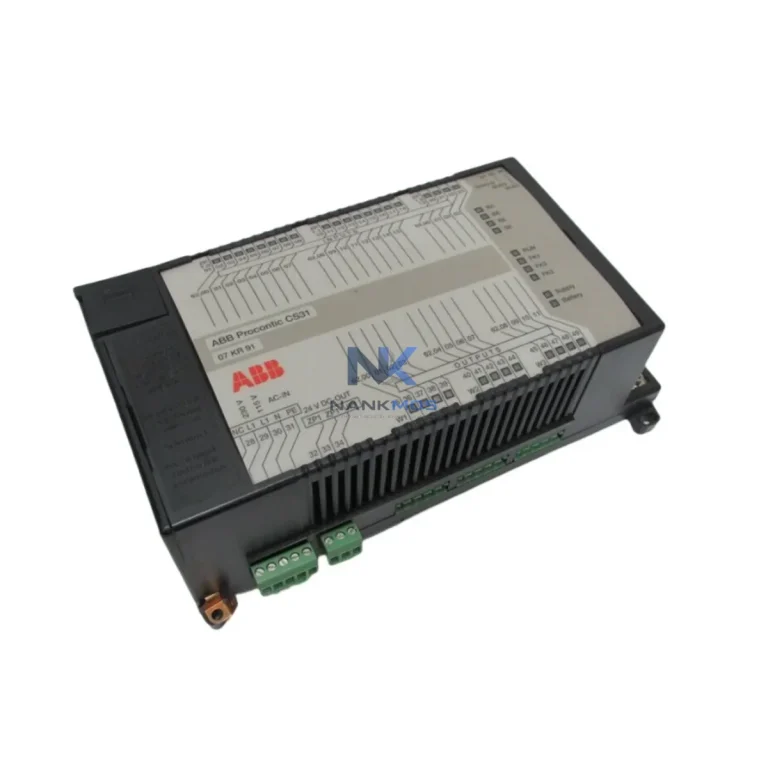
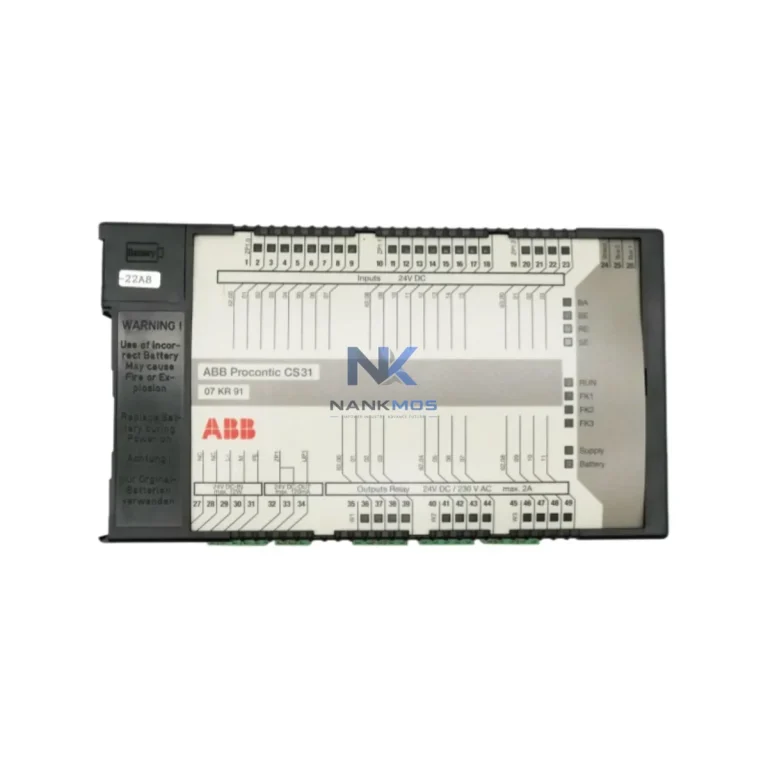
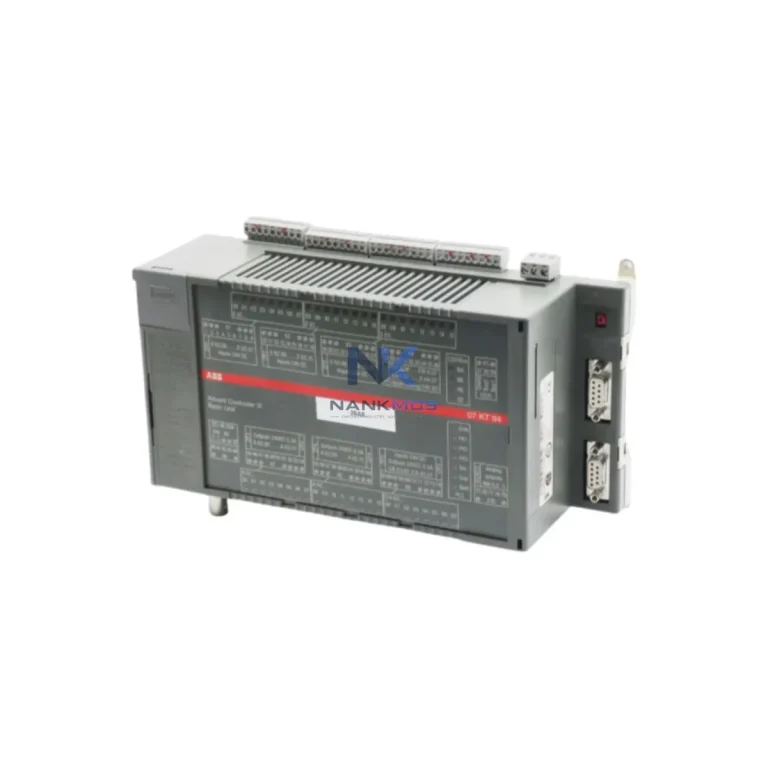
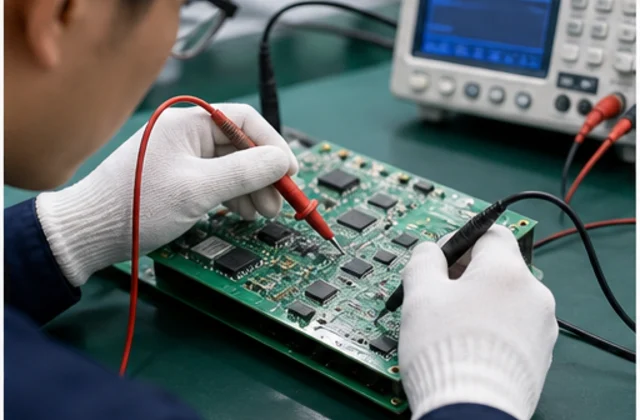
 Functional Inspection
100% tested on professional platforms to ensure stable performance.
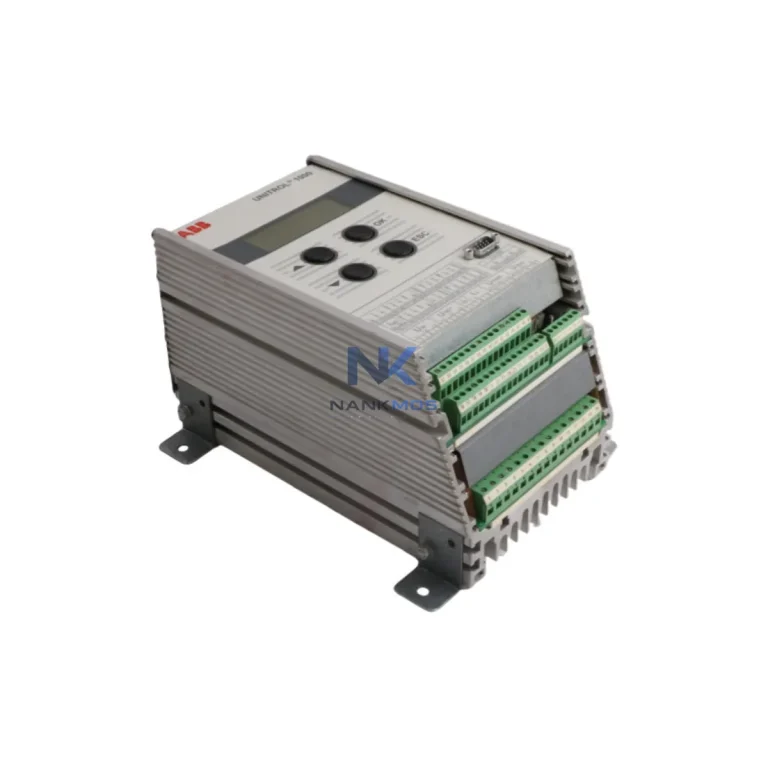
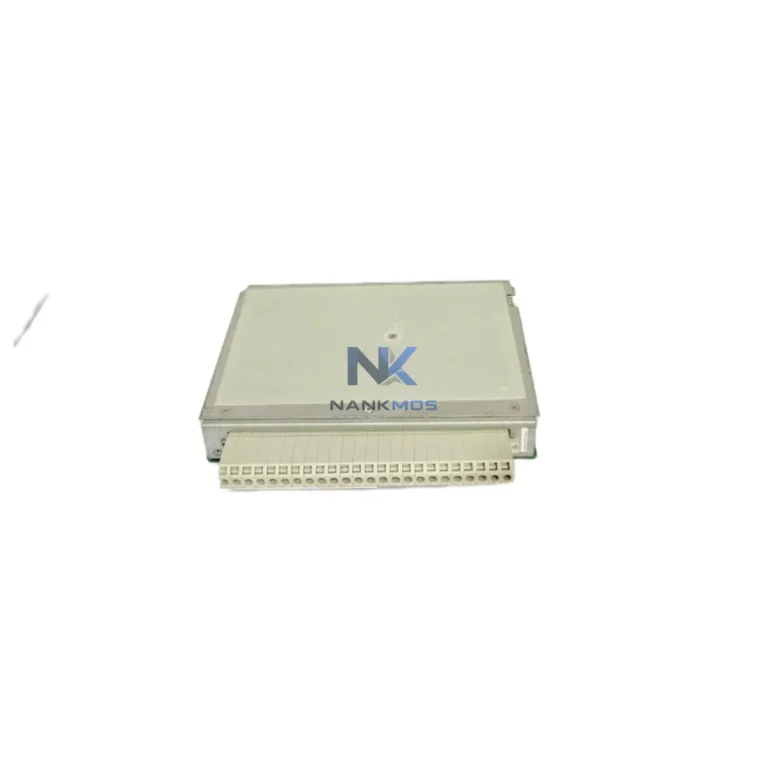
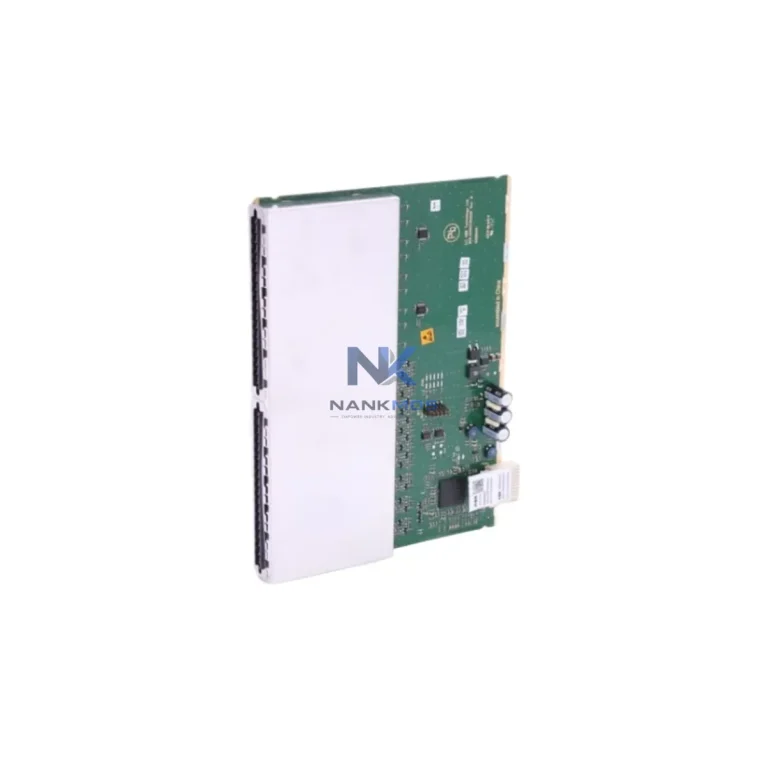
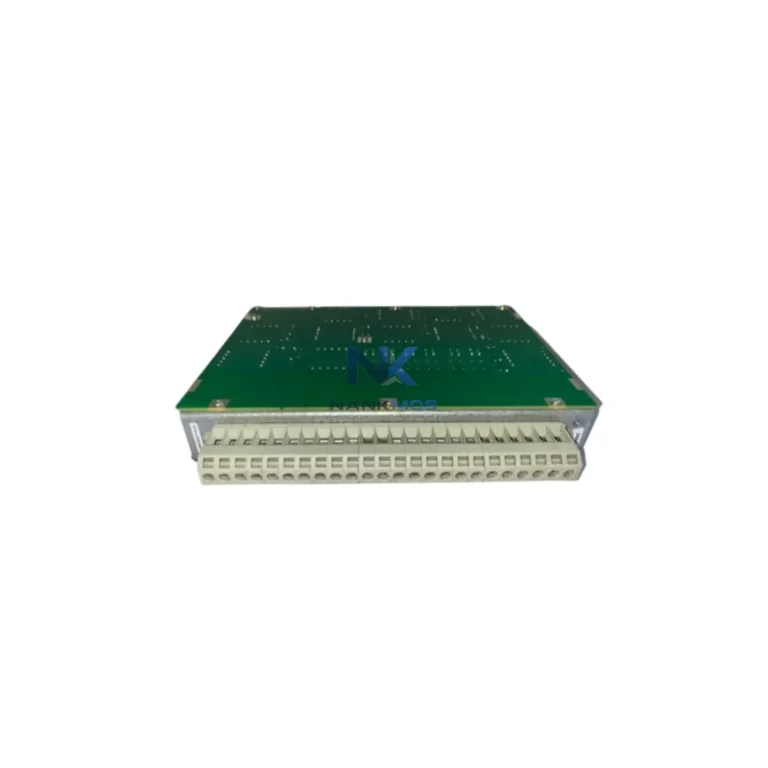
ABB TP830 3BSE018114R1 is a NANKMOS industrial automation product record Listed under Symphony Plus series and Business & Industrial > Automation, Control & Flow Devices. Confirm condition, availability, lead time, compatibility and documentation by email inquiry.
Brand names are used for identification only.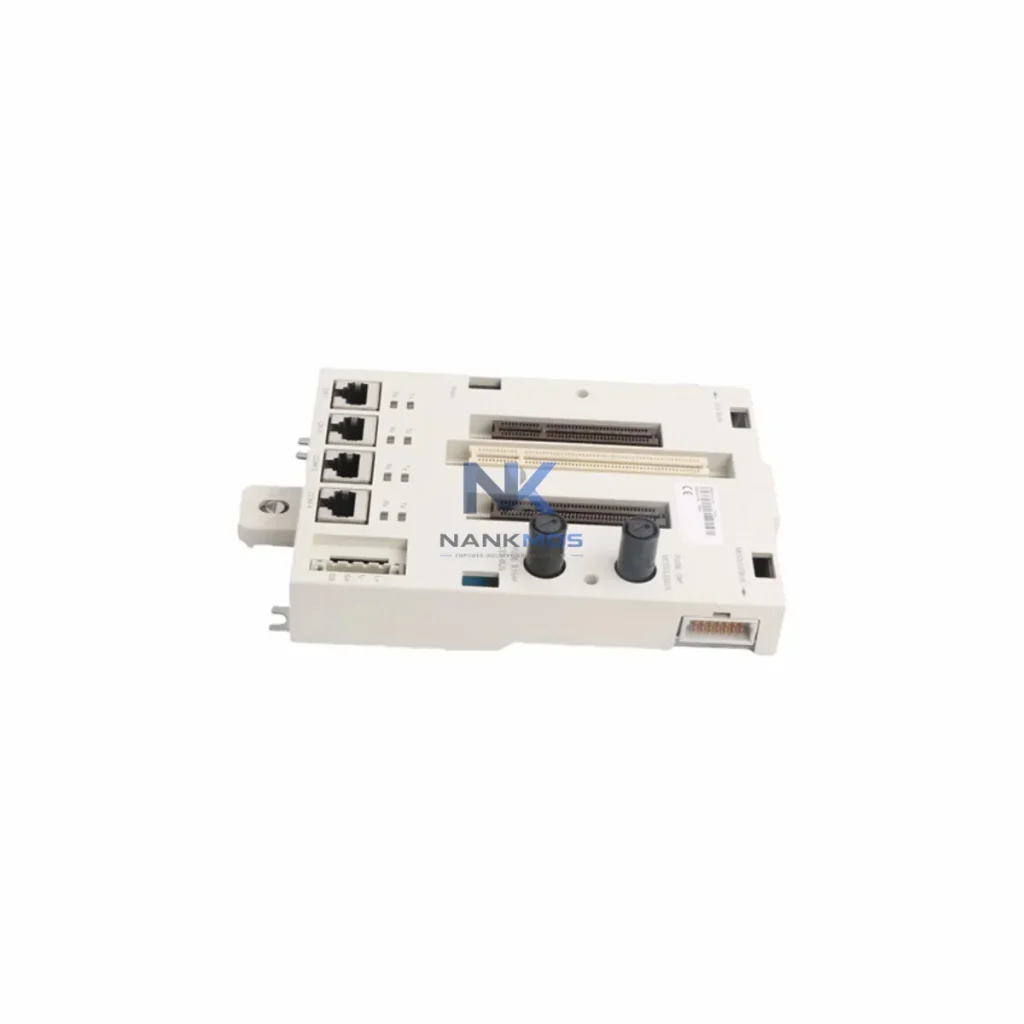
ABB TP830 3BSE018114R1 is a NANKMOS industrial automation product record Listed under Symphony Plus series and Business & Industrial > Automation, Control & Flow Devices. Confirm condition, availability, lead time, compatibility and documentation by email inquiry.
| Manufacturer | ABB |
|---|---|
| Application | Industrial Network Communication |
| Part Number / Model | TP830 3BSE018114R1 |
| Compatible System | Symphony Plus |
| Series | Symphony Plus |
| Condition Options | To Confirm |
| Module Type | Communication Module |
| Warranty | 12 Months |
| Packaging | Anti-static Bag / Secure Box |
| Shipping Methods | DHL / FedEx / UPS / Air / Sea |
| Availability | To Confirm |
| Lead Time | To Confirm |
| Documentation | Part number and revision checked before quote |
The ABB TP830 (3BSE018114R1) is a high-performance network communication module engineered for the ABB Symphony Plus Distributed Control System platform. Designed to serve as the backbone of industrial data exchange, this module enables seamless, deterministic communication between field-level devices, PLC controllers, remote I/O stations, HMI panels, SCADA servers, and enterprise-level supervisory systems. In an era where smart factory connectivity defines operational efficiency, the TP830 delivers the protocol bridging, real-time data throughput, and network stability that modern automation sites demand.
In a fully integrated smart factory, data must flow without interruption from the sensor floor to the enterprise dashboard. The ABB TP830 3BSE018114R1 sits at the heart of this architecture, managing the communication layer within the Symphony Plus DCS cluster. At the field level, process sensors — including pressure transmitters, temperature sensors, and flow meters — feed analog and digital signals into ABB S800 I/O modules such as the AI810 and DI810, which digitize and forward this data upstream through the Symphony Plus backplane.
The TP830 module coordinates this data flow across the cluster bus, ensuring that each controller node — including the ABB PM866 processor module — receives accurate, time-stamped process values. This deterministic communication eliminates latency-induced errors that can compromise closed-loop control in high-speed processes such as chemical dosing, turbine control, and power generation management.
As data moves upward through the network stack, the TP830 interfaces with ABB SC510 communication controllers and optical fiber links to bridge the DCS cluster with plant-wide Ethernet infrastructure. This enables SCADA platforms — such as ABB System 800xA or third-party systems using OPC-UA — to pull live process data for real-time visualization, trend analysis, and alarm management. Operators at ABB Panel 800 HMI stations can monitor loop performance, acknowledge alarms, and initiate setpoint changes without leaving the control room, all made possible by the reliable data pipeline the TP830 sustains.
For sites integrating variable frequency drives and motor control, the TP830 supports data exchange with ABB ACS880 drive systems via PROFIBUS DP gateway configurations, enabling speed feedback, fault diagnostics, and energy consumption data to be captured within the DCS historian. Similarly, remote I/O cabinets equipped with ABB TB820 bus modem modules extend the communication reach to field junction boxes hundreds of meters from the main control room, maintaining signal integrity over optical fiber links.
Edge computing nodes and industrial gateways — such as those running ABB Ability™ Edge software — can subscribe to the TP830's data streams to perform local analytics, predictive maintenance calculations, and anomaly detection before forwarding condensed insights to cloud-based MES or ERP platforms. This layered architecture, anchored by the TP830, transforms isolated field devices into nodes of a unified, intelligent factory network.
Many industrial facilities operate with fragmented automation architectures — legacy PLCs running proprietary protocols, standalone SCADA islands with no unified data model, and remote field stations that report only during scheduled polling cycles. These data gaps create blind spots: undetected equipment degradation, delayed alarm response, and production losses that go untracked until a shutdown occurs.
The ABB TP830 3BSE018114R1 directly addresses these challenges within Symphony Plus environments. Its cluster bus communication architecture eliminates polling delays by enabling event-driven data updates, ensuring that critical process changes — such as a pressure spike or a valve fault — are immediately propagated to the SCADA layer and logged in the DCS historian. This real-time alarm propagation reduces mean time to respond (MTTR) and supports root-cause analysis through accurate event sequencing.
For sites transitioning from legacy DCS platforms, the TP830 supports phased integration strategies. Existing PROFIBUS DP field devices can be retained and connected through compatible gateway modules, preserving capital investment while upgrading the communication backbone. OPC-UA compatibility at the supervisory layer means that third-party MES systems, energy management platforms, and quality control databases can access live process data without custom middleware development.
Remote diagnostic capability is another critical advantage. Maintenance engineers can interrogate the TP830's communication status, error counters, and node health indicators from the System 800xA engineering workstation without physical access to the cabinet. This remote visibility reduces planned maintenance visits, supports condition-based maintenance strategies, and enables rapid fault isolation when network anomalies occur — all contributing to higher overall equipment effectiveness (OEE) and reduced unplanned downtime.
System scalability is built into the Symphony Plus architecture. As production lines expand or new process units are commissioned, additional TP830 modules and S800 I/O clusters can be added to the existing network without redesigning the communication topology. This modular expandability protects long-term automation investment and supports the incremental digitalization roadmap that most industrial operators pursue.
Q1: What communication protocols does the ABB TP830 3BSE018114R1 support? The TP830 operates natively on the ABB Symphony Plus cluster bus protocol, providing deterministic, real-time communication between DCS nodes. It supports PROFIBUS DP connectivity via compatible gateway modules, and the Symphony Plus platform integrates with OPC-UA at the supervisory level, enabling data exchange with SCADA, MES, and ERP systems without proprietary middleware.
Q2: How does the TP830 ensure network stability in high-noise industrial environments? The TP830 is designed for industrial-grade electromagnetic compatibility (EMC). Optical fiber communication links between cluster nodes eliminate ground loop interference and provide immunity to high-voltage switching noise common in motor control centers and variable frequency drive installations. The module's hardware watchdog and self-diagnostic routines continuously monitor communication health and trigger alerts before network degradation affects process control.
Q3: Can the ABB TP830 support remote diagnostics and predictive maintenance workflows? Yes. The TP830 exposes communication status, error logs, and node health data through the ABB System 800xA engineering environment. Maintenance teams can remotely monitor bus load, frame error rates, and module temperature without physical cabinet access. This data feeds predictive maintenance models and supports condition-based maintenance scheduling, reducing unplanned downtime and extending module service life.
Q4: What warranty and pre-shipment testing does NANKMOS provide for the TP830 3BSE018114R1? Every ABB TP830 3BSE018114R1 unit supplied by NANKMOS carries a 12-Month Warranty from the date of shipment. Prior to dispatch, each module undergoes a full functional test to verify communication integrity, backplane interface operation, and firmware version compatibility. In-stock units are available for immediate shipment, and our technical team provides post-sale support for integration and commissioning queries.
Functional Inspection100% tested on professional platforms to ensure stable performance.
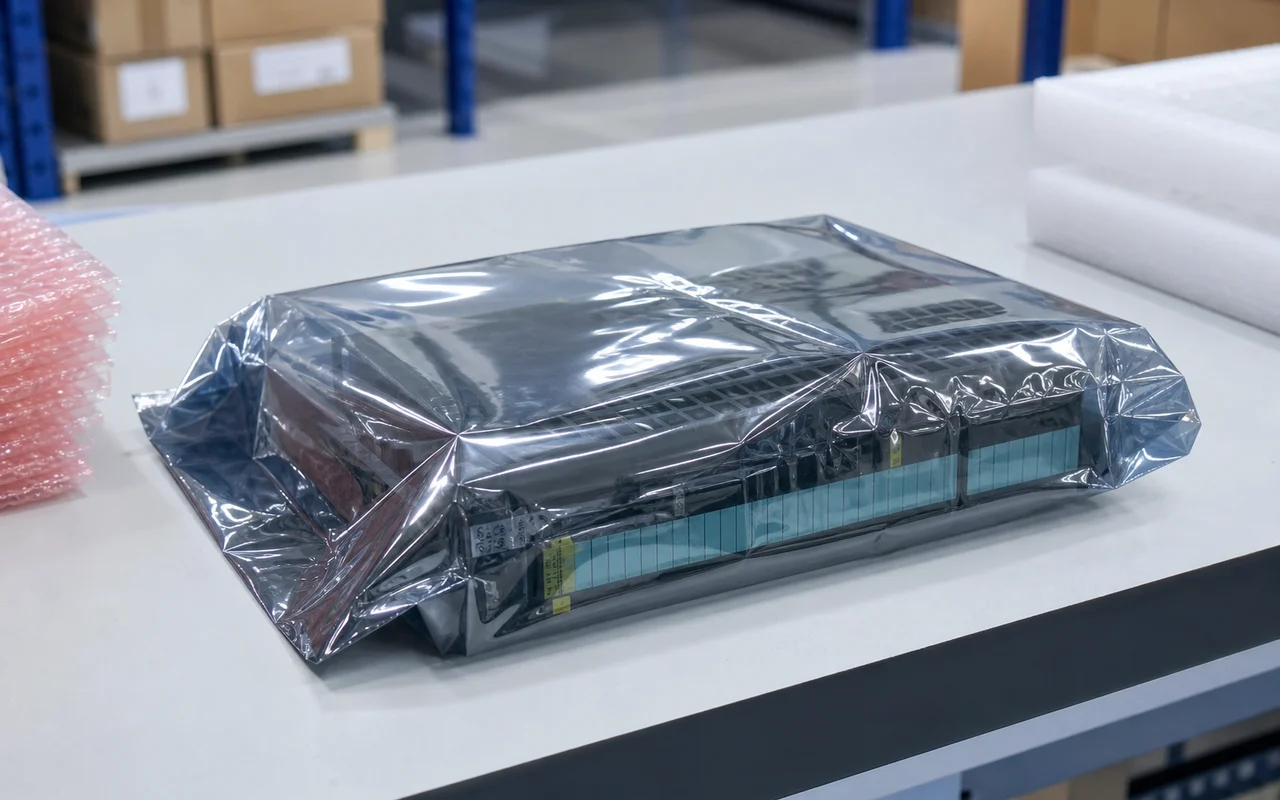 Anti-static Packaging
Modules are packed in anti-static bags to prevent electrostatic damage.
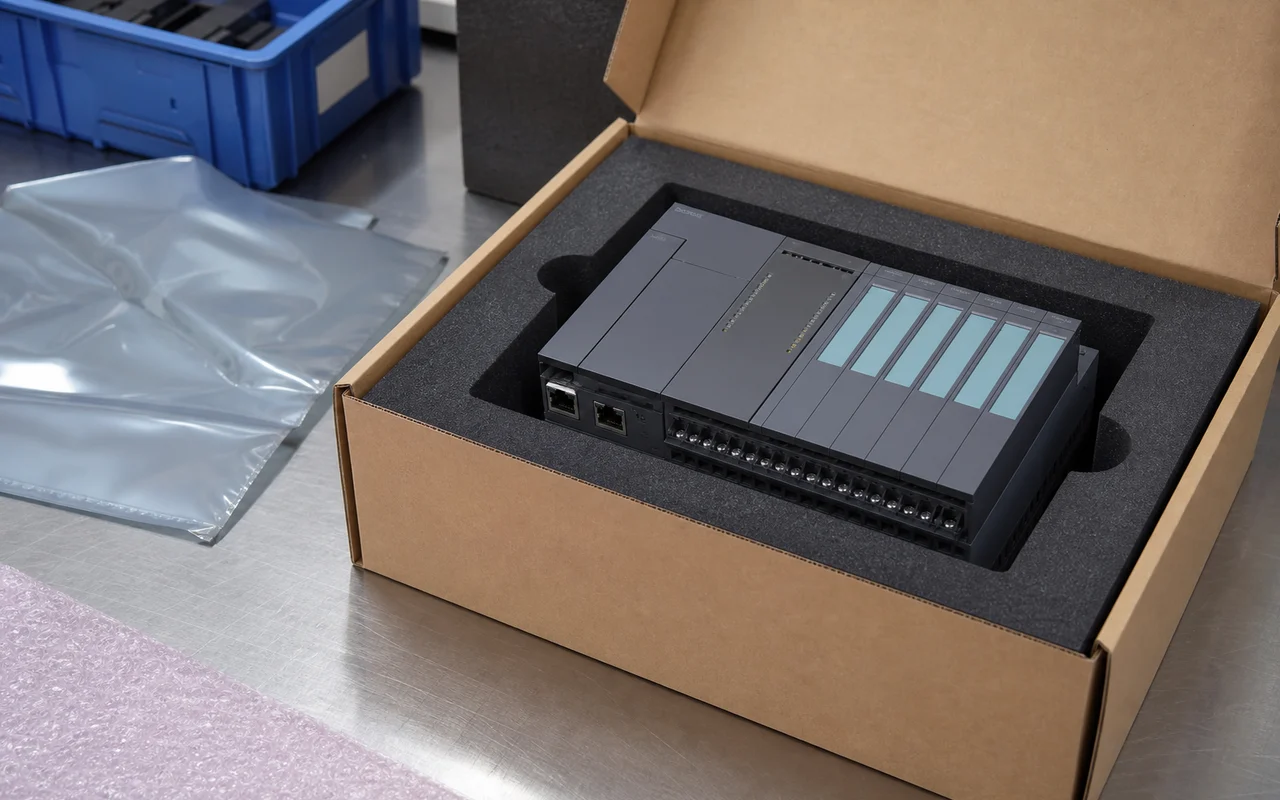 Secure Export Packing
Cushion protection and strong cartons ensure safe transportation.
 Worldwide Shipping
Global logistics network supports air, sea and express delivery.
 Documentation Check
Part number, revision and compatibility verified before shipment.
 After-sales Support
Professional technical support to help resolve your issues.