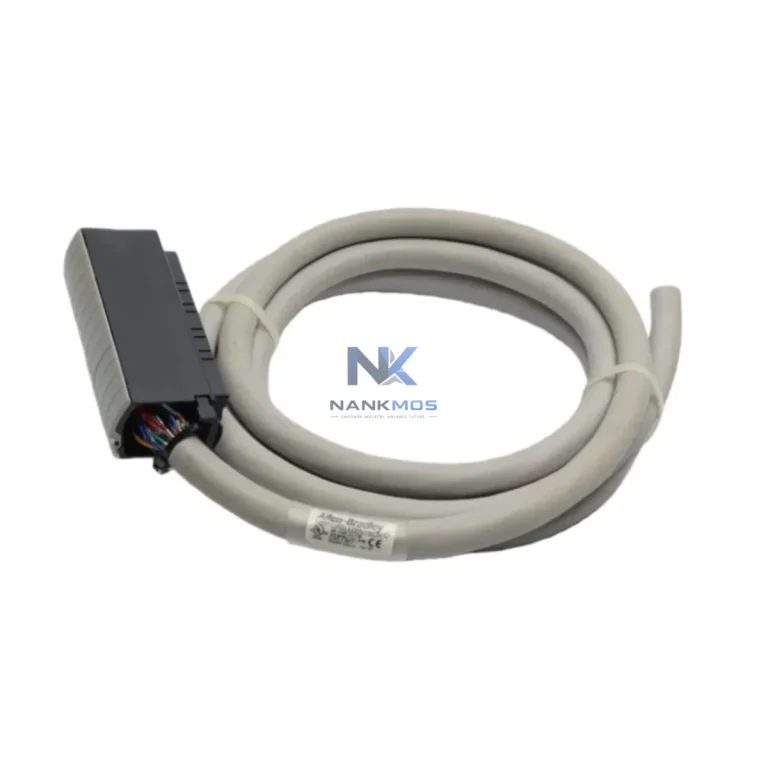
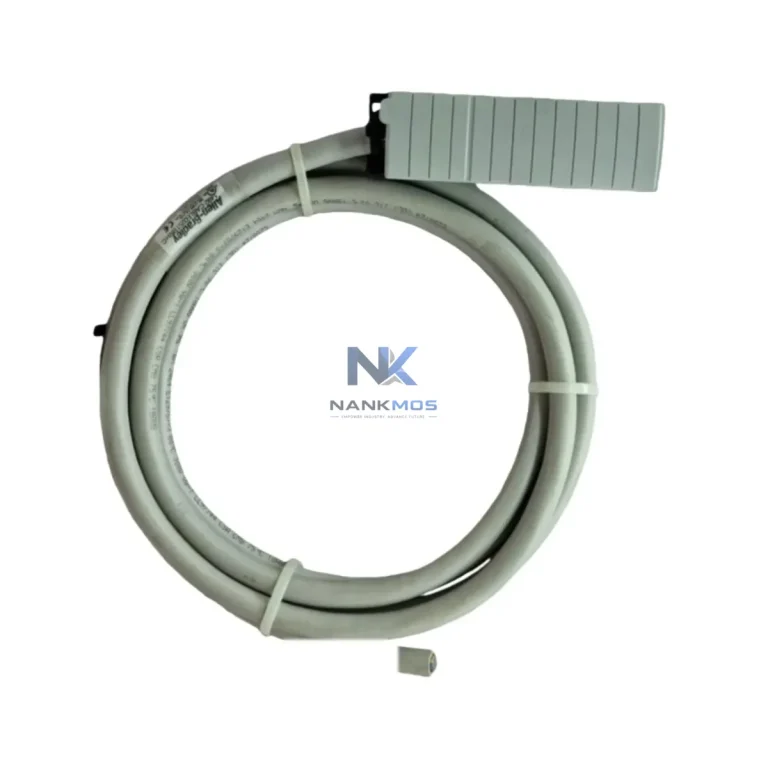
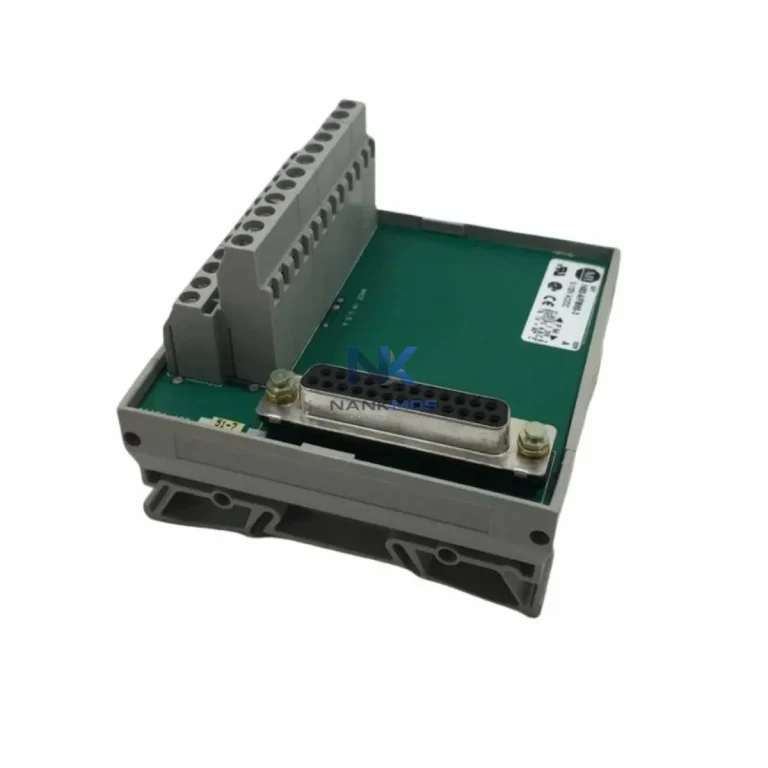
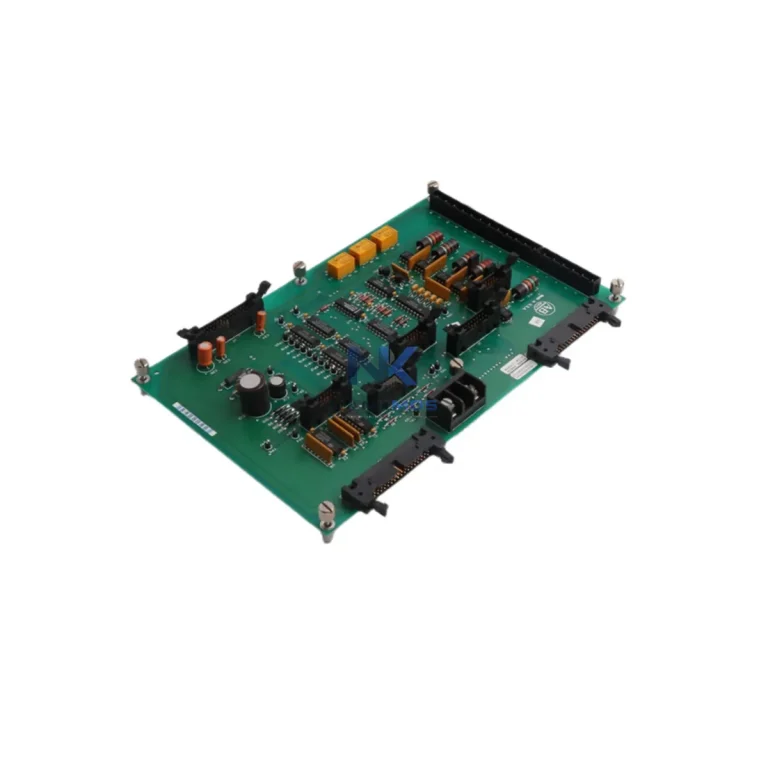
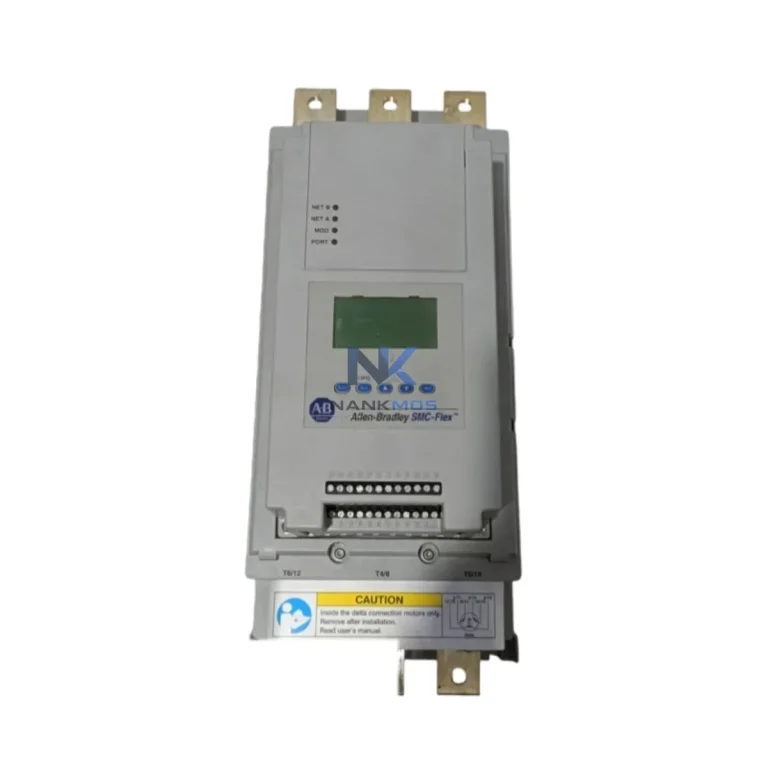
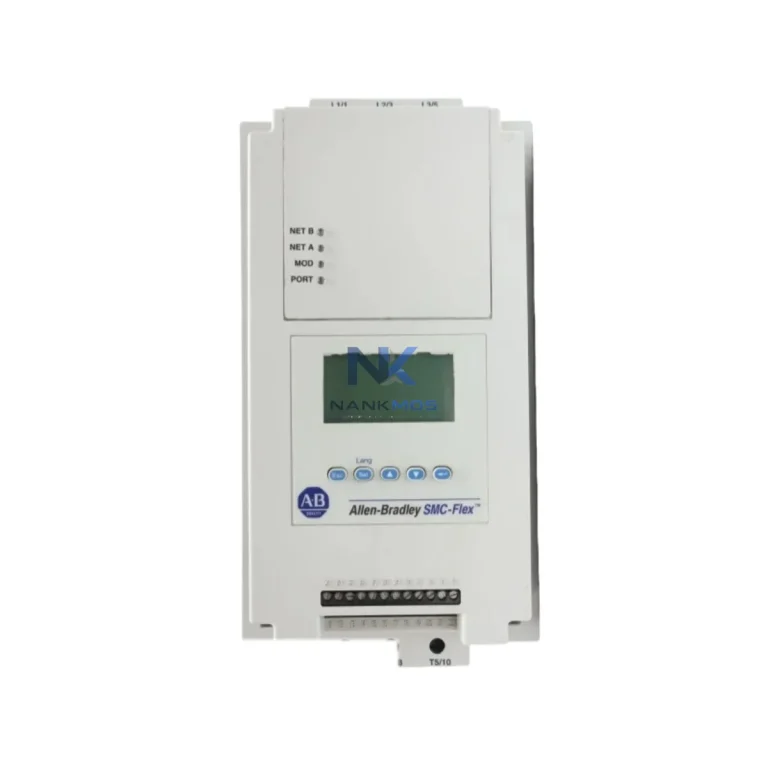
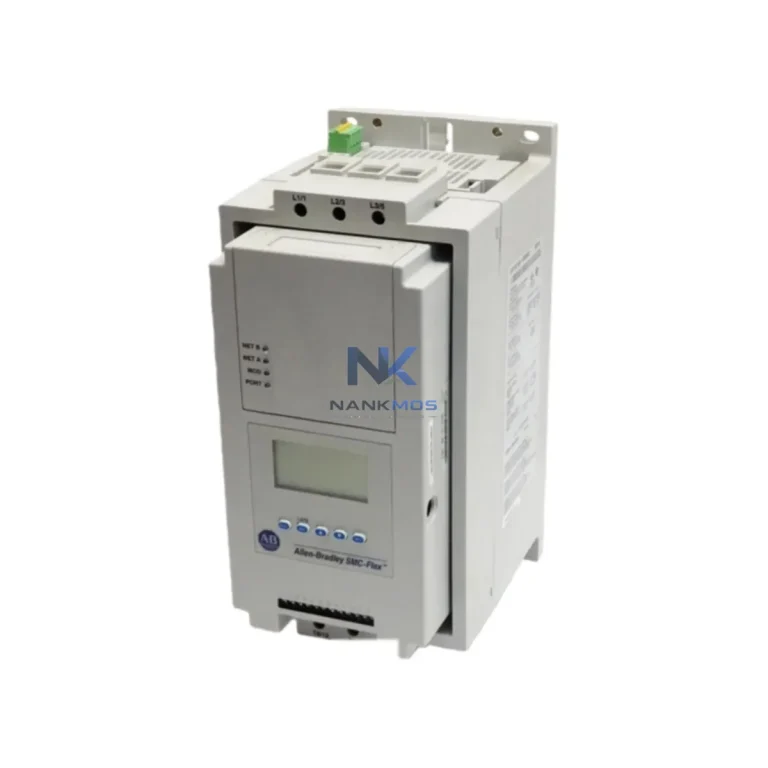
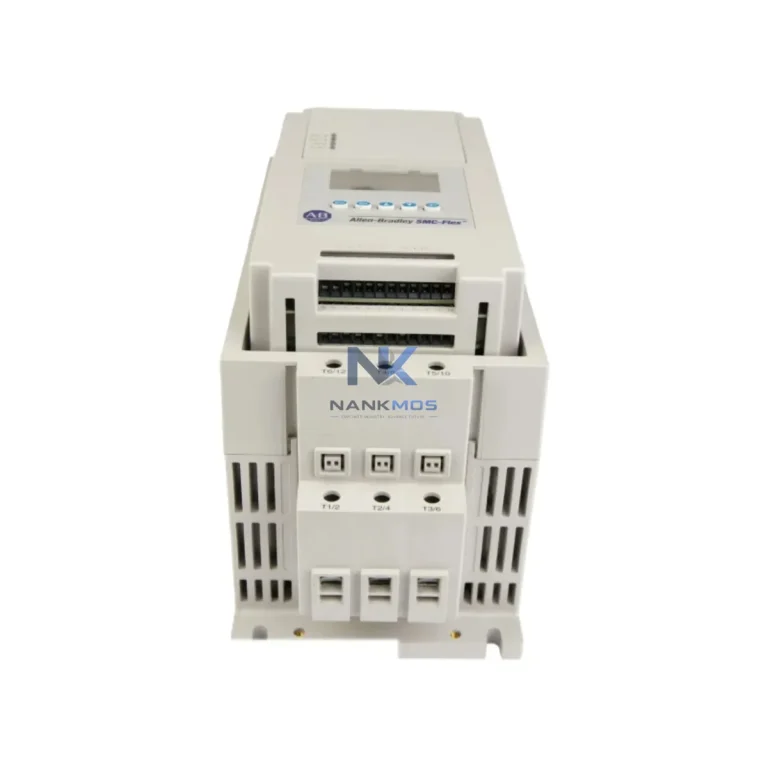
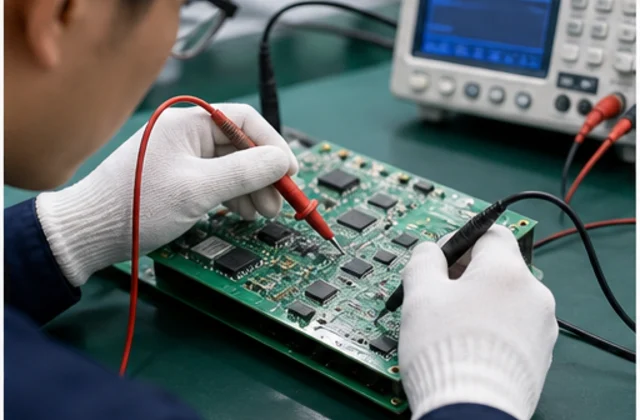
 Functional Inspection
100% tested on professional platforms to ensure stable performance.
Allen-Bradley 1771-ACN is a NANKMOS industrial automation product record Listed under PLC-5 series and Business & Industrial > Automation, Control & Flow Devices > Programmable Logic Controllers. Confirm condition, availability, lead time, compatibility and documentation by email inquiry.
Brand names are used for identification only.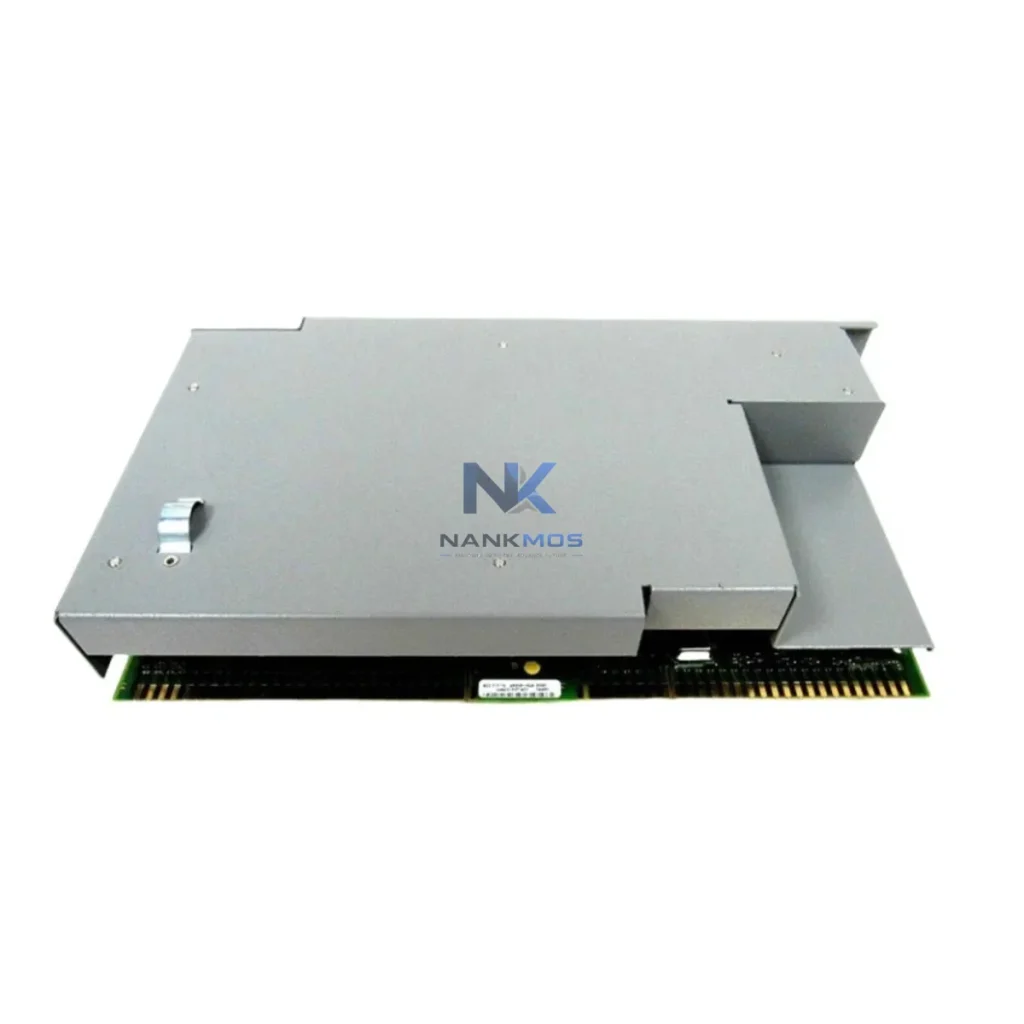
Allen-Bradley 1771-ACN is a NANKMOS industrial automation product record Listed under PLC-5 series and Business & Industrial > Automation, Control & Flow Devices > Programmable Logic Controllers. Confirm condition, availability, lead time, compatibility and documentation by email inquiry.
| Manufacturer | Allen-Bradley |
|---|---|
| Application | Controller Processing & System Control |
| Part Number / Model | 1771-ACN |
| Compatible System | PLC-5 |
| Series | PLC-5 |
| Condition Options | To Confirm |
| Module Type | Controller / CPU Module |
| Warranty | 12 Months |
| Packaging | Anti-static Bag / Secure Box |
| Shipping Methods | DHL / FedEx / UPS / Air / Sea |
| Availability | To Confirm |
| Lead Time | To Confirm |
| Documentation | Part number and revision checked before quote |
The Allen-Bradley 1771-ACN is a Remote I/O Adapter Module engineered for the PLC-5 platform, delivering structured, low-latency communication between the programmable logic controller and distributed I/O chassis across demanding industrial environments. In energy-intensive production facilities — including automotive assembly, food processing, chemical manufacturing, and discrete parts production — the 1771-ACN plays a foundational role in reducing unnecessary energy consumption by enabling precise, real-time control of field devices, motor starters, and actuator banks. By eliminating uncoordinated polling cycles and consolidating I/O data into efficient Remote I/O (RIO) scan cycles, the module directly contributes to leaner energy budgets and more predictable production throughput.
Deployed as part of a broader Allen-Bradley PLC-5 control architecture, the 1771-ACN connects remote I/O racks to the main processor over a dedicated 57.6 kbps or 115.2 kbps RIO link, ensuring that field-level signals — from proximity sensors, limit switches, pressure transmitters, and motor feedback devices — reach the controller with minimal latency. This tight integration supports energy-aware sequencing logic: the PLC-5 processor can de-energize idle motor branches, stagger drive start sequences to suppress inrush current peaks, and coordinate variable frequency drive (VFD) ramp profiles based on real-time I/O state. The result is a measurable reduction in peak demand charges and thermal loading across the switchgear and motor control center (MCC).
The 1771-ACN does not operate in isolation — its energy control value is fully realized when integrated within a coordinated automation architecture. In a typical PLC-5-based production cell, the adapter communicates upstream with the Allen-Bradley PLC-5/40 or PLC-5/80 processor, which executes the ladder logic responsible for load scheduling and motor sequencing. Downstream, the 1771-ACN interfaces with 1771-series digital and analog I/O modules, including the 1771-OBD DC output module for motor starter coil control and the 1771-IFE analog input module for current and voltage feedback from field instruments.
For drive-intensive lines, the 1771-ACN's I/O data feeds directly into the control logic governing PowerFlex 700 and PowerFlex 40 variable frequency drives via hardwired I/O or through a 1203-GU6 Universal Gateway that bridges RIO to DeviceNet. This allows the PLC-5 to issue speed reference commands, enable/disable signals, and fault reset sequences to multiple drives simultaneously — coordinating ramp-up profiles to suppress inrush current and reduce mechanical stress on couplings and gearboxes. The energy savings from staggered motor starts across a 10-drive production line can be substantial, particularly in facilities where peak demand tariffs apply.
On the monitoring side, the 1771-ACN supports integration with PowerMonitor 3000 or PowerMonitor 5000 power quality meters via the PLC-5 data highway (DH+), enabling the controller to correlate I/O state changes with real-time kW and kVAR readings. This closed-loop awareness allows the system to detect abnormal load signatures — such as a motor drawing excess current due to mechanical binding — and trigger predictive maintenance alerts before a fault escalates into unplanned downtime. The 1771-SDN Scanner Module can extend the 1771 chassis into a DeviceNet network, adding smart sensor nodes, ArmorBlock I/O, and distributed motor protection relays to the energy monitoring fabric.
For operator visibility, process data aggregated through the 1771-ACN is surfaced on PanelView Plus 7 HMI terminals running FactoryTalk View ME, giving line operators real-time dashboards of motor run states, drive output frequency, and energy consumption per production zone. At the supervisory level, FactoryTalk Historian and SCADA platforms connected via DH+ or an 1761-NET-AIC Advanced Interface Converter log I/O scan data for trend analysis, shift reporting, and energy KPI tracking — closing the loop between field-level control and plant-wide energy management systems (EMS).
In high-throughput manufacturing environments, uncoordinated I/O communication is a hidden source of energy waste. When field devices are polled inefficiently or motor control signals are delayed, machines run longer than necessary, drives operate outside their optimal efficiency bands, and thermal losses accumulate in cables, contactors, and motor windings. The 1771-ACN addresses this at the architecture level by providing a deterministic, high-speed RIO link that keeps the PLC-5 processor synchronized with the actual state of every output coil, drive enable signal, and sensor input across the remote chassis.
This synchronization enables several energy optimization strategies. First, idle-state de-energization: when a production zone completes its cycle and no downstream demand is pending, the PLC-5 logic — informed by accurate I/O state data from the 1771-ACN — can safely de-energize conveyor motors, cooling fans, and pneumatic valve solenoids, eliminating standby losses that accumulate over multi-shift operations. Second, load sequencing: by staggering the start commands issued to multiple motor branches, the controller prevents simultaneous inrush current spikes that inflate peak demand readings and stress the facility's power distribution infrastructure. Third, drive efficiency tracking: analog feedback from current transducers wired into 1771-series analog input modules gives the PLC-5 continuous visibility into motor shaft load, enabling speed setpoint adjustments on connected VFDs to keep drives operating near their peak efficiency curves.
From a maintenance and reliability perspective, the 1771-ACN's stable RIO communication reduces the risk of spurious output activations caused by communication timeouts — a common source of unplanned motor starts that waste energy and accelerate mechanical wear. Pre-shipment testing of each 1771-ACN unit ensures that communication integrity is validated before installation, reducing commissioning time and the risk of early-life failures that could disrupt production schedules. With a 12-month warranty and confirmed in-stock availability, procurement teams can plan replacement cycles and spare parts inventories with confidence, avoiding the costly downtime associated with extended lead times on legacy PLC-5 components.
For facilities planning a migration from PLC-5 to ControlLogix or CompactLogix platforms, the 1771-ACN can continue to serve existing remote I/O racks during a phased transition, with the 1756-DHRIO module providing RIO scanner capability on the new ControlLogix backplane. This migration path protects the existing I/O infrastructure investment while enabling the energy management and analytics capabilities of the Studio 5000 / FactoryTalk ecosystem.
Q1: How does the 1771-ACN contribute to measurable energy savings on a production line? The 1771-ACN enables the PLC-5 processor to maintain real-time, deterministic control over all remote I/O points, which is the prerequisite for any energy optimization strategy. With accurate, low-latency I/O state data, the controller can implement idle de-energization routines, stagger motor start sequences to reduce peak demand, and adjust VFD speed references based on actual load feedback — all of which translate directly into reduced kWh consumption and lower peak demand charges.
Q2: Is the 1771-ACN compatible with modern energy monitoring and SCADA systems? Yes. The 1771-ACN operates within the Allen-Bradley RIO network managed by the PLC-5 processor, which communicates with SCADA platforms via DH+ or Ethernet using gateway devices such as the 1761-NET-AIC or ControlLogix 1756-DHRIO bridge. PowerMonitor 3000/5000 meters and FactoryTalk Historian can aggregate energy data alongside I/O state logs, providing a unified view of production activity and energy consumption for EMS and ISO 50001 reporting purposes.
Q3: What is the recommended replacement or upgrade path if the 1771-ACN reaches end of service life? For facilities committed to the PLC-5 platform, a direct replacement 1771-ACN unit is the most straightforward option — in-stock units are pre-shipment tested and covered by a 12-month warranty. For facilities planning a platform migration, the ControlLogix 1756-DHRIO module provides RIO scanner functionality on the new backplane, allowing existing 1771 remote I/O racks to remain in service during a phased transition to Studio 5000-based control.
Q4: What does the pre-shipment testing process cover, and what does the 12-month warranty include? Each 1771-ACN unit undergoes functional verification of RIO communication at both supported baud rates, backplane power draw validation, and I/O scan integrity testing prior to shipment. The 12-month warranty covers manufacturing defects and communication failures under normal operating conditions, providing assurance for both immediate deployment and spare parts inventory planning. In-stock availability ensures rapid fulfillment to minimize production downtime during unplanned replacements.
Functional Inspection100% tested on professional platforms to ensure stable performance.
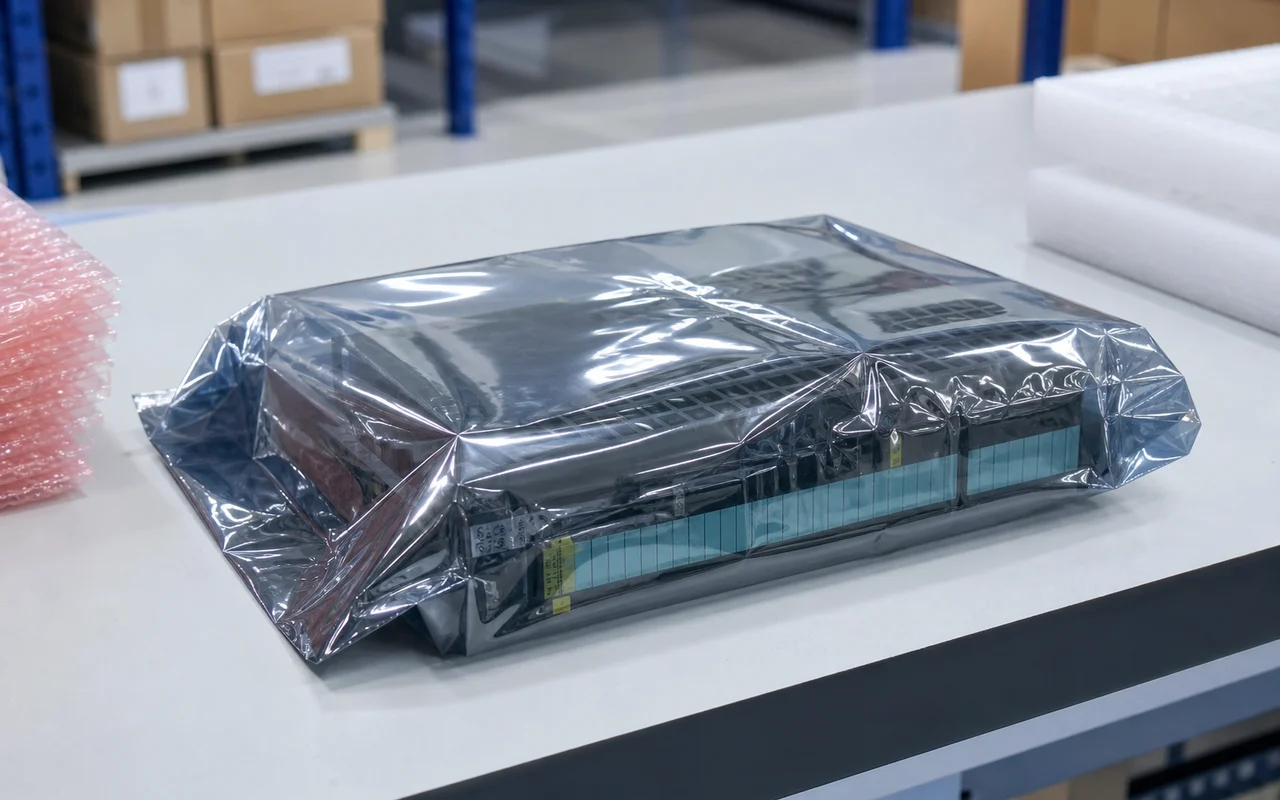 Anti-static Packaging
Modules are packed in anti-static bags to prevent electrostatic damage.
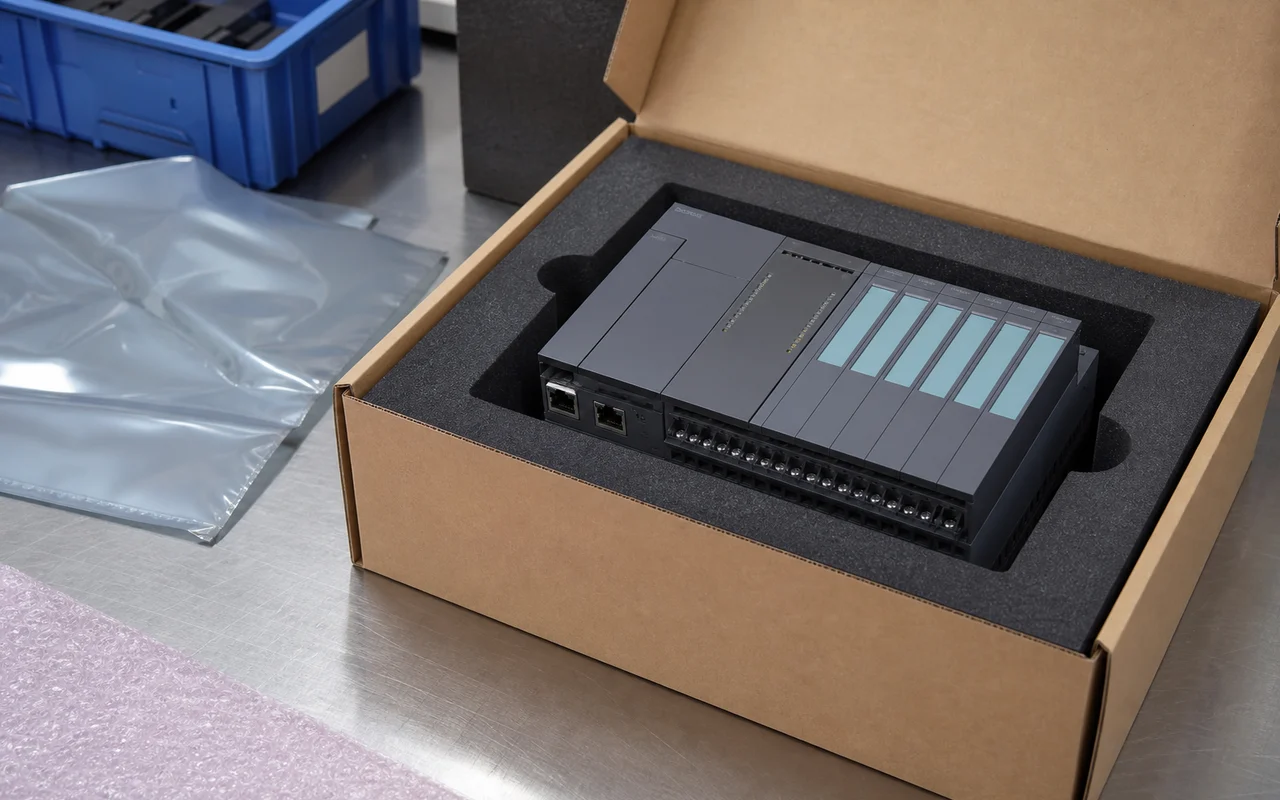 Secure Export Packing
Cushion protection and strong cartons ensure safe transportation.
 Worldwide Shipping
Global logistics network supports air, sea and express delivery.
 Documentation Check
Part number, revision and compatibility verified before shipment.
 After-sales Support
Professional technical support to help resolve your issues.