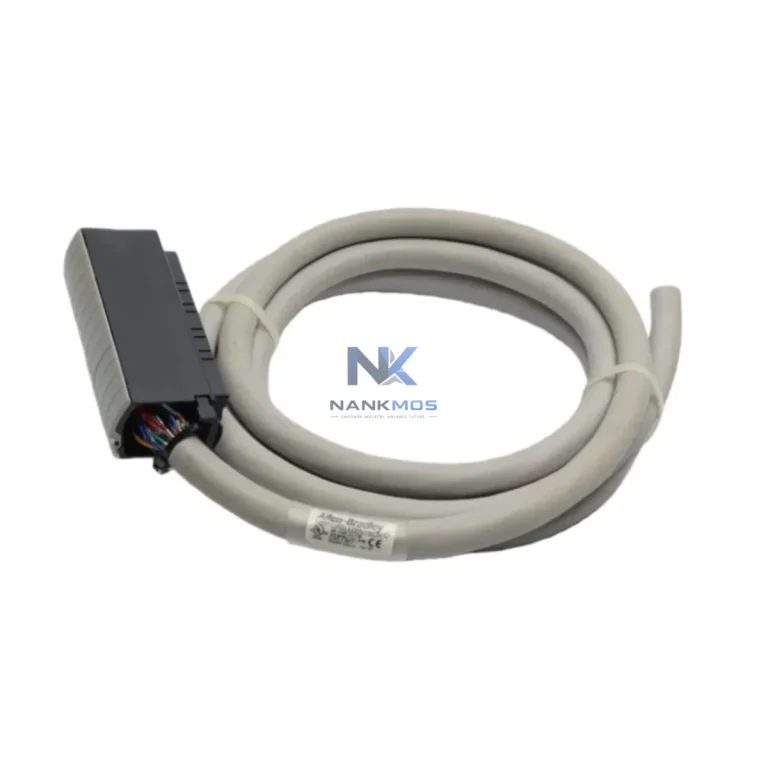
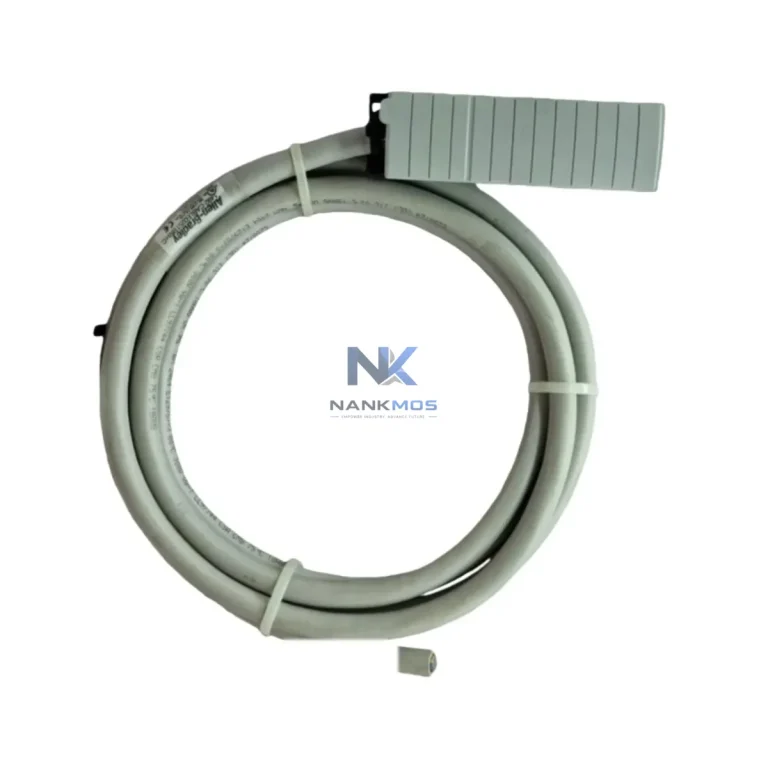
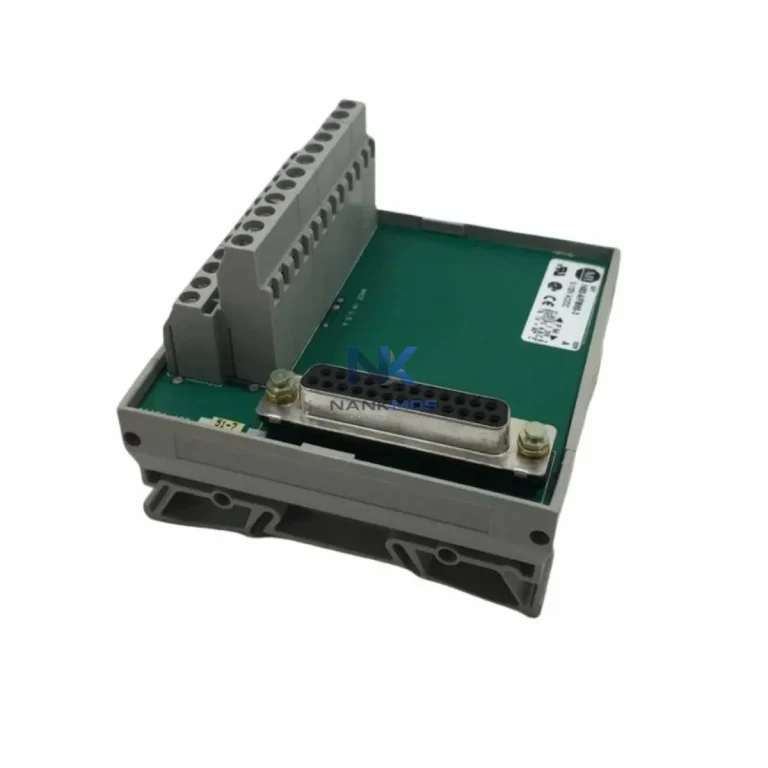
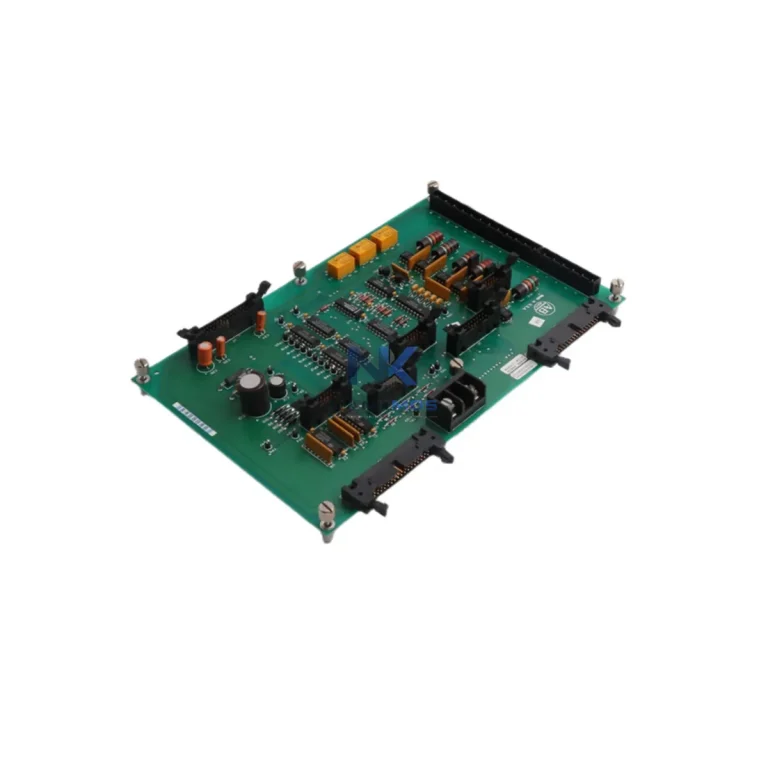
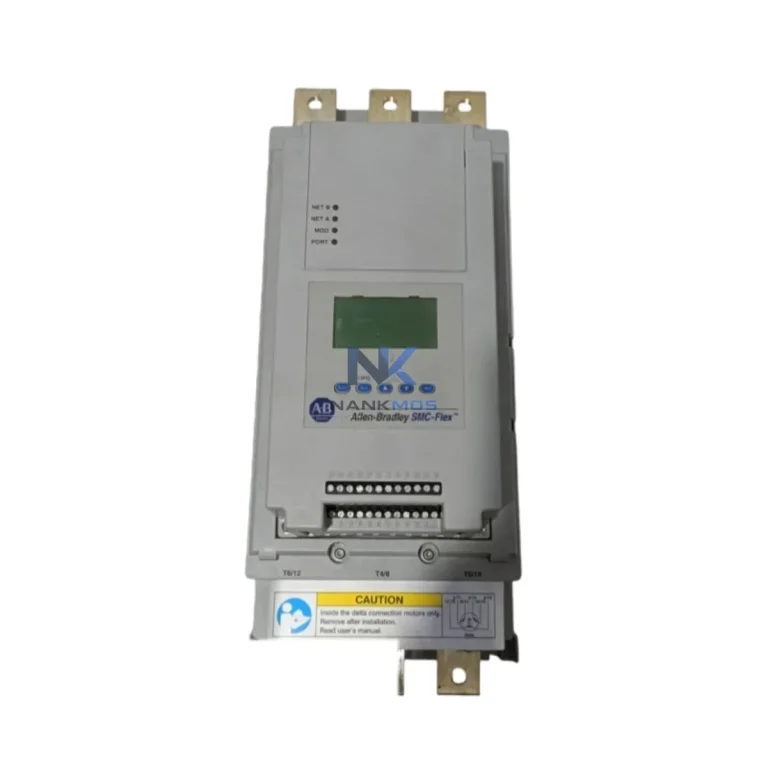
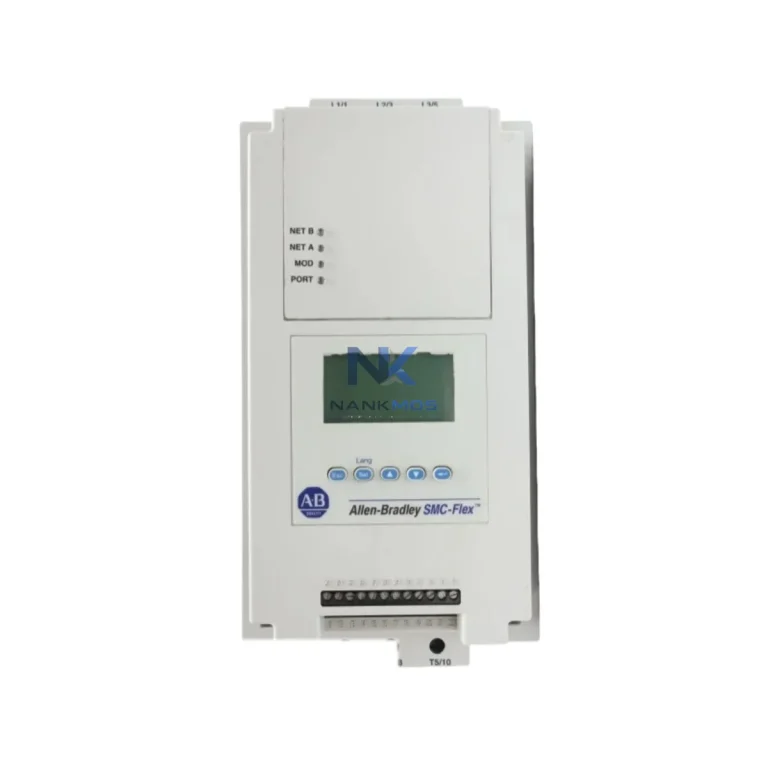
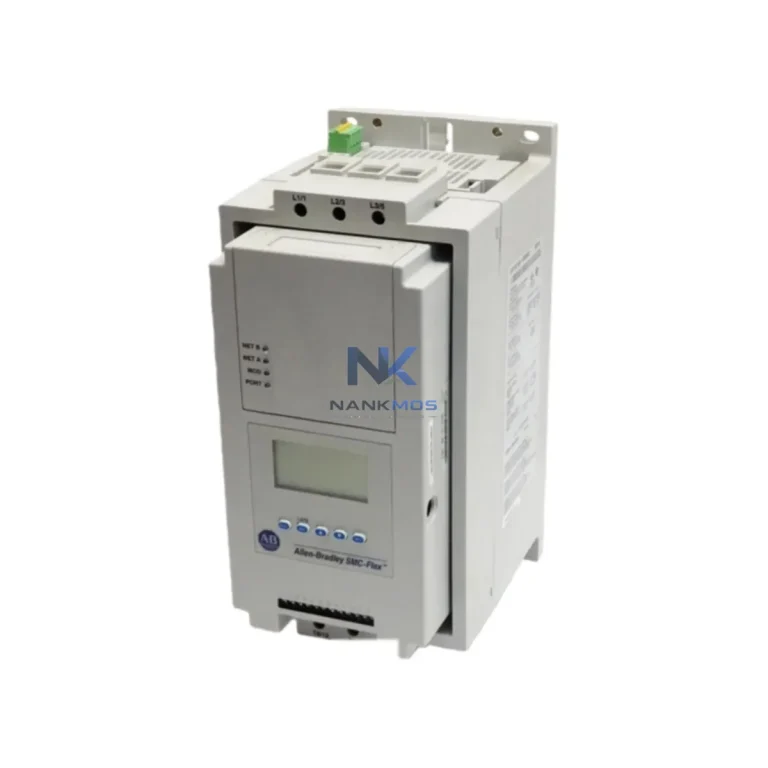
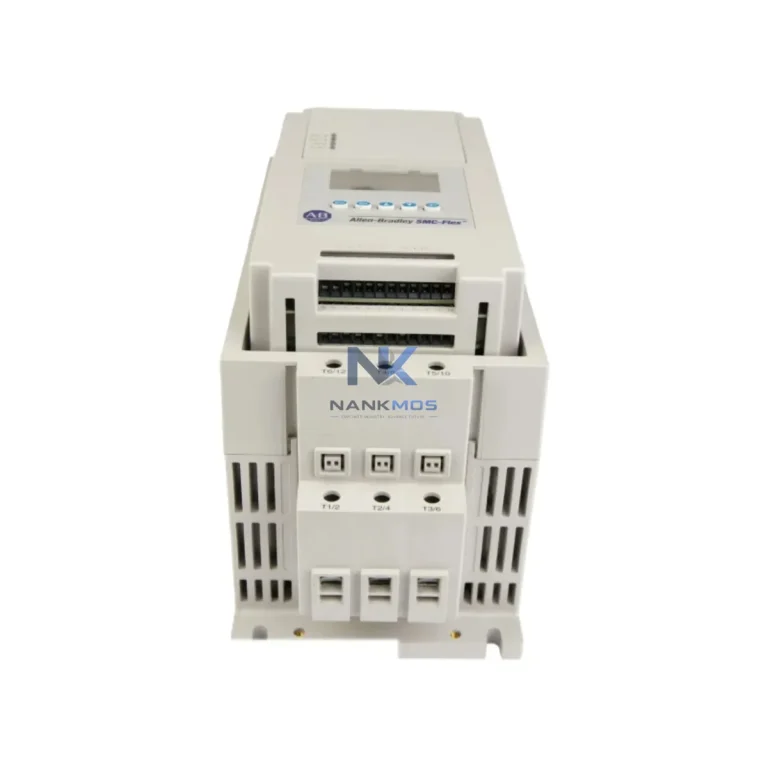
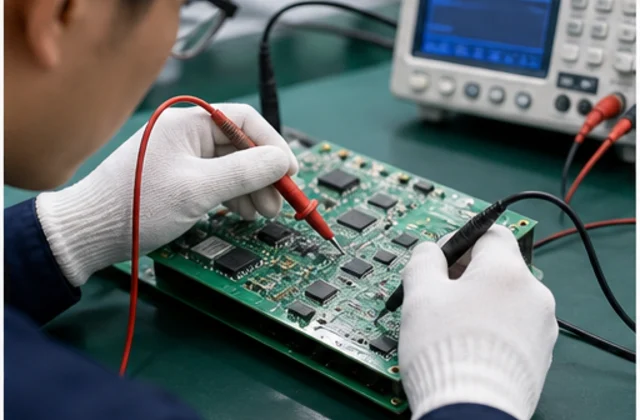
 Functional Inspection
100% tested on professional platforms to ensure stable performance.
Allen-Bradley 1771-OB is a NANKMOS industrial automation product record Listed under PLC-5 series and Business & Industrial > Automation, Control & Flow Devices > Programmable Logic Controllers. Confirm condition, availability, lead time, compatibility and documentation by email inquiry.
Brand names are used for identification only.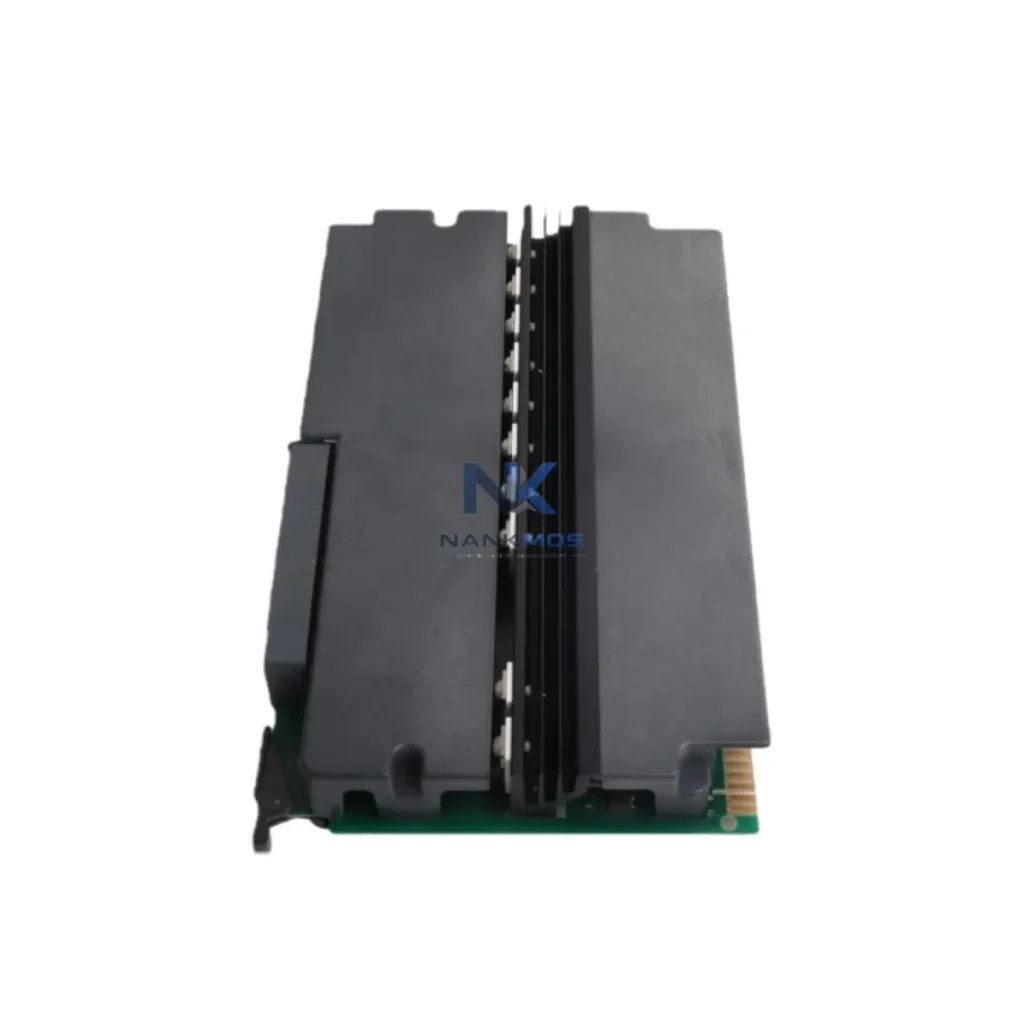
Allen-Bradley 1771-OB is a NANKMOS industrial automation product record Listed under PLC-5 series and Business & Industrial > Automation, Control & Flow Devices > Programmable Logic Controllers. Confirm condition, availability, lead time, compatibility and documentation by email inquiry.
| Manufacturer | Allen-Bradley |
|---|---|
| Application | Controller Processing & System Control |
| Part Number / Model | 1771-OB |
| Compatible System | PLC-5 |
| Series | PLC-5 |
| Condition Options | To Confirm |
| Module Type | Controller / CPU Module |
| Warranty | 12 Months |
| Packaging | Anti-static Bag / Secure Box |
| Shipping Methods | DHL / FedEx / UPS / Air / Sea |
| Availability | To Confirm |
| Lead Time | To Confirm |
| Documentation | Part number and revision checked before quote |
The Allen-Bradley 1771-OB is a 16-point DC output module engineered for the PLC-5 I/O chassis platform, delivering reliable discrete output control across demanding industrial environments. In modern smart factory architectures, the 1771-OB serves as a critical node in the field-level data chain — bridging PLC logic execution with physical actuator control while feeding real-time status signals upward through SCADA, HMI, and edge computing layers. Whether deployed in automotive assembly, chemical processing, water treatment, or discrete manufacturing, this module ensures deterministic output switching with the network transparency that Industry 4.0 demands.
In a fully connected smart factory, the 1771-OB does not operate in isolation — it is one link in a continuous data chain that spans from field devices to enterprise systems. Signal acquisition begins at the sensor layer, where devices such as photoelectric sensors, proximity switches, and pressure transmitters feed discrete and analog data into the 1771 I/O chassis. The 1771-OB receives processed output commands from the PLC-5 processor — for example, the Allen-Bradley PLC-5/40 or PLC-5/80 — and drives downstream actuators including solenoid valves, motor starters, and indicator lamps with precise 10–50V DC switching.
Upstream, the PLC-5 communicates over Data Highway Plus (DH+) to supervisory systems. A 1756-DHRIO gateway module bridges the legacy DH+ network into a modern ControlLogix backplane, enabling seamless data exchange between the 1771-OB's output status and higher-level SCADA platforms such as FactoryTalk View SE or Ignition by Inductive Automation. This gateway architecture eliminates protocol barriers and allows real-time output state monitoring without interrupting production cycles.
For remote I/O expansion, the 1771-OB integrates naturally within a 1771 Remote I/O Link topology, where a 1747-ASB adapter module connects distributed I/O racks to the main PLC-5 chassis over coaxial cable. This configuration supports multi-rack installations across large plant floors, with each 1771-OB rack reporting output status back to the central processor at scan-cycle speeds. Edge gateways such as the ProSoft Technology MVI56-DFCM or Moxa MGate MB3480 can further translate DH+ data into Modbus TCP or EtherNet/IP, making the 1771-OB's operational data accessible to cloud-based MES and ERP platforms.
At the HMI layer, operators interact with 1771-OB output states through PanelView Plus 7 terminals or web-based dashboards, receiving live feedback on actuator status, output fault conditions, and cycle counts. Alarm management systems capture output module faults — such as overcurrent or blown fuse conditions — and route notifications through the SCADA alarm server to maintenance teams via email or SMS. This closed-loop visibility transforms a simple output module into a transparent, auditable component of the smart factory data architecture.
Power integrity for the 1771 chassis is maintained by dedicated 1771-P4S or 1771-P7 power supply modules, which provide regulated backplane voltage and protect the 1771-OB from transient surges common in heavy industrial environments. Alongside the output module, companion modules such as the 1771-IB DC input module and 1771-OW relay output module complete the I/O complement, enabling comprehensive discrete control within a single chassis.
Legacy PLC-5 installations frequently suffer from data visibility gaps that limit operational efficiency and increase unplanned downtime. The 1771-OB, when properly integrated into a networked architecture, directly addresses several of these challenges:
Protocol Fragmentation: Many plants run mixed networks — DH+, Modbus RTU, PROFIBUS, and EtherNet/IP coexisting without a unified data layer. By deploying protocol gateway modules alongside the 1771-OB, engineers can normalize output status data into a single namespace accessible by any SCADA or MES platform, eliminating the data silos that prevent cross-system analysis.
Remote Monitoring Blind Spots: Without network-connected output modules, maintenance teams must physically inspect field panels to diagnose output faults. The 1771-OB's integration with DH+ and Remote I/O networks enables remote diagnostics through RSLogix 5 or FactoryTalk Diagnostics, allowing engineers to read output status, force outputs for testing, and capture fault timestamps from any networked workstation — reducing mean time to repair (MTTR) significantly.
Production Line Transparency: Output module state data, when aggregated through SCADA historians such as OSIsoft PI or FactoryTalk Historian, provides the raw material for OEE calculations, shift reports, and predictive maintenance models. Each 1771-OB output point becomes a data source that feeds continuous improvement initiatives.
Alarm Traceability: Unacknowledged output faults in legacy systems often go unrecorded, making root cause analysis difficult. Networked 1771-OB deployments, connected through FactoryTalk Alarms and Events or third-party alarm management middleware, create timestamped, operator-attributed alarm records that satisfy both internal quality standards and external regulatory requirements.
System Scalability: As production demands grow, the 1771 I/O platform supports chassis expansion through additional I/O racks connected via Remote I/O Link. New 1771-OB modules can be added to existing networks without reconfiguring the communication backbone, protecting the capital investment in the existing PLC-5 infrastructure while accommodating new production lines or process additions.
Q1: What communication protocols does the Allen-Bradley 1771-OB support for SCADA integration?The 1771-OB communicates via the 1771 I/O backplane bus, with the PLC-5 processor handling upstream network communication over Data Highway Plus (DH+) and Remote I/O (RIO) protocols. Using gateway modules such as the 1756-DHRIO or ProSoft MVI56-DFCM, the output module's status data can be translated into EtherNet/IP or Modbus TCP for integration with modern SCADA platforms including FactoryTalk View SE, Ignition, and WonderWare System Platform.
Q2: How does the 1771-OB perform in terms of network latency and output response time?The 1771-OB operates synchronously with the PLC-5 scan cycle, typically achieving output update rates of 5–20ms depending on program size and chassis configuration. DH+ network latency adds minimal overhead for supervisory data exchange, making the module suitable for time-sensitive discrete control applications such as conveyor sequencing, press control, and packaging line synchronization.
Q3: Can the 1771-OB be monitored and diagnosed remotely without interrupting production?Yes. Through RSLogix 5 online monitoring or FactoryTalk Diagnostics, engineers can read real-time output status, review I/O fault tables, and perform forced output tests over the DH+ network without taking the PLC-5 offline. This capability supports predictive maintenance workflows and reduces the need for on-site intervention during routine diagnostics.
Q4: What warranty and pre-shipment testing does NANKMOS provide for the 1771-OB?Every Allen-Bradley 1771-OB shipped by NANKMOS carries a 12-month warranty covering manufacturing defects and functional failures. Each unit undergoes functional verification testing prior to dispatch, including output switching tests, backplane communication checks, and visual inspection for physical damage. Expedited global shipping is available, with most orders processed within 1–2 business days.
Functional Inspection100% tested on professional platforms to ensure stable performance.
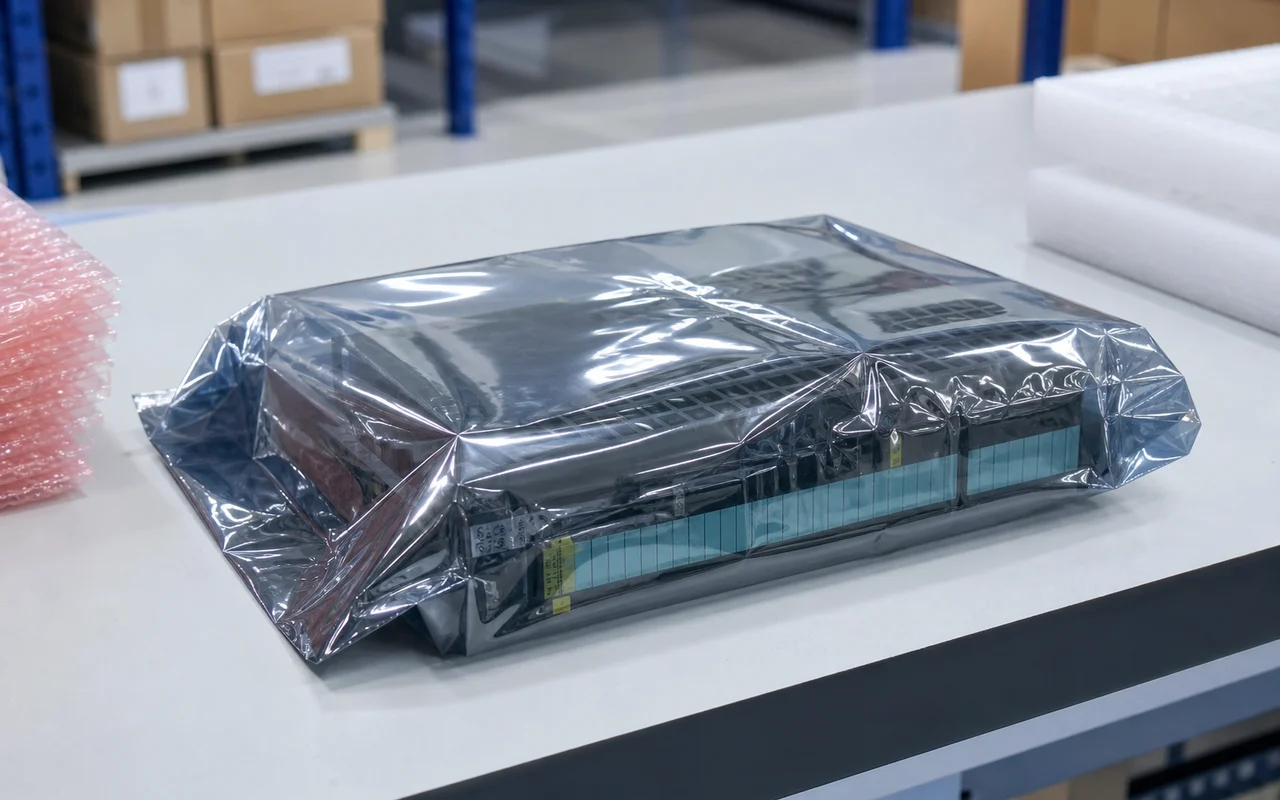 Anti-static Packaging
Modules are packed in anti-static bags to prevent electrostatic damage.
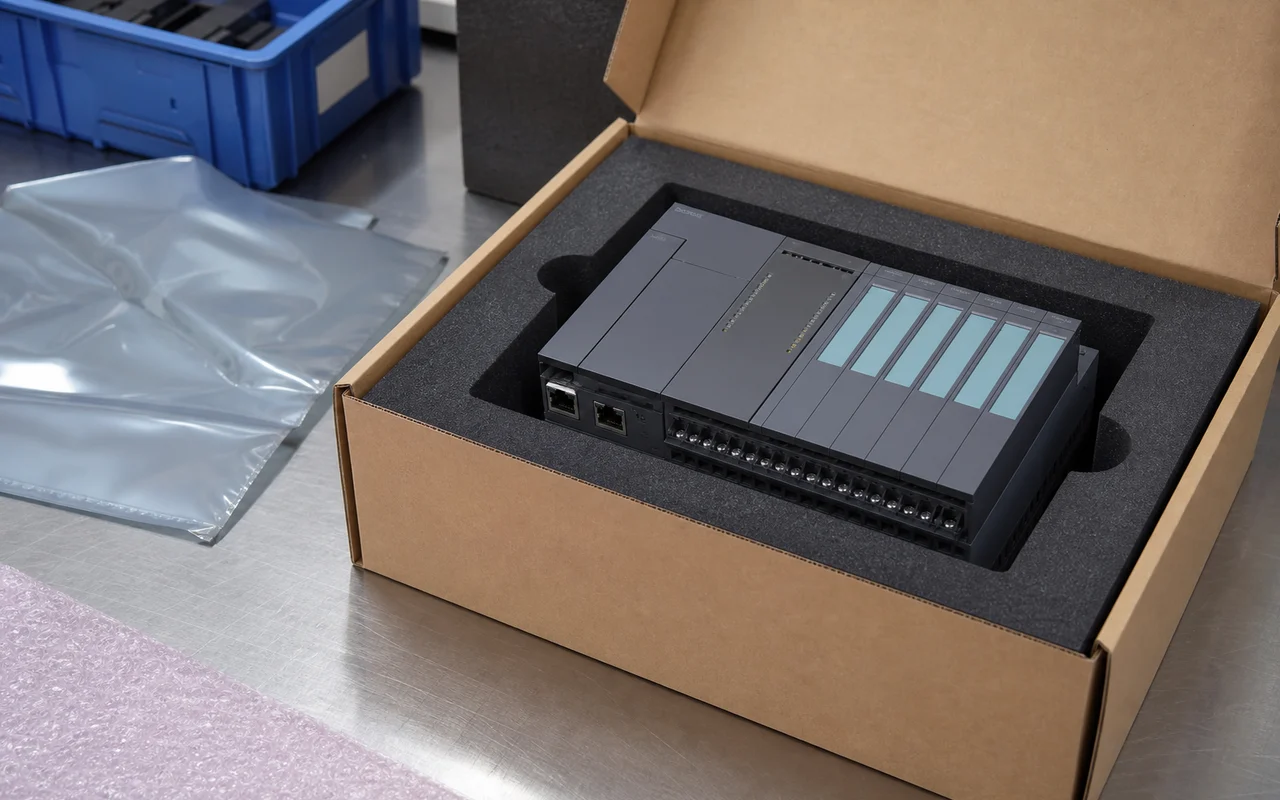 Secure Export Packing
Cushion protection and strong cartons ensure safe transportation.
 Worldwide Shipping
Global logistics network supports air, sea and express delivery.
 Documentation Check
Part number, revision and compatibility verified before shipment.
 After-sales Support
Professional technical support to help resolve your issues.