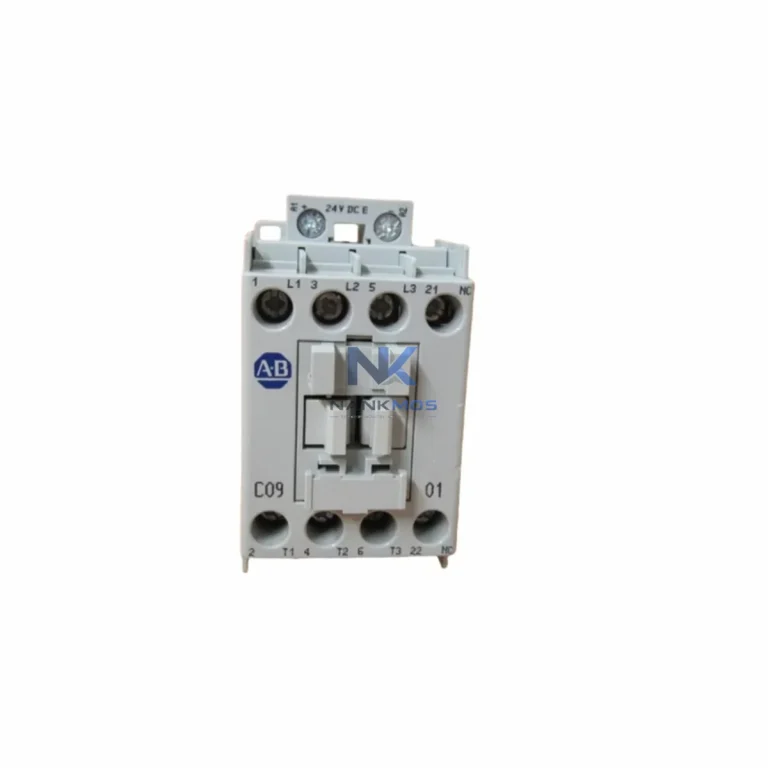
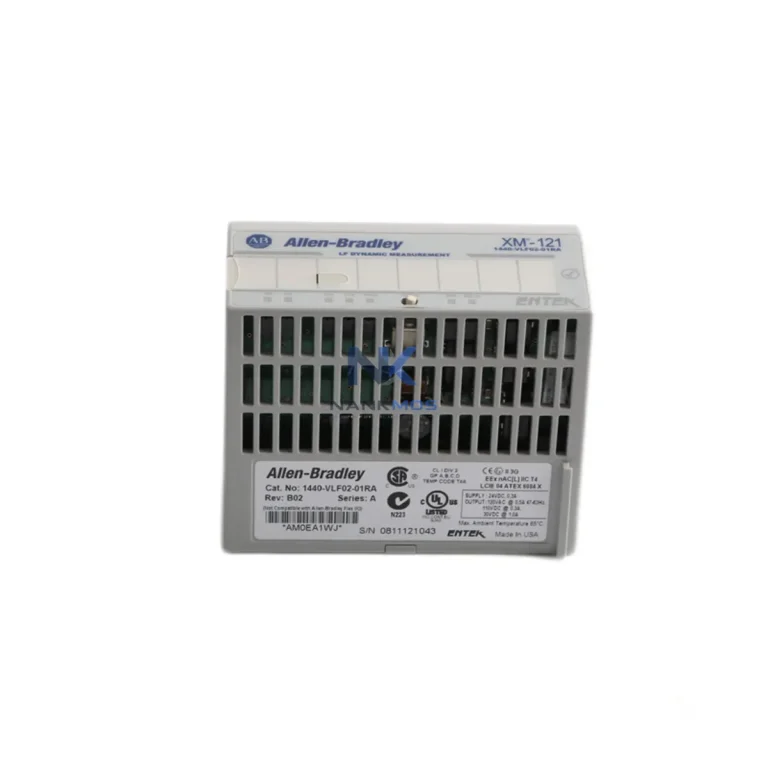
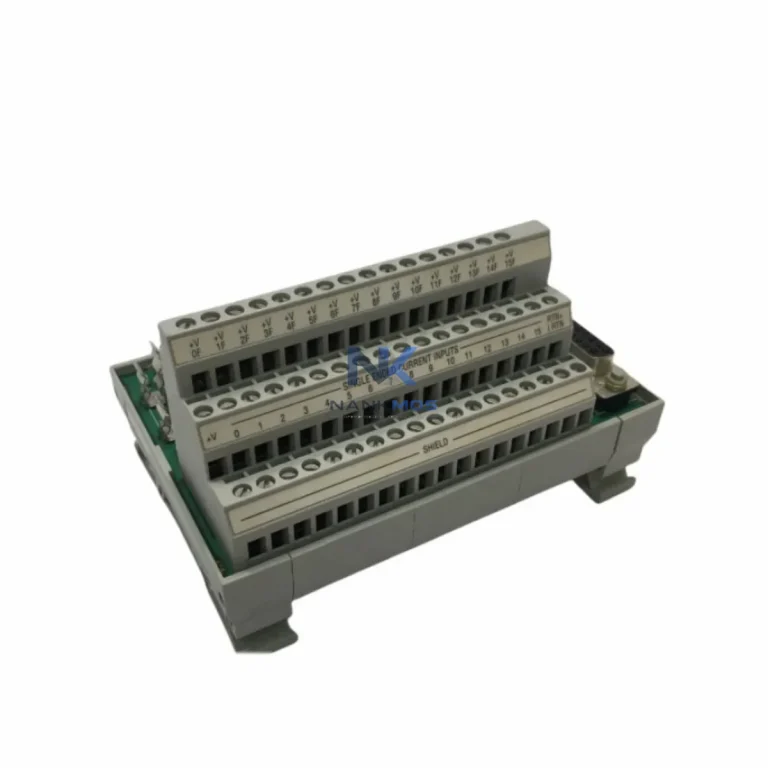
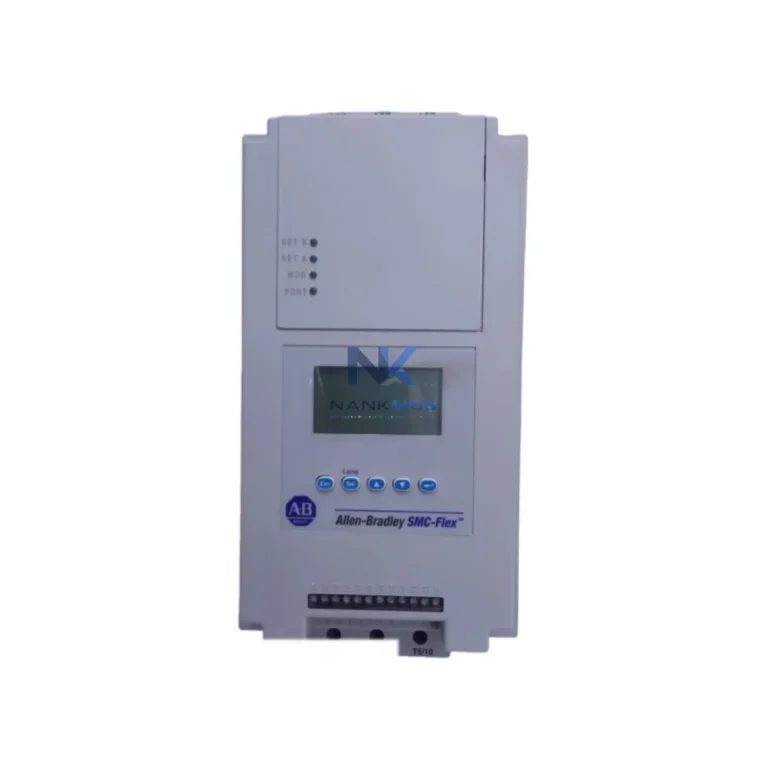
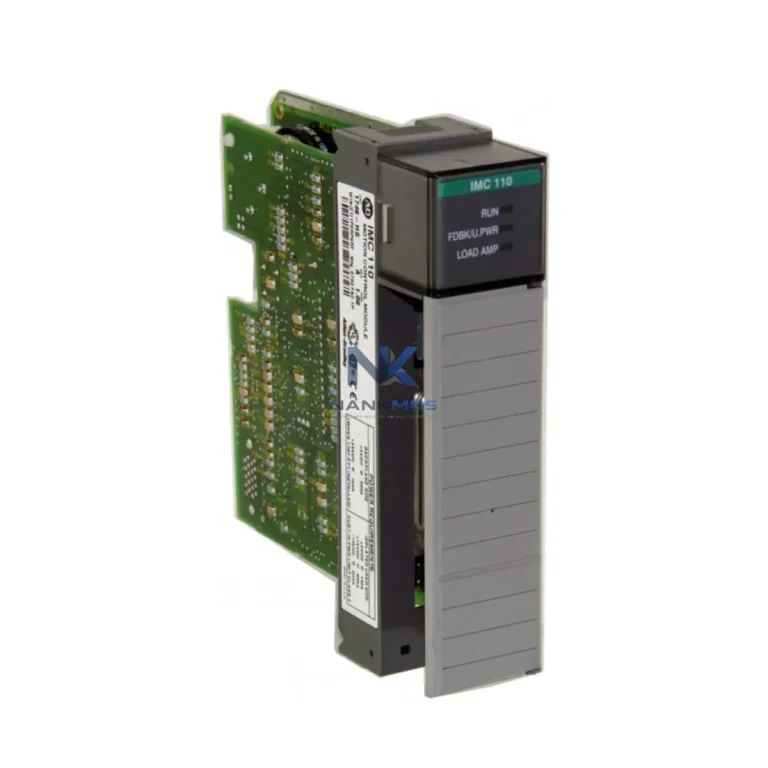
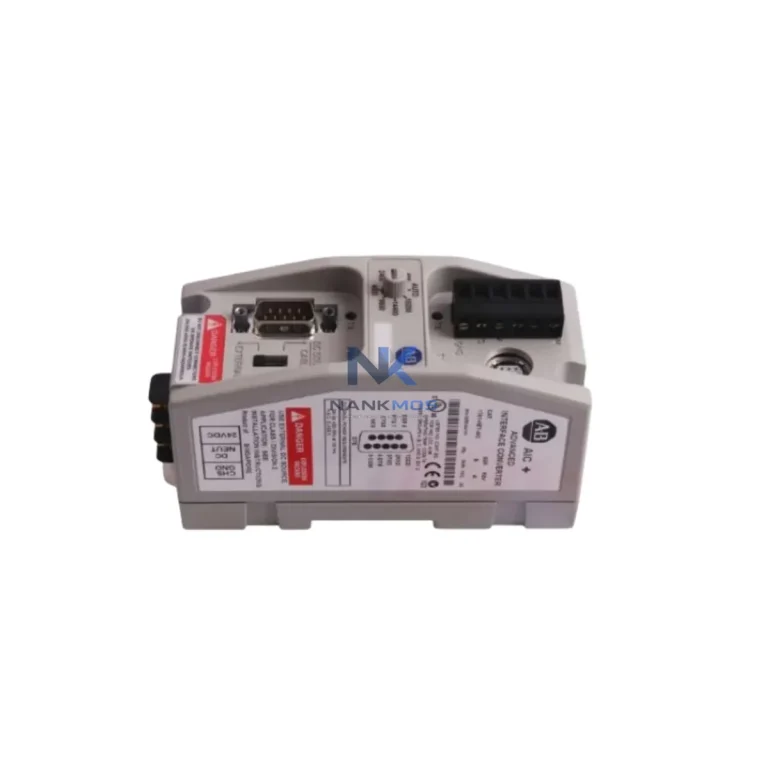
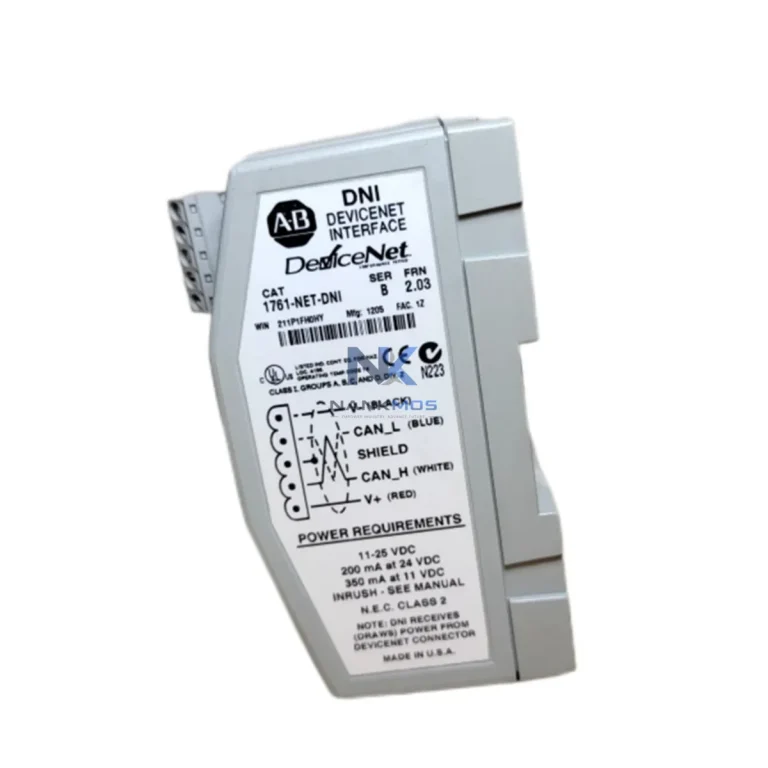
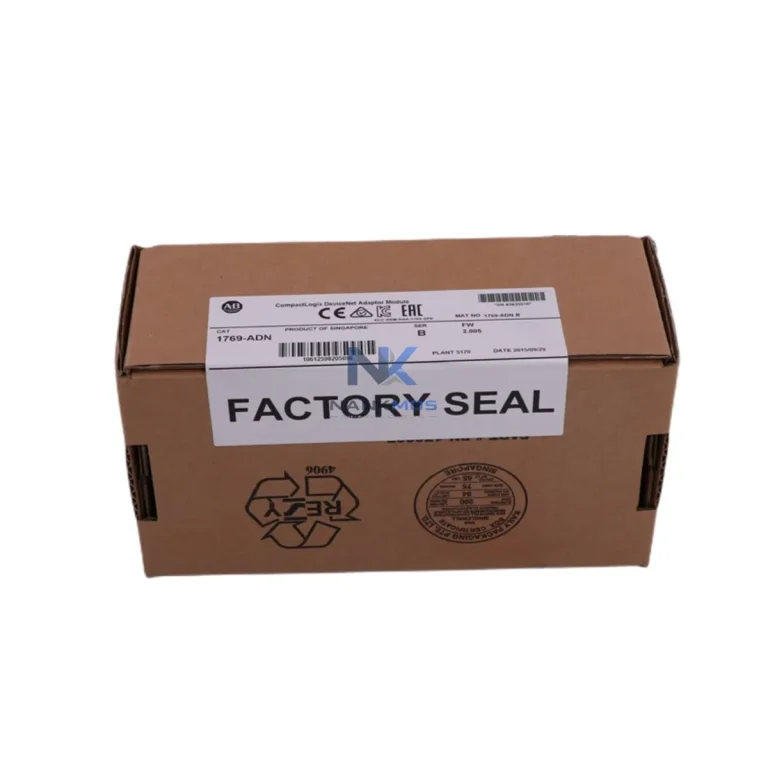
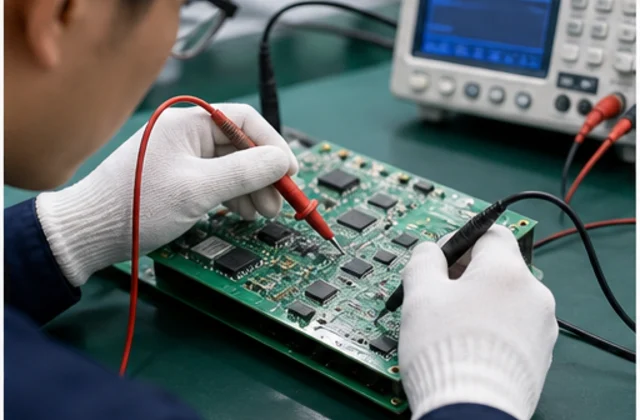
 Functional Inspection
100% tested on professional platforms to ensure stable performance.
Allen-Bradley 1783-NATR is a NANKMOS industrial automation product record Listed under Stratix series and Business & Industrial > Automation, Control & Flow Devices. Confirm condition, availability, lead time, compatibility and documentation by email inquiry.
Brand names are used for identification only.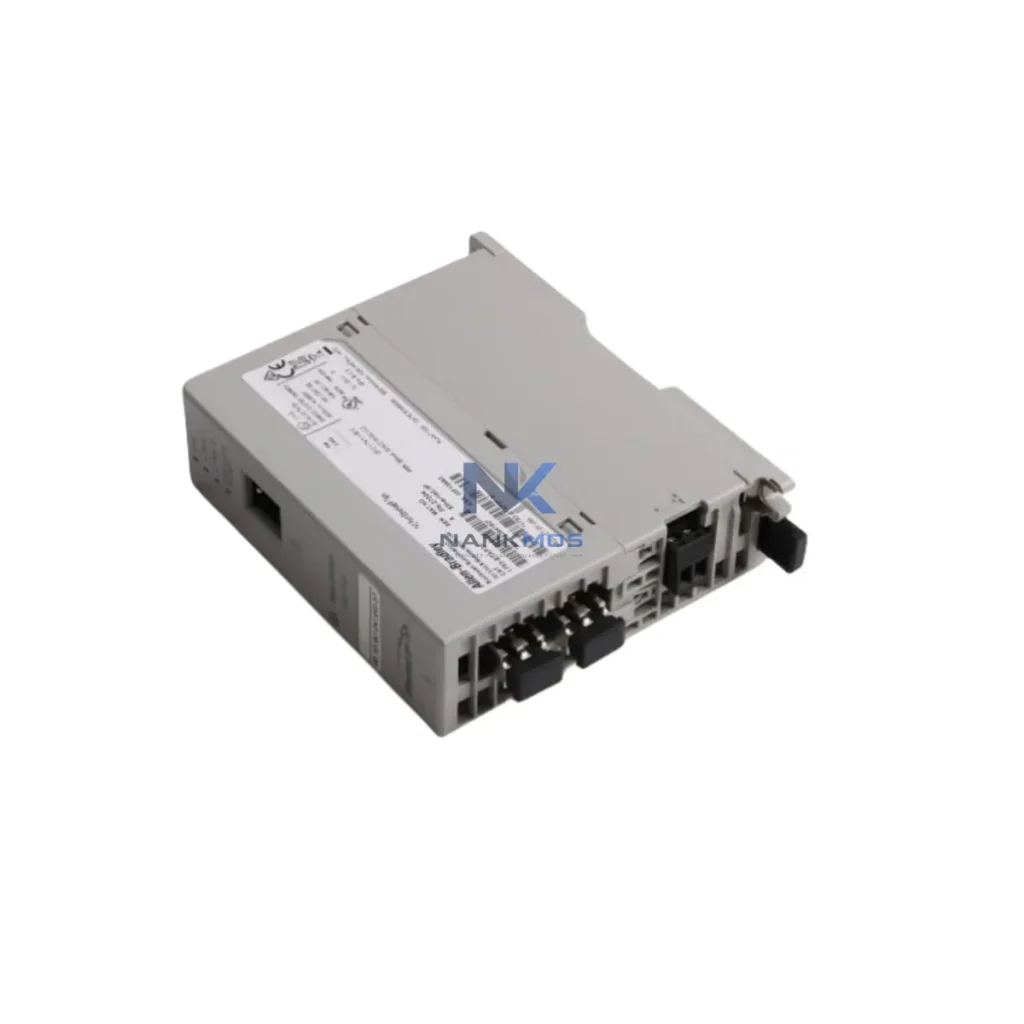
Allen-Bradley 1783-NATR is a NANKMOS industrial automation product record Listed under Stratix series and Business & Industrial > Automation, Control & Flow Devices. Confirm condition, availability, lead time, compatibility and documentation by email inquiry.
| Manufacturer | Allen-Bradley |
|---|---|
| Application | Industrial Network Communication |
| Part Number / Model | 1783-NATR |
| Compatible System | Stratix |
| Series | Stratix |
| Condition Options | To Confirm |
| Module Type | Communication Module |
| Warranty | 12 Months |
| Packaging | Anti-static Bag / Secure Box |
| Shipping Methods | DHL / FedEx / UPS / Air / Sea |
| Availability | To Confirm |
| Lead Time | To Confirm |
| Documentation | Part number and revision checked before quote |
The Allen-Bradley 1783-NATR is a dedicated Network Address Translation (NAT) router engineered for deployment within Stratix-based EtherNet/IP control architectures. Designed to operate at the boundary between isolated control network segments and plant-wide or enterprise Ethernet backbones, the 1783-NATR enables deterministic, conflict-free IP address management across multi-zone automation systems. Its role extends beyond simple routing — it is a structural component that enforces network segmentation, preserves control-layer isolation, and supports scalable, modular expansion of distributed automation platforms.
In modern industrial control environments, network architecture is as critical as hardware selection. The 1783-NATR addresses the fundamental challenge of integrating multiple control cells — each with independently assigned IP address ranges — into a unified plant network without address conflicts or communication interference. By translating private control-layer addresses to routable plant-network addresses, the 1783-NATR ensures that each automation cell maintains its own logical identity while remaining accessible for supervisory control, remote diagnostics, and centralized data aggregation.
The 1783-NATR is most effectively deployed as part of a layered Rockwell Automation control architecture, where it serves as the network boundary device between isolated machine-level Ethernet cells and the broader plant or enterprise network. In a typical Integrated Architecture deployment, the 1783-NATR operates alongside the 1756-EN2TR EtherNet/IP communication module, which provides dual-port, Device Level Ring (DLR) connectivity for ControlLogix backplane systems. Together, these two components establish a resilient, segmented network topology that supports both high-speed I/O communication and supervisory data exchange without address conflicts.
At the control layer, the 1756-L85E ControlLogix CPU or 1769-L33ER CompactLogix processor manages program execution and I/O scanning across the segmented network. The 1783-NATR ensures that these controllers remain reachable from the SCADA or MES layer without exposing their private IP addresses to the broader plant network — a critical requirement in multi-cell manufacturing environments where dozens of controllers share overlapping address ranges.
For distributed I/O integration, the 1734-AENT POINT I/O EtherNet/IP adapter and 1794-AENT FLEX I/O EtherNet/IP adapter connect field devices to the control network behind the 1783-NATR boundary. This architecture allows each I/O island to maintain a consistent private address scheme regardless of plant-network topology changes, simplifying commissioning and reducing the risk of address conflicts during system expansion.
The 1783-MS10T Stratix 2000 unmanaged switch and 1783-BMS10CA Stratix 5700 managed switch provide the switching fabric within each isolated control cell. The Stratix 5700, in particular, supports IGMP snooping, QoS, and VLAN segmentation — capabilities that complement the 1783-NATR's routing function by ensuring that multicast EtherNet/IP traffic is contained within the appropriate network segment.
For HMI integration, the 2711P-T10C21D8S PanelView Plus 7 terminal connects to the control network through the 1783-NATR boundary, enabling operators to monitor and interact with machine-level processes from a supervisory workstation without requiring direct access to the controller's private network. This separation of HMI and control traffic enhances both security and network determinism.
Power distribution for the control cabinet is typically managed by the 1606-XLP95E QUINT-equivalent power supply, which provides regulated 24V DC to the 1783-NATR, switches, and I/O adapters. Stable power delivery is essential for maintaining NAT table integrity and preventing routing disruptions during load transients.
In redundant architecture deployments, the 1783-NATR can be paired with a secondary unit to provide failover routing capability, ensuring continuous network connectivity even during primary router maintenance or failure events. This redundancy model aligns with the broader Rockwell Automation Integrated Architecture philosophy of designing for high availability across all system layers.
Automotive Manufacturing: In multi-cell body-in-white or powertrain assembly lines, the 1783-NATR enables each robot cell or welding station to maintain an independent IP address scheme while remaining accessible to the plant MES for production tracking and quality data collection. This architecture supports rapid cell reconfiguration without requiring plant-wide IP address reassignment.
Power Generation and Utilities: In distributed control systems for power plants or water treatment facilities, the 1783-NATR provides the network boundary between field-level control networks and the SCADA supervisory layer. This segmentation ensures that control-layer communication remains deterministic and isolated from enterprise network traffic, reducing the risk of communication interference during peak data exchange periods.
Oil, Gas, and Petrochemical: In process control environments where multiple independent control zones must be integrated into a unified DCS or SCADA platform, the 1783-NATR enables zone-level IP address independence. Each process unit — distillation, compression, or storage — can maintain its own controller address range, simplifying engineering documentation and reducing commissioning complexity during plant expansions or upgrades.
Mining and Metals: In conveyor control, crusher automation, or smelting process systems, the 1783-NATR supports the integration of geographically distributed control cells into a centralized monitoring platform. Its DIN rail form factor and wide operating temperature range make it suitable for deployment in harsh industrial enclosures across remote plant locations.
Packaging and Material Handling: In high-speed packaging lines with multiple independent machine modules, the 1783-NATR enables each module to be engineered and commissioned independently, then integrated into the line network without address conflicts. This modular approach reduces line integration time and supports rapid changeover for new product formats.
Q1: How does the 1783-NATR support multi-cell EtherNet/IP architectures where multiple controllers share the same private IP address range? The 1783-NATR performs static or dynamic NAT translation at the boundary between each isolated control cell and the plant network. Each cell's private address range is mapped to a unique routable address on the plant network, allowing the SCADA or MES layer to communicate with each controller independently without address conflicts. This approach is particularly valuable in modular machine designs where identical machine modules are replicated across multiple production lines, each using the same internal IP address scheme.
Q2: Is the 1783-NATR compatible with Studio 5000 Logix Designer for configuration and diagnostics? Yes. The 1783-NATR is designed for integration within the Rockwell Automation Integrated Architecture and is configurable through the Studio 5000 environment. It supports EtherNet/IP messaging for configuration and status monitoring, enabling engineers to manage NAT table entries, monitor port status, and diagnose connectivity issues from within the same engineering environment used for controller programming and I/O configuration. This unified toolset reduces engineering overhead and simplifies long-term maintenance.
Q3: What warranty and supply assurance does NANKMOS provide for the 1783-NATR? All 1783-NATR units supplied by NANKMOS are covered by a 12-Month Warranty from the date of shipment. Each unit undergoes pre-shipment functional testing to verify NAT routing operation, port connectivity, and power input compliance before dispatch. NANKMOS maintains in-stock inventory of the 1783-NATR to support urgent project requirements and unplanned maintenance events, with expedited shipping available for critical applications. For volume procurement or long-term supply agreements, contact our technical sales team at [email protected] or +86 18359268345.
Functional Inspection100% tested on professional platforms to ensure stable performance.
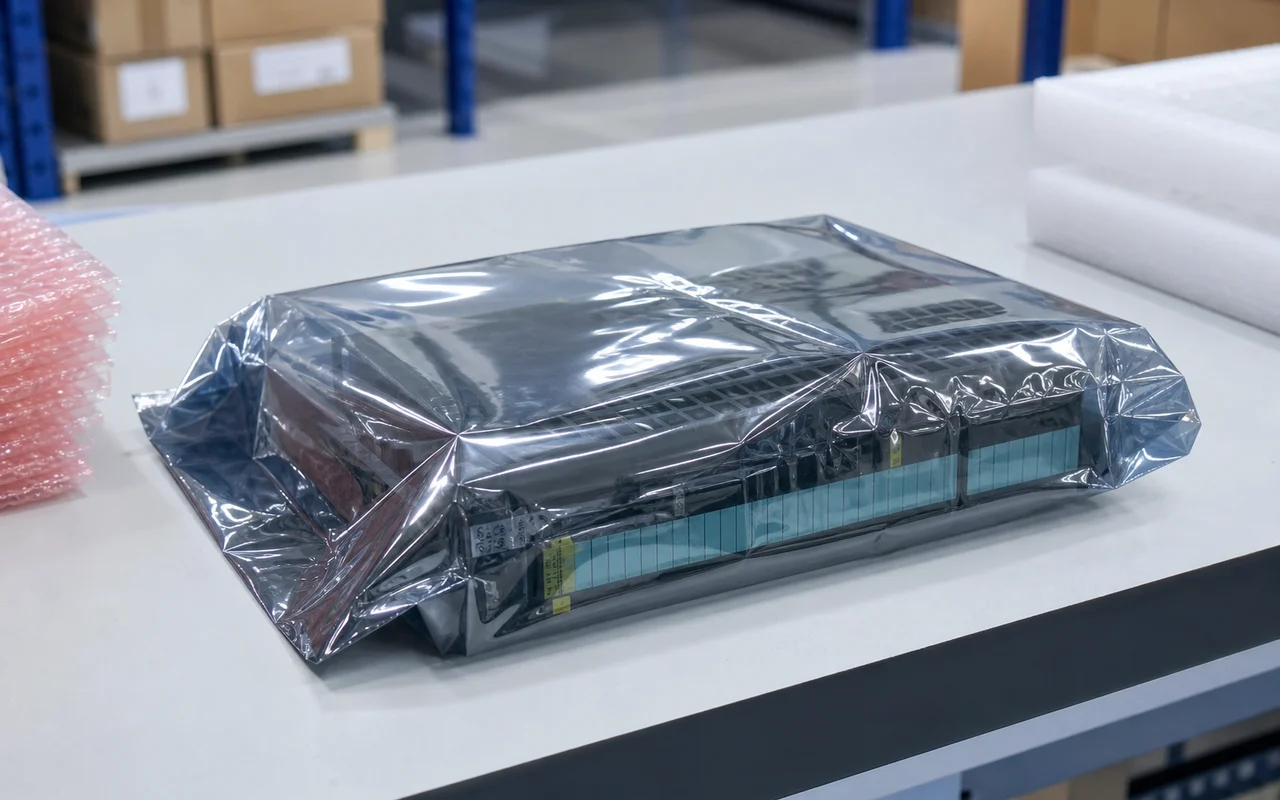 Anti-static Packaging
Modules are packed in anti-static bags to prevent electrostatic damage.
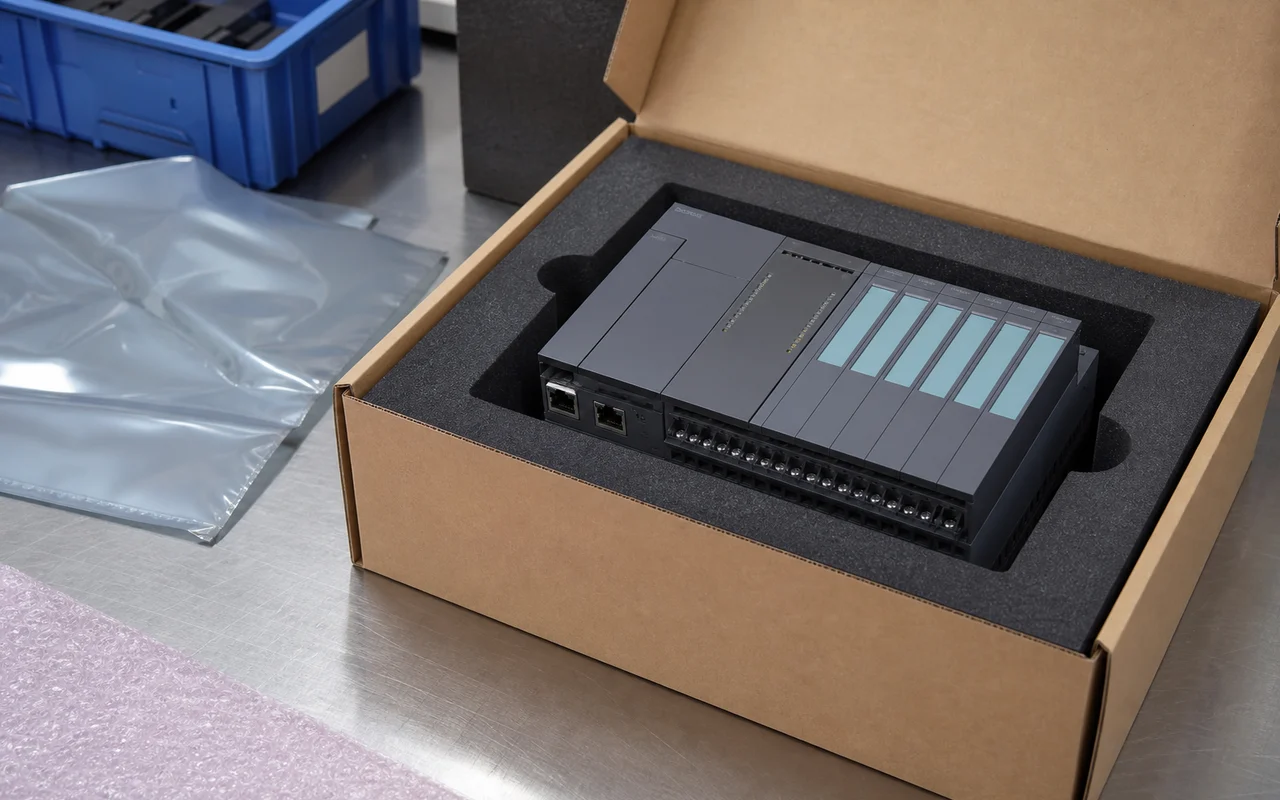 Secure Export Packing
Cushion protection and strong cartons ensure safe transportation.
 Worldwide Shipping
Global logistics network supports air, sea and express delivery.
 Documentation Check
Part number, revision and compatibility verified before shipment.
 After-sales Support
Professional technical support to help resolve your issues.