Functional Inspection
100% tested on professional platforms to ensure stable performance.
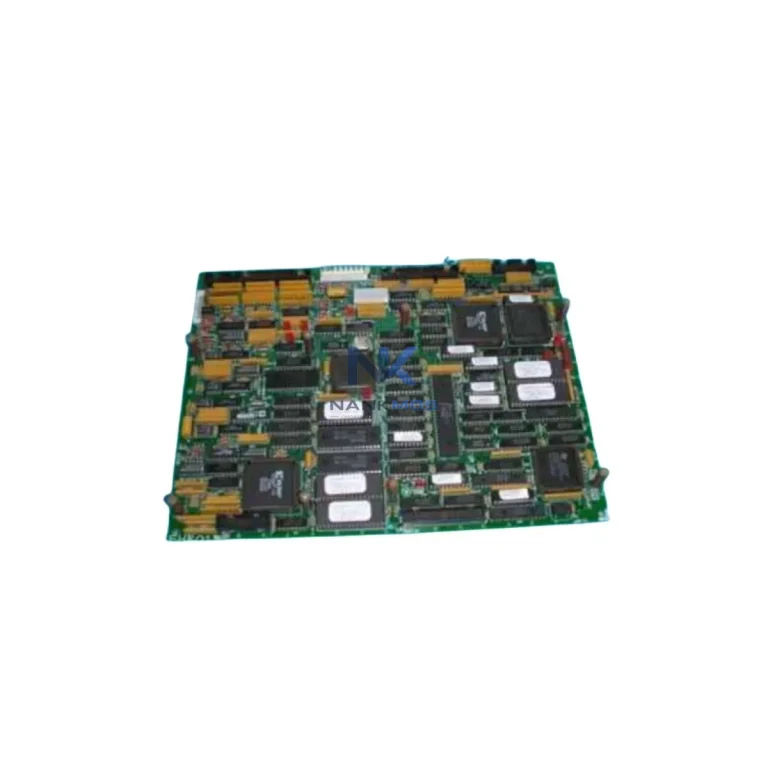
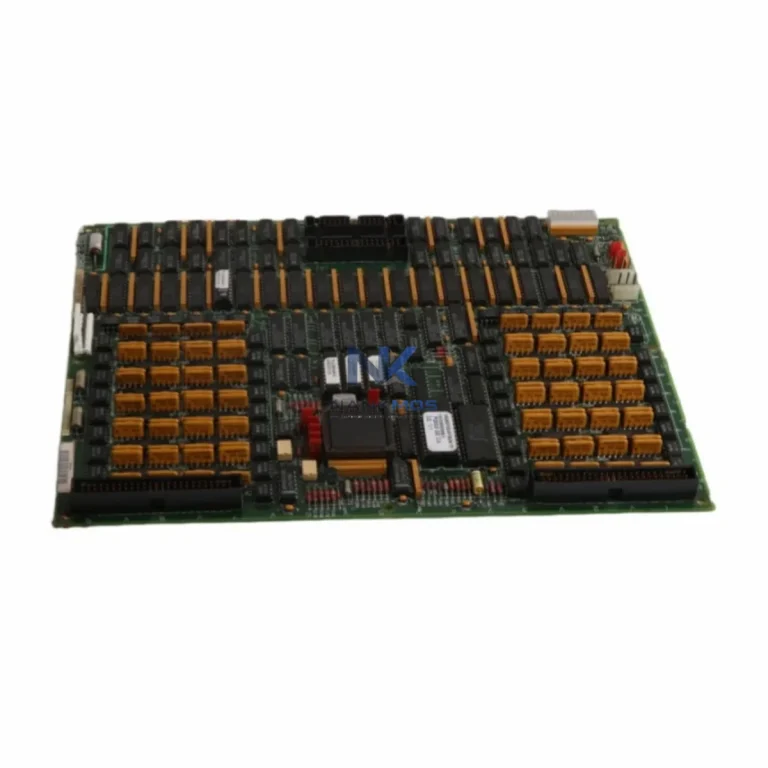
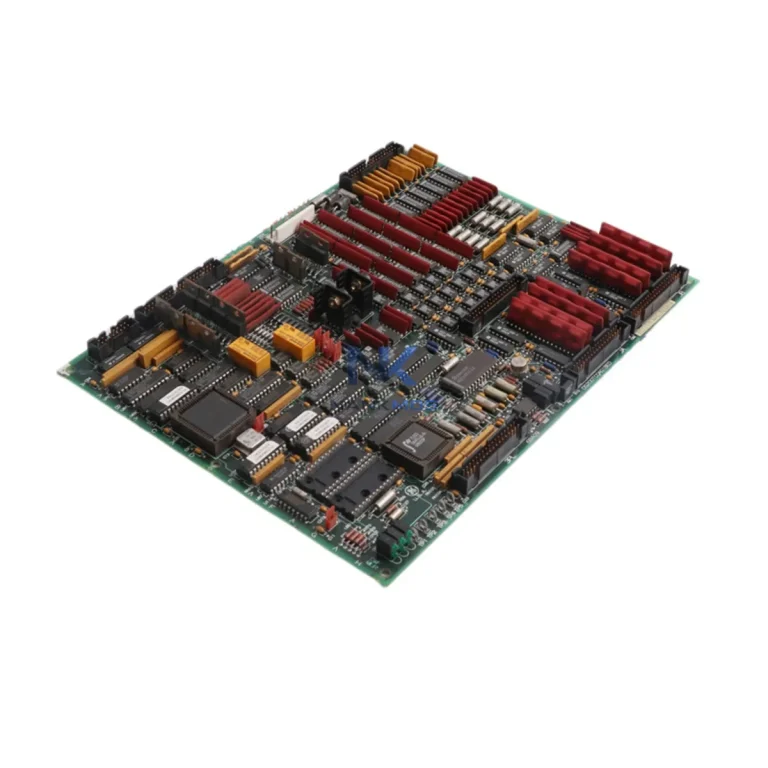
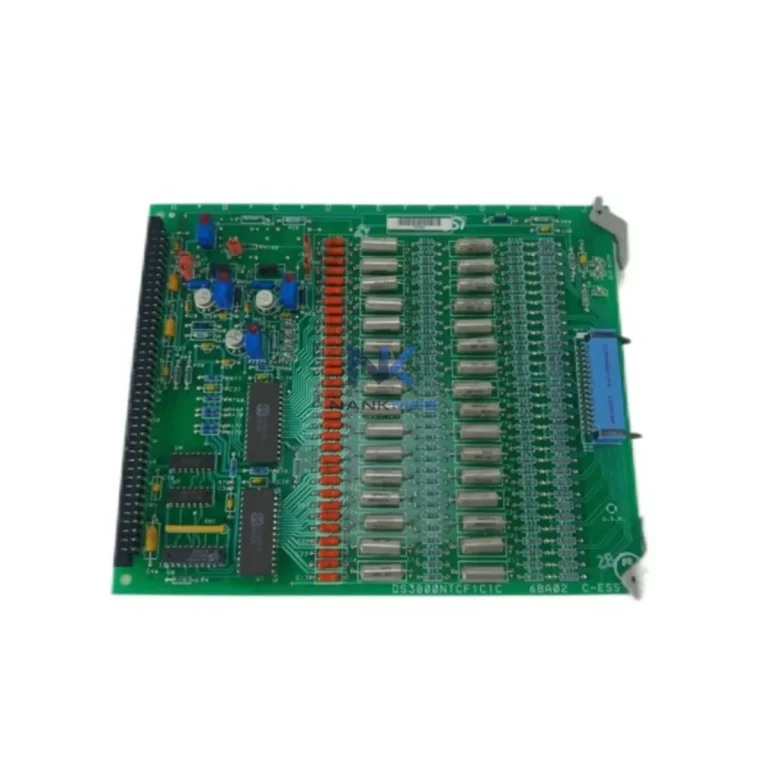
GE IS200TRROH1B is a NANKMOS industrial automation product record Listed under Mark VI series and Business & Industrial > Automation, Control & Flow Devices > Programmable Logic Controllers. Confirm condition, availability, lead time, compatibility and documentation by email inquiry.
Brand names are used for identification only.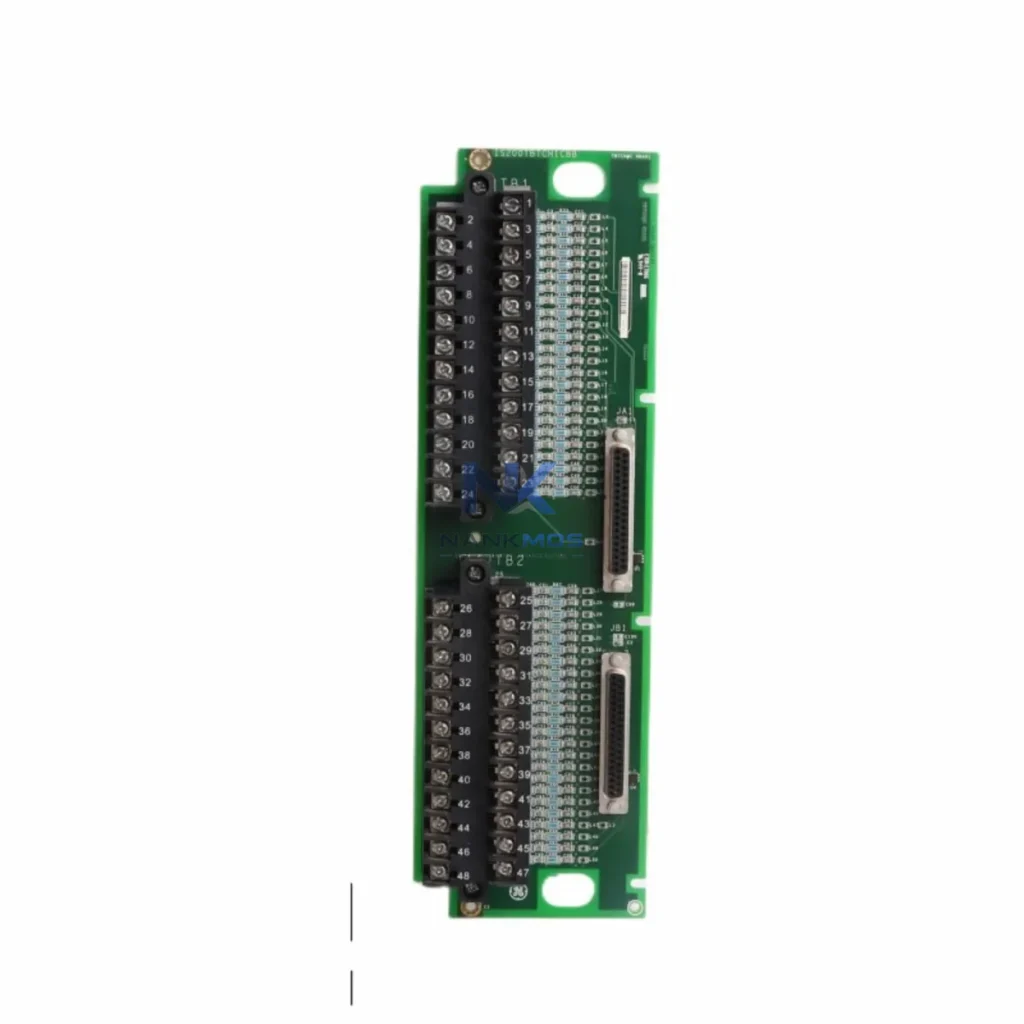
GE IS200TRROH1B is a NANKMOS industrial automation product record Listed under Mark VI series and Business & Industrial > Automation, Control & Flow Devices > Programmable Logic Controllers. Confirm condition, availability, lead time, compatibility and documentation by email inquiry.
| Manufacturer | GE |
|---|---|
| Application | Controller Processing & System Control |
| Part Number / Model | IS200TRROH1B |
| Compatible System | Mark VI |
| Series | Mark VI |
| Condition Options | To Confirm |
| Module Type | Controller / CPU Module |
| Warranty | 12 Months |
| Packaging | Anti-static Bag / Secure Box |
| Shipping Methods | DHL / FedEx / UPS / Air / Sea |
| Availability | To Confirm |
| Lead Time | To Confirm |
| Documentation | Part number and revision checked before quote |
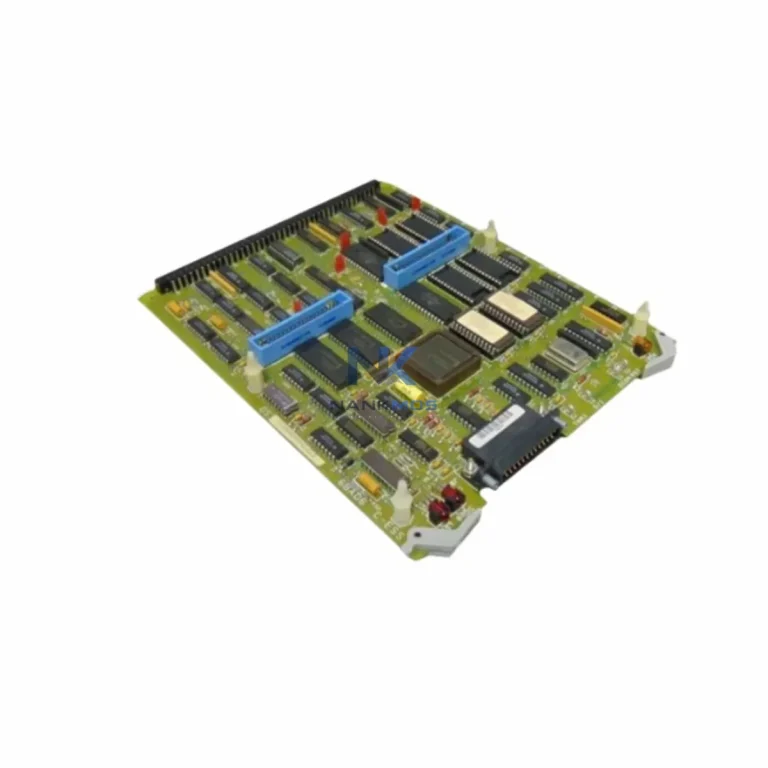
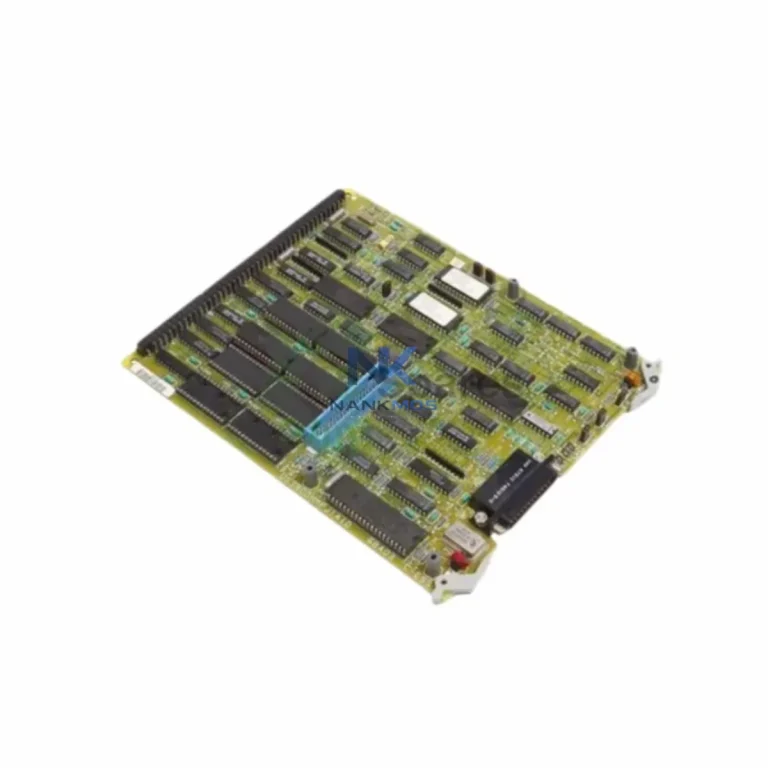
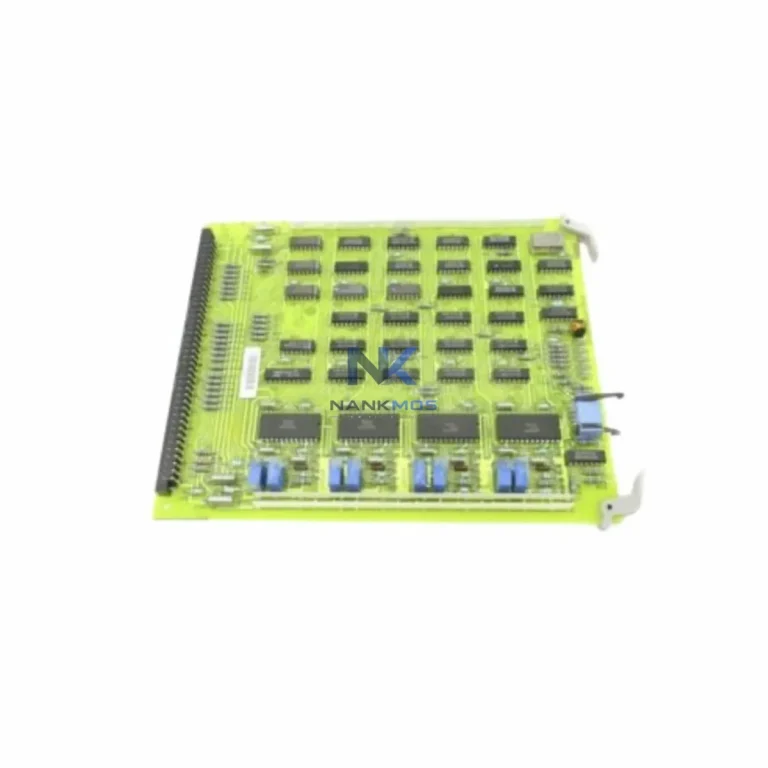
The GE IS200TRROH1B is a high-integrity input terminal board engineered for the Mark VI Turbine Control System, purpose-built to deliver precise signal acquisition, load-aware I/O management, and energy-conscious control architecture across gas turbine, steam turbine, and combined-cycle power generation environments. As industrial facilities push toward leaner energy profiles and higher equipment utilization, the IS200TRROH1B serves as a foundational interface layer that connects field instrumentation to the Mark VI controller core — enabling real-time visibility into turbine operating states, thermal load conditions, and power consumption patterns that directly influence plant-wide energy efficiency.
Designed to GE's rigorous turbine control standards, the IS200TRROH1B provides robust relay output and input termination for critical protection and sequencing circuits. Its role in the Mark VI architecture goes beyond passive signal routing: by ensuring clean, noise-free input acquisition from thermocouples, RTDs, pressure transmitters, and proximity sensors, it eliminates signal ambiguity that can cause unnecessary protective trips, spurious load shedding, or inefficient combustion adjustments — all of which translate directly into wasted fuel and elevated heat rates. In energy-intensive production environments, eliminating even a single unnecessary trip event can recover hours of lost generation capacity and prevent the thermal cycling stress that accelerates component wear.
The IS200TRROH1B does not operate in isolation — its energy control value is fully realized when integrated within the broader Mark VI control architecture. At the controller level, the IS200UCVEH2A Mark VI UCVE controller board processes the discrete input signals acquired by the IS200TRROH1B, executing turbine sequencing logic, load control algorithms, and protective relay coordination that govern how efficiently the turbine converts fuel into shaft power. Alongside it, the IS200VSVOH1B servo output board translates controller commands into precise valve and actuator positioning — ensuring that fuel flow, inlet guide vane angles, and bypass valve positions are continuously optimized for minimum specific fuel consumption at any given load point.
For power quality monitoring and energy accounting, the IS200TRROH1B works in concert with IS200EPCTG1A power conditioning boards that stabilize the 28 VDC control power rail, preventing voltage sag events that could corrupt I/O readings and trigger false protective actions. The IS200TREGH1B relay output board handles the downstream switching of protection circuits that the IS200TRROH1B feeds, forming a tightly coupled input-to-output relay chain that ensures protective actions are both fast and energy-proportionate — tripping only when genuinely warranted rather than on noise-induced false signals.
At the communications layer, the IS200VCMIH2C Mark VI communication interface board aggregates operational data from the IS200TRROH1B's input channels and transmits it upstream to plant-level SCADA systems and energy management platforms via Modbus TCP or PROFIBUS protocols. This data pipeline enables operators to correlate discrete input states — valve positions, breaker status, protection relay states — with real-time power consumption metrics, building the operational intelligence needed for predictive maintenance scheduling and load optimization. The IS200TSVOH1B servo terminal board further extends this architecture by providing the termination interface for servo-driven actuators whose positioning directly affects turbine heat rate and combustion efficiency.
For facilities running parallel generation assets, the IS200TRROH1B integrates seamlessly with IS200BIASH1B bias circuit boards that manage the analog reference signals used in load-sharing and droop control schemes — ensuring that multiple turbine units share electrical load in proportion to their efficiency curves rather than defaulting to fixed splits that leave more efficient units underloaded. The IS200DSPXH1B digital signal processing board handles the high-speed flame detection and vibration monitoring inputs that, when properly conditioned by the IS200TRROH1B's terminal interface, allow the Mark VI to make sub-second combustion adjustments that maintain optimal flame stability without the fuel-rich excursions that inflate NOx emissions and heat rates.
In modern power generation and heavy industrial facilities, energy optimization is not a single-point intervention — it is a system-wide discipline that depends on the reliability and accuracy of every signal in the control loop. The GE IS200TRROH1B contributes to this discipline at the most fundamental level: by providing clean, reliable discrete input termination, it ensures that the Mark VI controller always operates on accurate plant state information rather than degraded or ambiguous signals that force conservative, energy-inefficient operating margins.
When input terminal boards degrade — through connector oxidation, relay contact wear, or PCB trace fatigue — the resulting signal noise forces control systems to widen their protective deadbands, operate at reduced load setpoints, and increase the frequency of manual inspections that interrupt production continuity. The IS200TRROH1B, supplied from tested and pre-shipment verified stock, eliminates this degradation risk from day one. Its verified relay contact integrity means that protection circuits respond precisely at their designed thresholds, allowing the turbine to operate at its optimal efficiency point without the conservative derating that aging terminal boards impose.
From a thermal load management perspective, reliable input termination directly reduces the heat generated by control system enclosures. Faulty terminal connections create resistive heating at junction points, increasing the thermal burden on control room HVAC systems and accelerating the aging of adjacent electronic components. By maintaining low-resistance, stable termination across all input channels, the IS200TRROH1B minimizes parasitic heat generation within the Mark VI I/O rack — a small but cumulative contribution to the overall thermal efficiency of the control infrastructure.
Production line rhythm — the consistent, predictable cadence of turbine starts, load ramps, and controlled shutdowns — depends on the absence of spurious protective trips. Each unplanned trip event not only wastes the thermal energy stored in the turbine's hot gas path but also imposes a cold-start fuel penalty when the unit is restarted. By ensuring that the discrete input signals feeding the Mark VI's protective relay logic are clean and accurately representative of actual plant conditions, the IS200TRROH1B directly supports the trip-free operation that maximizes energy yield per operating hour. Combined with a 12-Month Warranty and confirmed in-stock availability for immediate dispatch, it represents a low-risk, high-impact component choice for facilities prioritizing both uptime and energy performance.
Q1: How does the IS200TRROH1B contribute to energy savings in a Mark VI turbine control system? By providing accurate, noise-free discrete input termination, the IS200TRROH1B prevents the spurious protective trips and false load-shedding events that waste fuel and impose cold-restart energy penalties. Clean signal acquisition allows the Mark VI controller to maintain optimal combustion setpoints and load profiles without conservative derating, directly improving the turbine's heat rate and overall energy efficiency.
Q2: Is the IS200TRROH1B compatible with both Mark VI and Mark VIe control systems? The IS200TRROH1B is designed for the GE Mark VI Turbine Control System architecture. Compatibility with Mark VIe configurations should be verified against the specific I/O rack and backplane revision in your installation. Our technical team can assist with cross-reference verification prior to shipment to ensure correct fit within your control system topology.
Q3: What is the recommended replacement interval, and how do I assess whether my existing board needs replacement? GE Mark VI terminal boards in continuous service typically show performance degradation after 10–15 years due to relay contact wear, connector oxidation, and PCB aging. Indicators warranting replacement include intermittent discrete input faults, unexplained protective relay activations, increased signal noise on input channels, or visual evidence of thermal stress on the PCB. Proactive replacement during planned maintenance outages avoids the higher cost of unplanned trip events.
Q4: What testing and quality assurance processes does the IS200TRROH1B undergo before shipment? Every IS200TRROH1B unit in our inventory undergoes pre-shipment functional testing to verify relay contact continuity, input channel integrity, and connector condition. Units are inspected for physical damage, capacitor health, and PCB trace integrity before dispatch. All units are covered by a 12-Month Warranty from the date of shipment, with direct technical support available for installation and commissioning queries.
Functional Inspection100% tested on professional platforms to ensure stable performance.
 Anti-static Packaging
Modules are packed in anti-static bags to prevent electrostatic damage.
 Secure Export Packing
Cushion protection and strong cartons ensure safe transportation.
 Worldwide Shipping
Global logistics network supports air, sea and express delivery.
 Documentation Check
Part number, revision and compatibility verified before shipment.
 After-sales Support
Professional technical support to help resolve your issues.