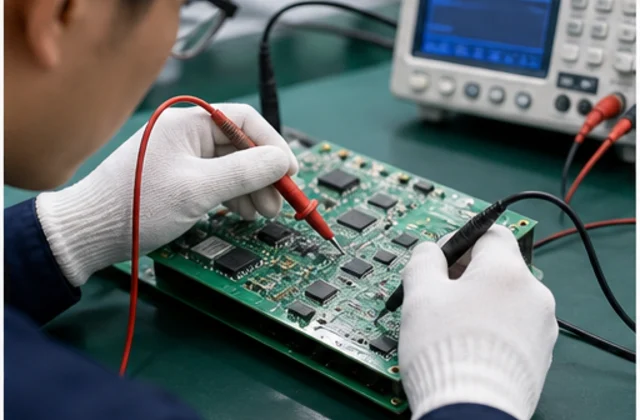
 Functional Inspection
100% tested on professional platforms to ensure stable performance.
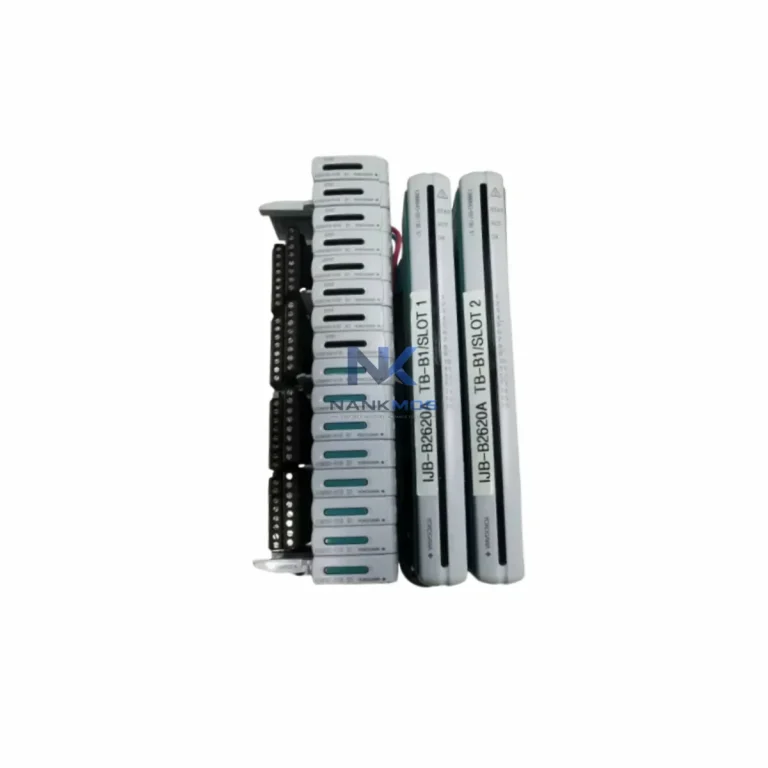
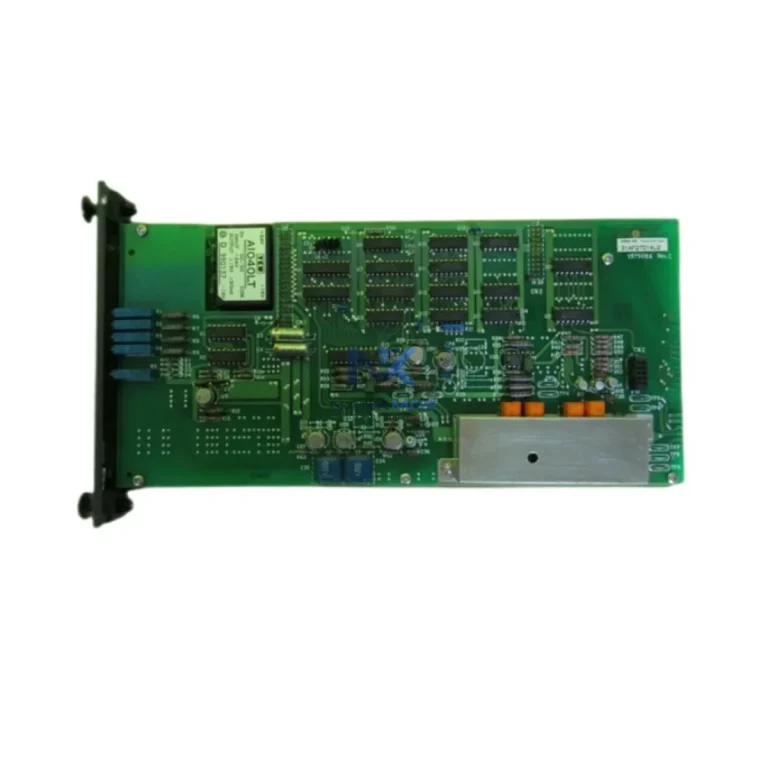
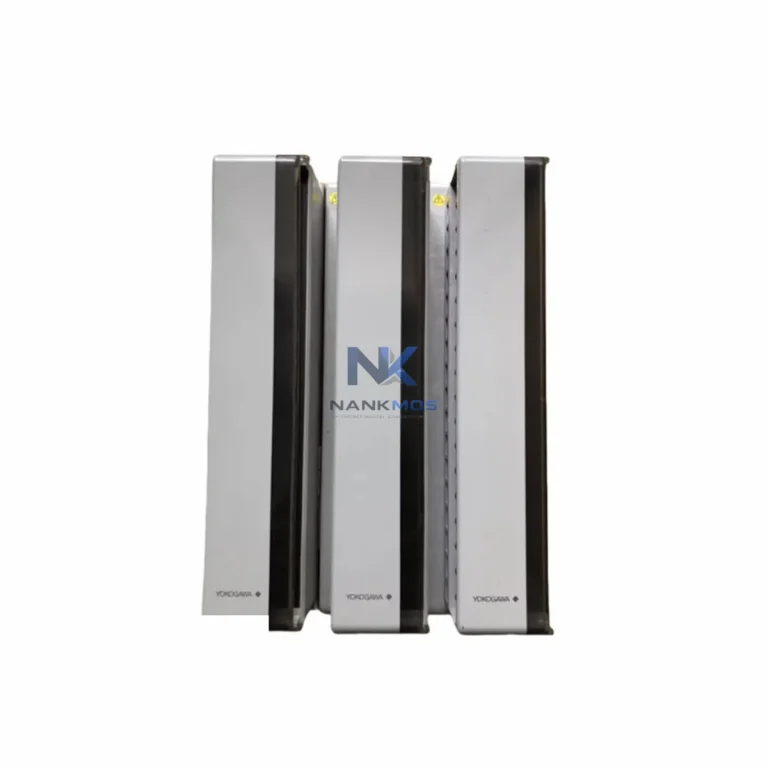
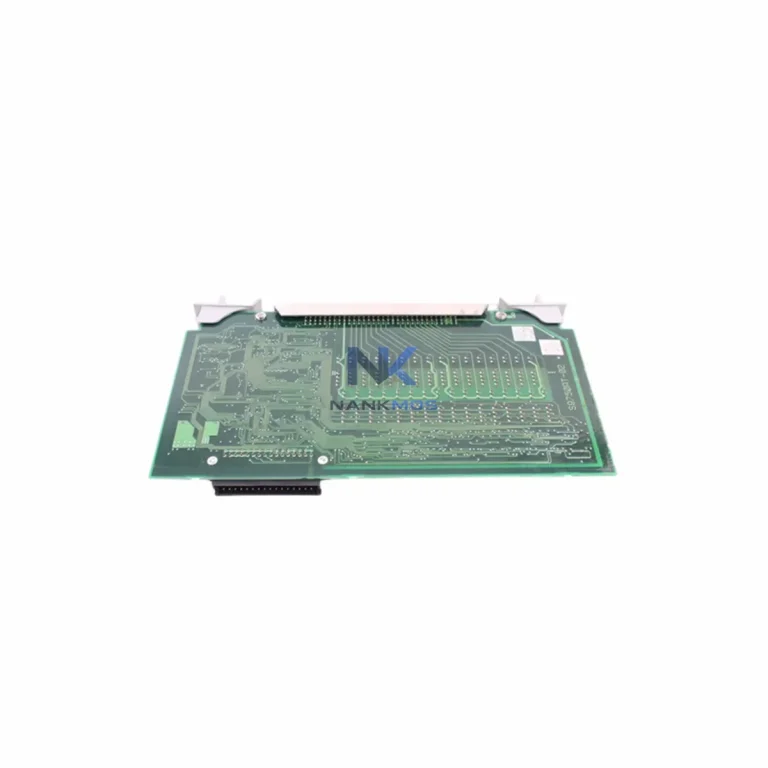
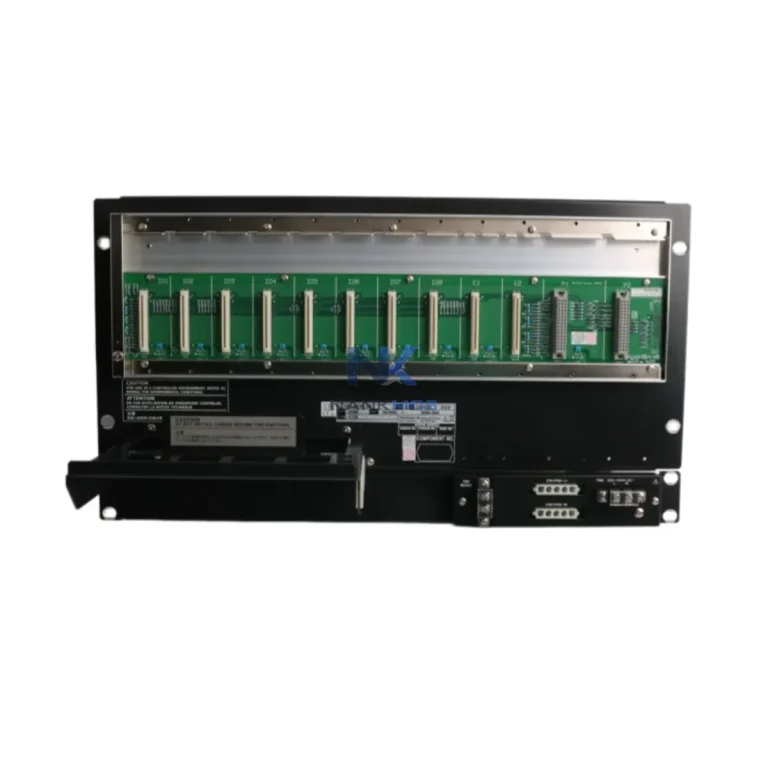
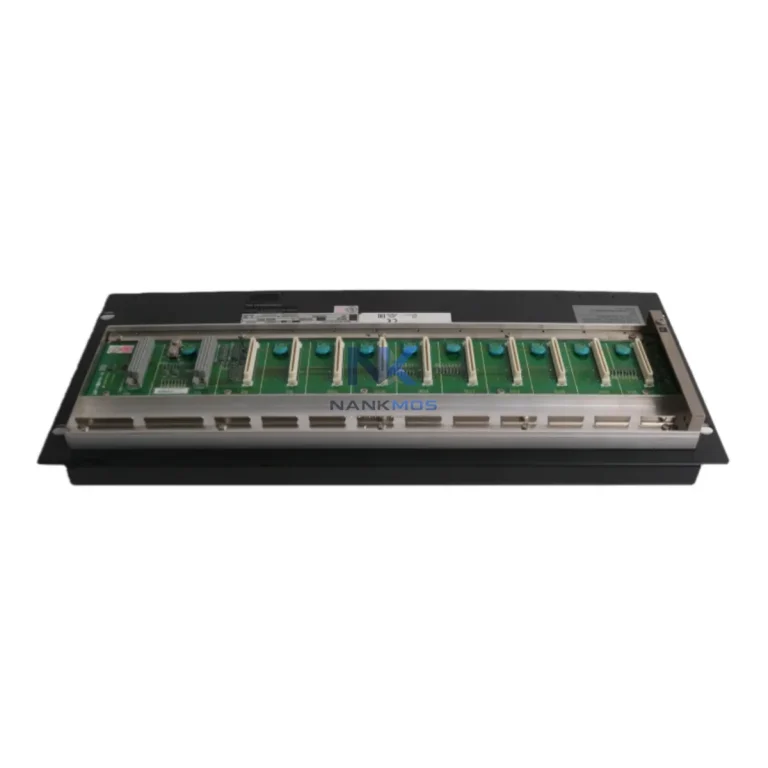
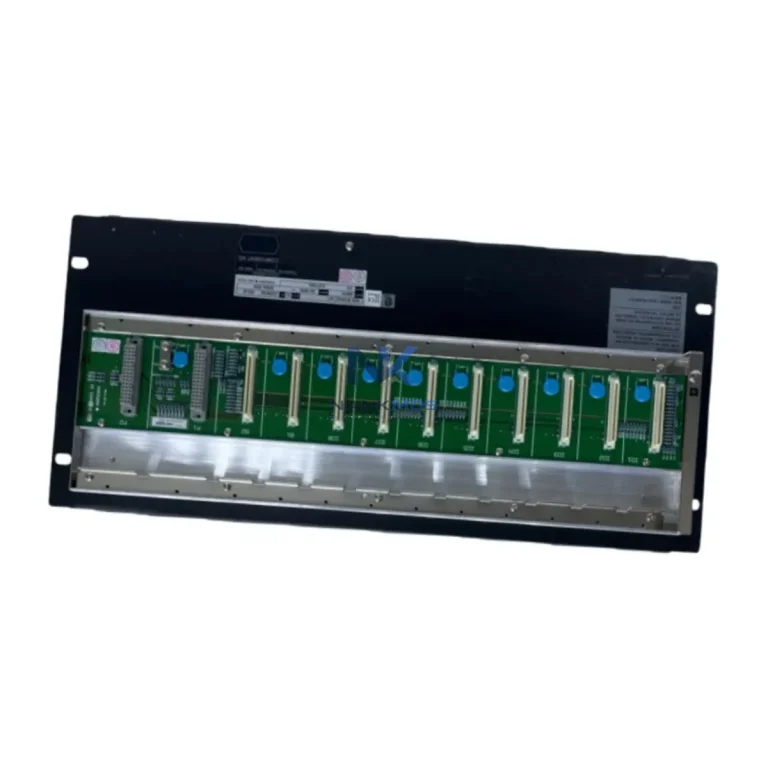
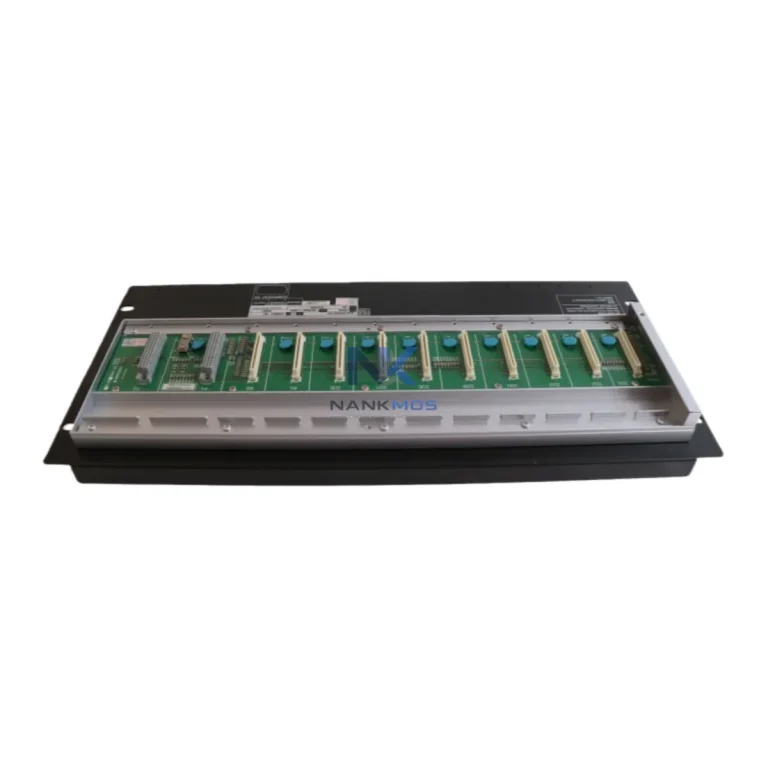
Yokogawa ANB10D-415/CU2N/NDEL is a NANKMOS industrial automation product record Listed under Centum CS3000 series and Business & Industrial > Automation, Control & Flow Devices. Confirm condition, availability, lead time, compatibility and documentation by email inquiry.
Brand names are used for identification only.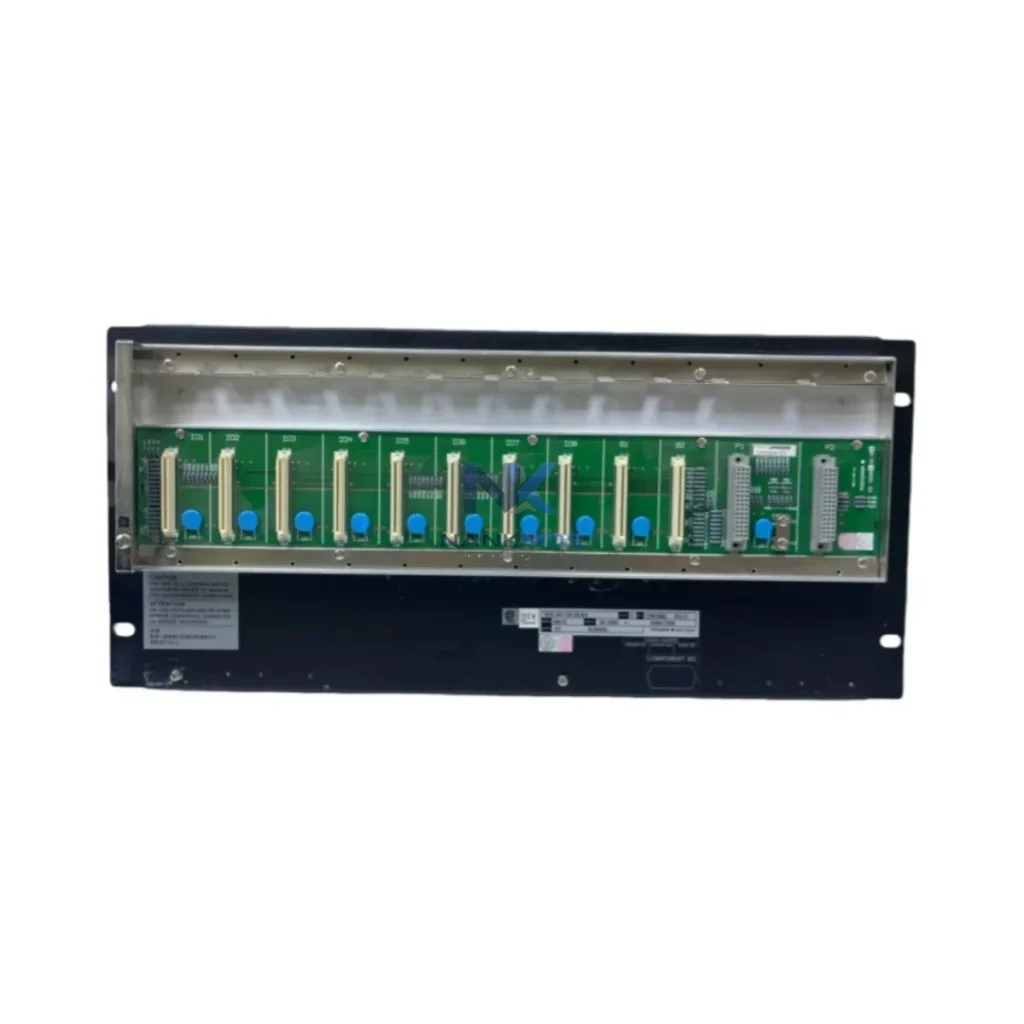
Yokogawa ANB10D-415/CU2N/NDEL is a NANKMOS industrial automation product record Listed under Centum CS3000 series and Business & Industrial > Automation, Control & Flow Devices. Confirm condition, availability, lead time, compatibility and documentation by email inquiry.
| Manufacturer | Yokogawa |
|---|---|
| Application | Industrial Network & Bus Termination |
| Part Number / Model | ANB10D-415/CU2N/NDEL |
| Compatible System | Centum CS3000 |
| Series | Centum CS3000 |
| Condition Options | To Confirm |
| Module Type | Bus / Network Interface Module |
| Warranty | 12 Months |
| Packaging | Anti-static Bag / Secure Box |
| Shipping Methods | DHL / FedEx / UPS / Air / Sea |
| Availability | To Confirm |
| Lead Time | To Confirm |
| Documentation | Part number and revision checked before quote |
The Yokogawa ANB10D-415/CU2N/NDEL is a high-performance ESB Bus Node Unit engineered for the CENTUM CS3000 Distributed Control System (DCS). Designed to serve as a critical communication and control node within energy-intensive industrial environments, this unit enables seamless data exchange between field devices and the central control architecture — directly contributing to reduced energy consumption, optimized load management, and improved production line efficiency.
In modern smart manufacturing facilities, every node in the control network plays a role in energy accountability. The ANB10D-415/CU2N/NDEL acts as the backbone of field-level communication, ensuring that real-time process data — including motor load status, drive feedback, and equipment utilization metrics — is accurately transmitted to the CENTUM CS3000 controller. This enables operators and energy management systems to make informed decisions that reduce idle energy draw and eliminate unnecessary thermal load across the production floor.
The ANB10D-415/CU2N/NDEL integrates directly into the CENTUM CS3000 control architecture, where it coordinates with a wide range of field-level and system-level components to deliver a power-aware automation strategy. When paired with the Yokogawa ACM11 communication module, the bus node unit enables high-speed, low-latency data transfer that minimizes controller polling overhead — a key factor in reducing unnecessary CPU energy consumption at the system level.
In variable-speed drive applications, the ANB10D-415/CU2N/NDEL works alongside Yokogawa VSFX series inverters and compatible third-party variable frequency drives (VFDs) to relay real-time motor speed and torque feedback to the DCS. This closed-loop communication allows the control system to dynamically adjust drive output based on actual load demand, preventing over-speed operation and the associated energy waste. When integrated with Yokogawa UT series temperature controllers and Yokogawa EJA series differential pressure transmitters, the node unit supports process-level energy profiling — enabling operators to correlate thermal load with production throughput and identify inefficiencies in heating, cooling, and fluid transfer systems.
The unit also interfaces with Yokogawa ADV series digital I/O modules, allowing discrete signals from motor contactors, valve actuators, and safety interlocks to be consolidated and transmitted over the ESB bus with minimal wiring overhead. This reduces installation complexity and the associated energy losses from long cable runs. For facilities deploying Yokogawa STARDOM field controllers or integrating SCADA systems via OPC-DA/UA, the ANB10D-415/CU2N/NDEL serves as a reliable bridge node, ensuring that energy consumption data from field instruments — including Yokogawa AXF series electromagnetic flowmeters and Yokogawa EJX series pressure transmitters — reaches the supervisory layer with full data integrity.
In HMI-driven environments, operators using Yokogawa Exaopc or third-party HMI platforms can access live bus node diagnostics, enabling rapid identification of communication faults that could otherwise lead to unplanned downtime and the energy penalties associated with emergency restarts and equipment re-initialization cycles.
Production line energy optimization is not achieved through a single device — it is the result of a well-coordinated control network where every node contributes to system-wide efficiency. The Yokogawa ANB10D-415/CU2N/NDEL plays a foundational role in this ecosystem by ensuring that the CENTUM CS3000 DCS receives accurate, timely data from all connected field devices. When the control system has reliable visibility into equipment status, it can implement energy-saving strategies such as demand-based motor speed reduction, scheduled equipment standby during low-production periods, and predictive load shedding before peak energy tariff windows.
Thermal load management is a critical concern in continuous process industries. By enabling precise monitoring of motor operating conditions through connected drive systems and temperature sensors, the ANB10D-415/CU2N/NDEL helps operators detect early signs of motor overheating — a condition that not only increases energy consumption but also accelerates insulation degradation and shortens equipment service life. Early detection through the DCS allows maintenance teams to intervene before a fault occurs, avoiding the energy-intensive process of emergency shutdown and cold restart.
Production line rhythm (takt time) stability is another area where the ANB10D-415/CU2N/NDEL delivers measurable value. Inconsistent communication between field devices and the control system can introduce latency that disrupts synchronized production sequences, leading to idle time, buffer overflow, and energy waste from equipment running at partial load without productive output. The ESB bus architecture supported by this node unit is designed for deterministic communication, ensuring that control commands and feedback signals arrive within predictable time windows — a prerequisite for maintaining stable production cadence in high-speed assembly and process manufacturing environments.
For facilities pursuing ISO 50001 energy management certification or implementing real-time energy monitoring dashboards, the ANB10D-415/CU2N/NDEL provides the field-level data infrastructure needed to support continuous energy performance improvement. All units are supplied from verified inventory, have passed outgoing functional inspection, and are covered by a 12-Month Warranty to ensure operational confidence from day one of deployment.
Q1: How does the ANB10D-415/CU2N/NDEL contribute to energy savings in a CENTUM CS3000 system?The ANB10D-415/CU2N/NDEL reduces energy waste by enabling reliable, low-overhead communication between field devices and the CENTUM CS3000 DCS. Accurate real-time data from motors, drives, and sensors allows the control system to implement demand-responsive strategies — such as adjusting VFD output to match actual load — rather than running equipment at fixed, often excessive, energy levels. Reduced communication errors also mean fewer control loop disturbances, which translates directly into more stable and energy-efficient process operation.
Q2: Is the ANB10D-415/CU2N/NDEL compatible with third-party SCADA and energy management systems?Yes. While the ANB10D-415/CU2N/NDEL is natively designed for the Yokogawa CENTUM CS3000 ESB bus architecture, the DCS platform supports integration with SCADA systems via OPC-DA and OPC-UA interfaces. This allows energy management platforms to access field device data aggregated through the bus node unit, enabling centralized energy monitoring, reporting, and optimization across multi-vendor production environments.
Q3: Can this unit replace an existing ANB10D variant, and what should be verified before substitution?The ANB10D-415/CU2N/NDEL is a specific configuration of the ANB10D bus node unit. Before substitution, verify that the target system uses the same ESB bus generation, that the /CU2N communication option matches the existing network topology, and that the /NDEL suffix (indicating no deletion of node address) is appropriate for your system's node management policy. We recommend consulting the CENTUM CS3000 system engineering documentation or contacting our technical team to confirm compatibility before installation.
Q4: What does the 12-Month Warranty cover, and how quickly can units be shipped?The 12-Month Warranty covers manufacturing defects and functional failures under normal operating conditions. All units in our inventory have undergone outgoing inspection and functional verification prior to dispatch. For in-stock units, shipment is typically arranged within 1–3 business days. Expedited shipping options are available for urgent production line requirements. Contact us at [email protected] or +86 18359268345 to confirm current stock availability and lead times.
Functional Inspection100% tested on professional platforms to ensure stable performance.
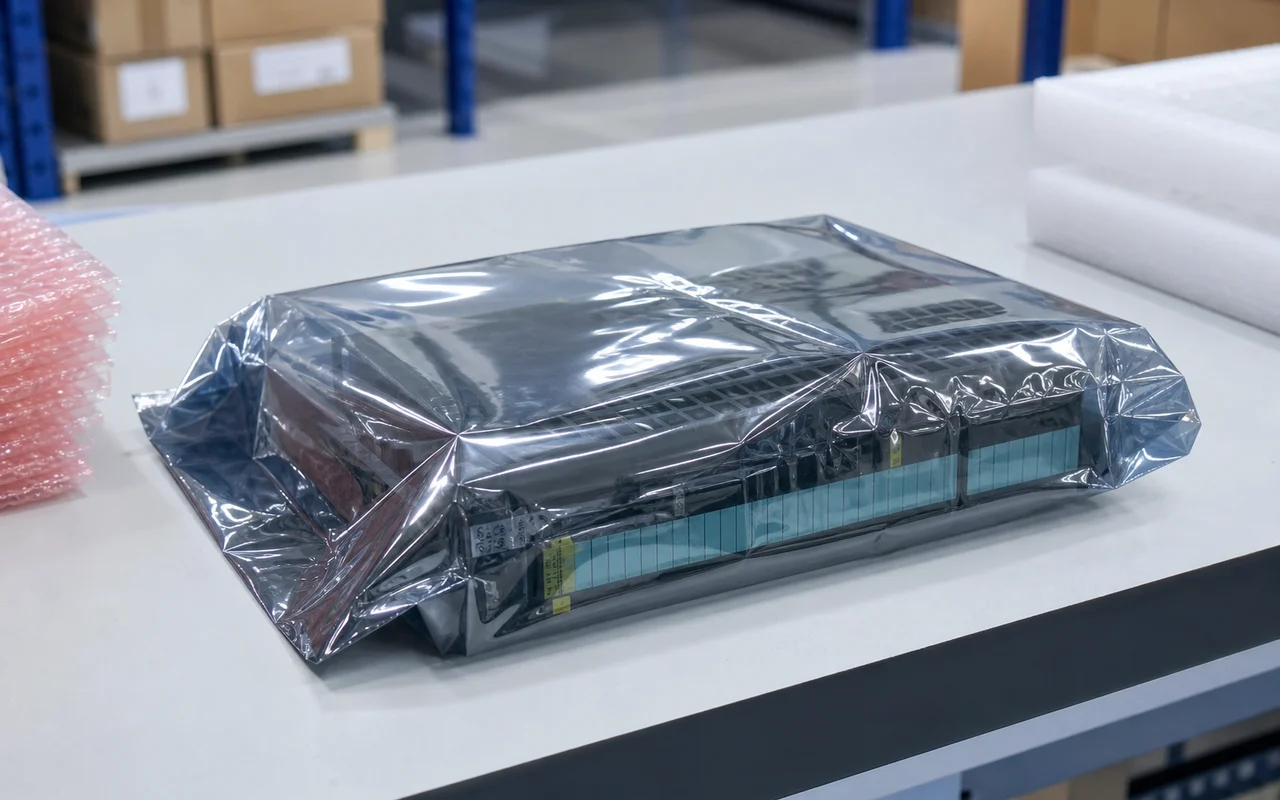 Anti-static Packaging
Modules are packed in anti-static bags to prevent electrostatic damage.
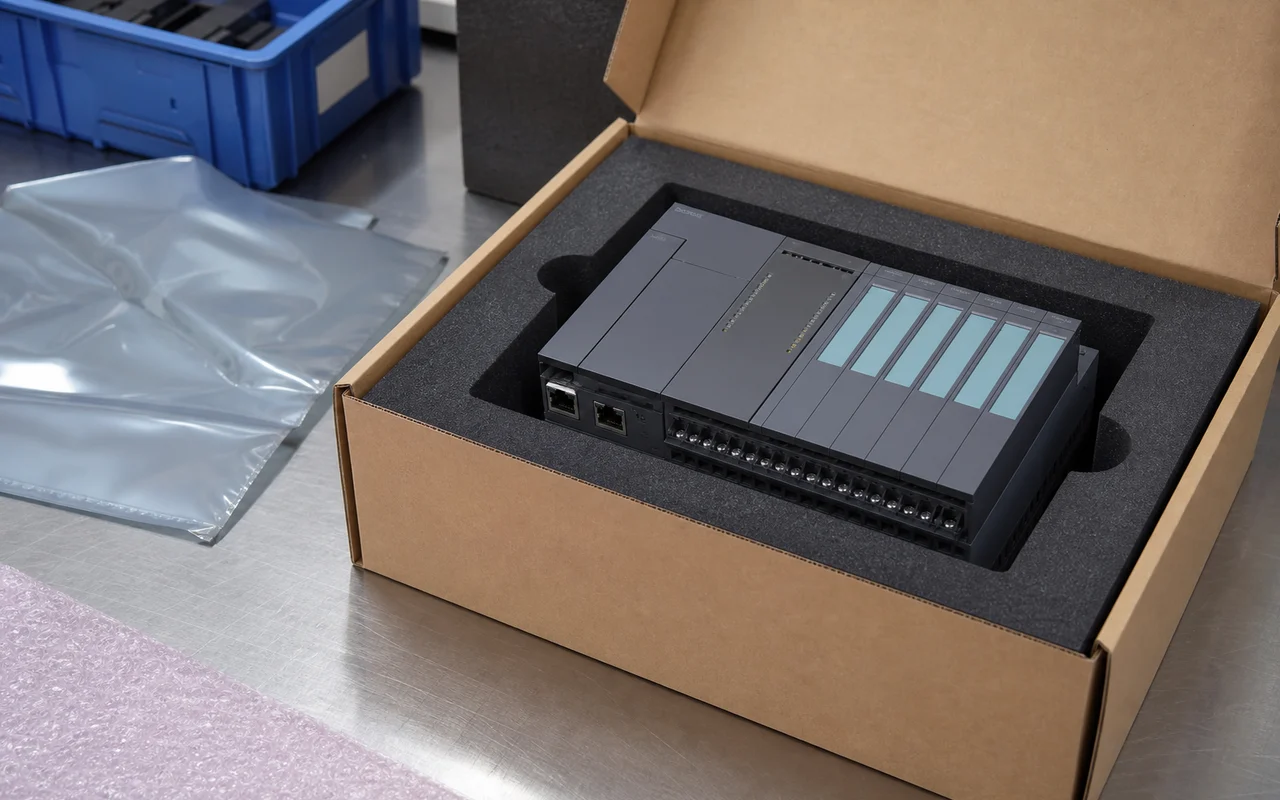 Secure Export Packing
Cushion protection and strong cartons ensure safe transportation.
 Worldwide Shipping
Global logistics network supports air, sea and express delivery.
 Documentation Check
Part number, revision and compatibility verified before shipment.
 After-sales Support
Professional technical support to help resolve your issues.