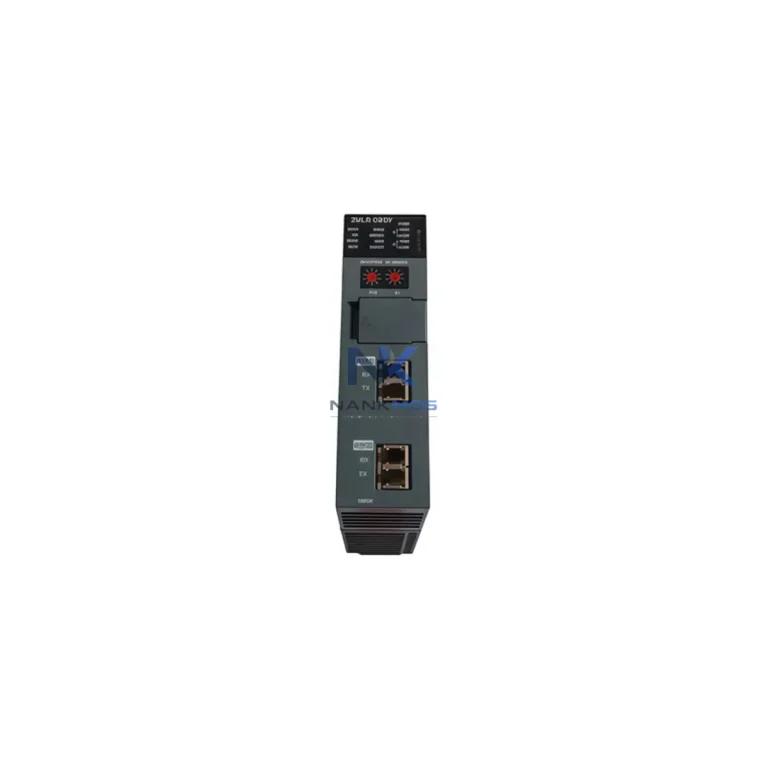
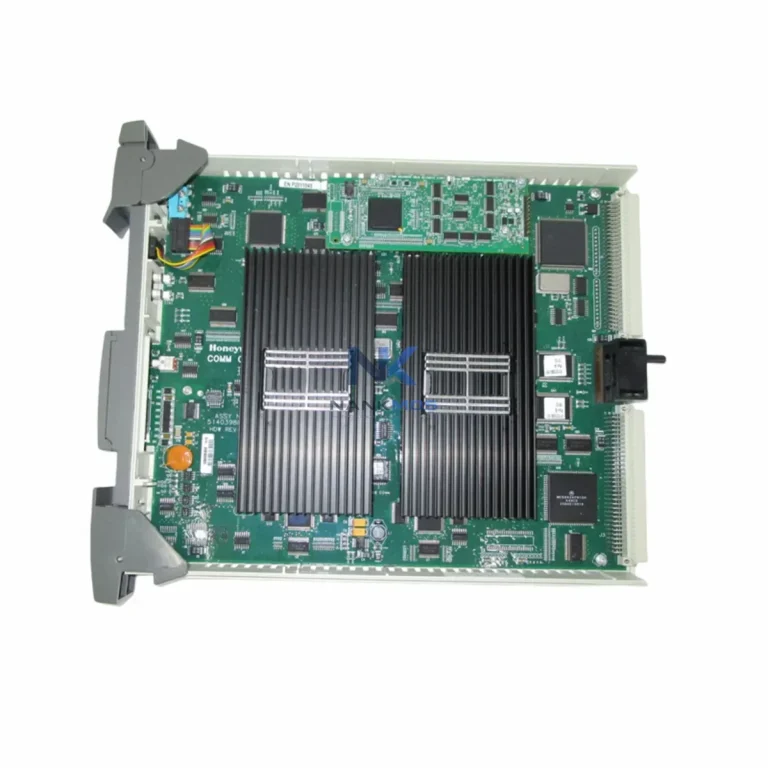
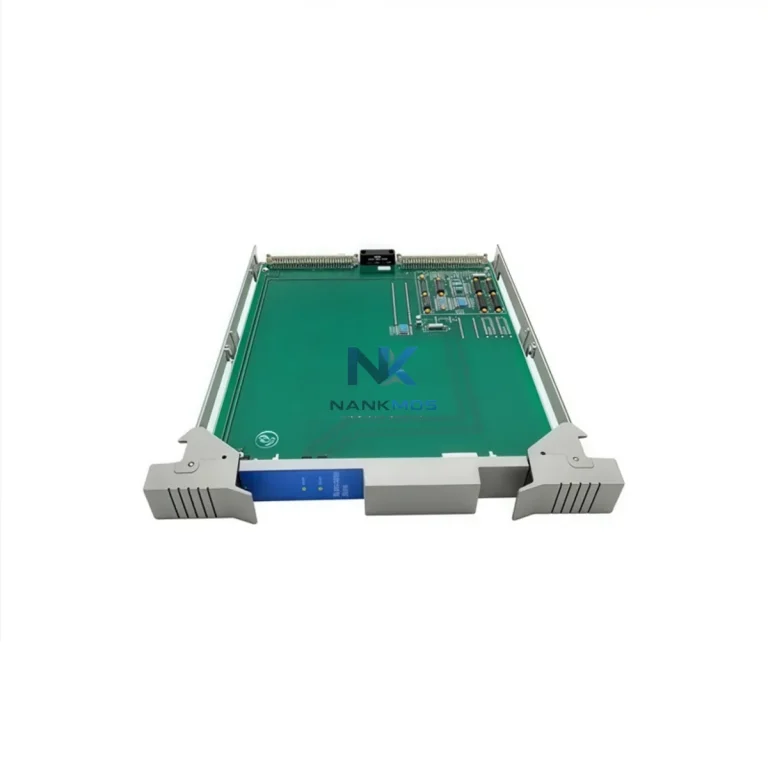
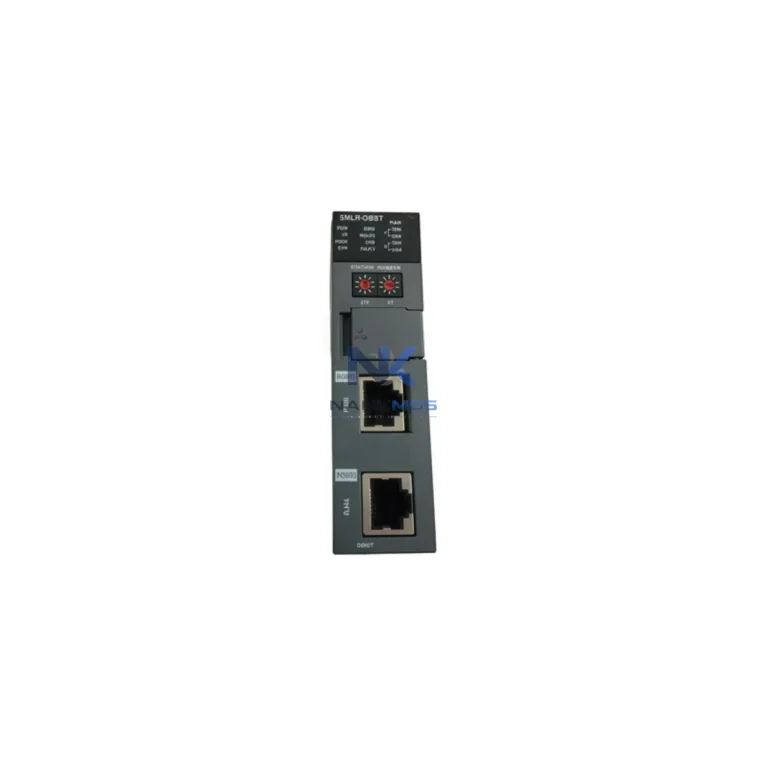
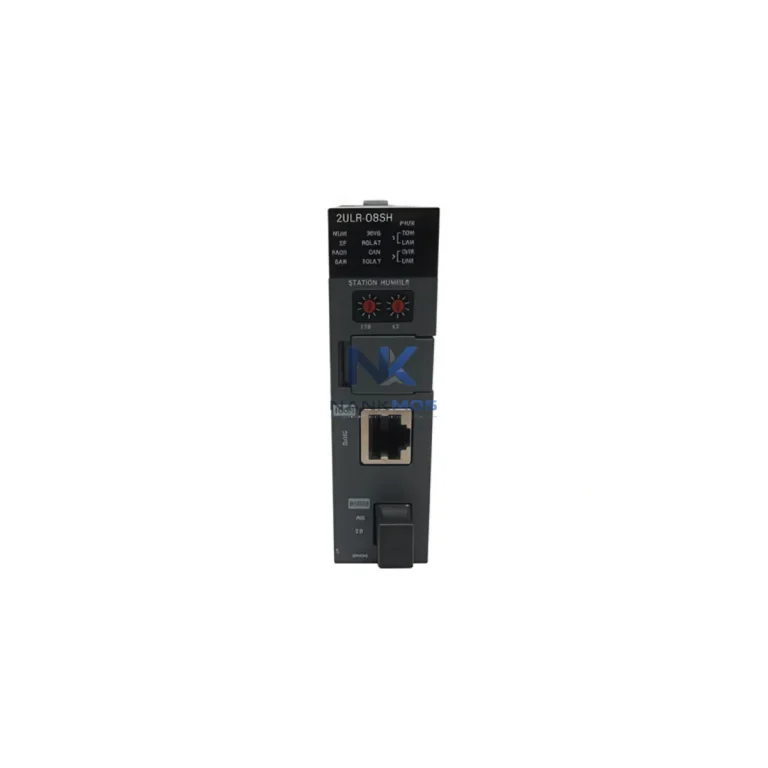
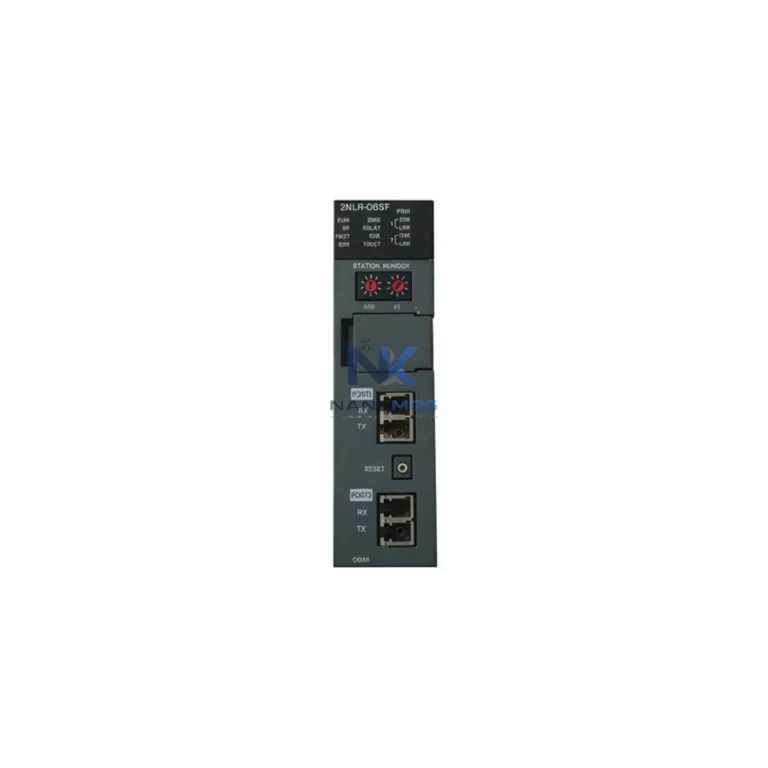
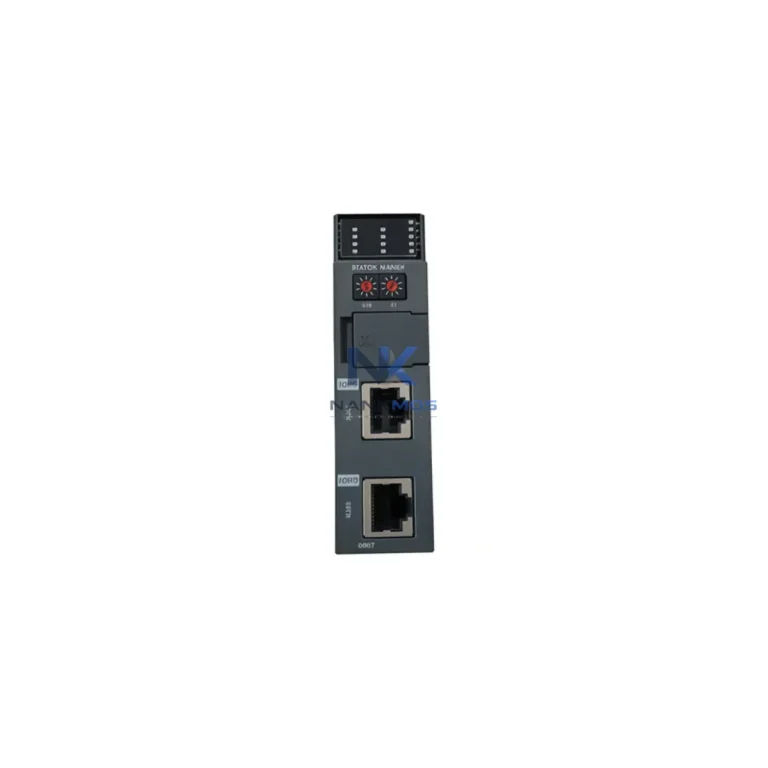
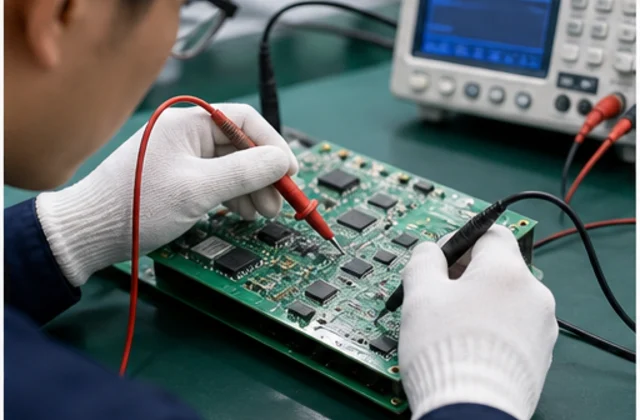
 Functional Inspection
100% tested on professional platforms to ensure stable performance.
Honeywell 2MLR-DBDF is a NANKMOS industrial automation product record Listed under TDC3000 series and Drives. Confirm condition, availability, lead time, compatibility and documentation by email inquiry.
Brand names are used for identification only.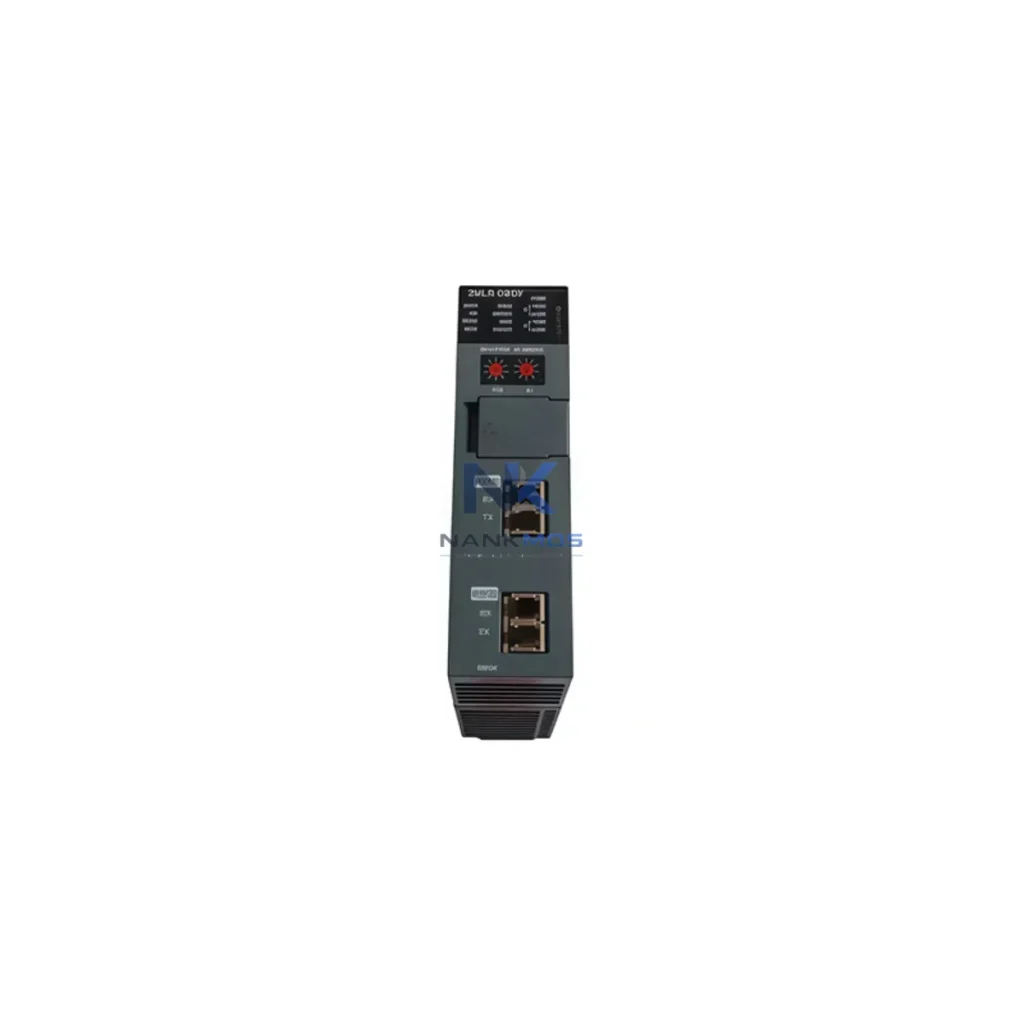
Honeywell 2MLR-DBDF is a NANKMOS industrial automation product record Listed under TDC3000 series and Drives. Confirm condition, availability, lead time, compatibility and documentation by email inquiry.
| Manufacturer | Honeywell |
|---|---|
| Application | Motion Control & Drive System |
| Part Number / Model | 2MLR-DBDF |
| Compatible System | TDC3000 |
| Series | TDC3000 |
| Condition Options | To Confirm |
| Module Type | Servo / Drive Module |
| Warranty | 12 Months |
| Packaging | Anti-static Bag / Secure Box |
| Shipping Methods | DHL / FedEx / UPS / Air / Sea |
| Availability | To Confirm |
| Lead Time | To Confirm |
| Documentation | Part number and revision checked before quote |
The Honeywell 2MLR-DBDF is a high-performance Redundant Expansion Driver engineered for mission-critical distributed control systems (DCS), including the Experion PKS and TDC3000 platforms. Designed with industrial energy optimization in mind, the 2MLR-DBDF delivers reliable, redundant signal expansion while actively contributing to reduced power consumption, lower thermal loads, and improved overall equipment effectiveness (OEE) across smart manufacturing environments.
In modern industrial facilities where energy costs and carbon footprints are under increasing scrutiny, every component in the control architecture must justify its power draw. The 2MLR-DBDF achieves this by maintaining seamless redundancy without duplicating energy waste — its intelligent failover logic ensures that only the active channel draws full operational power, while the standby path remains in a low-energy supervisory state. This architecture directly reduces idle energy consumption and minimizes heat generation within the control cabinet, extending the service life of adjacent modules and reducing HVAC load in the equipment room.
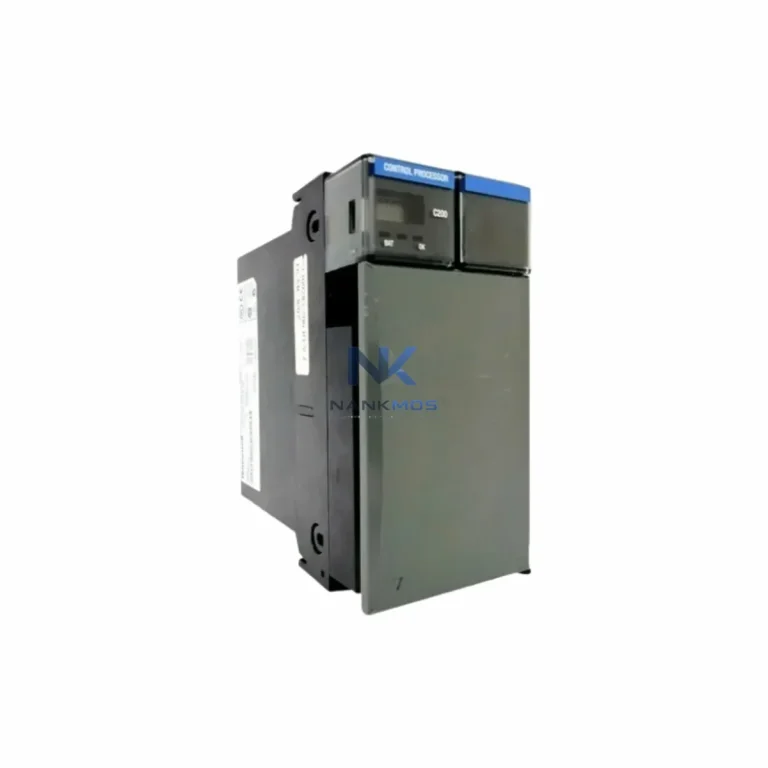
The 2MLR-DBDF does not operate in isolation — its true energy optimization value emerges when integrated within a coordinated automation architecture. In a typical smart production line deployment, this redundant expansion driver interfaces directly with the Honeywell Experion C300 Controller, which manages process logic and issues real-time commands to field devices. The C300's ability to monitor loop performance and adjust output signals in response to load conditions is amplified when paired with a reliable expansion driver like the 2MLR-DBDF, ensuring that signal integrity is never compromised during high-demand production cycles.
On the drive side, the 2MLR-DBDF supports coordination with variable frequency drives (VFDs) — such as those in the Honeywell or third-party drive families — by providing stable, redundant control signals that govern motor speed and torque profiles. When a VFD receives clean, uninterrupted command signals from the DCS via the 2MLR-DBDF, it can execute precise speed ramp-up and ramp-down sequences, dramatically reducing inrush current and mechanical stress on motors. This translates directly into lower peak energy demand and extended motor service intervals.
The 2MLR-DBDF also plays a critical role in systems that incorporate power monitoring modules such as the Honeywell PM I/O series or compatible third-party power quality analyzers. By ensuring that control signals to power measurement devices remain redundant and uninterrupted, the driver enables continuous energy data acquisition — a prerequisite for effective load management and energy baseline reporting. Facilities running Honeywell Uniformance PHD or similar process historian platforms benefit from the unbroken data streams that the 2MLR-DBDF's redundancy architecture guarantees.
In servo-driven applications — for example, precision positioning axes on assembly lines — the 2MLR-DBDF provides the stable DCS output signals required by servo drive controllers to maintain accurate torque and position feedback loops. Servo systems that receive jitter-free command signals consume less corrective energy, as the drive spends fewer cycles hunting for setpoint. This efficiency gain compounds across multi-axis systems, yielding measurable reductions in total electrical consumption per production cycle.
For facilities using Honeywell Safety Manager or integrated safety PLCs, the 2MLR-DBDF's redundant architecture supports safe-state transitions without triggering unnecessary full-system shutdowns — a common source of energy waste and production loss. The driver's failover capability ensures that safety-instrumented functions remain active while the control system seamlessly switches to the backup channel, maintaining production rhythm and avoiding the energy-intensive restart sequences that follow unplanned shutdowns.
Integration with HMI platforms — including Honeywell Experion Station or compatible SCADA visualization tools — is also enhanced by the 2MLR-DBDF. Operators monitoring energy KPIs on the HMI receive real-time, accurate data because the expansion driver ensures that I/O signals from field sensors, including temperature transmitters, pressure sensors, and flow meters, are continuously and redundantly delivered to the control layer. This supports proactive load management decisions directly from the operator workstation.
Factory energy optimization is not achieved through a single component — it is the result of every module in the control chain performing its function with maximum efficiency and minimum waste. The Honeywell 2MLR-DBDF contributes to this goal at the signal infrastructure level, ensuring that the DCS backbone operates without the energy penalties associated with signal loss, module switchover delays, or redundancy failures.
When a non-redundant expansion driver fails in a production environment, the consequences extend far beyond the immediate downtime. Emergency shutdowns trigger high-energy restart sequences, thermal cycling of equipment, and often manual intervention that disrupts production rhythm. The 2MLR-DBDF eliminates this failure mode by providing bumpless transfer between active and standby channels — the production line continues at its programmed pace, energy consumption remains predictable, and the facility's energy management system (EMS) does not register the anomalous spikes that accompany unplanned stops.
From a predictive maintenance perspective, the 2MLR-DBDF supports condition monitoring strategies by maintaining the integrity of diagnostic data pathways. When field devices — motors, drives, actuators — report their health status back to the DCS, the expansion driver ensures those signals arrive without corruption or interruption. Maintenance teams using Honeywell Uniformance Asset Sentinel or similar predictive analytics platforms can therefore rely on complete, accurate datasets to schedule maintenance during planned low-production windows, avoiding the energy waste of reactive emergency repairs.
The thermal management benefits of the 2MLR-DBDF are equally significant. By keeping the standby channel in a low-power state rather than running both channels at full power simultaneously, the driver reduces the heat output of the control cabinet. Lower cabinet temperatures mean less demand on cooling systems — whether forced-air or air-conditioning — which in facilities with large DCS installations can represent a meaningful reduction in auxiliary energy consumption. Over a 12-month operational period, this thermal efficiency compounds into substantial cost savings.
Production line throughput — often measured as units per hour or OEE percentage — is directly supported by the 2MLR-DBDF's ability to maintain consistent control signal delivery. Inconsistent or interrupted signals cause micro-stoppages, speed reductions, and quality deviations that collectively reduce throughput and increase energy consumption per unit produced. By guaranteeing signal continuity, the 2MLR-DBDF helps production lines operate at their designed cycle rate, maximizing the energy efficiency of every production hour.
NANKMOS maintains verified inventory of the Honeywell 2MLR-DBDF, with each unit subject to outgoing functional testing prior to shipment. All units are covered by a 12-month warranty, and global logistics support ensures rapid delivery to manufacturing facilities worldwide. Whether you are replacing a failed unit, building out a new DCS cabinet, or upgrading an existing Experion or TDC3000 system for improved energy performance, the 2MLR-DBDF is available for immediate dispatch.
Q1: How does the Honeywell 2MLR-DBDF contribute to energy savings in a DCS environment?The 2MLR-DBDF reduces energy waste by operating its standby channel in a low-power supervisory state rather than at full power. This lowers cabinet heat output, reduces cooling demand, and eliminates the high-energy restart sequences caused by non-redundant driver failures. The result is more predictable, lower-cost energy consumption across the DCS installation.
Q2: Is the 2MLR-DBDF compatible with both Experion PKS and TDC3000 systems?Yes. The 2MLR-DBDF is designed for use within the Honeywell DCS ecosystem and is compatible with both the Experion PKS and TDC3000 control platforms. For specific cabinet configurations or firmware version compatibility, NANKMOS technical support can assist with pre-installation verification.
Q3: What is the replacement and testing process when ordering from NANKMOS?Every 2MLR-DBDF unit in NANKMOS inventory undergoes functional outgoing testing before shipment to verify operational integrity. Units are shipped with documentation supporting installation and commissioning. The 12-month warranty covers manufacturing defects and operational failures under normal industrial use conditions.
Q4: How quickly can the 2MLR-DBDF be delivered, and is stock available?NANKMOS maintains ready stock of the Honeywell 2MLR-DBDF for immediate global shipment. Lead times vary by destination, but priority logistics options are available for urgent production line requirements. Contact our team to confirm current stock levels and arrange expedited delivery.
Functional Inspection100% tested on professional platforms to ensure stable performance.
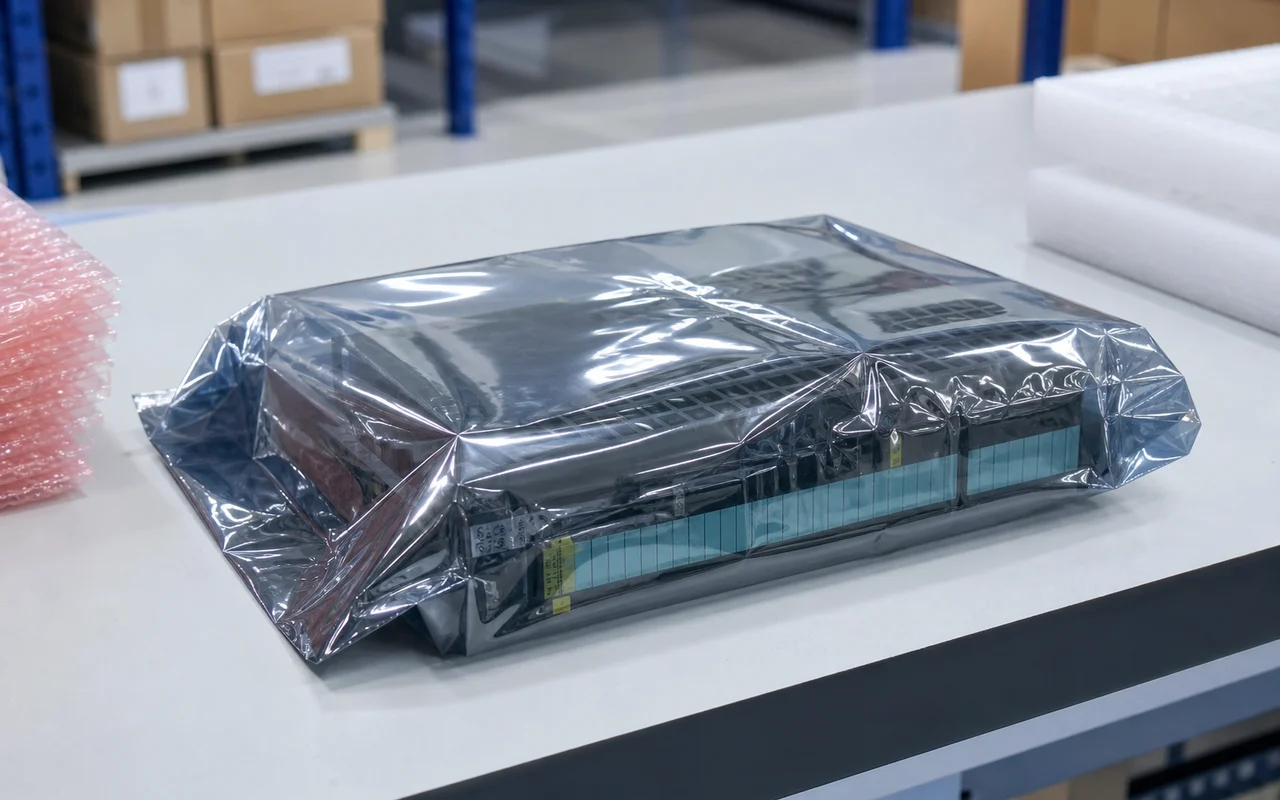 Anti-static Packaging
Modules are packed in anti-static bags to prevent electrostatic damage.
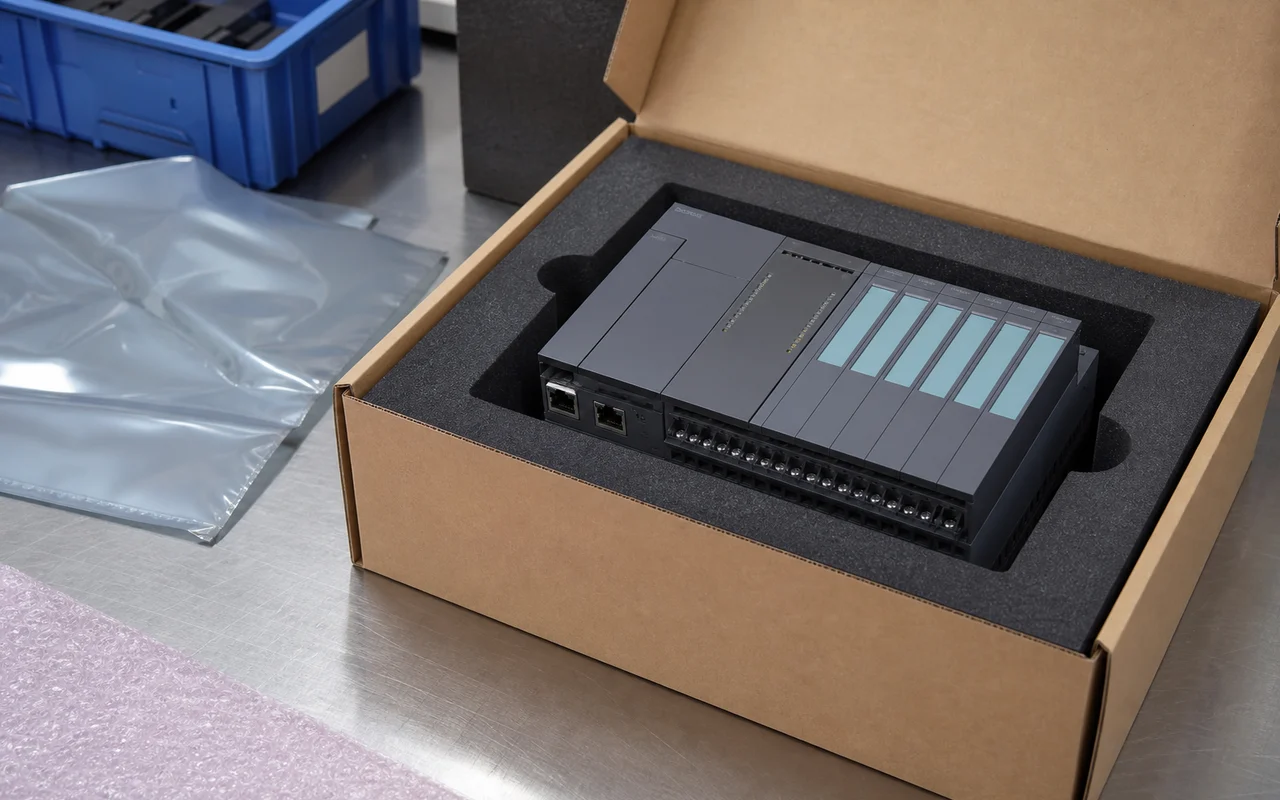 Secure Export Packing
Cushion protection and strong cartons ensure safe transportation.
 Worldwide Shipping
Global logistics network supports air, sea and express delivery.
 Documentation Check
Part number, revision and compatibility verified before shipment.
 After-sales Support
Professional technical support to help resolve your issues.