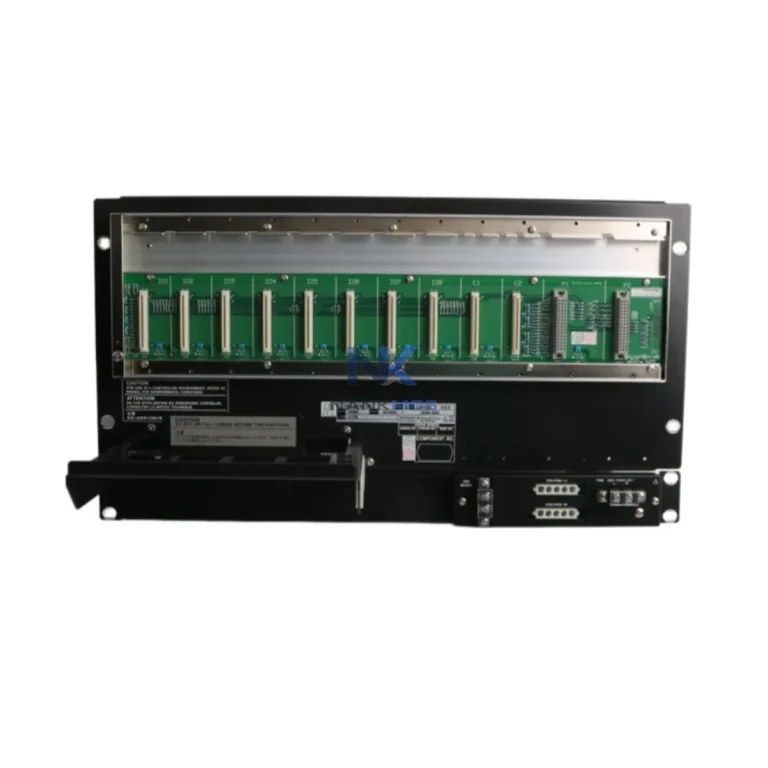
Functional Inspection
100% tested on professional platforms to ensure stable performance.
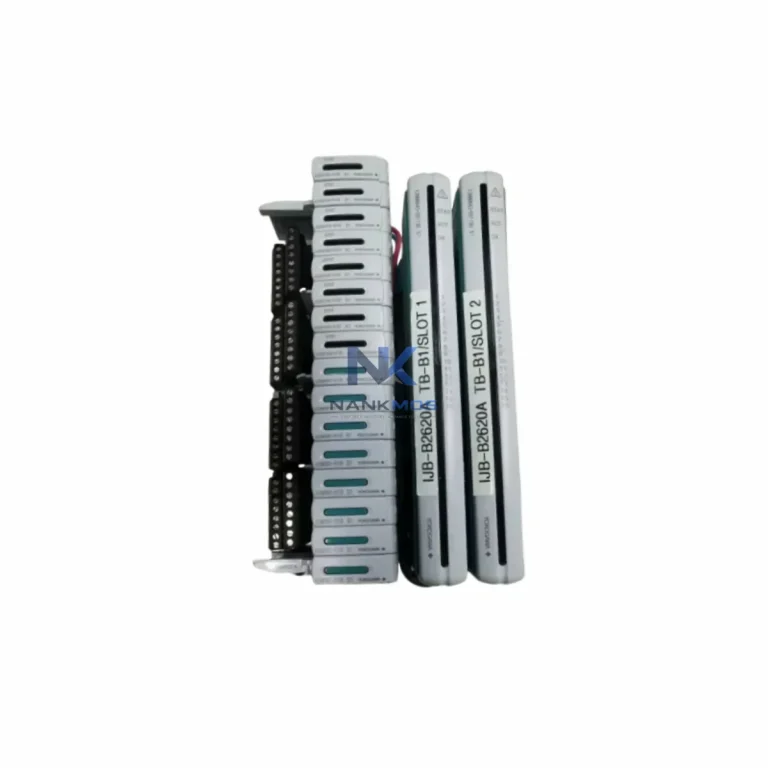
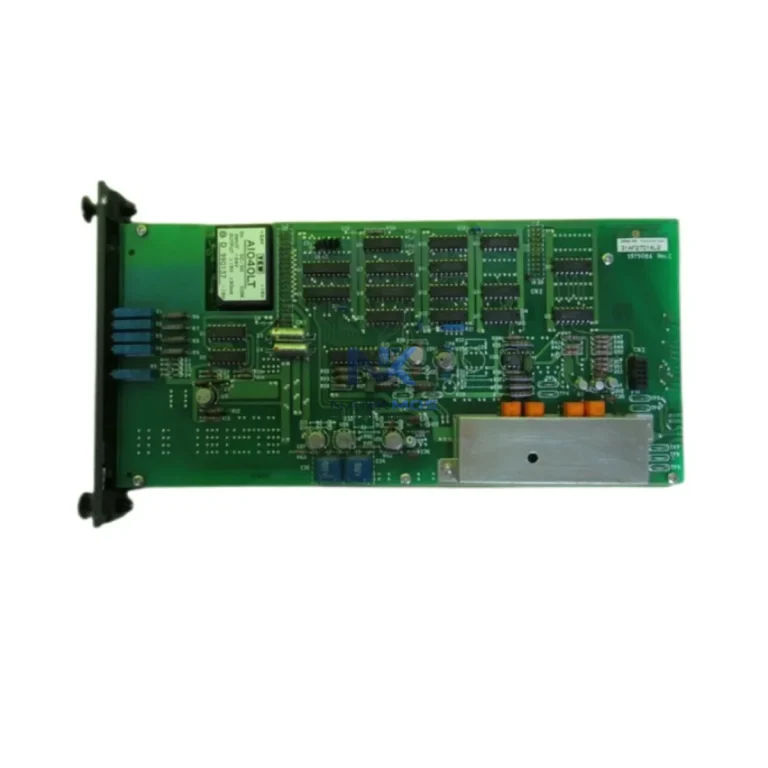
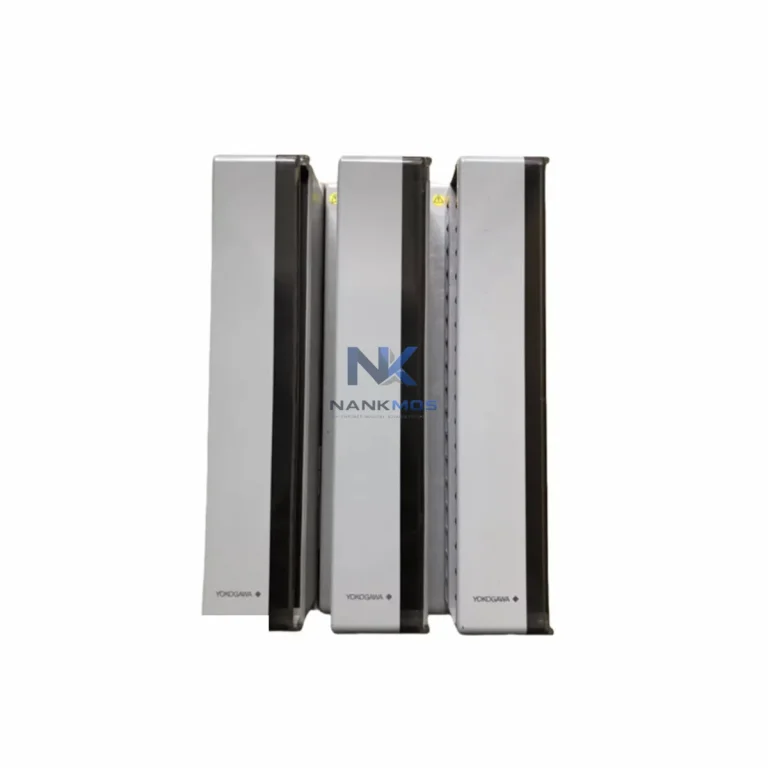
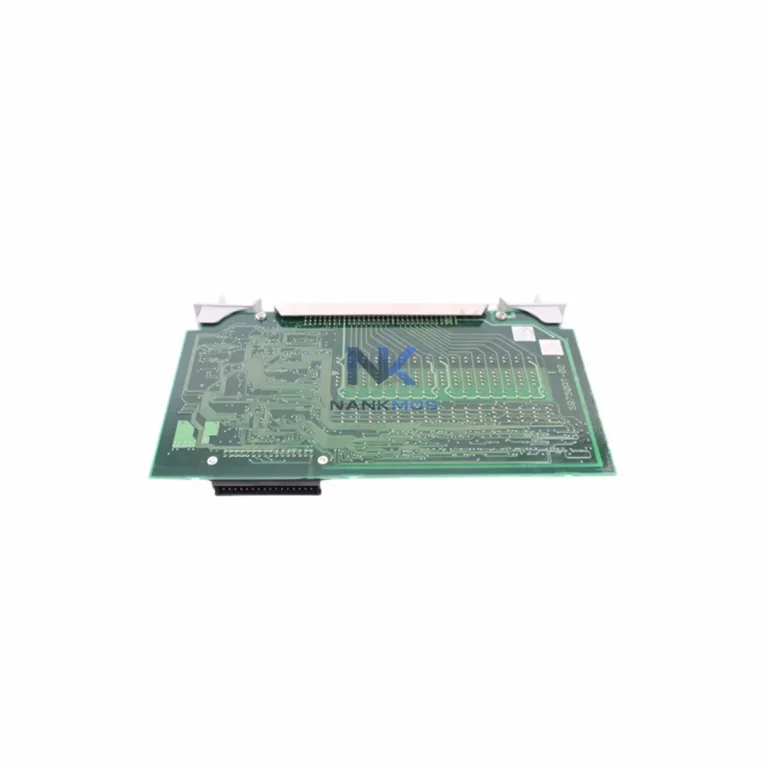
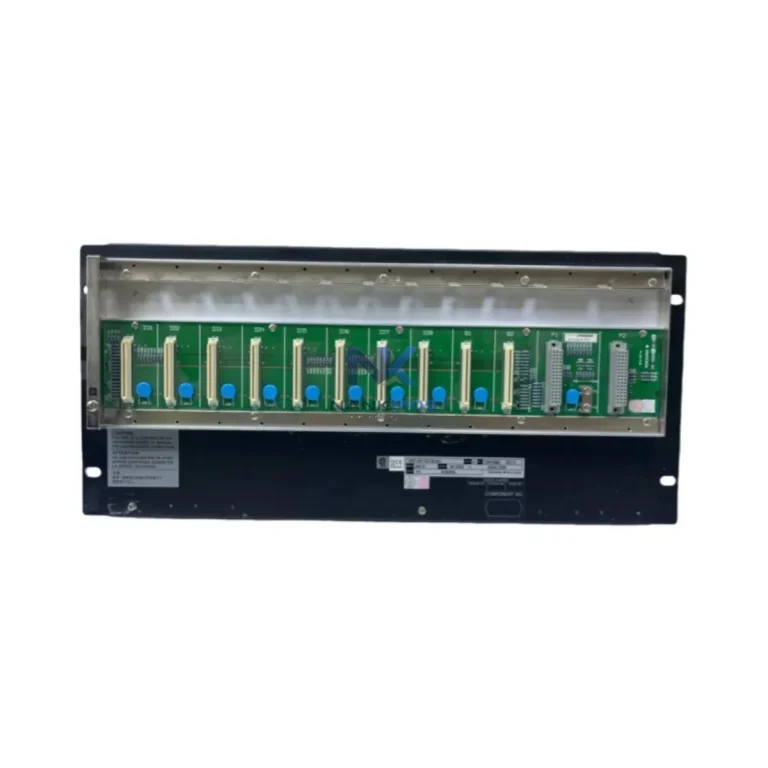
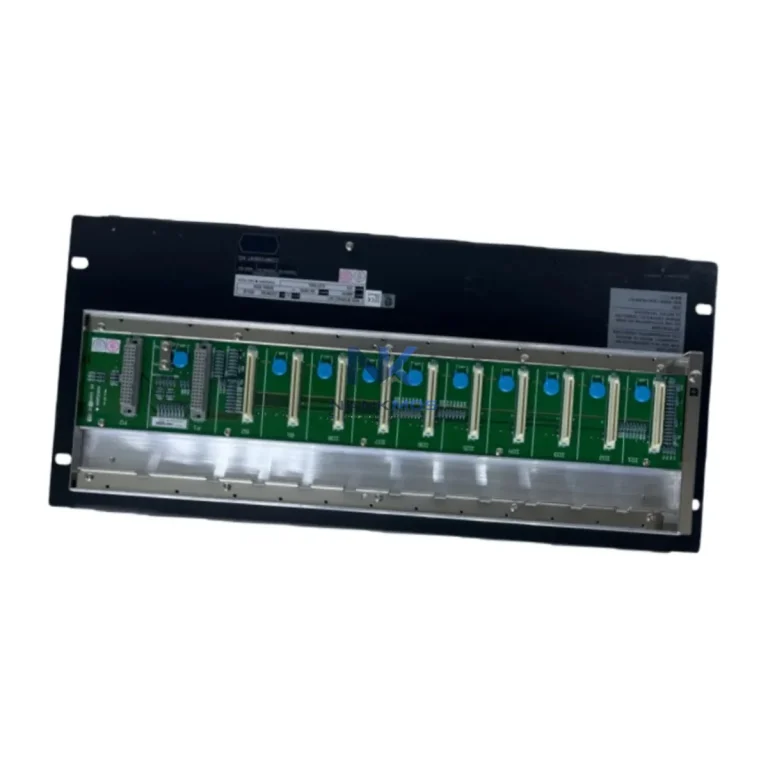
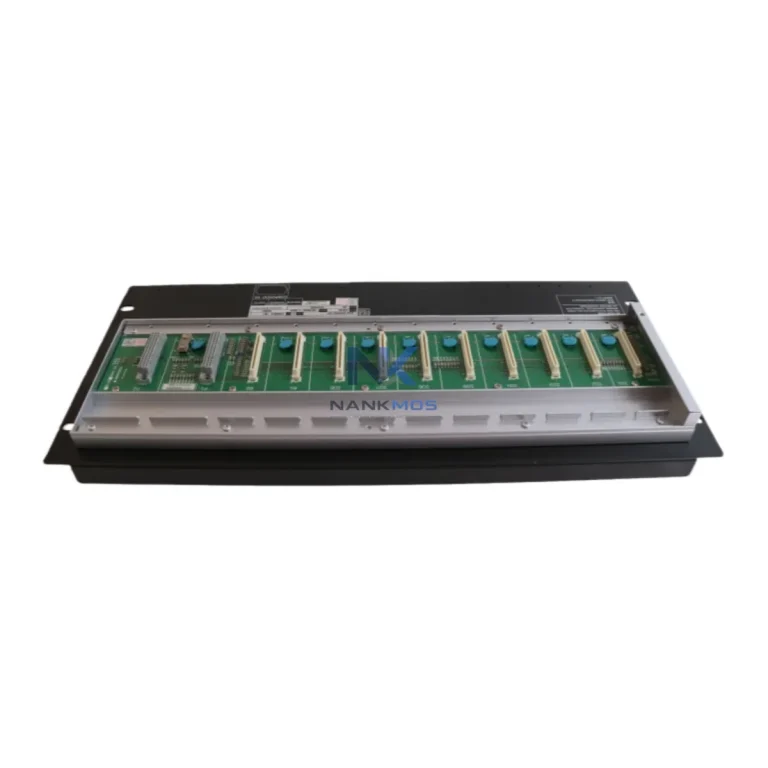
Yokogawa SAI143-H63 S3 is a NANKMOS industrial automation product record Listed under Other series series and Business & Industrial > Automation, Control & Flow Devices. Confirm condition, availability, lead time, compatibility and documentation by email inquiry.
Brand names are used for identification only.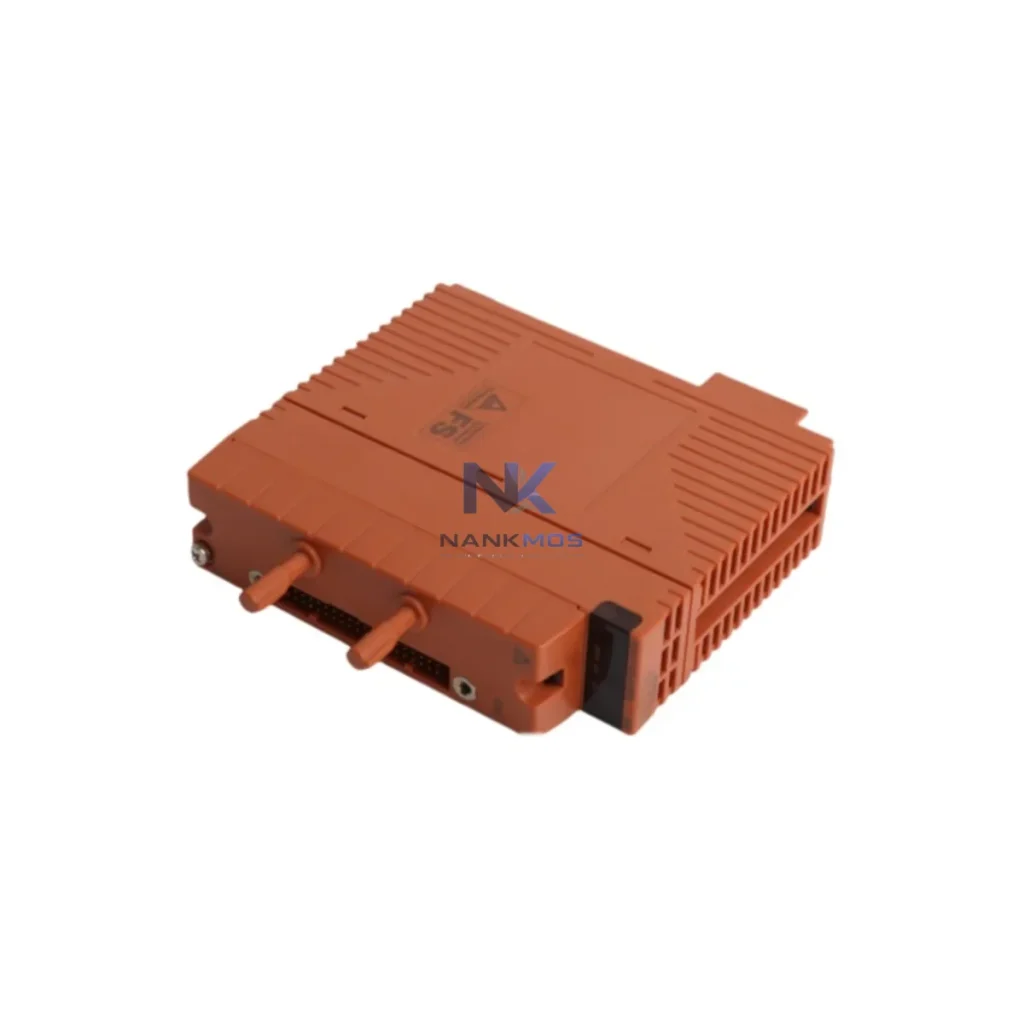
Yokogawa SAI143-H63 S3 is a NANKMOS industrial automation product record Listed under Other series series and Business & Industrial > Automation, Control & Flow Devices. Confirm condition, availability, lead time, compatibility and documentation by email inquiry.
| Manufacturer | Yokogawa |
|---|---|
| Application | Industrial Automation Maintenance |
| Part Number / Model | SAI143-H63 S3 |
| Compatible System | Confirmed by inquiry |
| Condition Options | To Confirm |
| Module Type | Automation, Control & Flow Devices |
| Warranty | 12 Months |
| Packaging | Anti-static Bag / Secure Box |
| Shipping Methods | DHL / FedEx / UPS / Air / Sea |
| Availability | To Confirm |
| Lead Time | To Confirm |
| Documentation | Part number and revision checked before quote |
The Yokogawa SAI143-H63 S3 is a precision signal conditioner engineered for the CENTUM CS3000 distributed control system (DCS), purpose-built to support energy-efficient automation in demanding industrial environments. Designed for power generation, petrochemical refining, oil & gas processing, water treatment, and marine propulsion applications, this module delivers stable, low-loss signal transmission that directly contributes to reduced energy consumption and improved production line throughput.
In modern smart factories, every milliwatt of wasted energy and every millisecond of signal latency compounds into measurable production losses. The SAI143-H63 S3 addresses this challenge by providing clean, conditioned analog input signals to the CS3000 DCS controller with minimal thermal dissipation. Its compact form factor and optimized power draw reduce the thermal load on control panel enclosures, lowering the demand on cooling systems and contributing to overall facility energy savings. Pre-shipment tested and supplied with a 12-month warranty, this module is ready for immediate deployment in both greenfield installations and brownfield retrofits.
The SAI143-H63 S3 operates as a critical front-end conditioning layer within the Yokogawa CENTUM CS3000 control architecture. In a typical smart production line, field sensors — including temperature transmitters, pressure transducers, and flow meters — feed raw analog signals into the DCS via this module. By ensuring signal integrity at the input stage, the SAI143-H63 S3 prevents erroneous control decisions that would otherwise cause unnecessary actuator cycling, motor starts, or valve repositioning — all of which consume excess energy.
When paired with the Yokogawa CS3000 FCS (Field Control Station), the conditioned signals from the SAI143-H63 S3 feed directly into PID control loops that govern variable frequency drives (VFDs) and servo drive systems managing pump motors, compressors, and conveyor drives. Accurate, noise-free analog inputs allow the VFD to maintain optimal motor speed setpoints, avoiding over-speed conditions that waste energy and accelerate mechanical wear.
In energy management architectures, the SAI143-H63 S3 works alongside Yokogawa power monitoring modules and SCADA integration layers — such as those built on the Yokogawa Exaquantum plant information management system — to provide real-time energy consumption data. The conditioned analog signals are logged, trended, and analyzed to identify inefficient load profiles, enabling operators to shift high-demand processes to off-peak periods and reduce peak demand charges.
For facilities integrating legacy field instruments with modern Modbus/TCP or OPC-UA communication networks, the SAI143-H63 S3 serves as the analog front-end that bridges traditional 4–20 mA field devices to the CS3000 DCS, which then exposes process data to higher-level SCADA and MES platforms. This integration eliminates the need for redundant signal conversion hardware, reducing both capital expenditure and ongoing power consumption from unnecessary intermediate devices.
The module also complements Yokogawa STARDOM FCN/FCJ remote I/O controllers deployed in distributed plant topologies, where signal conditioning quality directly affects the accuracy of energy metering and load balancing decisions made at the edge. In HMI-driven control rooms running Yokogawa FAST/TOOLS SCADA, operators rely on the clean data stream provided by the SAI143-H63 S3 to monitor real-time energy KPIs, set demand response thresholds, and trigger automated load-shedding sequences during peak grid demand periods.
Production line energy efficiency is not achieved through a single component — it is the cumulative result of every signal, every control decision, and every actuator response operating within its optimal range. The Yokogawa SAI143-H63 S3 contributes to this outcome by ensuring that the analog signals entering the CS3000 DCS are accurate, stable, and free from noise-induced drift that would otherwise cause control loops to hunt, overshoot, or oscillate.
Control loop instability is one of the most underappreciated sources of industrial energy waste. When a PID loop receives noisy or drifting input signals, it responds with excessive corrective output — driving motors, pumps, and heating elements beyond their required operating points. The SAI143-H63 S3 eliminates this root cause by delivering conditioned, high-fidelity analog inputs that allow control loops to operate with tighter tuning parameters, reducing energy consumption in motor-driven systems by minimizing unnecessary speed variations and start-stop cycles.
In continuous process industries such as petrochemical refining and power generation, the SAI143-H63 S3 supports predictive maintenance strategies by providing consistent baseline signal data for condition monitoring systems. Stable, repeatable analog readings allow maintenance teams to detect early-stage equipment degradation — such as pump cavitation, heat exchanger fouling, or compressor surge — before these conditions escalate into unplanned shutdowns. Avoiding unplanned downtime not only protects production throughput but also eliminates the energy-intensive restart sequences required after emergency shutdowns.
For production lines targeting ISO 50001 energy management certification or internal energy intensity reduction targets, the SAI143-H63 S3 provides the measurement-grade signal quality required to support accurate energy accounting at the process unit level. When integrated with Yokogawa's energy management software and connected to the plant SCADA historian, the module enables granular energy consumption tracking that supports both operational optimization and regulatory reporting.
All units are supplied in stock, pre-shipment tested to Yokogawa factory specifications, and backed by a 12-month warranty — ensuring that your production line energy optimization program is not delayed by procurement lead times or quality uncertainty.
Q1: How does the SAI143-H63 S3 contribute to measurable energy savings on a production line? By delivering clean, stable analog input signals to the CENTUM CS3000 DCS, the SAI143-H63 S3 enables tighter PID loop tuning, which reduces unnecessary actuator movement, motor cycling, and energy consumption in pump, compressor, and drive systems. Facilities that eliminate control loop hunting through improved signal conditioning typically report 3–8% reductions in motor-driven system energy consumption.
Q2: Is the SAI143-H63 S3 compatible with existing CS3000 installations without hardware modification? Yes. The SAI143-H63 S3 is a direct drop-in replacement for compatible analog input positions within the CENTUM CS3000 system. No additional wiring, configuration changes, or firmware updates are required for standard replacement installations. Compatibility with specific I/O card slots should be verified against the CS3000 hardware revision in use.
Q3: What is the recommended replacement and testing procedure for this module? All SAI143-H63 S3 units supplied by NANKMOS are pre-shipment tested against Yokogawa factory specifications prior to dispatch. Upon installation, standard CS3000 commissioning procedures — including loop check, signal calibration verification, and DCS tag assignment confirmation — should be performed. A baseline signal quality log is recommended for predictive maintenance tracking.
Q4: What warranty and supply assurance does NANKMOS provide for the SAI143-H63 S3? NANKMOS provides a 12-month warranty on all SAI143-H63 S3 units. Stock is maintained on-hand for immediate dispatch, minimizing procurement lead times for planned maintenance and emergency replacement scenarios. Contact our technical team for volume pricing, lead time confirmation, and application-specific compatibility support.
Functional Inspection100% tested on professional platforms to ensure stable performance.
 Anti-static Packaging
Modules are packed in anti-static bags to prevent electrostatic damage.
 Secure Export Packing
Cushion protection and strong cartons ensure safe transportation.
 Worldwide Shipping
Global logistics network supports air, sea and express delivery.
 Documentation Check
Part number, revision and compatibility verified before shipment.
 After-sales Support
Professional technical support to help resolve your issues.