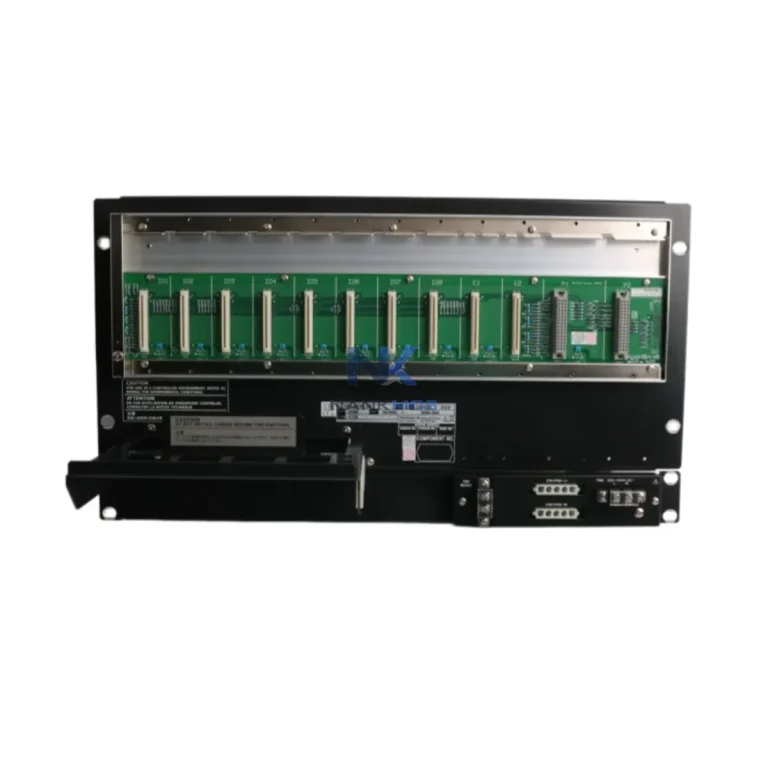
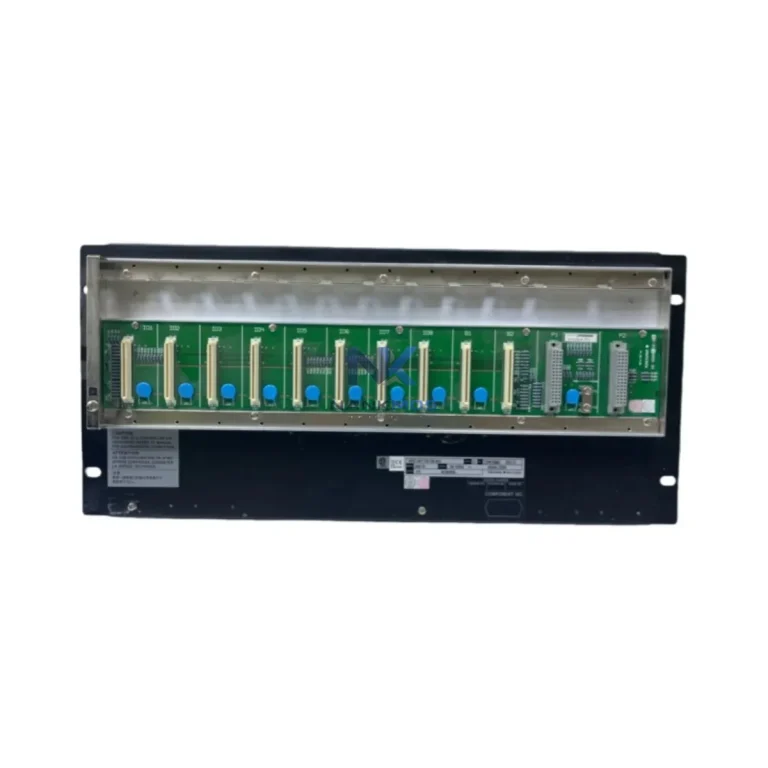
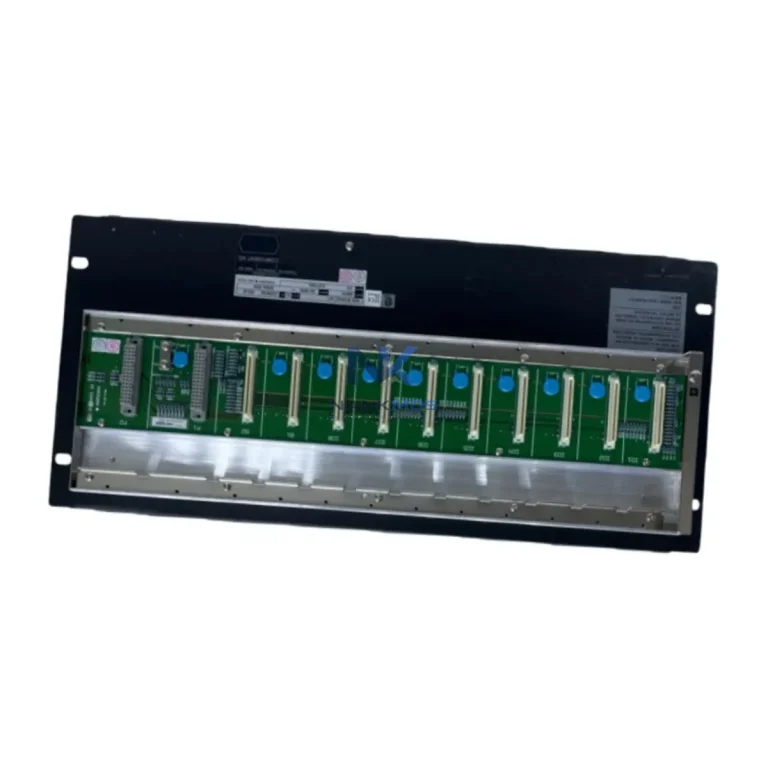
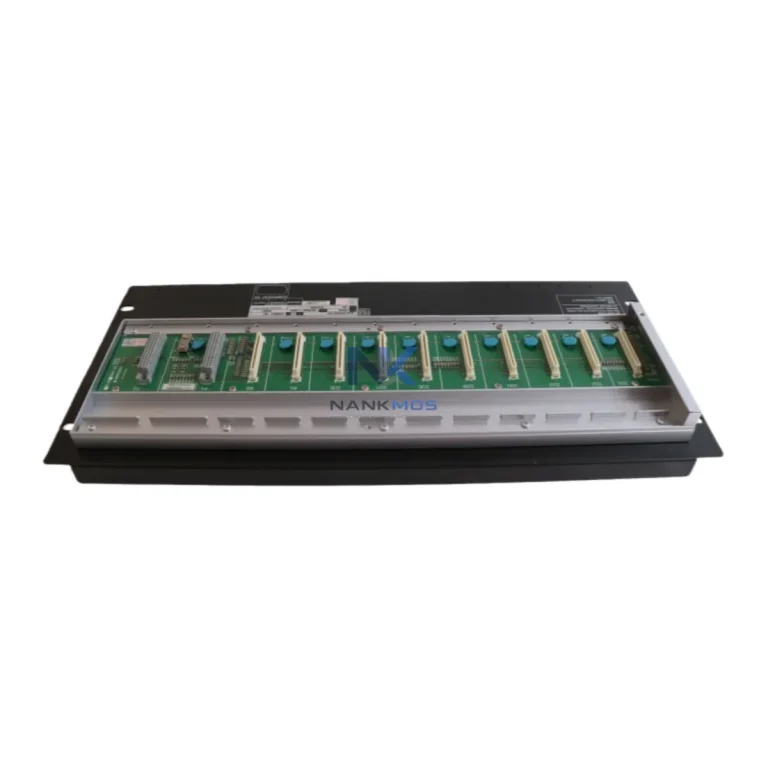
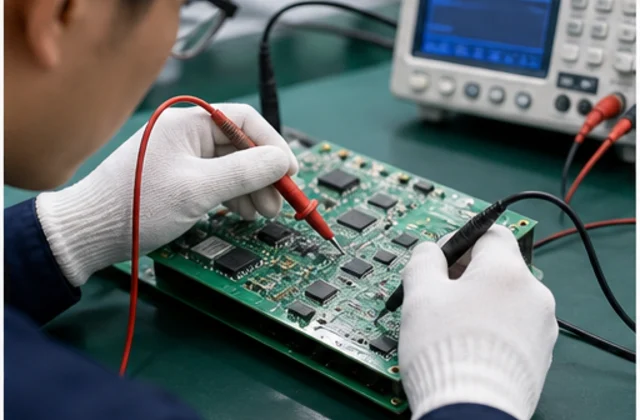
 Functional Inspection
100% tested on professional platforms to ensure stable performance.
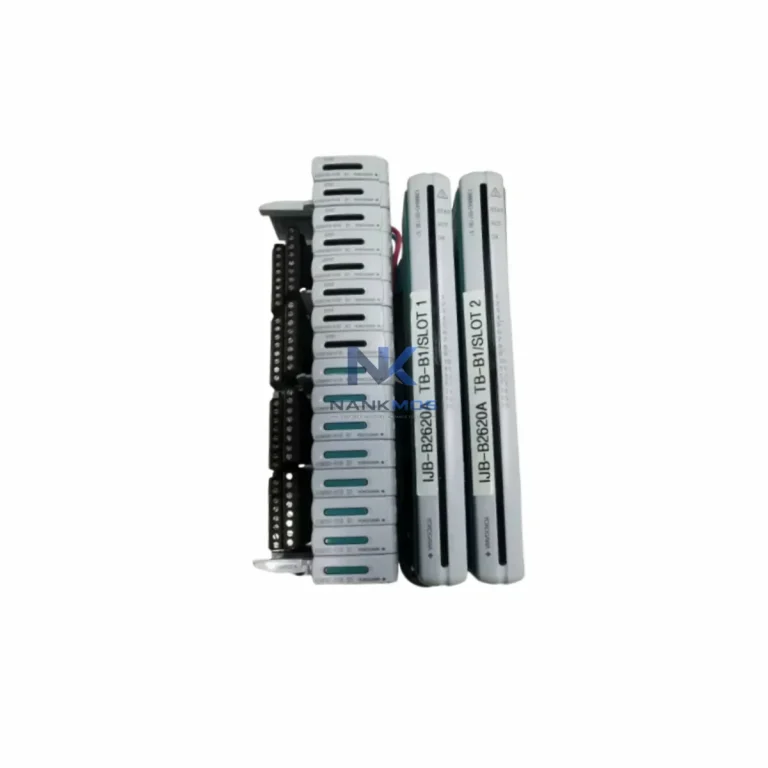
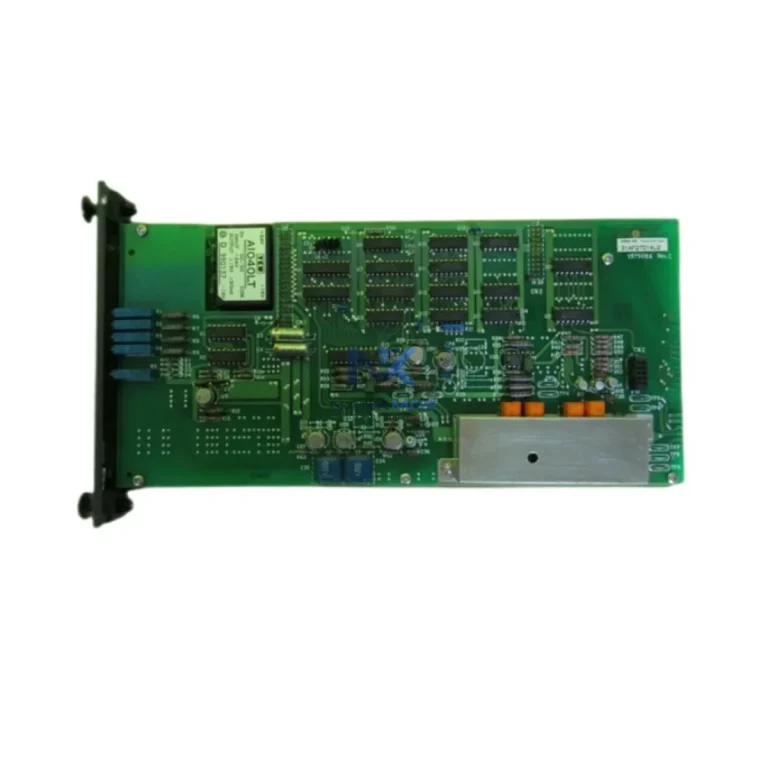
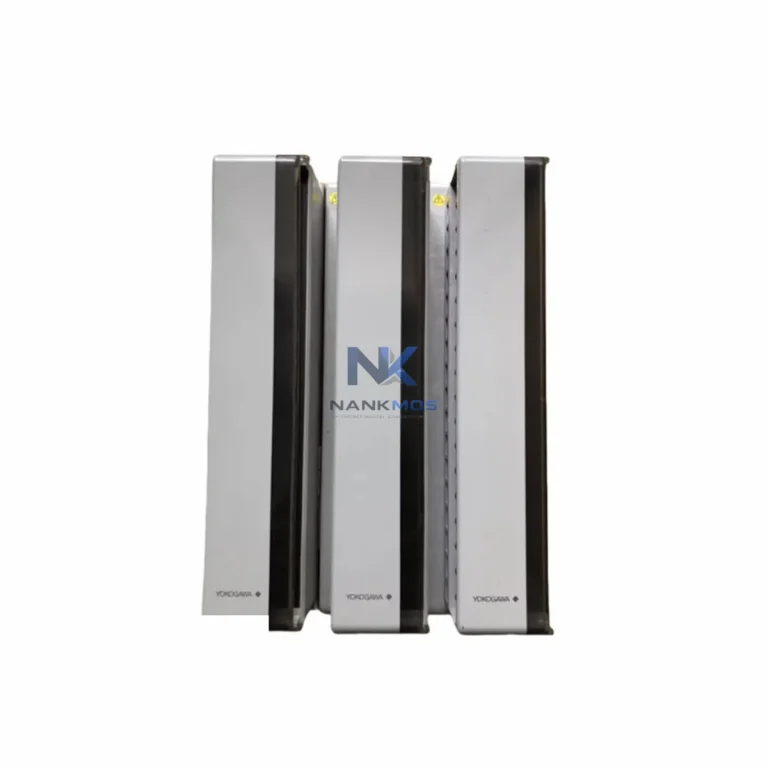
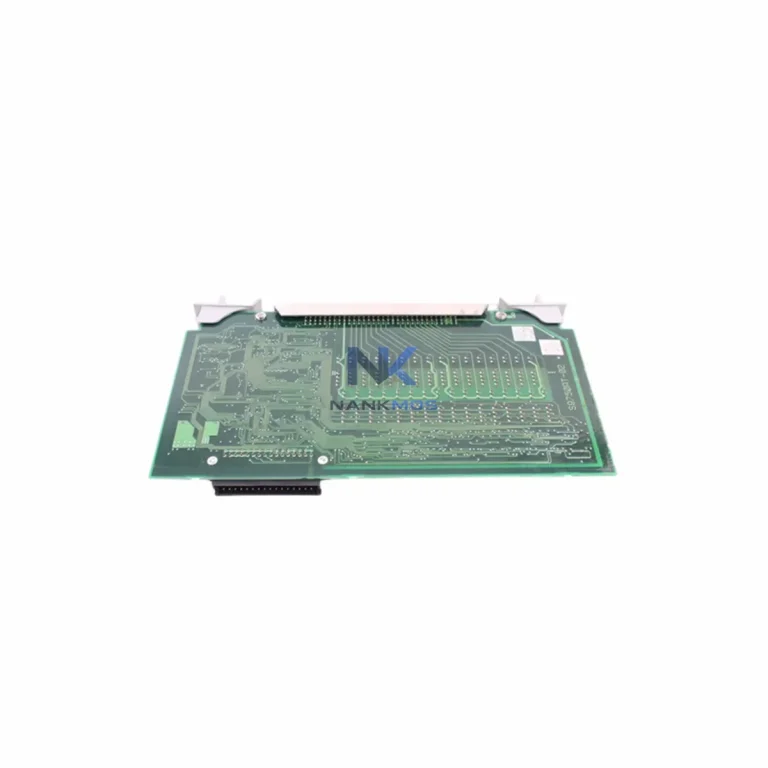
Yokogawa SB401-50 S1 is a NANKMOS industrial automation product record Listed under STARDOM series and Business & Industrial > Automation, Control & Flow Devices. Confirm condition, availability, lead time, compatibility and documentation by email inquiry.
Brand names are used for identification only.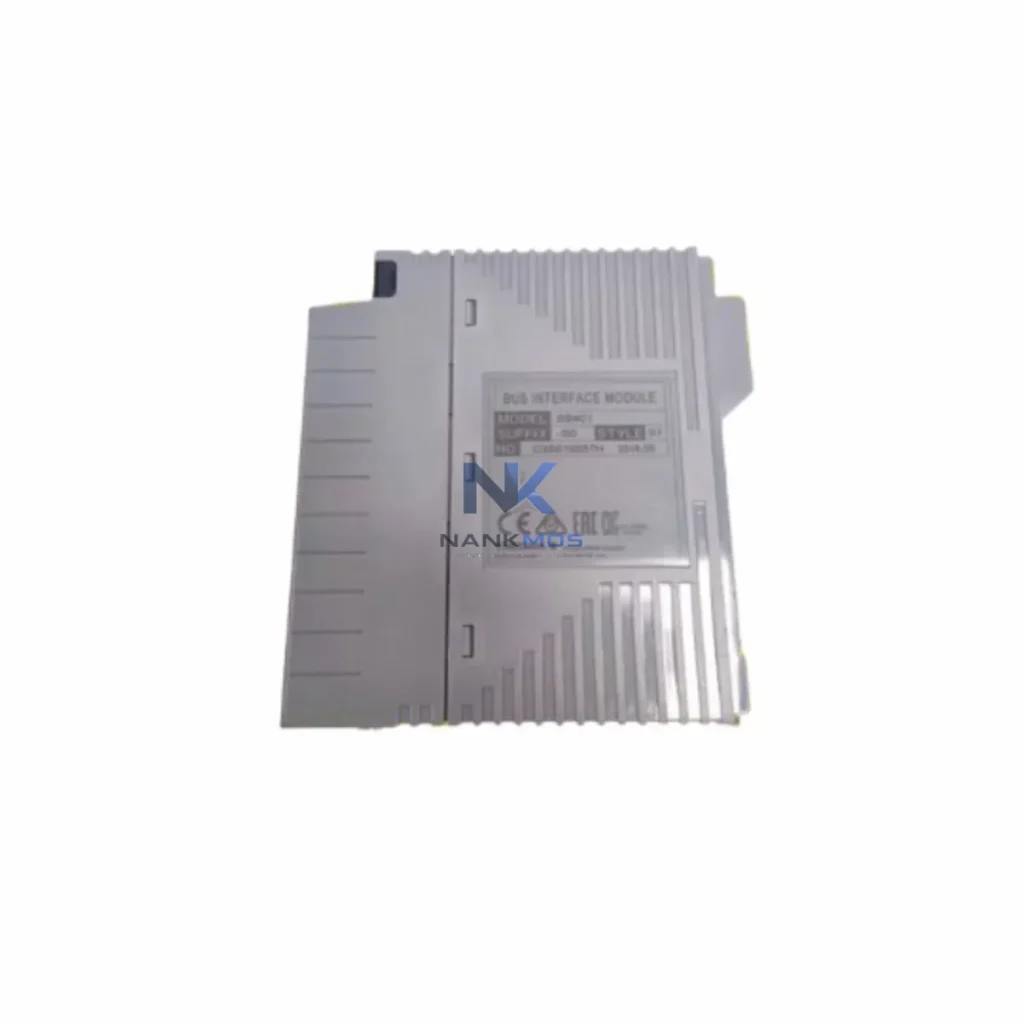
Yokogawa SB401-50 S1 is a NANKMOS industrial automation product record Listed under STARDOM series and Business & Industrial > Automation, Control & Flow Devices. Confirm condition, availability, lead time, compatibility and documentation by email inquiry.
| Manufacturer | Yokogawa |
|---|---|
| Application | Industrial Network & Bus Termination |
| Part Number / Model | SB401-50 S1 |
| Compatible System | STARDOM |
| Series | STARDOM |
| Condition Options | To Confirm |
| Module Type | Bus / Network Interface Module |
| Warranty | 12 Months |
| Packaging | Anti-static Bag / Secure Box |
| Shipping Methods | DHL / FedEx / UPS / Air / Sea |
| Availability | To Confirm |
| Lead Time | To Confirm |
| Documentation | Part number and revision checked before quote |
The Yokogawa SB401-50 S1 is a precision-engineered bus interface module purpose-built for deployment within the STARDOM FCN/FCJ distributed control platform. Designed to serve as the communication backbone between the CPU rack and field I/O subsystems, the SB401-50 S1 delivers deterministic signal routing, high-speed data throughput, and robust electrical isolation across multi-node control architectures. In demanding industrial environments — from continuous process plants to discrete manufacturing lines — this module ensures that every layer of the control hierarchy maintains synchronized, low-latency communication with minimal engineering overhead.
The SB401-50 S1 is not a standalone component; it is a system-level enabler. Its value is realized when integrated within a fully coordinated STARDOM architecture that includes the FCN autonomous controller, FCJ field control node, redundant power supply modules such as the PW481 and PW482, and distributed I/O modules across analog input, analog output, digital input, and digital output families. When paired with the CP451 or CP461 CPU modules, the SB401-50 S1 provides the physical and logical interface layer that allows the processor to address field signals with deterministic cycle times, supporting both simplex and redundant topologies without requiring additional gateway hardware.
Within the control layer, the SB401-50 S1 coordinates directly with the CPU backplane to manage slot addressing, module health monitoring, and real-time diagnostics. Engineers commissioning STARDOM-based systems benefit from the module's plug-and-play compatibility with the standard FCN rack chassis, eliminating the need for custom wiring harnesses or proprietary adapters. The module's bus architecture supports hot-swap capability in qualified configurations, reducing planned maintenance windows and enabling live module replacement without full system shutdown — a critical advantage in 24/7 process environments such as oil and gas separation, chemical batch reactors, and power generation auxiliaries.
Signal integrity is maintained across the full operating temperature range through the SB401-50 S1's internal bus buffering and impedance-matched connectors. When deployed alongside analog input modules such as the AAI141 or AAI143, the bus interface ensures that 4–20 mA field signals are sampled with consistent timing across all channels, preventing inter-channel skew that could compromise PID loop performance or alarm response accuracy. For digital I/O applications using modules like the ADI141 or ADO141, the SB401-50 S1 provides the synchronization layer that aligns discrete state changes with the CPU scan cycle, supporting high-speed interlock logic and safety-rated shutdown sequences.
Communication stability is further enhanced when the SB401-50 S1 is used in conjunction with STARDOM's network communication modules, including the NE4D Ethernet interface and the CP401 communication processor. These components, operating through the SB401-50 S1's bus infrastructure, enable seamless integration with SCADA systems, historian platforms, and OPC-UA data aggregation layers. In multi-controller architectures, the bus interface supports peer-to-peer data exchange between FCN nodes, enabling distributed control strategies that reduce single-point-of-failure risk across geographically separated process units.
For redundancy-critical applications, the SB401-50 S1 supports deployment in dual-redundant rack configurations where a standby bus interface mirrors the active module's state in real time. This architecture is particularly relevant in power utility substations, LNG terminal control systems, and water treatment SCADA installations where regulatory requirements mandate continuous availability. The switchover mechanism operates transparently to the field devices and the supervisory layer, ensuring that neither the operator HMI nor the historian records a data gap during a module failover event.
Long-term maintainability is a core design principle of the SB401-50 S1. The module's firmware is field-upgradeable through the STARDOM engineering workstation, allowing operators to apply security patches and feature updates without physical module replacement. Diagnostic LEDs on the front panel provide immediate visual indication of bus health, power status, and communication activity, reducing the time required for fault isolation during corrective maintenance. When integrated with Yokogawa's FAST/TOOLS SCADA or ProSafe-RS safety system, the SB401-50 S1's diagnostic data can be surfaced directly in the operator console, enabling predictive maintenance workflows that extend mean time between failures across the entire control cabinet.
Every SB401-50 S1 unit supplied by NANKMOS undergoes pre-shipment functional verification, including bus communication continuity testing, power rail integrity checks, and connector seating validation. Units are shipped in anti-static packaging with full traceability documentation. Stock is maintained for immediate dispatch, supporting both planned project procurement and emergency replacement scenarios. All units are covered by a 12-Month Warranty from the date of shipment, providing assurance of module performance and long-term supply chain reliability for capital-intensive automation projects.
The SB401-50 S1 achieves its full architectural value when deployed as part of a coordinated STARDOM automation platform. At the processing layer, the CP451 and CP461 CPU modules rely on the SB401-50 S1 to arbitrate backplane bus access and maintain deterministic scan cycles across all installed I/O modules. Power integrity is sustained by the PW481 and PW482 redundant power supply modules, which feed the rack bus through the SB401-50 S1's power distribution interface, ensuring that a single power supply fault does not interrupt field signal acquisition.
At the I/O layer, analog input modules such as the AAI141 and AAI143 connect to the bus through the SB401-50 S1, delivering 4–20 mA and thermocouple signals to the CPU with consistent channel-to-channel timing. Analog output modules including the AAO141 close the control loop by transmitting setpoint signals to field actuators through the same bus infrastructure. Digital I/O modules — ADI141 for discrete inputs and ADO141 for discrete outputs — rely on the SB401-50 S1's synchronization layer to align state transitions with the CPU's interlock scan, supporting high-integrity shutdown logic in safety-instrumented systems.
At the communication layer, the NE4D Ethernet interface module and the CP401 communication processor extend the STARDOM platform's connectivity to Modbus TCP, OPC-UA, and proprietary FAST/TOOLS historian protocols. These modules operate through the SB401-50 S1's bus infrastructure, ensuring that network communication tasks do not compete with real-time I/O scanning for bus bandwidth. In multi-node architectures, the SB401-50 S1 supports peer-to-peer FCN-to-FCN data exchange, enabling distributed control strategies across large-scale process plants without requiring a centralized communication gateway.
The Yokogawa SB401-50 S1 is deployed across a broad spectrum of industrial sectors where system reliability, signal integrity, and long-term maintainability are non-negotiable requirements. In oil and gas upstream and midstream facilities, the module serves as the bus backbone for wellhead control panels and pipeline SCADA RTUs, where the FCN's autonomous control capability — enabled by the SB401-50 S1's reliable bus communication — allows continued operation during temporary loss of supervisory network connectivity.
In electric power generation and transmission substations, the SB401-50 S1 supports IEC 61850-compatible control architectures by providing the internal bus infrastructure that connects protection relay interface modules to the FCN CPU, enabling fast-response interlock logic for generator excitation control and transformer protection schemes. Water and wastewater treatment plants deploy the SB401-50 S1 in pump station control panels and chemical dosing systems, where the module's hot-swap capability allows maintenance teams to replace faulty I/O modules without interrupting the treatment process.
Petrochemical and refinery applications leverage the SB401-50 S1's redundant bus architecture to meet SIL 2 process safety requirements in distillation column control, heat exchanger management, and compressor surge protection systems. In pharmaceutical manufacturing, the module supports FDA 21 CFR Part 11-compliant batch control architectures by providing the deterministic bus timing required for accurate recipe execution and audit trail generation. Mining and minerals processing operations deploy the SB401-50 S1 in conveyor control systems, crusher automation panels, and flotation cell management architectures, where the module's wide operating temperature range and vibration tolerance ensure reliable performance in harsh environmental conditions.
Q1: Is the SB401-50 S1 compatible with both FCN and FCJ controller platforms, and does it support mixed I/O module configurations within the same rack?A1: Yes. The SB401-50 S1 is designed for use with both the FCN autonomous controller and the FCJ field control node within the STARDOM platform. It supports mixed I/O configurations within a single rack, allowing analog input, analog output, digital input, and digital output modules to coexist on the same backplane bus. Slot addressing is managed automatically by the CPU through the SB401-50 S1's bus arbitration logic, eliminating the need for manual address configuration on individual I/O modules.
Q2: How does the SB401-50 S1 support redundant control architectures, and what is the failover behavior during a bus interface fault?A2: In dual-redundant rack configurations, the SB401-50 S1 operates in an active/standby pair. The standby module continuously mirrors the active module's bus state, enabling bumpless switchover in the event of an active module fault. The failover is transparent to field devices and the supervisory SCADA layer, with no interruption to I/O scanning or communication tasks. The switchover event is logged in the STARDOM engineering workstation's diagnostic record for post-event analysis and maintenance planning.
Q3: What is the warranty coverage for the SB401-50 S1, and how does NANKMOS support long-term inventory availability for ongoing maintenance requirements?A3: Every SB401-50 S1 unit supplied by NANKMOS is covered by a 12-Month Warranty from the date of shipment, covering manufacturing defects and functional failures under normal operating conditions. NANKMOS maintains dedicated stock of STARDOM platform components to support both planned project procurement and emergency replacement scenarios. Pre-shipment functional verification is performed on all units, including bus communication continuity testing and power rail integrity checks, ensuring that replacement modules are field-ready upon arrival.
Functional Inspection100% tested on professional platforms to ensure stable performance.
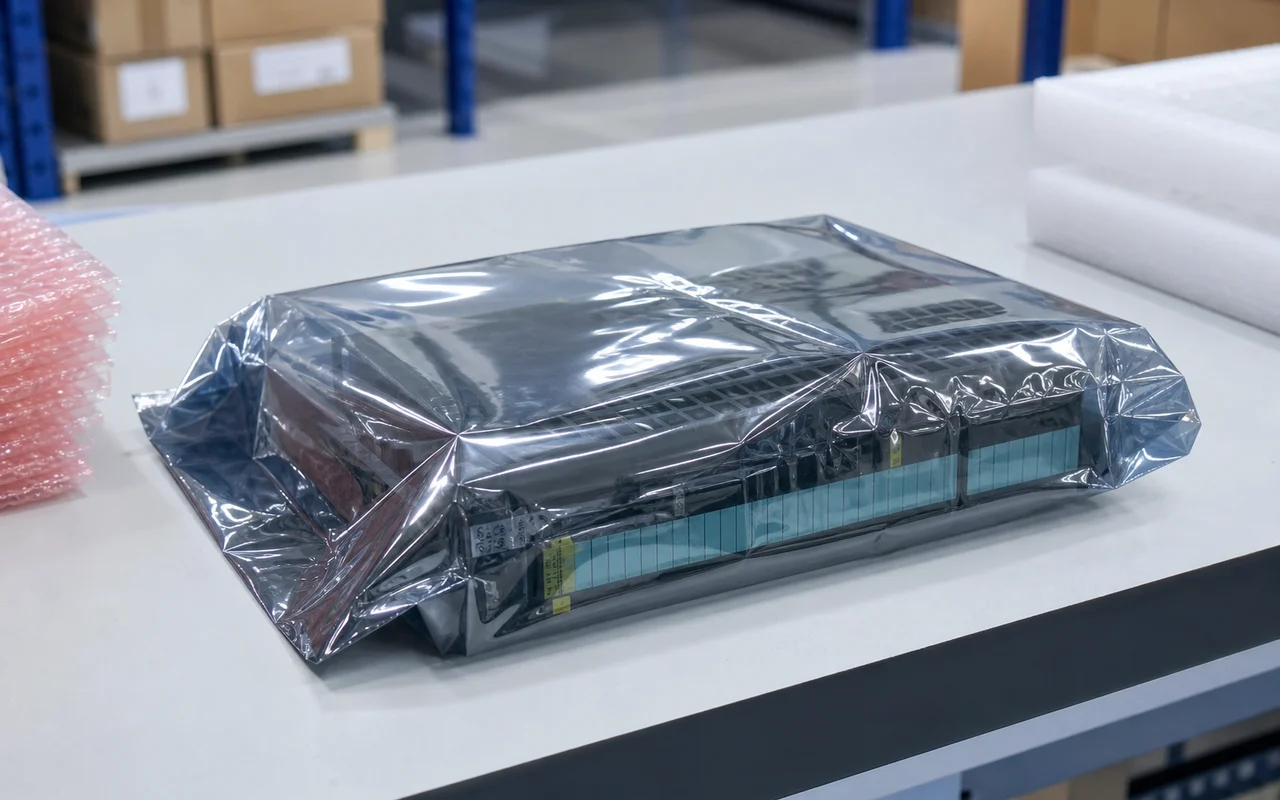 Anti-static Packaging
Modules are packed in anti-static bags to prevent electrostatic damage.
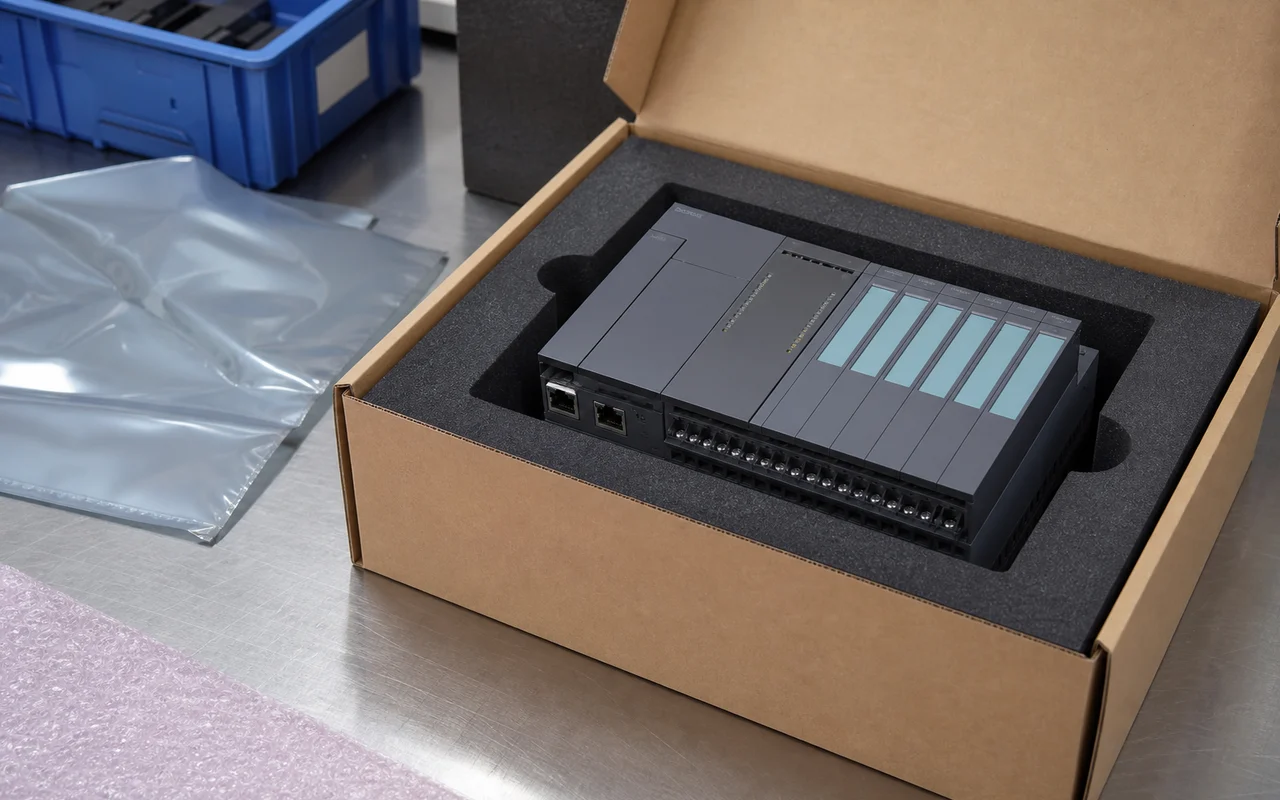 Secure Export Packing
Cushion protection and strong cartons ensure safe transportation.
 Worldwide Shipping
Global logistics network supports air, sea and express delivery.
 Documentation Check
Part number, revision and compatibility verified before shipment.
 After-sales Support
Professional technical support to help resolve your issues.