Functional Inspection
100% tested on professional platforms to ensure stable performance.
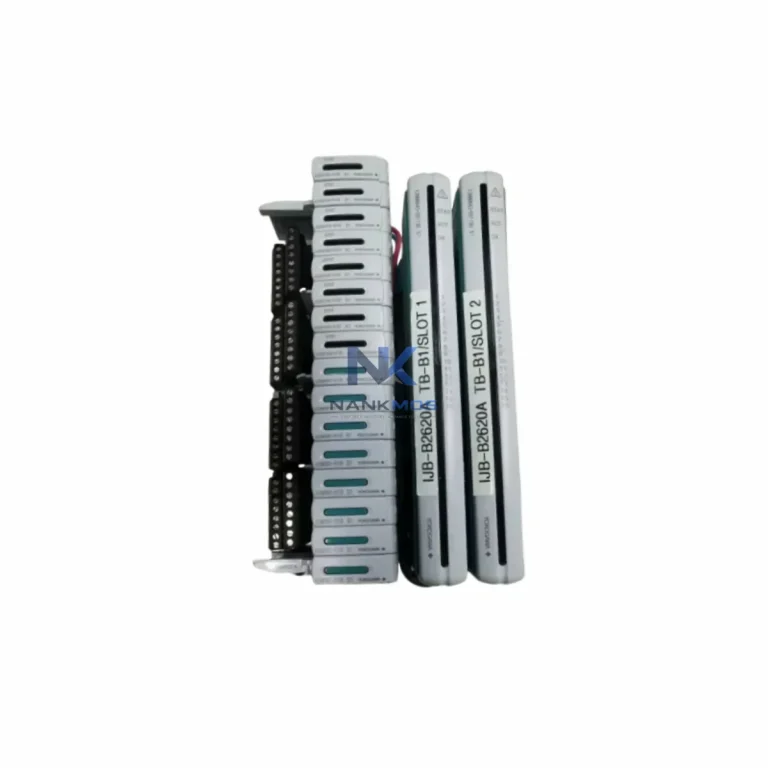
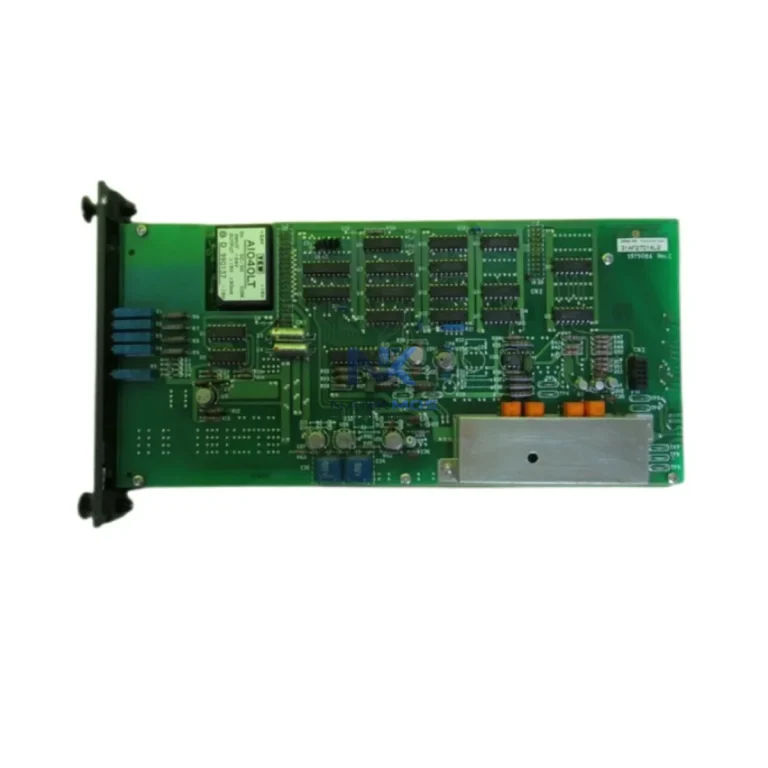
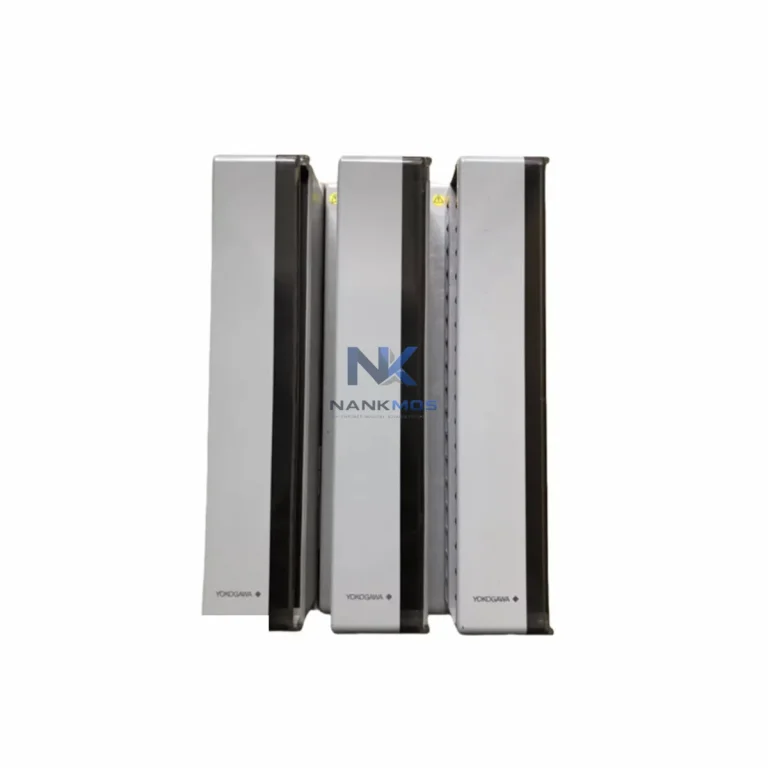
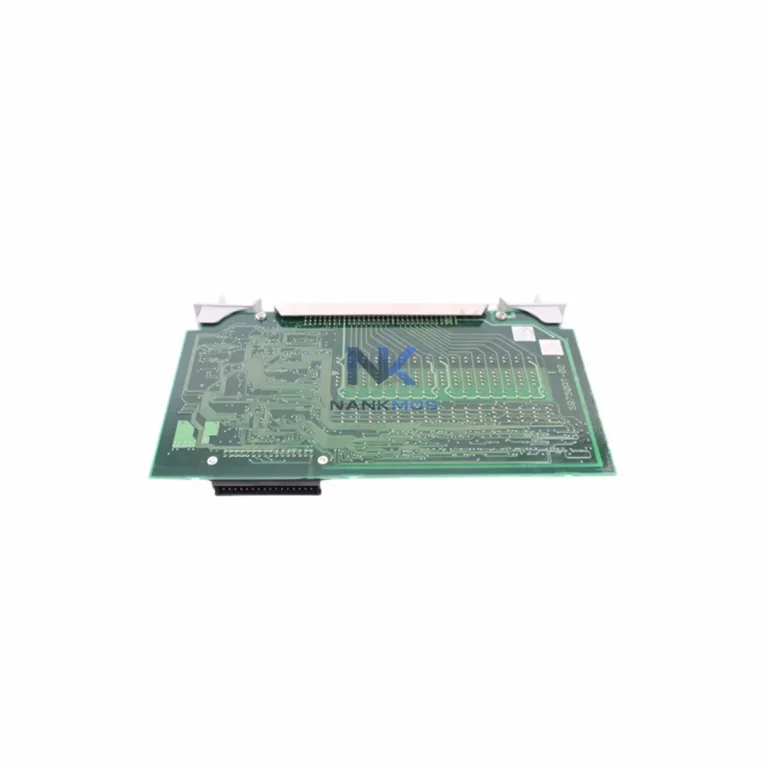
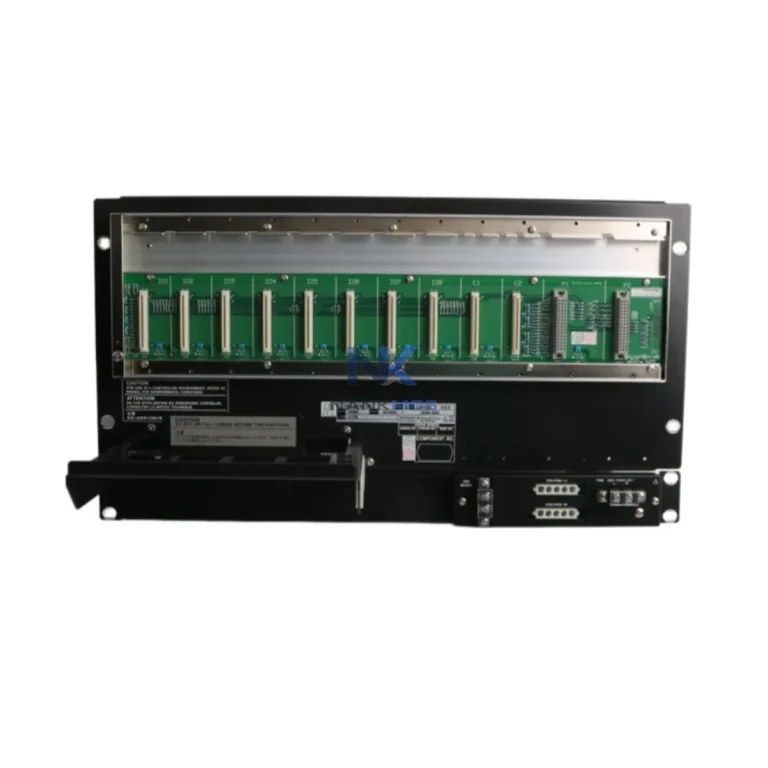
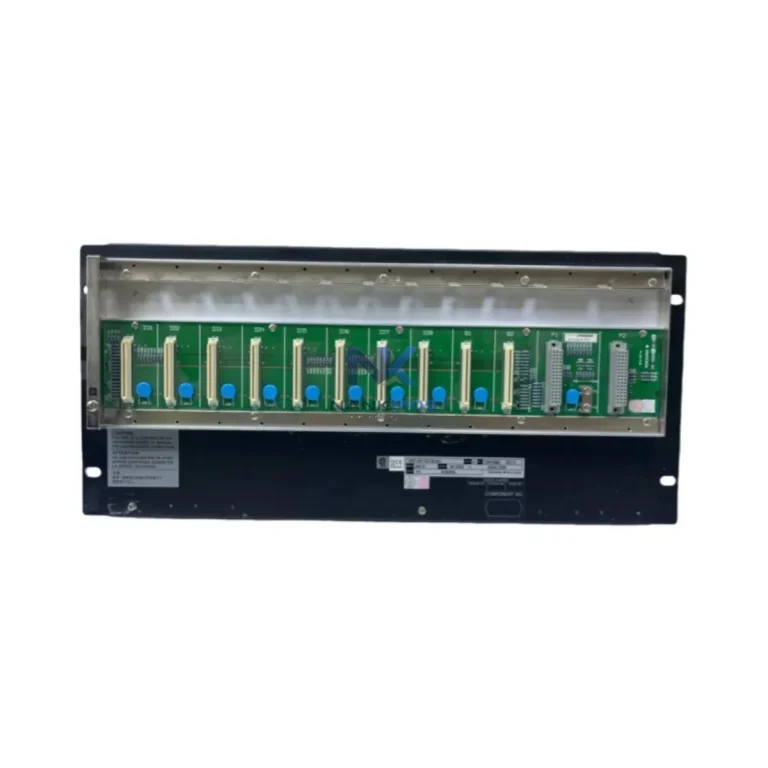
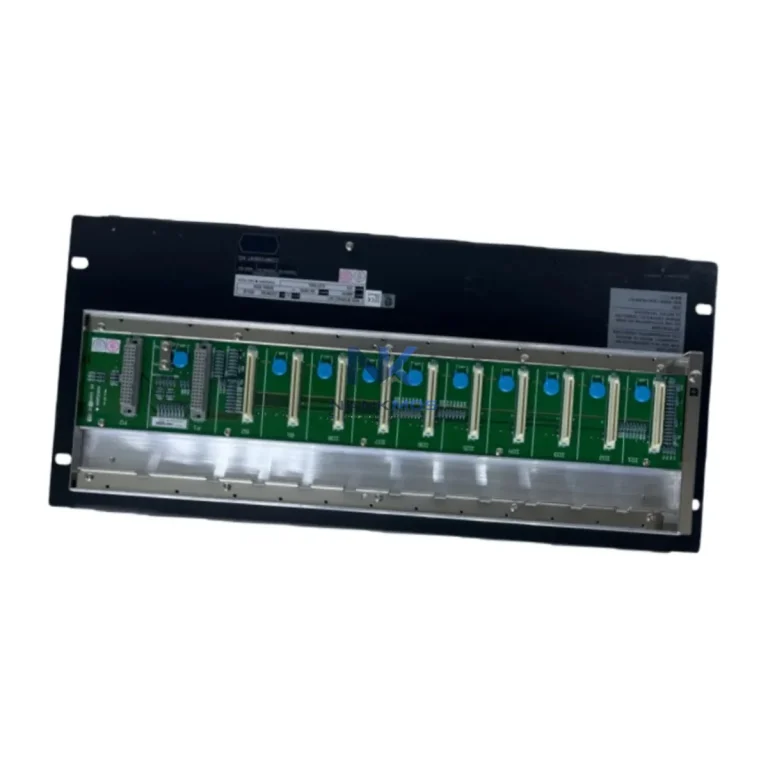
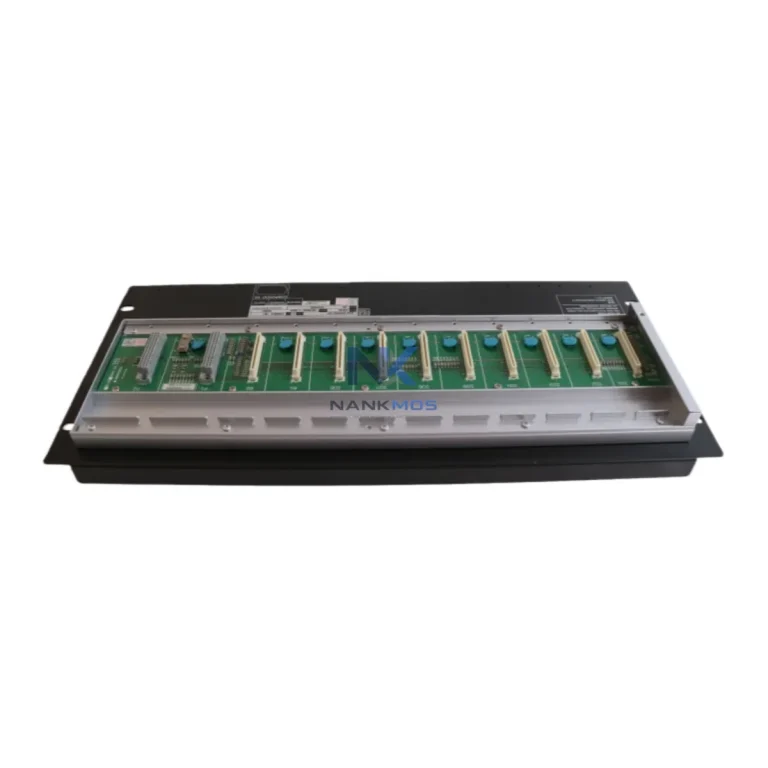
Yokogawa SNT521-53 is a NANKMOS industrial automation product record Listed under CENTUM VP series and Business & Industrial > Automation, Control & Flow Devices. Confirm condition, availability, lead time, compatibility and documentation by email inquiry.
Brand names are used for identification only.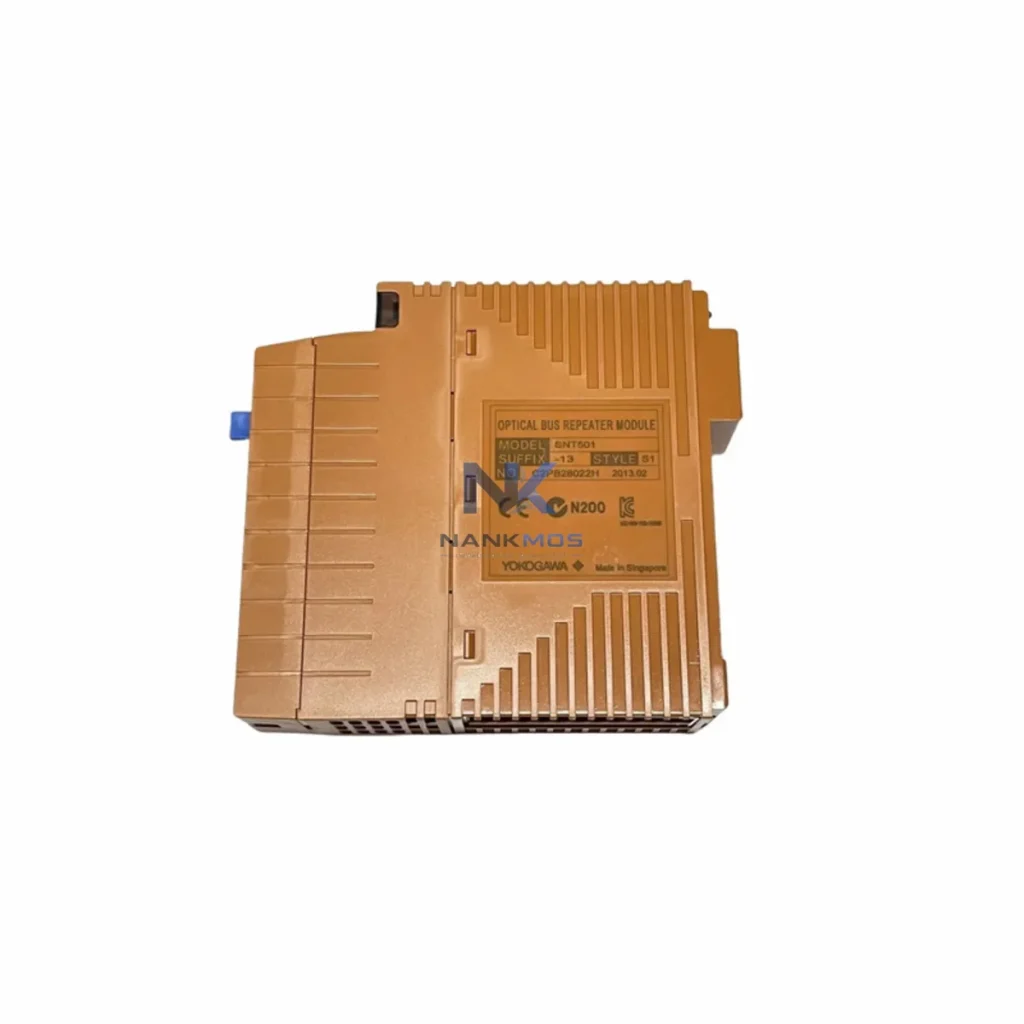
Yokogawa SNT521-53 is a NANKMOS industrial automation product record Listed under CENTUM VP series and Business & Industrial > Automation, Control & Flow Devices. Confirm condition, availability, lead time, compatibility and documentation by email inquiry.
| Manufacturer | Yokogawa |
|---|---|
| Application | Industrial Network & Bus Termination |
| Part Number / Model | SNT521-53 |
| Compatible System | CENTUM VP |
| Series | CENTUM VP |
| Condition Options | To Confirm |
| Module Type | Bus / Network Interface Module |
| Warranty | 12 Months |
| Packaging | Anti-static Bag / Secure Box |
| Shipping Methods | DHL / FedEx / UPS / Air / Sea |
| Availability | To Confirm |
| Lead Time | To Confirm |
| Documentation | Part number and revision checked before quote |
The Yokogawa SNT521-53 is a high-reliability bus repeater slave module engineered for the Centum VP Distributed Control System (DCS) platform. Designed to extend and regenerate field bus signals across large-scale industrial facilities, the SNT521-53 plays a critical role in energy-aware automation architectures — ensuring that every byte of control data travels with minimal attenuation, reduced retransmission overhead, and zero unnecessary power draw from downstream field devices.
In modern smart production environments, signal degradation on the field bus is not merely a communication problem — it is an energy problem. When bus signals weaken, field devices compensate by increasing polling frequency, triggering redundant handshakes, and generating excess heat in termination resistors and cable shields. The SNT521-53 eliminates this cascade by regenerating clean, full-amplitude bus signals at each repeater node, allowing the entire Centum VP control loop to operate at its designed efficiency envelope.
The SNT521-53 does not operate in isolation. Its true value emerges when it is integrated into a layered, power-aware automation architecture built around the Centum VP DCS platform. At the controller level, Yokogawa ACF11S and ACF12S field control stations manage process loops and energy setpoints, issuing commands that travel through the field bus network the SNT521-53 sustains. Alongside these controllers, Yokogawa AMN11S node modules distribute I/O signals to field instruments — pressure transmitters, flow meters, and temperature sensors — all of which depend on a clean bus signal to report accurate energy-consumption data back to the SCADA layer.
On the drive side, variable frequency drives (VFDs) such as the Yokogawa WT series power analysers and compatible third-party inverters receive speed and torque references via the field bus. When the SNT521-53 ensures signal integrity across long cable runs to motor control centres, VFDs can execute precise speed ramps without communication timeouts — directly reducing motor inrush current and the associated energy spikes that inflate peak-demand charges. Similarly, servo drive systems connected through Centum VP I/O nodes benefit from jitter-free command delivery, enabling tighter synchronisation between axes and eliminating the micro-stops that waste energy and disrupt production rhythm.
At the HMI and SCADA layer, Yokogawa FAST/TOOLS and Exaquantum energy management software aggregate real-time consumption data from field instruments. The SNT521-53 ensures that this data pipeline remains unbroken — no dropped packets, no polling retries, no artificial latency introduced by a degraded bus segment. Power monitoring modules installed at MCC panels feed kWh and power-factor data upstream through the same bus infrastructure, giving energy managers a complete, high-fidelity picture of load distribution across the production line.
Communication modules such as the Yokogawa ALF111 FOUNDATION Fieldbus H1 card and compatible PROFIBUS DP interface modules rely on the repeater to bridge segments where cable distance or node count would otherwise exceed protocol limits. By maintaining segment isolation and signal quality, the SNT521-53 also acts as a fault-containment boundary — a bus fault on one segment does not propagate to adjacent segments, protecting the energy monitoring continuity of the entire plant network.
Factory energy optimisation is ultimately a data-quality problem. Decisions about load shedding, motor speed reduction, compressor staging, and lighting control are only as good as the sensor data that informs them. When bus repeaters fail or degrade, field instruments begin reporting stale or erroneous values — and energy management systems respond with suboptimal control actions that waste power, accelerate equipment wear, and increase maintenance frequency.
The Yokogawa SNT521-53 addresses this at the infrastructure level. By regenerating bus signals at each repeater node, it guarantees that every field device — from a simple thermocouple transmitter to a multi-variable Coriolis flow meter — delivers its measurement to the DCS with full fidelity and on schedule. This translates directly into tighter PID loop performance, more accurate energy accounting, and faster detection of abnormal load conditions that precede equipment failures.
In batch and continuous process environments, production rhythm (takt time) is closely coupled to control loop scan rates. A degraded bus that introduces variable latency into the scan cycle causes the DCS to widen its control deadband, reducing the precision of temperature, pressure, and flow control. The result is higher energy consumption per unit of output — more steam, more compressed air, more cooling water — all of which represent avoidable cost. The SNT521-53 eliminates this latency variability, restoring the control loop to its designed scan rate and enabling the energy efficiency gains that the process was originally engineered to achieve.
Predictive maintenance programmes also benefit directly. Vibration sensors, motor current analysers, and bearing temperature monitors all transmit their data over the same field bus infrastructure. When this infrastructure is healthy — as the SNT521-53 ensures — condition monitoring systems receive continuous, uninterrupted data streams that allow maintenance teams to detect developing faults weeks before they cause unplanned downtime. Avoiding a single unplanned shutdown on a high-throughput production line typically saves more energy (through avoided restart transients and scrap rework) than months of incremental efficiency improvements.
Every SNT521-53 unit shipped by NANKMOS is sourced from verified supply channels, subjected to functional testing under simulated field bus load conditions, and backed by a 12-month warranty. In-stock availability means lead times are measured in days, not weeks — critical for maintenance teams operating under production pressure.
Q1: How does the SNT521-53 contribute to energy savings in a Centum VP system?By regenerating bus signals at each repeater node, the SNT521-53 eliminates retransmission overhead and polling inefficiency caused by signal degradation. This allows field devices and drives to operate at their designed duty cycles without compensating for communication errors — reducing both electrical load and thermal stress across the bus network.
Q2: Is the SNT521-53 compatible with PROFIBUS DP or FOUNDATION Fieldbus segments?The SNT521-53 is designed specifically for Yokogawa Centum VP and STARDOM field bus architectures. For PROFIBUS DP or FOUNDATION Fieldbus H1 segments, Yokogawa offers dedicated interface and repeater modules within the same control system family. Our team can advise on the correct module for your specific bus topology.
Q3: What is the recommended replacement or upgrade path for ageing bus repeaters?For Centum VP installations with legacy SNT5xx-series repeaters showing intermittent communication faults, direct replacement with the SNT521-53 is the recommended first step. No firmware changes or DCS configuration updates are typically required for a like-for-like swap, minimising downtime during the replacement window.
Q4: What testing and warranty coverage is provided with each unit?Every SNT521-53 supplied by NANKMOS undergoes pre-shipment functional testing under field bus load conditions. Each unit is covered by a 12-month warranty from the date of shipment. In-stock units are available for immediate dispatch, supporting urgent maintenance and production continuity requirements.
Functional Inspection100% tested on professional platforms to ensure stable performance.
 Anti-static Packaging
Modules are packed in anti-static bags to prevent electrostatic damage.
 Secure Export Packing
Cushion protection and strong cartons ensure safe transportation.
 Worldwide Shipping
Global logistics network supports air, sea and express delivery.
 Documentation Check
Part number, revision and compatibility verified before shipment.
 After-sales Support
Professional technical support to help resolve your issues.