Functional Inspection
100% tested on professional platforms to ensure stable performance.
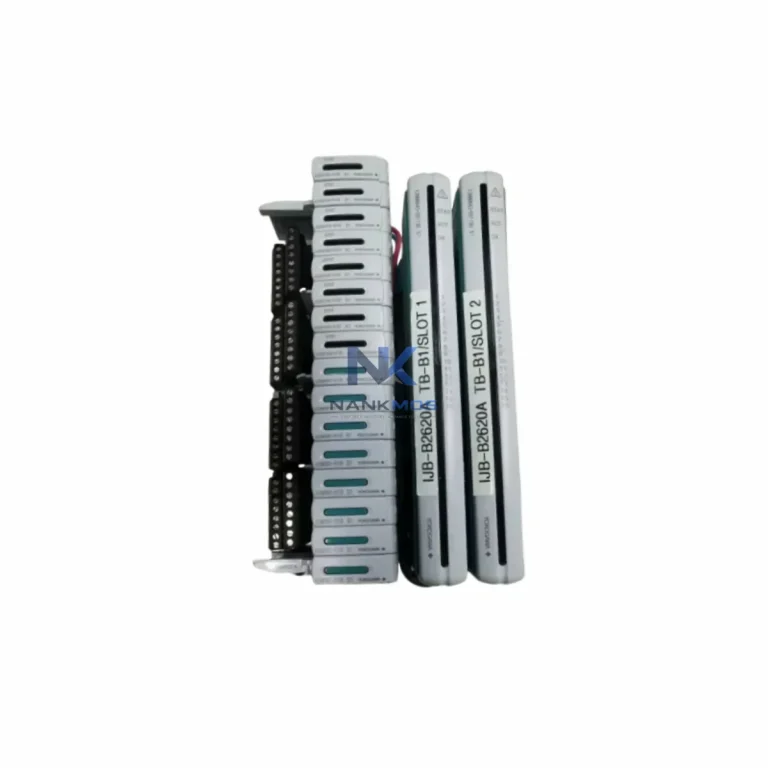
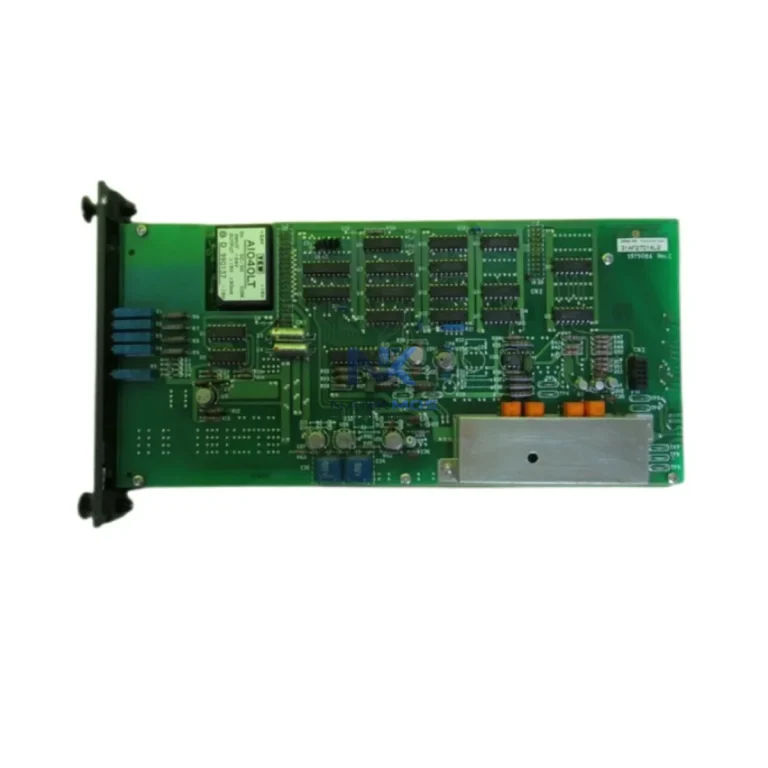
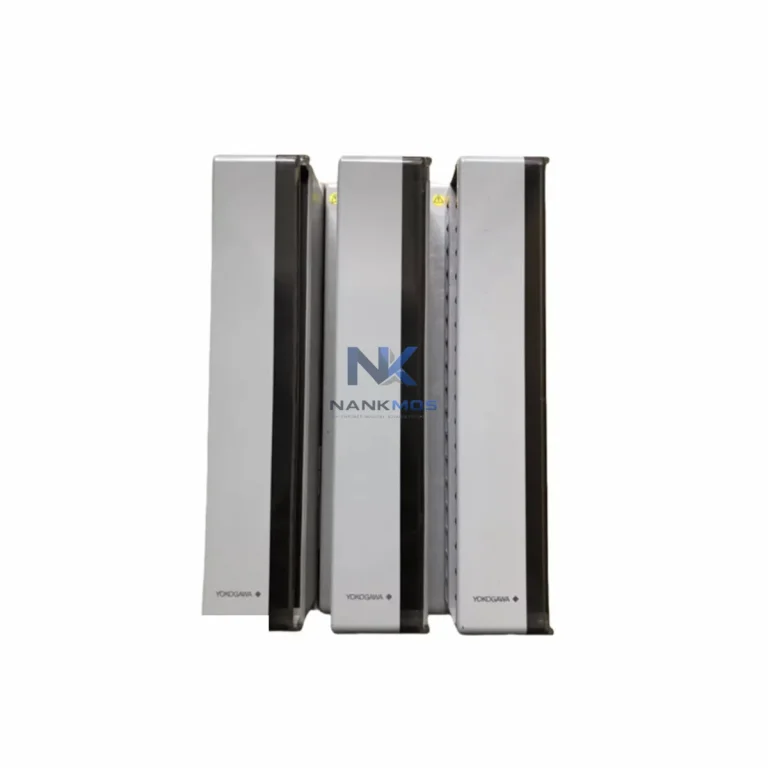
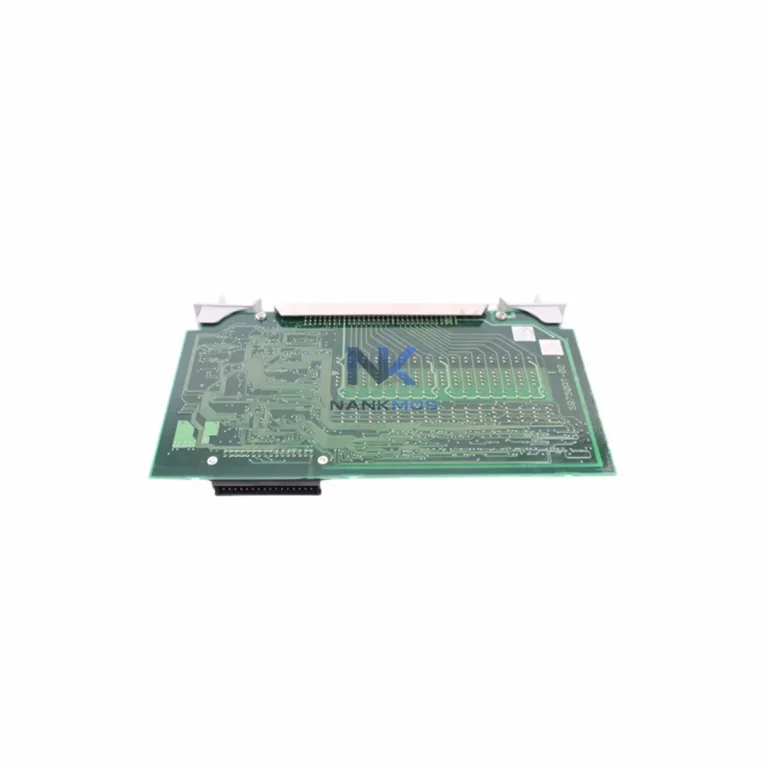
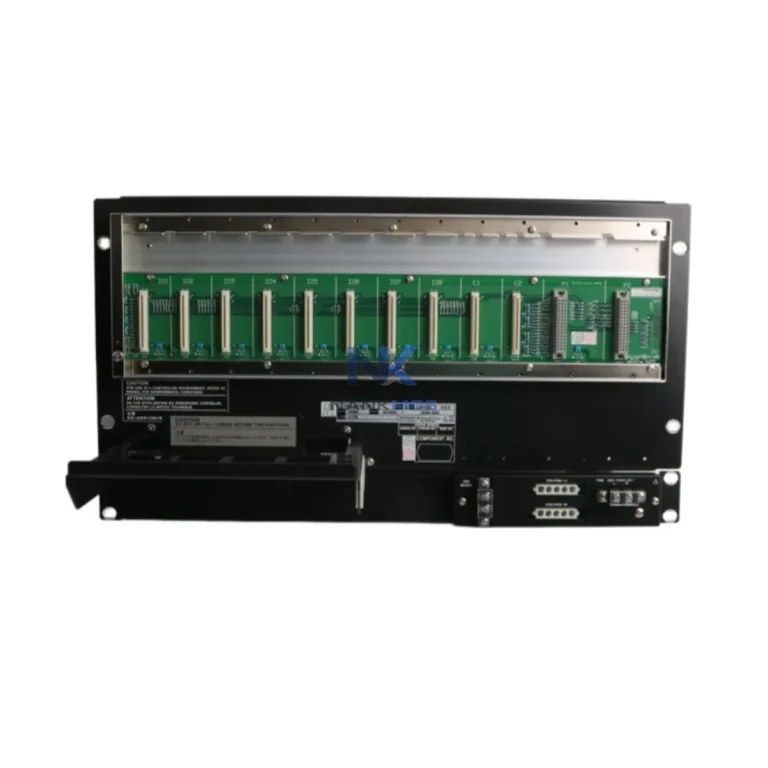
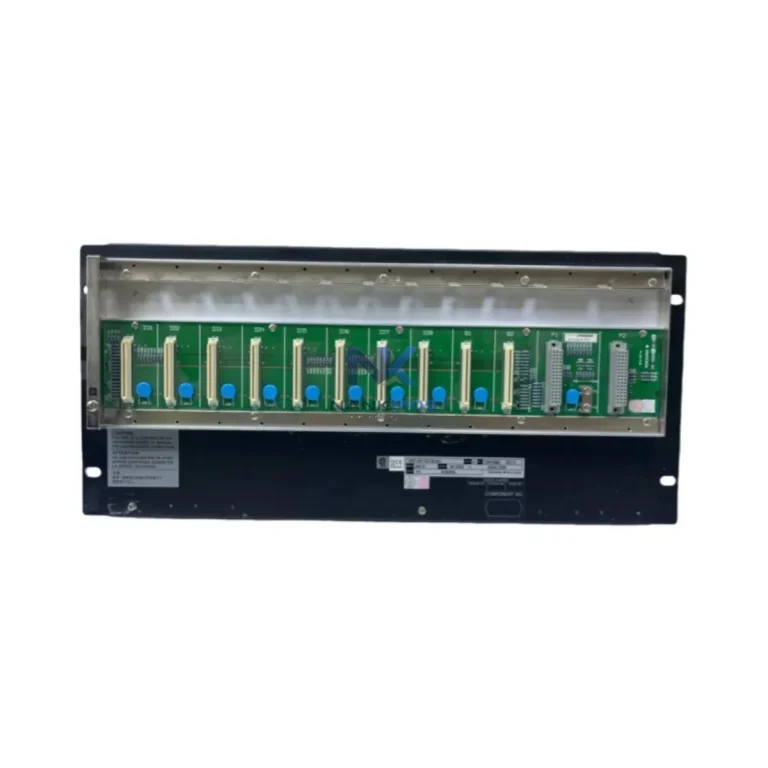
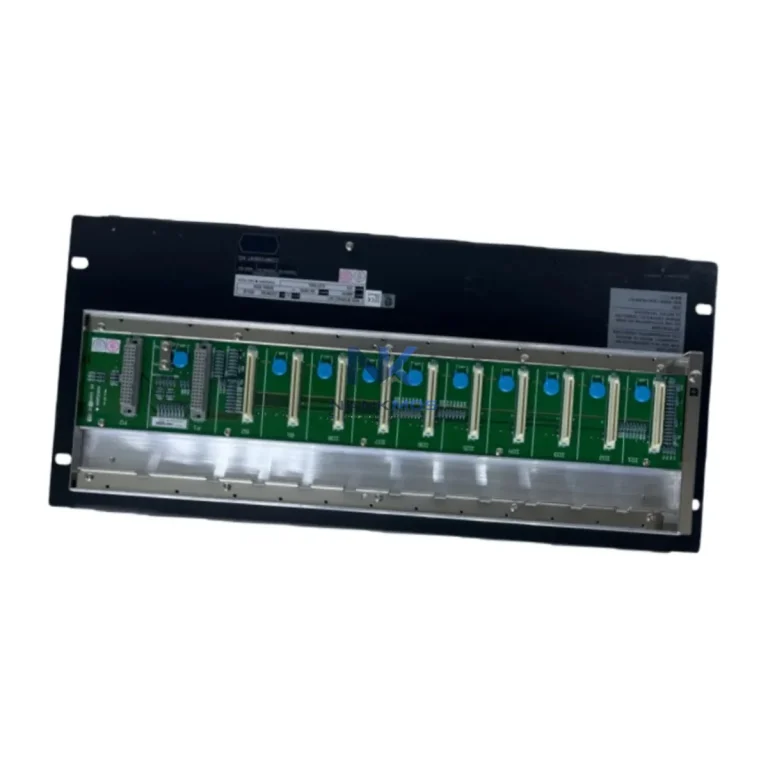
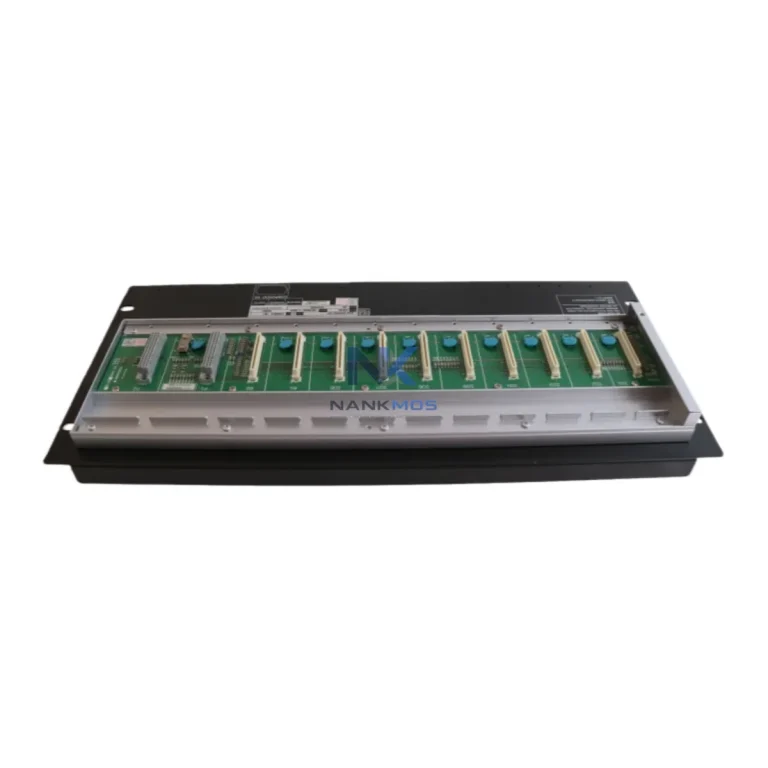
Yokogawa SPW481-13 S1 is a NANKMOS industrial automation product record Listed under Other series series and Business & Industrial > Automation, Control & Flow Devices. Confirm condition, availability, lead time, compatibility and documentation by email inquiry.
Brand names are used for identification only.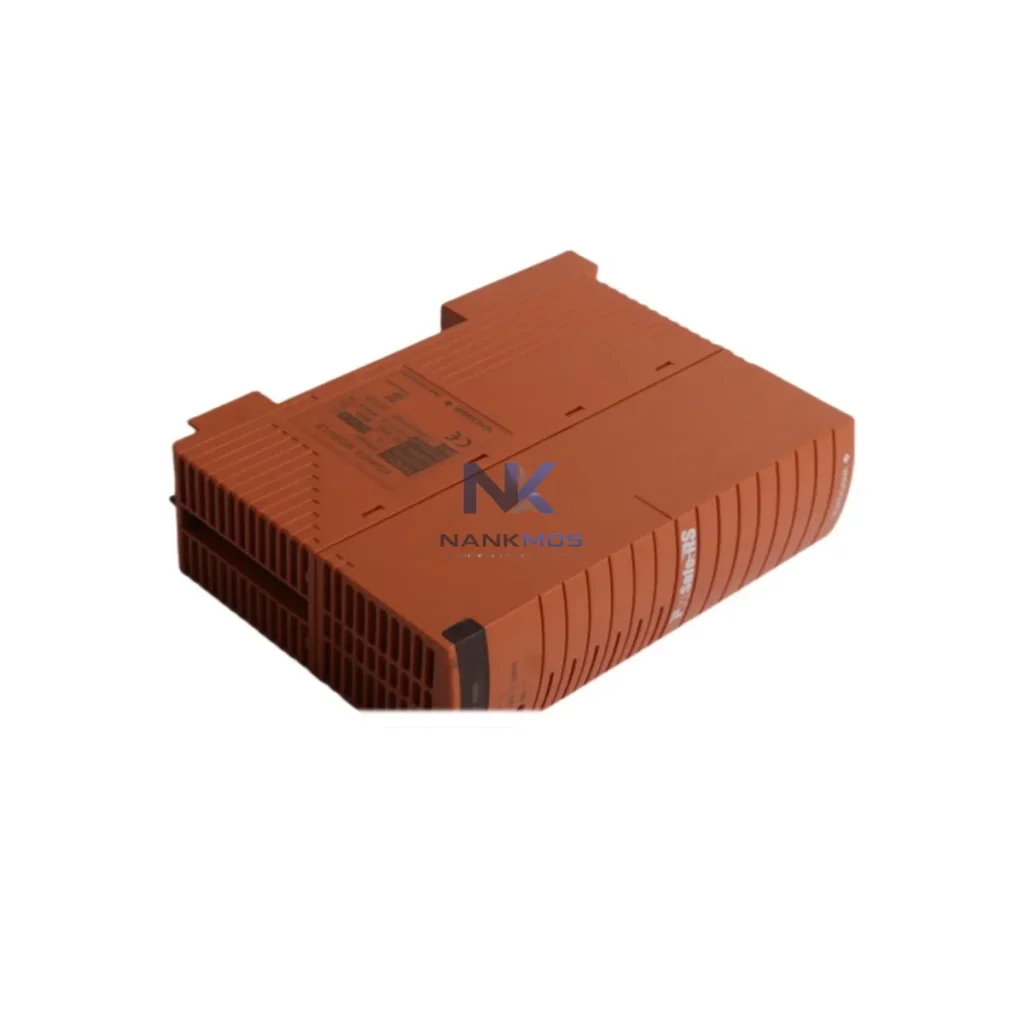
Yokogawa SPW481-13 S1 is a NANKMOS industrial automation product record Listed under Other series series and Business & Industrial > Automation, Control & Flow Devices. Confirm condition, availability, lead time, compatibility and documentation by email inquiry.
| Manufacturer | Yokogawa |
|---|---|
| Application | Industrial Automation Maintenance |
| Part Number / Model | SPW481-13 S1 |
| Compatible System | Confirmed by inquiry |
| Condition Options | To Confirm |
| Module Type | Automation, Control & Flow Devices |
| Warranty | 12 Months |
| Packaging | Anti-static Bag / Secure Box |
| Shipping Methods | DHL / FedEx / UPS / Air / Sea |
| Availability | To Confirm |
| Lead Time | To Confirm |
| Documentation | Part number and revision checked before quote |
The Yokogawa SPW481-13 S1 is a precision signal isolator engineered for energy-conscious industrial automation environments. Designed to integrate seamlessly within the Yokogawa Centum VP distributed control system architecture, this module delivers stable, low-drift signal conditioning for 4–20 mA analog loops while minimizing parasitic power consumption across the I/O bus. In smart production lines where every watt of unnecessary draw translates to measurable operational cost, the SPW481-13 S1 provides a disciplined, measurement-grade signal path that supports both energy efficiency targets and process reliability mandates.
Industrial facilities operating rotating equipment, motor-driven conveyors, compressor trains, and pump arrays depend on accurate signal isolation to prevent ground loops and common-mode interference from corrupting control data. The SPW481-13 S1 eliminates these noise sources at the field boundary, ensuring that the Yokogawa Centum VP FCS field control station receives clean, repeatable process values. This directly reduces unnecessary corrective actuations by PLCs and variable frequency drives, cutting reactive energy consumption and extending drive service intervals.
In a fully integrated energy management architecture, the SPW481-13 S1 operates as the signal conditioning layer between field instruments and the control backbone. When paired with the Yokogawa Centum VP HIS human interface station, operators gain real-time visibility into process variables without signal degradation caused by ground potential differences between field cabinets and the control room. This clean data path allows the Yokogawa STARDOM FCN autonomous controller to execute energy-optimized control sequences without compensating for measurement noise.
On the drive side, accurate 4–20 mA signals from flow transmitters and pressure sensors — conditioned through the SPW481-13 S1 — feed directly into Yaskawa A1000 variable frequency drives and ABB ACS880 industrial drives, enabling precise motor speed regulation that tracks actual process demand rather than worst-case setpoints. This demand-following strategy is one of the most effective methods for reducing motor energy consumption in pump and fan applications, often yielding 20–40% energy savings compared to fixed-speed operation.
The module also interfaces cleanly with Yokogawa EJX series differential pressure transmitters and Yokogawa YTA series temperature transmitters, both of which are commonly deployed in energy metering and heat exchanger monitoring loops. By isolating these transmitter outputs before they enter the Centum VP I/O modules, the SPW481-13 S1 prevents measurement errors that would otherwise cause the DCS to issue unnecessary heating or cooling commands — a direct source of wasted thermal energy in process plants.
For facilities integrating SCADA-level energy monitoring, the conditioned signals from the SPW481-13 S1 can be aggregated through Yokogawa Exaquantum plant information management software, enabling long-term energy trend analysis, KPI tracking, and predictive maintenance scheduling. Communication modules such as the Yokogawa Centum VP ALF111 Fieldbus module extend this data to FOUNDATION Fieldbus segments, while Modbus TCP gateways bridge legacy analog loops into modern OPC-UA-compatible SCADA platforms without signal quality loss.
Production line energy optimization begins with measurement integrity. When signal isolators introduce drift, offset, or noise into the control loop, the downstream effect is a cascade of unnecessary actuations: valves hunting, drives ramping unnecessarily, and heating elements cycling at incorrect duty ratios. The SPW481-13 S1 eliminates this root cause by providing a stable, galvanically isolated signal path that maintains accuracy across the full operating temperature range of industrial control panels.
In motor control centers where multiple drives share a common DC bus, ground loop currents are a persistent source of measurement error and electromagnetic interference. The SPW481-13 S1's isolation barrier prevents these currents from reaching the Centum VP I/O cards, protecting both measurement accuracy and hardware longevity. Fewer nuisance trips and fewer drive faults mean higher equipment utilization rates and more predictable production throughput — both of which directly reduce the energy cost per unit of output.
Thermal load management in control panels is another area where the SPW481-13 S1 contributes to energy efficiency. Its low self-heating design reduces the aggregate heat dissipation within marshalling cabinets, lowering the duty cycle of panel air conditioning systems. In large installations with hundreds of I/O channels, this cumulative reduction in panel cooling load can represent a meaningful fraction of facility auxiliary power consumption.
For predictive maintenance programs, the stable signal baseline provided by the SPW481-13 S1 enables condition monitoring algorithms — running on platforms such as Yokogawa System 1 machinery protection software — to detect early-stage bearing wear, seal degradation, and rotor imbalance from vibration and process variable trends. Early detection allows maintenance to be scheduled during planned downtime rather than in response to unplanned failures, preserving both production rhythm and energy efficiency targets.
All units are supplied in-stock and undergo pre-shipment functional testing to verify isolation resistance, signal linearity, and loop power compliance before dispatch. A 12-month warranty covers manufacturing defects and ensures continuity of supply assurance for MRO procurement teams managing critical DCS infrastructure.
Q1: How does the SPW481-13 S1 contribute to measurable energy savings on a production line? By eliminating ground loop interference and signal noise, the SPW481-13 S1 ensures that variable frequency drives and control valves respond only to genuine process changes rather than measurement artifacts. This reduces unnecessary actuations, lowers motor energy consumption, and stabilizes production throughput — all of which contribute to a lower energy cost per unit of output.
Q2: Is the SPW481-13 S1 compatible with Centum CS 3000 systems as well as Centum VP? Yes. The SPW481-13 S1 is designed for the Yokogawa Centum SPW series I/O architecture, which is compatible with both Centum CS 3000 and Centum VP platforms. It can also be integrated into STARDOM FCN/FCJ controller environments where standard 4–20 mA analog isolation is required.
Q3: What is the recommended replacement or equivalent module if the SPW481-13 S1 is being upgraded? For direct replacement, verify the channel count and signal direction (input vs. output isolation) against your existing I/O assignment sheets. Yokogawa's Centum VP migration tools can assist in mapping legacy SPW series modules to current-generation equivalents. Contact NANKMOS for cross-reference support and availability confirmation before committing to a replacement order.
Q4: What does the 12-month warranty cover, and how is pre-shipment testing conducted? The 12-month warranty covers manufacturing defects in materials and workmanship from the date of shipment. Pre-shipment testing includes isolation resistance verification, 4–20 mA linearity check across the full signal range, and loop power compliance testing. Test records are available upon request for quality assurance documentation purposes.
Functional Inspection100% tested on professional platforms to ensure stable performance.
 Anti-static Packaging
Modules are packed in anti-static bags to prevent electrostatic damage.
 Secure Export Packing
Cushion protection and strong cartons ensure safe transportation.
 Worldwide Shipping
Global logistics network supports air, sea and express delivery.
 Documentation Check
Part number, revision and compatibility verified before shipment.
 After-sales Support
Professional technical support to help resolve your issues.