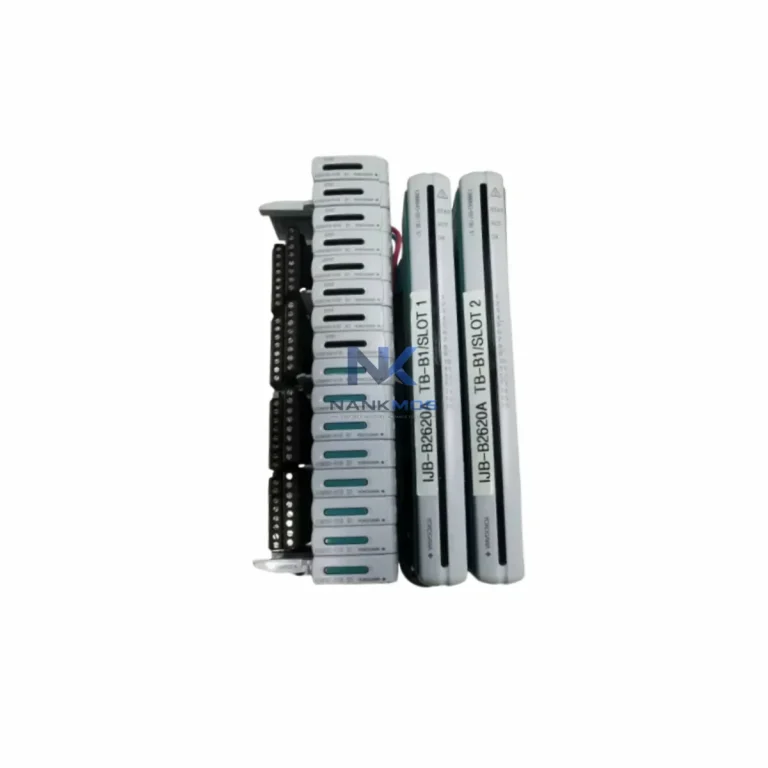
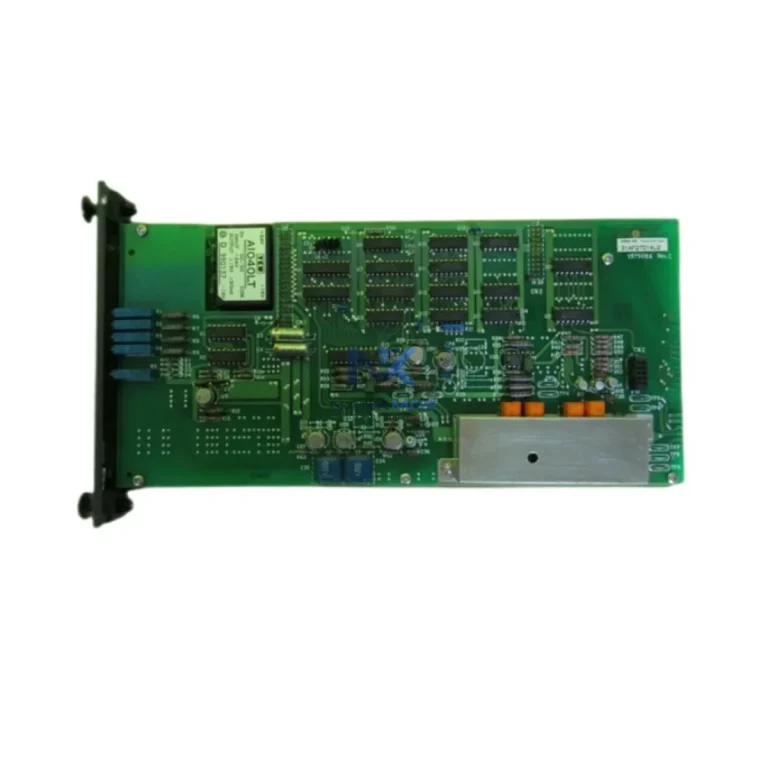
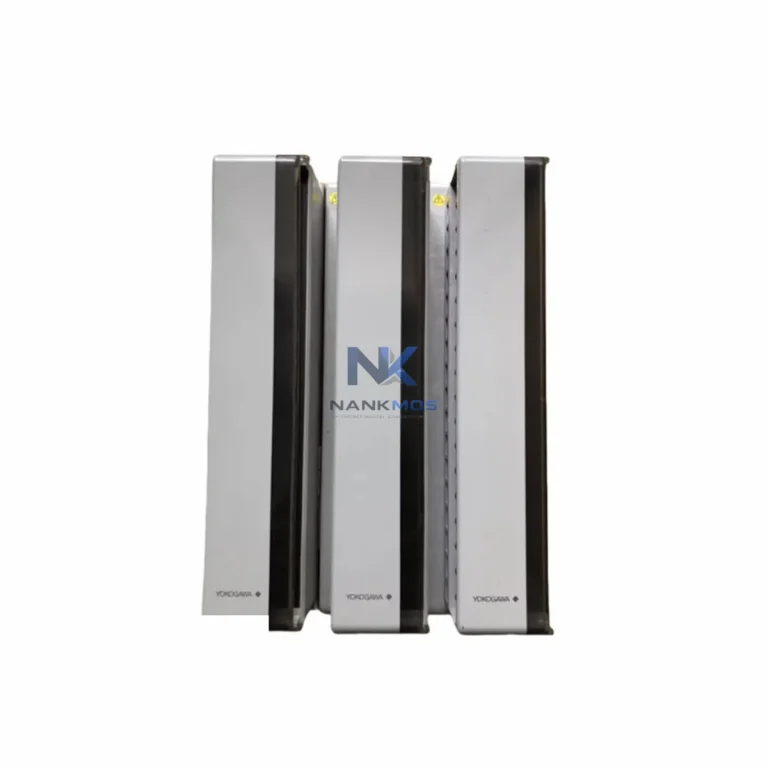
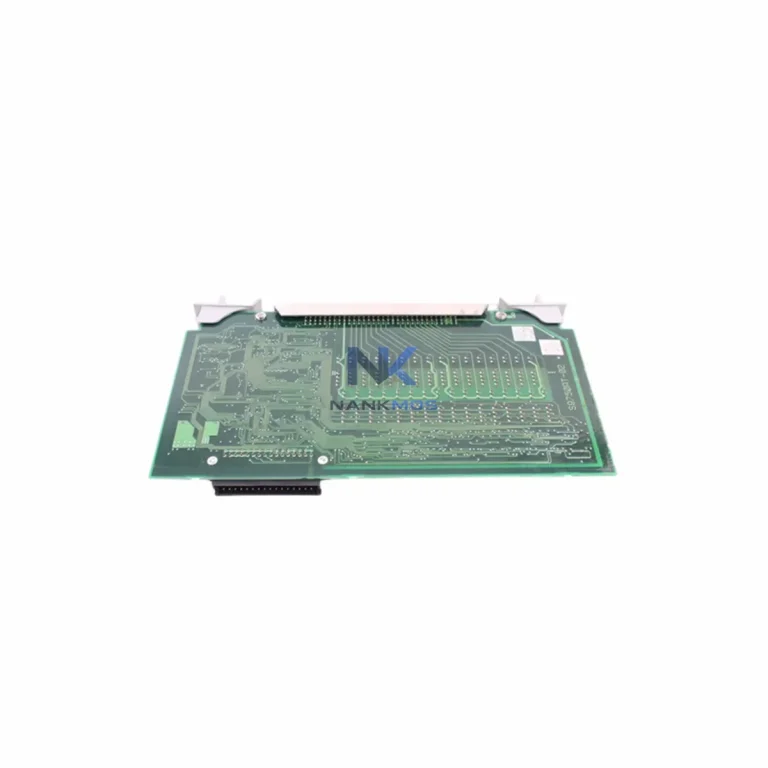
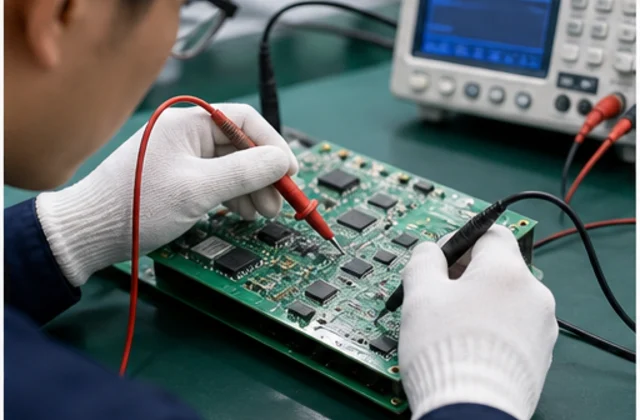
 Functional Inspection
100% tested on professional platforms to ensure stable performance.
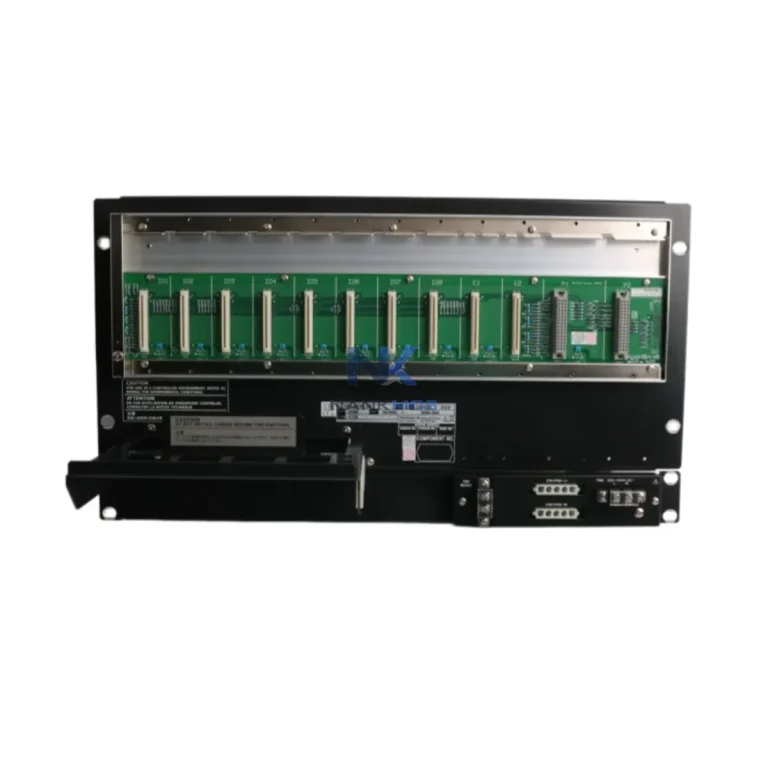
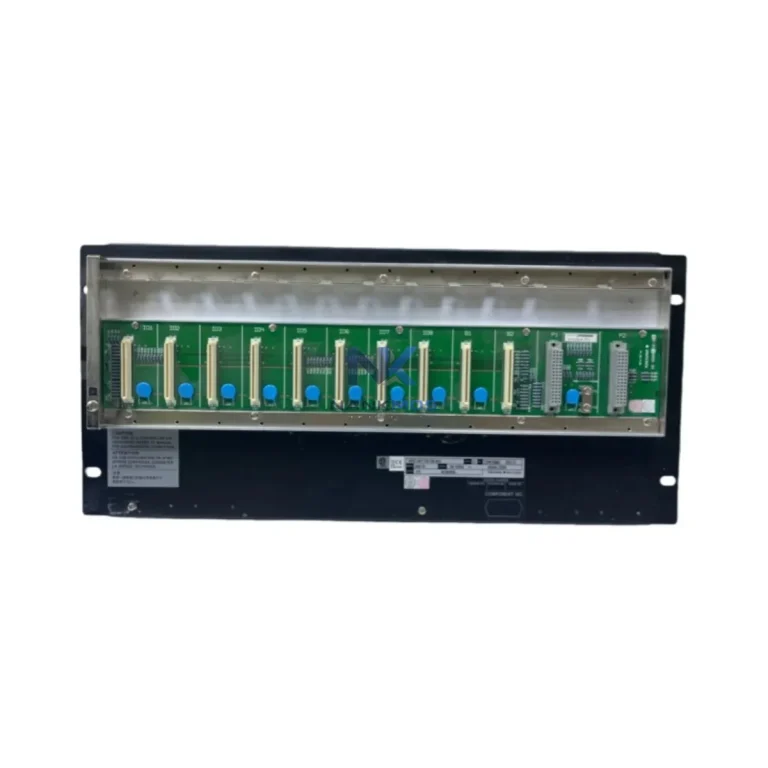
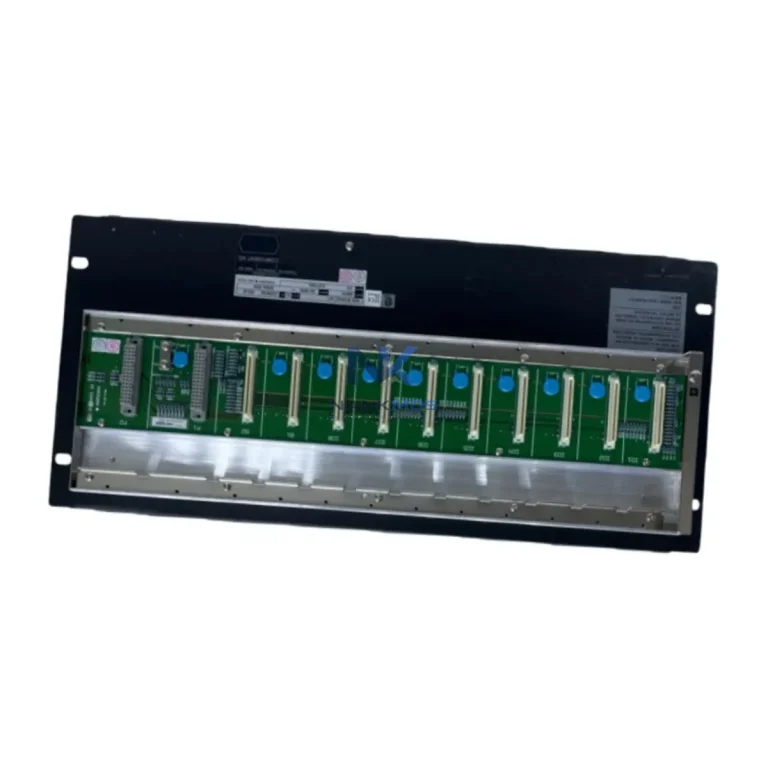
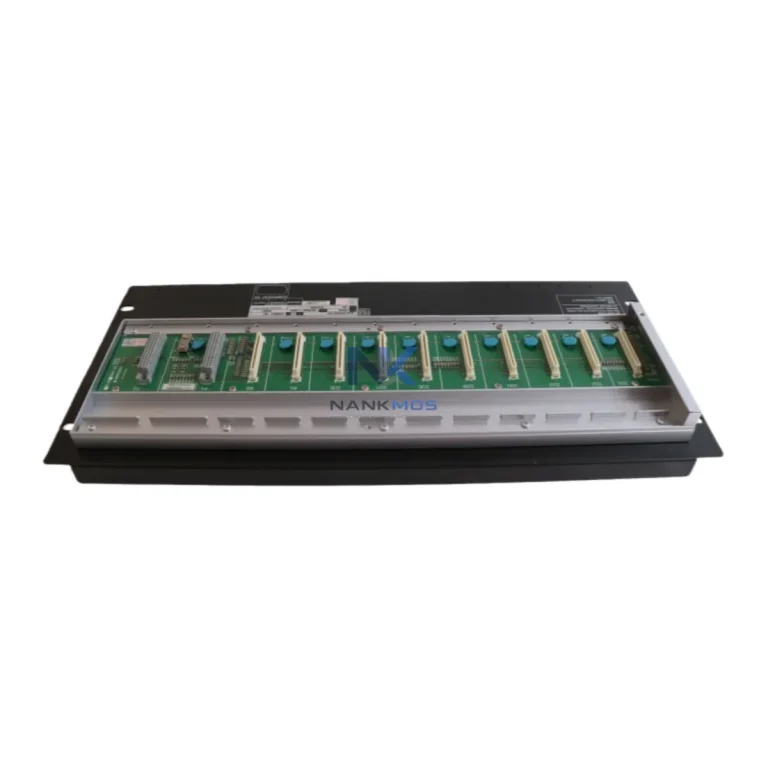
Yokogawa SRM53D is a NANKMOS industrial automation product record Listed under STARDOM series and Business & Industrial > Automation, Control & Flow Devices. Confirm condition, availability, lead time, compatibility and documentation by email inquiry.
Brand names are used for identification only.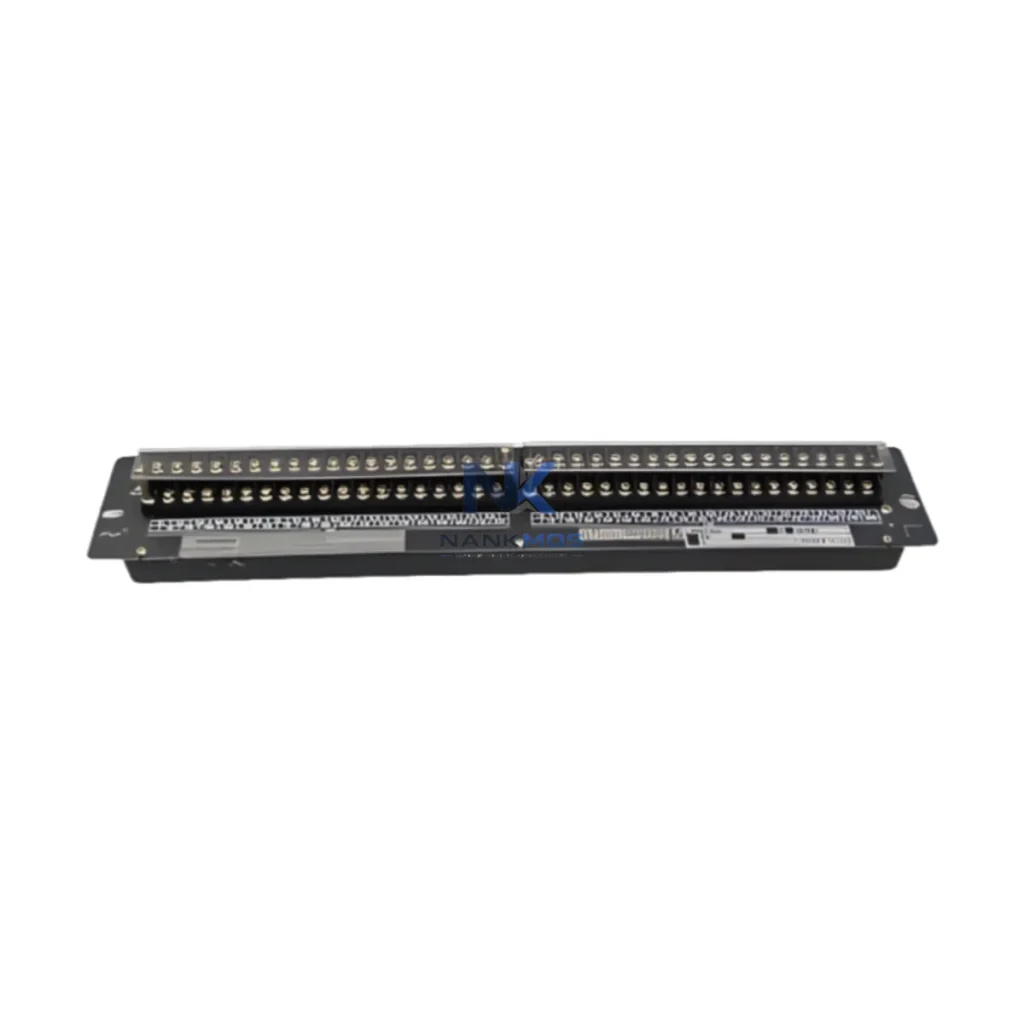
Yokogawa SRM53D is a NANKMOS industrial automation product record Listed under STARDOM series and Business & Industrial > Automation, Control & Flow Devices. Confirm condition, availability, lead time, compatibility and documentation by email inquiry.
| Manufacturer | Yokogawa |
|---|---|
| Application | Industrial Network Communication |
| Part Number / Model | SRM53D |
| Compatible System | STARDOM |
| Series | STARDOM |
| Condition Options | To Confirm |
| Module Type | Communication Module |
| Warranty | 12 Months |
| Packaging | Anti-static Bag / Secure Box |
| Shipping Methods | DHL / FedEx / UPS / Air / Sea |
| Availability | To Confirm |
| Lead Time | To Confirm |
| Documentation | Part number and revision checked before quote |
The Yokogawa SRM53D is a high-performance industrial network interface module engineered for the STARDOM FCN/FCJ autonomous controller platform. Designed to bridge field-level instrumentation with supervisory control and enterprise data systems, the SRM53D delivers deterministic, low-latency communication across Modbus RTU, Modbus TCP/IP, and Ethernet/IP protocols — making it a foundational component in modern smart factory architectures. Whether deployed in power generation, oil & gas, water treatment, or chemical processing, the SRM53D enables seamless data flow from sensor to SCADA, from RTU to cloud historian, and from field device to HMI dashboard.
In today's industrial environment, data continuity is not optional. The SRM53D addresses the critical gap between legacy analog instrumentation and modern digital control networks. By acting as a protocol-aware communication gateway within the STARDOM ecosystem, it allows plant engineers to consolidate signal acquisition, normalize data formats, and push real-time process values upstream to DCS platforms, OPC-UA servers, and SCADA visualization layers — all without disrupting existing field wiring or control logic.
The SRM53D sits at the heart of a layered industrial communication architecture. At the field level, process sensors — including pressure transmitters, flow meters, temperature RTDs, and vibration transducers — feed analog or digital signals into the STARDOM FCN autonomous controller. The SRM53D module handles the protocol translation layer, converting raw field data into structured Modbus TCP/IP or Ethernet/IP frames that can be consumed by upstream systems without additional middleware.
Within a typical smart factory deployment, the SRM53D interfaces directly with Yokogawa's FCN-RTU and FCJ controller families, enabling distributed I/O expansion across remote field stations. These controllers, paired with Yokogawa FAST/TOOLS SCADA software, create a unified supervisory layer where operators can monitor process KPIs, acknowledge alarms, and initiate remote control actions from a centralized HMI. The SRM53D's deterministic communication cycle ensures that data latency between field device and SCADA display remains within acceptable bounds for process-critical applications.
For plants running mixed-vendor environments, the SRM53D's Modbus RTU port enables legacy device integration — connecting older PLCs, variable frequency drives (VFDs), and third-party remote I/O modules into the STARDOM network without requiring hardware replacement. This is particularly valuable in brownfield upgrades where Yokogawa CENTUM VP DCS systems are being extended with STARDOM-based remote substations. The SRM53D acts as the communication bridge, ensuring that field data from remote pump stations, compressor skids, or substation RTUs reaches the central control room in real time.
Edge computing integration is another key strength of the SRM53D architecture. When paired with an industrial edge gateway — such as those running Yokogawa OpreX data management middleware — the SRM53D enables local data pre-processing, buffering, and conditional alarming before forwarding aggregated datasets to cloud historians or enterprise MES platforms. This reduces network bandwidth consumption while maintaining data fidelity for compliance and audit purposes.
Industrial Ethernet switches with managed VLAN support are typically deployed alongside the SRM53D to segment process control traffic from corporate IT networks, ensuring cybersecurity compliance and network determinism. In multi-node STARDOM deployments, redundant Ethernet ring topologies using STARDOM SER communication modules provide fault-tolerant data paths, with automatic failover that maintains continuous SCADA visibility even during link failures.
For energy management applications, the SRM53D integrates with power quality analyzers and smart meters via Modbus RTU, feeding consumption data into Yokogawa PI System-compatible historians for trend analysis, KPI dashboarding, and ISO 50001 energy reporting. This positions the SRM53D not merely as a communication module, but as a strategic data aggregation node within the plant's digital transformation roadmap.
Protocol Fragmentation: Many industrial sites operate a mix of legacy serial devices and modern Ethernet-based controllers. The SRM53D resolves this by supporting both Modbus RTU (serial) and Modbus TCP/IP / Ethernet/IP (network) simultaneously, eliminating the need for separate protocol converters and reducing wiring complexity.
Data Silos and Visibility Gaps: Without a capable network interface, field data remains trapped at the RTU level, invisible to SCADA operators and plant managers. The SRM53D breaks down these silos by providing a standardized, high-throughput data path from field instruments to supervisory systems, enabling real-time production dashboards and exception-based reporting.
Remote Monitoring Challenges: For unmanned substations, pipeline monitoring stations, or offshore platforms, remote diagnostics capability is essential. The SRM53D supports remote configuration and status polling via its Ethernet interface, allowing maintenance engineers to verify module health, check communication statistics, and diagnose faults without dispatching field personnel — reducing OPEX and improving mean time to repair (MTTR).
Production Line Transparency: Integrating the SRM53D into a STARDOM-based control architecture gives operations teams granular visibility into each production segment. Alarm events, process deviations, and equipment status changes are time-stamped and forwarded to the SCADA historian, supporting root cause analysis, regulatory compliance, and continuous improvement initiatives.
System Scalability: As plant capacity grows, the SRM53D's modular design within the STARDOM FCN rack allows additional I/O and communication modules to be added without redesigning the control architecture. This scalability protects capital investment and shortens commissioning time for future expansion phases.
Q1: What communication protocols does the Yokogawa SRM53D support, and is it compatible with third-party SCADA systems? The SRM53D supports Modbus RTU, Modbus TCP/IP, and Ethernet/IP — three of the most widely adopted industrial protocols. This makes it compatible with leading SCADA platforms including Wonderware, Ignition, iFIX, and Yokogawa FAST/TOOLS, as well as OPC-UA gateway solutions that aggregate data for enterprise-level analytics.
Q2: How does the SRM53D handle network latency and communication reliability in critical process environments? The SRM53D is designed for deterministic cyclic communication, with configurable scan rates that match the process dynamics of the application. Its industrial-grade Ethernet interface supports managed switch integration with QoS prioritization, ensuring that process-critical data packets are delivered with minimal jitter even in high-traffic network environments.
Q3: Can the SRM53D be used for remote diagnostics and predictive maintenance data collection? Yes. The SRM53D's network interface enables remote polling of module status registers, communication error counters, and diagnostic flags via standard Modbus or Ethernet/IP read commands. When integrated with an edge gateway or OPC-UA server, this diagnostic data can feed predictive maintenance algorithms, alerting maintenance teams to communication degradation before it causes process disruption.
Q4: What warranty and pre-shipment testing standards apply to the SRM53D? Every SRM53D unit supplied by NANKMOS is covered by a 12-month warranty and undergoes pre-shipment functional testing to verify communication integrity, protocol compliance, and hardware condition. In-stock units are available for immediate dispatch, supporting urgent maintenance and project commissioning timelines.
Functional Inspection100% tested on professional platforms to ensure stable performance.
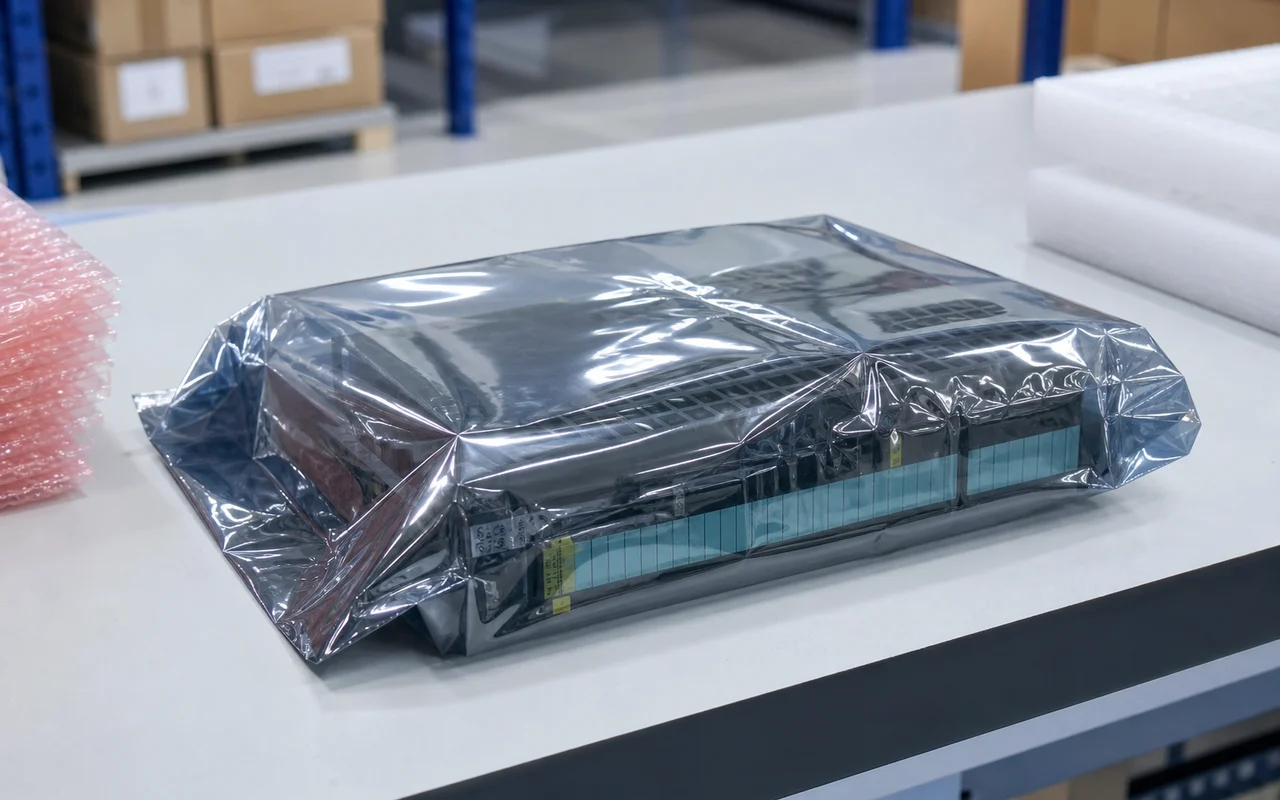 Anti-static Packaging
Modules are packed in anti-static bags to prevent electrostatic damage.
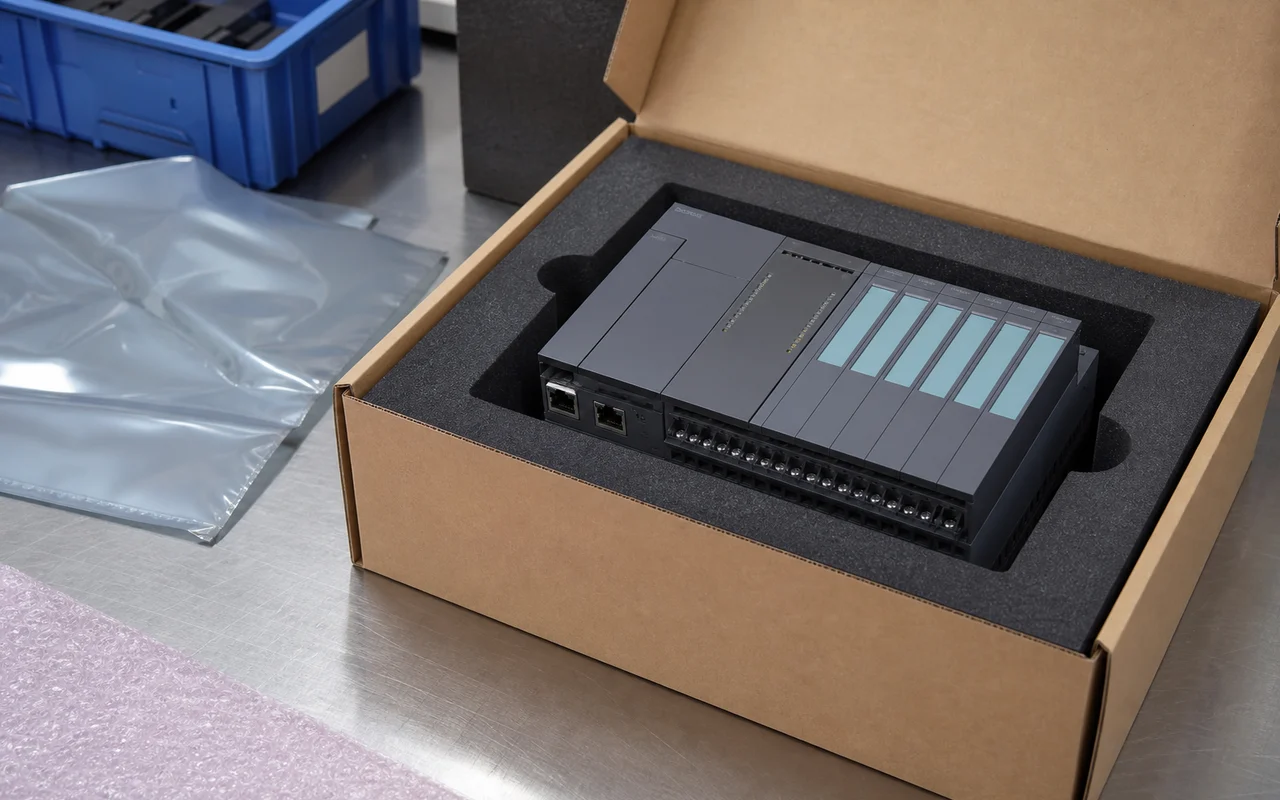 Secure Export Packing
Cushion protection and strong cartons ensure safe transportation.
 Worldwide Shipping
Global logistics network supports air, sea and express delivery.
 Documentation Check
Part number, revision and compatibility verified before shipment.
 After-sales Support
Professional technical support to help resolve your issues.