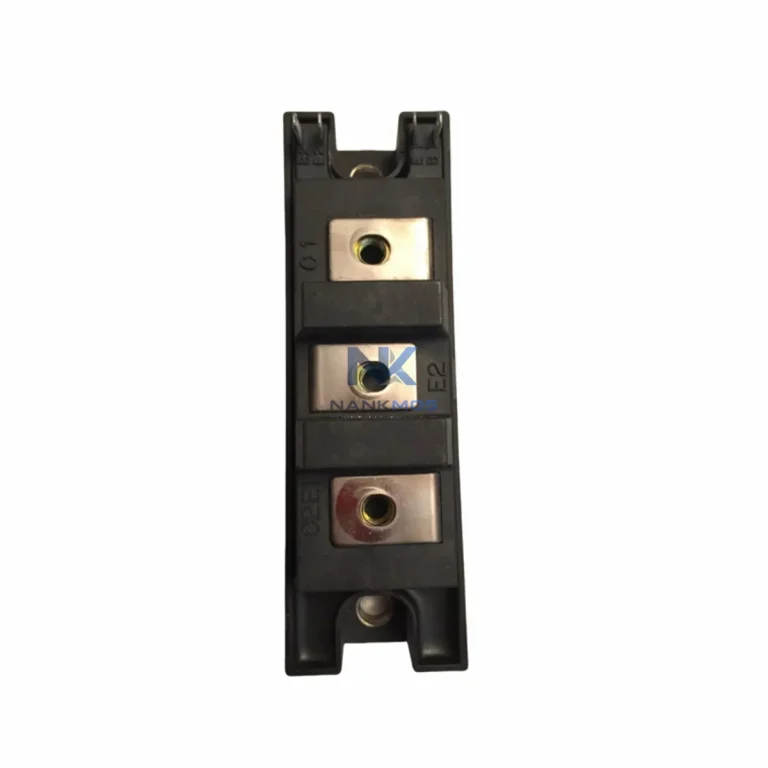
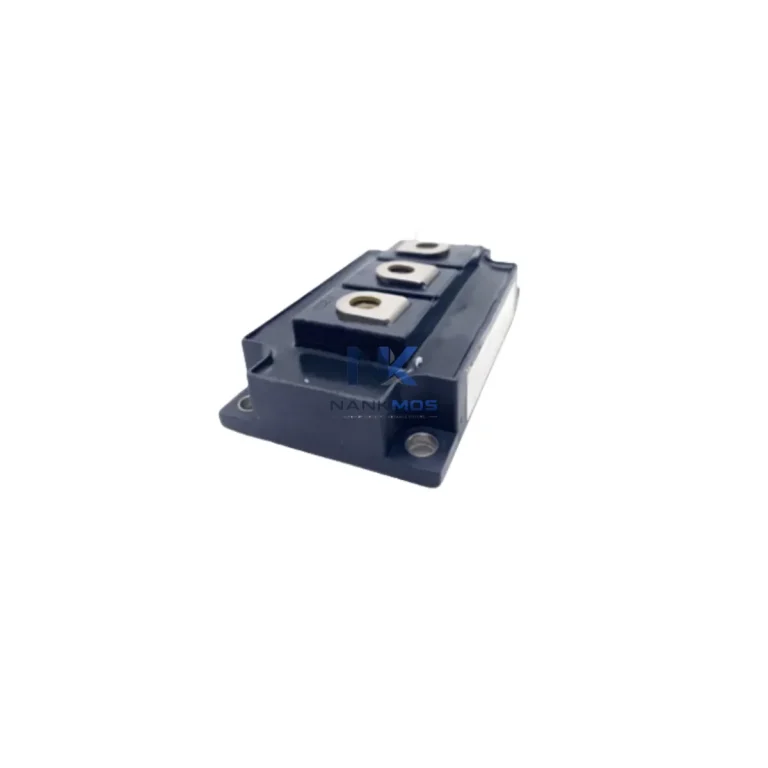
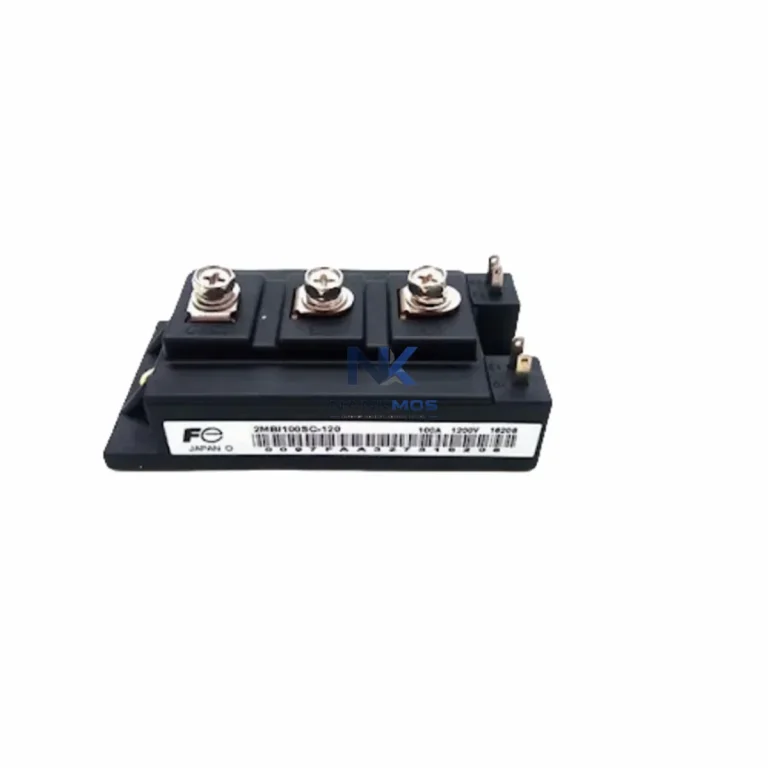
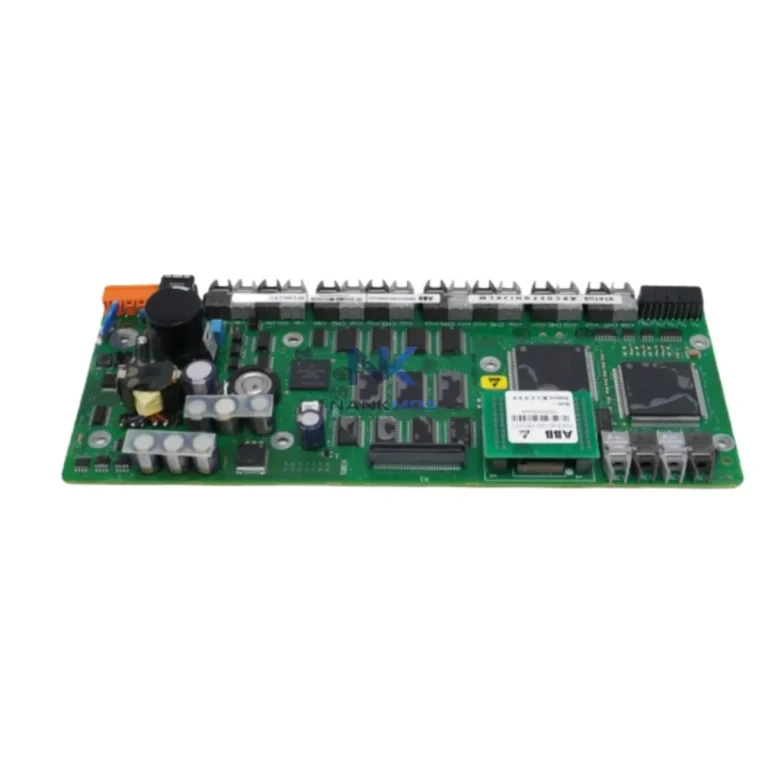
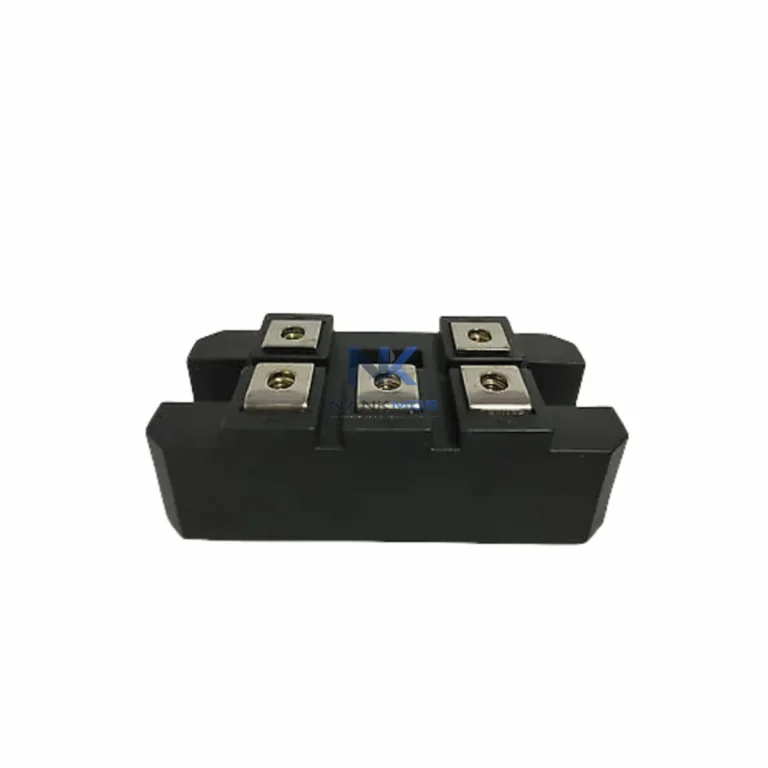
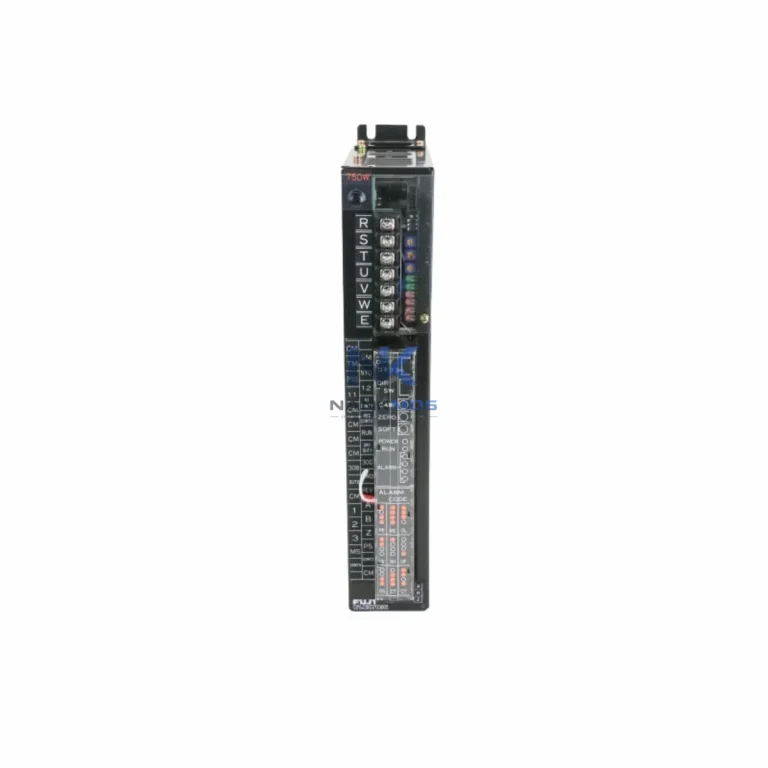
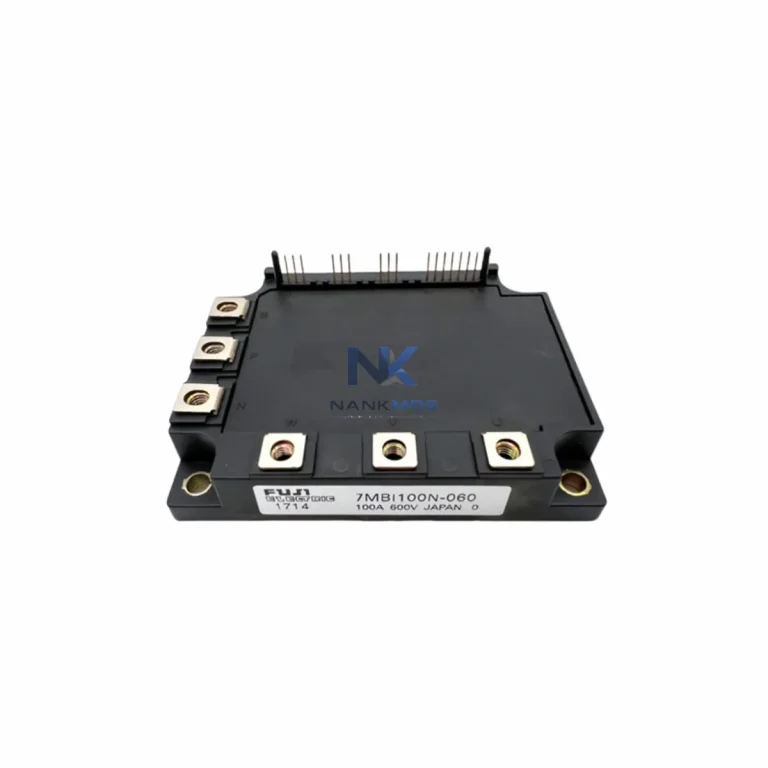
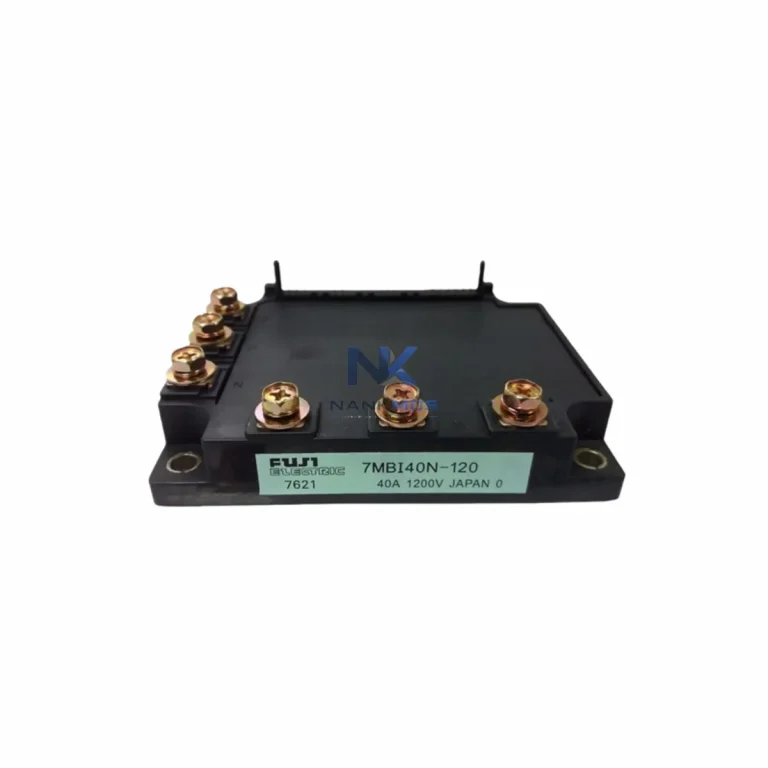
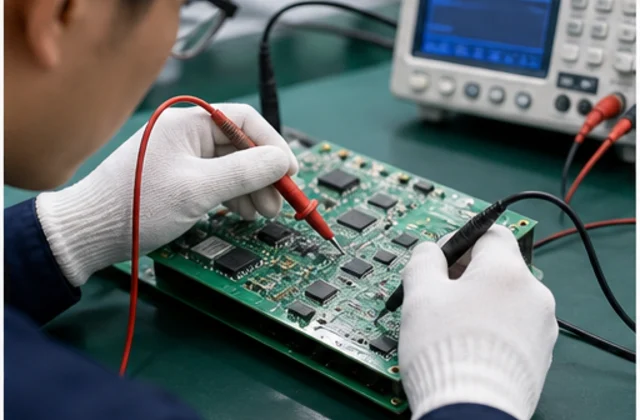
 Functional Inspection
100% tested on professional platforms to ensure stable performance.
Fuji Electric EP-3603D-C is a NANKMOS industrial automation product record Listed under EP3000 series and Drives. Confirm condition, availability, lead time, compatibility and documentation by email inquiry.
Brand names are used for identification only.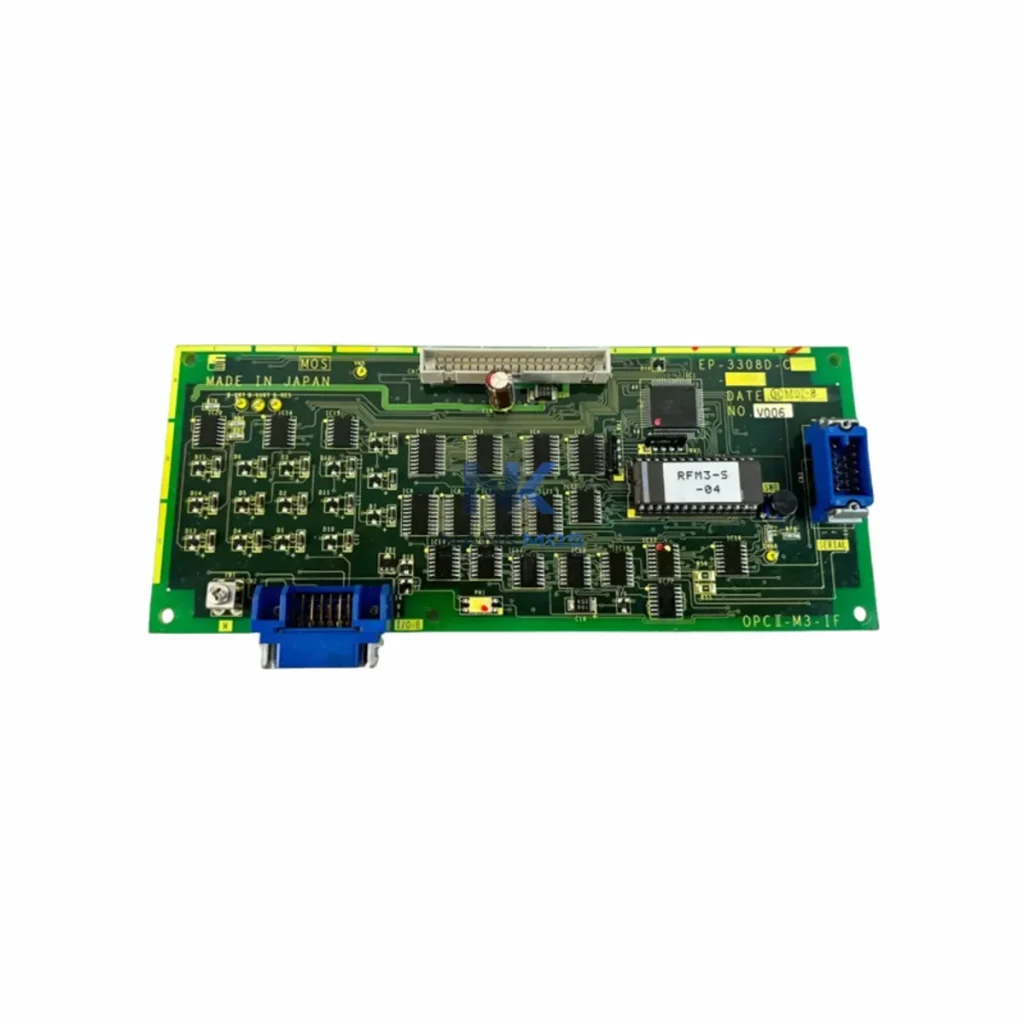
Fuji Electric EP-3603D-C is a NANKMOS industrial automation product record Listed under EP3000 series and Drives. Confirm condition, availability, lead time, compatibility and documentation by email inquiry.
| Manufacturer | Fuji Electric |
|---|---|
| Application | Industrial Network Communication |
| Part Number / Model | EP-3603D-C |
| Compatible System | EP3000 |
| Series | EP3000 |
| Condition Options | To Confirm |
| Module Type | Communication Module |
| Warranty | 12 Months |
| Packaging | Anti-static Bag / Secure Box |
| Shipping Methods | DHL / FedEx / UPS / Air / Sea |
| Availability | To Confirm |
| Lead Time | To Confirm |
| Documentation | Part number and revision checked before quote |
The Fuji EP-3603D-C is a dedicated industrial network interface card engineered for the EP3000 inverter series by FUJI Electric. Designed to bridge the gap between field-level drive systems and upper-layer control architectures, the EP-3603D-C enables seamless, high-integrity data exchange across the full automation stack — from signal acquisition at the sensor layer through to SCADA visualization and enterprise-level reporting.
In modern smart factory environments, inverter drives like the EP3000 series are no longer isolated motion control devices. They are active nodes in a plant-wide data network, required to transmit real-time operating parameters — output frequency, motor current, fault codes, thermal status, and torque feedback — to supervisory systems with minimal latency. The EP-3603D-C fulfills this role by providing a standardized, protocol-compliant communication channel that integrates the EP3000 drive into the broader industrial network without requiring custom wiring or proprietary middleware.
The card supports structured data exchange with PLCs, remote I/O modules, HMI panels, and edge gateways, making it a foundational component for any facility pursuing transparent, data-driven production management. Whether the application involves coordinating multi-axis conveyor systems, monitoring pump and fan loads in process plants, or enabling remote fault diagnosis across distributed manufacturing cells, the EP-3603D-C delivers the connectivity infrastructure required to keep automation data flowing reliably.
The EP-3603D-C is most effective when understood as a link in a continuous data chain rather than a standalone accessory. In a typical smart factory deployment, the data flow begins at the field device layer: sensors — including temperature transmitters, pressure transducers, and flow meters — feed process variables into the EP3000 inverter, which adjusts motor output in real time. The EP-3603D-C then captures this operational data and transmits it upstream via the plant network.
At the control layer, a FUJI Electric MICREX-SX series PLC or compatible third-party controller receives drive status data through the network interface, enabling closed-loop control logic that responds dynamically to process conditions. Alongside the PLC, remote I/O modules distributed across the production floor extend the network reach to field devices that are physically distant from the main control cabinet, with the EP-3603D-C ensuring that inverter data is synchronized with the broader I/O scan cycle.
For operator visibility, HMI panels — such as FUJI Electric's V9 series or equivalent industrial touchscreens — display live drive parameters pulled through the network card: speed setpoints, actual output frequency, alarm history, and energy consumption trends. This real-time visibility allows operators to detect anomalies early and intervene before unplanned downtime occurs.
At the supervisory level, SCADA platforms aggregate data from multiple EP3000 drives equipped with EP-3603D-C cards, building a plant-wide view of motor performance, load distribution, and fault frequency. Integration with edge gateways — such as compact industrial IoT gateways running OPC-UA or MQTT bridging — allows this data to be forwarded to cloud analytics platforms or MES systems, enabling predictive maintenance models and production KPI dashboards.
In multi-drive applications, the EP-3603D-C also works in coordination with industrial Ethernet switches that provide the managed network backbone — supporting VLAN segmentation, QoS prioritization, and ring redundancy to ensure that drive communication traffic is isolated from general IT traffic and protected against single-point network failures. Industrial power supplies with wide-input DC rails support the stable operation of both the EP3000 drives and the associated network infrastructure in harsh electrical environments.
For facilities running mixed-protocol environments — where legacy serial devices coexist with modern Ethernet-based systems — protocol gateways positioned between the EP-3603D-C network segment and the upper-layer SCADA bus handle the necessary translation, ensuring that EP3000 drive data is accessible to supervisory systems regardless of the communication standard in use. Data acquisition modules at the edge layer can also log EP3000 operating records locally, providing a buffer for remote diagnostics even when WAN connectivity is intermittent.
Many industrial facilities operate with fragmented automation architectures — inverter drives that run in isolation, PLCs that cannot query drive status, and SCADA systems that have no visibility into motor-level fault data. The EP-3603D-C directly addresses these data gaps by giving the EP3000 inverter a standardized network presence that is readable by any compliant controller or supervisory system on the plant network.
Protocol fragmentation is one of the most common barriers to plant-wide data integration. When drives, PLCs, and SCADA systems speak different communication languages, data islands form — and maintenance teams are forced to rely on manual inspection rather than real-time telemetry. The EP-3603D-C eliminates this barrier for EP3000 drives by providing a consistent, network-addressable interface that fits into the existing control architecture without requiring drive replacement or custom software development.
Remote monitoring and alarm tracking become significantly more effective once EP3000 drives are connected via the EP-3603D-C. Fault codes, overcurrent events, thermal warnings, and communication errors are transmitted to the SCADA or HMI layer in real time, triggering alarm notifications that can be routed to maintenance personnel via email, SMS, or plant-floor annunciators. This closes the feedback loop between field events and control room awareness, reducing mean time to repair and minimizing production impact.
Production line transparency is another key benefit. With EP3000 drives reporting live data through the EP-3603D-C, production managers gain access to energy consumption metrics, cycle time data, and load profiles that were previously invisible. This data supports continuous improvement initiatives, energy audits, and capacity planning decisions based on actual operating evidence rather than estimates.
System scalability is preserved by the modular nature of the EP-3603D-C option card architecture. As production lines expand and additional EP3000 drives are commissioned, each new drive can be equipped with an EP-3603D-C card and integrated into the existing network segment without redesigning the control architecture. This plug-and-extend approach reduces commissioning time and keeps integration costs predictable as the facility grows.
Q1: What communication latency can be expected when using the EP-3603D-C in a SCADA-integrated system?Communication latency depends on the network topology, scan cycle of the host PLC or SCADA server, and the number of nodes on the network segment. In well-configured industrial Ethernet environments with managed switches and QoS settings, drive parameter updates are typically available to the SCADA layer within one to several scan cycles. For time-critical applications, it is recommended to segment drive communication traffic from general plant network traffic using VLANs or dedicated network ports.
Q2: Is the EP-3603D-C compatible with third-party PLCs and SCADA platforms, or only with FUJI Electric systems?The EP-3603D-C is designed as an option card for the FUJI Electric EP3000 inverter series and communicates using the protocol supported by that drive platform. Compatibility with third-party PLCs and SCADA systems depends on whether those systems support the same communication protocol. In mixed-protocol environments, a protocol gateway or communication converter may be required to bridge the EP3000 network segment to the upper-layer supervisory system.
Q3: How does the EP-3603D-C support remote diagnostics for EP3000 drives installed in geographically distributed facilities?When the EP3000 drive is connected to a plant network via the EP-3603D-C, its operating parameters and fault history are accessible to any authorized system on the network — including remote SCADA clients, edge gateways with cloud forwarding, and VPN-connected maintenance terminals. This allows engineering teams to review drive status, retrieve fault logs, and adjust parameters remotely without requiring on-site visits, significantly reducing diagnostic response time for distributed installations.
Q4: What does the 12-month warranty cover, and what is the shipping and stock availability?All EP-3603D-C units supplied by NANKMOS are covered by a 12-month warranty from the date of shipment, covering manufacturing defects and functional failures under normal operating conditions. Each unit undergoes pre-shipment functional testing to verify communication integrity and hardware condition before dispatch. Stock is maintained for immediate availability — orders are processed promptly with standard export documentation for international shipments. For volume requirements or lead-time confirmation, contact our team directly.
Functional Inspection100% tested on professional platforms to ensure stable performance.
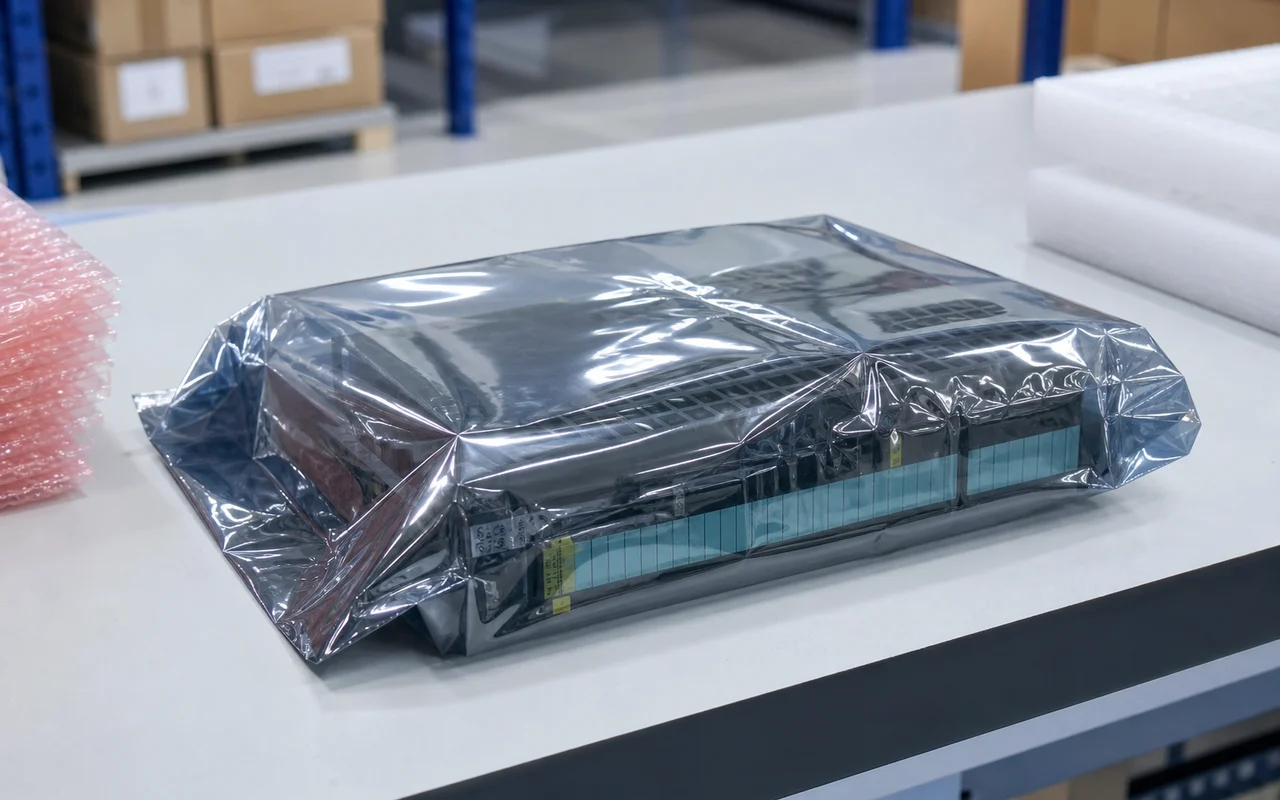 Anti-static Packaging
Modules are packed in anti-static bags to prevent electrostatic damage.
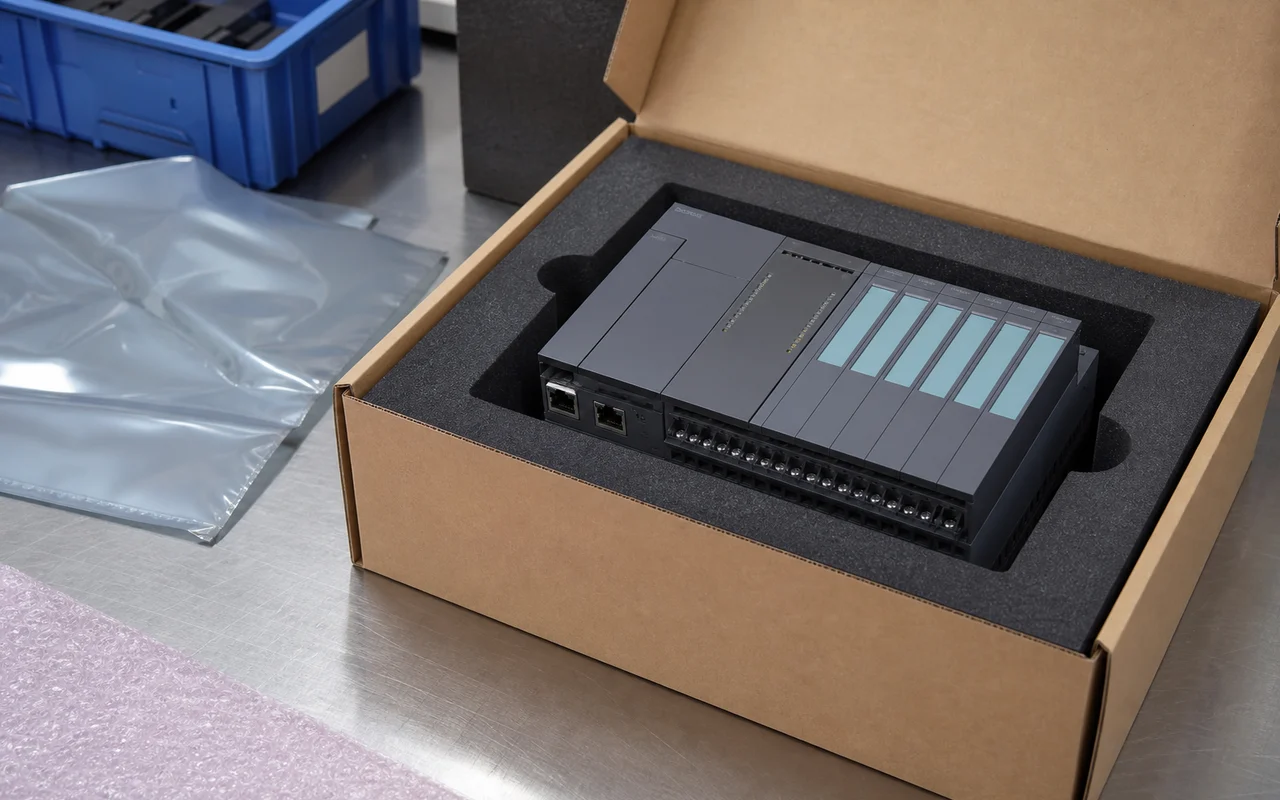 Secure Export Packing
Cushion protection and strong cartons ensure safe transportation.
 Worldwide Shipping
Global logistics network supports air, sea and express delivery.
 Documentation Check
Part number, revision and compatibility verified before shipment.
 After-sales Support
Professional technical support to help resolve your issues.