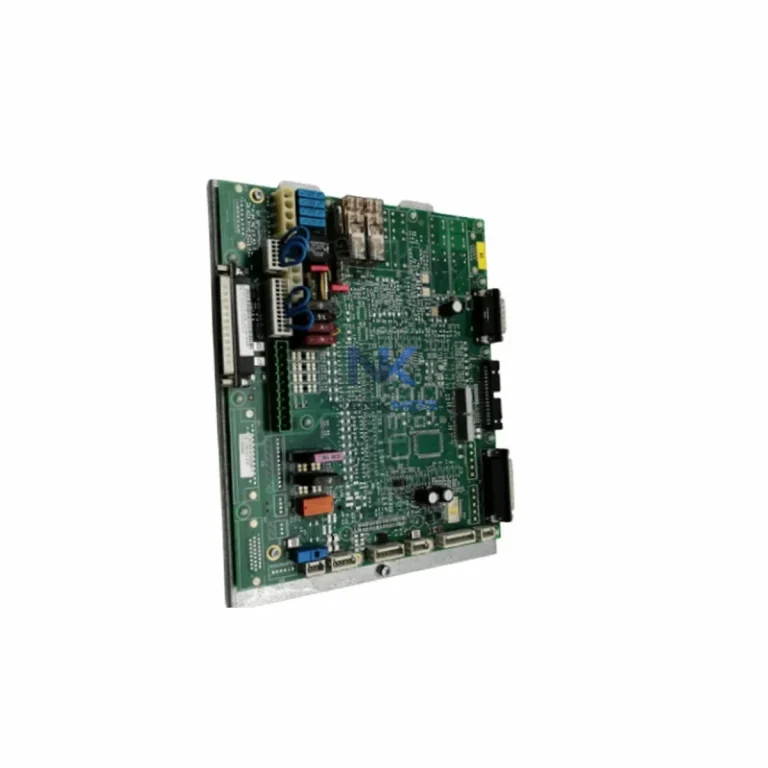
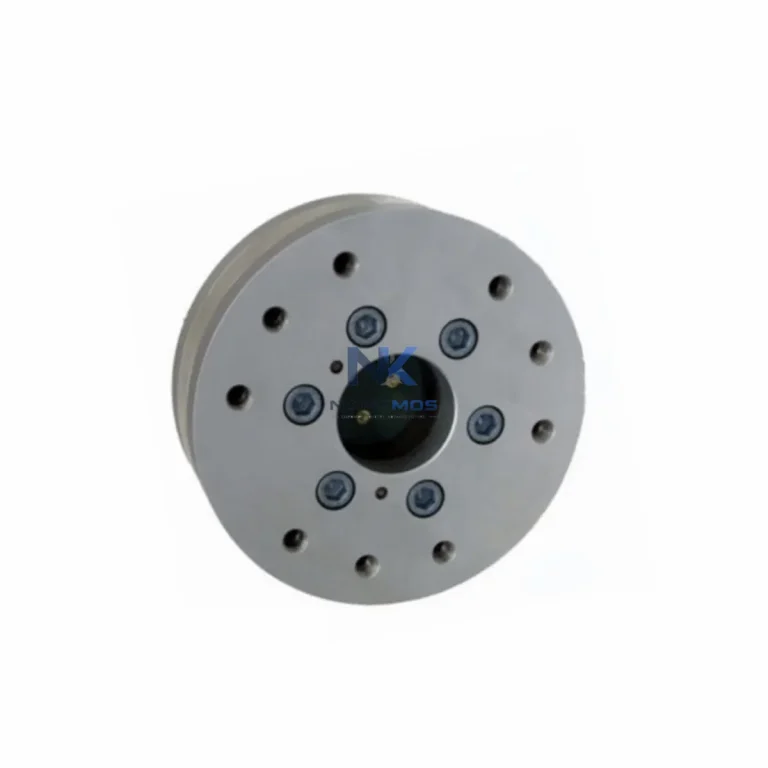
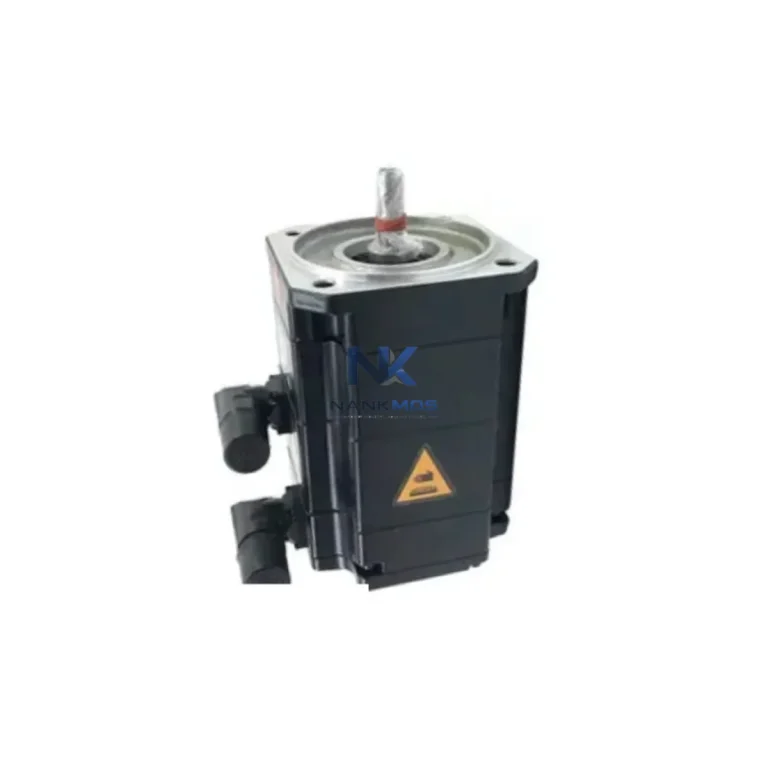
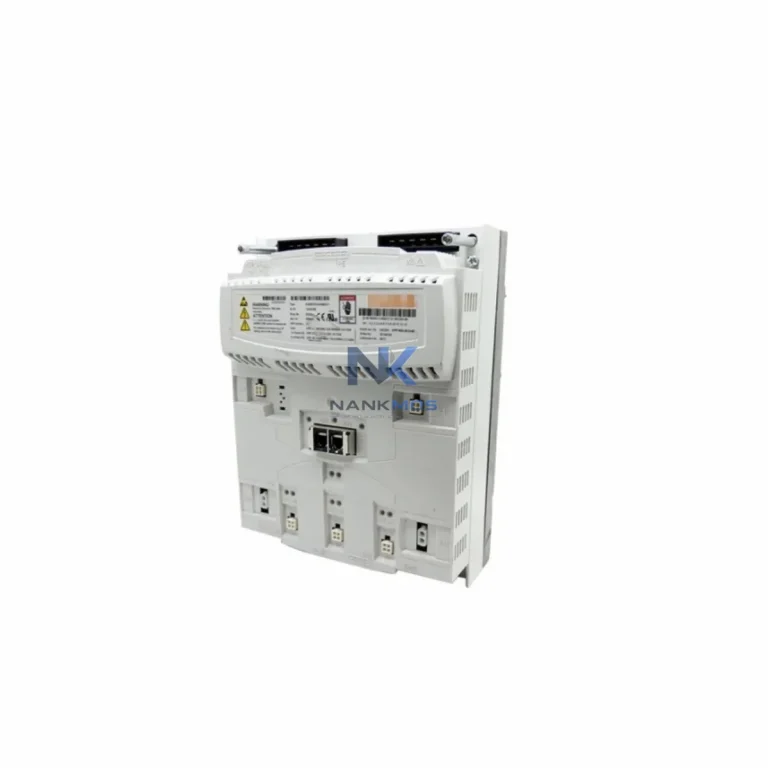
Functional Inspection
100% tested on professional platforms to ensure stable performance.
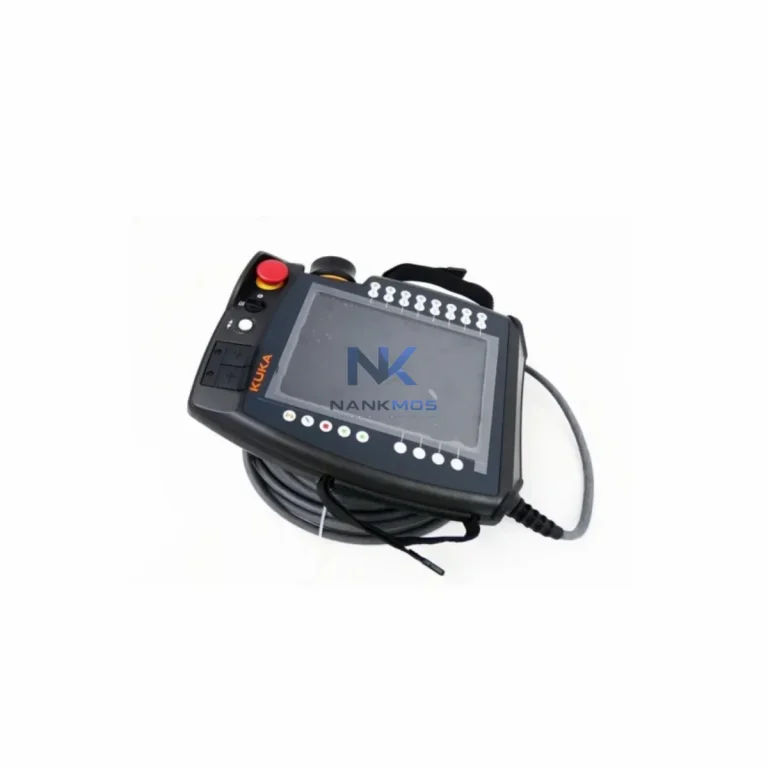
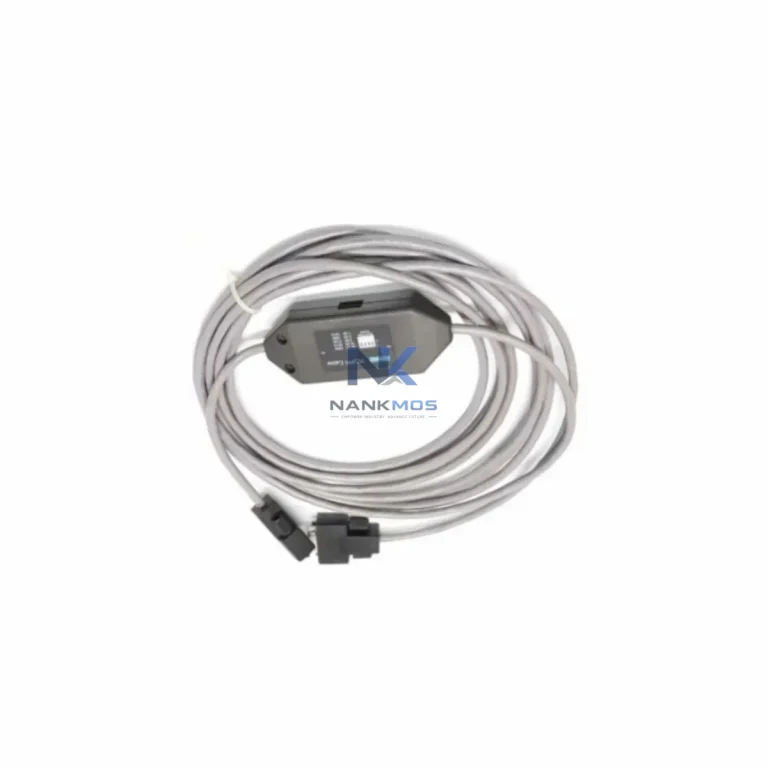
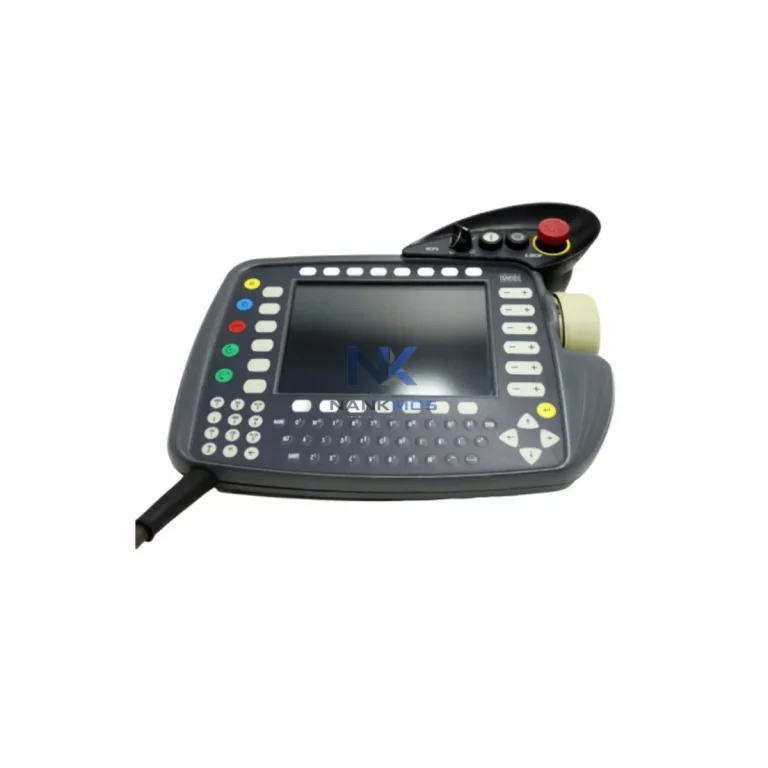
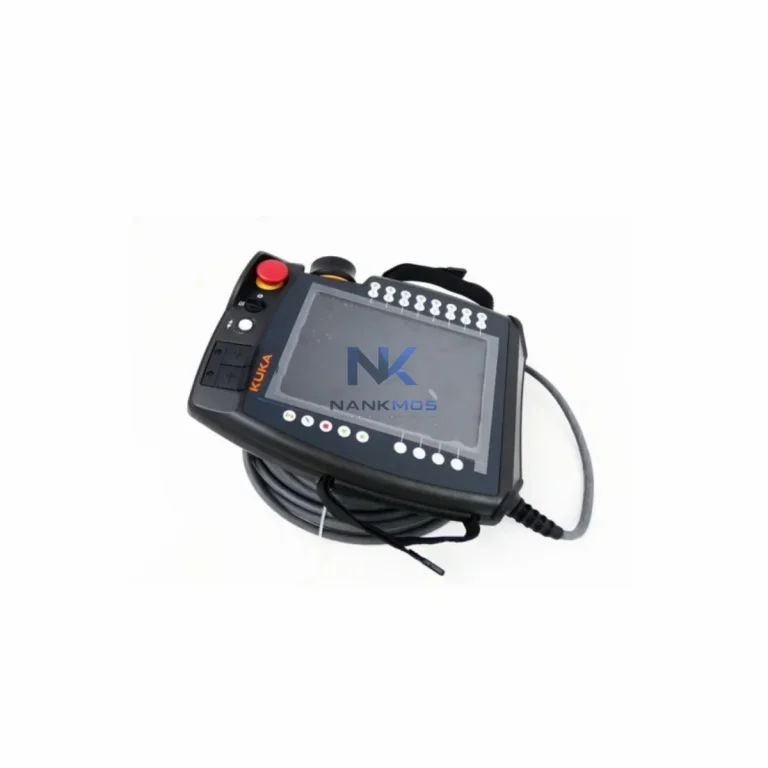
KUKA KCP2 VKCP2 is a NANKMOS industrial automation product record Listed under Other series series and HMI Panels. Confirm condition, availability, lead time, compatibility and documentation by email inquiry.
Brand names are used for identification only.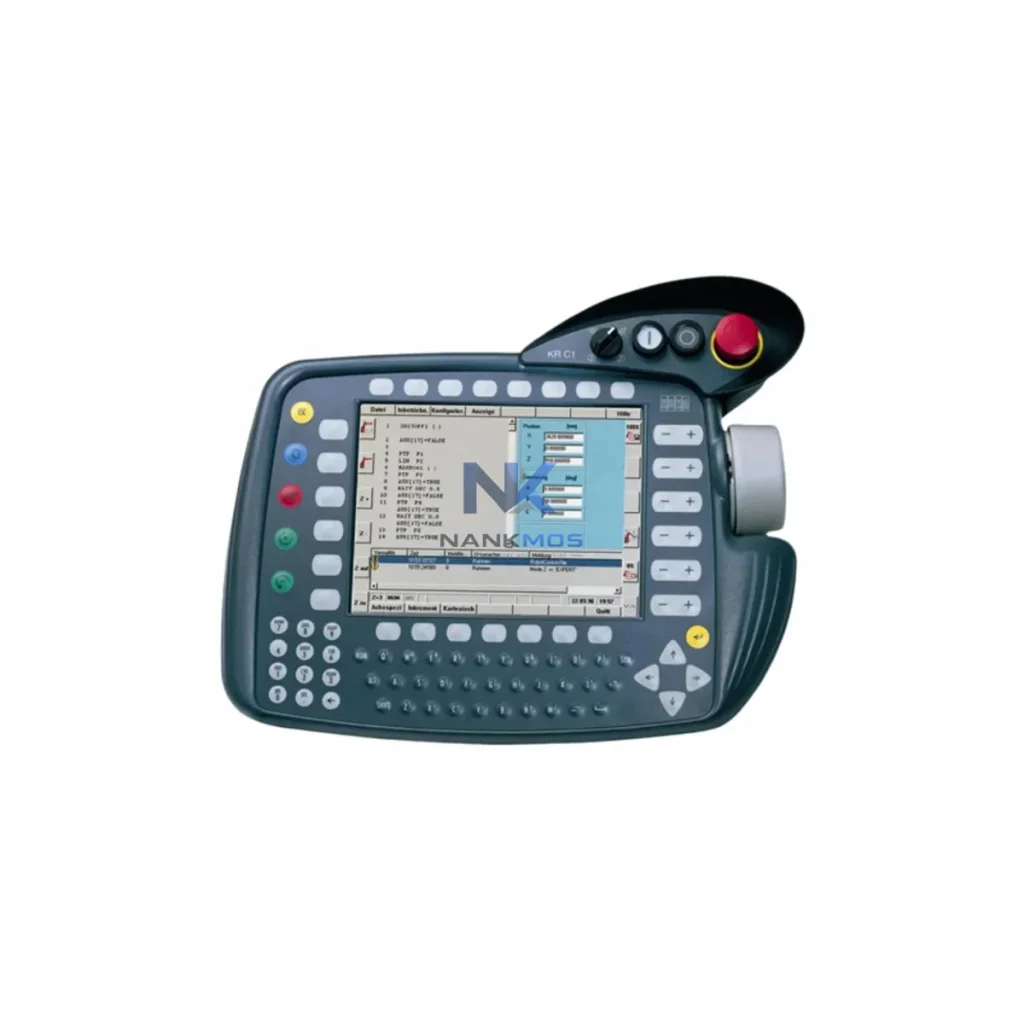
KUKA KCP2 VKCP2 is a NANKMOS industrial automation product record Listed under Other series series and HMI Panels. Confirm condition, availability, lead time, compatibility and documentation by email inquiry.
| Manufacturer | KUKA |
|---|---|
| Application | Industrial Automation Maintenance |
| Part Number / Model | KCP2 VKCP2 |
| Compatible System | Confirmed by inquiry |
| Condition Options | To Confirm |
| Module Type | HMI Panels |
| Warranty | 12 Months |
| Packaging | Anti-static Bag / Secure Box |
| Shipping Methods | DHL / FedEx / UPS / Air / Sea |
| Availability | To Confirm |
| Lead Time | To Confirm |
| Documentation | Part number and revision checked before quote |
The KUKA KCP2 VKCP2 is a high-performance robot control panel engineered for seamless integration within modern smart factory environments. Designed for the KCP Series robot controller platform, this unit serves as the primary human-machine interface and network communication node between the robot arm, the KR C2 or KR C4 controller, and the broader industrial automation network. Its robust PROFINET-compatible architecture enables real-time data exchange across PLC controllers, remote I/O modules, SCADA systems, HMI terminals, and edge gateways — making it a critical component in any data-driven production line.
In today's connected factory, every millisecond of communication latency and every dropped data packet translates directly into production loss. The KCP2 VKCP2 addresses this by providing a stable, low-latency operator interface that maintains continuous bidirectional communication with the robot controller. Whether the application involves arc welding, material handling, assembly, or palletising, the panel ensures that command signals, status feedback, fault codes, and diagnostic data flow without interruption across the automation network.
The KCP2 VKCP2 sits at the intersection of field-level robotics and plant-level data infrastructure. In a typical smart factory deployment, the data flow begins at the robot end-effector — where torque sensors, vision systems, and force-feedback modules generate continuous process signals. These signals are processed by the KR C4 robot controller and surfaced through the KCP2 VKCP2 panel, which acts as both the operator interface and the network communication endpoint.
Upstream, the panel communicates via PROFINET with a Siemens S7-1500 PLC or equivalent controller, transmitting real-time robot status, program step data, and alarm states. The PLC in turn aggregates data from remote I/O modules — such as KUKA's own I/O expansion units or third-party Beckhoff EtherCAT terminals — and forwards structured data packets to the plant SCADA server. Operators monitoring the line from a Siemens WinCC or Ignition SCADA HMI terminal receive live robot cycle data, fault histories, and production KPIs without any manual data entry.
For lines incorporating variable frequency drives (VFDs) controlling conveyor motors or servo axes, the KCP2 VKCP2 enables coordinated motion sequencing. Drive status signals from Siemens SINAMICS G120 or ABB ACS880 drives are routed through the PLC network and made visible on the robot controller's diagnostic interface. This cross-system visibility is essential for detecting timing mismatches between robot pick cycles and conveyor indexing — a common source of cycle time loss in high-speed assembly cells.
Edge gateways such as the Moxa MGate MB3480 or Advantech ADAM-3600 can be deployed alongside the KCP2 VKCP2 to bridge legacy Modbus RTU devices — older sensors, barcode readers, or pneumatic valve controllers — into the PROFINET backbone. This protocol conversion layer ensures that no field device is left as a data island, and that all process variables are visible within the unified SCADA/MES data model.
Industrial managed switches, such as those from Hirschmann or Phoenix Contact, provide the network backbone that connects the KCP2 VKCP2, the PLC, the SCADA server, and the edge gateway within a ring or star topology. Redundant network paths ensure that a single cable fault does not interrupt robot operation or data logging. Combined with industrial UPS power supplies protecting the controller and panel, the result is a resilient, always-on data link from robot cell to enterprise system.
Many industrial sites operating KUKA robot cells face a common set of connectivity challenges: protocol fragmentation between robot controllers and PLC networks, data silos between robot diagnostic systems and plant SCADA platforms, and limited visibility into robot health metrics during unmanned shifts. The KCP2 VKCP2 directly addresses these gaps.
Protocol Unification: By supporting PROFINET as its primary network protocol, the KCP2 VKCP2 eliminates the need for custom protocol converters between the robot controller and the main PLC network. This reduces integration complexity and lowers the risk of communication timeouts during high-cycle-rate operations.
Remote Monitoring and Diagnostics: The panel's network interface enables remote access to robot fault logs, program states, and I/O status via the SCADA or MES layer. Maintenance engineers can diagnose faults, review alarm histories, and initiate controlled shutdowns without physically entering the robot cell — improving safety and reducing mean time to repair (MTTR).
Production Line Transparency: Real-time data from the KCP2 VKCP2 feeds directly into OEE dashboards and production reporting tools. Cycle counts, fault frequencies, and downtime events are logged automatically, giving production managers the data they need to identify bottlenecks and optimise throughput.
Alarm Tracking and Escalation: Integrated alarm management ensures that fault conditions detected by the robot controller are immediately propagated to the SCADA alarm console and, where configured, to mobile notification systems. This closes the loop between field-level fault detection and plant-level response.
System Scalability: As production lines expand, additional robot cells equipped with KCP2 VKCP2 panels can be added to the PROFINET network without architectural changes. The standardised communication interface ensures that each new cell integrates seamlessly with the existing SCADA, MES, and data historian infrastructure.
Q1: What communication protocols does the KUKA KCP2 VKCP2 support?The KCP2 VKCP2 is designed for use with KUKA KR C2 and KR C4 controllers, which natively support PROFINET IO. Optional fieldbus interfaces including DeviceNet and EtherNet/IP may be available depending on the controller configuration. For sites running legacy Profibus DP networks, a protocol gateway module can be used to bridge the robot controller into the existing fieldbus architecture.
Q2: Can the KCP2 VKCP2 be integrated with third-party SCADA or HMI systems?Yes. Because the KCP2 VKCP2 communicates through the KR C4 controller's standard PROFINET interface, it is compatible with any SCADA or HMI platform that supports PROFINET IO or OPC-UA data acquisition — including Siemens WinCC, Ignition, FactoryTalk View, and Wonderware. Data mapping and tag configuration are handled at the PLC or OPC server layer.
Q3: How is network stability ensured in high-cycle robot applications?The KCP2 VKCP2 operates within KUKA's deterministic real-time communication architecture, which prioritises robot control traffic over general network data. When deployed on a properly segmented industrial Ethernet network — using managed switches with QoS configuration and, where required, ring redundancy — communication latency remains within the microsecond range required for synchronised motion control.
Q4: What warranty and pre-shipment testing does NANKMOS provide for the KCP2 VKCP2?Every KCP2 VKCP2 unit supplied by NANKMOS undergoes a full outgoing inspection prior to dispatch, covering physical integrity, connector condition, and where applicable, functional communication verification. All units are covered by a 12-Month Warranty from the date of shipment. In-stock units are available for immediate dispatch. For volume orders or urgent requirements, contact NANKMOS at [email protected] or +86 18359268345.
Functional Inspection100% tested on professional platforms to ensure stable performance.
 Anti-static Packaging
Modules are packed in anti-static bags to prevent electrostatic damage.
 Secure Export Packing
Cushion protection and strong cartons ensure safe transportation.
 Worldwide Shipping
Global logistics network supports air, sea and express delivery.
 Documentation Check
Part number, revision and compatibility verified before shipment.
 After-sales Support
Professional technical support to help resolve your issues.