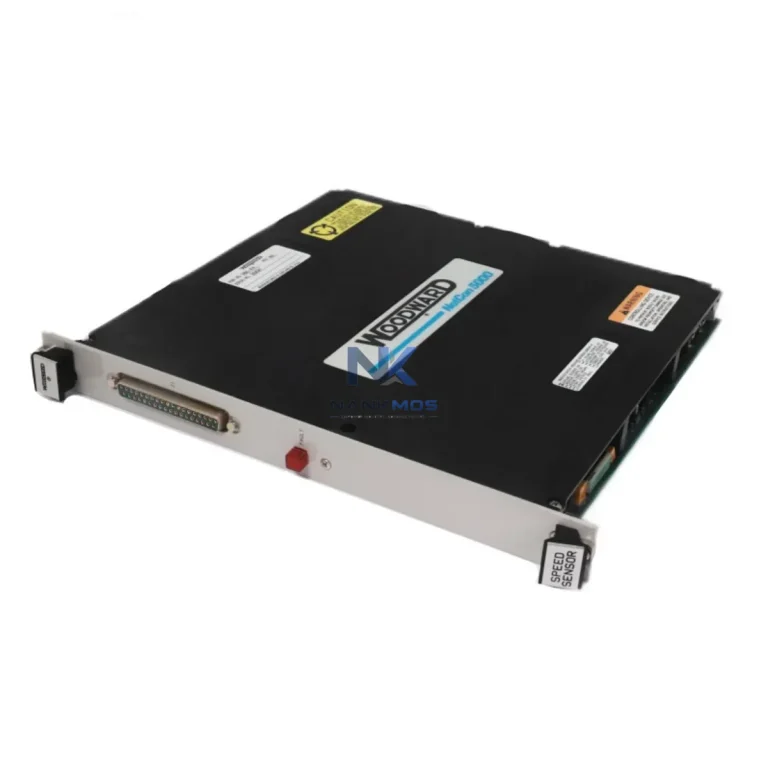
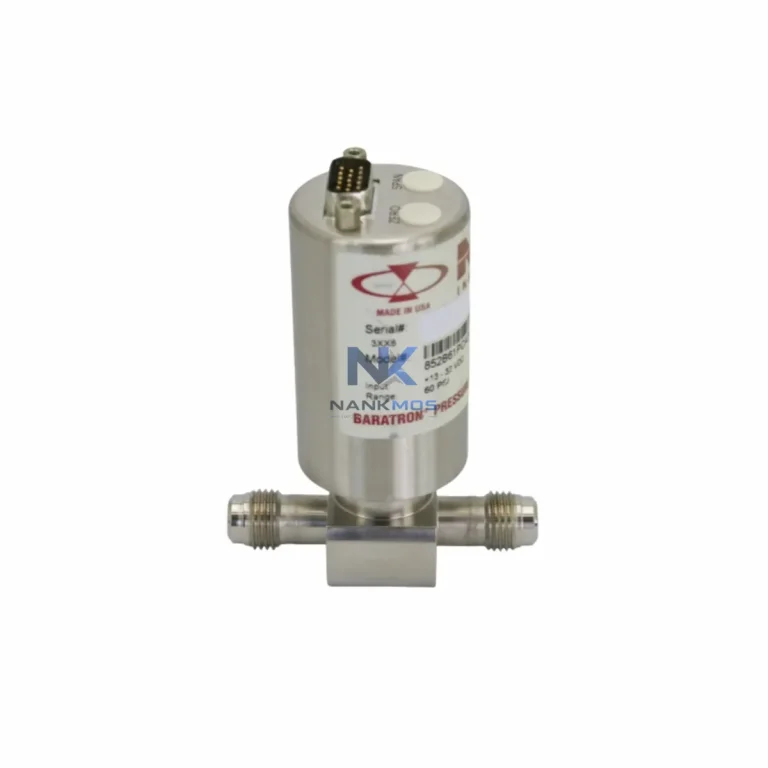
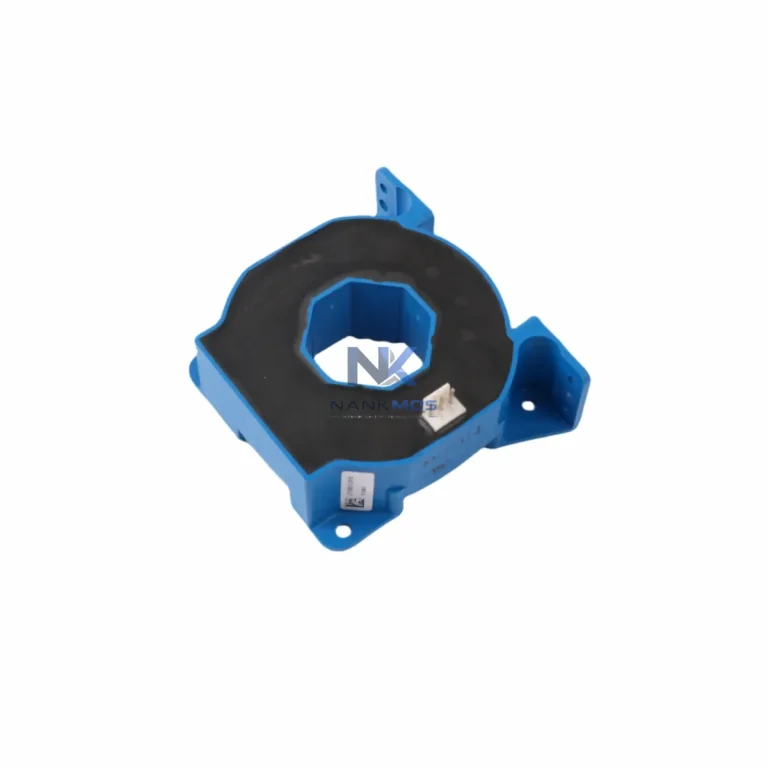
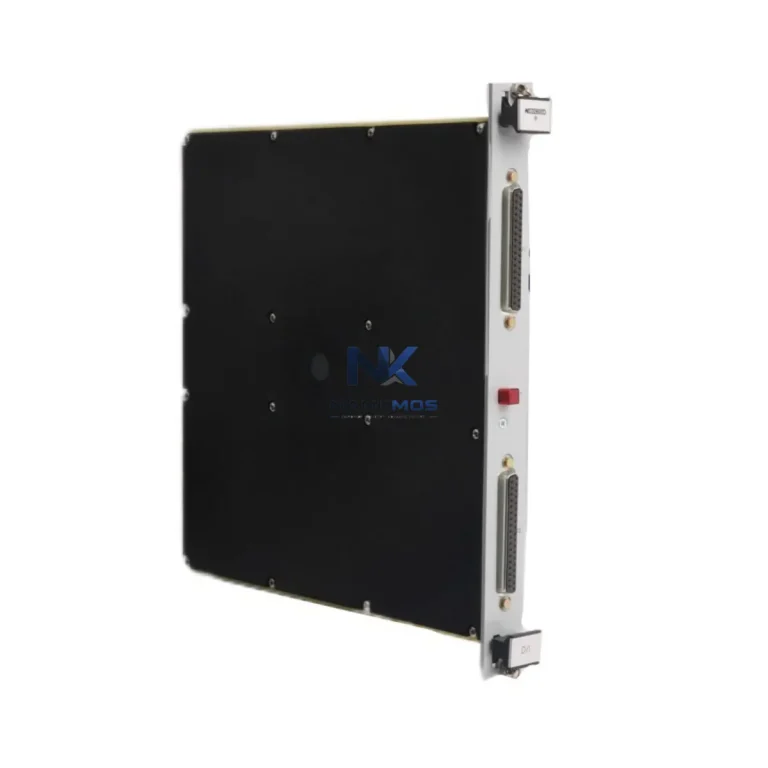
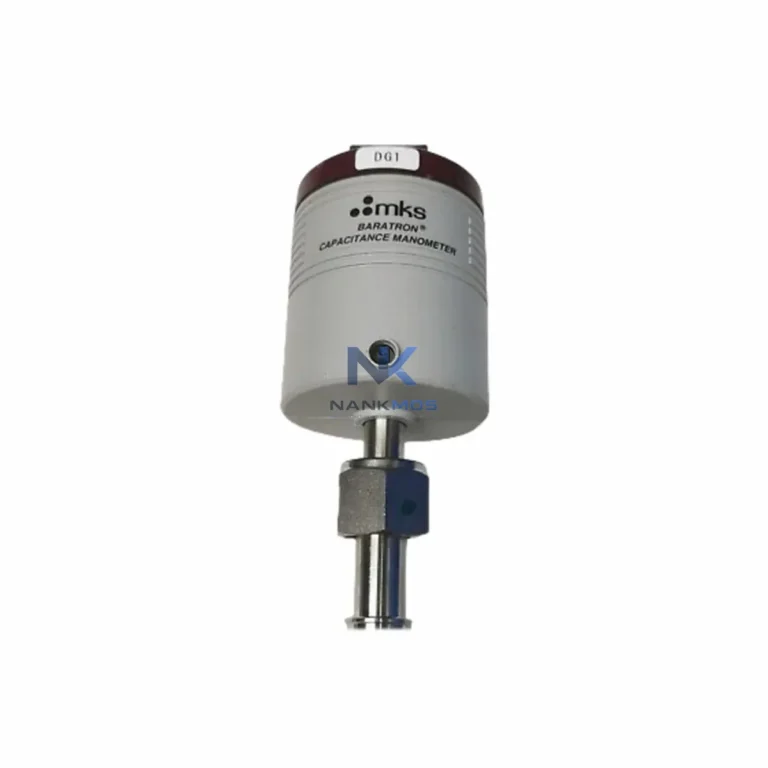
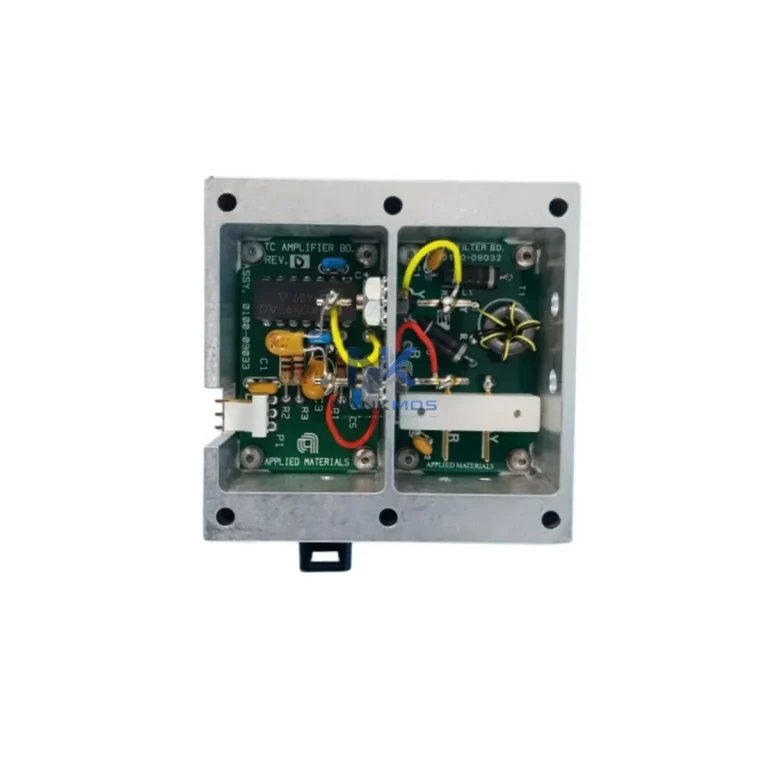
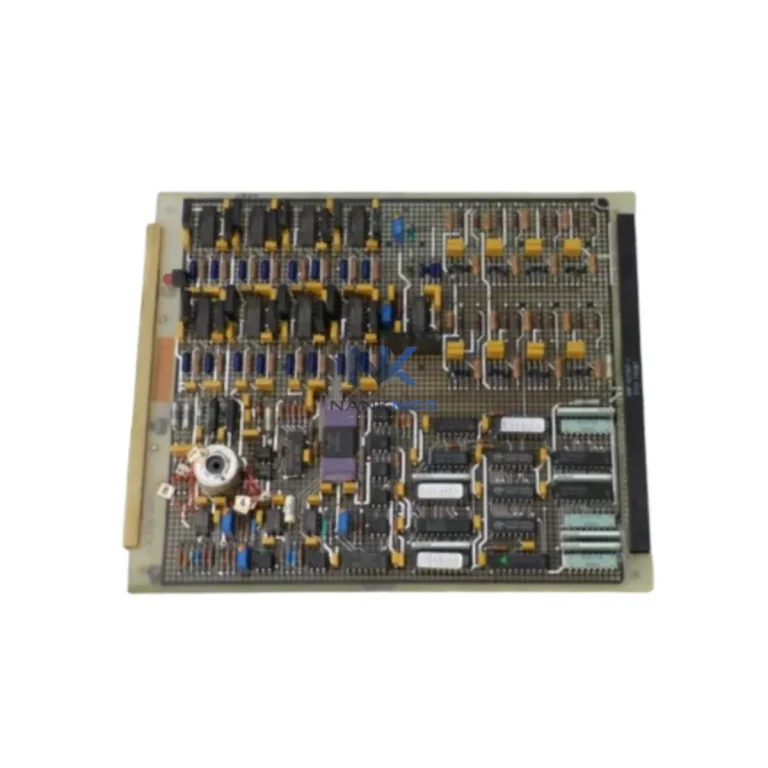
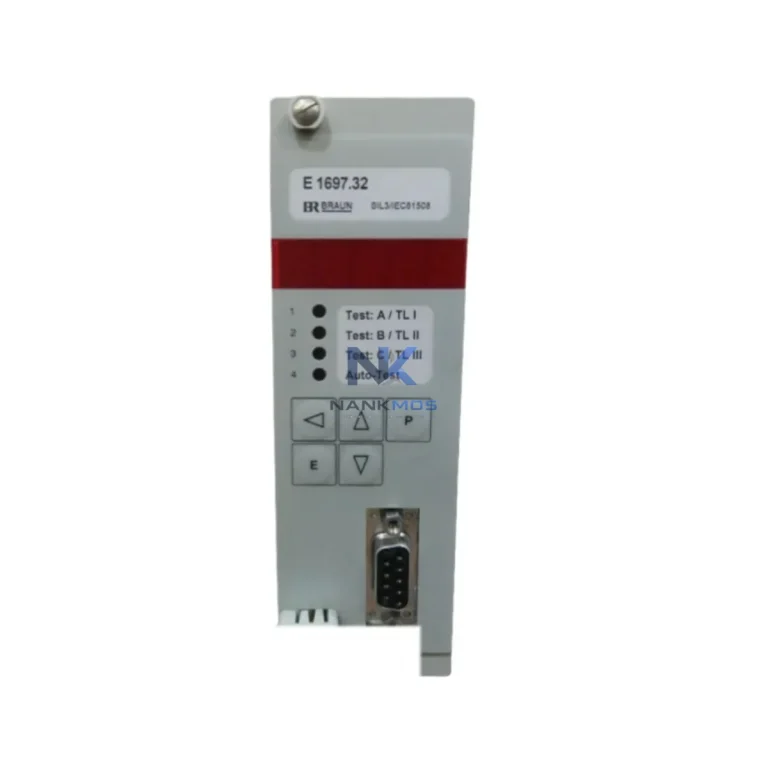
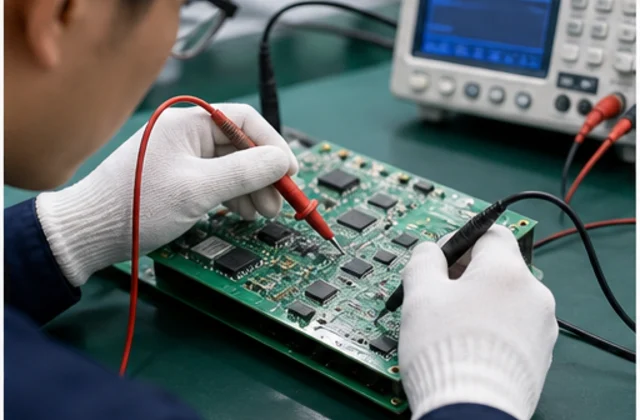
 Functional Inspection
100% tested on professional platforms to ensure stable performance.
RELIANCE 586-501-109 is a NANKMOS industrial automation product record Listed under Other series series and Sensors. Confirm condition, availability, lead time, compatibility and documentation by email inquiry.
Brand names are used for identification only.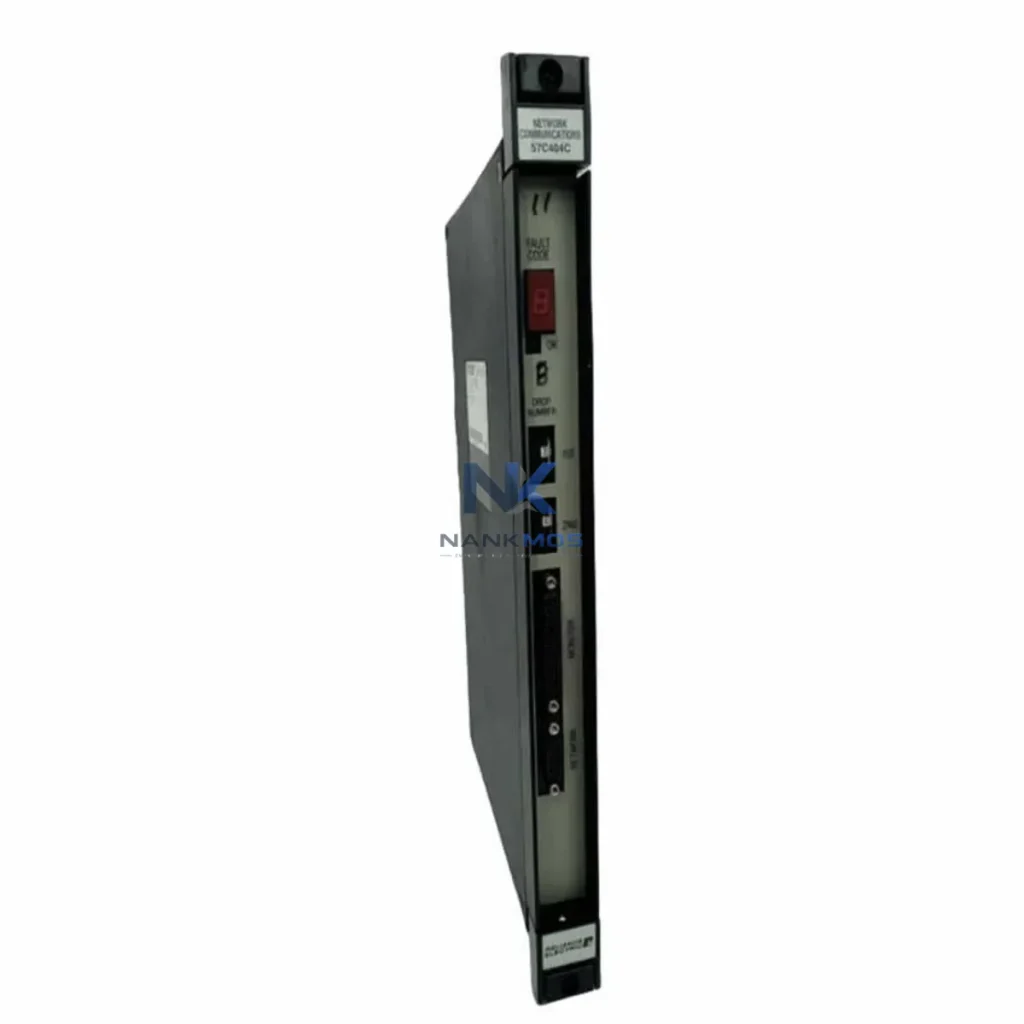
RELIANCE 586-501-109 is a NANKMOS industrial automation product record Listed under Other series series and Sensors. Confirm condition, availability, lead time, compatibility and documentation by email inquiry.
| Manufacturer | RELIANCE |
|---|---|
| Application | Industrial Network Communication |
| Part Number / Model | 586-501-109 |
| Compatible System | Confirmed by inquiry |
| Condition Options | To Confirm |
| Module Type | Communication Module |
| Warranty | 12 Months |
| Packaging | Anti-static Bag / Secure Box |
| Shipping Methods | DHL / FedEx / UPS / Air / Sea |
| Availability | To Confirm |
| Lead Time | To Confirm |
| Documentation | Part number and revision checked before quote |
The Reliance 586-501-109 is a Series 586 industrial network interface transmitter engineered for seamless data flow across modern smart factory architectures. Combining HART protocol digital communication with a proven 4-20mA analog backbone, this module bridges field-level sensing with upper-layer control and monitoring systems — delivering real-time process data from the sensor floor to SCADA dashboards without signal degradation or protocol mismatch.
In today's connected manufacturing environment, the integrity of the data chain between field instruments and supervisory systems determines the responsiveness of the entire production line. The 586-501-109 is purpose-built to anchor that chain. Whether deployed in temperature measurement loops, process control panels, or distributed I/O networks, it provides the stable, low-latency signal path that automation engineers depend on for accurate diagnostics and closed-loop control.
The 586-501-109 enters the data flow at the field instrument layer, where it captures process temperature values and encodes them as both a 4-20mA analog signal and a HART digital message. This dual-channel output is what makes it particularly valuable in hybrid automation environments where legacy analog infrastructure coexists with modern digital control networks.
At the control layer, a Reliance Series 586 PLC or compatible DCS controller receives the 4-20mA loop signal through standard analog input modules. Simultaneously, a HART-capable field communicator or multiplexer — such as those used in Emerson or Honeywell asset management platforms — reads the digital HART frames riding on the same wire, extracting device diagnostics, loop current, and secondary variables without interrupting the primary control loop.
For facilities running distributed I/O architectures, the 586-501-109 integrates cleanly with remote I/O racks and marshalling panels. When paired with an industrial Ethernet gateway or a HART-to-Modbus converter, the analog signal is digitized and forwarded upstream over Modbus RTU, Modbus TCP, or PROFIBUS DP — enabling the process value to appear in real time on SCADA historian servers and HMI operator panels without requiring additional signal conditioning hardware.
In smart factory deployments, the 586-501-109 feeds data into edge computing nodes where edge gateways aggregate multi-loop temperature data from several transmitters across a process unit. These gateways normalize the data format and push structured JSON or OPC-UA payloads to cloud-based MES or ERP platforms, enabling plant-wide energy monitoring, predictive maintenance scheduling, and production KPI dashboards. The result is a complete, unbroken data chain from thermocouple junction to enterprise dashboard — with the 586-501-109 serving as the reliable origination point.
Variable frequency drives (VFDs) monitoring motor winding temperatures in the same process loop can share the same HART network segment, with the 586-501-109 providing the reference temperature signal used by drive protection algorithms. Similarly, industrial managed switches in the control room backbone ensure that HART-over-IP traffic from multiple transmitter loops reaches the SCADA server with deterministic latency, supporting alarm response times well within IEC 61511 functional safety requirements.
For facilities using Reliance AutoMax or FlexPak drive systems, the 586-501-109 fits naturally into the existing Series 586 wiring infrastructure, reducing integration engineering time and ensuring compatibility with existing loop drawings and instrument data sheets. Calibration data stored in the HART device descriptor is accessible via handheld communicators or PC-based configuration tools, streamlining commissioning and periodic verification without loop interruption.
Many industrial sites operate with fragmented instrumentation layers — older 4-20mA transmitters that cannot report device health, protocol islands where PROFIBUS segments cannot communicate with Modbus-based SCADA systems, and temperature loops that provide no diagnostic feedback until a hard failure occurs. The 586-501-109 directly addresses these gaps.
Its HART protocol layer enables continuous device diagnostics alongside the primary process variable, so control room operators receive early warning of sensor drift, loop resistance changes, or transmitter faults before they escalate into unplanned downtime. This transforms a traditionally passive analog loop into an active, self-reporting data asset — a foundational requirement for any IIoT or Industry 4.0 upgrade program.
For sites pursuing production line transparency, the 586-501-109 supports integration with SCADA alarm management systems. Threshold breaches trigger structured HART status messages that SCADA platforms translate into operator alerts, maintenance work orders, and audit trail entries — closing the loop between field anomaly and corrective action. Remote diagnostics via HART pass-through over industrial Ethernet further reduce the need for on-site instrument technician visits, cutting maintenance costs and improving mean time to repair (MTTR).
System expansion is equally straightforward. Additional 586-501-109 transmitters can be added to existing HART multiplexer networks without reconfiguring the host system, supporting phased capacity increases as production lines grow. Each new device is auto-detected by HART-capable asset management software, populating the instrument database automatically and maintaining configuration traceability across the plant.
Q1: What communication latency can be expected from the 586-501-109 in a HART network?The 4-20mA analog output updates continuously in real time with no digital latency, making it suitable for closed-loop PID control. The HART digital channel operates at 1200 baud with a typical response time of 250–500ms per command — appropriate for diagnostics and configuration tasks but not for high-speed control loops. For time-critical applications, the analog output remains the primary control signal.
Q2: Is the 586-501-109 compatible with third-party SCADA and DCS platforms?Yes. The HART protocol is an open, internationally recognized standard (IEC 62591 family), and the 586-501-109's 4-20mA output is universally compatible with any analog input card. HART communication is supported by all major DCS and SCADA platforms including Emerson DeltaV, Honeywell Experion, Siemens PCS 7, and Rockwell FactoryTalk, as well as open-source SCADA systems via HART-IP or HART multiplexer interfaces.
Q3: How does the 586-501-109 support remote diagnostics without on-site access?HART digital messages carry device status, loop current, sensor type, and secondary variables that are readable by any HART-capable host — including remote asset management servers accessed over industrial Ethernet. Facilities with HART-over-IP infrastructure can query transmitter diagnostics from a central engineering workstation, enabling remote loop verification, calibration checks, and fault isolation without dispatching a field technician.
Q4: What does the 12-Month Warranty cover, and how is stock verified before shipment?Every 586-501-109 unit is sourced from verified inventory and undergoes pre-shipment functional testing to confirm loop integrity, signal output accuracy, and HART communication response. The 12-Month Warranty covers manufacturing defects and functional failures under normal operating conditions from the date of shipment. Replacement or repair is provided at no charge within the warranty period. Fast global shipping is available with full traceability documentation upon request.
Functional Inspection100% tested on professional platforms to ensure stable performance.
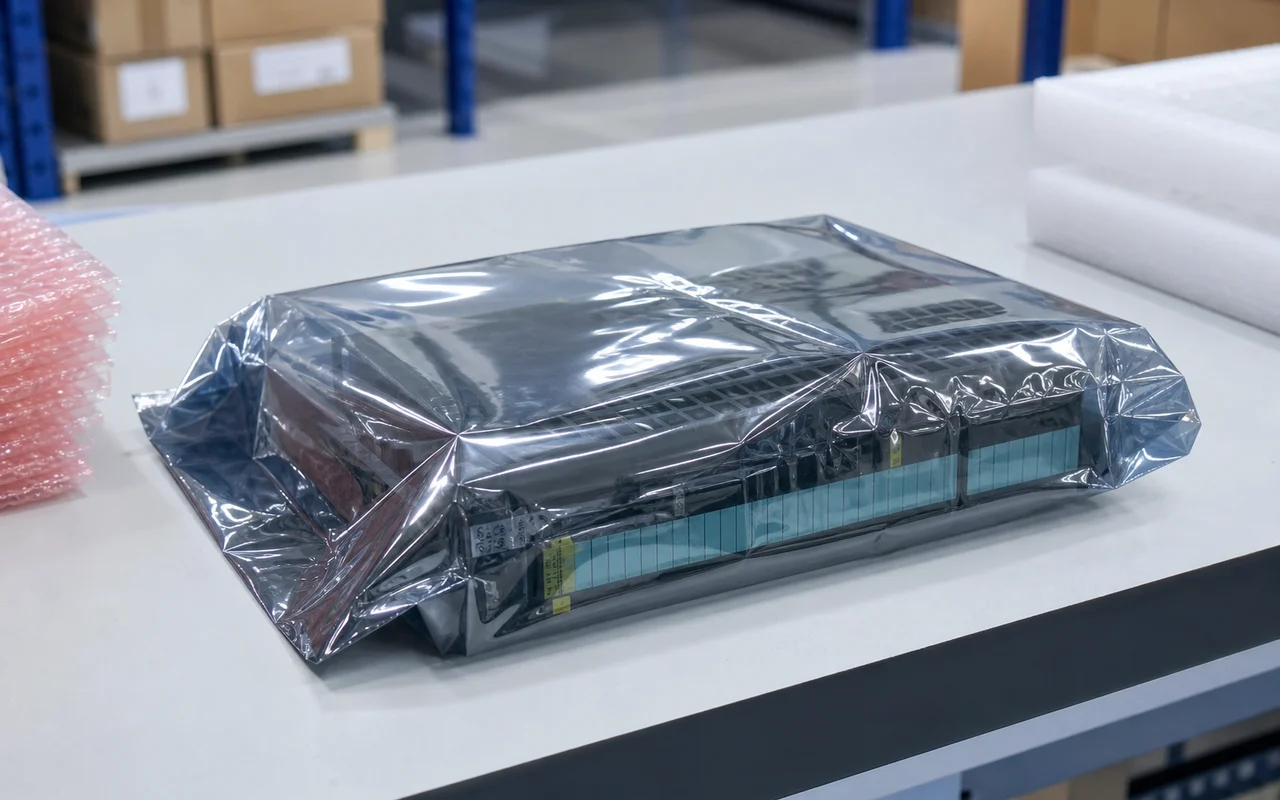 Anti-static Packaging
Modules are packed in anti-static bags to prevent electrostatic damage.
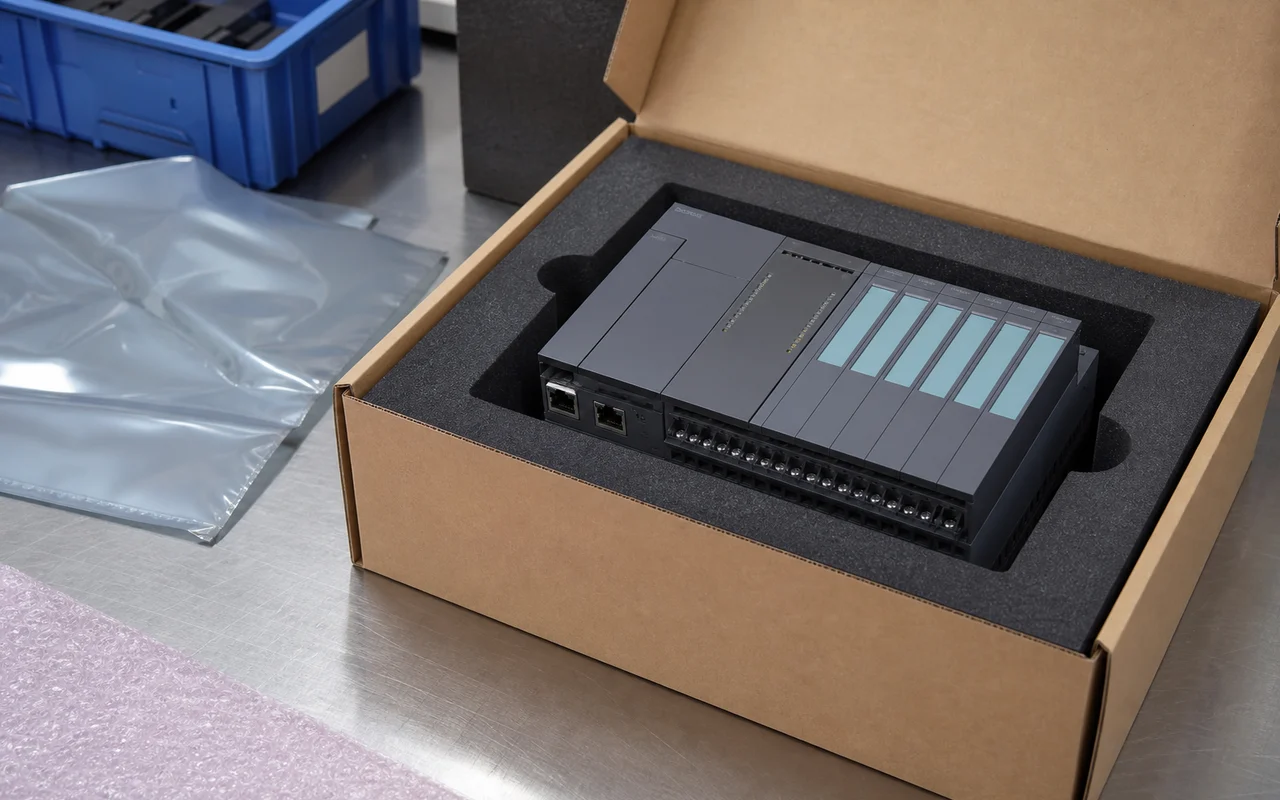 Secure Export Packing
Cushion protection and strong cartons ensure safe transportation.
 Worldwide Shipping
Global logistics network supports air, sea and express delivery.
 Documentation Check
Part number, revision and compatibility verified before shipment.
 After-sales Support
Professional technical support to help resolve your issues.