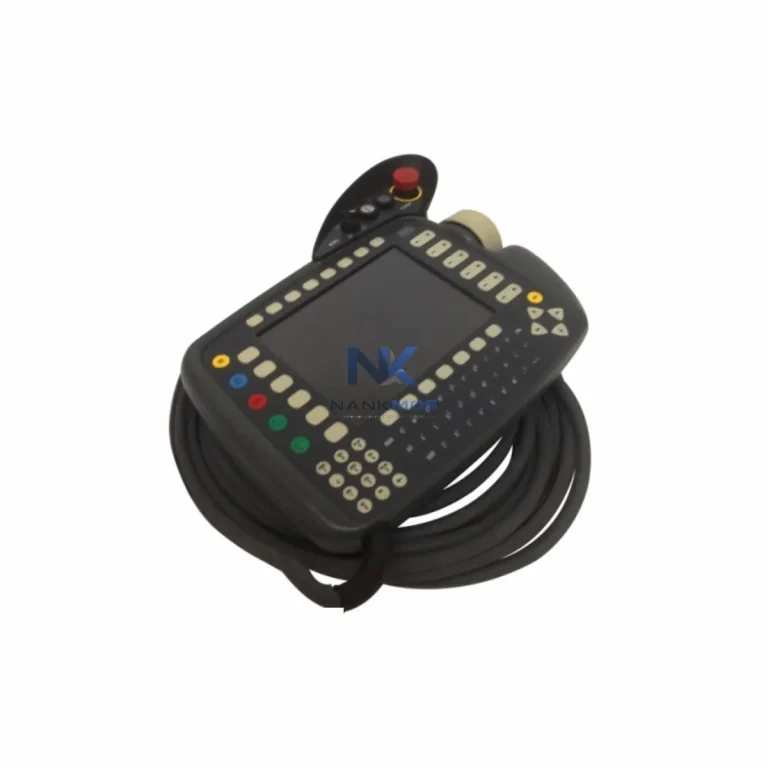
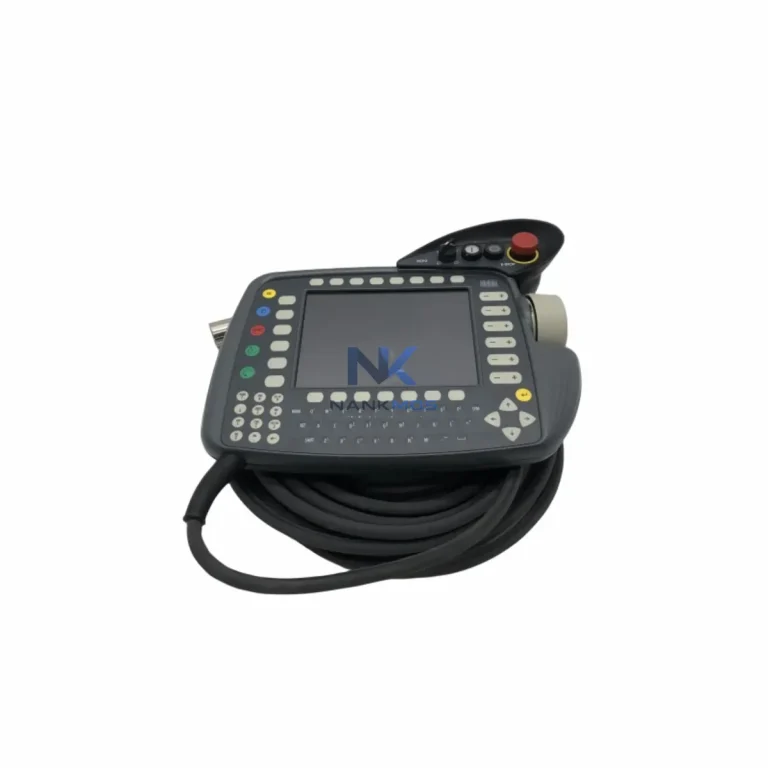
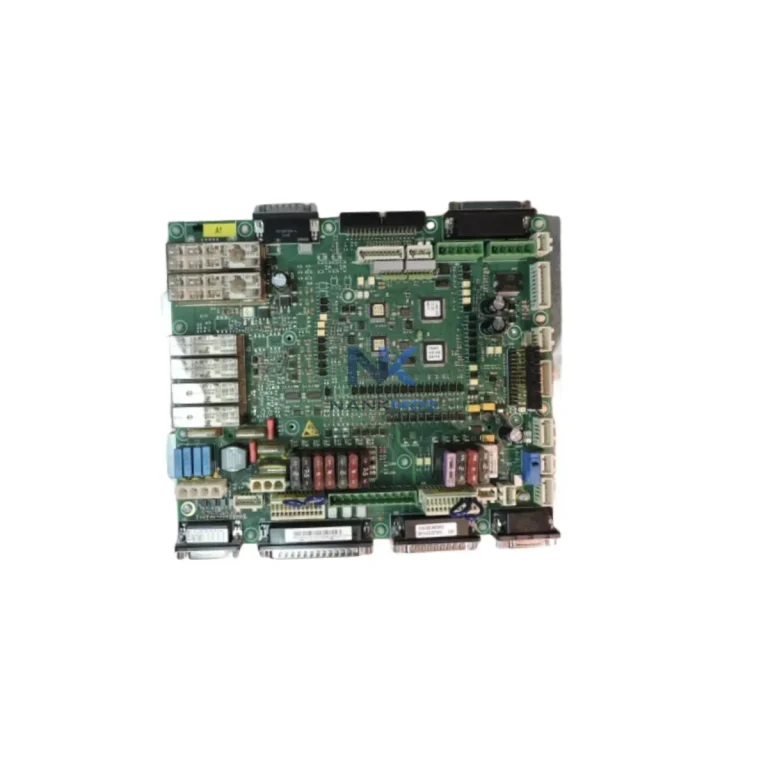
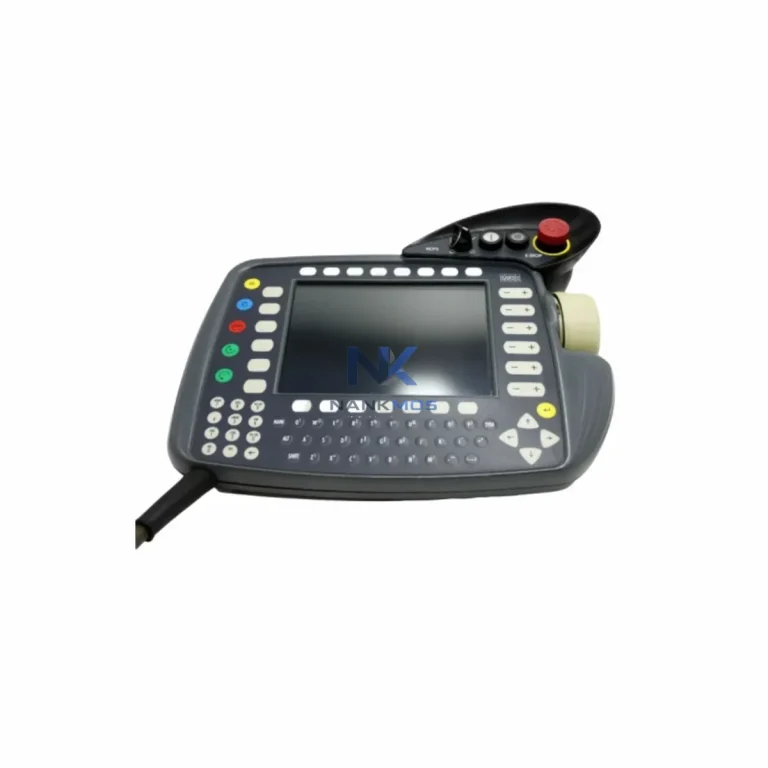
Functional Inspection
100% tested on professional platforms to ensure stable performance.
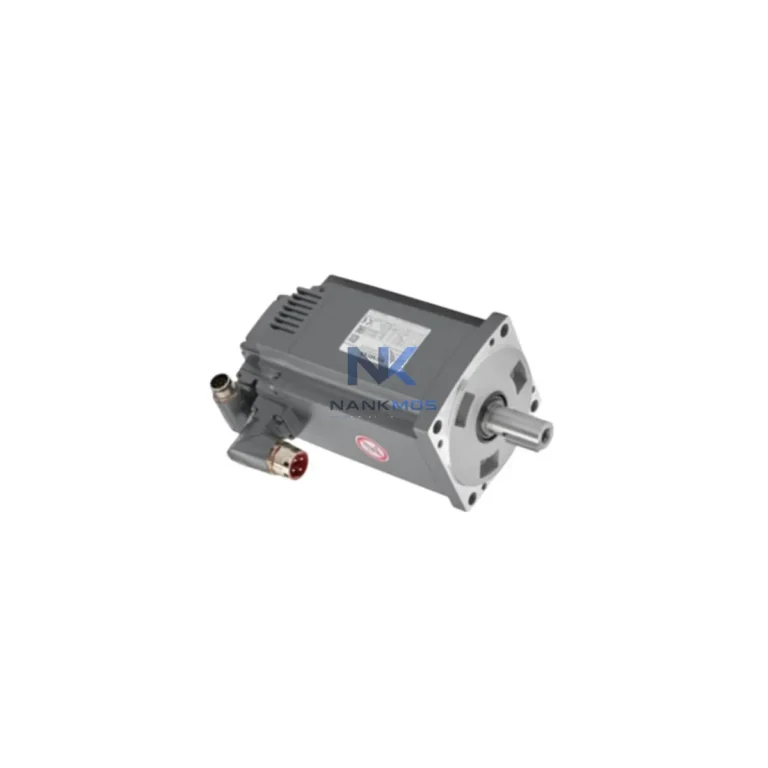
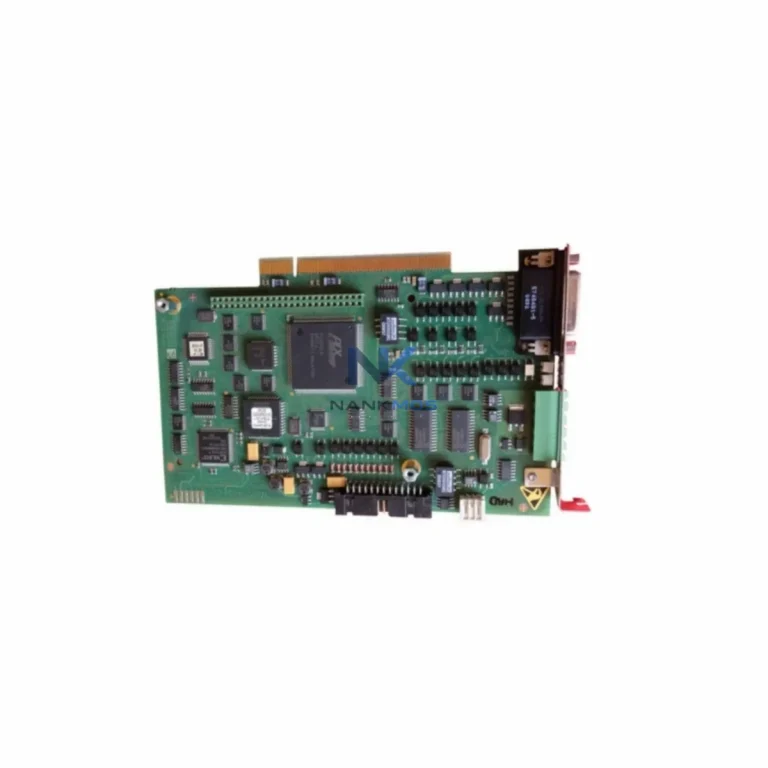
KUKA 00-122-286 KSD1-32 00-111-230 profinet CP1616 00-146-124 is a NANKMOS industrial automation product record Listed under Other series series and Business & Industrial > Automation, Control & Flow Devices > Programmable Logic Controllers. Confirm condition, availability, lead time, compatibility and documentation by email inquiry.
Brand names are used for identification only.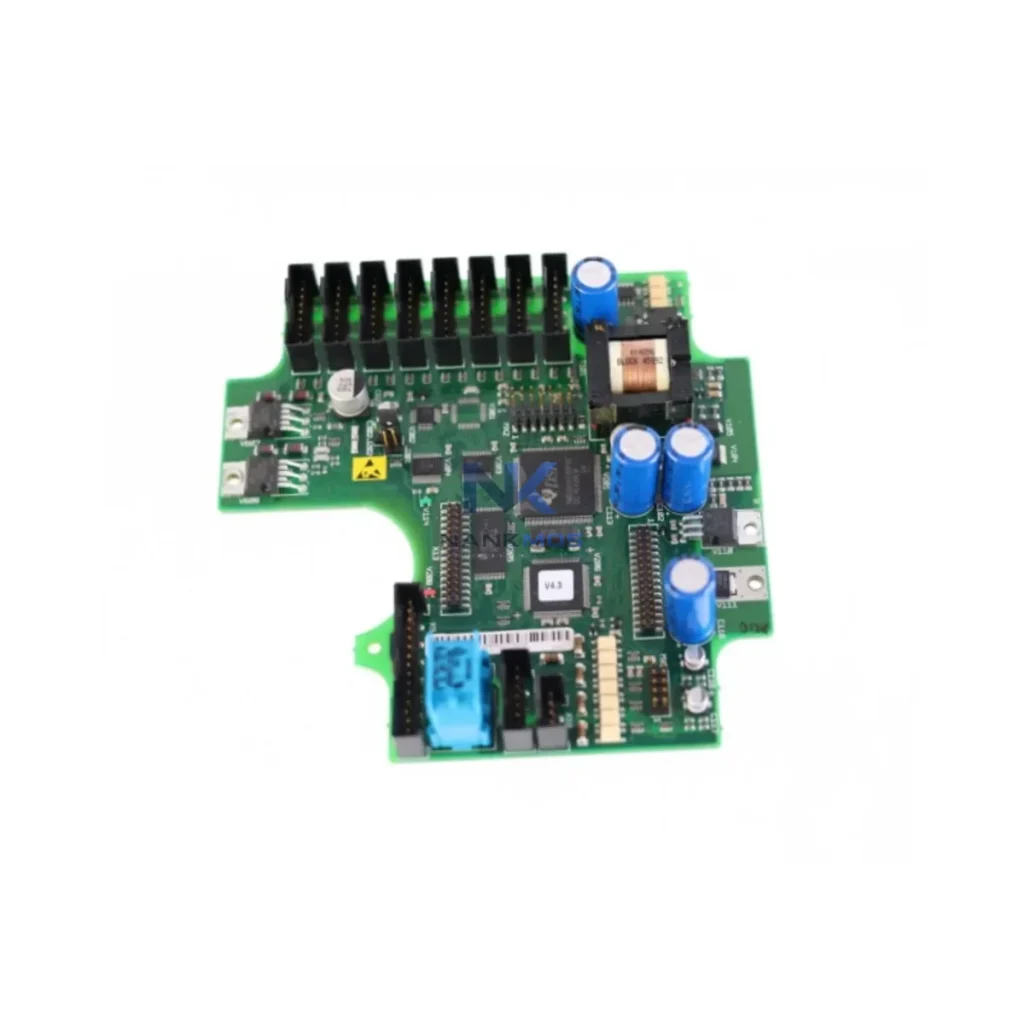
KUKA 00-122-286 KSD1-32 00-111-230 profinet CP1616 00-146-124 is a NANKMOS industrial automation product record Listed under Other series series and Business & Industrial > Automation, Control & Flow Devices > Programmable Logic Controllers. Confirm condition, availability, lead time, compatibility and documentation by email inquiry.
| Manufacturer | KUKA |
|---|---|
| Application | Controller Processing & System Control |
| Part Number / Model | 00-122-286 KSD1-32 00-111-230 profinet CP1616 00-146-124 |
| Compatible System | Confirmed by inquiry |
| Condition Options | To Confirm |
| Module Type | Controller / CPU Module |
| Warranty | 12 Months |
| Packaging | Anti-static Bag / Secure Box |
| Shipping Methods | DHL / FedEx / UPS / Air / Sea |
| Availability | To Confirm |
| Lead Time | To Confirm |
| Documentation | Part number and revision checked before quote |
The KUKA 00-122-286 KSD1-32 is a high-performance servo drive controller engineered for energy-conscious industrial automation. Designed to operate within KUKA KRC robot controller architectures, this module delivers precise torque regulation, adaptive load management, and real-time drive feedback — making it a cornerstone component for factories pursuing measurable reductions in energy consumption and unplanned downtime. With a continuous output rating of 32 A and seamless integration into KUKA's KRC2 and KRC4 platforms, the KSD1-32 enables production lines to sustain optimal cycle rates while minimizing thermal stress and reactive power losses.
In a fully integrated smart factory environment, the KUKA KSD1-32 does not operate in isolation — it functions as an active participant in a layered energy management architecture. At the control layer, the KUKA KRC4 robot controller issues motion profiles and torque commands directly to the KSD1-32, which translates these into precise current waveforms delivered to the servo motor. This tight coupling between the KRC controller and the drive module eliminates the energy waste associated with open-loop motor operation.
The Profinet CP1616 communication card (00-111-230) enables real-time data exchange between the KSD1-32 and upstream SCADA systems or Siemens S7-series PLCs, allowing energy consumption data to be logged, trended, and acted upon without manual intervention. When paired with a Siemens SIMATIC ET 200SP distributed I/O station, the system can monitor auxiliary axis loads and trigger adaptive speed profiles during low-demand production windows — directly reducing peak energy draw.
For facilities running mixed-axis cells, the KSD1-32 works alongside KUKA KPP 600-20 power supply modules to share DC bus energy across multiple servo axes. This DC bus coupling allows regenerative energy from decelerating axes to be reused by accelerating axes in the same cell, cutting net energy consumption by up to 20% in high-cycle applications. Integration with a Siemens SENTRON PAC3200 power monitoring module provides granular kWh metering at the panel level, enabling energy KPI tracking per robot cell.
At the field level, SICK S300 safety laser scanners and Balluff BIS series RFID readers feed real-time zone occupancy and part-presence data into the KRC controller, allowing the KSD1-32 to modulate servo output based on actual production demand rather than fixed speed setpoints. This demand-responsive drive strategy is one of the most effective methods for reducing unnecessary energy consumption during partial-load or idle-standby conditions.
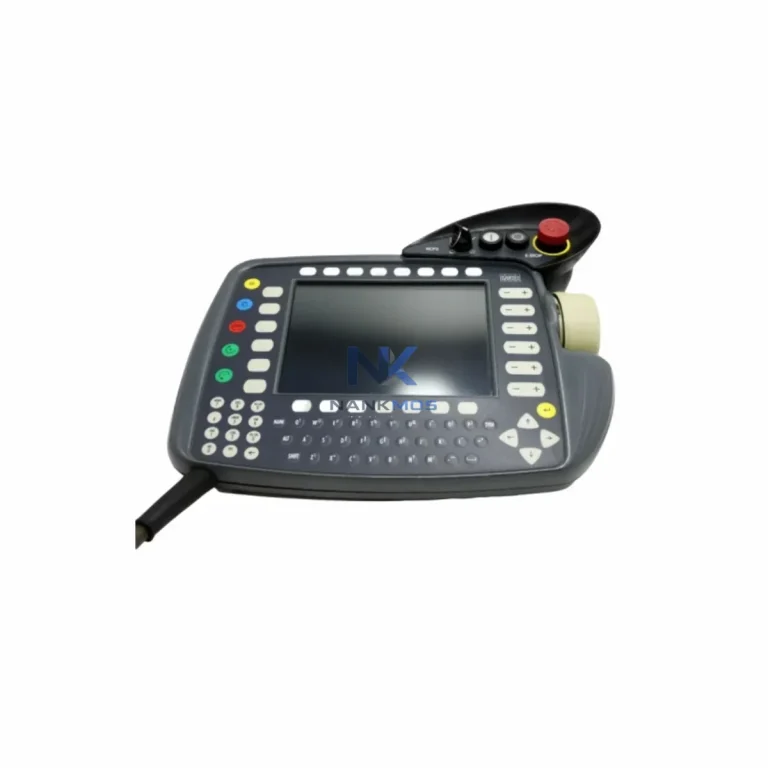
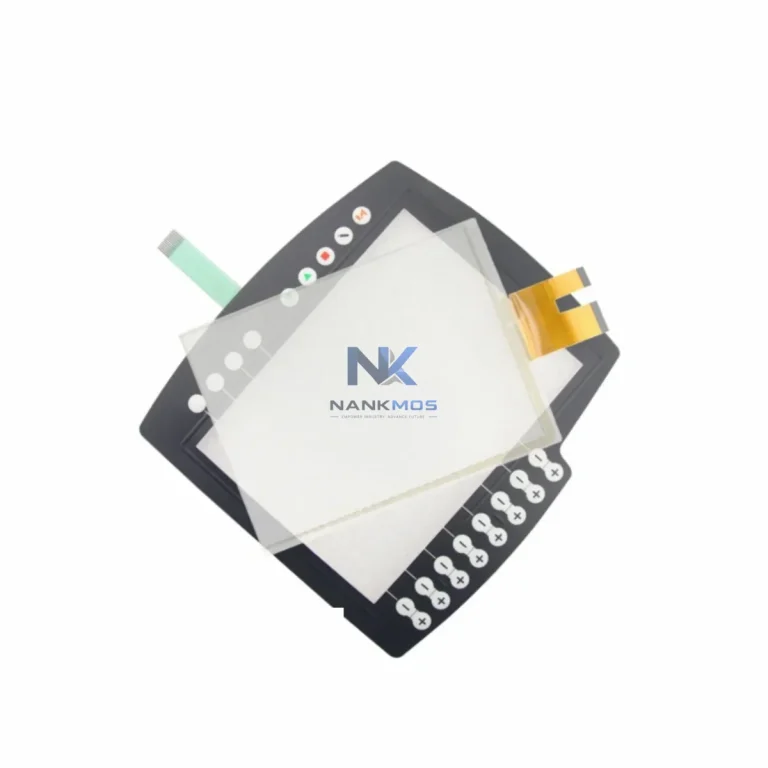
For HMI-level visibility, a KUKA smartPAD or a Siemens TP1200 Comfort Panel can display live drive current, temperature, and energy throughput data sourced directly from the KSD1-32 status registers — giving operators actionable insight without requiring additional instrumentation. When the production line is managed by a Rockwell FactoryTalk or Siemens WinCC SCADA platform, this data can be aggregated across all robot cells for plant-wide energy benchmarking.
The KUKA 00-122-286 KSD1-32 contributes to production line energy optimization through three primary mechanisms: adaptive torque control, regenerative energy recovery, and thermal load reduction.
Adaptive Torque Control: The KSD1-32 continuously adjusts output current to match the actual mechanical load on each robot axis. In welding, assembly, or palletizing applications where load profiles vary significantly between motion segments, this adaptive behavior prevents the over-current conditions that generate excess heat and accelerate insulation degradation in motor windings. By keeping the drive operating within its optimal efficiency band, the KSD1-32 extends mean time between failures (MTBF) and reduces the frequency of unplanned maintenance stops that disrupt production rhythm.
Regenerative Energy Recovery: During deceleration phases — particularly in high-inertia payloads common in automotive body-in-white or heavy palletizing lines — the KSD1-32 captures kinetic energy and feeds it back into the shared DC bus. This regenerative capability reduces the net energy drawn from the facility power grid and lowers the thermal burden on braking resistors, which in turn reduces panel cooling requirements and associated HVAC energy costs.
Thermal Load Reduction: The module's active thermal derating algorithm monitors internal junction temperatures and proactively reduces switching frequency or output current before thermal limits are reached. This prevents the sudden drive faults that cause unscheduled line stops, which are among the most costly energy events in a production environment — not because of the energy consumed during the fault, but because of the energy wasted during restart ramp-up sequences and quality rejects generated during unstable operating conditions.
Facilities that have standardized on the KSD1-32 across multi-robot cells report more consistent production takt times, reduced spare-parts inventory complexity, and lower total cost of ownership compared to mixed-drive environments. The module's compatibility with KUKA's standard KRC wiring harness and connector ecosystem also reduces installation labor and commissioning time for new line deployments.
All units are supplied from verified inventory, undergo functional load testing prior to shipment, and are covered by a 12-month warranty against manufacturing defects and operational failure under normal industrial operating conditions.
Q1: What measurable energy savings can I expect from deploying the KSD1-32 in a multi-robot cell? In DC bus-coupled multi-axis configurations using KUKA KPP power supply modules, facilities typically observe a 15–25% reduction in net energy consumption per robot cell compared to individual braking resistor setups. Actual savings depend on payload, cycle time, and the ratio of acceleration-to-deceleration segments in the motion program.
Q2: Is the KSD1-32 compatible with both KRC2 and KRC4 controller generations? Yes. The 00-122-286 KSD1-32 is designed for use within KUKA KRC-series cabinets and is compatible with both KRC2 and KRC4 platforms. Verify the cabinet wiring harness revision and firmware version of your KRC controller before installation to ensure full feature compatibility, particularly for Profinet CP1616 communication functions.
Q3: What is the recommended replacement procedure and how long does it take? Replacement follows KUKA's standard hot-swap protocol for KSD modules: power down the KRC cabinet, discharge the DC bus (minimum 5-minute wait after power-off), remove the defective module, install the replacement KSD1-32, and restore power. The KRC controller will automatically re-initialize the drive parameters from its stored configuration. Total replacement time for a trained technician is typically 20–40 minutes, minimizing production line downtime.
Q4: What does the 12-month warranty cover and how is it processed? The 12-month warranty covers all manufacturing defects and component failures under normal operating conditions as defined by KUKA's environmental and load specifications. Units that fail within the warranty period are replaced or repaired at no additional cost. To initiate a warranty claim, contact NANKMOS with the original order reference and a description of the fault symptom. Replacement units are dispatched from verified in-stock inventory to minimize your line downtime.
Functional Inspection100% tested on professional platforms to ensure stable performance.
 Anti-static Packaging
Modules are packed in anti-static bags to prevent electrostatic damage.
 Secure Export Packing
Cushion protection and strong cartons ensure safe transportation.
 Worldwide Shipping
Global logistics network supports air, sea and express delivery.
 Documentation Check
Part number, revision and compatibility verified before shipment.
 After-sales Support
Professional technical support to help resolve your issues.