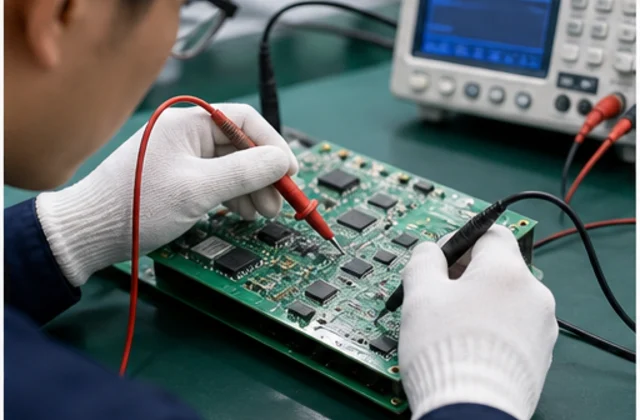
 Functional Inspection
100% tested on professional platforms to ensure stable performance.
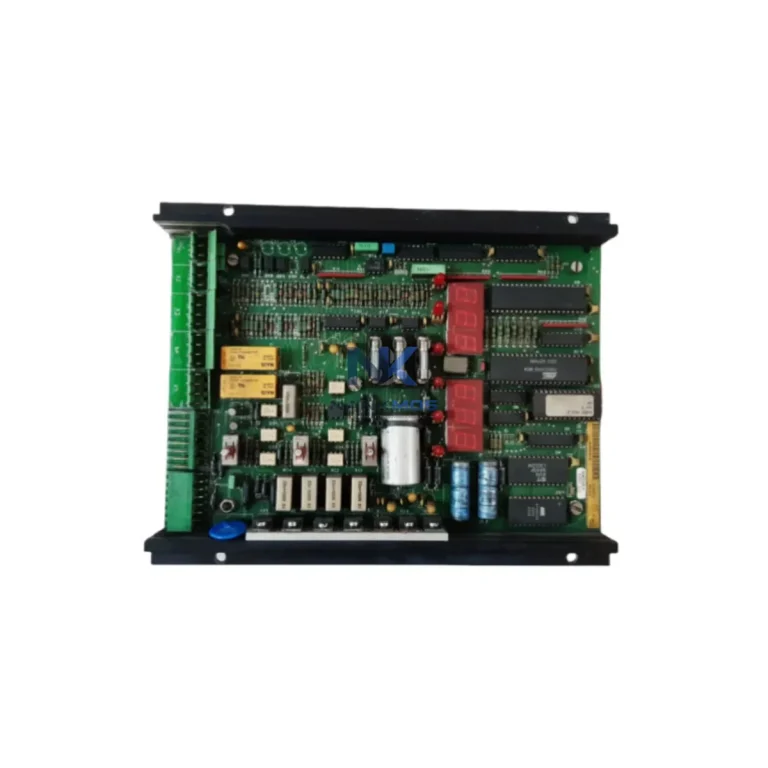
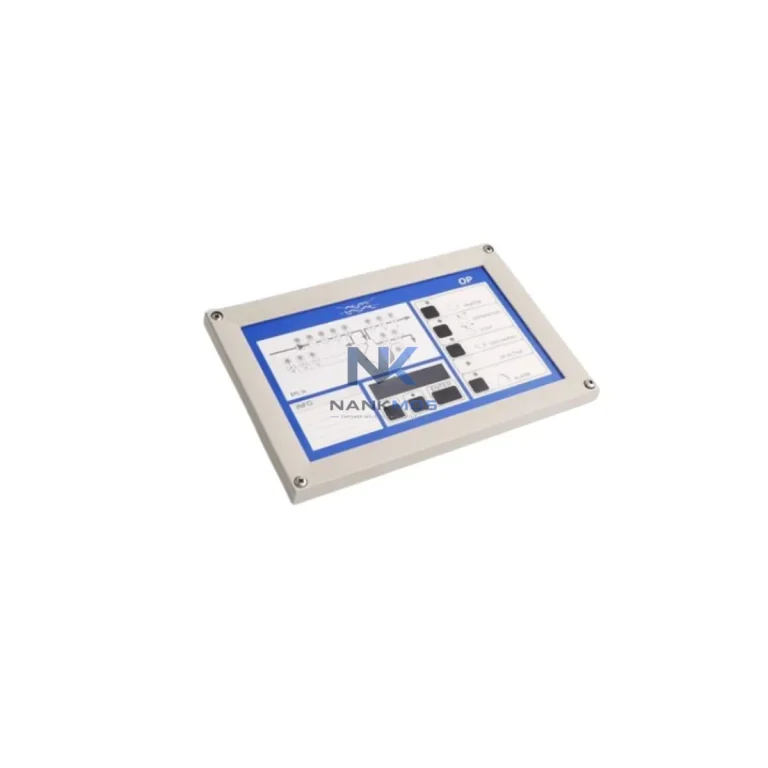
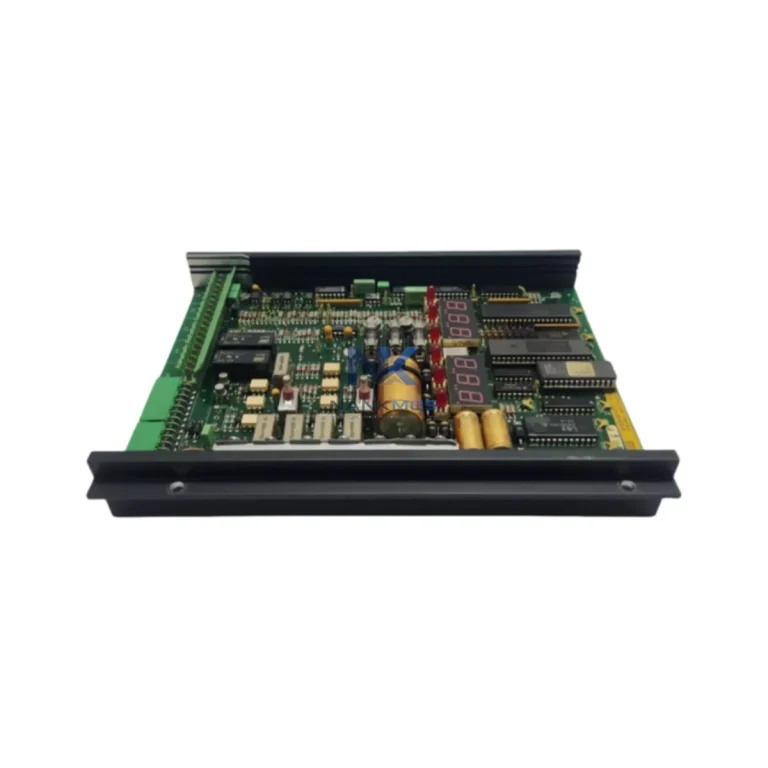
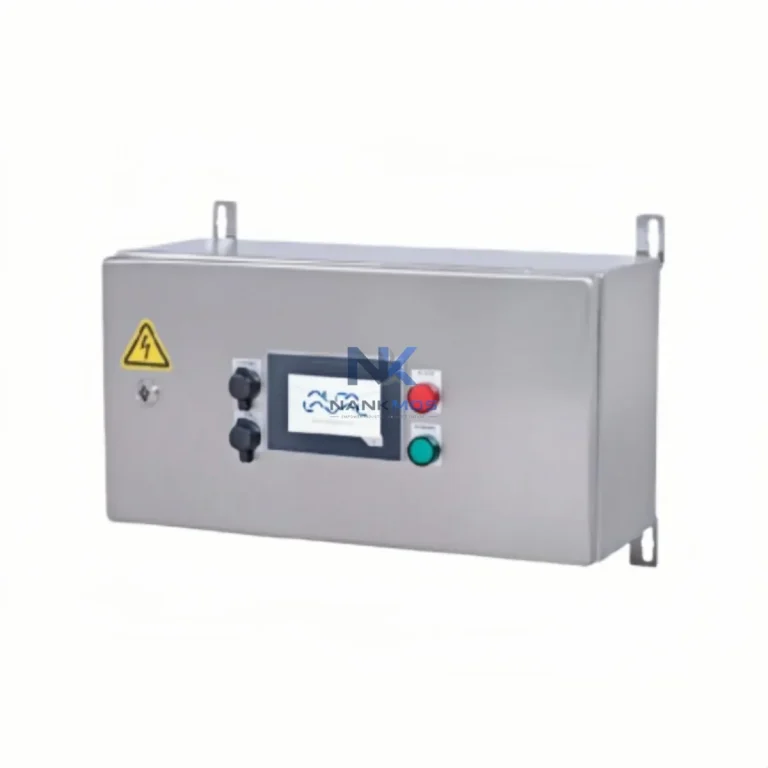
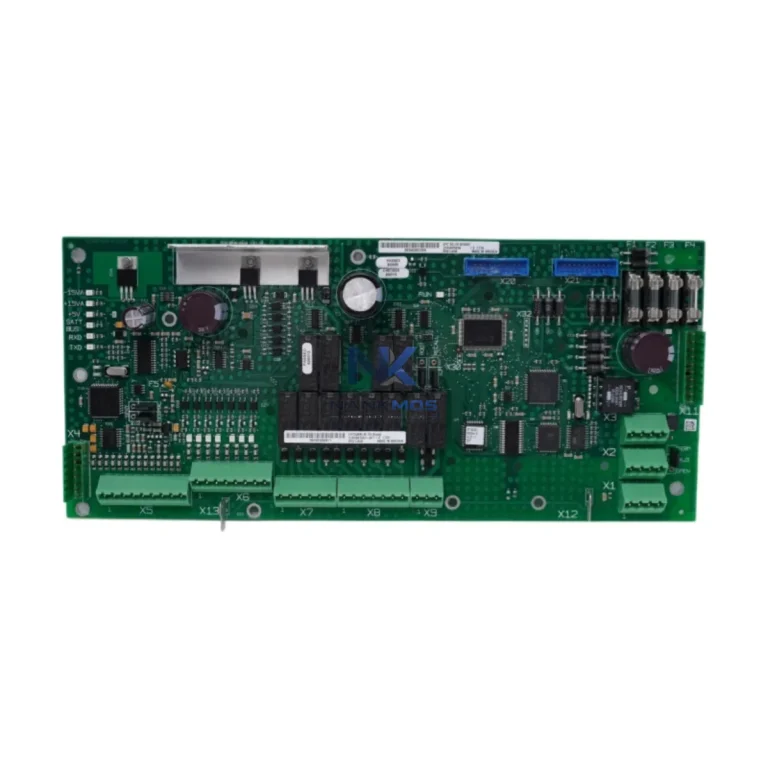
Alfa Laval EPC50 3183045486 is a NANKMOS industrial automation product record Listed under Other series series and Business & Industrial > Automation, Control & Flow Devices > Programmable Logic Controllers. Confirm condition, availability, lead time, compatibility and documentation by email inquiry.
Brand names are used for identification only.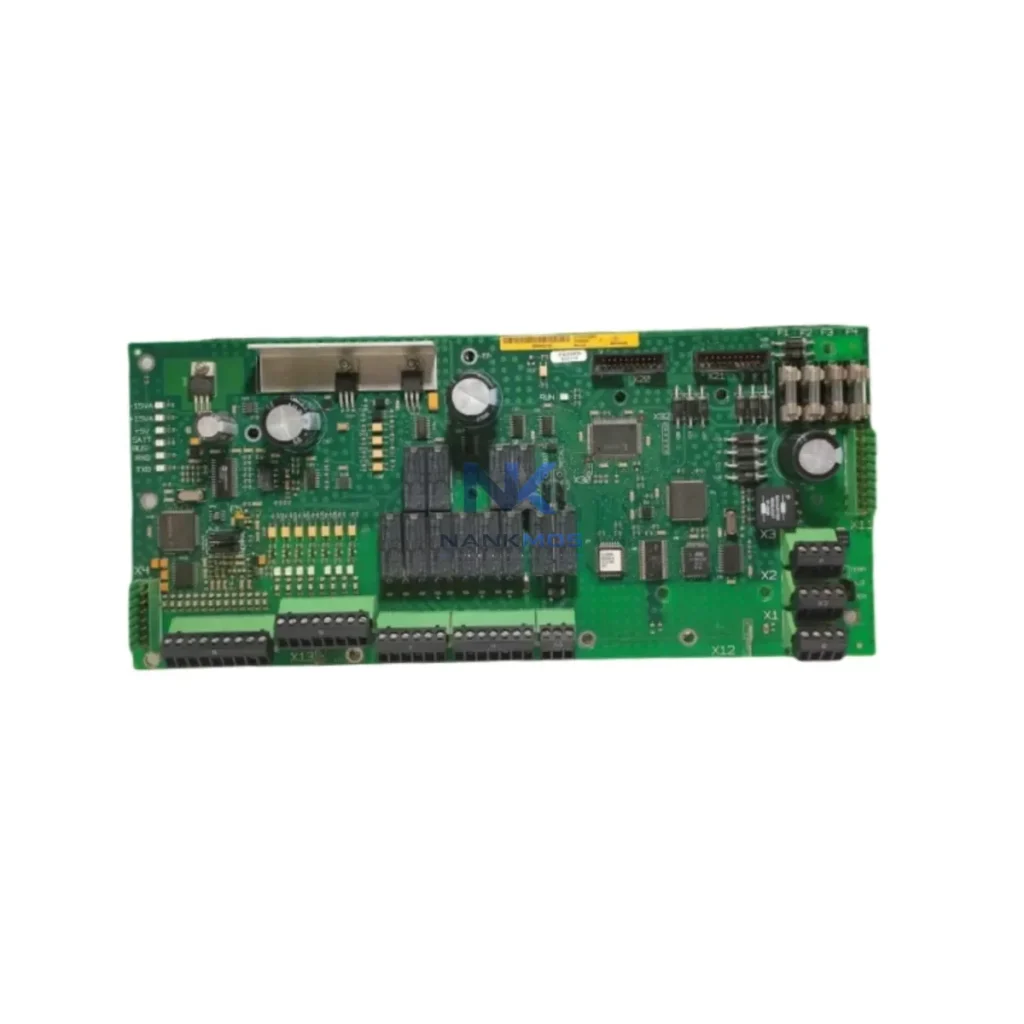
Alfa Laval EPC50 3183045486 is a NANKMOS industrial automation product record Listed under Other series series and Business & Industrial > Automation, Control & Flow Devices > Programmable Logic Controllers. Confirm condition, availability, lead time, compatibility and documentation by email inquiry.
| Manufacturer | Alfa Laval |
|---|---|
| Application | Controller Processing & System Control |
| Part Number / Model | EPC50 3183045486 |
| Compatible System | Confirmed by inquiry |
| Condition Options | To Confirm |
| Module Type | Controller / CPU Module |
| Warranty | 12 Months |
| Packaging | Anti-static Bag / Secure Box |
| Shipping Methods | DHL / FedEx / UPS / Air / Sea |
| Availability | To Confirm |
| Lead Time | To Confirm |
| Documentation | Part number and revision checked before quote |
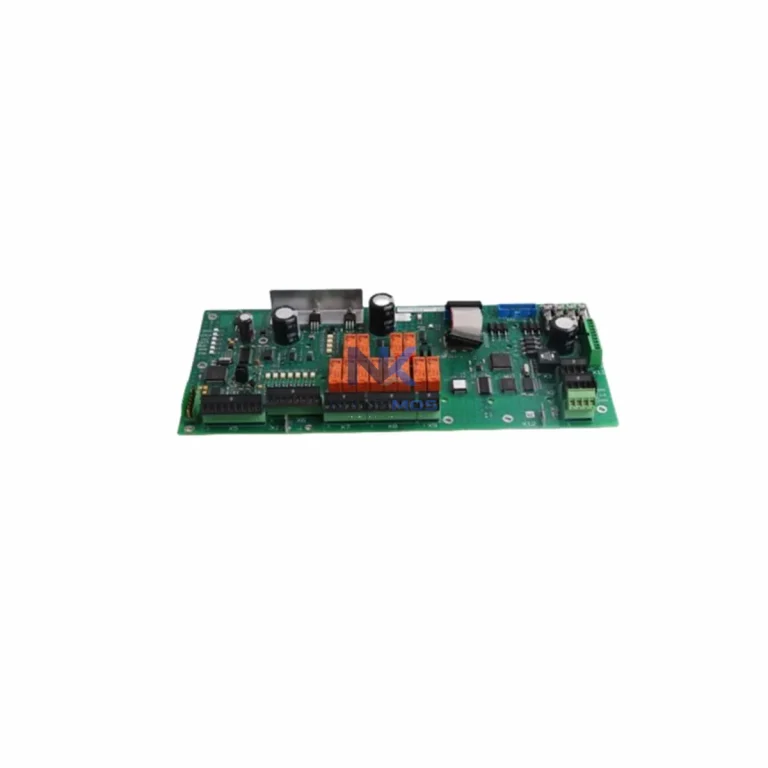
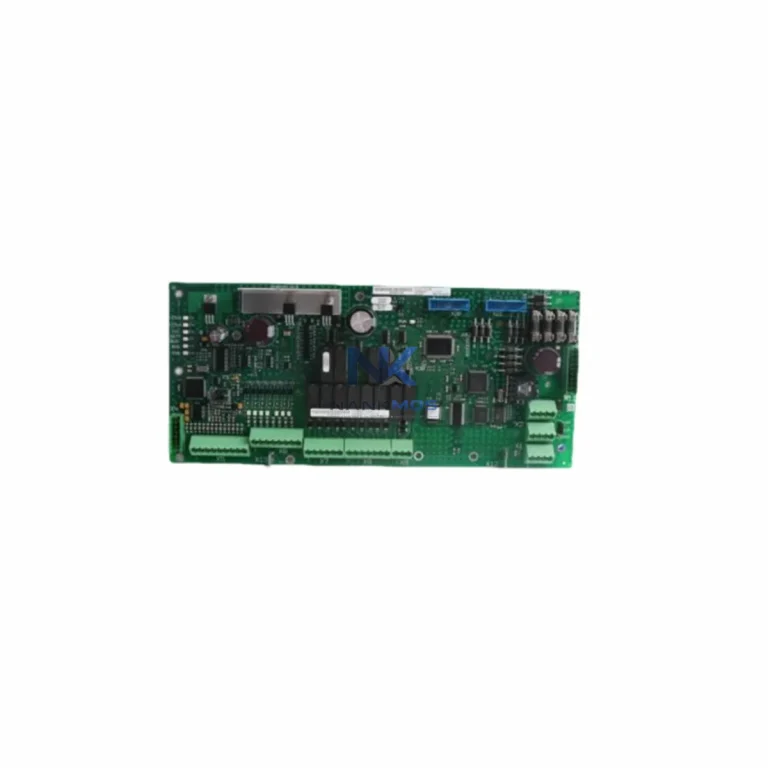
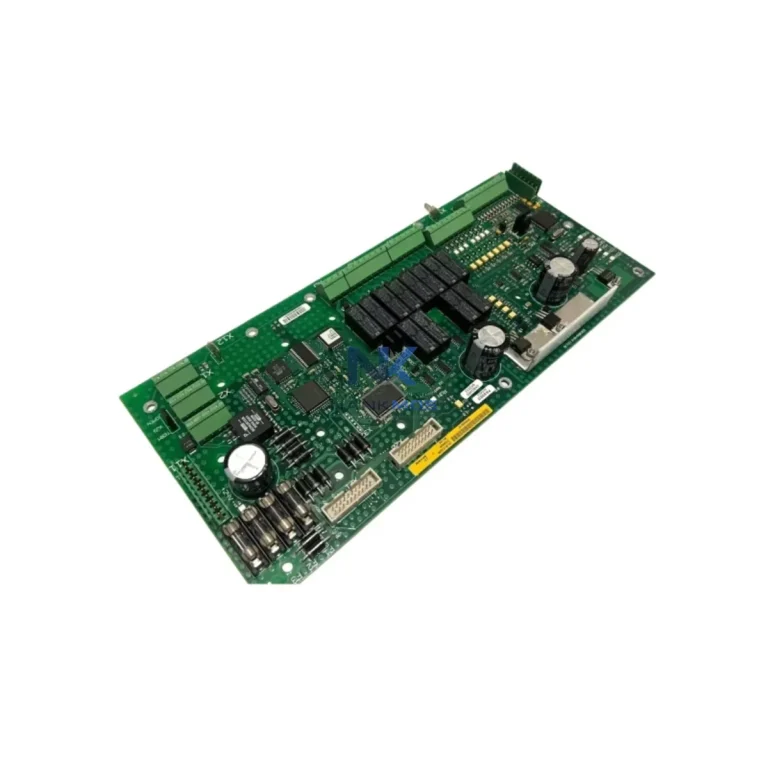
The Alfa Laval EPC50 3183045486 is a precision-engineered I/O Board Module designed to serve as a critical interface node within energy-aware industrial automation architectures. Deployed across heat exchanger control systems, fluid processing lines, and utility management platforms, this board enables real-time signal acquisition, load feedback, and process state reporting — all essential functions for reducing unnecessary energy consumption and maintaining stable production throughput. With a robust design optimized for continuous-duty environments, the EPC50 3183045486 supports the kind of deterministic, low-latency I/O communication that modern energy management systems demand.
In a well-structured energy-efficient production line, the Alfa Laval EPC50 3183045486 I/O Board functions as the sensory backbone of the control loop. It collects discrete and analog signals from field devices — including temperature sensors, pressure transmitters, and flow meters — and relays them to the EPC50 controller platform, which in turn communicates with upstream PLCs and SCADA systems for centralized energy monitoring and decision-making.
When integrated with a Siemens S7-1200 or S7-300 PLC, the EPC50 I/O board enables closed-loop control of pump motors and heat exchanger bypass valves, ensuring that drive systems such as ABB ACS880 variable frequency drives (VFDs) only ramp up when actual thermal load demands it — eliminating the constant-speed energy waste common in legacy installations. Similarly, pairing this board with a Danfoss FC302 frequency converter allows the system to modulate motor speed in direct response to real-time process feedback, cutting energy consumption during partial-load cycles by up to 30–40%.
On the power monitoring side, the EPC50 3183045486 interfaces cleanly with Schneider Electric PowerLogic PM5000 series power meters, providing the granular load data needed to identify energy hotspots across the production line. This data feeds into energy management dashboards via Modbus RTU or Modbus TCP communication, enabling operators to track kWh consumption per process zone and act on anomalies before they escalate into unplanned downtime.
For HMI visualization, the board's signal outputs are fully compatible with Siemens SIMATIC HMI TP700 Comfort panels, giving line operators a real-time view of I/O states, alarm conditions, and energy KPIs without requiring additional signal conditioning hardware. When combined with Phoenix Contact QUINT-PS industrial power supplies, the EPC50 board operates within a stable, noise-free power envelope — critical for maintaining signal integrity in high-EMI environments such as motor control centers and VFD cabinets.
In multi-node architectures, the EPC50 3183045486 can be deployed alongside Wago 750-series I/O modules to expand the digital and analog channel count without replacing the core controller, making it a cost-effective scaling option for growing production lines. Communication to the SCADA layer is handled via standard industrial protocols, ensuring compatibility with platforms such as Wonderware InTouch, Ignition by Inductive Automation, and other OPC-UA-capable supervisory systems.
Factory energy waste rarely comes from a single source — it accumulates across dozens of small inefficiencies: motors running at full speed during low-demand periods, heat exchangers cycling unnecessarily, pumps operating without feedback from downstream conditions. The Alfa Laval EPC50 3183045486 I/O Board addresses this at the signal level, ensuring that every actuator and drive in the system receives accurate, timely process data to make energy-intelligent decisions.
By providing reliable I/O communication between field instruments and the EPC50 control platform, this board enables demand-driven motor control — one of the highest-impact strategies for reducing industrial energy consumption. When a heat exchanger reaches its setpoint, the board's output signals trigger the VFD to reduce motor speed, cutting power draw proportionally. When process demand drops during shift changes or scheduled downtime, the same feedback loop ensures that auxiliary systems enter low-power standby states rather than continuing to run at full load.
From a predictive maintenance perspective, the EPC50 3183045486 contributes to equipment longevity by enabling continuous monitoring of process variables. Abnormal signal patterns — such as erratic temperature readings or unexpected valve position feedback — can be flagged by the SCADA system before they cause mechanical failures, reducing both unplanned downtime and the energy spikes associated with emergency restarts and thermal recovery cycles.
Production line throughput stability also benefits directly from this board's role in the control architecture. By maintaining consistent I/O signal quality, the EPC50 3183045486 helps eliminate the micro-stoppages and process variability that disrupt production rhythm, increase scrap rates, and force energy-intensive rework cycles. The result is a smoother, more predictable production beat — and a measurable reduction in energy cost per unit produced.
Every unit is tested prior to shipment, held in verified inventory, and backed by a 12-month warranty, ensuring that your production line upgrade or emergency replacement is supported from procurement through commissioning.
Q1: What energy savings can I expect by integrating the EPC50 3183045486 into my existing control system? Actual savings depend on your baseline configuration, but facilities that transition from fixed-speed motor control to demand-driven VFD operation — enabled by accurate I/O feedback from boards like the EPC50 3183045486 — typically report 20–40% reductions in motor-related energy consumption. The board itself draws minimal power and contributes to system efficiency by eliminating the need for additional signal conditioning hardware.
Q2: Is the Alfa Laval EPC50 3183045486 compatible with third-party PLCs and SCADA platforms? Yes. The EPC50 I/O Board is designed for integration within the Alfa Laval EPC50 controller ecosystem, which communicates with standard industrial protocols including Modbus RTU and Modbus TCP. This makes it compatible with a wide range of PLCs (Siemens, Allen-Bradley, Schneider Electric) and SCADA platforms (Ignition, Wonderware, WinCC) without requiring custom protocol adapters.
Q3: Can this board replace a faulty I/O module in an existing EPC50 installation without full system reconfiguration? In most cases, yes. The EPC50 3183045486 is a direct replacement board for compatible EPC50 controller platforms. We recommend verifying your existing board's revision and connector configuration before ordering. Our technical team can assist with cross-referencing if you provide your current system documentation.
Q4: What is the warranty coverage and what does the pre-shipment test include? All units carry a 12-month warranty covering manufacturing defects and functional failures under normal operating conditions. Pre-shipment testing includes functional I/O verification, signal integrity checks, and visual inspection for physical damage. Units are shipped from verified inventory with full traceability documentation available on request.
Functional Inspection100% tested on professional platforms to ensure stable performance.
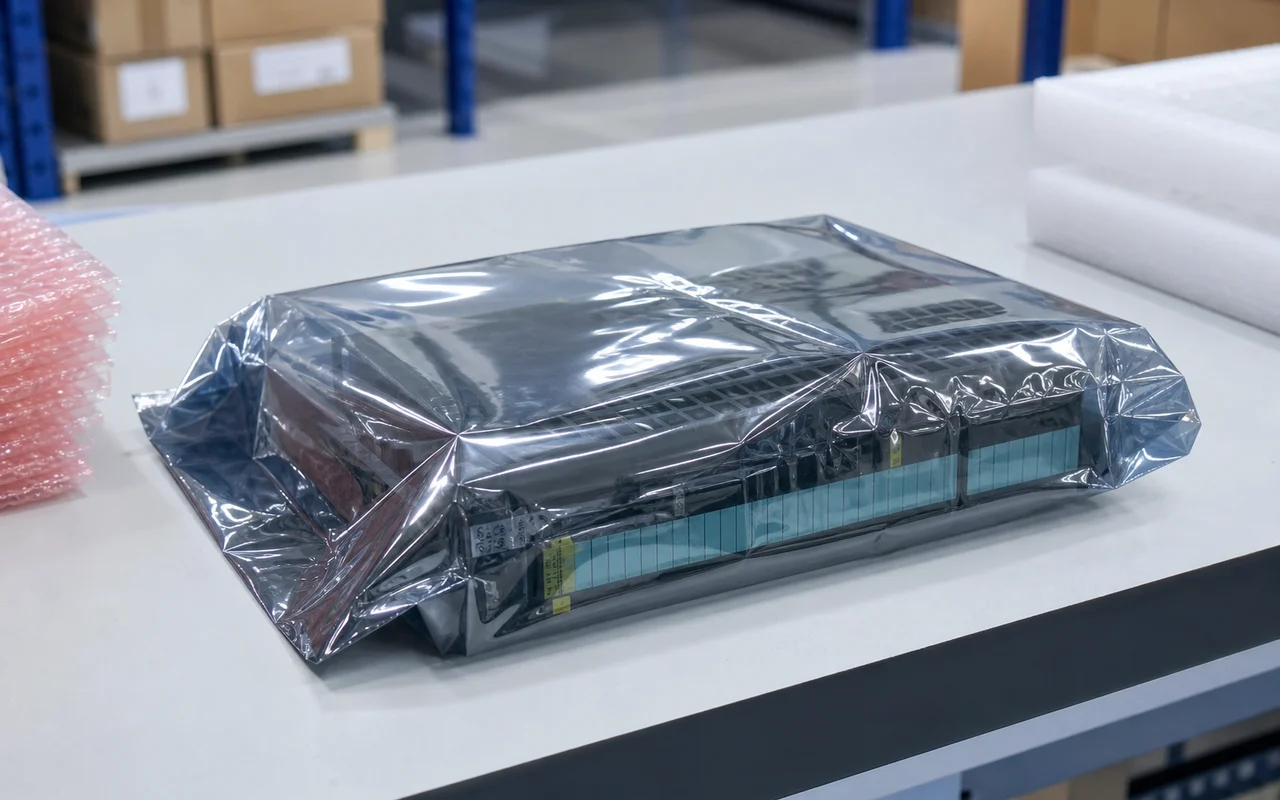 Anti-static Packaging
Modules are packed in anti-static bags to prevent electrostatic damage.
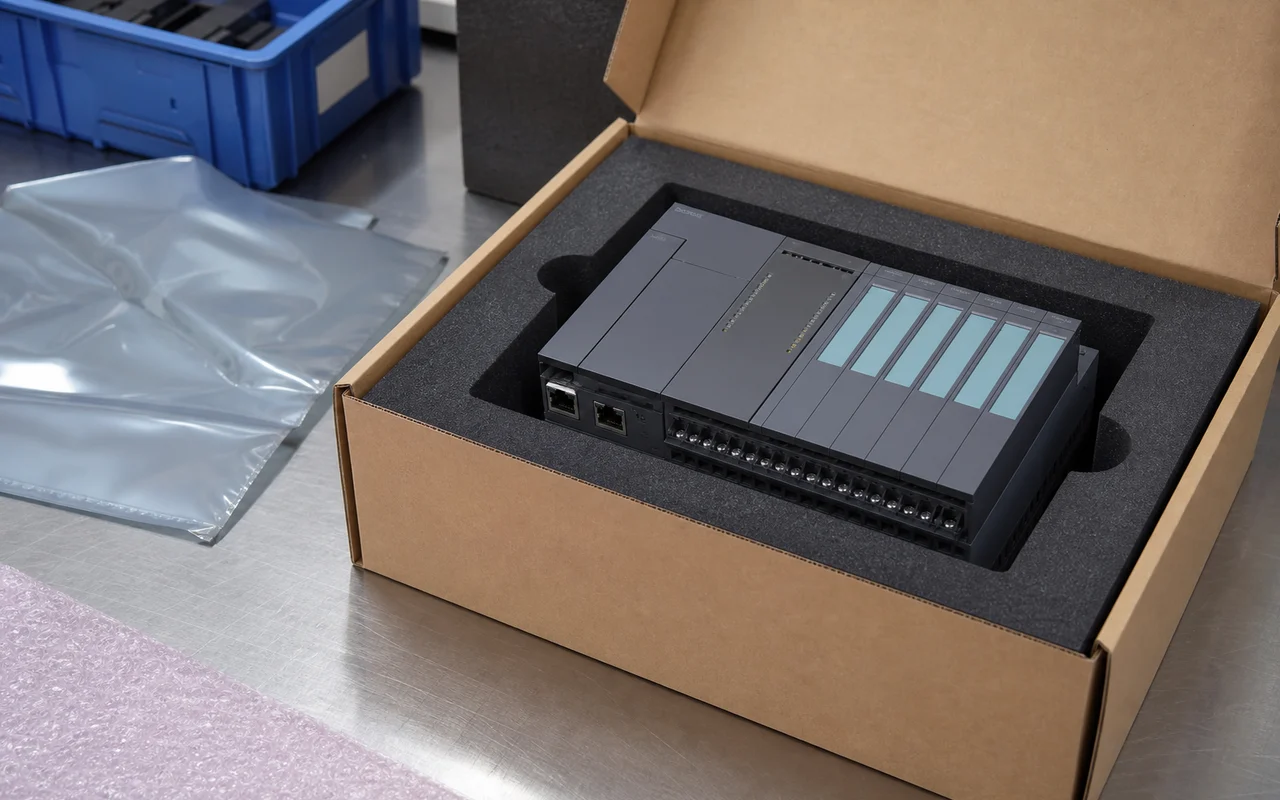 Secure Export Packing
Cushion protection and strong cartons ensure safe transportation.
 Worldwide Shipping
Global logistics network supports air, sea and express delivery.
 Documentation Check
Part number, revision and compatibility verified before shipment.
 After-sales Support
Professional technical support to help resolve your issues.