Functional Inspection
100% tested on professional platforms to ensure stable performance.
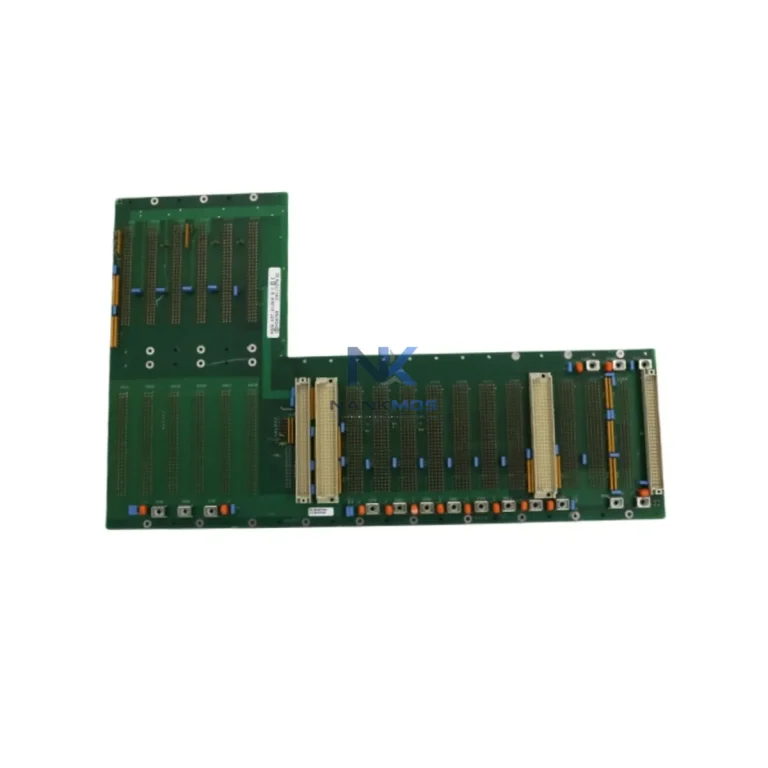
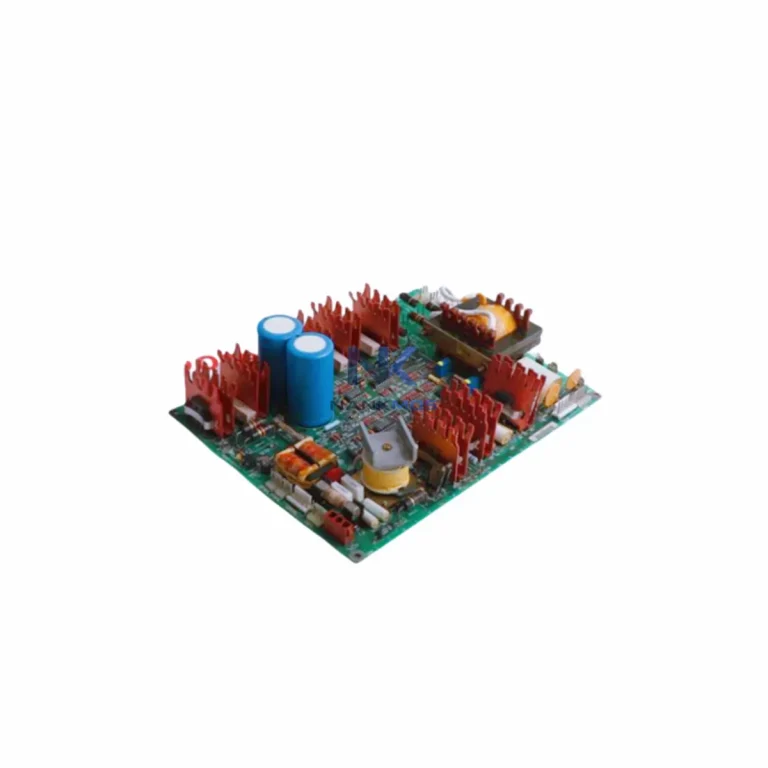
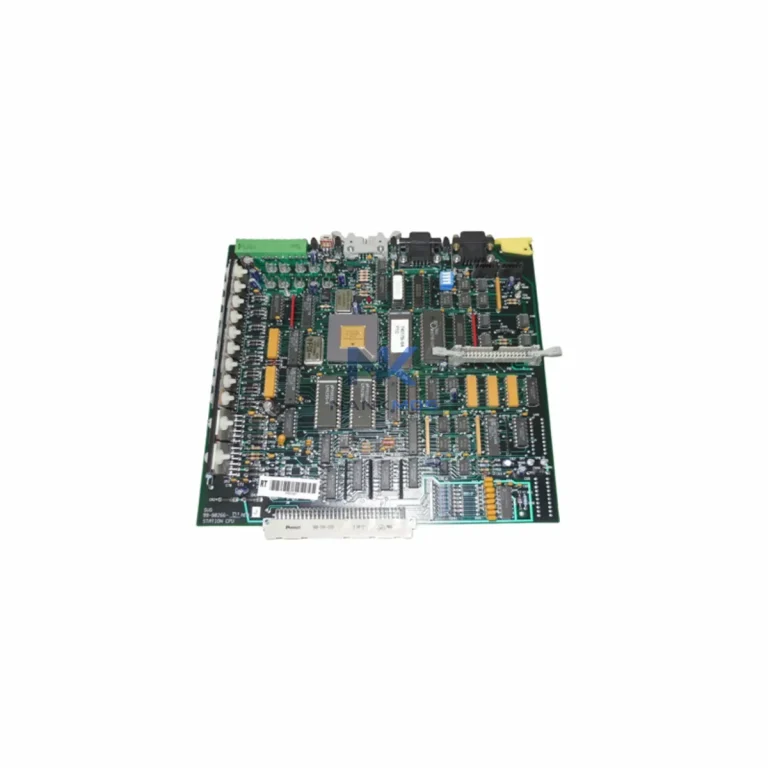
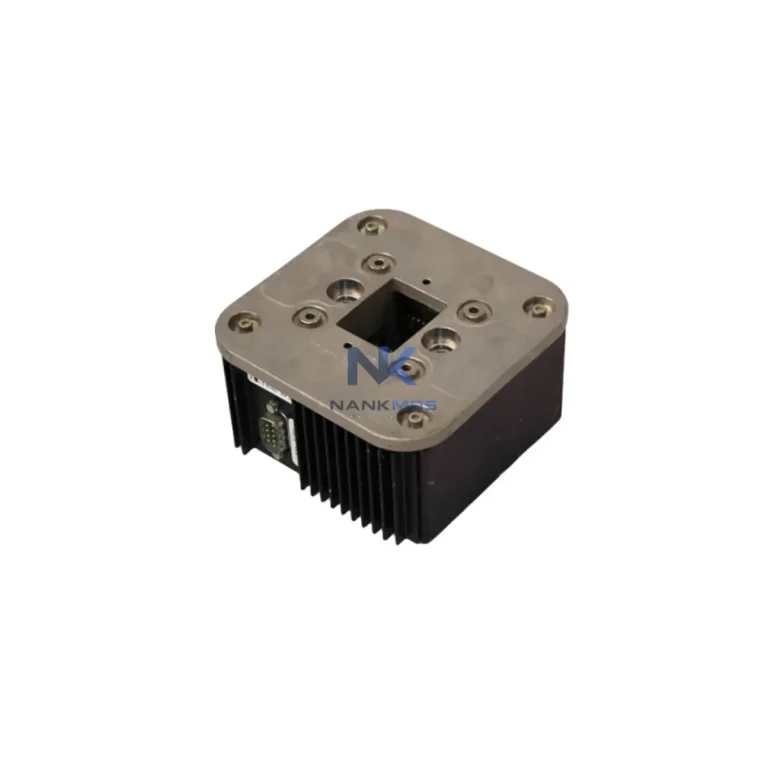
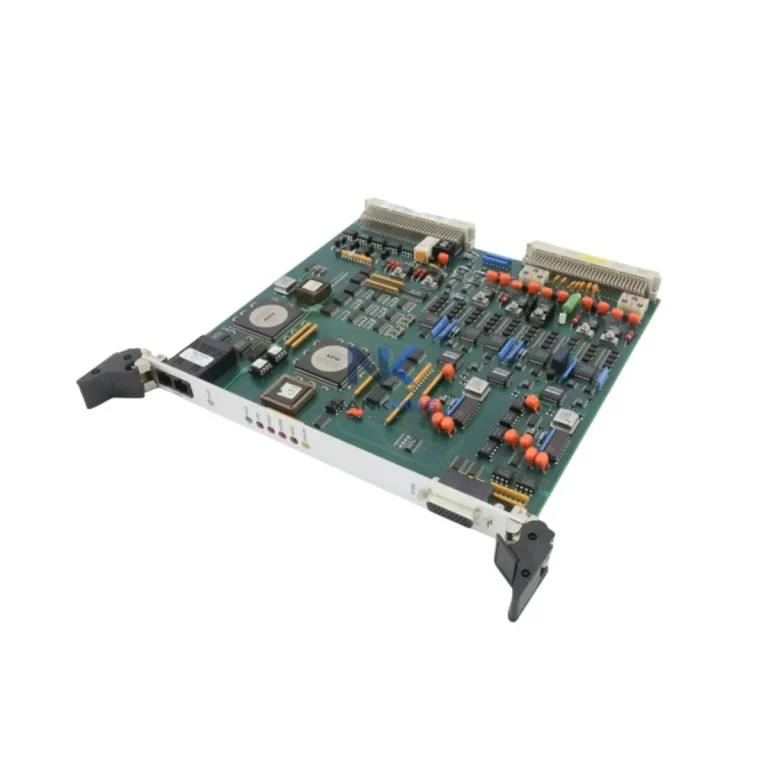
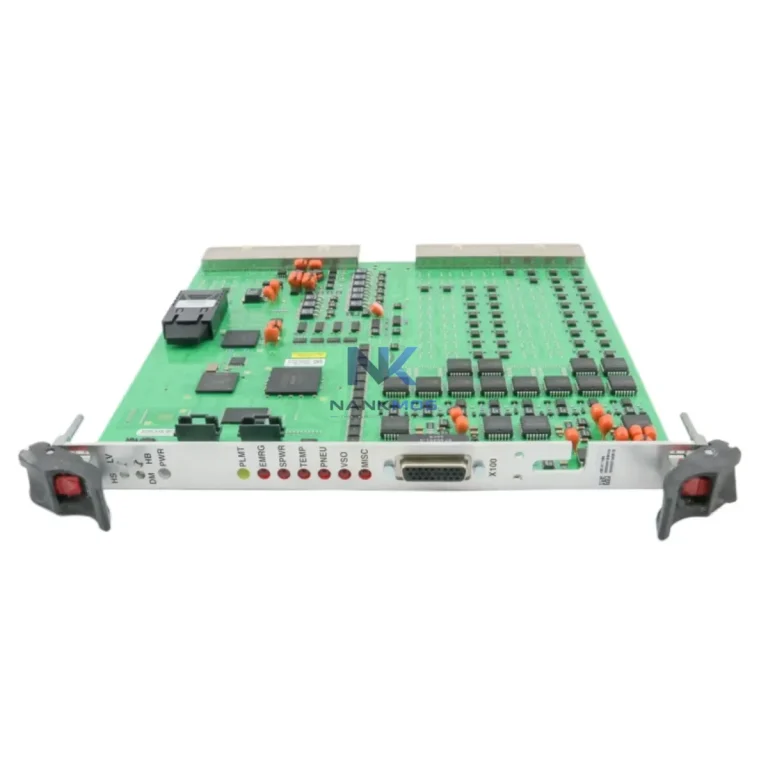
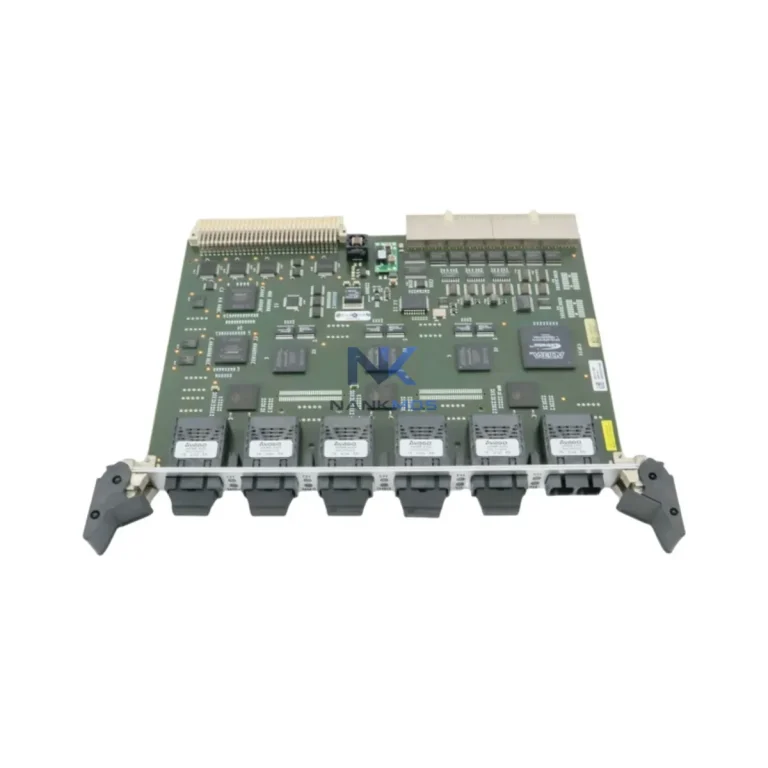
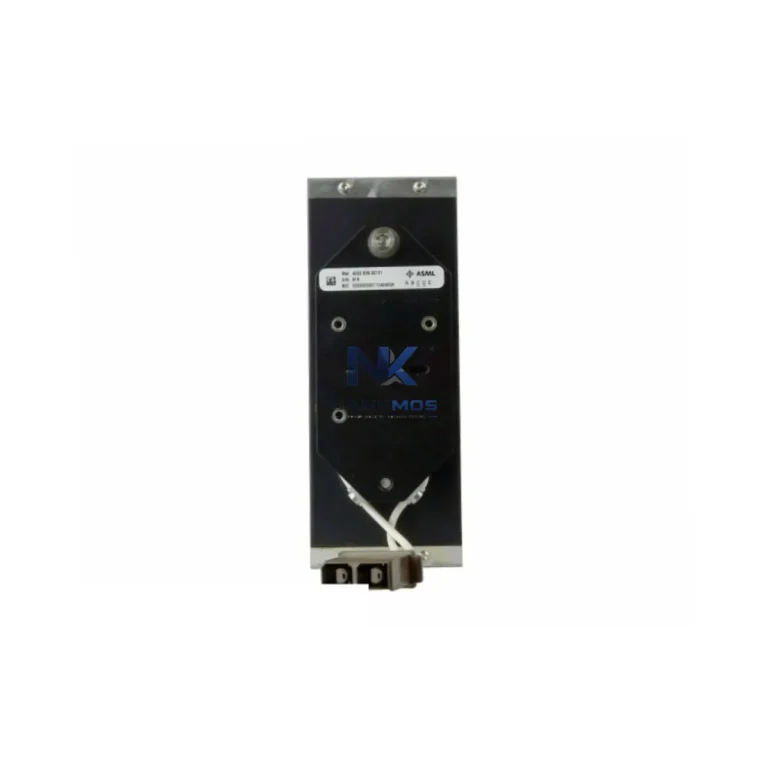
ASML OCTU/UC 4022.192.9463 is a NANKMOS industrial automation product record Listed under Other series series and Business & Industrial > Automation, Control & Flow Devices > Programmable Logic Controllers. Confirm condition, availability, lead time, compatibility and documentation by email inquiry.
Brand names are used for identification only.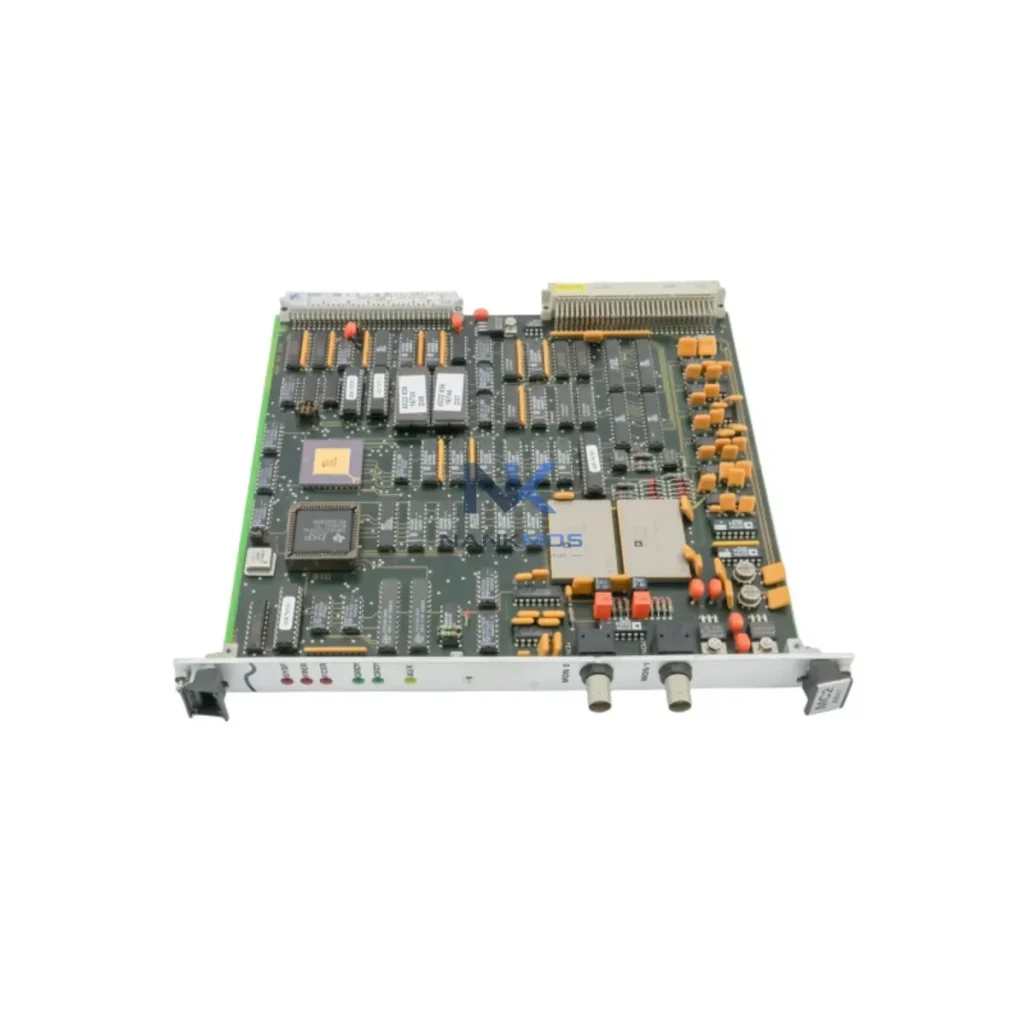
ASML OCTU/UC 4022.192.9463 is a NANKMOS industrial automation product record Listed under Other series series and Business & Industrial > Automation, Control & Flow Devices > Programmable Logic Controllers. Confirm condition, availability, lead time, compatibility and documentation by email inquiry.
| Manufacturer | ASML |
|---|---|
| Application | Controller Processing & System Control |
| Part Number / Model | OCTU/UC 4022.192.9463 |
| Compatible System | Confirmed by inquiry |
| Condition Options | To Confirm |
| Module Type | Controller / CPU Module |
| Warranty | 12 Months |
| Packaging | Anti-static Bag / Secure Box |
| Shipping Methods | DHL / FedEx / UPS / Air / Sea |
| Availability | To Confirm |
| Lead Time | To Confirm |
| Documentation | Part number and revision checked before quote |
The ASML 4022.192.9463 OCTU UC Controller is not a standalone component — it is a precision-engineered node within a tightly coupled lithography control architecture. In advanced semiconductor fabrication environments, every layer of the control hierarchy must operate with deterministic timing, signal integrity, and fault tolerance. The OCTU UC module fulfills the role of central orchestration at the control layer, coordinating optical exposure sequences, stage positioning commands, and real-time feedback loops across the entire tool platform.
Within a complete ASML system architecture, the OCTU UC interfaces directly with the ASML MCPU (Main CPU Board) and ASML SCPU (Servo CPU Module), which together manage high-level process sequencing and closed-loop motion control. At the I/O layer, dedicated ASML I/O Interface PCB Modules — such as the 4022-series analog and digital I/O boards — relay sensor signals, interlock states, and actuator commands to and from the OCTU UC. These I/O modules ensure that signal conditioning, isolation, and noise rejection are maintained across the full signal chain, from wafer stage sensors to reticle alignment detectors.
At the communication layer, the OCTU UC participates in the ASML proprietary internal bus topology, synchronizing with ASML Timing and Synchronization Boards that distribute clock signals and trigger pulses to laser subsystems, illumination controllers, and alignment optics. This deterministic communication fabric is essential for sub-nanometer overlay accuracy, where even microsecond-level timing drift can translate into critical dimension errors on the wafer.
The power layer supporting the OCTU UC relies on ASML DC Power Distribution Modules and regulated low-voltage supplies that provide clean, stable power to all logic and analog circuits on the board. Power sequencing and brownout protection are managed at the system level, ensuring that the OCTU UC initializes correctly during tool startup and shuts down safely during emergency stop events.
At the HMI layer, operator interaction with the OCTU UC's control functions is mediated through the ASML System Control Terminal and associated ASML Diagnostic Software Interface, which provide real-time status visualization, parameter adjustment, and fault logging. Engineers can monitor OCTU UC health metrics, review timing diagrams, and initiate calibration routines without interrupting ongoing exposure sequences.
For redundancy and fault tolerance, the OCTU UC architecture supports hot-standby configurations in conjunction with ASML Redundancy Switchover Modules, enabling seamless failover in the event of a primary controller fault. This is particularly critical in high-volume production environments where unplanned downtime carries significant yield and throughput penalties.
At the maintenance layer, the modular PCB design of the OCTU UC — consistent with the broader ASML 4022-series PCB Module family — allows field engineers to perform board-level replacement without specialized tooling. Compatibility with ASML ESD-safe handling fixtures and standard rack extraction tools ensures that maintenance procedures can be completed efficiently during scheduled preventive maintenance windows.
The ASML 4022.192.9463 OCTU UC Controller is deployed across a range of high-precision industrial and semiconductor manufacturing environments where deterministic control, optical system coordination, and long-term platform stability are non-negotiable requirements.
In semiconductor fabrication (wafer lithography), the OCTU UC serves as the timing and control backbone for ASML PAS and TWINSCAN-series exposure tools, coordinating laser pulse triggering, reticle stage positioning, and wafer alignment feedback in real time. Its role is indispensable in achieving the overlay and critical dimension specifications demanded by advanced node processes.
In flat panel display (FPD) manufacturing, ASML lithography platforms equipped with the OCTU UC are used for large-substrate exposure, where precise optical timing and stage synchronization directly impact pixel uniformity and panel yield. The controller's ability to maintain consistent timing across extended exposure sequences makes it well-suited for high-throughput FPD production lines.
In advanced packaging and MEMS fabrication, the OCTU UC supports lithography tools used for wafer-level packaging, through-silicon via (TSV) patterning, and MEMS device definition. These applications require the same level of optical control precision as front-end semiconductor processes, and the OCTU UC's architecture is fully compatible with these demanding use cases.
In research and development environments — including university cleanrooms, national laboratories, and corporate R&D centers — the OCTU UC enables precise experimental control over exposure parameters, supporting process development, materials research, and prototype device fabrication. Its modular design and compatibility with ASML's diagnostic software make it accessible for engineering teams conducting iterative process optimization.
Q1: Is the ASML 4022.192.9463 OCTU UC compatible with both PAS and TWINSCAN-series lithography platforms? The OCTU UC 4022.192.9463 is designed for integration within ASML's 4022-series control architecture, which spans multiple platform generations. Compatibility with a specific tool configuration — PAS 5500, TWINSCAN XT, or NXT — depends on the system's backplane revision and firmware version. We recommend providing your tool serial number and system software version for a precise compatibility assessment prior to ordering. Our engineering team can cross-reference the part number against your tool's bill of materials to confirm fitment.
Q2: What pre-shipment testing and quality assurance procedures are applied to this module? Every ASML 4022.192.9463 OCTU UC unit supplied by NANKMOS undergoes a structured pre-shipment inspection protocol that includes visual inspection for PCB damage, component integrity verification, and functional power-on testing where applicable. Units are handled in ESD-safe environments throughout the inspection and packaging process. Each module ships with a test record and is covered by a 12-Month Warranty from the date of shipment, covering defects in materials and workmanship under normal operating conditions.
Q3: How should the OCTU UC be integrated into an existing ASML system during a maintenance replacement, and what are the key commissioning steps? Replacement of the OCTU UC 4022.192.9463 should be performed by qualified ASML-trained field service engineers following the tool's standard PCB replacement procedure. Key steps include: (1) powering down the tool and following the ASML lockout/tagout procedure; (2) extracting the faulty module using ESD-safe tools and documenting its slot position and connector orientation; (3) installing the replacement OCTU UC and verifying secure connector engagement; (4) restoring power and executing the ASML system self-test and calibration sequence via the diagnostic software interface; (5) confirming timing synchronization with the MCPU and SCPU modules before resuming production. NANKMOS provides contextual integration support to assist engineering teams during the commissioning process, and our technical team is available to advise on system-specific configuration requirements.
Functional Inspection100% tested on professional platforms to ensure stable performance.
 Anti-static Packaging
Modules are packed in anti-static bags to prevent electrostatic damage.
 Secure Export Packing
Cushion protection and strong cartons ensure safe transportation.
 Worldwide Shipping
Global logistics network supports air, sea and express delivery.
 Documentation Check
Part number, revision and compatibility verified before shipment.
 After-sales Support
Professional technical support to help resolve your issues.