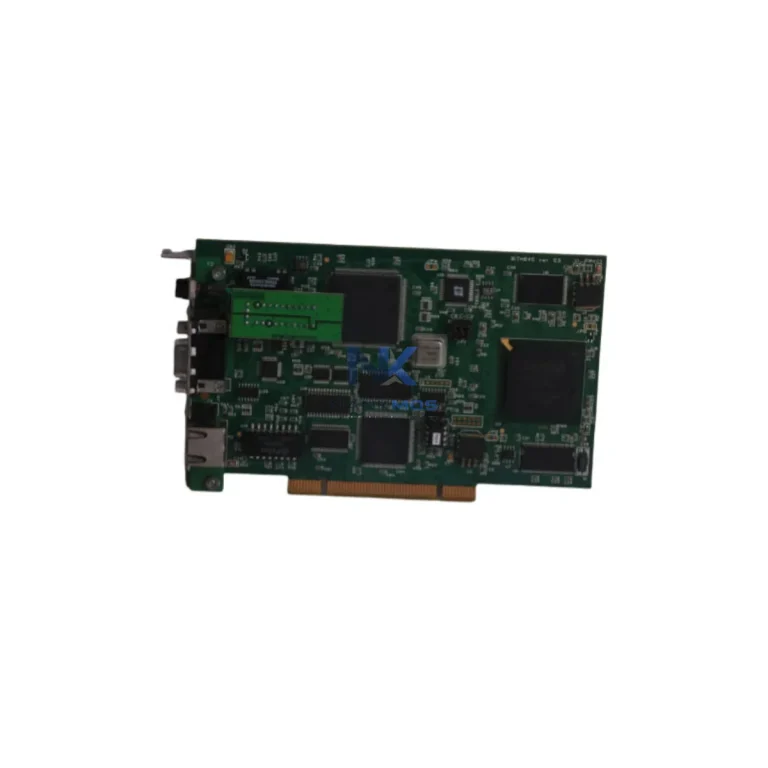
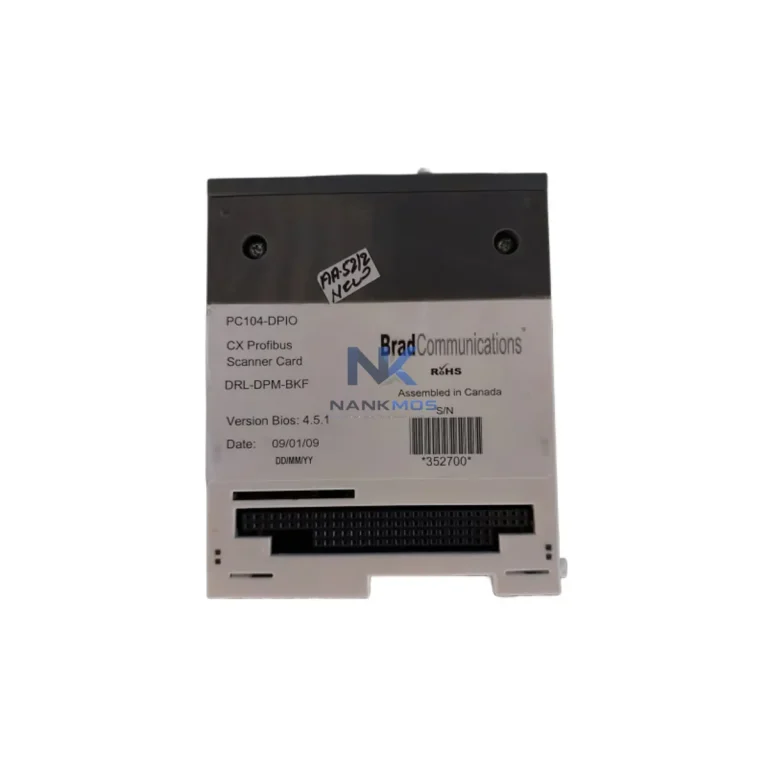
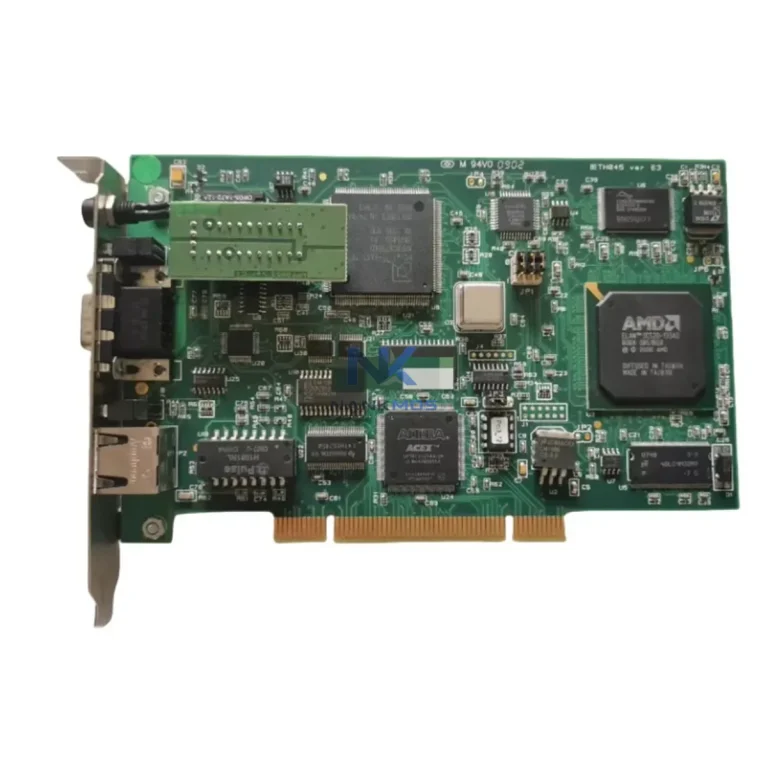
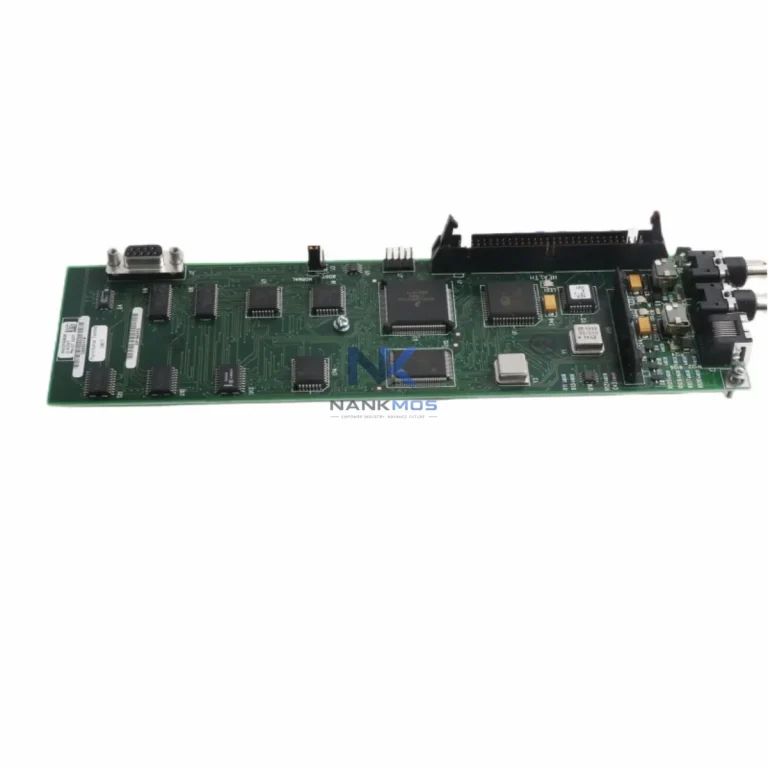
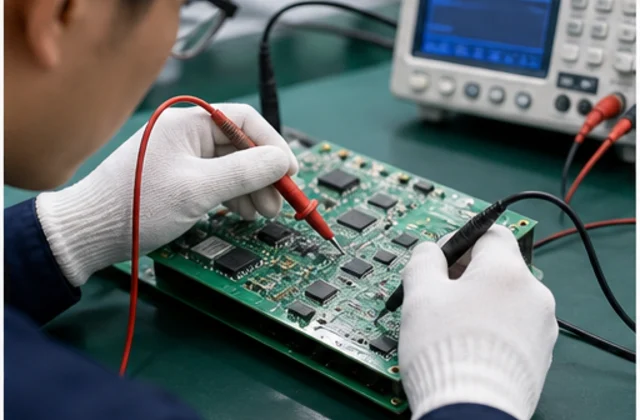
 Functional Inspection
100% tested on professional platforms to ensure stable performance.
Molex PCIE2000ETH APP-EPB-PCIE is a NANKMOS industrial automation product record Listed under Other series series and Business & Industrial > Automation, Control & Flow Devices. Confirm condition, availability, lead time, compatibility and documentation by email inquiry.
Brand names are used for identification only.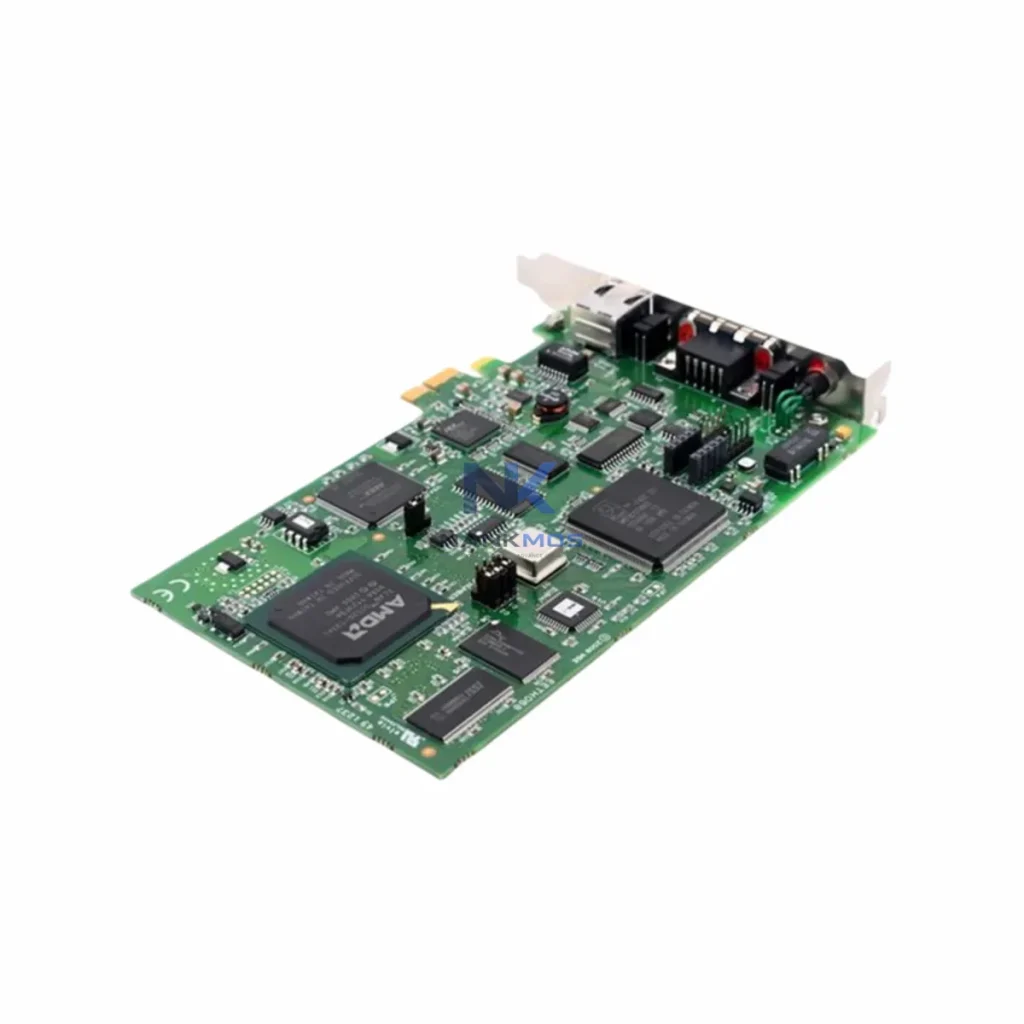
Molex PCIE2000ETH APP-EPB-PCIE is a NANKMOS industrial automation product record Listed under Other series series and Business & Industrial > Automation, Control & Flow Devices. Confirm condition, availability, lead time, compatibility and documentation by email inquiry.
| Manufacturer | Molex |
|---|---|
| Application | Industrial Automation Maintenance |
| Part Number / Model | PCIE2000ETH APP-EPB-PCIE |
| Compatible System | Confirmed by inquiry |
| Condition Options | To Confirm |
| Module Type | Automation, Control & Flow Devices |
| Warranty | 12 Months |
| Packaging | Anti-static Bag / Secure Box |
| Shipping Methods | DHL / FedEx / UPS / Air / Sea |
| Availability | To Confirm |
| Lead Time | To Confirm |
| Documentation | Part number and revision checked before quote |
The Molex PCIE2000ETH APP-EPB-PCIE is a high-performance PCIe-based industrial Ethernet adapter engineered for energy-conscious smart factory environments. Designed to integrate seamlessly into modern automation architectures, this adapter delivers deterministic, low-latency Ethernet connectivity while actively contributing to energy load management, network efficiency, and production line throughput optimization. Whether deployed in discrete manufacturing, process control, or hybrid smart factory setups, the PCIE2000ETH APP-EPB-PCIE enables leaner, more responsive industrial networks that reduce unnecessary power draw and thermal overhead across the control layer.
In energy-intensive production environments, every component in the control network contributes to the overall power budget. The PCIE2000ETH APP-EPB-PCIE is built with this reality in mind — its low-power PCIe interface minimizes host system energy consumption while maintaining full-duplex Gigabit Ethernet throughput. This makes it an ideal fit for edge computing nodes, industrial PCs, and embedded control platforms where thermal load management and power efficiency are critical design constraints.
The PCIE2000ETH APP-EPB-PCIE is designed to operate as a core network interface within a layered industrial automation architecture. In a typical smart factory deployment, it connects the host industrial PC or edge controller to the plant-floor Ethernet backbone, enabling real-time data exchange with Siemens S7-1500 PLCs, Allen-Bradley ControlLogix controllers, and distributed I/O nodes such as the Molex SST-PB3-PCU PROFIBUS interface. This tight integration ensures that control commands, energy telemetry, and device status data flow with minimal latency and without unnecessary retransmissions that waste both bandwidth and power.
On the drive and motion side, the adapter supports communication with Yaskawa Σ-7 series servo drives and ABB ACS880 variable frequency drives (VFDs) via EtherNet/IP or PROFINET, enabling closed-loop speed and torque regulation that directly reduces motor energy consumption during partial-load cycles. When paired with a Schneider Electric PowerLogic PM8000 power monitoring module, the PCIE2000ETH APP-EPB-PCIE becomes part of an active energy management loop — real-time power data from the PM8000 is transmitted over the Ethernet backbone to the SCADA layer, where load-shedding algorithms can dynamically adjust drive setpoints and conveyor speeds to flatten peak demand.
For HMI integration, the adapter supports connectivity to Weintek cMT series HMI panels and Siemens SIMATIC TP1200 Comfort panels, providing operators with live energy dashboards and production KPI displays. Sensor data from Balluff BIS M RFID readers and Keyence IL series laser displacement sensors can be aggregated through the Ethernet network and fed into the SCADA historian for predictive maintenance and energy trend analysis. The Molex Brad 1200240016 industrial connector ecosystem further ensures robust, vibration-resistant physical connections at the panel and field device level, maintaining signal integrity in high-EMI environments without signal retransmission overhead.
When integrated with a Beckhoff CX2040 embedded PC running TwinCAT 3, the PCIE2000ETH APP-EPB-PCIE enables EtherCAT-over-Ethernet bridging for ultra-fast I/O cycle times, reducing the polling overhead that contributes to unnecessary CPU wake cycles and associated power draw. This architecture is particularly effective in high-speed packaging and assembly lines where cycle time precision directly correlates with energy efficiency per unit produced.
Industrial production lines are among the largest consumers of electrical energy in manufacturing facilities, and a significant portion of that consumption is attributable to inefficient network communication, excessive device polling, and uncoordinated load scheduling. The Molex PCIE2000ETH APP-EPB-PCIE addresses these inefficiencies at the network interface level — the point where control data enters and exits the host system.
By providing a dedicated, hardware-accelerated Ethernet interface, the PCIE2000ETH APP-EPB-PCIE offloads network processing from the host CPU, reducing interrupt-driven power spikes that occur when software-based network stacks handle high-frequency I/O polling. In a 24/7 production environment, this translates to measurable reductions in host system power consumption and thermal output, extending the service life of cooling systems and reducing HVAC load in control rooms and electrical cabinets.
From a production line rhythm (takt time) perspective, the adapter's deterministic Ethernet performance ensures that control commands arrive at PLCs, drives, and I/O modules within predictable time windows. This eliminates the jitter-induced micro-stoppages that force production lines to run at conservative speeds to avoid synchronization errors. By enabling tighter takt time control, the PCIE2000ETH APP-EPB-PCIE allows lines to operate closer to their designed throughput capacity — producing more units per kilowatt-hour and improving overall equipment effectiveness (OEE).
Predictive maintenance integration is another key energy optimization pathway. When the adapter's Ethernet link carries continuous vibration, temperature, and current signature data from field sensors to the SCADA historian, maintenance teams can identify energy-wasting conditions — such as a motor running with misaligned bearings or a VFD operating in an inefficient speed range — before they escalate into unplanned downtime. Scheduled maintenance during planned production windows eliminates the energy waste associated with emergency restarts, purge cycles, and reheating of process equipment.
All units are tested prior to shipment and backed by a 12-Month Warranty, ensuring that your energy optimization investment is protected from day one. In-stock inventory is maintained to support rapid deployment and minimize project lead times.
Q1: How does the PCIE2000ETH APP-EPB-PCIE contribute to measurable energy savings on a production line? The adapter reduces host CPU interrupt load by offloading Ethernet processing to dedicated hardware, lowering idle and active power draw of the host industrial PC. When integrated with power monitoring modules and SCADA systems, it enables real-time load management that can reduce peak demand charges and smooth energy consumption curves across production shifts.
Q2: Which industrial protocols and control systems is this adapter compatible with? The PCIE2000ETH APP-EPB-PCIE supports standard industrial Ethernet protocols including EtherNet/IP, PROFINET, Modbus TCP, and OPC-UA at the application layer. It is compatible with industrial PCs and edge controllers from major vendors, and integrates with PLC platforms such as Siemens S7 series and Allen-Bradley ControlLogix via standard Ethernet infrastructure.
Q3: Can this adapter replace an existing PCIe Ethernet card in an operational system, and what is the recommended replacement process? Yes. The PCIE2000ETH APP-EPB-PCIE is designed as a direct PCIe slot replacement for compatible industrial Ethernet adapters. The recommended process includes backing up current network configuration parameters, installing the new adapter during a scheduled maintenance window, verifying driver compatibility with the host OS, and performing a network connectivity test against all connected PLCs and I/O nodes before resuming production. Our technical team can provide configuration guidance upon request.
Q4: What does the 12-Month Warranty cover, and how is the product tested before shipment? The 12-Month Warranty covers manufacturing defects and functional failures under normal industrial operating conditions. Each unit undergoes functional testing — including Ethernet link establishment, data throughput verification, and PCIe bus communication checks — prior to shipment. In the event of a warranty claim, replacement units are dispatched from in-stock inventory to minimize production downtime.
Functional Inspection100% tested on professional platforms to ensure stable performance.
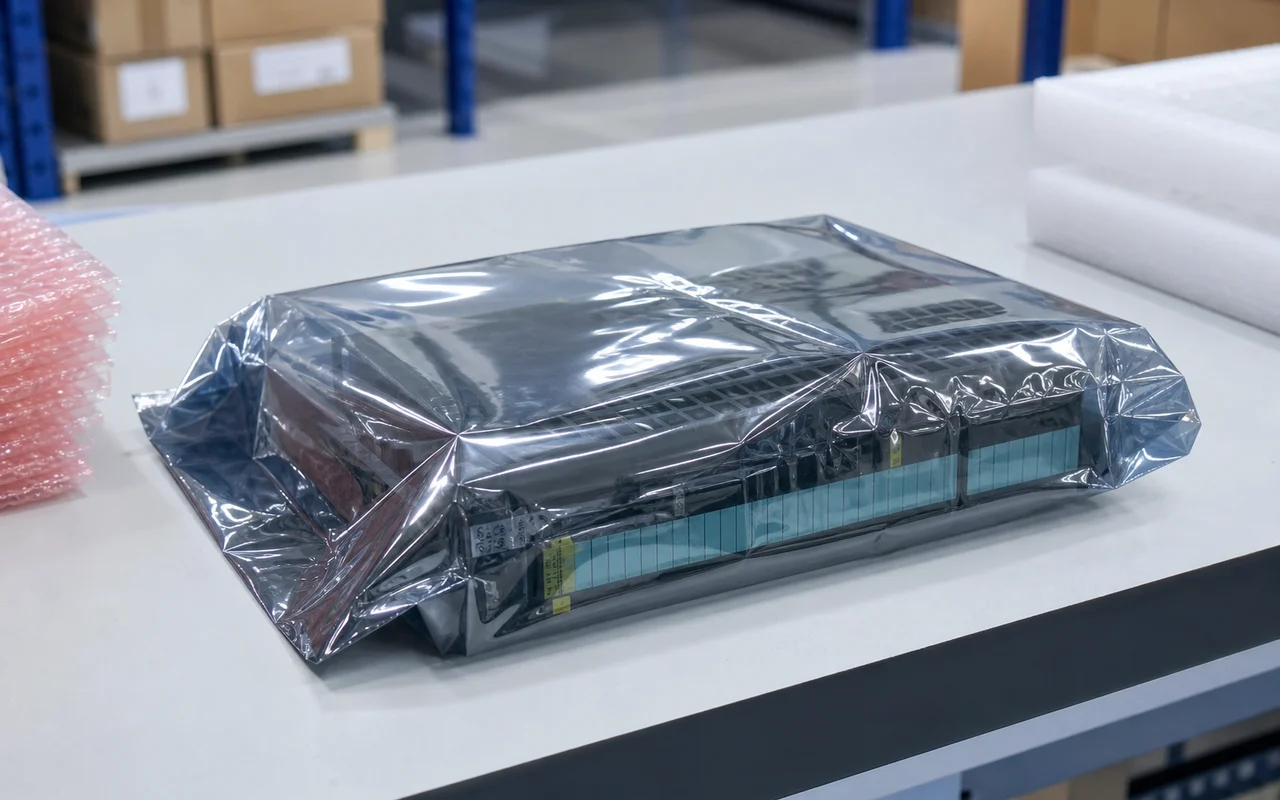 Anti-static Packaging
Modules are packed in anti-static bags to prevent electrostatic damage.
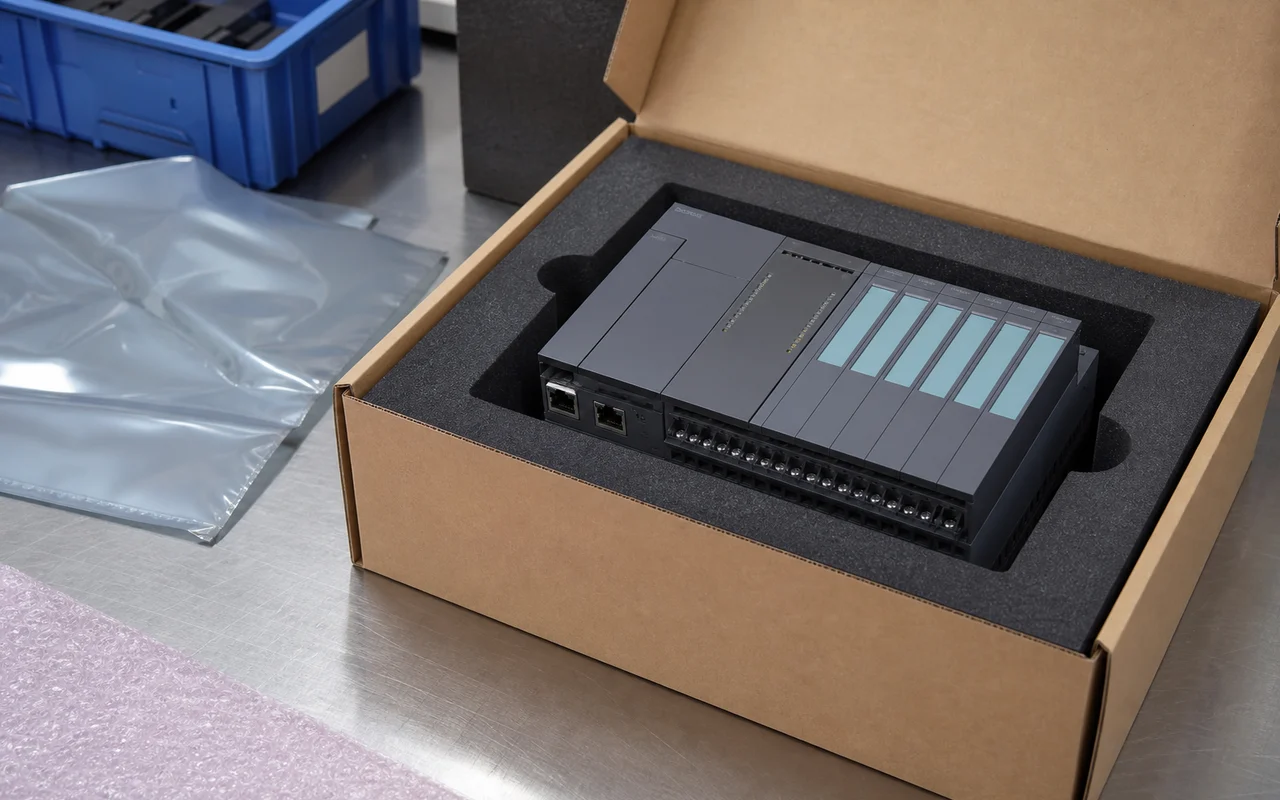 Secure Export Packing
Cushion protection and strong cartons ensure safe transportation.
 Worldwide Shipping
Global logistics network supports air, sea and express delivery.
 Documentation Check
Part number, revision and compatibility verified before shipment.
 After-sales Support
Professional technical support to help resolve your issues.