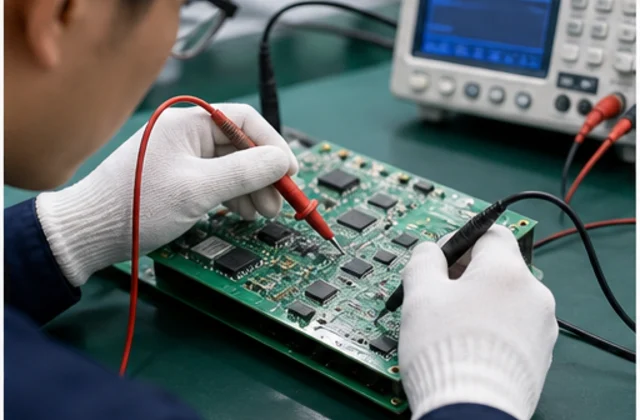
 Functional Inspection
100% tested on professional platforms to ensure stable performance.
ABB RDCU-12 3AUA0000036521 is a NANKMOS industrial automation product record Listed under ACS880 series and Drives. Confirm condition, availability, lead time, compatibility and documentation by email inquiry.
Brand names are used for identification only.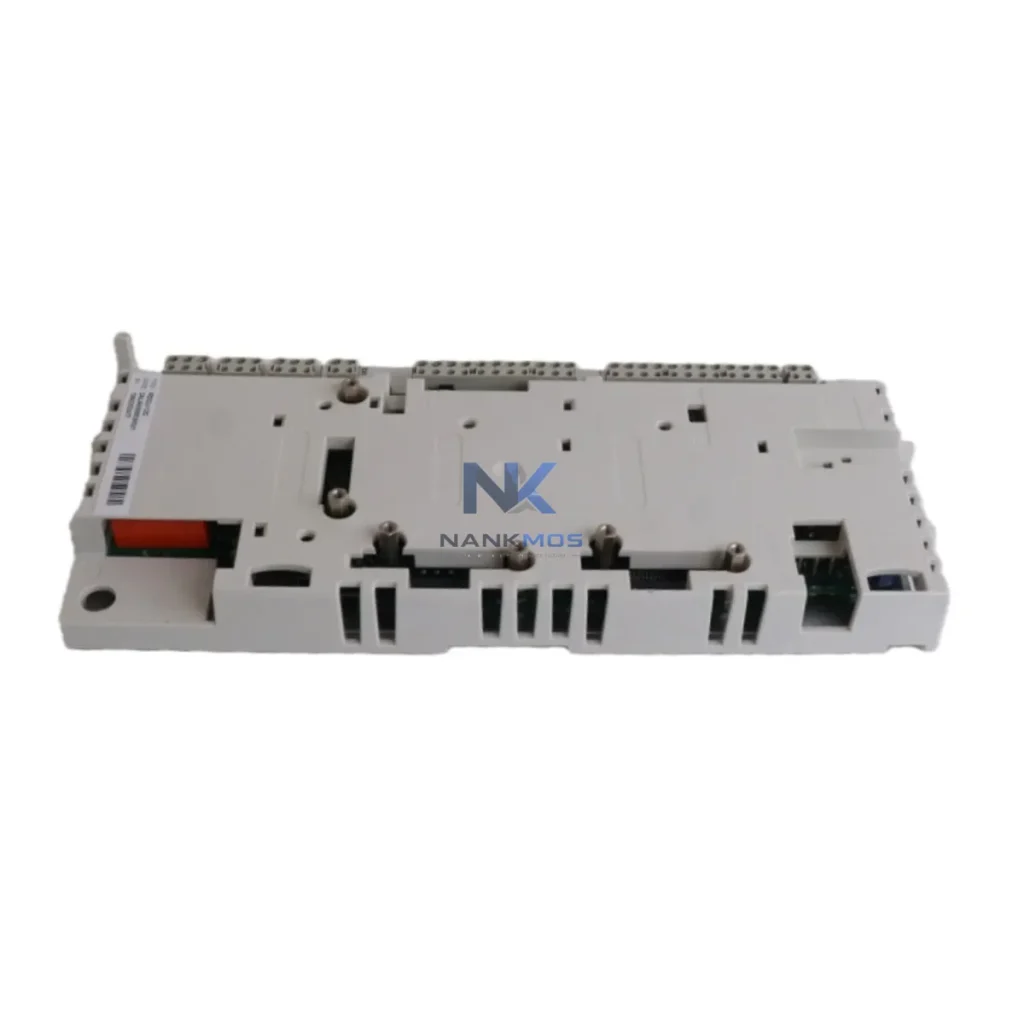
ABB RDCU-12 3AUA0000036521 is a NANKMOS industrial automation product record Listed under ACS880 series and Drives. Confirm condition, availability, lead time, compatibility and documentation by email inquiry.
| Manufacturer | ABB |
|---|---|
| Application | Motion Control & Drive System |
| Part Number / Model | RDCU-12 3AUA0000036521 |
| Compatible System | ACS880 |
| Series | ACS880 |
| Condition Options | To Confirm |
| Module Type | Servo / Drive Module |
| Warranty | 12 Months |
| Packaging | Anti-static Bag / Secure Box |
| Shipping Methods | DHL / FedEx / UPS / Air / Sea |
| Availability | To Confirm |
| Lead Time | To Confirm |
| Documentation | Part number and revision checked before quote |
The ABB RDCU-12C is the central intelligence of the ACS880 drive architecture, functioning as the dedicated Drive Control Unit that bridges the motor control layer with the broader automation system. In a fully integrated industrial control platform, the RDCU-12C does not operate in isolation — it is the coordination node that synchronizes signals, commands, and diagnostics across every layer of the control hierarchy.
At the control layer, the RDCU-12C interfaces directly with ABB AC500 PLCs or third-party DCS systems via RDCO communication option modules, enabling seamless Contextual Integration between the drive and the supervisory control network. Whether the plant runs PROFIBUS-DP, PROFINET, EtherNet/IP, or Modbus RTU, the RDCU-12C adapts through its modular communication slot, ensuring the drive remains a fully addressable node within the automation backbone.
At the I/O layer, the RDCU-12C coordinates with RAIO-01 analog I/O extension modules and RDIO-01 digital I/O modules to expand signal capacity without requiring additional control hardware. This modular I/O architecture allows engineers to scale the drive's sensing and actuation capability in line with process complexity — from simple speed reference inputs to multi-channel feedback loops for tension control, position tracking, or torque regulation.
At the communication layer, the DDCS fiber-optic link on the RDCU-12C enables high-speed, noise-immune data exchange with the APBU-44C or APBU-12C branching units in multi-drive configurations. This is particularly critical in large ACS880 cabinet builds where multiple inverter modules share a common DC bus and must be synchronized through a single control master. The fiber-optic topology eliminates ground loop interference and ensures deterministic communication latency across the drive cluster.
At the power layer, the RDCU-12C is powered by the SPSU-01 or the drive's internal 24 VDC auxiliary supply, maintaining control circuit continuity even during main power fluctuations. In redundant architectures, an external UPS feeding the control supply ensures the RDCU-12C retains its parameter set, fault history, and communication link during grid disturbances — a critical requirement in continuous process industries such as petrochemical refining and pulp and paper production.
At the HMI layer, the RDCU-12C supports the ACS-AP-I and ACS-AP-W control panels, providing local parameter access, fault diagnostics, and drive commissioning without requiring a laptop or engineering workstation. For remote HMI integration, the drive's process data is mapped to the PLC's data table via the RDCO module, making all drive parameters visible on SCADA or DCS operator stations running ABB System 800xA or equivalent platforms.
At the execution layer, the RDCU-12C delivers the motor control algorithms — DTC (Direct Torque Control) — that govern torque response, speed accuracy, and flux optimization for ABB motors and third-party induction or permanent magnet motors. The RTAC-01 pulse encoder interface module connects to the RDCU-12C to provide closed-loop speed feedback, enabling high-precision positioning and speed regulation in demanding applications such as winding machines, hoists, and extruders.
At the protection layer, the RDCU-12C continuously monitors motor thermal state, overcurrent conditions, earth fault status, and communication watchdog timers. Fault events are logged with timestamps in the drive's internal fault history buffer, and critical faults trigger configurable relay outputs through the RDIO module to upstream protection relays or safety PLCs. This layered protection architecture reduces unplanned downtime and supports IEC 61508 functional safety compliance in SIL-rated applications.
At the maintenance layer, the RDCU-12C's parameter backup and restore function — executed via the ACS-AP panel or DriveStudio PC tool — allows engineers to clone drive configurations across multiple units in a production line, dramatically reducing commissioning time during planned maintenance shutdowns or drive replacement cycles. The 12-Month Warranty covering the RDCU-12C ensures that any unit exhibiting performance deviation within the warranty period is replaced or repaired at no additional cost, protecting the plant's operational continuity and capital investment.
Manufacturing & Packaging Lines: In automotive assembly and consumer goods packaging, the RDCU-12C controls conveyor drives, servo-equivalent positioning axes, and tension-regulated winding stations. Its DTC algorithm delivers the torque response required for high-cycle-rate pick-and-place and indexing applications, while the PROFINET interface synchronizes drive motion with robot controllers and vision systems on the same Ethernet backbone.
Power Generation & Utilities: In hydroelectric and thermal power plants, the RDCU-12C manages boiler feed pump drives, cooling water circulation pumps, and induced draft fan drives. The fiber-optic DDCS link provides the electrical isolation required in high-voltage environments, and the drive's redundant control supply architecture ensures continuous operation during auxiliary power switchovers.
Petrochemical & Oil Refining: In ATEX-classified process areas, the RDCU-12C is installed in pressurized control cabinets driving compressor trains, agitator drives, and pipeline booster pumps. The drive's SIL-compatible safety function inputs — connected via the FSO-12 safety functions module — allow emergency stop and safe torque off (STO) commands to be executed without interrupting the control system's communication link.
Water & Wastewater Treatment: Municipal water authorities deploy the RDCU-12C in variable-speed pump stations where energy efficiency and remote diagnostics are primary operational requirements. The drive's energy optimizer function, accessible through the RDCU-12C's control firmware, reduces pump motor energy consumption by up to 30% compared to fixed-speed operation, while Modbus TCP integration feeds real-time flow and pressure data to the plant's SCADA system.
Mining & Minerals Processing: In underground and open-pit mining operations, the RDCU-12C drives conveyor belts, crushers, ball mills, and slurry pumps in environments characterized by heavy vibration, dust ingress, and wide ambient temperature swings. The drive's robust fault logging and remote diagnostic capability via the RDCO EtherNet/IP module allows maintenance engineers to analyze drive health trends without entering hazardous areas.
Q1: Is the RDCU-12C compatible with all ACS880 inverter module variants, and can it be used in multi-drive cabinet configurations? Yes. The RDCU-12C is the standard control unit for ACS880 single drive and cabinet-built multi-drive systems. In multi-drive configurations, multiple RDCU-12C units connect to the APBU branching unit via DDCS fiber-optic links, with each RDCU-12C independently controlling its assigned inverter module while sharing a common DC bus. This architecture supports up to 10 inverter modules per APBU-44C branching unit, enabling scalable multi-motor control from a single cabinet footprint.
Q2: What communication protocols does the RDCU-12C support, and how is Contextual Integration with a DCS or PLC achieved? The RDCU-12C supports all major industrial protocols through its RDCO communication option module slot: PROFIBUS-DP (RDCO-01), Modbus RTU/TCP (RDCO-02), DeviceNet (RDCO-03), and EtherNet/IP / PROFINET (RDCO-04). Contextual Integration is achieved by mapping the drive's process data objects (PDOs) — speed reference, torque feedback, fault word, status word — directly to the PLC's or DCS's I/O table via the fieldbus interface. This eliminates the need for analog signal wiring between the drive and the control system, reducing installation cost and improving signal integrity.
Q3: What does the 12-Month Warranty cover, and what is the supply and testing process for RDCU-12C units? Every RDCU-12C unit supplied by NANKMOS is covered by a 12-Month Warranty from the date of shipment. Prior to dispatch, each unit undergoes functional testing including power-up verification, communication link check, parameter read/write validation, and I/O signal integrity testing. Units are shipped with original or equivalent packaging to prevent transit damage. In the event of a warranty claim, NANKMOS provides a replacement unit or repair service within the agreed lead time, ensuring minimal disruption to your production schedule. For stock availability, lead times, and technical pre-sales support, contact [email protected] or call +86 18359268345.
Functional Inspection100% tested on professional platforms to ensure stable performance.
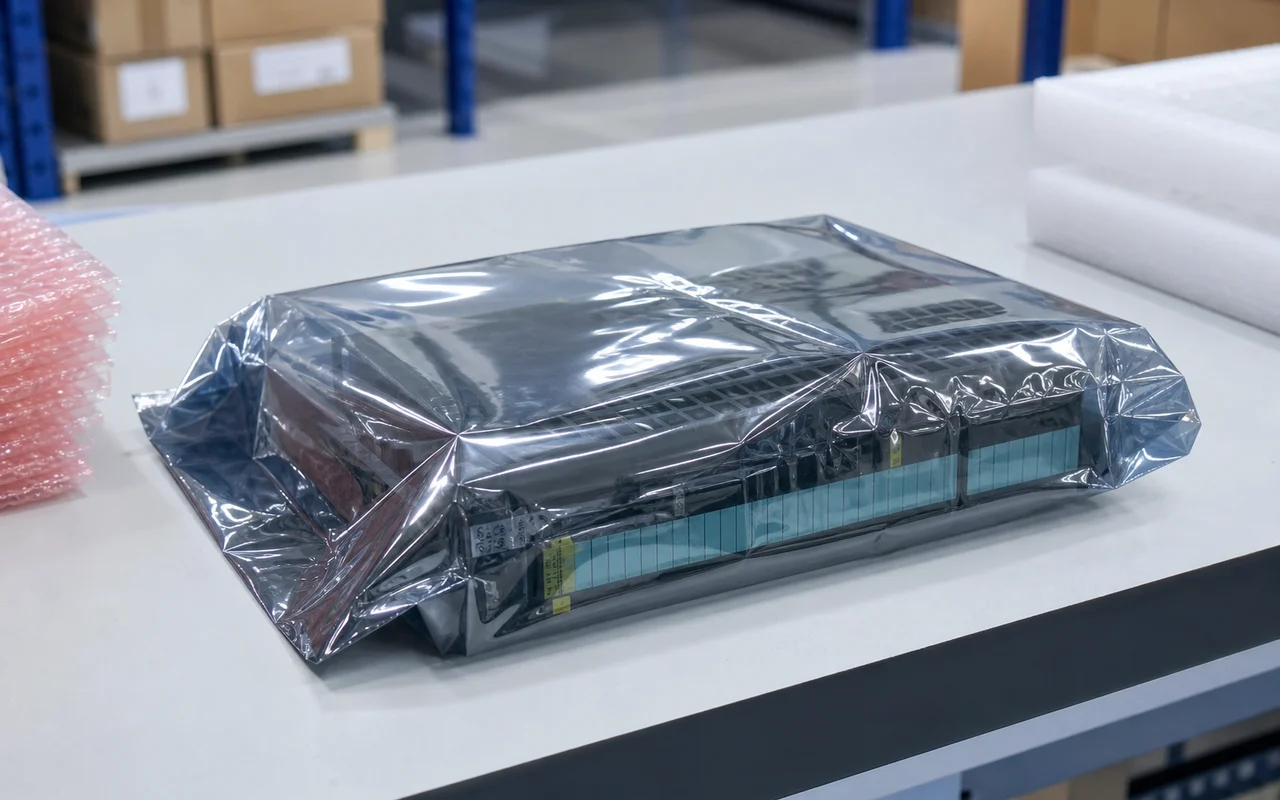 Anti-static Packaging
Modules are packed in anti-static bags to prevent electrostatic damage.
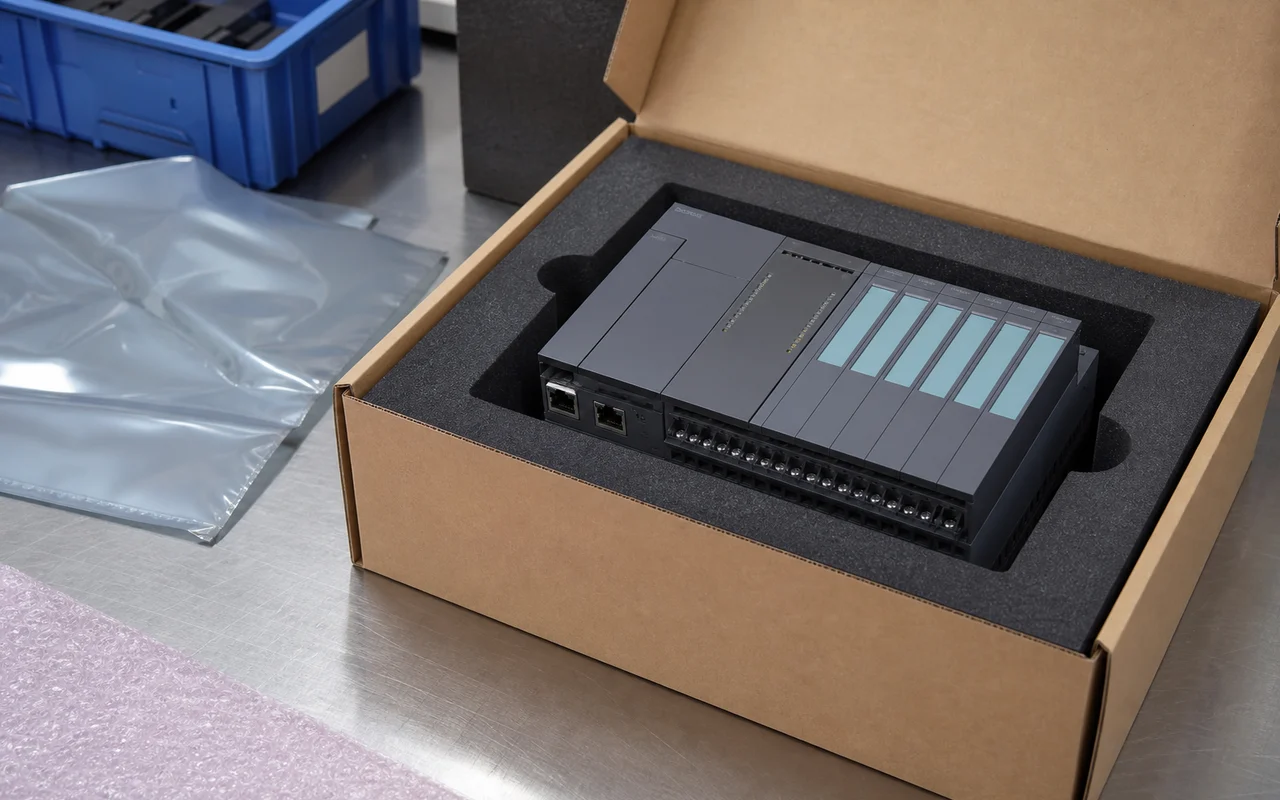 Secure Export Packing
Cushion protection and strong cartons ensure safe transportation.
 Worldwide Shipping
Global logistics network supports air, sea and express delivery.
 Documentation Check
Part number, revision and compatibility verified before shipment.
 After-sales Support
Professional technical support to help resolve your issues.