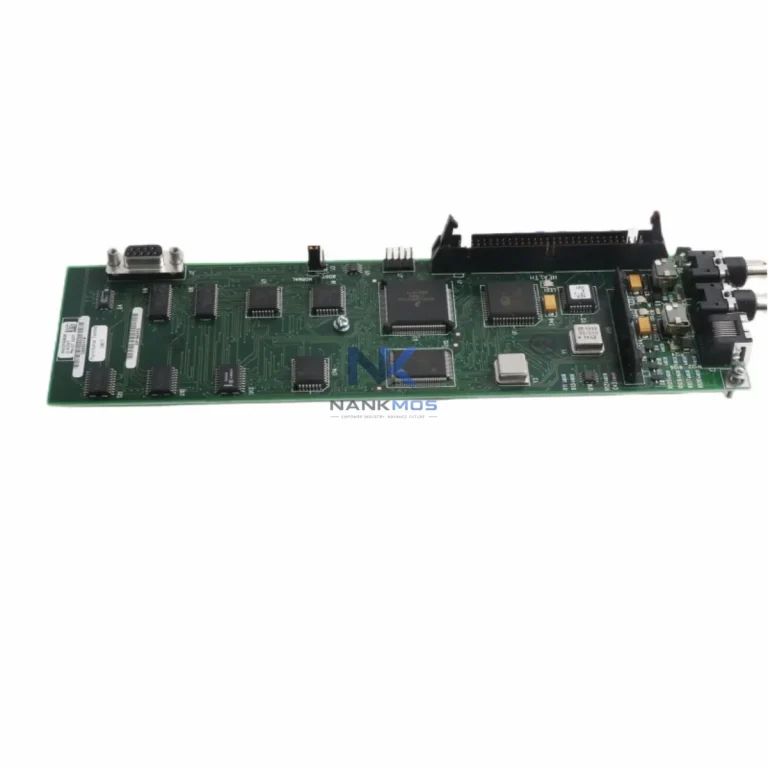
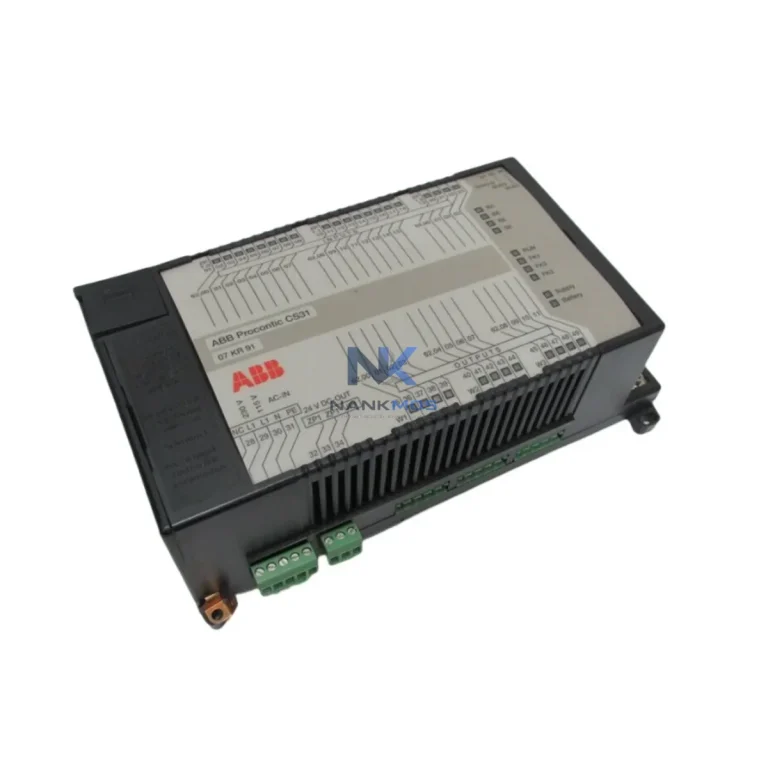
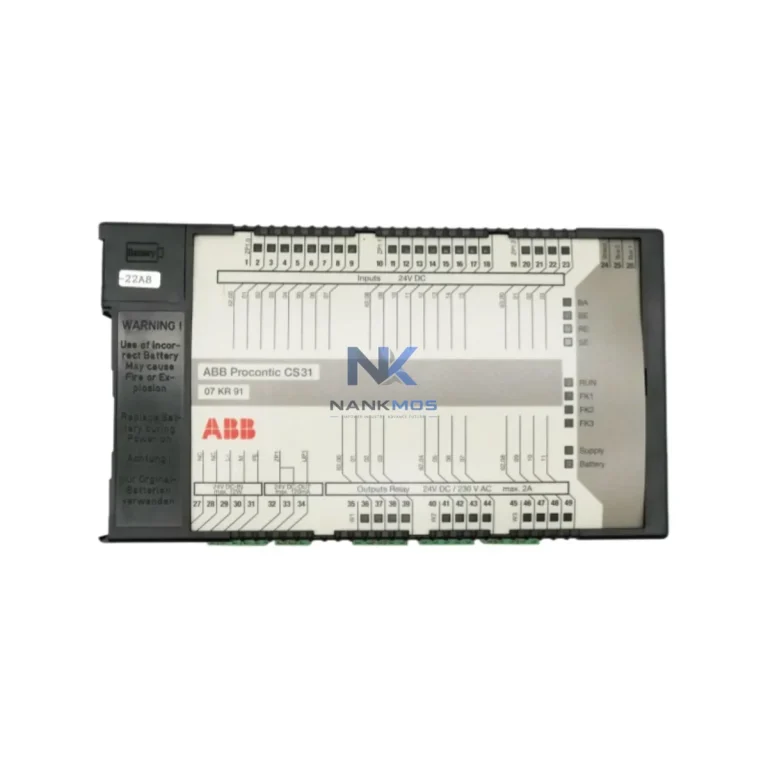
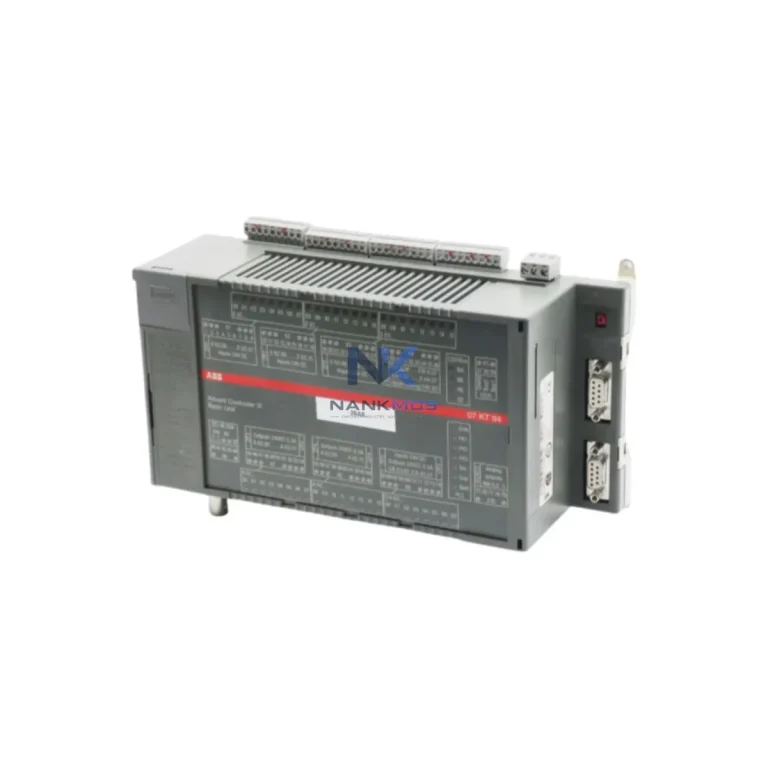
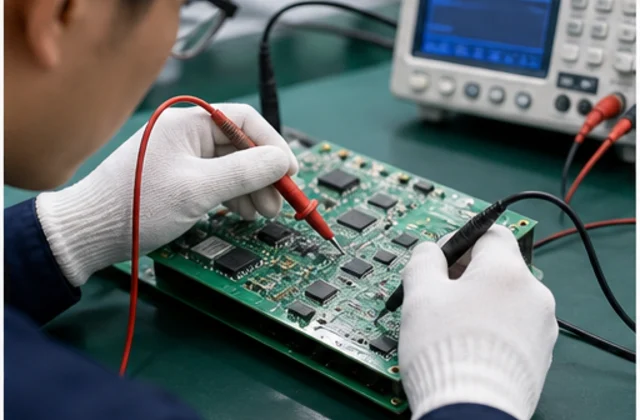
 Functional Inspection
100% tested on professional platforms to ensure stable performance.
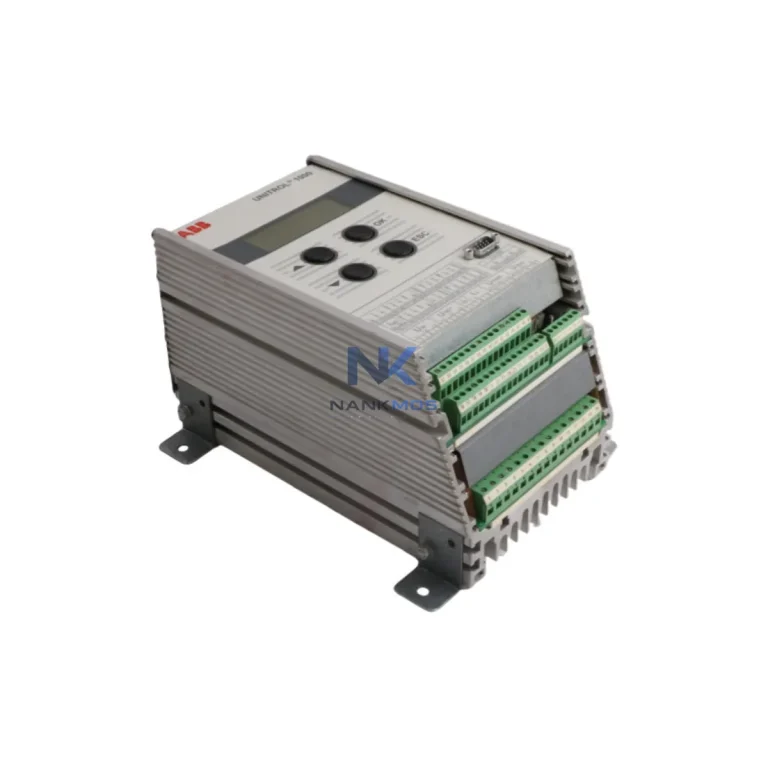
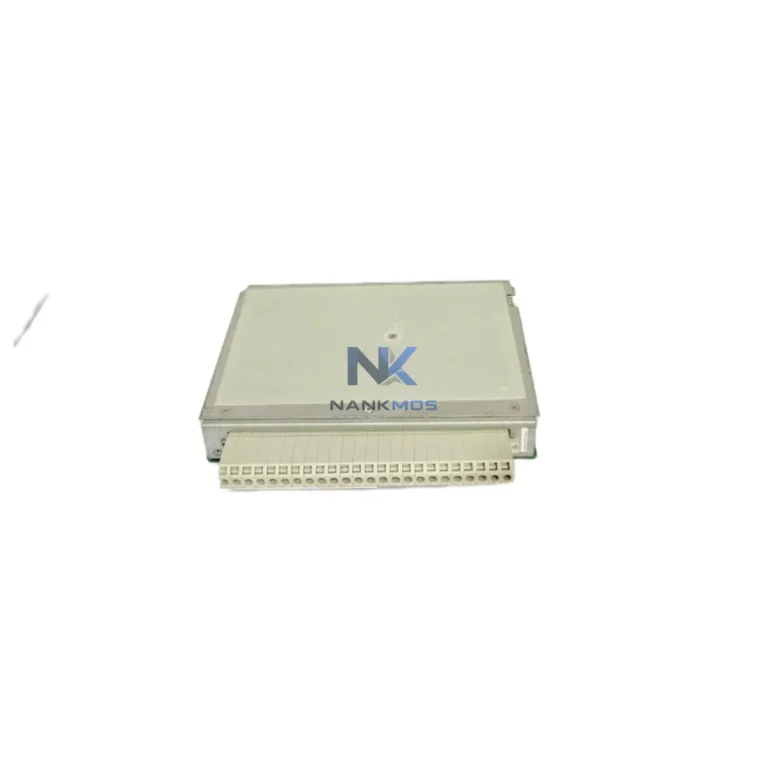
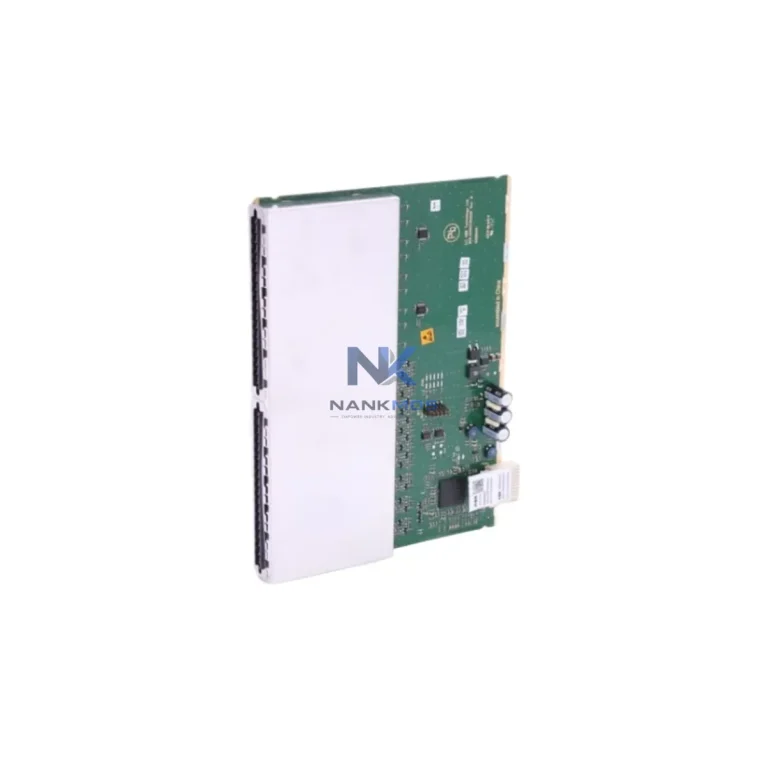
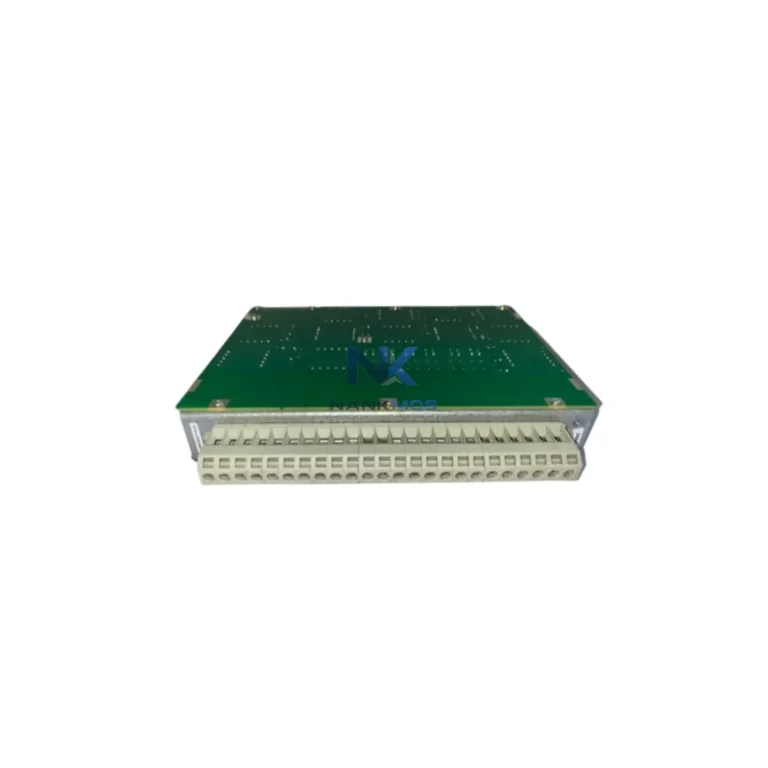
ABB 1VCF701839801 is a NANKMOS industrial automation product record Listed under UNITROL series and Business & Industrial > Automation, Control & Flow Devices. Confirm condition, availability, lead time, compatibility and documentation by email inquiry.
Brand names are used for identification only.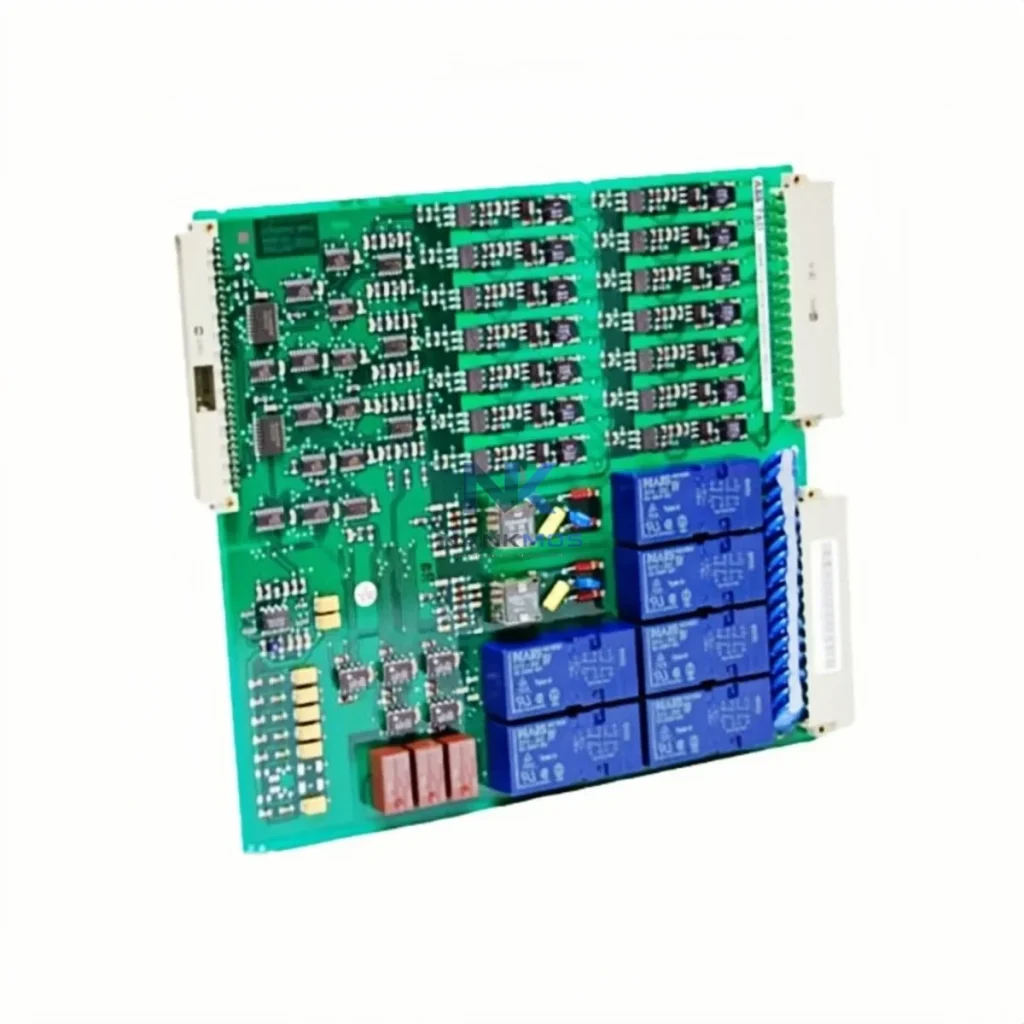
ABB 1VCF701839801 is a NANKMOS industrial automation product record Listed under UNITROL series and Business & Industrial > Automation, Control & Flow Devices. Confirm condition, availability, lead time, compatibility and documentation by email inquiry.
| Manufacturer | ABB |
|---|---|
| Application | DCS / Control Board Replacement |
| Part Number / Model | 1VCF701839801 |
| Compatible System | UNITROL |
| Series | UNITROL |
| Condition Options | To Confirm |
| Module Type | Control Board / Card |
| Warranty | 12 Months |
| Packaging | Anti-static Bag / Secure Box |
| Shipping Methods | DHL / FedEx / UPS / Air / Sea |
| Availability | To Confirm |
| Lead Time | To Confirm |
| Documentation | Part number and revision checked before quote |
The ABB 1VCF701839801 is a high-performance Excitation Control PC Board from ABB's renowned Unitrol Series, engineered to serve as a critical node in the modern smart factory data chain. Designed for synchronous generator excitation regulation, this board goes far beyond traditional voltage control — it functions as an intelligent interface point where field-level electrical signals are captured, conditioned, and made available to supervisory systems including SCADA platforms, HMI terminals, and plant-wide data historians. In an era where industrial connectivity defines operational efficiency, the 1VCF701839801 delivers the reliability, protocol readiness, and integration depth that automation engineers demand.
At the heart of any smart factory lies the ability to move data seamlessly from physical devices to digital decision-making systems. The ABB 1VCF701839801 participates in this data flow from the very first stage: signal acquisition. Voltage and current feedback from the generator field winding are sampled in real time, processed by the board's onboard logic, and made available for upstream communication. When paired with ABB's Unitrol 1000 or Unitrol 5000 automatic voltage regulator (AVR) platforms, the 1VCF701839801 enables closed-loop excitation control with millisecond-level response, ensuring generator output stability even under dynamic load conditions.
For facilities running distributed control architectures, the board integrates naturally with ABB AC500 PLC systems via standard fieldbus interfaces. Whether the plant backbone runs on PROFIBUS-DP, Modbus RTU, or Modbus TCP/IP, the excitation data captured by the 1VCF701839801 can be forwarded through protocol gateways — such as the ABB CI854 communication interface module — to the PLC's process image, where it becomes part of the plant-wide control logic. This eliminates the data silos that traditionally isolated power generation equipment from the broader automation network.
Understanding the 1VCF701839801's role requires mapping the complete data flow it enables within a connected power generation or industrial facility. The journey begins at the generator terminals, where the excitation board continuously monitors field current and terminal voltage. These analog measurements are digitized and fed into the Unitrol AVR control loop, which adjusts excitation current to maintain stable output voltage within ±0.5% of setpoint — a critical requirement for facilities where voltage fluctuations can disrupt sensitive manufacturing processes or cause nuisance trips on downstream variable frequency drives (VFDs).
From the AVR level, operational data travels upward through the communication stack. In plants using ABB Ability™ System 800xA as the distributed control system (DCS), the excitation controller's status, alarms, and setpoints are mapped to the DCS tag database via the CI854A or CI858 fieldbus communication interface modules. Operators at the ABB Panel 800 HMI or remote engineering workstations can monitor real-time excitation current, reactive power output (MVAR), power factor, and alarm states without leaving the control room. This level of visibility transforms what was once a standalone electromechanical system into a fully networked asset.
For facilities that have deployed edge computing infrastructure, the data path extends further. An ABB Edge Controller or third-party industrial IoT gateway can subscribe to the excitation data stream via OPC-UA or MQTT, buffering measurements locally and forwarding aggregated datasets to cloud-based analytics platforms. This enables predictive maintenance algorithms to analyze excitation current trends over time, flagging early signs of field winding degradation or AVR component drift before they result in unplanned outages. The 1VCF701839801, as the primary signal source in this chain, must therefore meet stringent reliability standards — and ABB's manufacturing quality, backed by the included 12-month warranty, ensures it does.
Remote I/O expansion is another dimension of the connected factory architecture where the 1VCF701839801 plays a supporting role. In substations or power houses where the main control room is located hundreds of meters from the generator, ABB S800 Remote I/O modules can be deployed locally to collect additional analog signals — bearing temperatures, cooling water flow rates, stator winding temperatures — and transmit them over PROFIBUS or Industrial Ethernet back to the central PLC. The excitation board's data merges with these signals at the PLC level, giving operators a unified view of generator health across all subsystems.
Industrial network switches form the physical backbone of this data infrastructure. Managed switches supporting IEEE 802.3 and PROFINET standards provide the deterministic, low-latency Ethernet connectivity that real-time excitation control demands. Ring topology configurations with rapid spanning tree protocol (RSTP) ensure network redundancy, so a single cable fault cannot interrupt the data flow between the excitation controller and the SCADA server. When the 1VCF701839801 is deployed in mission-critical power generation applications, this network resilience is not optional — it is a fundamental design requirement.
Many industrial facilities still operate with legacy excitation systems that were installed before the era of networked automation. These systems generate valuable operational data — excitation current levels, reactive power output, alarm histories — but that data remains trapped within proprietary controllers with no standard communication interface. The result is a data island: a critical piece of equipment that the SCADA system cannot see, the maintenance team cannot trend, and the operations manager cannot report on.
Replacing the excitation control board with the ABB 1VCF701839801 directly addresses this data gap. The Unitrol platform's built-in communication capabilities allow the excitation system to be integrated into the plant's existing Modbus or PROFIBUS network without requiring a complete AVR replacement. Configuration is performed via ABB's Unitrol Configuration Tool software, which provides a graphical interface for mapping excitation parameters to communication registers, setting alarm thresholds, and configuring remote setpoint adjustment — all without requiring specialized power systems expertise from the automation team.
Protocol unification is another challenge the 1VCF701839801 helps resolve. In facilities where the PLC network runs on PROFIBUS while the SCADA system communicates via Modbus TCP/IP, a protocol gateway — such as the HMS Anybus Communicator or an equivalent industrial gateway device — can bridge the two networks, with the excitation board's data flowing transparently from one protocol domain to the other. This eliminates the need for manual data entry or custom software bridges, reducing both engineering cost and the risk of data transcription errors.
Production line transparency is significantly enhanced when excitation data is incorporated into the plant's overall equipment effectiveness (OEE) calculations. Unplanned generator trips caused by excitation faults are a leading source of unscheduled downtime in facilities with on-site power generation. By making excitation alarm data visible in the SCADA system and configuring automatic notifications to maintenance personnel via the plant's alarm management system, the 1VCF701839801 enables a proactive maintenance culture that reduces mean time to repair (MTTR) and improves overall plant availability.
System scalability is preserved through the Unitrol platform's modular architecture. As generation capacity expands — whether through the addition of new generator sets or the integration of renewable energy sources — additional 1VCF701839801 boards can be added to the network without requiring changes to the SCADA configuration or PLC program structure. The communication register map remains consistent across Unitrol Series products, ensuring that new excitation controllers are recognized by the supervisory system immediately upon commissioning.
Q1: What communication protocols does the ABB 1VCF701839801 support, and how does it integrate with existing SCADA systems?The 1VCF701839801 operates within the ABB Unitrol AVR platform, which supports Modbus RTU over RS-485 and Modbus TCP/IP over Industrial Ethernet as standard communication options. PROFIBUS-DP connectivity is available via ABB's CI-series fieldbus interface modules. Most modern SCADA systems — including ABB System 800xA, Siemens WinCC, and Wonderware InTouch — include native Modbus and PROFIBUS drivers, allowing the excitation controller to be added to the SCADA tag database with minimal configuration effort.
Q2: How does the board perform in terms of communication latency and network stability in real-time control applications?The Unitrol excitation control loop operates at the hardware level with sub-millisecond response times, independent of the communication network. The communication interface provides supervisory data — status, measurements, alarms, setpoints — at configurable polling intervals typically ranging from 100ms to 1 second, which is well within the requirements of SCADA and HMI applications. Network stability is ensured by the use of standard industrial Ethernet infrastructure with RSTP redundancy, preventing single points of failure from affecting data availability.
Q3: Can the 1VCF701839801 be used for remote diagnostics and predictive maintenance?Yes. When integrated into a networked automation architecture, the board's operational data — including excitation current, field voltage, reactive power output, and alarm registers — can be continuously logged by the SCADA historian or an edge computing device. Trend analysis of these parameters enables maintenance teams to identify developing faults, such as gradual increases in field current required to maintain rated terminal voltage (indicating field winding resistance changes), before they result in equipment failure. Remote access to the SCADA system allows off-site engineers to perform diagnostic reviews without requiring a site visit.
Q4: What does the 12-month warranty cover, and what is the shipping and testing process?Every ABB 1VCF701839801 supplied by NANKMOS is covered by a 12-month warranty against manufacturing defects and functional failures. Prior to shipment, each board undergoes functional verification testing to confirm that all communication interfaces, analog I/O channels, and control logic circuits operate within ABB's published specifications. Units are packaged in anti-static protective materials with appropriate cushioning for international freight. In-stock units are available for immediate dispatch, with lead times confirmed at the time of order. For technical support or warranty claims, contact our team directly.
Functional Inspection100% tested on professional platforms to ensure stable performance.
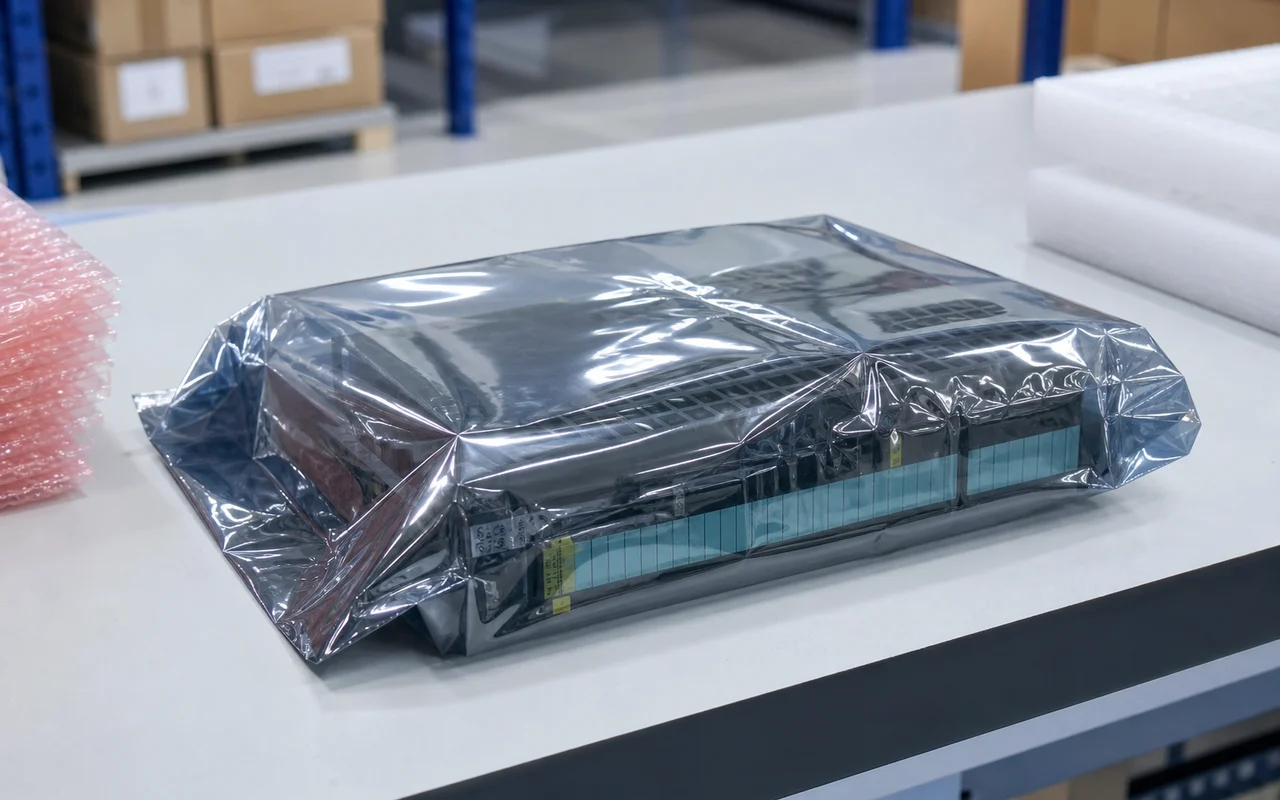 Anti-static Packaging
Modules are packed in anti-static bags to prevent electrostatic damage.
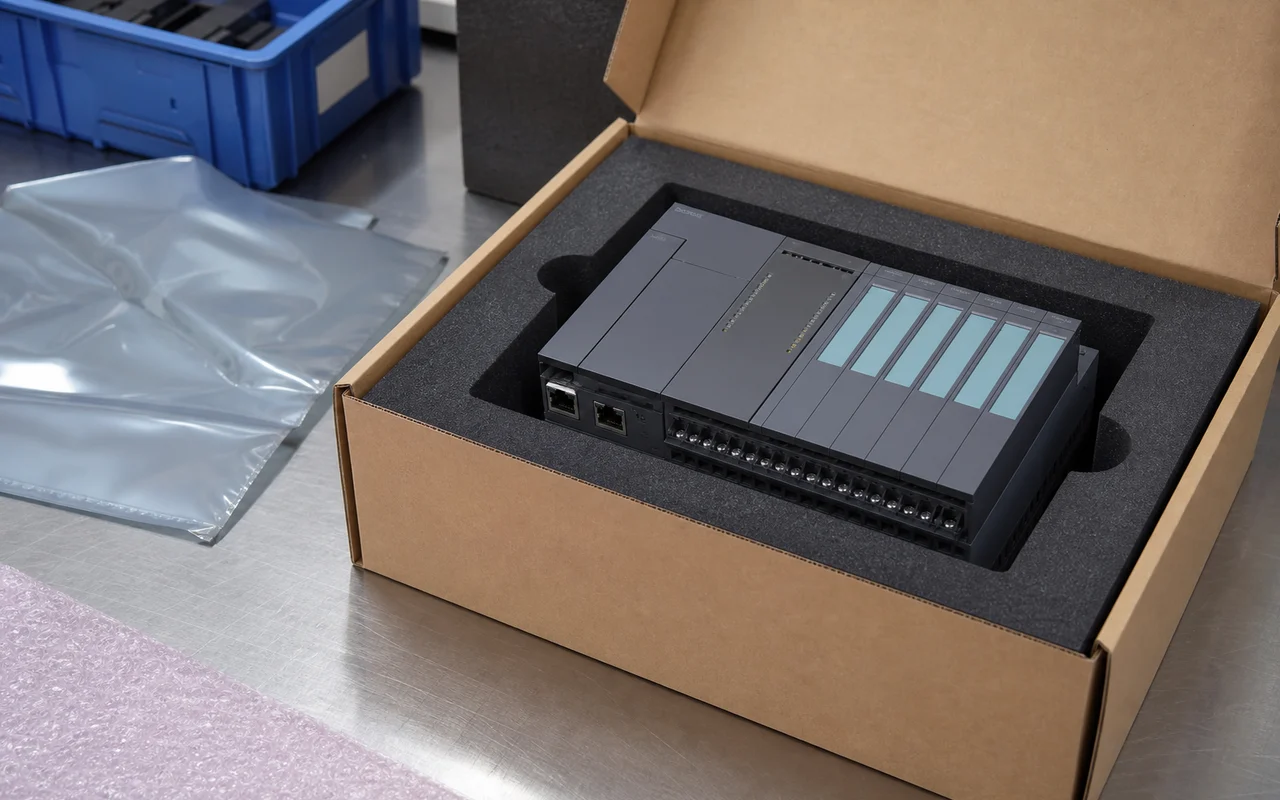 Secure Export Packing
Cushion protection and strong cartons ensure safe transportation.
 Worldwide Shipping
Global logistics network supports air, sea and express delivery.
 Documentation Check
Part number, revision and compatibility verified before shipment.
 After-sales Support
Professional technical support to help resolve your issues.