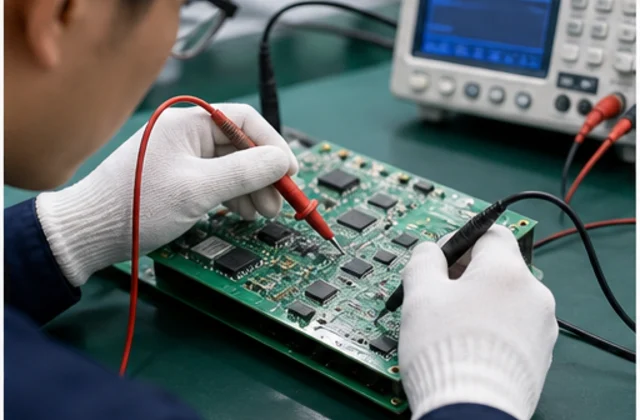
 Functional Inspection
100% tested on professional platforms to ensure stable performance.
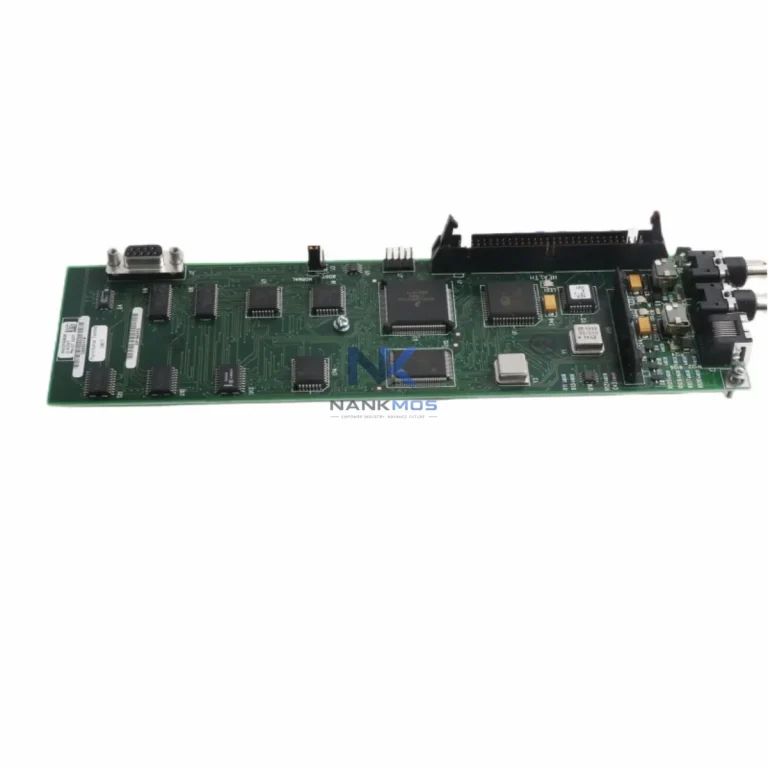
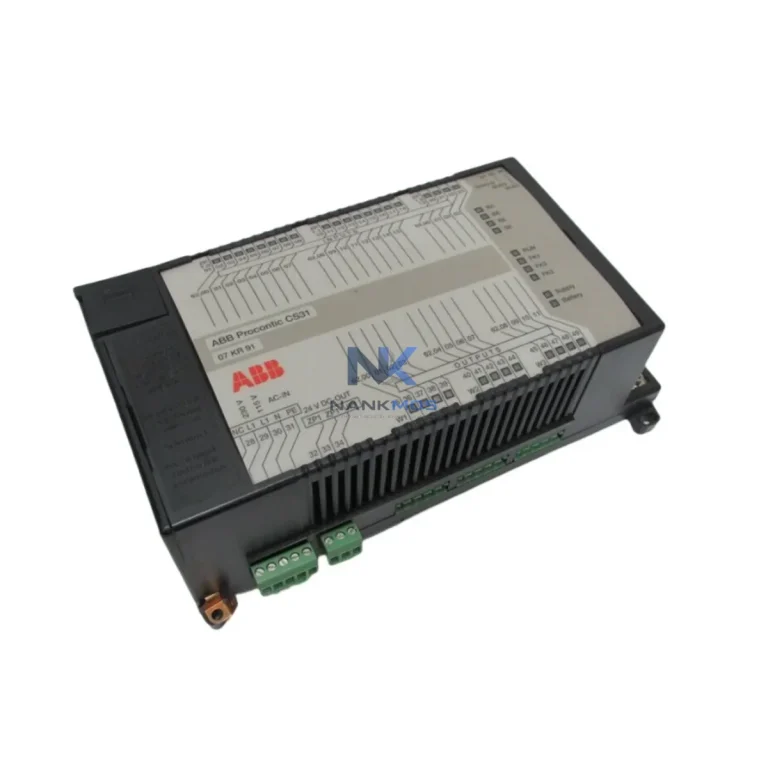
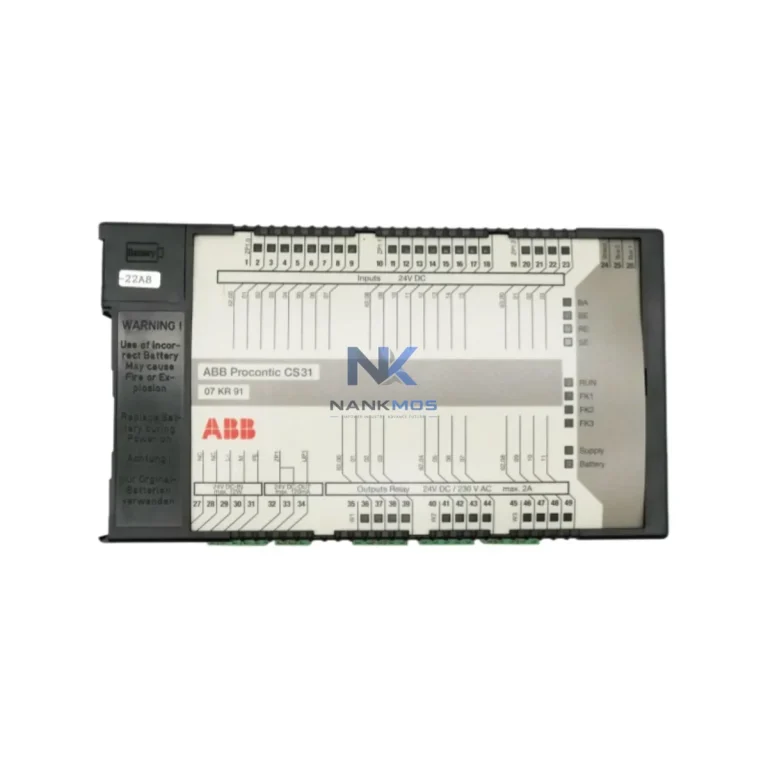
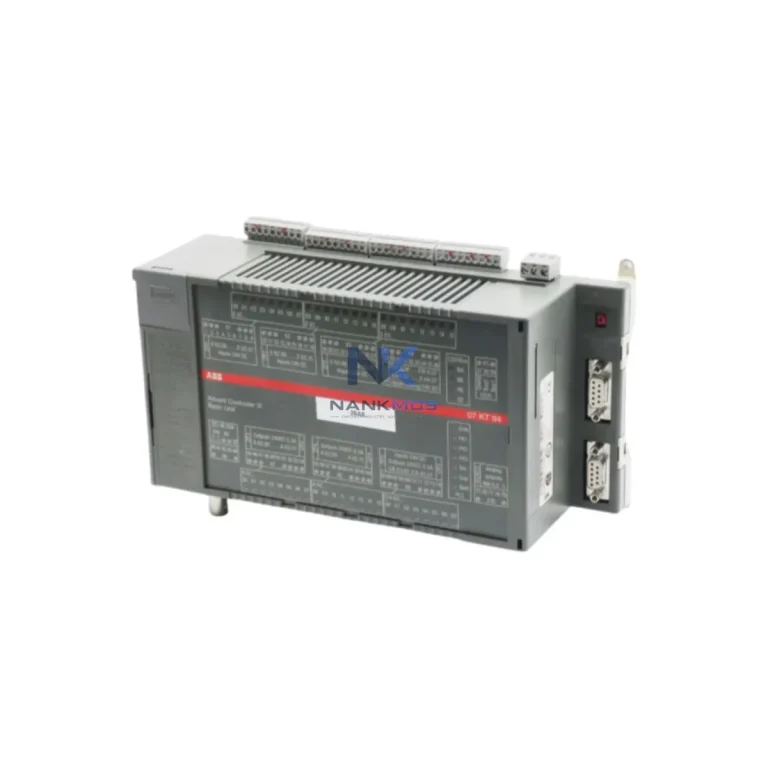
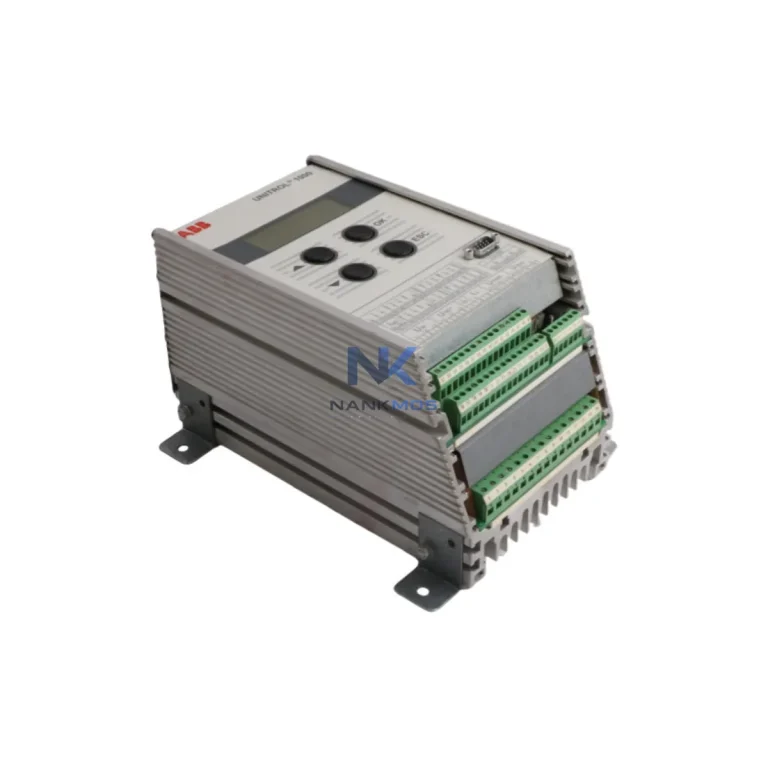
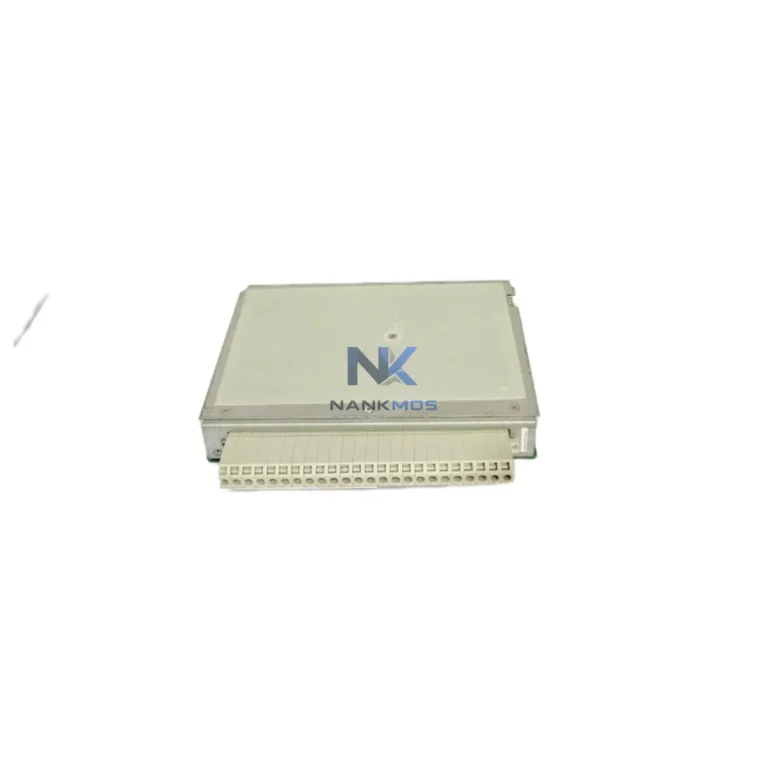
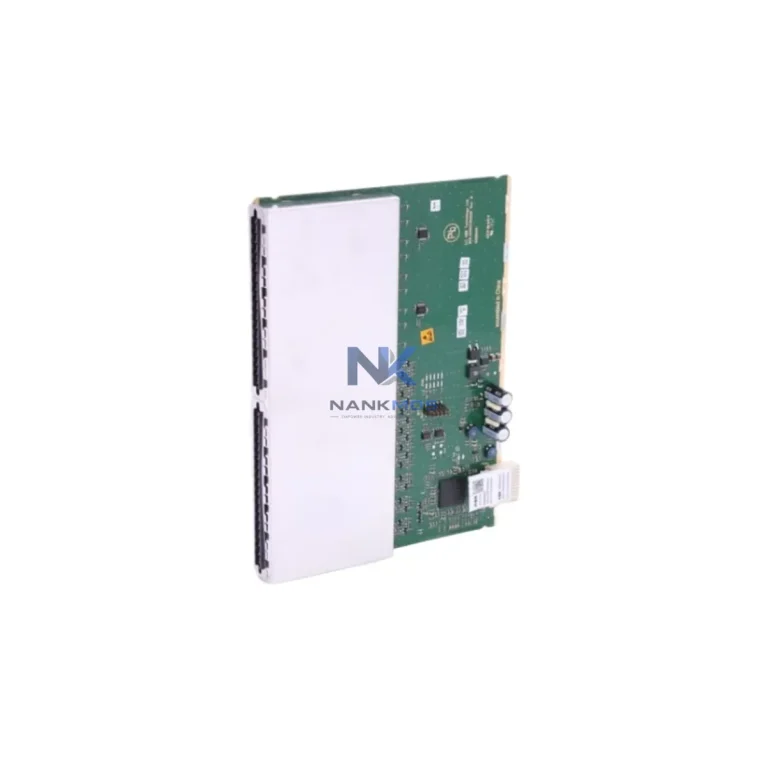
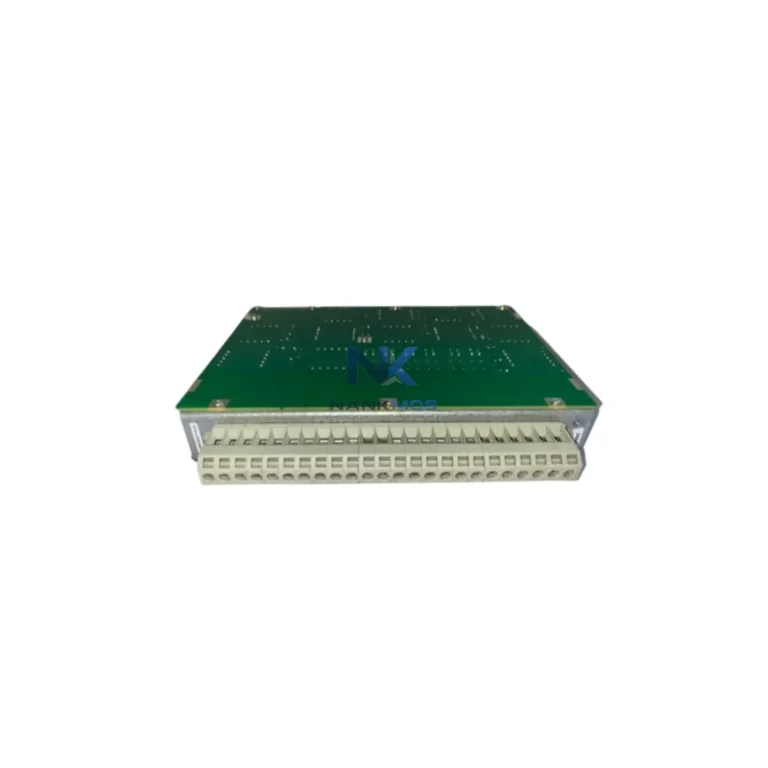
ABB 3AFE64008366/NDBU-95C is a NANKMOS industrial automation product record Listed under S800 series and Business & Industrial > Automation, Control & Flow Devices. Confirm condition, availability, lead time, compatibility and documentation by email inquiry.
Brand names are used for identification only.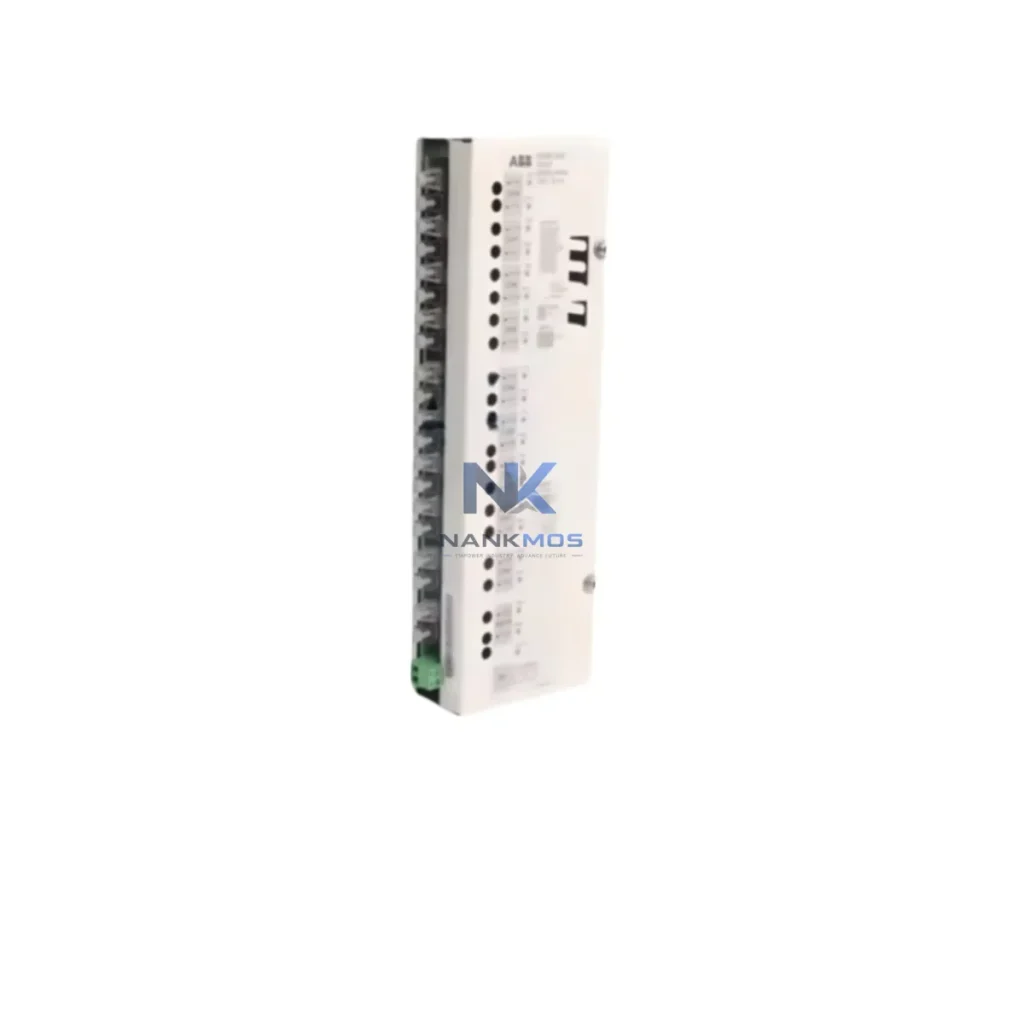
ABB 3AFE64008366/NDBU-95C is a NANKMOS industrial automation product record Listed under S800 series and Business & Industrial > Automation, Control & Flow Devices. Confirm condition, availability, lead time, compatibility and documentation by email inquiry.
| Manufacturer | ABB |
|---|---|
| Application | Industrial Automation Maintenance |
| Part Number / Model | 3AFE64008366/NDBU-95C |
| Compatible System | S800 |
| Series | S800 |
| Condition Options | To Confirm |
| Module Type | Automation, Control & Flow Devices |
| Warranty | 12 Months |
| Packaging | Anti-static Bag / Secure Box |
| Shipping Methods | DHL / FedEx / UPS / Air / Sea |
| Availability | To Confirm |
| Lead Time | To Confirm |
| Documentation | Part number and revision checked before quote |
The ABB NDBU-95C (Part No. 3AFE64008366) is a precision-engineered fiber optic branching unit designed for seamless integration within ABB's NDBU series distributed control and drive communication architecture. As a critical node in the optical signal distribution layer, the NDBU-95C enables high-integrity, noise-immune data transmission between drive controllers, I/O modules, and supervisory systems across demanding industrial environments. Its role extends beyond simple signal routing — it is a structural element that defines the reliability, scalability, and diagnostic transparency of the entire control network.
In modern industrial automation, the communication backbone is as important as the control logic itself. The NDBU-95C addresses this by providing a robust, multi-drop fiber optic branching capability that supports deterministic signal flow between the master controller and multiple drive or I/O nodes. This architecture eliminates electromagnetic interference inherent in copper-based fieldbus topologies, making it the preferred solution for high-voltage environments such as variable speed drive panels, motor control centers, and process automation cabinets.
The NDBU-95C is not a standalone component — it is a system-level enabler. Within a complete ABB drive and control architecture, it functions as the optical hub that connects the master controller to multiple drive units or remote I/O nodes via the DDCS fiber optic protocol. This branching topology is fundamental to scalable, fault-tolerant automation design.
In a typical ACS800 or ACS880 multi-drive system, the NDBU-95C interfaces directly with the RDCO-02 or RDCO-04 fiber optic communication adapter installed in each drive unit. The branching unit receives the optical signal from the AC500 PLC or DCS master and distributes it across the drive network, maintaining synchronization and deterministic latency across all nodes. This is critical in coordinated motion applications such as winder systems, crane drives, and multi-motor process lines.
At the I/O layer, the NDBU-95C supports integration with ABB's AIMA or AINT interface modules, which translate optical DDCS signals into drive-level control commands. When combined with NTAC-02 pulse encoder interface modules or NAIO analog I/O extension boards, the system achieves closed-loop process control with full optical isolation from the power stage — a key requirement in high-voltage drive environments.
For supervisory connectivity, the architecture typically includes an AC500 eCo or AC500-S safety PLC at the control layer, communicating downward through the NDBU-95C branching network and upward to SCADA or DCS platforms via PROFIBUS DP, PROFINET, or Modbus TCP gateways such as the FPBA-01 or FENA-21 adapter modules. This layered communication design ensures that the NDBU-95C sits at the convergence point of drive-level real-time control and plant-level supervisory data exchange.
Power supply integrity for the branching unit and associated drive controllers is maintained through ABB's CP series DIN rail power supplies, which provide regulated 24 VDC to the control and communication layers. In redundant architectures, dual CP-E or CP-S units with diode ORing modules ensure uninterrupted power to the NDBU-95C and connected nodes, supporting continuous operation in critical process environments.
HMI integration is achieved through ABB's CP600 or CP400 operator panels, which connect to the AC500 PLC via Ethernet or serial links, providing real-time visualization of drive status, fiber link health, and process variables distributed across the NDBU-95C network. This end-to-end visibility — from the branching unit's optical signal layer to the HMI display — is the hallmark of a well-engineered ABB automation platform.
Power Generation & Energy: In thermal and hydroelectric power plants, the NDBU-95C supports fiber optic communication between turbine drive controllers and the plant DCS, ensuring noise-immune signal transmission in high-EMI generator hall environments. Its multi-drop topology allows a single master controller to supervise multiple auxiliary drive systems — cooling pumps, fans, and excitation systems — within a unified optical network.
Petrochemical & Oil and Gas: Refinery and upstream processing facilities deploy the NDBU-95C in variable speed drive systems controlling compressors, pumps, and agitators. The optical isolation provided by the branching unit is essential in ATEX-adjacent control cabinet designs where electrical noise from high-power drives must be fully decoupled from the control signal layer.
Water Treatment & Utilities: Municipal water and wastewater treatment plants use the NDBU-95C to connect distributed pump drive systems across large facility footprints. The fiber optic topology eliminates ground loop issues common in long-distance copper fieldbus runs, improving signal integrity and reducing maintenance interventions in outdoor or semi-outdoor installations.
Mining & Minerals Processing: In conveyor drive systems, ball mill drives, and hoisting applications, the NDBU-95C enables coordinated multi-drive control with the fault isolation and diagnostic transparency required for continuous operation. Its compatibility with ACS880 industrial drives makes it a standard component in ABB's mining automation reference architectures.
Marine & Offshore: Vessel propulsion and thruster control systems based on ABB's marine drive platforms utilize the NDBU-95C for optical communication between the drive control units and the vessel automation system. The immunity to shipboard EMI and vibration makes it well-suited for engine room and thruster room installations.
Packaging & Converting: High-speed packaging lines with coordinated servo and variable speed drives rely on the NDBU-95C to maintain synchronization across multiple drive axes. The deterministic optical communication ensures that speed references and torque commands are delivered with consistent latency, supporting precise product handling and registration control.
Q1: Is the NDBU-95C compatible with both ACS800 and ACS880 drive platforms, and can it be used in mixed-generation architectures? The NDBU-95C is designed for ABB's DDCS fiber optic communication protocol, which is natively supported by ACS800 series drives equipped with RDCO communication adapters. ACS880 drives with RDCO-04 or compatible optical adapters can also participate in NDBU-95C branching networks. In mixed-generation architectures, compatibility depends on the firmware version and adapter configuration of each drive node. We recommend verifying the DDCS channel assignments and optical power budget for each branch before commissioning. Our technical team can assist with architecture validation prior to shipment.
Q2: What is the maximum number of drive nodes that can be connected to a single NDBU-95C, and how does this affect system latency and diagnostic capability? The NDBU-95C supports a defined number of optical branches per unit (refer to ABB documentation 3AFE64008366 for channel count). In ring topologies, the DDCS protocol supports fault detection and automatic reconfiguration, which maintains communication continuity if a single node or fiber segment fails. Latency is deterministic and scales predictably with node count within the specified limits. For large drive networks, multiple NDBU-95C units can be cascaded or used in parallel to extend the architecture without compromising cycle time or diagnostic resolution.
Q3: What warranty and supply assurance does NANKMOS provide for the NDBU-95C, and is pre-shipment testing included? All NDBU-95C units supplied by NANKMOS carry a 12-Month Warranty covering manufacturing defects and functional performance. Each unit undergoes pre-shipment functional testing to verify optical channel integrity and communication protocol compliance before dispatch. In-stock units are available for immediate shipment, supporting urgent maintenance and project timelines. For volume procurement or long-term supply agreements, please contact our team at [email protected] or +86 18359268345 to discuss availability, lead times, and technical support arrangements.
Functional Inspection100% tested on professional platforms to ensure stable performance.
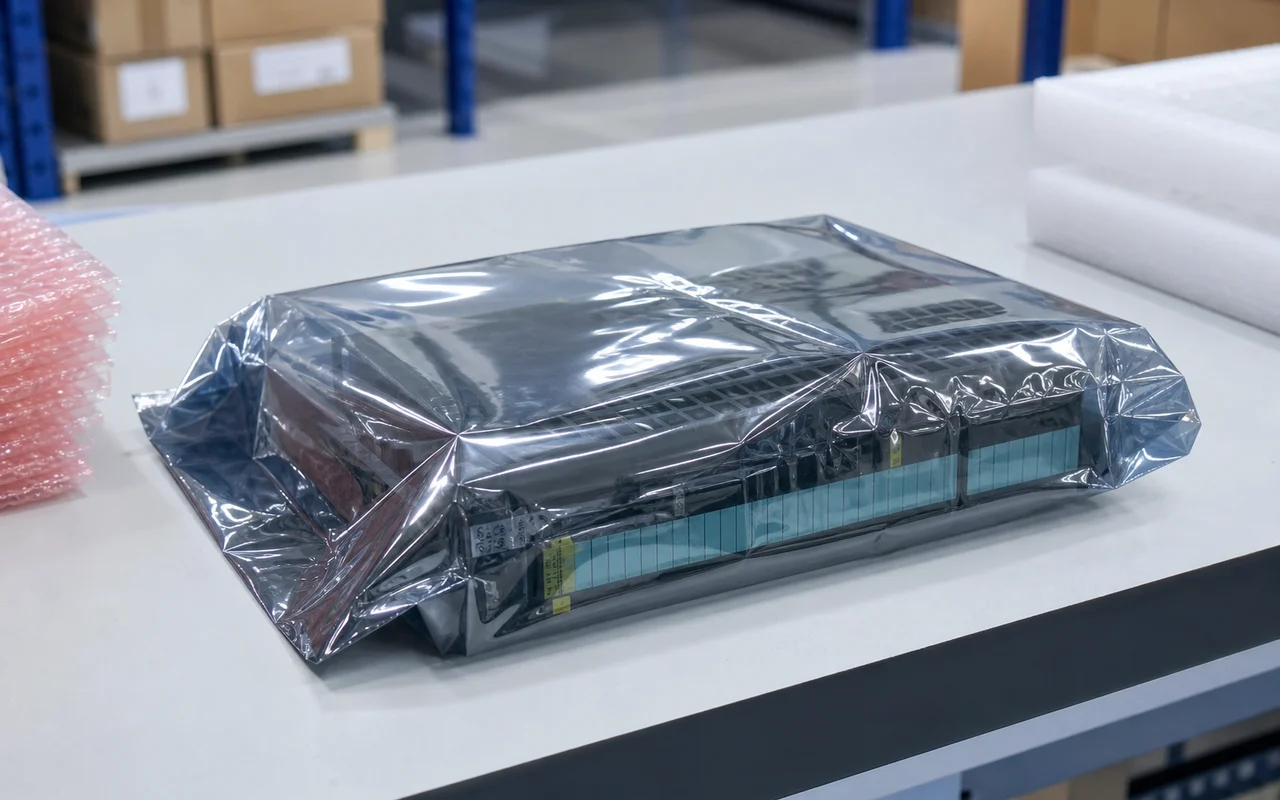 Anti-static Packaging
Modules are packed in anti-static bags to prevent electrostatic damage.
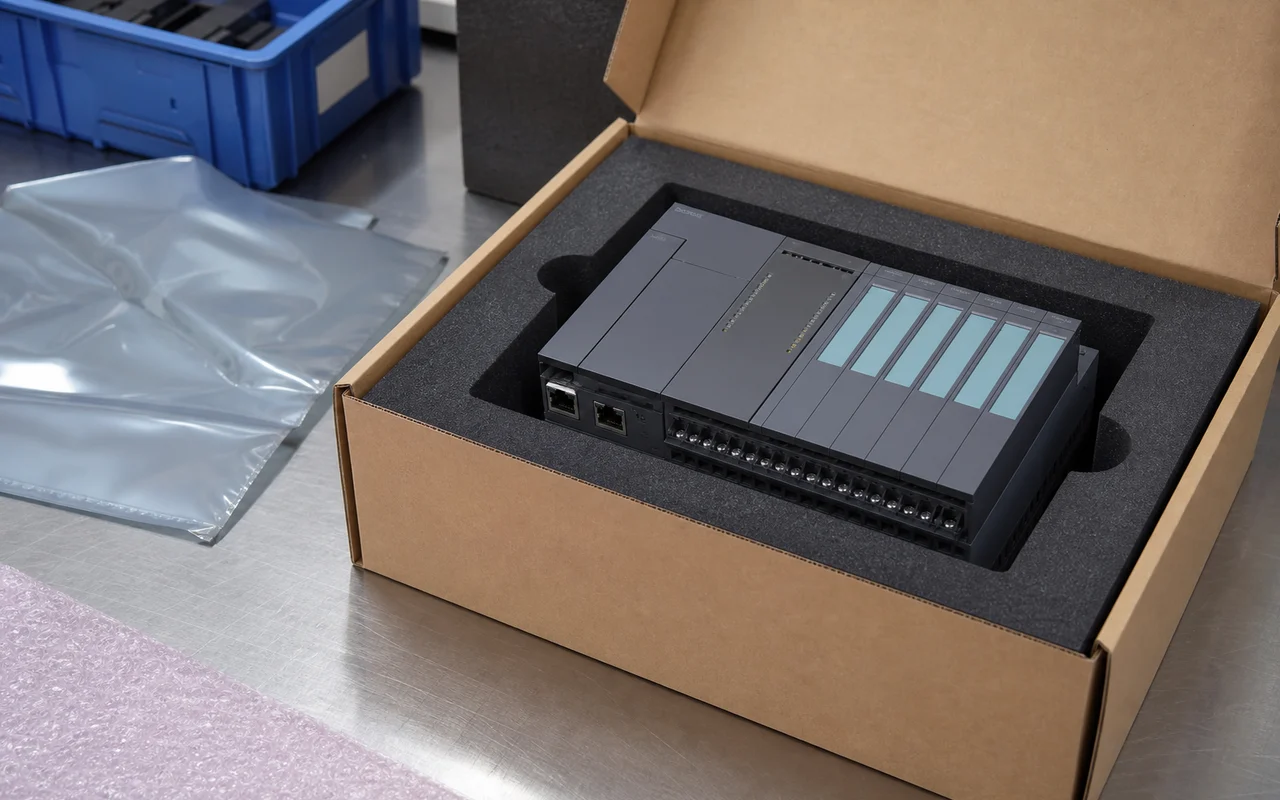 Secure Export Packing
Cushion protection and strong cartons ensure safe transportation.
 Worldwide Shipping
Global logistics network supports air, sea and express delivery.
 Documentation Check
Part number, revision and compatibility verified before shipment.
 After-sales Support
Professional technical support to help resolve your issues.