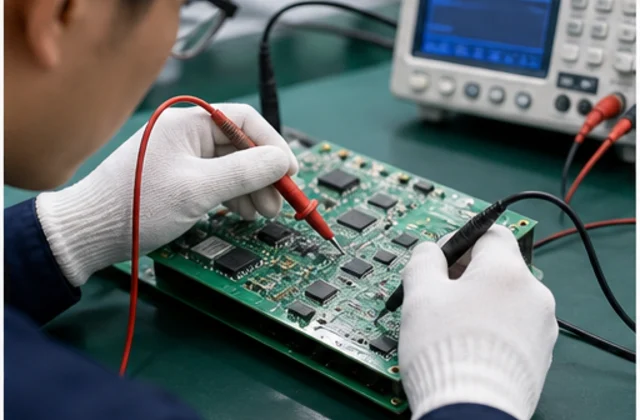
 Functional Inspection
100% tested on professional platforms to ensure stable performance.
ABB 3AUA0000035408P/RMIO-11C is a NANKMOS industrial automation product record Listed under S800 series and Drives. Confirm condition, availability, lead time, compatibility and documentation by email inquiry.
Brand names are used for identification only.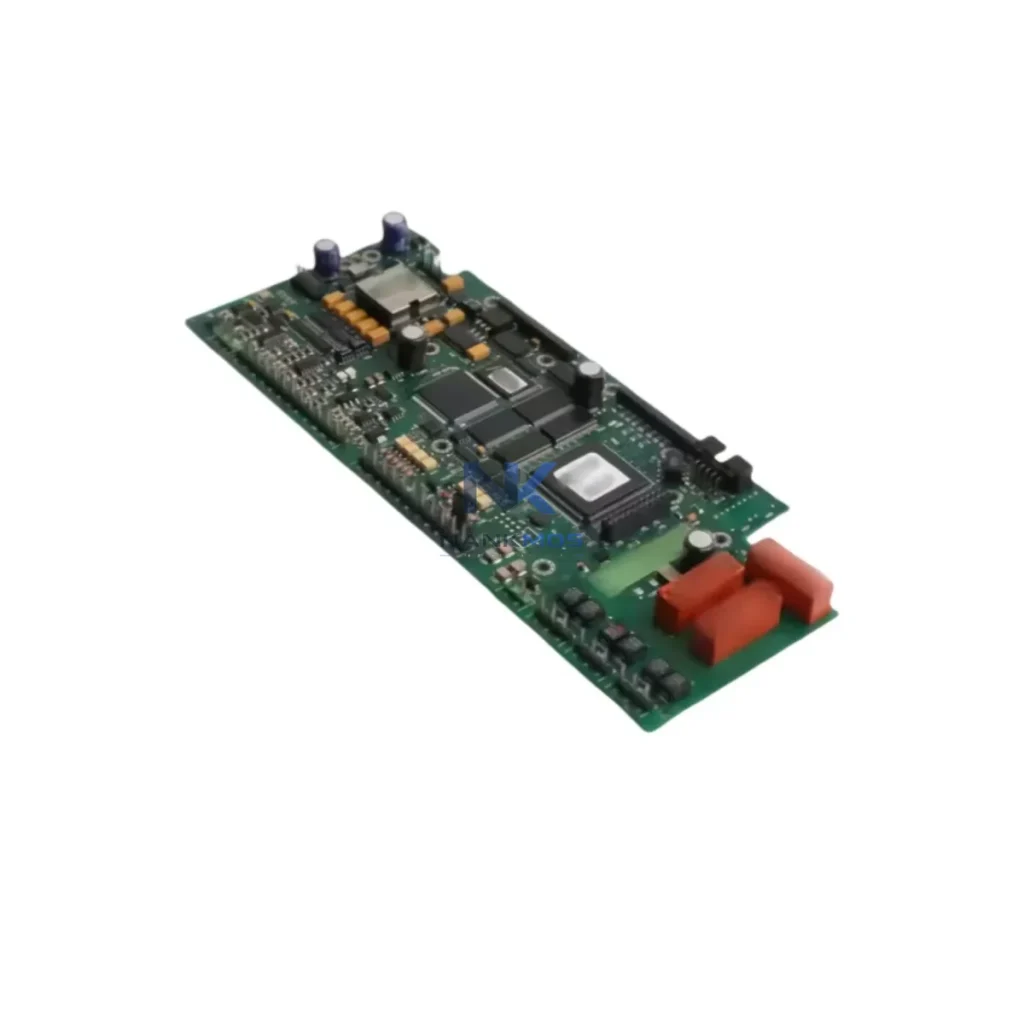
ABB 3AUA0000035408P/RMIO-11C is a NANKMOS industrial automation product record Listed under S800 series and Drives. Confirm condition, availability, lead time, compatibility and documentation by email inquiry.
| Manufacturer | ABB |
|---|---|
| Application | Motion Control & Drive System |
| Part Number / Model | 3AUA0000035408P/RMIO-11C |
| Compatible System | S800 |
| Series | S800 |
| Condition Options | To Confirm |
| Module Type | Servo / Drive Module |
| Warranty | 12 Months |
| Packaging | Anti-static Bag / Secure Box |
| Shipping Methods | DHL / FedEx / UPS / Air / Sea |
| Availability | To Confirm |
| Lead Time | To Confirm |
| Documentation | Part number and revision checked before quote |
The ABB 3AUA0000035408P, commonly identified by its board designation RMIO-11C, is the main control interface board engineered specifically for the ACS800 series of industrial AC drives. As the central intelligence layer of the ACS800 drive platform, the RMIO-11C governs motor flux, torque reference, speed feedback, and I/O signal routing — making it a foundational component in energy-efficient motor control architectures across power generation, petrochemical processing, water treatment, and heavy manufacturing environments.
In modern smart production lines, energy waste is most often traced back to uncontrolled motor loading, poor speed regulation, and reactive power imbalance. The RMIO-11C addresses these root causes by providing the ACS800 drive with the computational and signal-processing backbone needed to execute Direct Torque Control (DTC) — ABB's proprietary algorithm that eliminates the need for encoder feedback while delivering sub-millisecond torque response. The result is a measurable reduction in motor energy consumption, lower thermal stress on windings, and extended equipment service intervals.
The RMIO-11C does not operate in isolation — its value is fully realized when integrated into a coordinated automation architecture. In a typical smart factory deployment, the ACS800 drive equipped with this control board receives speed and torque references from a Siemens S7-1500 PLC or Allen-Bradley ControlLogix controller via a PROFIBUS-DP network, using the RPBA-01 fieldbus adapter mounted on the RMIO-11C's option slot. This eliminates analog signal degradation and allows the PLC to implement energy-aware load scheduling — ramping motor speed during off-peak production windows and reducing it during idle conveyor segments.
For facilities running Modbus TCP or EtherNet/IP backbones, the RETA-01 Ethernet adapter pairs directly with the RMIO-11C to bridge the ACS800 into SCADA systems such as ABB System 800xA or Wonderware InTouch, enabling real-time power consumption monitoring at the drive level. Power monitoring modules such as the ABB M2M energy meter or Schneider Electric PowerLogic ION series can be deployed alongside the drive to capture kWh data per motor circuit, feeding dashboards that identify inefficient load profiles.
On the I/O side, the RMIO-11C's six programmable digital inputs accept signals from proximity sensors, pressure transmitters, and flow meters — allowing the drive to modulate pump or fan speed in direct response to process demand rather than running at fixed setpoints. This demand-driven control strategy, often implemented alongside a Siemens ET 200SP distributed I/O station or a Beckhoff EK1100 EtherCAT coupler, is one of the most effective methods for reducing parasitic energy consumption in HVAC, water treatment, and cooling tower applications.
The RMIO-11C also supports integration with ABB's DriveAP application programming environment, enabling custom logic blocks for energy optimization routines — such as sleep-mode activation during zero-demand periods, soft-start sequencing to limit inrush current, and coordinated braking energy recovery when paired with a common DC bus configuration in multi-drive ACS800 cabinets. HMI panels such as the ABB CP600 or Siemens KTP700 Basic can display real-time drive status, output frequency, and energy counters sourced directly from the RMIO-11C's parameter set via the drive's panel bus.
Production line energy efficiency depends on the ability to match motor output precisely to mechanical load demand at every stage of the process cycle. The RMIO-11C enables this by giving the ACS800 drive the signal resolution and processing speed to respond to load transients within milliseconds — preventing the energy spikes that occur when conventional drives over-compensate for sudden load changes.
In conveyor and material handling applications, the RMIO-11C's analog output channels provide real-time speed and torque feedback to upstream PLC logic, allowing the control system to synchronize belt speeds across multiple drive zones and eliminate the micro-stoppages that disrupt production rhythm and waste energy through repeated acceleration cycles. In pump and compressor stations, the board's process PID control capability — executed natively within the ACS800 firmware — removes the need for an external PID controller, reducing panel complexity and improving response latency.
Thermal load management is another area where the RMIO-11C delivers measurable gains. By maintaining precise motor flux at partial loads — a capability unique to DTC — the board prevents the excess heat generation that occurs when V/Hz drives over-flux motors during light-load operation. Lower motor operating temperatures translate directly into reduced cooling energy demand, longer bearing and winding life, and fewer unplanned maintenance shutdowns. Predictive maintenance strategies benefit from the RMIO-11C's ability to log running hours, fault history, and thermal model data, which can be exported to a CMMS or asset management platform via the SCADA integration layer.
For facilities pursuing ISO 50001 energy management certification or internal carbon reduction targets, the RMIO-11C provides the granular, drive-level energy data needed to establish consumption baselines, validate efficiency improvements, and demonstrate measurable reductions in motor system energy use — which typically accounts for 60–70% of total industrial electricity consumption.
Q1: What measurable energy savings can be expected when replacing a failed or degraded RMIO-11C with a new 3AUA0000035408P board? A: A correctly functioning RMIO-11C restores the ACS800's full DTC capability, which ABB documents as delivering 1–3% higher motor efficiency compared to standard V/Hz control under partial load conditions. In pump and fan applications with variable torque loads, the combined effect of accurate speed control and elimination of over-fluxing can reduce motor system energy consumption by 20–40% compared to fixed-speed operation. Restoring a degraded board to specification ensures these savings are not eroded by control instability or fault-induced speed derating.
Q2: Is the 3AUA0000035408P compatible with all ACS800 hardware variants, and can it replace earlier RMIO board revisions? A: The RMIO-11C is designed for the ACS800 single-drive and multi-drive cabinet platforms. Compatibility with specific drive frame sizes and firmware versions should be verified against the ACS800 hardware manual (3AFE64527592). In most cases, the RMIO-11C is a direct replacement for earlier RMIO-01 and RMIO-11 revisions, provided the drive firmware is updated to a compatible version. Our technical team can assist with cross-reference verification prior to order confirmation.
Q3: What is the pre-shipment testing process, and how does it ensure the board will perform correctly in a live drive? A: Every 3AUA0000035408P unit dispatched by NANKMOS undergoes a structured pre-shipment test protocol that includes power-on verification, I/O signal continuity checks, DDCS fiber-optic port integrity testing, and visual inspection for component damage or corrosion. Boards that do not pass all test criteria are quarantined and not dispatched. Test records are retained and can be provided upon request for quality assurance documentation purposes.
Q4: What does the 12-month warranty cover, and what is the process for a warranty claim? A: The 12-month warranty covers manufacturing defects, component failure under normal operating conditions, and any fault directly attributable to the board's internal circuitry. It does not cover damage resulting from incorrect installation, overvoltage events, or operation outside the specified environmental ratings. To initiate a warranty claim, contact NANKMOS at [email protected] with the order reference, a description of the fault symptom, and any available drive fault log data. Replacement or repair will be arranged within the warranty period at no additional cost.
Functional Inspection100% tested on professional platforms to ensure stable performance.
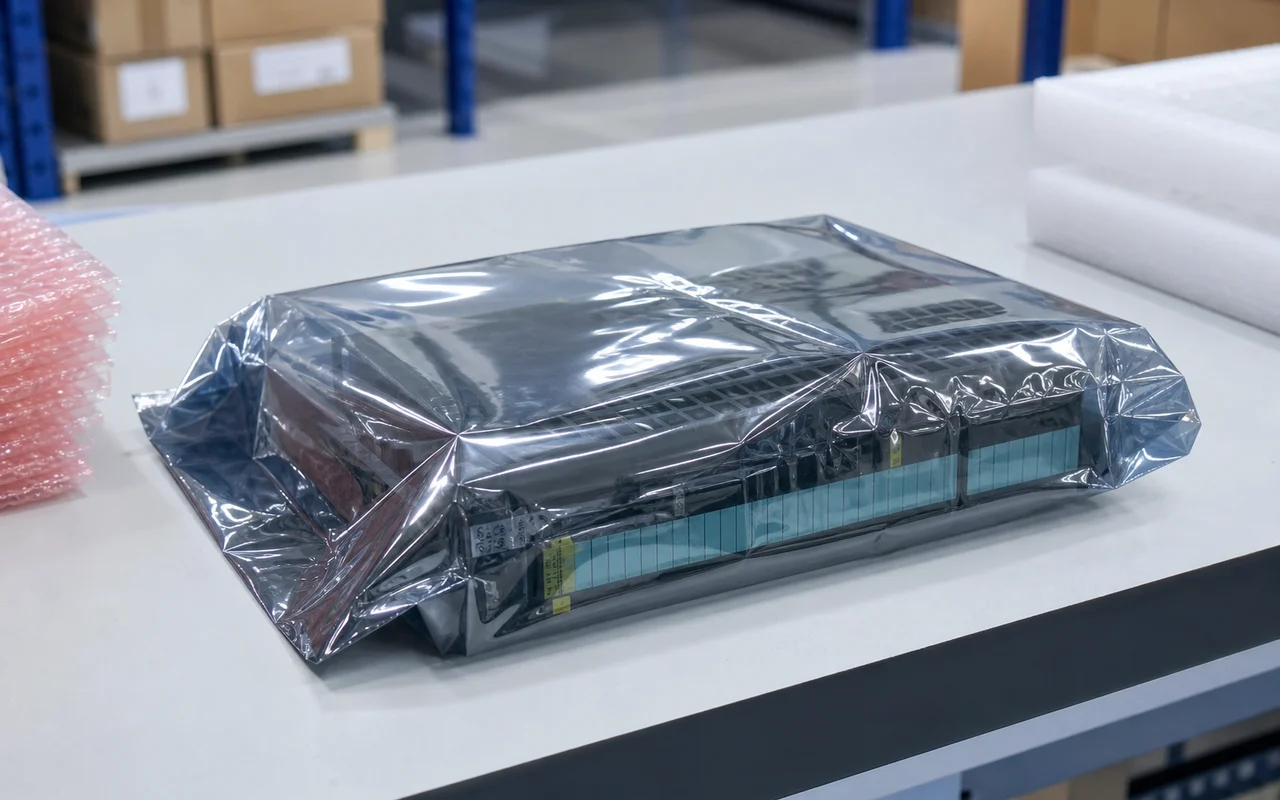 Anti-static Packaging
Modules are packed in anti-static bags to prevent electrostatic damage.
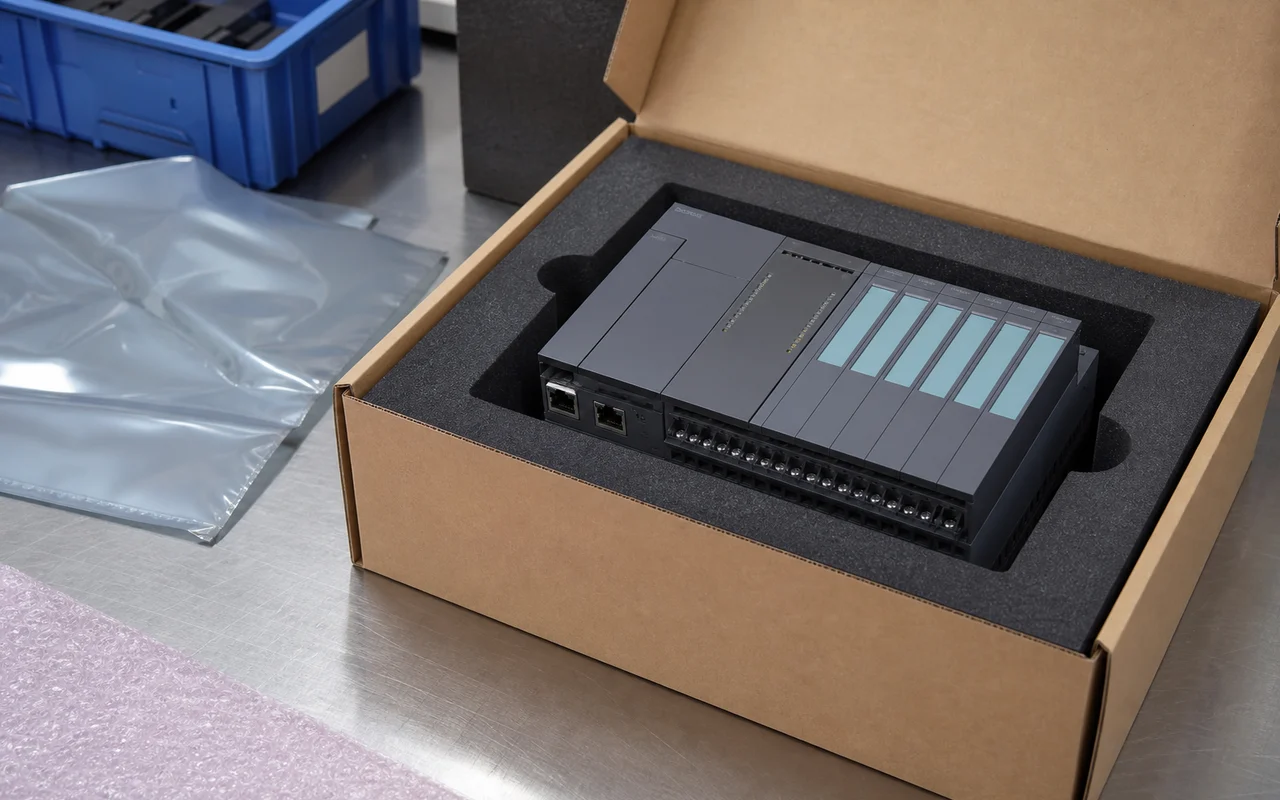 Secure Export Packing
Cushion protection and strong cartons ensure safe transportation.
 Worldwide Shipping
Global logistics network supports air, sea and express delivery.
 Documentation Check
Part number, revision and compatibility verified before shipment.
 After-sales Support
Professional technical support to help resolve your issues.