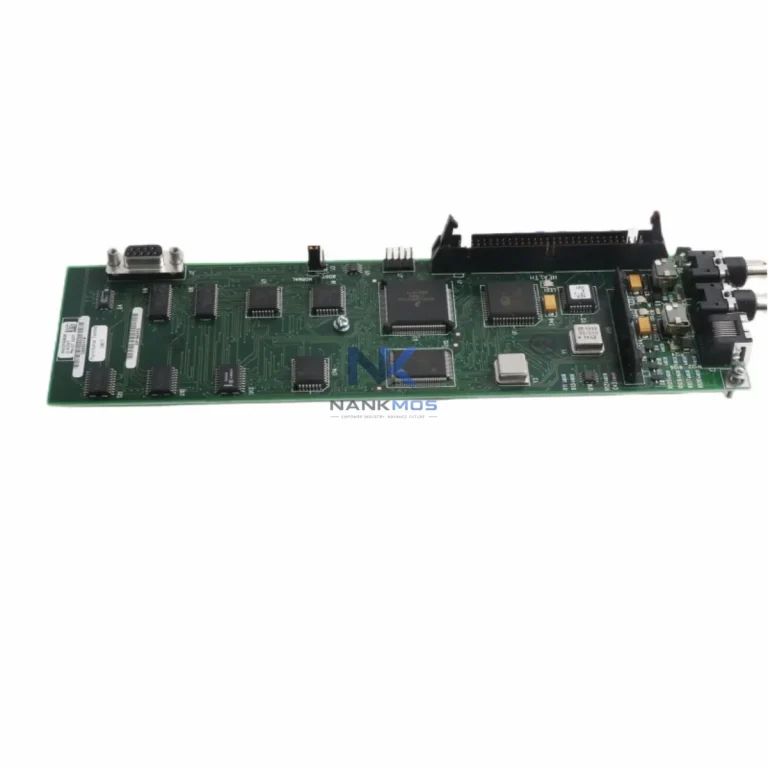
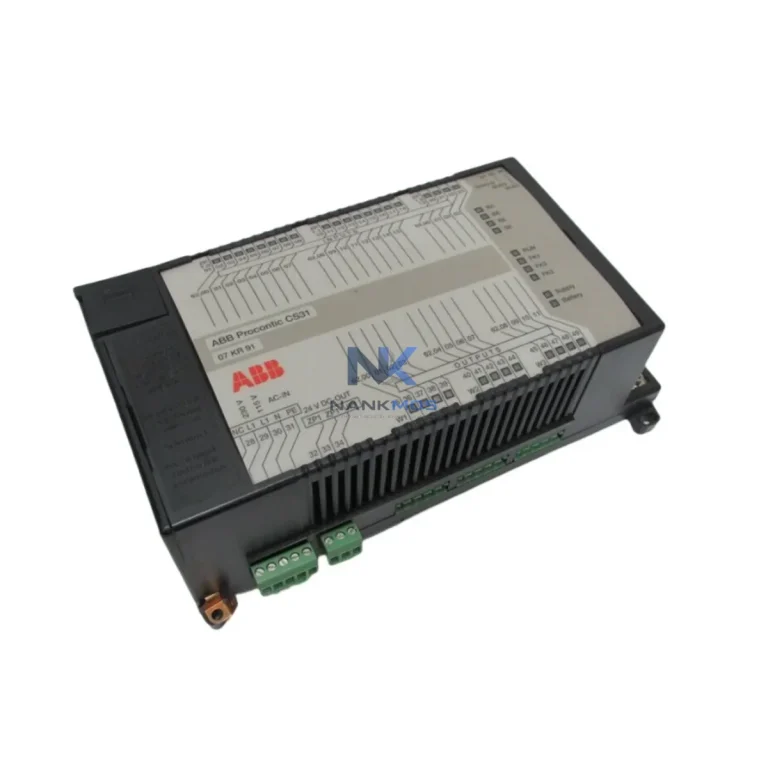
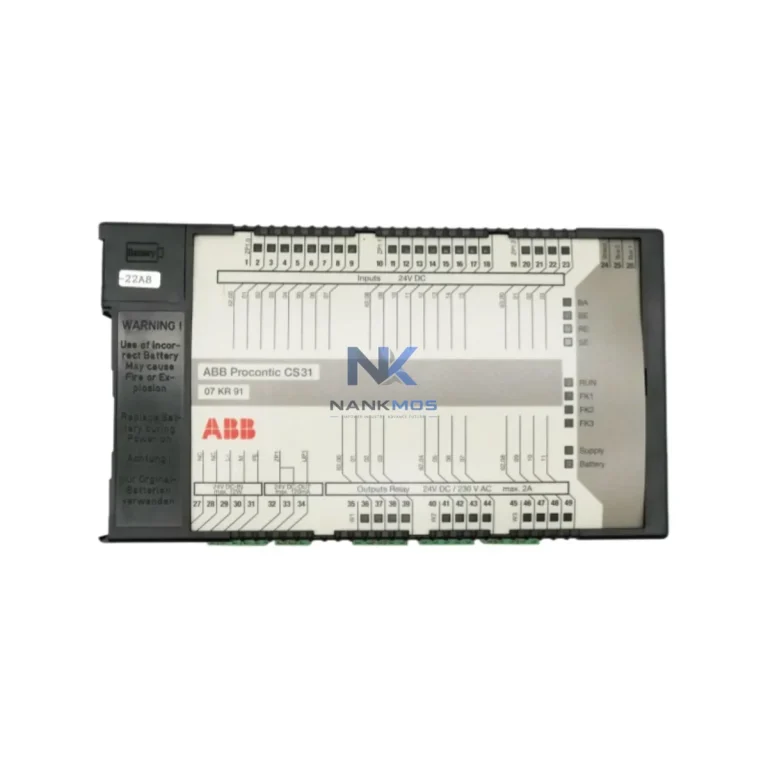
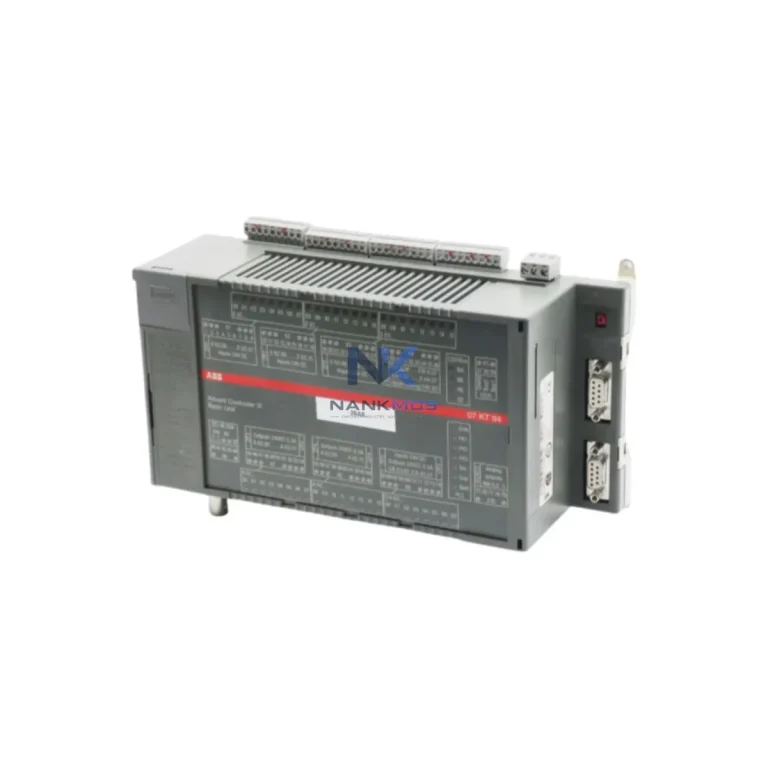
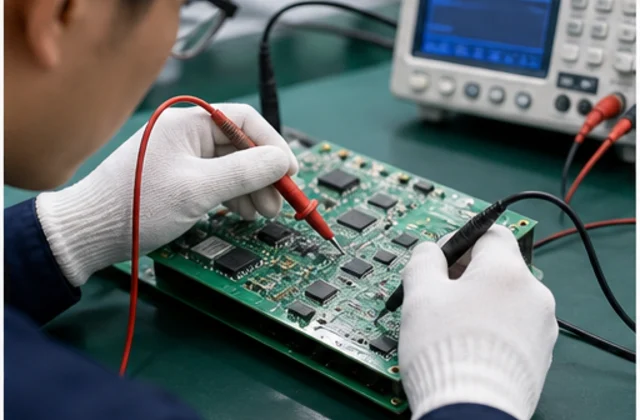
 Functional Inspection
100% tested on professional platforms to ensure stable performance.
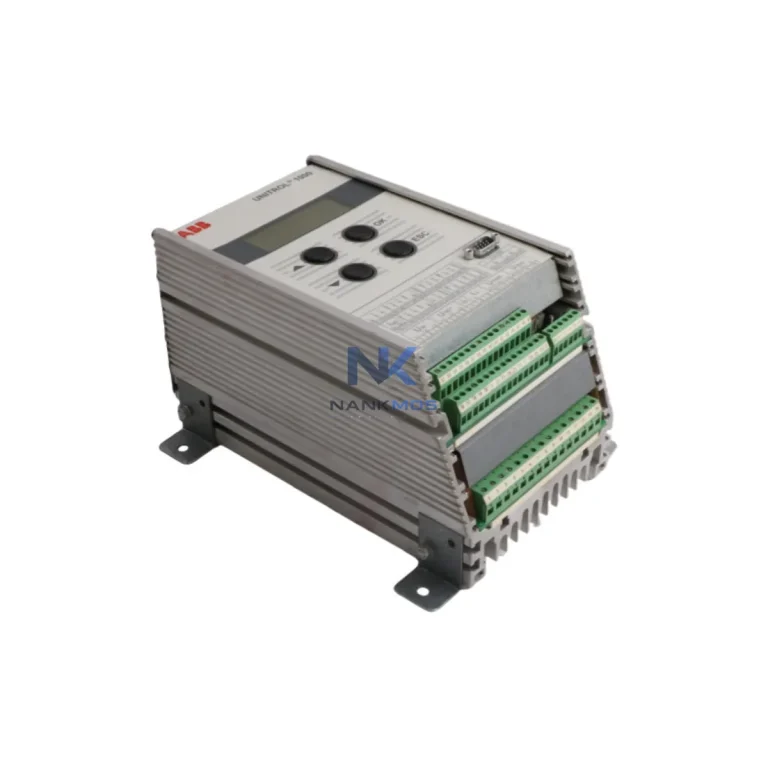
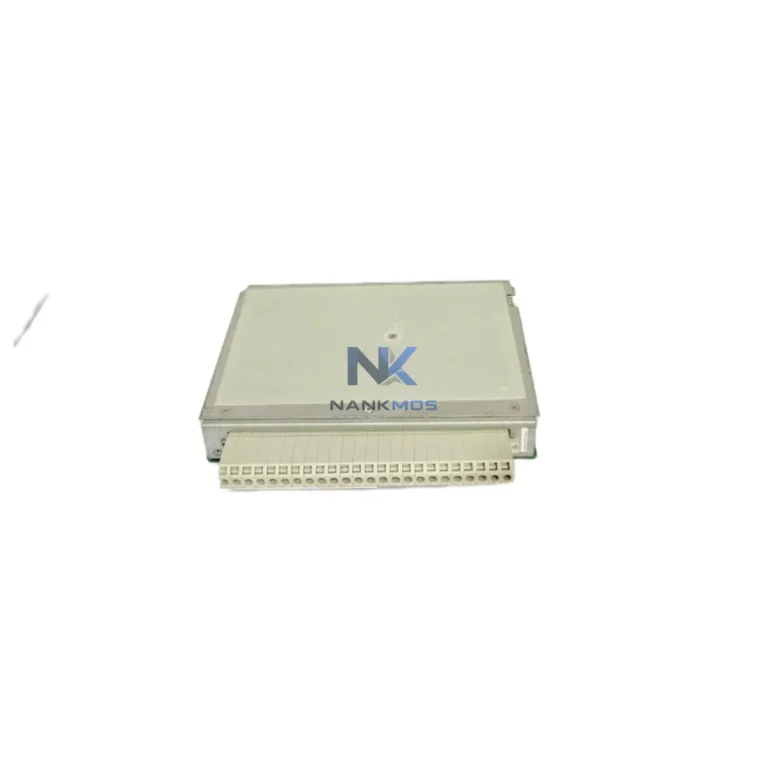
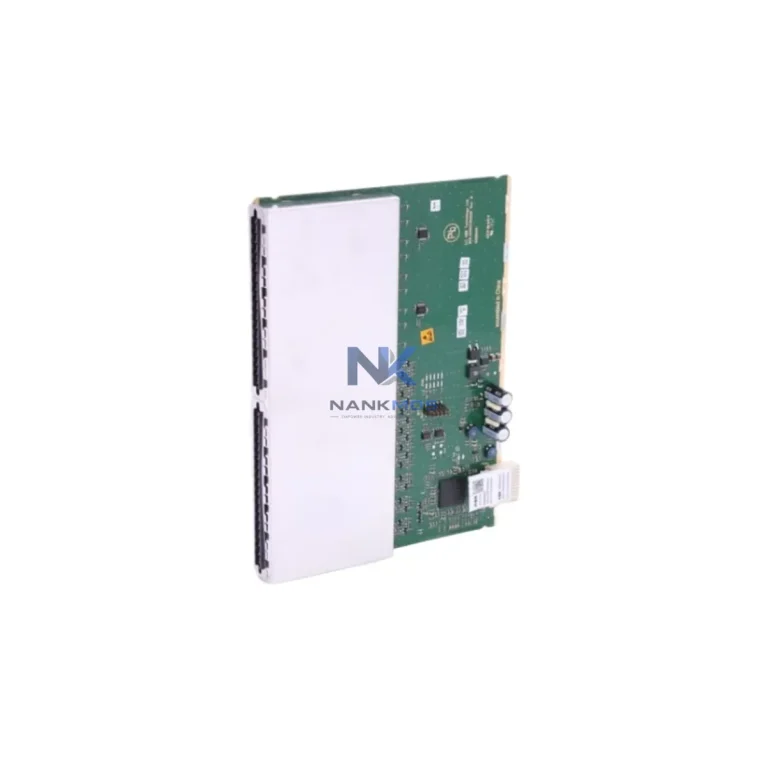
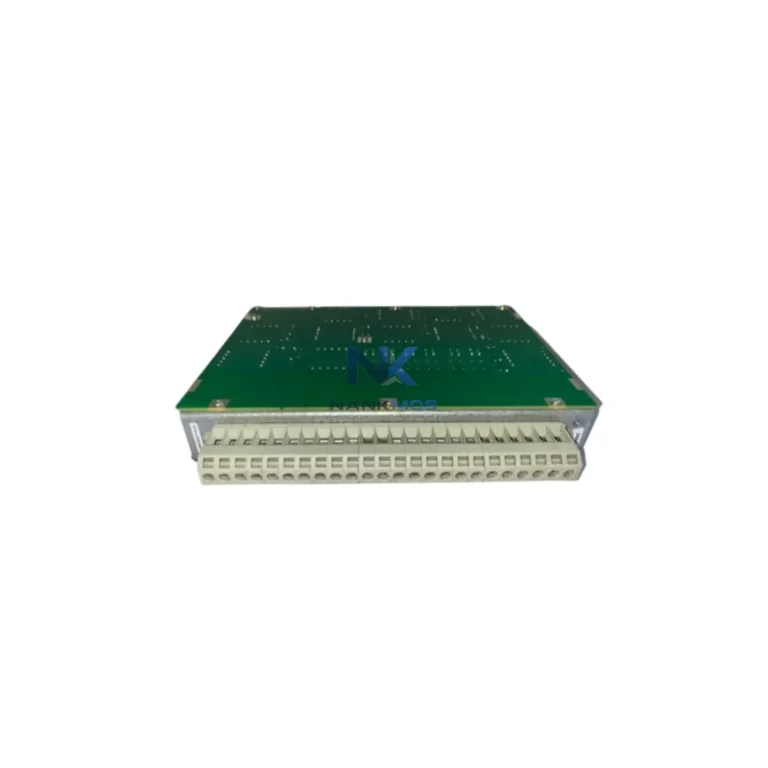
ABB 3HAC021731-001 is a NANKMOS industrial automation product record Listed under IRC5 series and Business & Industrial > Automation, Control & Flow Devices. Confirm condition, availability, lead time, compatibility and documentation by email inquiry.
Brand names are used for identification only.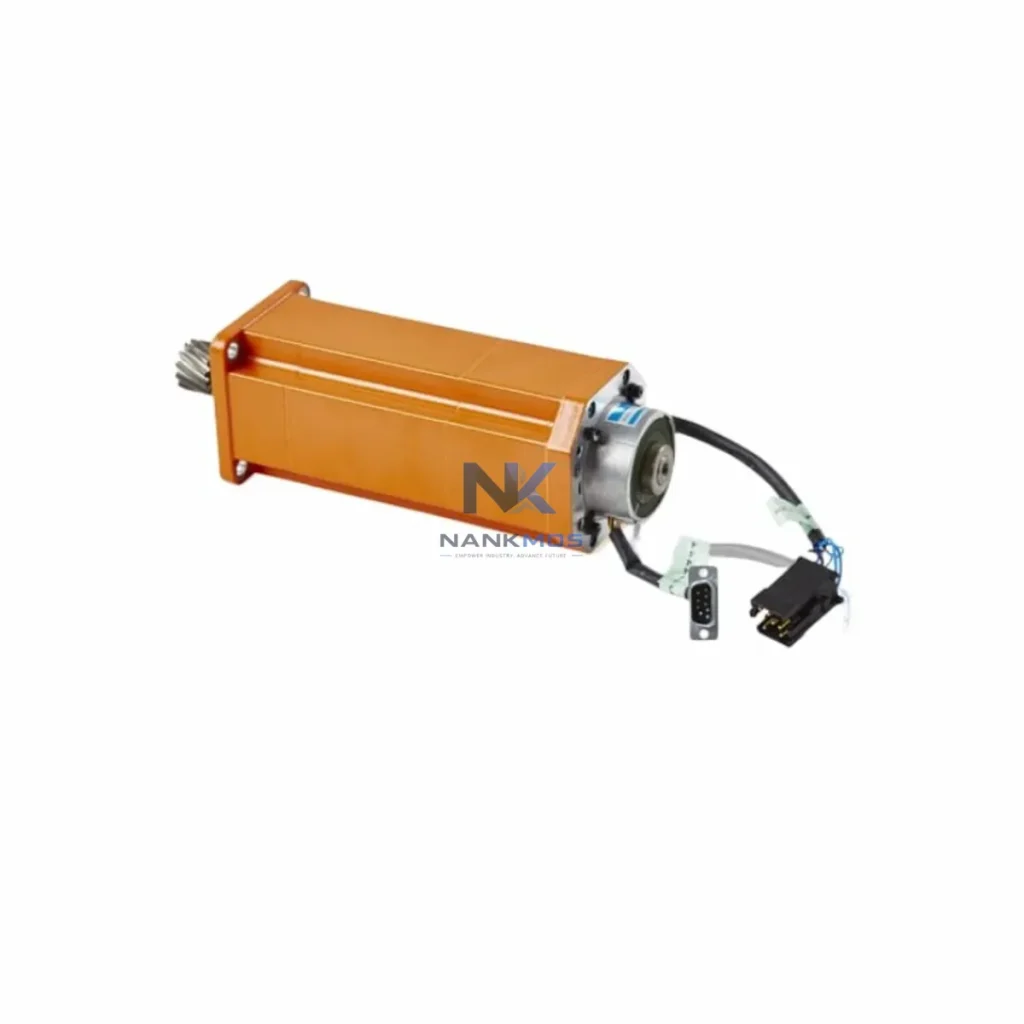
ABB 3HAC021731-001 is a NANKMOS industrial automation product record Listed under IRC5 series and Business & Industrial > Automation, Control & Flow Devices. Confirm condition, availability, lead time, compatibility and documentation by email inquiry.
| Manufacturer | ABB |
|---|---|
| Application | Motion Control & Drive System |
| Part Number / Model | 3HAC021731-001 |
| Compatible System | IRC5 |
| Series | IRC5 |
| Condition Options | To Confirm |
| Module Type | Servo / Drive Module |
| Warranty | 12 Months |
| Packaging | Anti-static Bag / Secure Box |
| Shipping Methods | DHL / FedEx / UPS / Air / Sea |
| Availability | To Confirm |
| Lead Time | To Confirm |
| Documentation | Part number and revision checked before quote |
The ABB 3HAC021731-001 is a precision industrial servo motor engineered for ABB IRB robot series applications, delivering high-torque, low-latency motion control across demanding smart factory environments. Designed to operate within ABB's integrated robotics and automation ecosystem, this servo motor serves as a critical actuator node in the factory data chain — bridging mechanical motion with real-time digital feedback, network-based diagnostics, and SCADA-level visibility. Whether deployed in automotive assembly, electronics manufacturing, or precision logistics, the 3HAC021731-001 enables seamless data flow from the physical layer to the supervisory control layer, supporting the full lifecycle of connected factory operations.
In modern industrial networks, servo motors are no longer isolated mechanical components. The ABB 3HAC021731-001 integrates directly with ABB IRC5 robot controllers and ABB RobotWare software platforms, enabling closed-loop position, velocity, and torque feedback over high-speed communication backbones. This positions the motor as an active participant in the factory data architecture — not merely an actuator, but a real-time data source feeding into motion analytics, predictive maintenance pipelines, and OEE dashboards.
The ABB 3HAC021731-001 servo motor sits at the heart of a multi-layer industrial data flow architecture. At the field level, the motor's resolver or encoder feedback continuously streams position and velocity data to the ABB IRC5 robot controller, which processes motion commands in real time via the RAPID motion execution engine. This closed-loop signal path ensures sub-millisecond response times critical for precision robotic tasks such as arc welding, component insertion, and high-speed palletizing.
From the IRC5 controller, motion state data is aggregated and passed upstream through the plant network. Using an ABB DSQC 688 EtherNet/IP communication board or an ABB DSQC 378B DeviceNet master module, the robot cell connects to the facility's industrial Ethernet backbone — typically a managed industrial switch such as the Hirschmann RS20 or Cisco IE3400 series — ensuring deterministic, low-jitter data transmission across the production floor. This network layer carries both control commands and diagnostic telemetry, enabling real-time monitoring of motor load, temperature, and cycle counts from a central SCADA workstation.
At the supervisory layer, platforms such as ABB Ability Smart Sensor, Ignition by Inductive Automation, or Siemens WinCC aggregate servo motor performance data alongside signals from remote I/O modules, variable frequency drives (VFDs), and distributed sensor arrays. For example, a Beckhoff EK1100 EtherCAT coupler or a Phoenix Contact Axioline remote I/O station may collect environmental sensor data from the robot cell perimeter, feeding it into the same data pipeline as the 3HAC021731-001's motion telemetry. This unified data stream enables operators to correlate mechanical performance with environmental conditions — a key capability for predictive maintenance and OEE optimization.
Edge computing nodes — such as an ABB Edge Controller or a Moxa UC-8112 industrial computer — can pre-process servo motor data locally before forwarding aggregated metrics to cloud-based MES or ERP systems via OPC UA or MQTT protocols. This edge-to-cloud architecture reduces network latency, ensures data continuity during WAN interruptions, and supports real-time alarm escalation when motor parameters exceed defined thresholds. Alarm events generated by the IRC5 controller are routed through the SCADA gateway to operator HMI panels — such as ABB CP600 series or Siemens TP1200 Comfort — providing immediate visual and audible alerts on the production floor.
For multi-robot cells, the 3HAC021731-001 operates in coordinated motion sequences managed by ABB MultiMove technology, where multiple IRC5 controllers synchronize servo motor commands across robot arms sharing a common workspace. This coordination layer relies on high-bandwidth, low-latency Ethernet communication between controllers, further underscoring the importance of a robust industrial network infrastructure supporting the servo motor's operational environment.
Protocol Fragmentation: Many production sites operate mixed automation environments where ABB IRC5 robot controllers must coexist with Siemens S7-300/400 PLCs, Mitsubishi MELSEC systems, or Omron NJ/NX controllers. The 3HAC021731-001, operating within the IRC5 ecosystem, supports protocol bridging via ABB's DSQC communication modules — enabling DeviceNet, PROFIBUS-DP, and EtherNet/IP connectivity that allows the robot cell to participate in heterogeneous plant networks without requiring proprietary gateways or custom middleware.
Data Silos and Production Transparency: In facilities where robot motion data remains isolated within the robot controller and never reaches the MES or SCADA layer, the 3HAC021731-001's integration with ABB Ability and OPC UA-capable edge gateways breaks down these silos. Servo motor cycle data, fault logs, and maintenance counters become accessible to plant-wide analytics platforms, enabling production managers to track robot utilization rates, identify bottleneck stations, and schedule preventive maintenance based on actual motor wear data rather than fixed time intervals.
Remote Monitoring and Diagnostics: For facilities with distributed robot installations across multiple buildings or geographically separated plants, remote diagnostics capability is essential. The IRC5 controller's built-in web server and ABB Remote Service platform allow authorized engineers to access 3HAC021731-001 motor status, error logs, and motion traces remotely — reducing the need for on-site service visits and accelerating fault resolution. Combined with a secure industrial VPN router such as the Moxa EDR-810 or Cisco IR1101, remote diagnostic sessions can be conducted safely without exposing the plant network to external threats.
Alarm Traceability and Escalation: Untracked alarms are a persistent challenge in high-throughput robot cells. By integrating the IRC5 controller's alarm output with a SCADA historian — such as OSIsoft PI or Wonderware Historian — every motor fault event generated by the 3HAC021731-001 is timestamped, logged, and correlated with production batch records. This alarm traceability supports root cause analysis, regulatory compliance reporting, and continuous improvement initiatives across the smart factory.
System Scalability: As production demands grow, the 3HAC021731-001's compatibility with ABB's modular IRC5 controller architecture allows robot cells to be expanded with additional axes, external servo drives, or coordinated motion groups without replacing the core servo motor hardware. This scalability protects capital investment and supports phased factory expansion aligned with Industry 4.0 roadmaps.
Q1: What communication protocols does the ABB 3HAC021731-001 support for SCADA and HMI integration?The 3HAC021731-001 servo motor operates within the ABB IRC5 controller ecosystem, which supports DeviceNet, PROFIBUS-DP, and EtherNet/IP communication via DSQC add-on modules. For SCADA and HMI integration, the IRC5 controller exposes OPC UA and Ethernet-based interfaces compatible with platforms such as ABB Ability, Ignition, Siemens WinCC, and Wonderware. This enables real-time motor status, alarm data, and motion telemetry to be surfaced on operator dashboards without additional protocol converters.
Q2: How is network stability ensured when the 3HAC021731-001 is deployed in high-cycle robot applications?Network stability for high-cycle robot cells depends on the quality of the industrial Ethernet infrastructure supporting the IRC5 controller. We recommend deploying managed industrial switches with QoS (Quality of Service) prioritization for robot control traffic, along with redundant network paths using RSTP or MRP ring topology. The IRC5 controller's internal watchdog and communication timeout detection ensure that any network interruption triggers a controlled robot stop rather than an uncontrolled fault, protecting both the 3HAC021731-001 motor and the surrounding production equipment.
Q3: Can the ABB 3HAC021731-001 be remotely diagnosed without interrupting production?Yes. The ABB IRC5 controller supports non-intrusive remote diagnostic access via ABB Remote Service and the controller's built-in web interface. Authorized engineers can review 3HAC021731-001 motor error logs, joint load history, and maintenance counters in real time without interrupting the robot's production cycle. For secure remote access, integration with an industrial VPN gateway is recommended to isolate diagnostic traffic from the production control network.
Q4: What warranty and pre-shipment testing does NANKMOS provide for the ABB 3HAC021731-001?Every ABB 3HAC021731-001 unit supplied by NANKMOS carries a 12-month warranty covering manufacturing defects and operational failures under normal industrial use conditions. Prior to shipment, each unit undergoes functional verification testing to confirm electrical integrity, encoder/resolver signal quality, and mechanical condition. In-stock units are available for immediate dispatch to support urgent project timelines and minimize production downtime.
Functional Inspection100% tested on professional platforms to ensure stable performance.
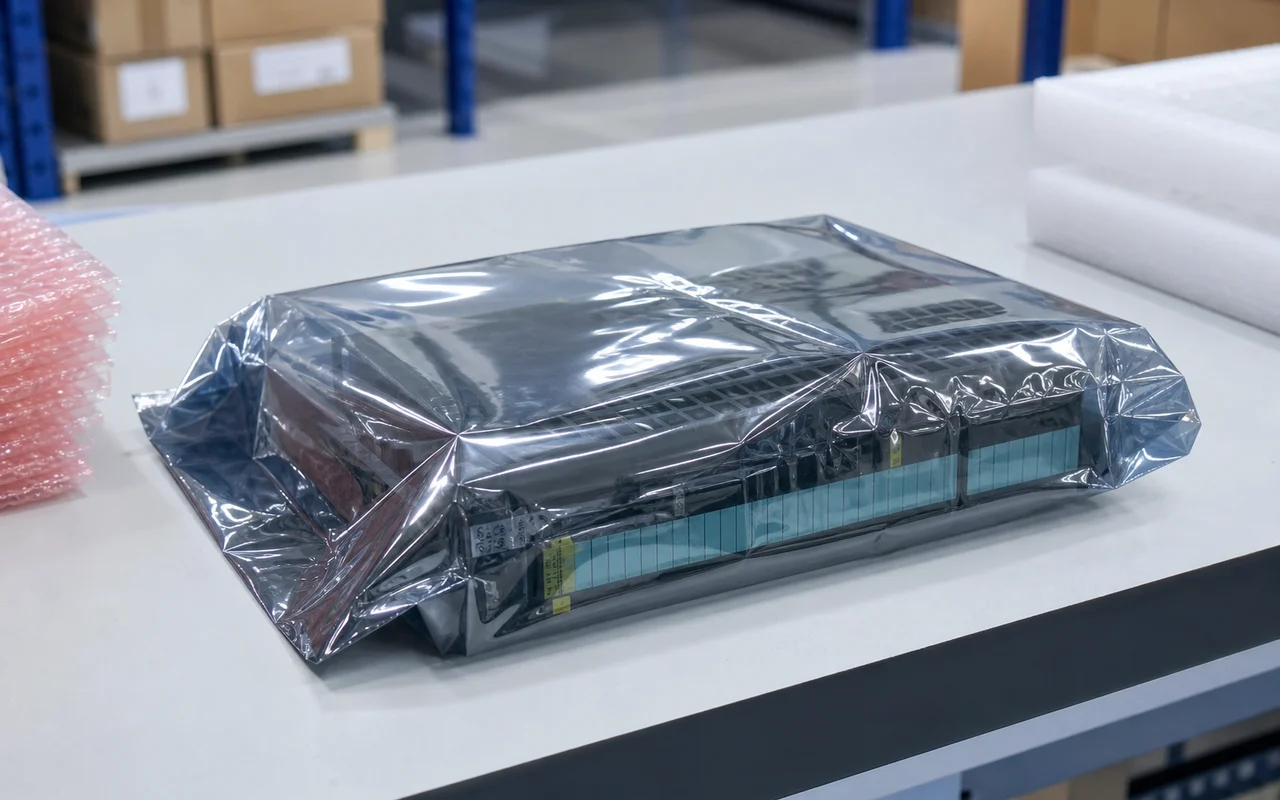 Anti-static Packaging
Modules are packed in anti-static bags to prevent electrostatic damage.
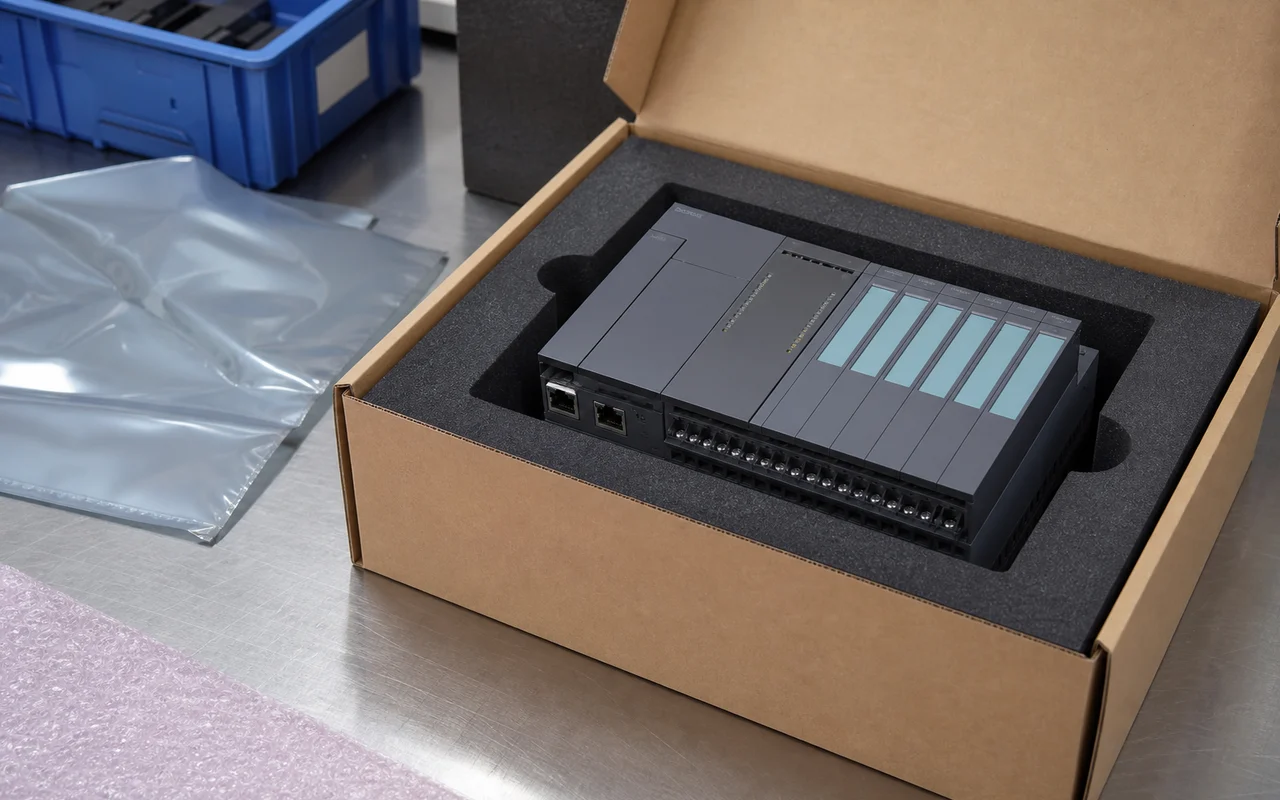 Secure Export Packing
Cushion protection and strong cartons ensure safe transportation.
 Worldwide Shipping
Global logistics network supports air, sea and express delivery.
 Documentation Check
Part number, revision and compatibility verified before shipment.
 After-sales Support
Professional technical support to help resolve your issues.