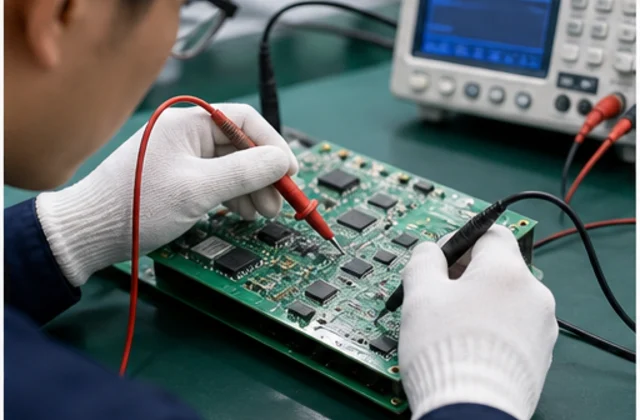
 Functional Inspection
100% tested on professional platforms to ensure stable performance.
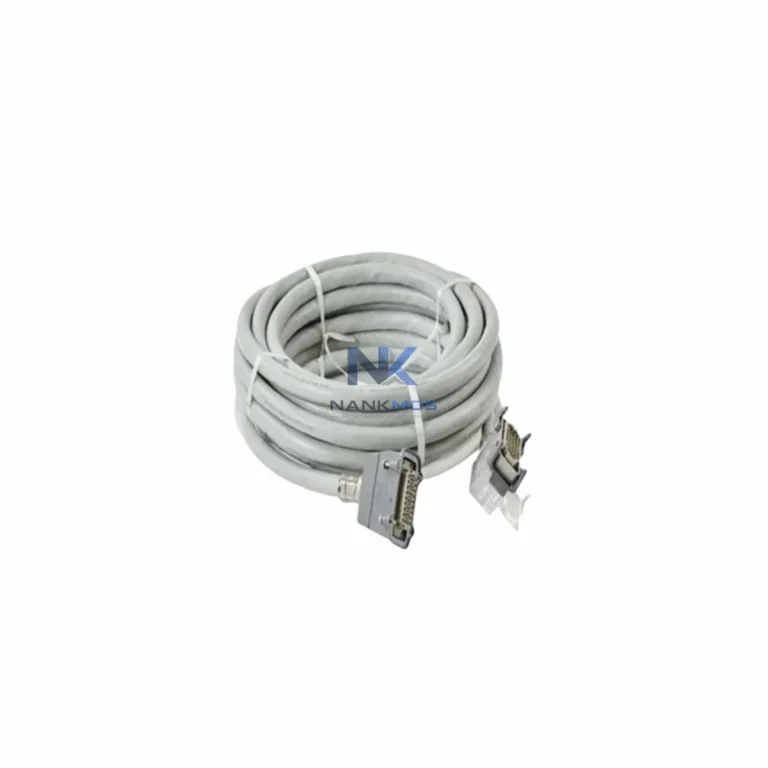
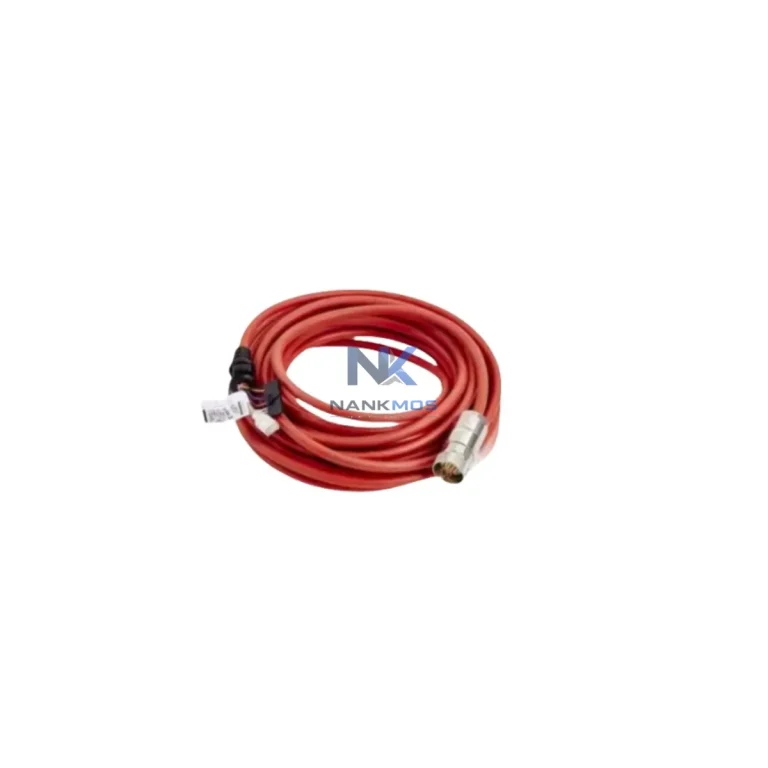
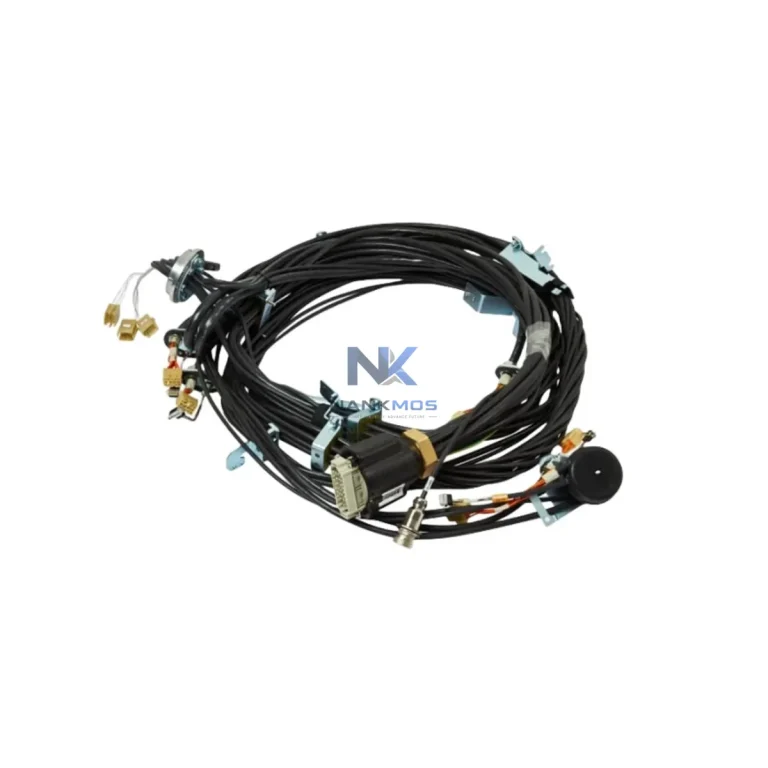
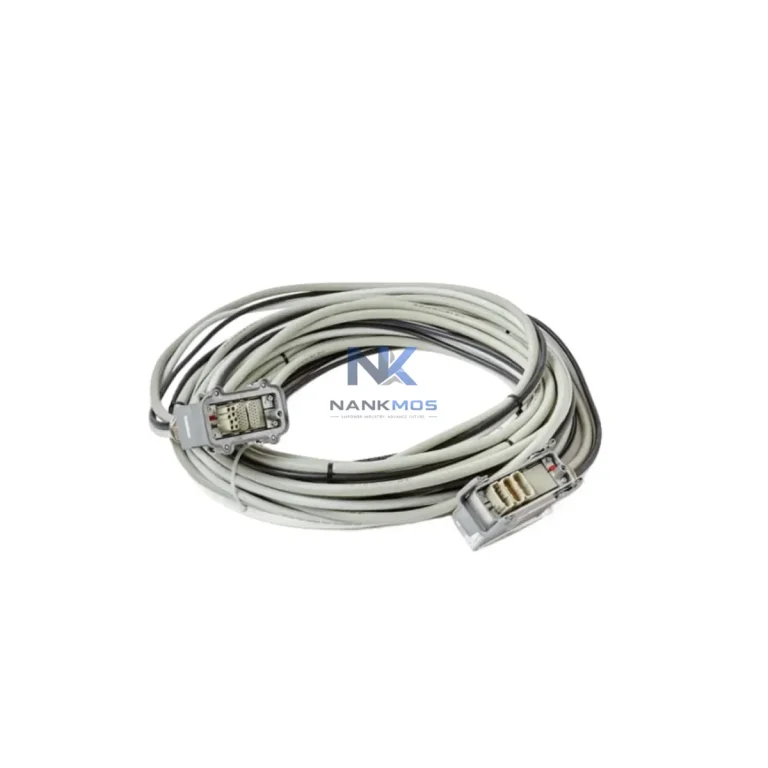
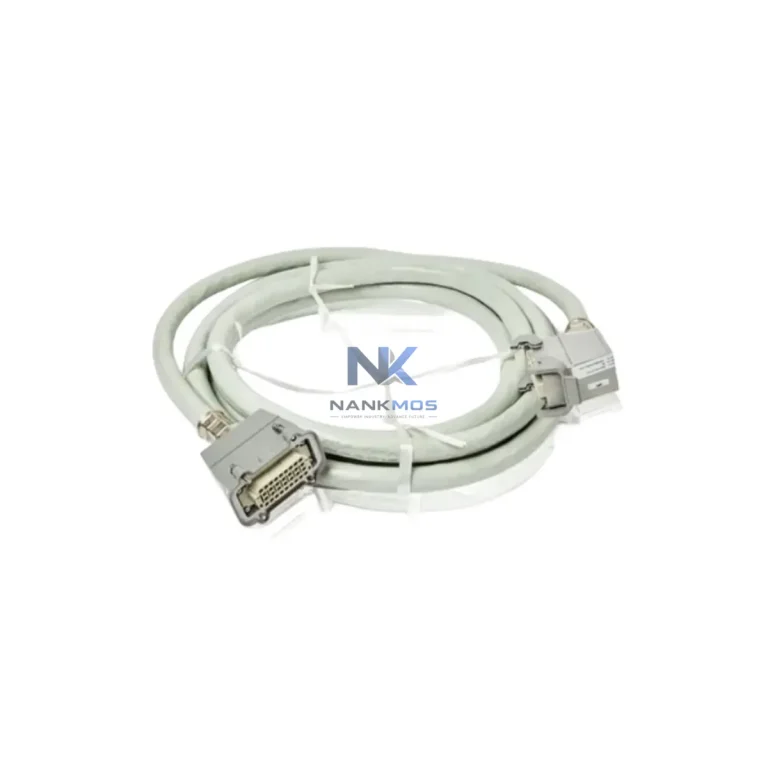
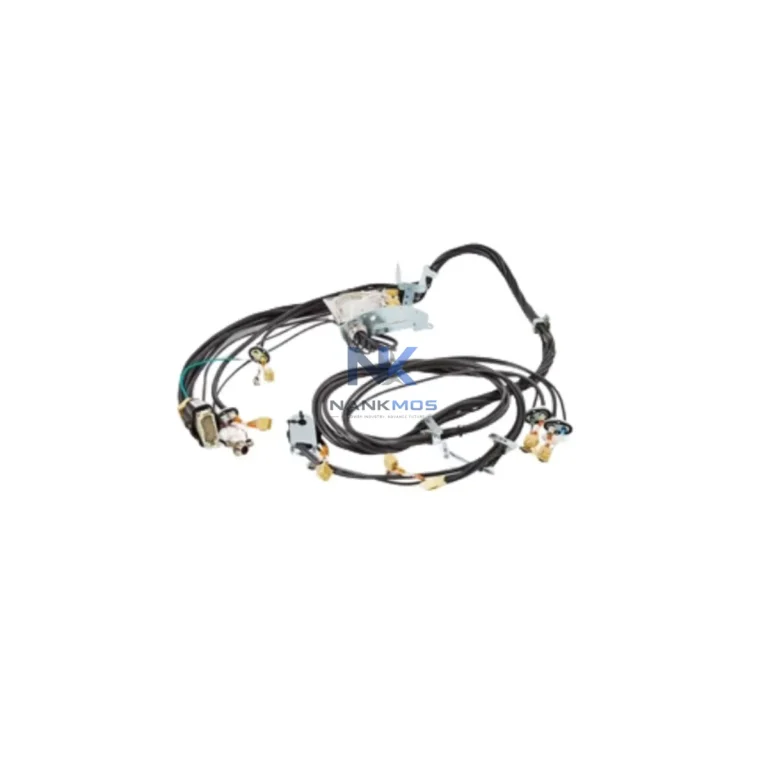
ABB 3HAC3356-14 3HAC3355-1 is a NANKMOS industrial automation product record Listed under IRC5 series and Cables & Connectors. Confirm condition, availability, lead time, compatibility and documentation by email inquiry.
Brand names are used for identification only.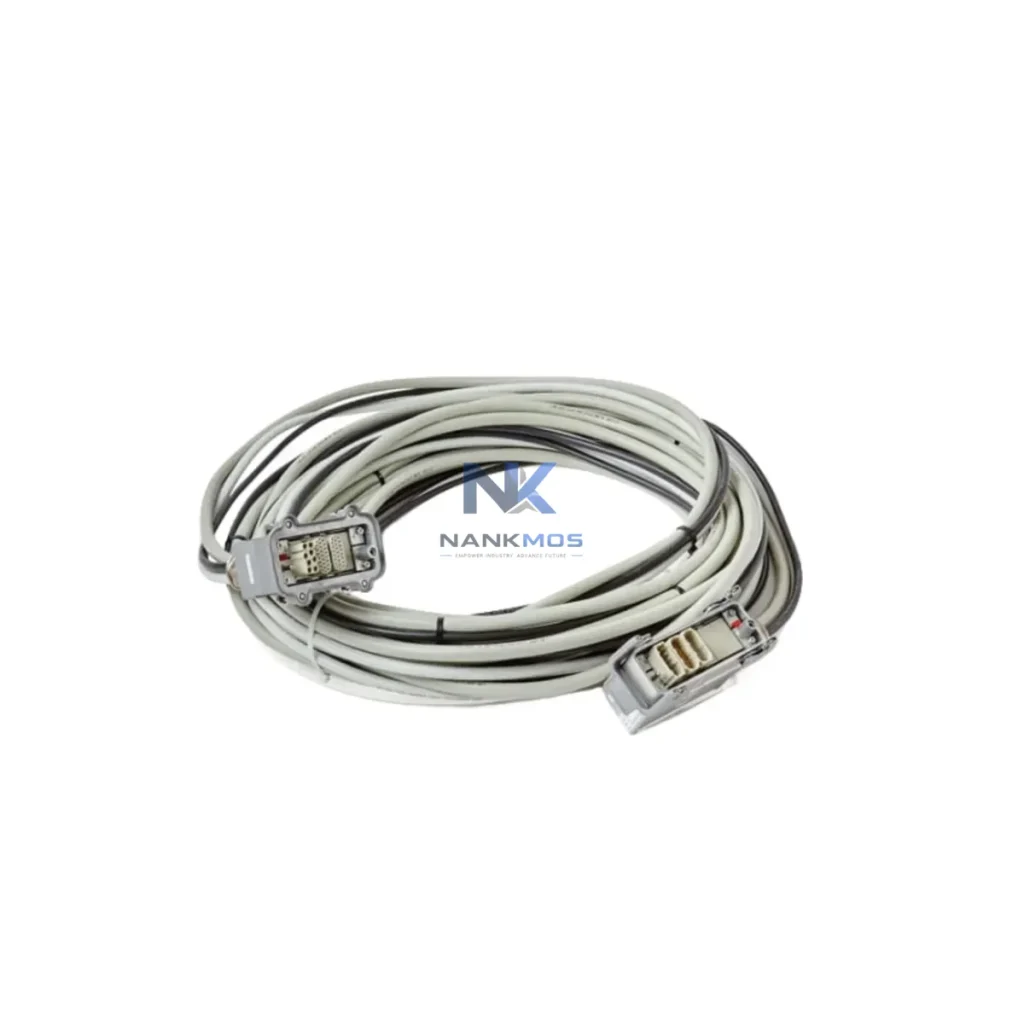
ABB 3HAC3356-14 3HAC3355-1 is a NANKMOS industrial automation product record Listed under IRC5 series and Cables & Connectors. Confirm condition, availability, lead time, compatibility and documentation by email inquiry.
| Manufacturer | ABB |
|---|---|
| Application | Industrial Automation Maintenance |
| Part Number / Model | 3HAC3356-14 3HAC3355-1 |
| Compatible System | IRC5 |
| Series | IRC5 |
| Condition Options | To Confirm |
| Module Type | Cables & Connectors |
| Warranty | 12 Months |
| Packaging | Anti-static Bag / Secure Box |
| Shipping Methods | DHL / FedEx / UPS / Air / Sea |
| Availability | To Confirm |
| Lead Time | To Confirm |
| Documentation | Part number and revision checked before quote |
The ABB 3HAC3356-14 is a precision-engineered robot cable assembly designed for energy-efficient operation within ABB IRB series robotic systems. Paired with the companion harness 3HAC3355-1, this cable plays a direct role in reducing resistive power loss, stabilizing signal transmission, and supporting the low-latency feedback loops that modern smart production lines depend on. Whether deployed in automotive body-in-white welding cells, electronics assembly lines, or high-cycle palletizing stations, the 3HAC3356-14 is built to sustain continuous duty cycles without contributing to unnecessary thermal load or energy waste.
In a fully integrated energy-aware production cell, the ABB 3HAC3356-14 cable assembly functions as the critical power and signal conduit between the IRC5 servo drive module and the robot's axis motors. When the IRC5 controller issues motion commands, the drive output travels through this cable to the motor windings — any impedance mismatch or insulation degradation at this stage directly increases reactive power draw and generates excess heat. The 3HAC3356-14's low-loss conductor geometry and double-shielded construction ensure that the energy delivered by the ABB servo drive reaches the motor with minimal dissipation.
This cable is designed to operate in close coordination with the ABB DSQC 661 drive unit and the DSQC 662 axis computer, both of which rely on clean, interference-free signal return paths to execute precise torque and speed regulation. In cells where a Siemens SINAMICS G120 or Yaskawa GA700 variable frequency drive governs auxiliary conveyor or cooling fan loads, the shielding on the 3HAC3356-14 prevents cross-coupling of switching noise into the robot's feedback loop — a common source of phantom encoder errors and unplanned stops.
At the control layer, the ABB IRC5 cabinet integrates with PROFINET or DeviceNet I/O modules to relay axis status, torque feedback, and thermal warnings to the plant SCADA system. The 3HAC3356-14 supports this data chain by maintaining signal fidelity from motor resolver to controller, enabling the SCADA platform to accurately log energy consumption per axis and flag anomalies before they escalate. Paired with a Fluke 435-II power quality analyzer or an ABB B23 energy meter at the cabinet input, plant engineers can correlate cable-level signal health with overall cell energy efficiency.
For HMI-driven diagnostics, operators using a Siemens TP1200 Comfort Panel or an ABB CP600 panel can monitor real-time axis load and temperature data that originates from the resolver signals carried by this cable. When load data trends upward without a corresponding increase in cycle output, it is often an early indicator of cable wear — a condition that predictive maintenance routines can catch before it causes a production stop. The 3HAC3356-14's robust construction extends mean time between replacements, reducing the frequency of unplanned interventions and keeping the cell's overall equipment effectiveness (OEE) high.
Unplanned downtime in robotic production cells is one of the largest sources of energy waste in discrete manufacturing. When a robot stops mid-cycle, the surrounding infrastructure — conveyors, cooling systems, pneumatic circuits, and lighting — continues to draw power while the cell sits idle. A degraded or failed axis cable like the 3HAC3356-14 is a leading cause of such stops, because the IRC5 controller will immediately fault and halt motion if it detects a resolver signal loss or insulation breakdown.
By maintaining a verified spare of the 3HAC3356-14 in the plant's critical-parts inventory, maintenance teams can execute a cable swap in a single planned maintenance window rather than scrambling during an unplanned outage. This approach — sometimes called a hot spare strategy — directly reduces mean time to repair (MTTR) and keeps the production line running at its designed cycle rate. In high-volume automotive or electronics plants where each minute of downtime can represent significant output loss, the cost of stocking a replacement cable is negligible compared to the cost of an unplanned stop.
From a thermal management perspective, a healthy 3HAC3356-14 cable contributes to lower cabinet temperatures by ensuring that motor current flows through a low-resistance path. Degraded cables with partial conductor breaks force the remaining conductors to carry excess current, raising I²R losses and increasing the thermal load on both the cable and the IRC5 drive module. Over time, this accelerates insulation aging across the entire cable harness and can trigger thermal protection shutdowns that interrupt production. Replacing worn cables proactively — guided by SCADA trend data and periodic insulation resistance testing — is a straightforward energy optimization measure that most plants can implement without capital investment.
The 3HAC3356-14 also supports line balancing efforts by ensuring that each robot axis responds to drive commands with consistent latency. In synchronized multi-robot cells where two or more IRB units work in coordinated motion, signal delays caused by a marginal cable can cause one robot to lag behind its programmed trajectory, forcing the cell controller to insert wait states that reduce throughput and increase idle-power duration. A properly functioning cable harness eliminates this source of cycle-time variability and allows the production line to operate at its optimized takt rate.
Q1: How does the ABB 3HAC3356-14 contribute to energy savings in an IRB robot cell? The 3HAC3356-14 minimizes resistive power loss between the IRC5 servo drive and the axis motor by providing a low-impedance, shielded signal path. This reduces heat generation at the cable, lowers the thermal load on the drive cabinet, and ensures that motor torque commands are executed with minimal energy waste. A healthy cable also prevents the false faults and unplanned stops that cause the surrounding infrastructure to consume power while the robot sits idle.
Q2: Is the 3HAC3356-14 compatible with both S4C+ and IRC5 controller platforms? Yes. The 3HAC3356-14 is designed for use with ABB IRB 1400, IRB 2400, and IRB 4400 robots and is compatible with both the S4C+ and IRC5 controller cabinets. If you are unsure which cable revision applies to your specific robot serial number or axis configuration, please contact us with your robot nameplate data and we will confirm compatibility before shipment.
Q3: What pre-shipment testing is performed on this cable assembly? Every 3HAC3356-14 unit is tested for conductor continuity, insulation resistance (IR test), and shield integrity before dispatch. This ensures that the cable arrives ready for installation without requiring additional bench testing on the plant floor. Test records are available upon request for quality documentation purposes.
Q4: What warranty and supply lead time should I expect? All ABB 3HAC3356-14 cable assemblies supplied by NANKMOS carry a 12-month warranty covering manufacturing defects and premature failure under normal operating conditions. Units are held in stock and are typically dispatched within 1–2 business days of order confirmation, with global shipping options available to minimize lead time for urgent maintenance requirements.
Functional Inspection100% tested on professional platforms to ensure stable performance.
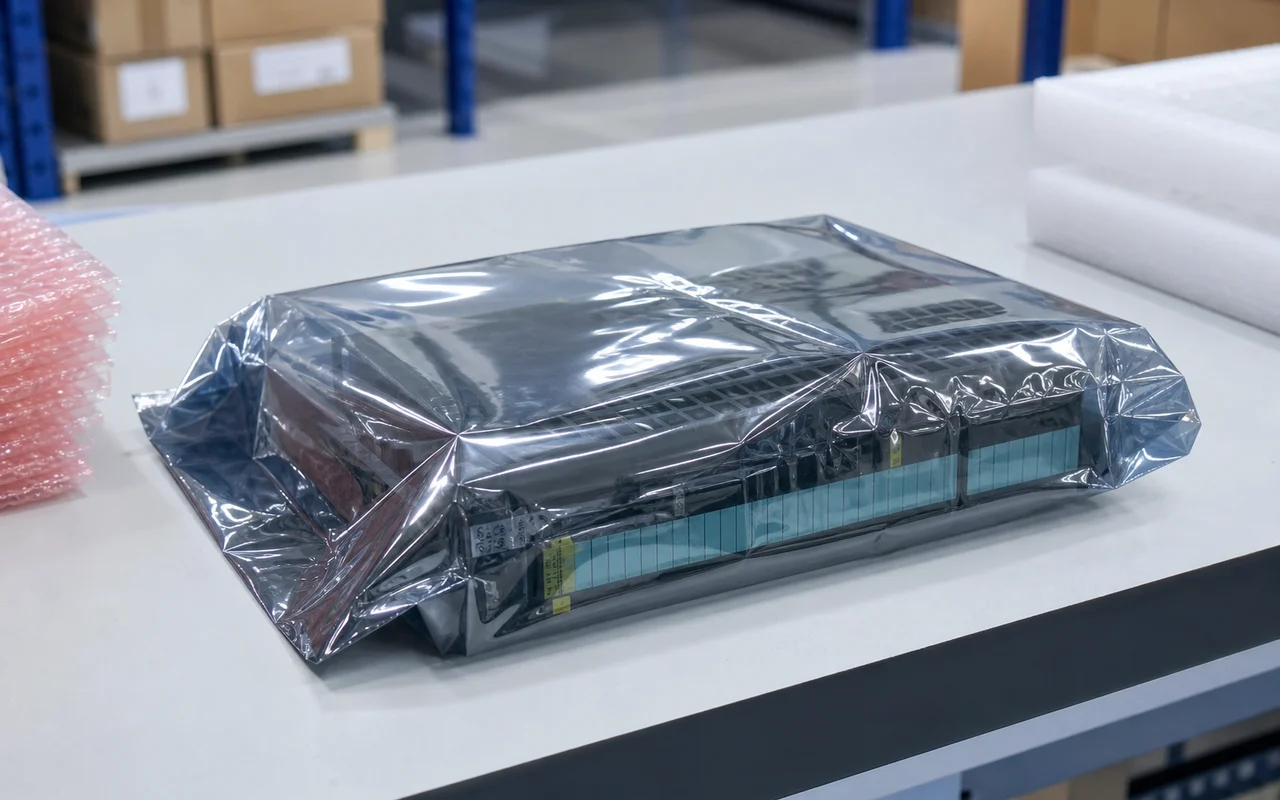 Anti-static Packaging
Modules are packed in anti-static bags to prevent electrostatic damage.
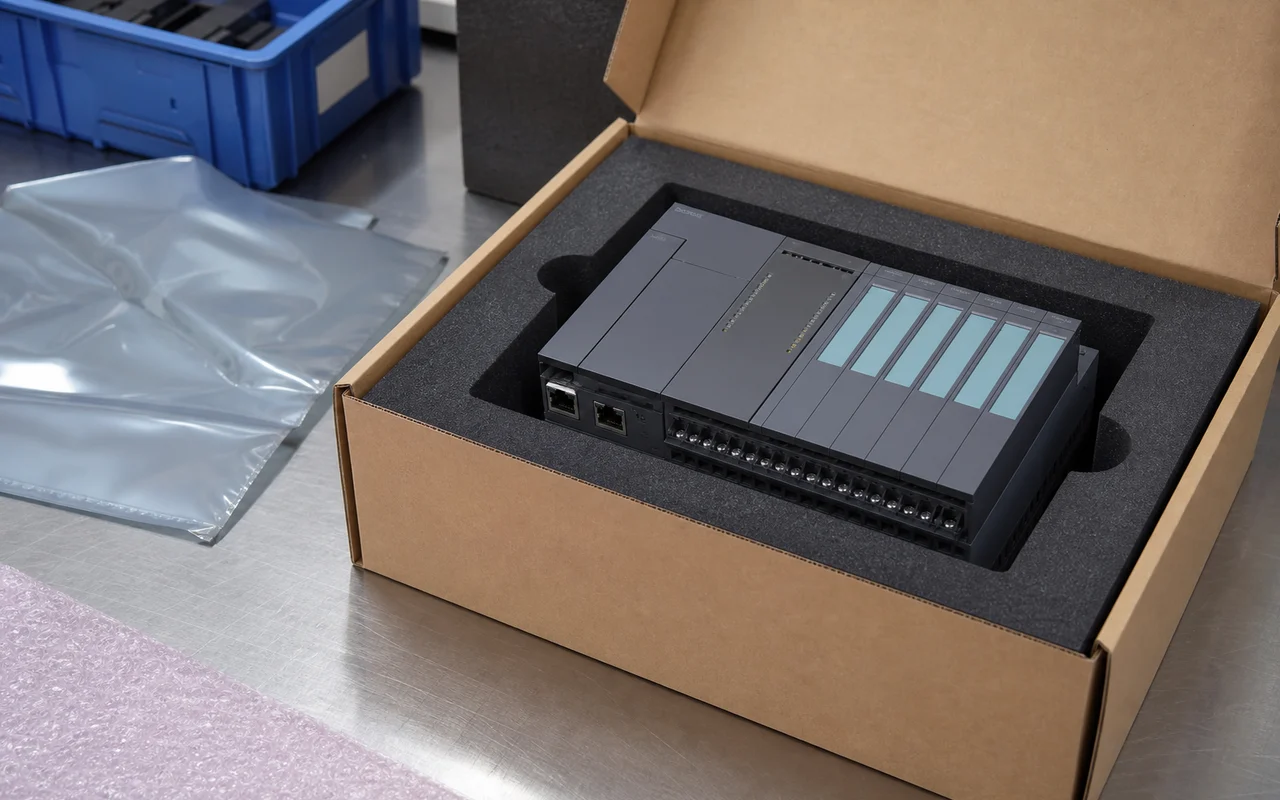 Secure Export Packing
Cushion protection and strong cartons ensure safe transportation.
 Worldwide Shipping
Global logistics network supports air, sea and express delivery.
 Documentation Check
Part number, revision and compatibility verified before shipment.
 After-sales Support
Professional technical support to help resolve your issues.