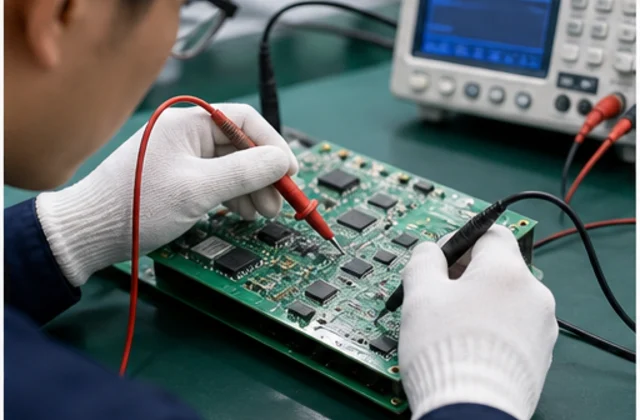
 Functional Inspection
100% tested on professional platforms to ensure stable performance.
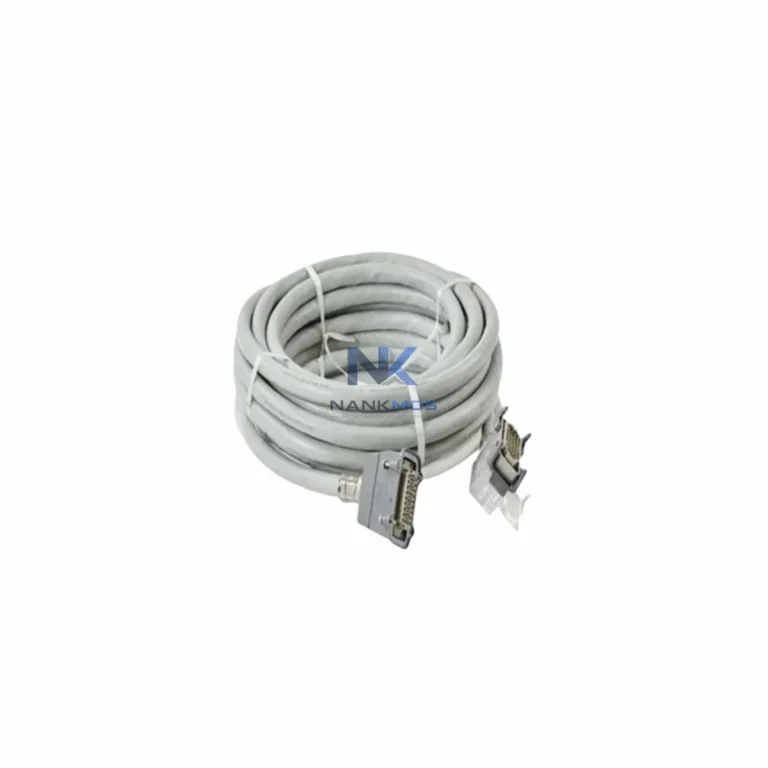
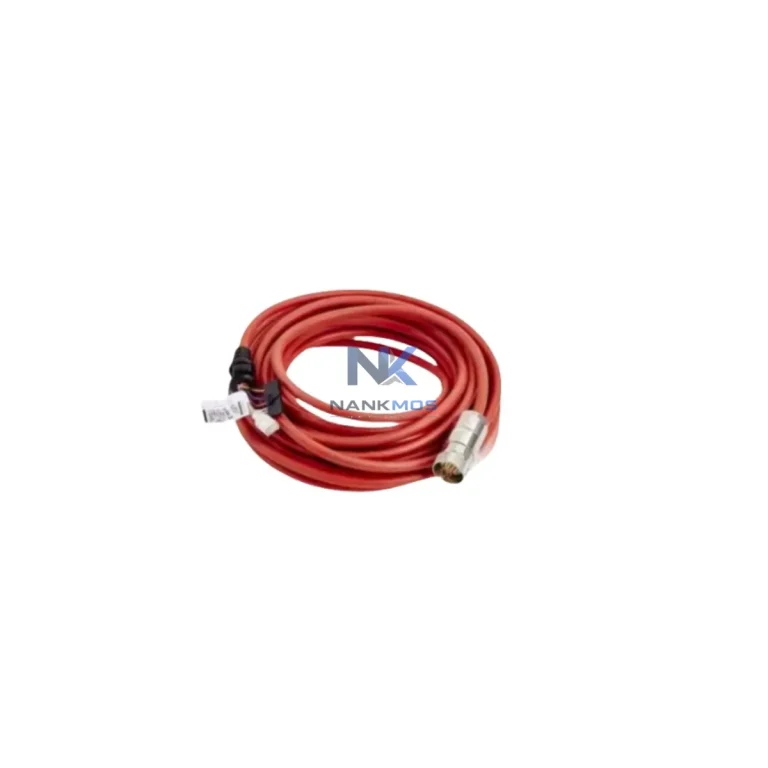
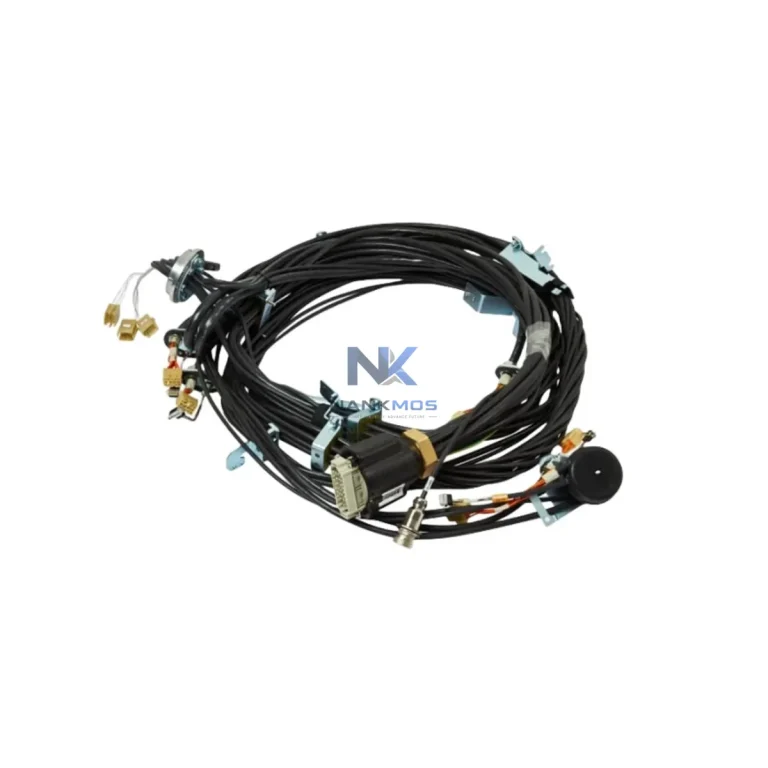
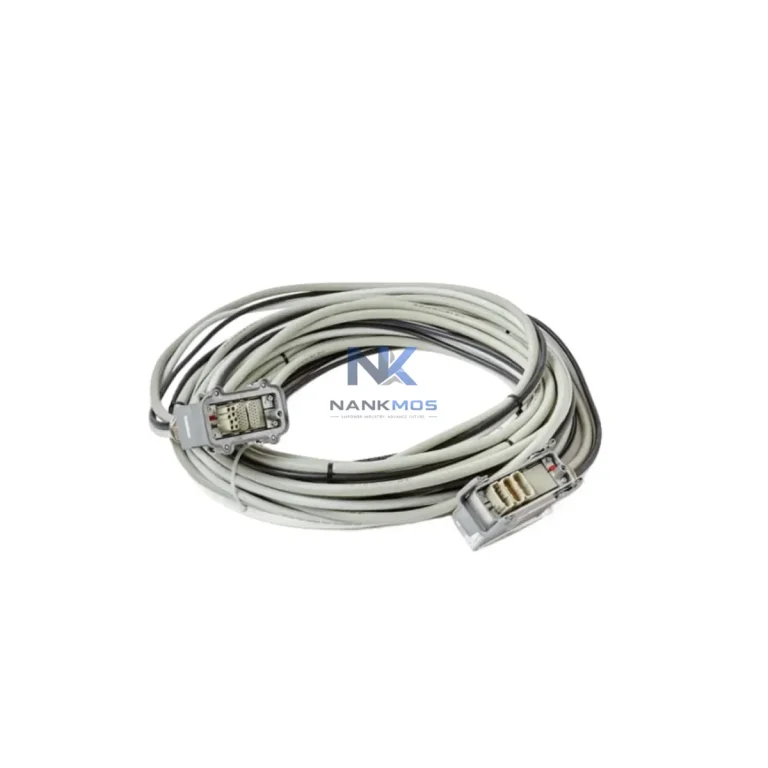
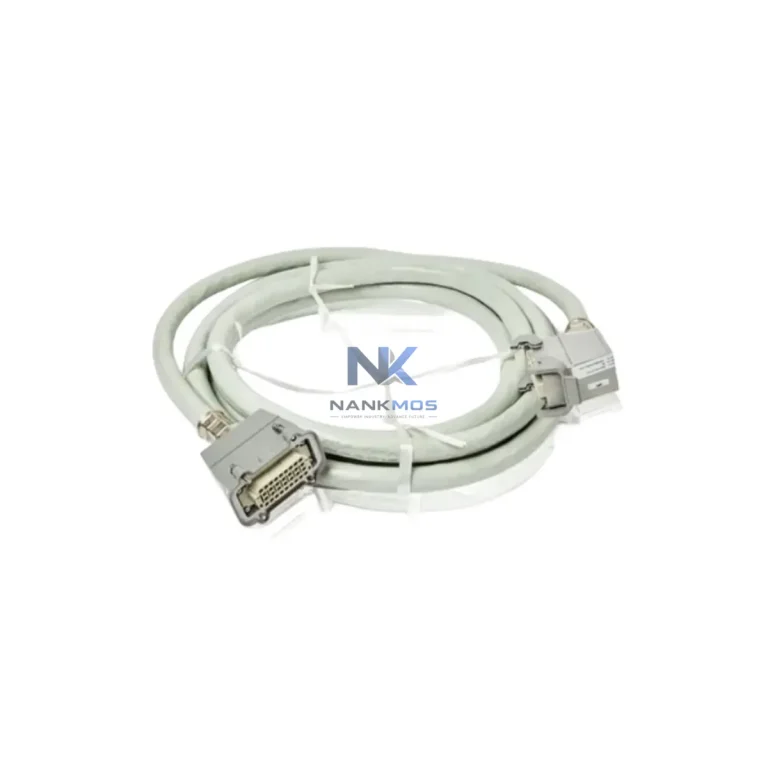
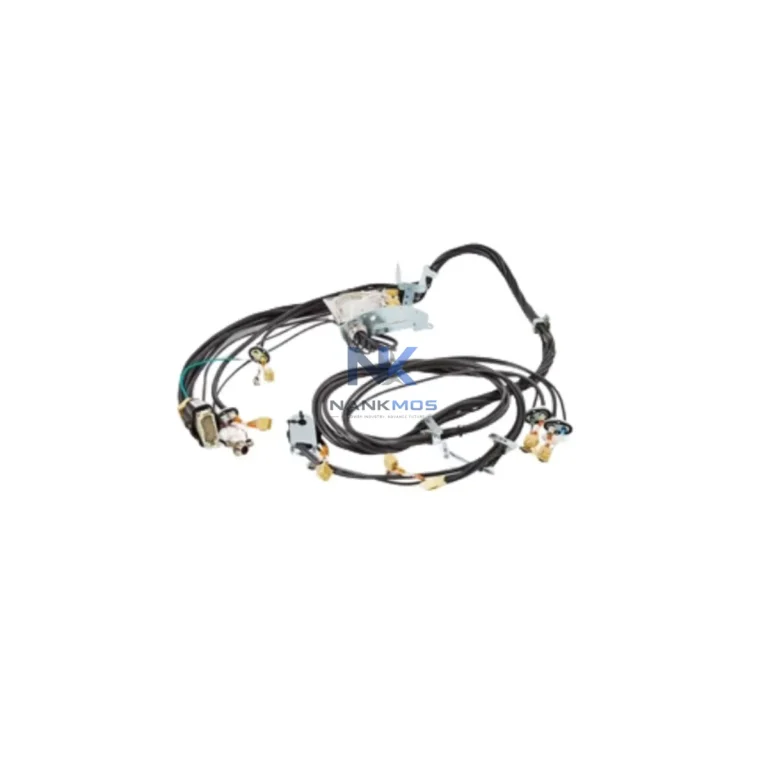
ABB 3HAC9038-1 3HAC9038-2 is a NANKMOS industrial automation product record Listed under IRC5 series and Cables & Connectors. Confirm condition, availability, lead time, compatibility and documentation by email inquiry.
Brand names are used for identification only.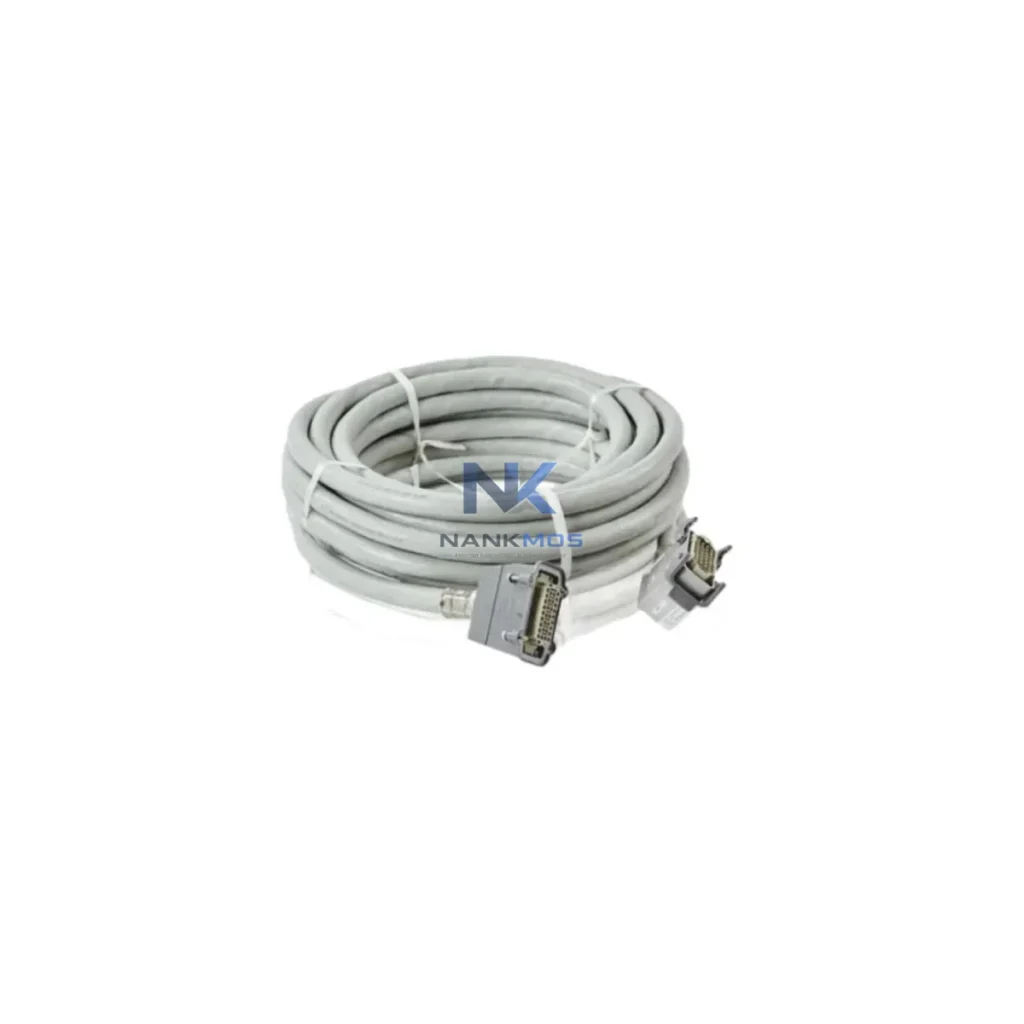
ABB 3HAC9038-1 3HAC9038-2 is a NANKMOS industrial automation product record Listed under IRC5 series and Cables & Connectors. Confirm condition, availability, lead time, compatibility and documentation by email inquiry.
| Manufacturer | ABB |
|---|---|
| Application | Control System Power Support |
| Part Number / Model | 3HAC9038-1 3HAC9038-2 |
| Compatible System | IRC5 |
| Series | IRC5 |
| Condition Options | To Confirm |
| Module Type | Power Supply Module |
| Warranty | 12 Months |
| Packaging | Anti-static Bag / Secure Box |
| Shipping Methods | DHL / FedEx / UPS / Air / Sea |
| Availability | To Confirm |
| Lead Time | To Confirm |
| Documentation | Part number and revision checked before quote |
The ABB 3HAC9038-1 is a precision-engineered power control cable from ABB's 3HAC Series, purpose-built for IRC5 robot controller systems operating within demanding smart factory environments. As industrial facilities transition toward fully connected production architectures, the integrity of every cable segment in the power and signal chain becomes critical to maintaining uninterrupted data flow between field devices, controllers, and supervisory systems. The 3HAC9038-1 serves as a foundational link in this chain — ensuring stable power delivery and signal continuity across the robot cell, from the IRC5 controller cabinet to the manipulator arm and associated drive units.
In a modern smart factory, the data journey begins at the sensor and actuator level. Signals from torque sensors, encoder feedback units, and proximity switches are routed through structured cabling into the IRC5 controller, where the ABB DSQC series I/O modules process real-time inputs and outputs. The 3HAC9038-1 power control cable supports this architecture by maintaining clean, interference-free power delivery to the servo drive units housed within the IRC5 cabinet — a prerequisite for accurate motion control and reliable fieldbus communication over protocols such as DeviceNet, PROFIBUS-DP, and EtherNet/IP.
From the IRC5 controller, process data is transmitted upstream via industrial Ethernet switches — such as those in the ABB EtherNet/IP gateway range or compatible managed switches supporting IEEE 802.3 — to SCADA platforms and MES layers. Any power instability introduced by a degraded cable at the robot controller level can cascade into communication timeouts, axis faults, and data gaps in the SCADA historian. The 3HAC9038-1 eliminates this risk by providing a mechanically robust, electrically stable connection that sustains consistent voltage levels across the full duty cycle of the robot system.
Integration with HMI panels — including ABB CP600 series operator panels or third-party SCADA terminals running on Ignition or WinCC — depends on the IRC5 controller maintaining a stable communication heartbeat. The power control cable's role in sustaining the controller's internal bus integrity directly supports the latency requirements of real-time HMI refresh cycles and alarm management pipelines. When a fault condition arises on the production line, the alarm signal must travel from the field device through the I/O module, across the controller backplane, and out through the PROFINET or EtherNet/IP interface to the SCADA alarm server — a chain that the 3HAC9038-1 helps keep intact at the power layer.
For facilities deploying remote diagnostic capabilities, the ABB Ability™ platform and OPC UA-compatible edge gateways collect performance telemetry from the IRC5 system, including drive temperatures, cycle counts, and axis load data. This telemetry is only reliable when the underlying power infrastructure — including cables such as the 3HAC9038-1 and its companion 3HAC9038-2 variant — is operating within specification. Remote maintenance teams monitoring robot health via cloud dashboards depend on this data accuracy to schedule predictive maintenance without dispatching on-site engineers.
The 3HAC9038-1 is also compatible with multi-robot cell architectures where several IRC5 controllers are networked through an ABB RobotStudio offline programming environment and coordinated via a central PLC — such as a Siemens S7-1500 or Allen-Bradley ControlLogix — acting as the cell master. In these configurations, the power cable's shielding and connector integrity are essential to preventing ground loops and EMI interference that could corrupt the PROFIBUS or EtherNet/IP frames exchanged between the robot controller and the PLC.
Facilities using variable frequency drives (VFDs) for conveyor and spindle control alongside ABB robot cells must pay particular attention to cable routing and shielding. The 3HAC9038-1's construction addresses the EMI challenges common in mixed-drive environments, supporting coexistence with ABB ACS880 or ACS580 drive systems without signal degradation on shared cable trays.
A complete smart factory data flow built around the ABB IRC5 robot system begins at the manipulator's joint sensors and encoder feedback units. These signals travel through the 3HAC9038-1 power control cable into the IRC5 controller's DSQC 652 digital I/O board, where they are processed and made available to the controller's main computer unit. The IRC5 controller then communicates with the cell PLC — typically a Siemens S7-1500 PN/DP or a Rockwell ControlLogix L8x — via PROFINET or EtherNet/IP, exchanging robot status, program triggers, and safety interlocks in real time.
An industrial managed Ethernet switch — such as a Hirschmann SPIDER or Cisco IE-3400 — aggregates traffic from the IRC5 controller, the cell PLC, and any remote I/O nodes (such as ABB AC500 distributed I/O or Beckhoff EK1100 EtherCAT couplers) onto a single network segment. This aggregated data stream is then forwarded to the plant SCADA server running on a platform such as Ignition by Inductive Automation or Siemens WinCC OA, where production KPIs, robot cycle times, and fault histories are visualized on operator dashboards.
Edge gateways — such as the Moxa MGate MB3000 series or an ABB Ability™ Edge device — sit between the OT network and the IT/cloud layer, performing protocol translation from PROFIBUS or Modbus RTU to MQTT or OPC UA for upstream data aggregation. The reliability of this entire data chain depends on the physical layer integrity maintained by components like the 3HAC9038-1, which ensures the IRC5 controller receives stable power and can sustain its communication interfaces without brownout-induced resets.
For remote diagnostic scenarios, maintenance engineers access the IRC5 controller's web interface or ABB RobotStudio online monitoring tools via a secure VPN tunnel through the plant firewall. Real-time axis load data, drive temperatures, and program execution logs are streamed from the controller to the remote diagnostic dashboard, enabling predictive maintenance scheduling without production interruption. The 3HAC9038-1's role in maintaining controller uptime is therefore directly linked to the availability of this remote visibility layer.
One of the most persistent challenges in industrial automation is the data island problem — where individual machines, robot cells, and legacy controllers operate in isolation, unable to share process data with the broader plant network. The ABB IRC5 system, when properly cabled with components like the 3HAC9038-1, supports multiple fieldbus protocols simultaneously, enabling integration with both legacy PROFIBUS networks and modern EtherNet/IP or PROFINET architectures without requiring a full system replacement.
Protocol inconsistency between robot controllers and PLCs is another common source of data gaps. The IRC5's flexible communication options — supported by ABB DSQC 688 fieldbus adapter boards — allow the controller to act as a protocol bridge, translating between the robot's internal data model and the PLC's tag database. This eliminates the need for standalone protocol converters in many applications, reducing network complexity and potential failure points.
Remote monitoring gaps are addressed through the IRC5's built-in OPC UA server capability, which exposes robot state data to SCADA and MES systems without custom middleware. Combined with a stable power infrastructure maintained by the 3HAC9038-1, this enables continuous data streaming to historian databases for trend analysis, SPC charting, and OEE calculation — giving production managers real-time visibility into robot utilization and downtime patterns.
Alarm tracking and escalation workflows benefit from the IRC5's structured fault logging, which records error codes, timestamps, and axis states at the moment of each fault event. When integrated with a SCADA alarm management system, these logs enable root cause analysis and mean-time-to-repair (MTTR) reduction. The physical reliability of the power control cable is a prerequisite for this logging continuity — a cable fault that causes an uncontrolled controller shutdown will corrupt the fault log and break the alarm chain.
System expansion is simplified by the IRC5's modular architecture. Additional robot axes, external servo drives, and conveyor tracking systems can be added to the cell without replacing the core controller hardware, provided the power cabling — including the 3HAC9038-1 and associated 3HAC Series harnesses — is correctly specified for the expanded load. This scalability supports phased smart factory rollouts where new automation islands are progressively connected to the plant-wide data network.
Q1: What communication protocols does the ABB IRC5 controller support when using the 3HAC9038-1 power cable?The IRC5 controller supports DeviceNet, PROFIBUS-DP, EtherNet/IP, PROFINET, and Modbus TCP through its DSQC fieldbus adapter modules. The 3HAC9038-1 power control cable ensures stable controller operation across all these protocol configurations by maintaining clean power delivery to the controller's communication hardware.
Q2: How does cable quality affect network stability and communication latency in robot cell automation?Power instability caused by degraded or non-OEM cables can introduce voltage fluctuations that trigger controller watchdog resets, causing communication timeouts on fieldbus networks. Using the original ABB 3HAC9038-1 ensures the IRC5 controller maintains its network heartbeat within the sub-millisecond latency requirements of PROFINET IRT and EtherNet/IP CIP Motion applications.
Q3: Can the 3HAC9038-1 be used in IRC5 systems integrated with SCADA and remote diagnostic platforms?Yes. The 3HAC9038-1 is compatible with all IRC5 single and dual cabinet configurations, including those running ABB Ability™ remote monitoring, OPC UA data publishing, and third-party SCADA integrations via Ignition, WinCC, or FactoryTalk. Stable power delivery from the cable is a prerequisite for uninterrupted data streaming to these platforms.
Q4: What warranty and pre-shipment testing does NANKMOS provide for the ABB 3HAC9038-1?Every ABB 3HAC9038-1 unit supplied by NANKMOS carries a 12-month warranty and undergoes pre-shipment electrical and continuity testing before dispatch. In-stock inventory ensures fast global delivery for urgent maintenance and replacement requirements. Contact [email protected] or +86 18359268345 for availability and RFQ.
Functional Inspection100% tested on professional platforms to ensure stable performance.
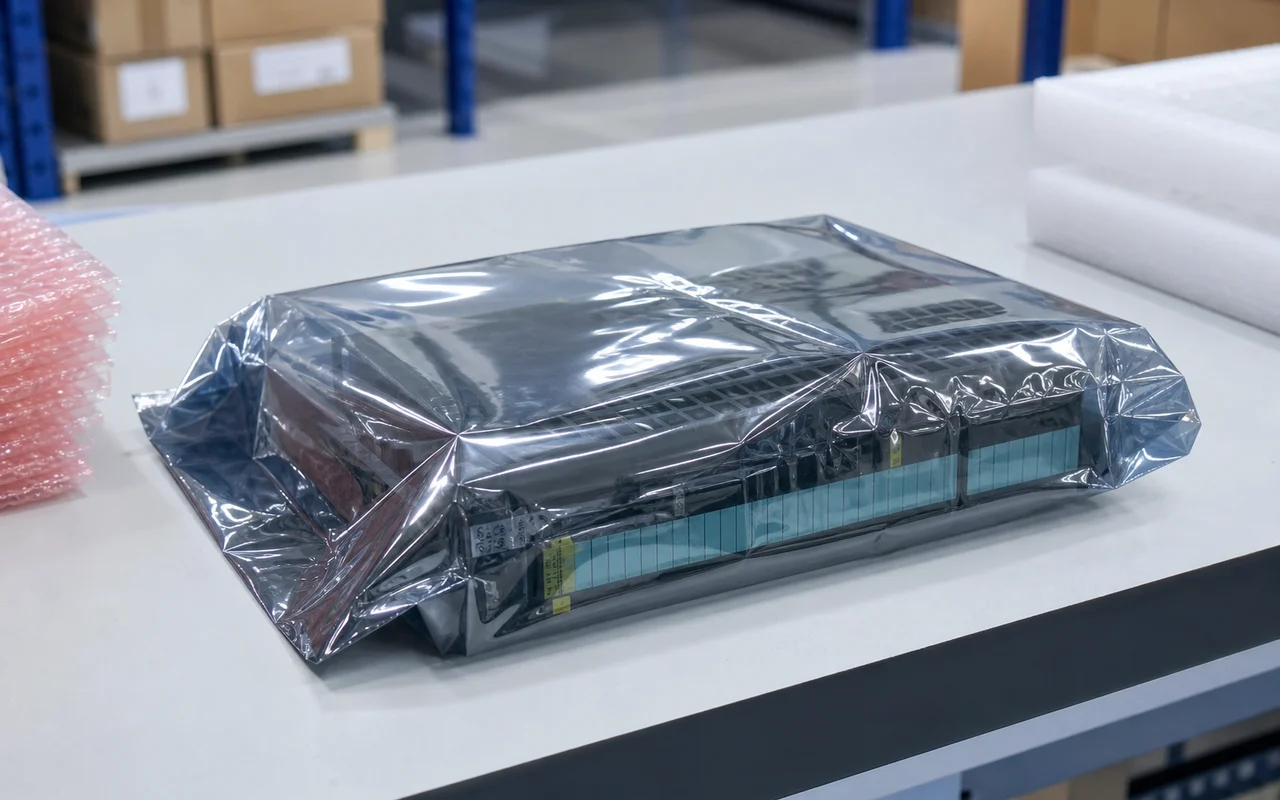 Anti-static Packaging
Modules are packed in anti-static bags to prevent electrostatic damage.
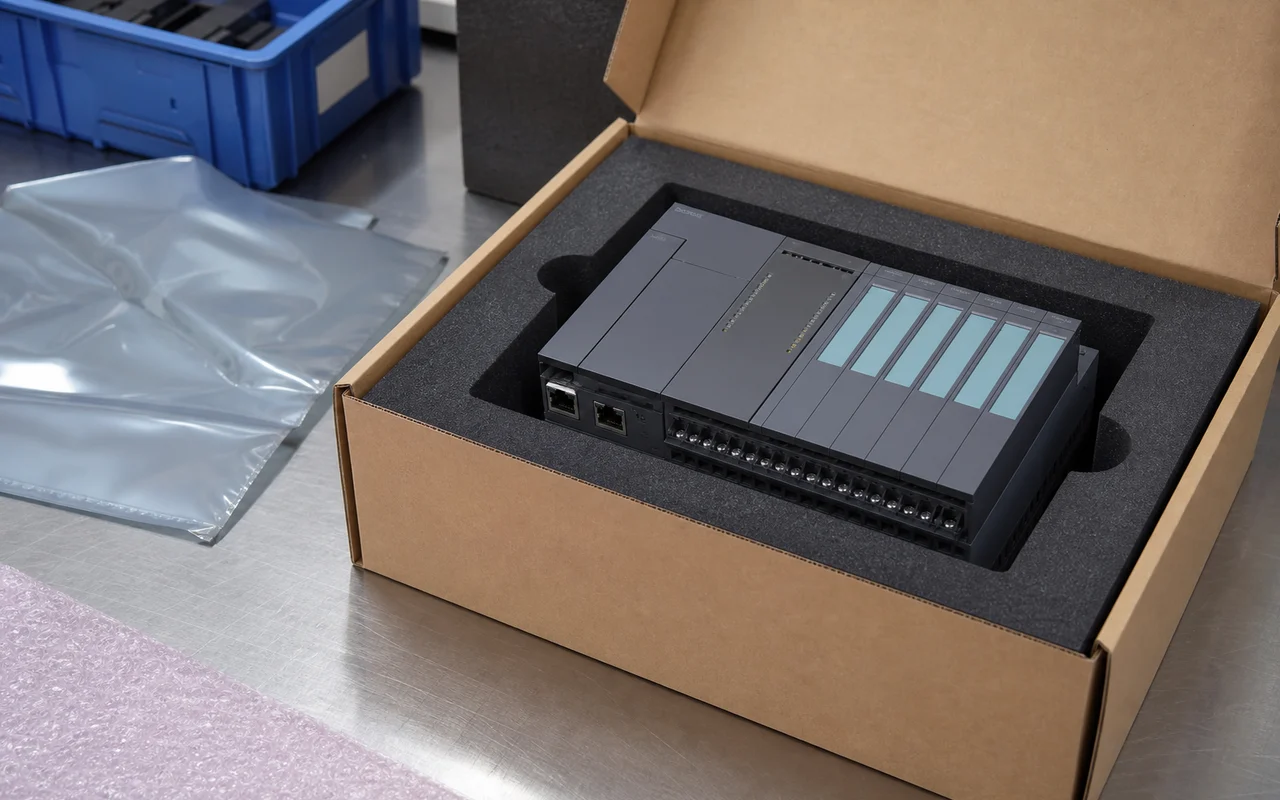 Secure Export Packing
Cushion protection and strong cartons ensure safe transportation.
 Worldwide Shipping
Global logistics network supports air, sea and express delivery.
 Documentation Check
Part number, revision and compatibility verified before shipment.
 After-sales Support
Professional technical support to help resolve your issues.