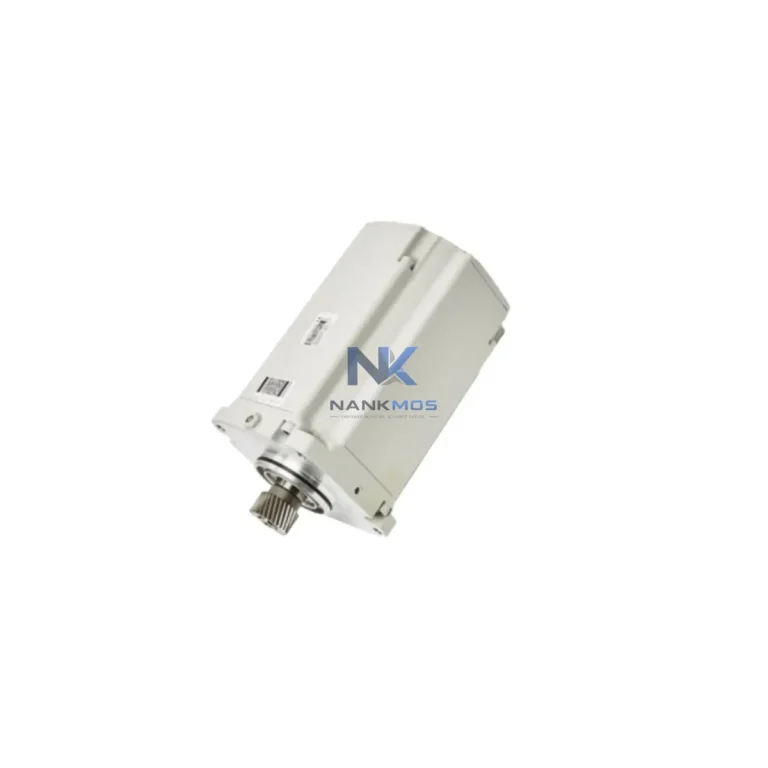
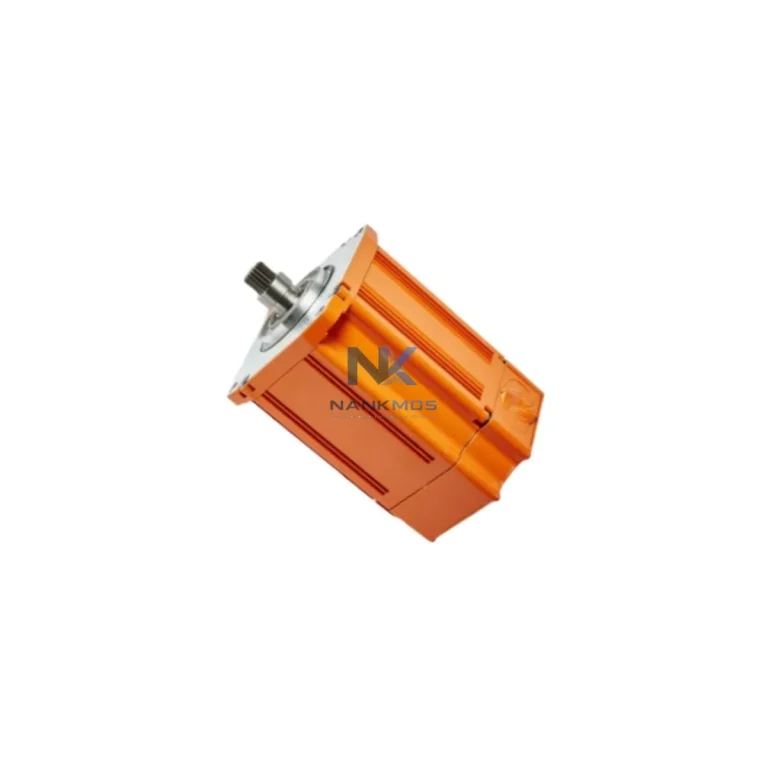
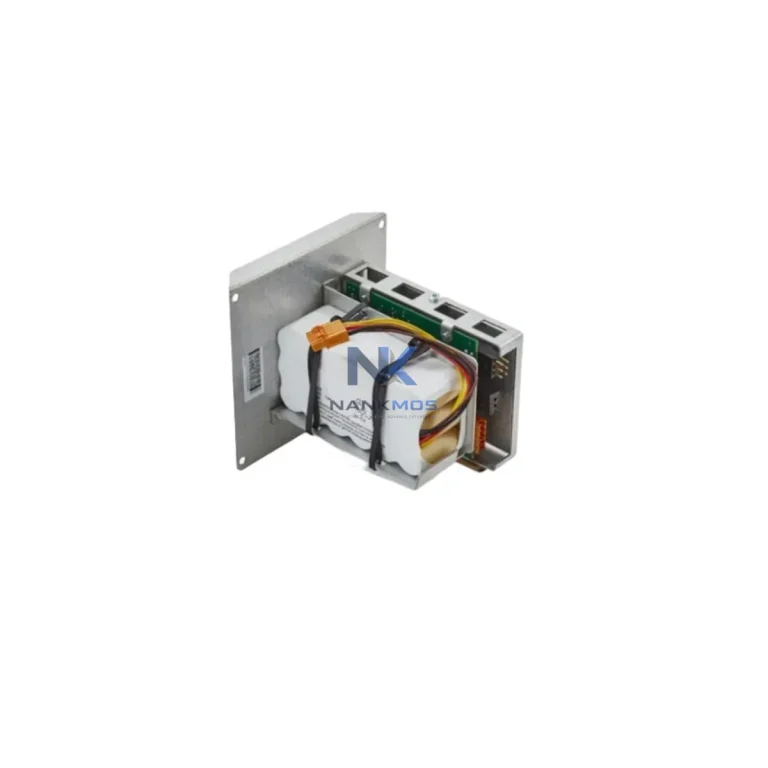
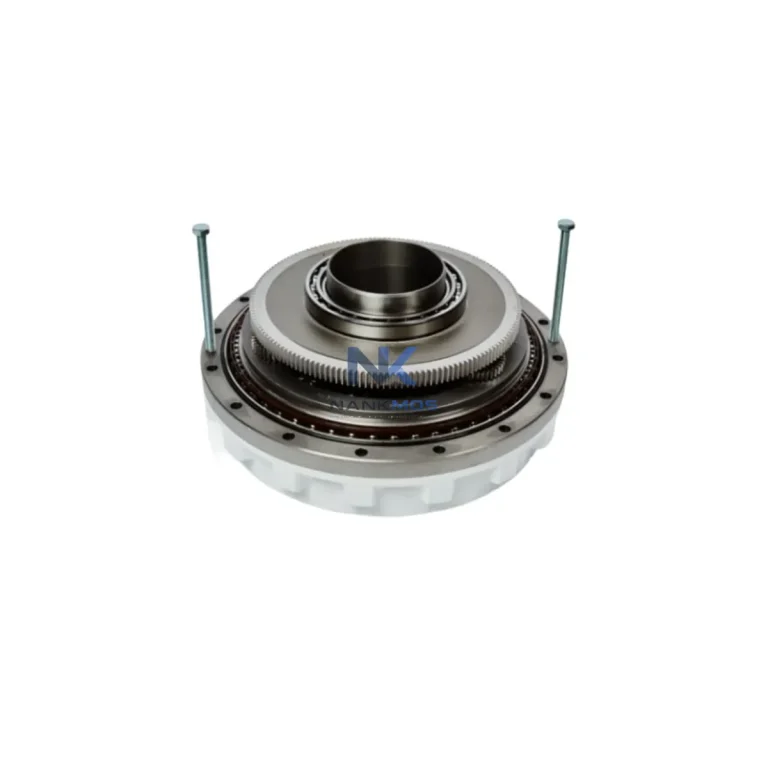
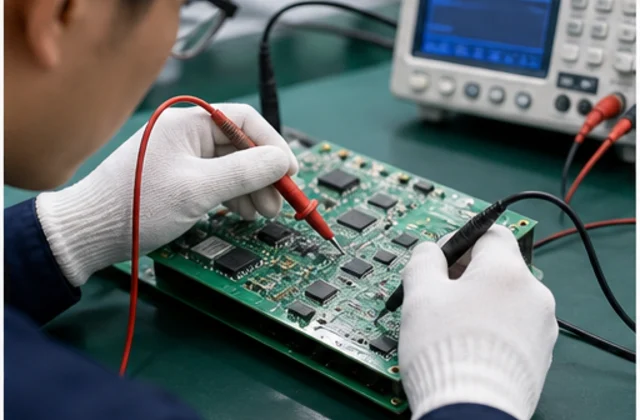
 Functional Inspection
100% tested on professional platforms to ensure stable performance.
ABB AGDR-61C FS450R17KE3 64783831 is a NANKMOS industrial automation product record Listed under S800 series and Drives. Confirm condition, availability, lead time, compatibility and documentation by email inquiry.
Brand names are used for identification only.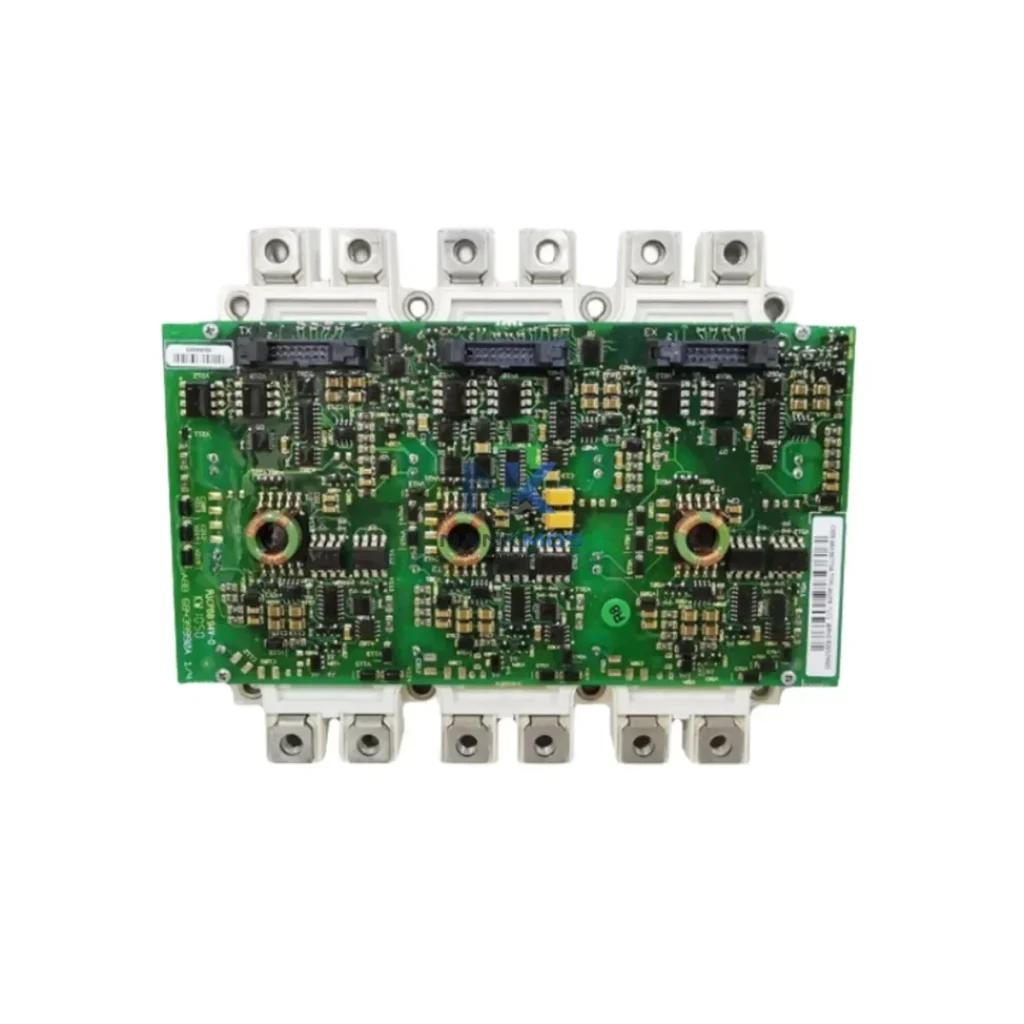
ABB AGDR-61C FS450R17KE3 64783831 is a NANKMOS industrial automation product record Listed under S800 series and Drives. Confirm condition, availability, lead time, compatibility and documentation by email inquiry.
| Manufacturer | ABB |
|---|---|
| Application | Motion Control & Drive System |
| Part Number / Model | AGDR-61C FS450R17KE3 64783831 |
| Compatible System | S800 |
| Series | S800 |
| Condition Options | To Confirm |
| Module Type | Servo / Drive Module |
| Warranty | 12 Months |
| Packaging | Anti-static Bag / Secure Box |
| Shipping Methods | DHL / FedEx / UPS / Air / Sea |
| Availability | To Confirm |
| Lead Time | To Confirm |
| Documentation | Part number and revision checked before quote |
The ABB AGDR-61C (Full SKU: AGDR-61C FS450R17KE3 64783831) is a precision IGBT gate driver engineered for ABB ACS800 series variable frequency drives, delivering reliable switching control for high-power IGBT modules in demanding industrial environments. As smart factories evolve toward fully networked production architectures, the AGDR-61C plays a critical role in the data chain that connects field-level power electronics to supervisory control and monitoring systems. Its integration into the ACS800 drive platform enables seamless communication between motor control hardware and upper-level automation networks, supporting real-time data flow from the drive layer through to SCADA, HMI, and edge computing systems.
In a fully integrated smart factory, the AGDR-61C sits at the intersection of power conversion and digital control. The data flow begins at the field level, where sensors — including current transducers, temperature probes, and encoder feedback devices — feed real-time signals into the ACS800 drive. The AGDR-61C translates these signals into precise gate pulses for the FS450R17KE3 IGBT module, ensuring accurate motor torque and speed control with microsecond-level response times.
From the ACS800 drive, process data travels upward through the communication layer. Using the ABB RDCO-03 DDCS fiber optic communication module, the drive connects to the ABB AC800M controller or a Siemens S7-300/S7-400 PLC via a PROFIBUS-DP gateway. This allows the PLC to read drive status registers — including output frequency, DC bus voltage, fault codes, and thermal load — in real time. The AGDR-61C's gate driver feedback loop ensures that any IGBT switching anomaly is immediately reflected in the drive's diagnostic registers, which are then propagated to the PLC and onward to the SCADA layer.
At the SCADA and HMI level, systems such as ABB System 800xA, Wonderware InTouch, or Ignition SCADA receive structured drive data via OPC-UA or Modbus TCP, depending on the gateway configuration. Remote I/O modules — such as the ABB CI854 or Siemens ET 200S — extend the network reach to distributed field devices, allowing operators to monitor motor load, drive temperature, and fault history from a centralized control room. The AGDR-61C's role in maintaining clean, stable gate signals directly impacts the quality of data reported at this level: a stable drive produces consistent telemetry, while a faulty gate driver introduces noise and false fault events that corrupt SCADA trend data.
For edge computing and data visualization, industrial edge gateways — such as the Moxa UC-8112 or Advantech WISE-5000 series — collect drive data from the PROFIBUS or EtherNet/IP network and push it to cloud-based MES or ERP platforms. This enables production managers to track energy consumption per motor, identify inefficient drive operating points, and schedule predictive maintenance based on IGBT thermal cycling data. The AGDR-61C's pre-shipment testing protocol ensures that each unit delivered has been validated for gate signal integrity, reducing the risk of drive faults that would otherwise generate false alarms in the SCADA alarm management system.
In multi-drive cabinet configurations — common in crane, hoist, and large pump applications — the AGDR-61C works alongside ABB AINT-02 inverter control boards and APOW-01 power supply boards to form a complete drive control stack. The DDCS fiber optic ring connects multiple ACS800 drive units to a single master controller, enabling synchronized multi-axis control with shared fault management. Industrial Ethernet switches — such as the Hirschmann RS20 or Phoenix Contact FL SWITCH series — provide the backbone network infrastructure that carries drive data from the cabinet to the plant-wide automation network.
One of the most persistent challenges in industrial automation is the fragmentation of data between field-level power electronics and upper-level control systems. When an IGBT gate driver fails or degrades, the resulting drive faults are often misdiagnosed as motor or load problems, leading to unnecessary downtime and incorrect maintenance actions. The AGDR-61C addresses this by providing a direct, high-integrity gate signal path that produces consistent, diagnosable fault signatures — enabling maintenance engineers to distinguish between gate driver issues, IGBT module degradation, and external load faults.
Protocol fragmentation is another common barrier to plant-wide data transparency. Many older ACS800 installations use DDCS fiber optic communication internally, while the plant network runs on PROFIBUS-DP or EtherNet/IP. By pairing the AGDR-61C with the appropriate ABB communication adapter — such as the RPBA-01 for PROFIBUS or the RETA-01 for EtherNet/IP — engineers can bridge this protocol gap without replacing the drive hardware, preserving the existing investment while enabling full SCADA integration.
Remote monitoring and diagnostics are increasingly critical as maintenance teams are reduced and production sites become more geographically distributed. The AGDR-61C's compatibility with the ACS800's built-in fault logging and parameter history functions allows remote engineers to access drive event logs via the SCADA system, review IGBT switching performance trends, and issue parameter changes without on-site visits. This capability directly reduces mean time to repair (MTTR) and supports the shift toward condition-based maintenance strategies.
Data silos between the drive layer and the MES/ERP layer are eliminated when the ACS800 — equipped with a properly functioning AGDR-61C — is connected to the plant network via a standardized industrial protocol. Production data such as motor run hours, energy consumption, and fault frequency can be automatically exported to the MES, enabling accurate OEE (Overall Equipment Effectiveness) calculations and production loss analysis. The 12-month warranty on every AGDR-61C unit supplied by NANKMOS ensures that this critical data link remains reliable throughout the warranty period, with full technical support available for integration and commissioning.
Q1: What communication protocols does the ABB AGDR-61C support for SCADA integration? The AGDR-61C itself is an internal gate driver board and does not directly interface with external networks. However, when installed in an ACS800 drive, the drive can be connected to PROFIBUS-DP (via RPBA-01 adapter), EtherNet/IP (via RETA-01 adapter), Modbus RTU (via RMBA-01 adapter), or DDCS fiber optic (via RDCO-03 module). These communication options allow full SCADA and HMI integration, enabling real-time monitoring of drive parameters, fault codes, and energy data.
Q2: How does the AGDR-61C contribute to network stability and data quality in multi-drive systems? The AGDR-61C ensures clean, precise gate pulses to the FS450R17KE3 IGBT module, which directly affects the stability of the drive's output waveform. A stable output reduces harmonic disturbances on the motor network, minimizes false fault triggers in the SCADA alarm system, and produces consistent telemetry data for trend analysis. In multi-drive DDCS ring configurations, a single degraded gate driver can introduce timing errors that affect the entire drive group — making the quality of the AGDR-61C critical to overall network stability.
Q3: Can the AGDR-61C be used in systems with remote diagnostics and predictive maintenance platforms? Yes. When the ACS800 drive is connected to a SCADA or edge gateway platform, the drive's fault log, thermal data, and switching statistics — all influenced by the AGDR-61C's performance — can be continuously monitored. Integration with platforms such as ABB Ability, Ignition SCADA, or custom OPC-UA clients allows maintenance teams to set threshold alerts for IGBT temperature, gate signal anomalies, and drive fault frequency, enabling predictive maintenance scheduling before a failure occurs.
Q4: What is the warranty coverage and pre-shipment testing process for the AGDR-61C? Every ABB AGDR-61C supplied by NANKMOS carries a 12-month warranty from the date of shipment. Prior to dispatch, each unit undergoes pre-shipment functional testing to verify gate signal integrity, fiber optic interface continuity, and board-level electrical performance. Units are shipped with full documentation and are supported by NANKMOS technical staff for installation guidance and commissioning support. In-stock units are available for immediate dispatch to minimize production downtime.
Functional Inspection100% tested on professional platforms to ensure stable performance.
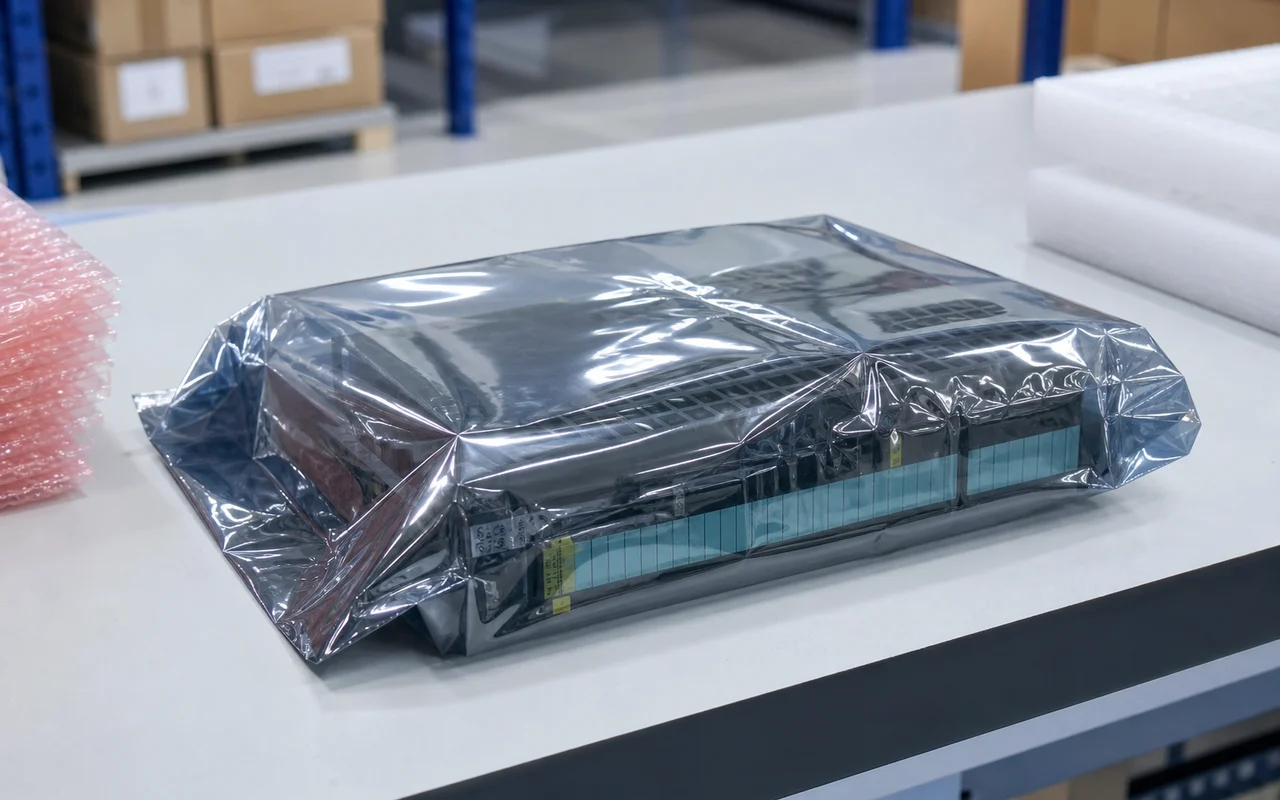 Anti-static Packaging
Modules are packed in anti-static bags to prevent electrostatic damage.
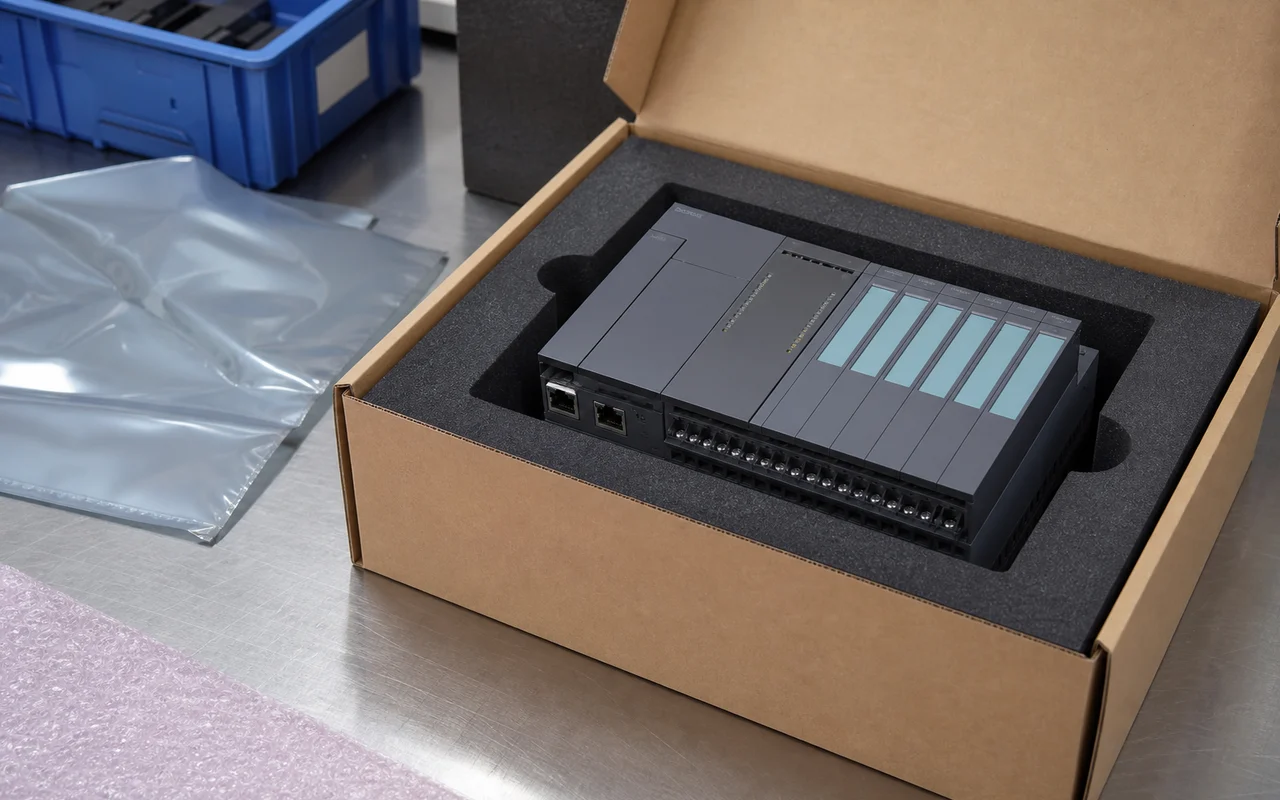 Secure Export Packing
Cushion protection and strong cartons ensure safe transportation.
 Worldwide Shipping
Global logistics network supports air, sea and express delivery.
 Documentation Check
Part number, revision and compatibility verified before shipment.
 After-sales Support
Professional technical support to help resolve your issues.