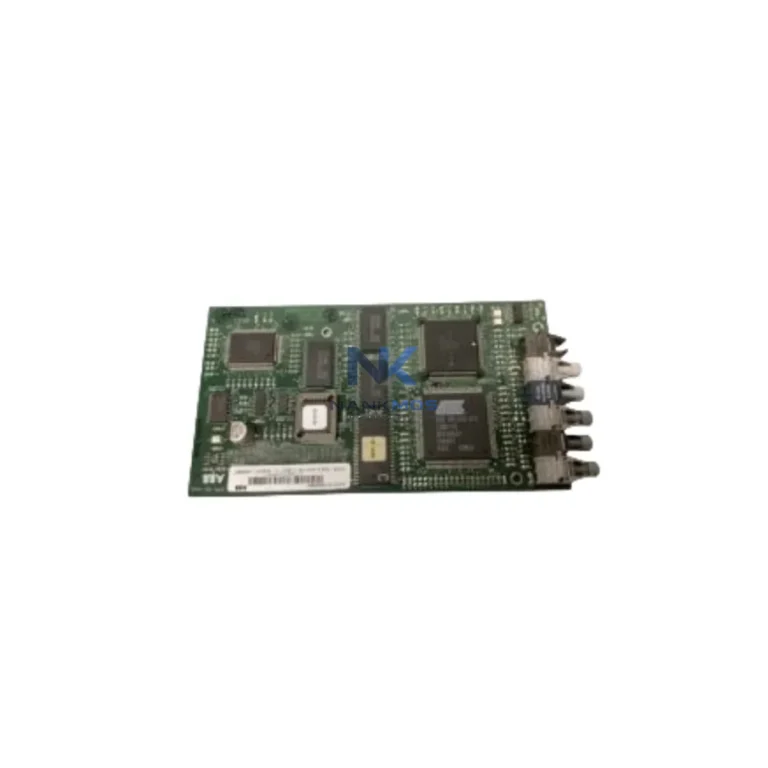
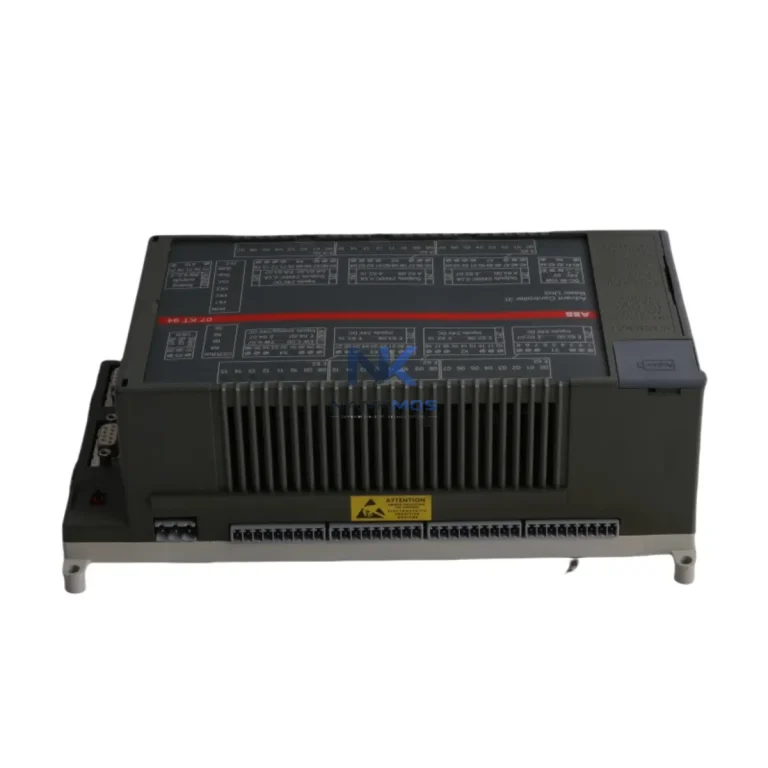
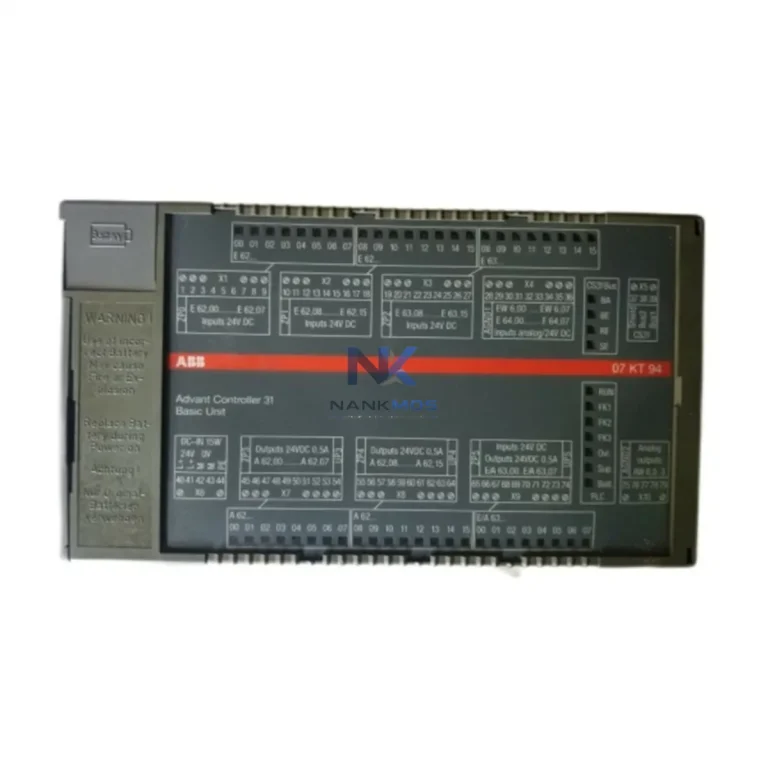
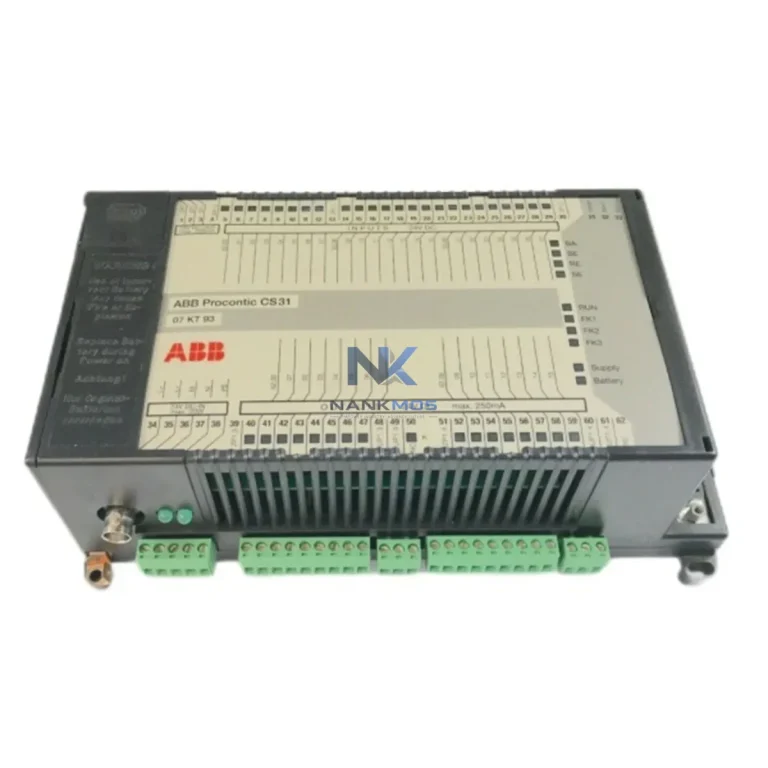
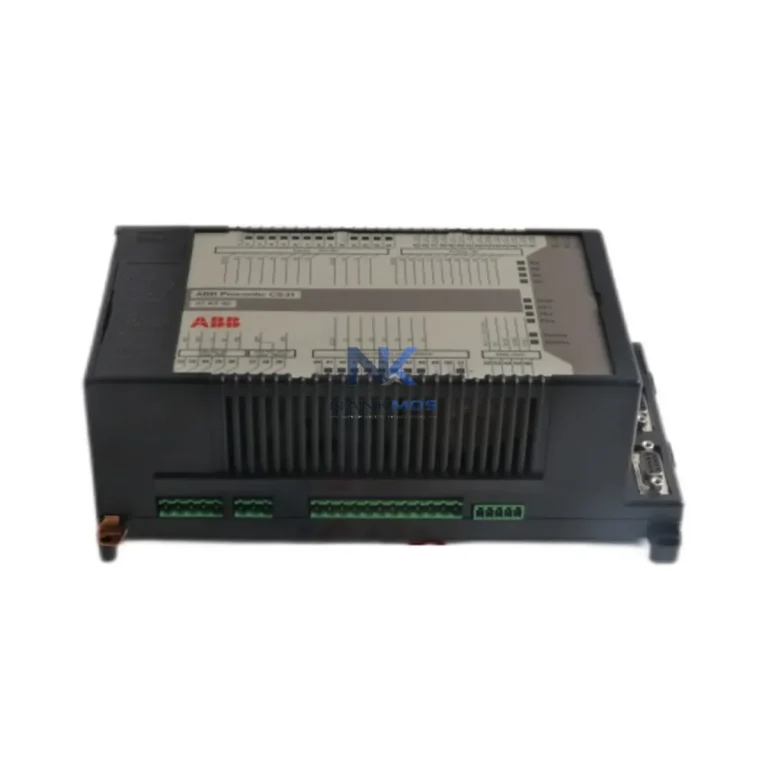
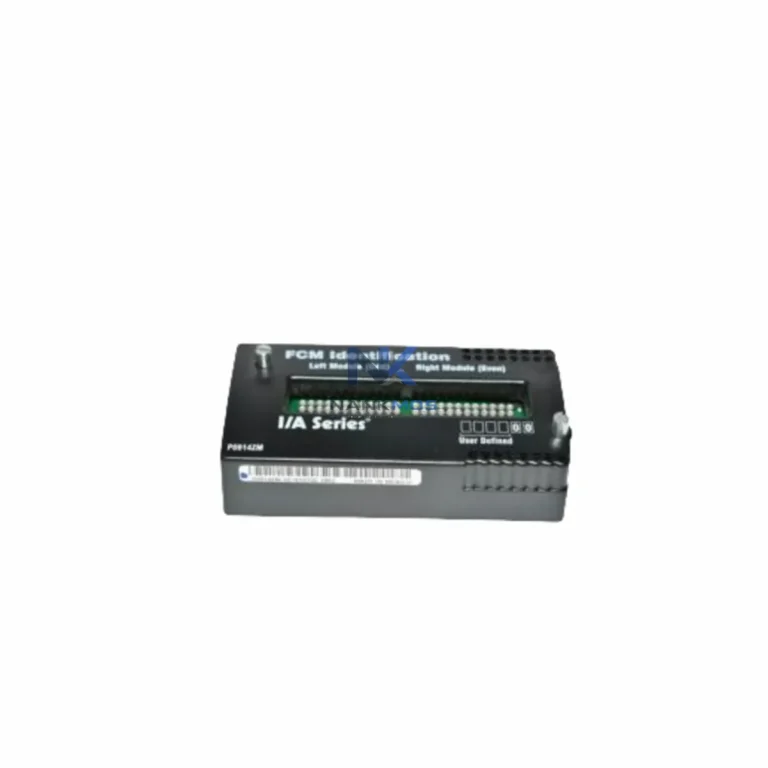
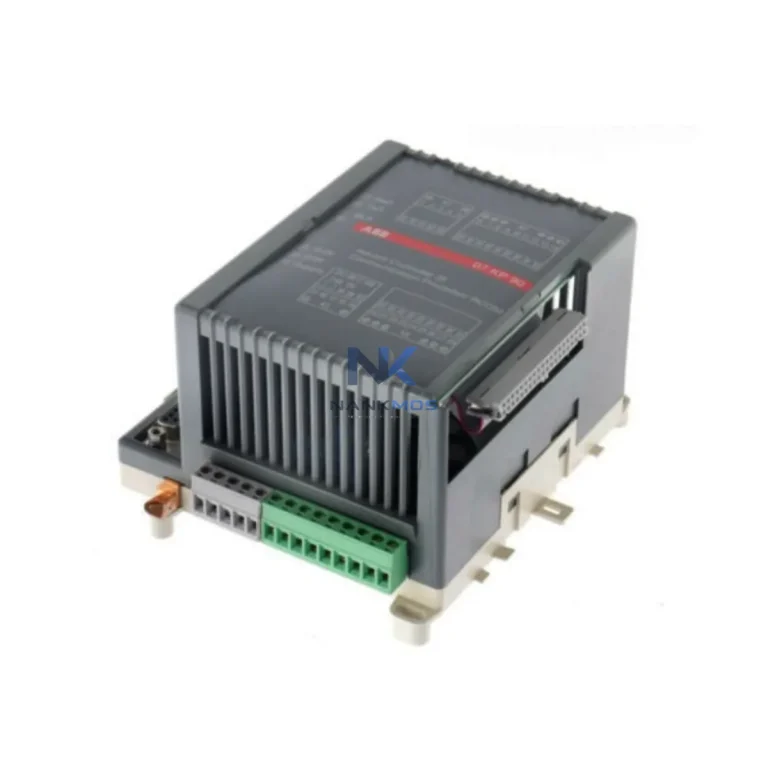
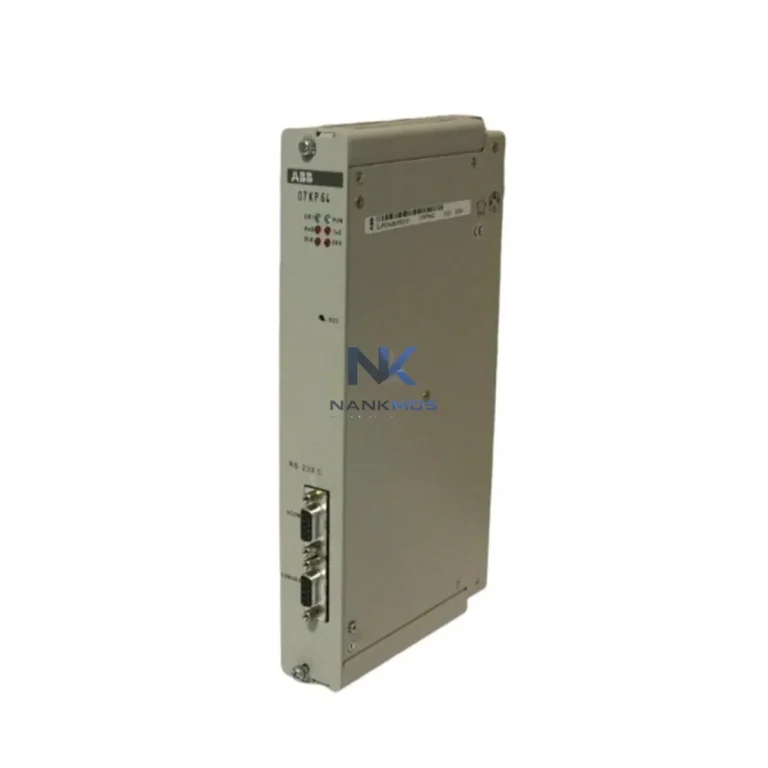
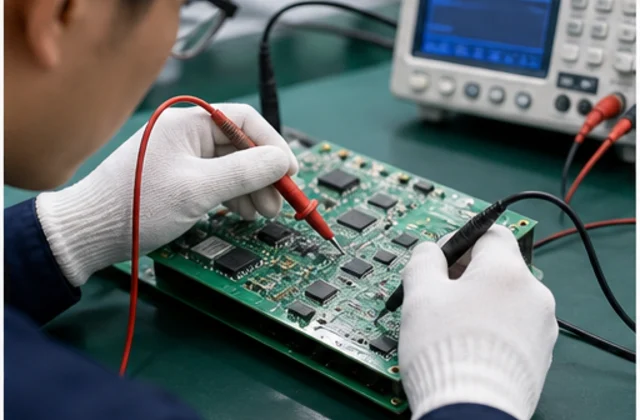
 Functional Inspection
100% tested on professional platforms to ensure stable performance.
ABB APBU-44CE is a NANKMOS industrial automation product record Listed under AC500 series and Business & Industrial > Automation, Control & Flow Devices > Programmable Logic Controllers. Confirm condition, availability, lead time, compatibility and documentation by email inquiry.
Brand names are used for identification only.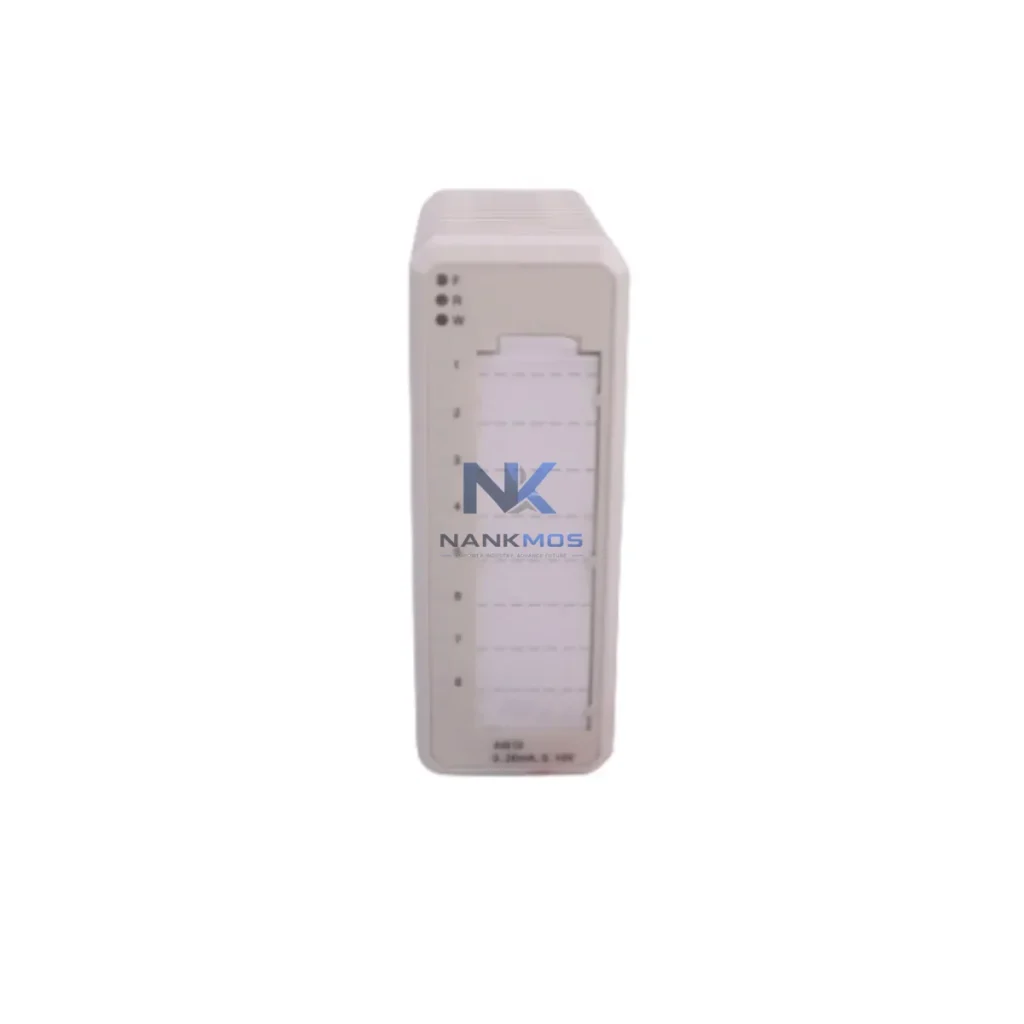
ABB APBU-44CE is a NANKMOS industrial automation product record Listed under AC500 series and Business & Industrial > Automation, Control & Flow Devices > Programmable Logic Controllers. Confirm condition, availability, lead time, compatibility and documentation by email inquiry.
| Manufacturer | ABB |
|---|---|
| Application | Controller Processing & System Control |
| Part Number / Model | APBU-44CE |
| Compatible System | AC500 |
| Series | AC500 |
| Condition Options | To Confirm |
| Module Type | Controller / CPU Module |
| Warranty | 12 Months |
| Packaging | Anti-static Bag / Secure Box |
| Shipping Methods | DHL / FedEx / UPS / Air / Sea |
| Availability | To Confirm |
| Lead Time | To Confirm |
| Documentation | Part number and revision checked before quote |
The ABB APBU-44CE is a field-proven branching unit engineered for deployment within the ABB AC500 modular PLC platform and its associated S500 I/O subsystem. Designed to extend and distribute I/O signals across distributed control cabinets, the APBU-44CE serves as a critical junction component that maintains signal integrity, simplifies field wiring, and enables scalable expansion of automation architectures in demanding industrial environments.
In modern industrial control systems, the branching unit occupies a pivotal role at the intersection of the control layer, I/O layer, and field device layer. The APBU-44CE connects directly to the S500 I/O bus, allowing multiple I/O modules — including digital input modules such as the DI524, digital output modules such as the DO524, and analog signal modules such as the AI523 — to be distributed across physical cabinet sections or remote field panels without compromising bus timing or signal fidelity. This architecture reduces point-to-point wiring complexity, lowers installation labor costs, and improves long-term maintainability across the full system lifecycle.
The APBU-44CE is fully compatible with the AC500 CPU families, including the PM573, PM583, PM591, and PM595 processors, which govern the control layer of the automation platform. When paired with these CPUs and their associated TB523 or TB541 terminal base units, the APBU-44CE enables engineers to construct distributed I/O topologies that span multiple physical locations while maintaining a unified control namespace. This is particularly valuable in large-scale process plants, power distribution substations, and continuous manufacturing lines where field devices are geographically dispersed.
From a communications perspective, the APBU-44CE supports the internal S500 I/O bus protocol, ensuring deterministic data exchange between the CPU and all connected I/O modules. In architectures where fieldbus communication is required at the device level, the APBU-44CE can be integrated alongside communication interface modules such as the CI502 PROFIBUS DP slave module or the CI504 PROFINET IO device module, enabling seamless connectivity to higher-level SCADA systems, distributed control systems (DCS), or industrial Ethernet networks. This layered communication design ensures that the APBU-44CE contributes to overall system transparency and diagnostic accessibility.
Power distribution within the control cabinet is another area where the APBU-44CE delivers measurable engineering value. By consolidating the I/O bus connection point, the branching unit reduces the number of individual power supply connections required for distributed I/O segments. When used in conjunction with ABB's PS501 or PS560 power supply modules, the APBU-44CE helps maintain stable 24 VDC supply rails across all connected I/O modules, supporting consistent operation under variable load conditions and transient power events common in industrial environments.
For HMI integration, the APBU-44CE-based I/O architecture interfaces naturally with ABB CP600 series operator panels or third-party HMI platforms connected via PROFINET or Modbus TCP. The structured I/O addressing enabled by the branching unit topology simplifies tag mapping in HMI configuration tools, reducing commissioning time and minimizing the risk of addressing errors during system startup.
In redundant control architectures, the APBU-44CE supports deployment in configurations where dual CPU modules — such as paired PM595 processors in hot-standby mode — share access to a common I/O bus. This redundancy capability is essential in critical process applications including oil and gas separation trains, chemical reactor control, water treatment plant automation, and power generation auxiliary systems, where unplanned downtime carries significant operational and safety consequences.
The APBU-44CE is housed in a compact DIN rail-mountable enclosure rated for industrial panel environments, with an operating temperature range suitable for standard control cabinet installations. Its plug-and-play bus connection design minimizes installation errors and supports rapid module replacement during maintenance windows, contributing to reduced mean time to repair (MTTR) across the system lifecycle.
All APBU-44CE units supplied by NANKMOS are sourced from verified distribution channels, subjected to pre-shipment functional verification, and covered by a 12-Month Warranty. Each unit is inspected to confirm bus connector integrity, module locking mechanism function, and labeling accuracy prior to dispatch. This quality assurance process ensures that every APBU-44CE delivered to site is ready for immediate installation without additional incoming inspection overhead.
The Contextual Integration approach applied to the APBU-44CE means that NANKMOS provides not only the component itself but also application-level guidance on how the branching unit fits within the broader AC500 control architecture. Whether the deployment involves a compact single-cabinet PLC system or a multi-panel distributed I/O network spanning an entire production facility, the APBU-44CE is positioned as a system-enabling component rather than a standalone module.
The APBU-44CE achieves its full engineering value when deployed as part of a complete ABB AC500 automation platform. A typical system architecture built around this branching unit incorporates the following layers and components:
At the control layer, an ABB PM591 or PM595 CPU module mounted on a TB583 or TB541 terminal base provides the processing core. The CPU executes the control program, manages I/O data exchange via the S500 bus, and handles communication with upstream SCADA or DCS systems. In high-availability applications, dual PM595 CPUs configured in hot-standby redundancy ensure continuous operation during CPU module failure events.
At the I/O layer, the APBU-44CE branches the S500 bus to multiple I/O module groups. Connected modules typically include DI524 digital input modules for field switch and sensor signals, DO524 digital output modules for actuator and relay drive signals, AI523 analog input modules for 4–20 mA process variable measurements, and AO523 analog output modules for control valve and variable speed drive setpoint signals. The branching unit maintains bus continuity across all connected modules, ensuring deterministic scan cycle performance.
At the communications layer, CI502 PROFIBUS DP or CI504 PROFINET IO communication interface modules connect the AC500 system to field devices, remote I/O stations, and plant-level networks. The structured I/O topology enabled by the APBU-44CE simplifies network address assignment and reduces the risk of communication conflicts during system commissioning.
At the power layer, ABB PS501 or PS560 power supply modules provide regulated 24 VDC to the CPU, I/O bus, and field device circuits. Proper power segmentation, facilitated by the APBU-44CE's bus junction architecture, ensures that power faults in one I/O segment do not propagate to adjacent segments.
At the HMI layer, ABB CP635 or CP651 operator panels provide local process visualization and operator control. Tag databases are structured to align with the I/O addressing scheme defined by the APBU-44CE topology, enabling efficient HMI configuration and reducing tag mapping errors.
At the protection layer, surge protection devices and fused terminal blocks installed adjacent to the APBU-44CE protect field wiring from transient overvoltage events. This is particularly important in outdoor substations, mining installations, and petrochemical plants where lightning-induced surges and switching transients are common.
The ABB APBU-44CE is deployed across a wide range of industrial sectors where modular, scalable I/O architecture is a fundamental engineering requirement:
In manufacturing automation, the APBU-44CE enables flexible I/O distribution across multi-station assembly lines, robotic welding cells, and conveyor control systems. Its compact form factor and DIN rail mounting allow integration into space-constrained control panels without compromising system expandability.
In power generation and distribution, the APBU-44CE supports auxiliary control systems for turbine generators, transformer protection panels, and switchgear automation. Its compatibility with redundant CPU configurations makes it suitable for applications where control system availability directly impacts grid stability.
In oil, gas, and petrochemical processing, the APBU-44CE is used in wellhead control panels, compressor station automation, and refinery process control systems. Its robust industrial design and pre-shipment testing protocol align with the stringent quality requirements of hazardous area control applications.
In water and wastewater treatment, the APBU-44CE facilitates distributed I/O architectures across pump stations, filtration systems, and chemical dosing control panels. Its modular design supports phased system expansion as treatment capacity increases over time.
In mining and metallurgy, the APBU-44CE is integrated into conveyor drive control systems, ore processing plant automation, and smelter auxiliary control panels. Its compatibility with PROFIBUS DP communication enables integration with existing plant-wide control networks.
In marine and offshore applications, the APBU-44CE supports machinery control systems, ballast water management automation, and cargo handling control panels aboard vessels and offshore platforms. Its compact, panel-mount design is well-suited to the space constraints of marine control rooms.
Q1: Is the APBU-44CE compatible with all AC500 CPU generations, and can it be used in a mixed I/O module configuration?The APBU-44CE is designed for use within the ABB AC500 S500 I/O system and is compatible with the full range of AC500 CPU modules, including PM573, PM583, PM591, and PM595 processors. It supports mixed I/O module configurations, allowing digital input, digital output, analog input, and analog output modules to be connected on the same S500 bus segment. This flexibility enables engineers to optimize I/O module selection based on specific application signal requirements without being constrained by module type segregation.
Q2: What are the key considerations for deploying the APBU-44CE in a redundant control architecture?In redundant AC500 architectures using dual PM595 CPUs in hot-standby configuration, the APBU-44CE must be positioned to ensure that both CPUs have uninterrupted access to the shared I/O bus. Engineers should verify that the S500 bus cable routing between the redundant CPU terminal bases and the APBU-44CE meets ABB's specified maximum cable length requirements to maintain bus timing integrity. Additionally, power supply redundancy for the 24 VDC bus rail should be implemented using dual PS501 or PS560 modules with diode ORing to prevent single power supply failure from disrupting I/O bus operation.
Q3: What warranty and supply assurance does NANKMOS provide for the APBU-44CE, and how is pre-shipment quality verified?All APBU-44CE units supplied by NANKMOS are covered by a 12-Month Warranty from the date of shipment. Prior to dispatch, each unit undergoes a pre-shipment functional verification process that includes inspection of the S500 bus connector, module locking mechanism, and product labeling. NANKMOS maintains in-stock inventory of the APBU-44CE to support urgent project requirements and scheduled maintenance programs. For procurement inquiries, technical specifications, or application support, contact NANKMOS at [email protected] or +86 18359268345.
Functional Inspection100% tested on professional platforms to ensure stable performance.
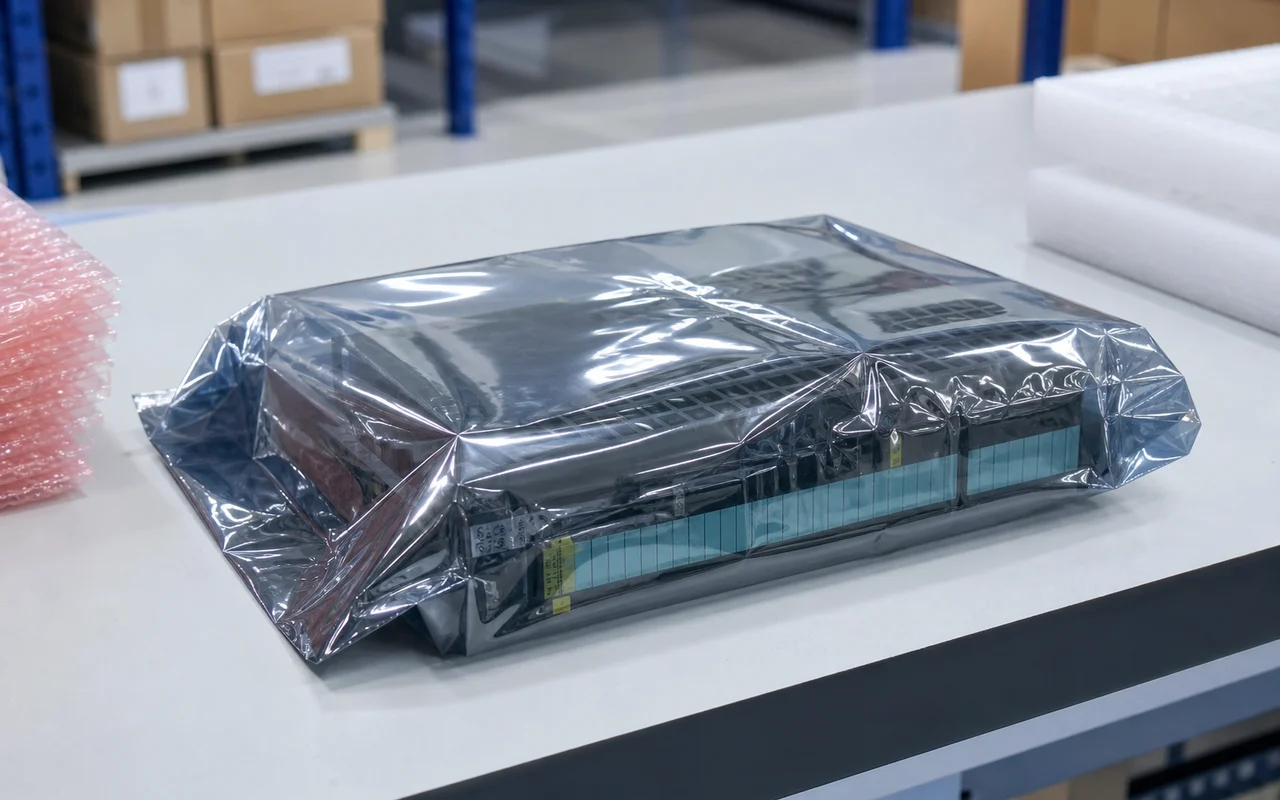 Anti-static Packaging
Modules are packed in anti-static bags to prevent electrostatic damage.
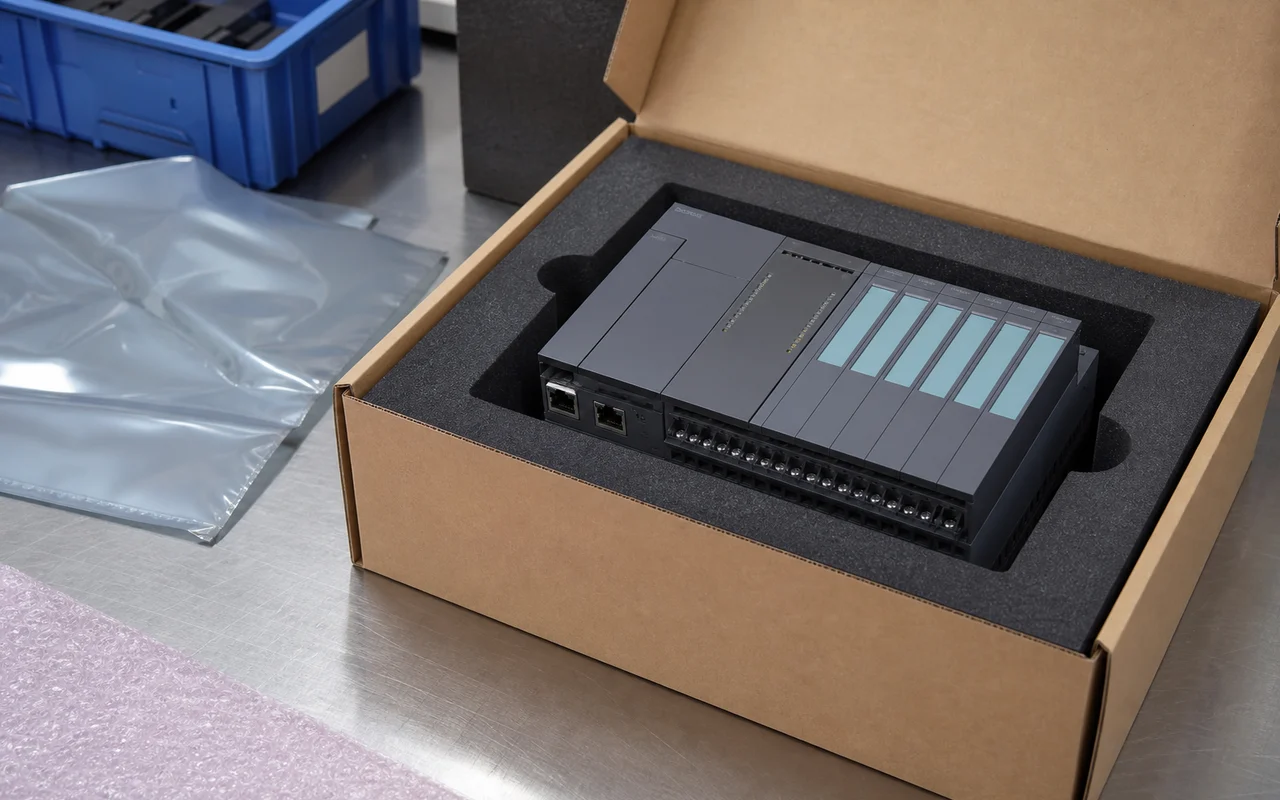 Secure Export Packing
Cushion protection and strong cartons ensure safe transportation.
 Worldwide Shipping
Global logistics network supports air, sea and express delivery.
 Documentation Check
Part number, revision and compatibility verified before shipment.
 After-sales Support
Professional technical support to help resolve your issues.