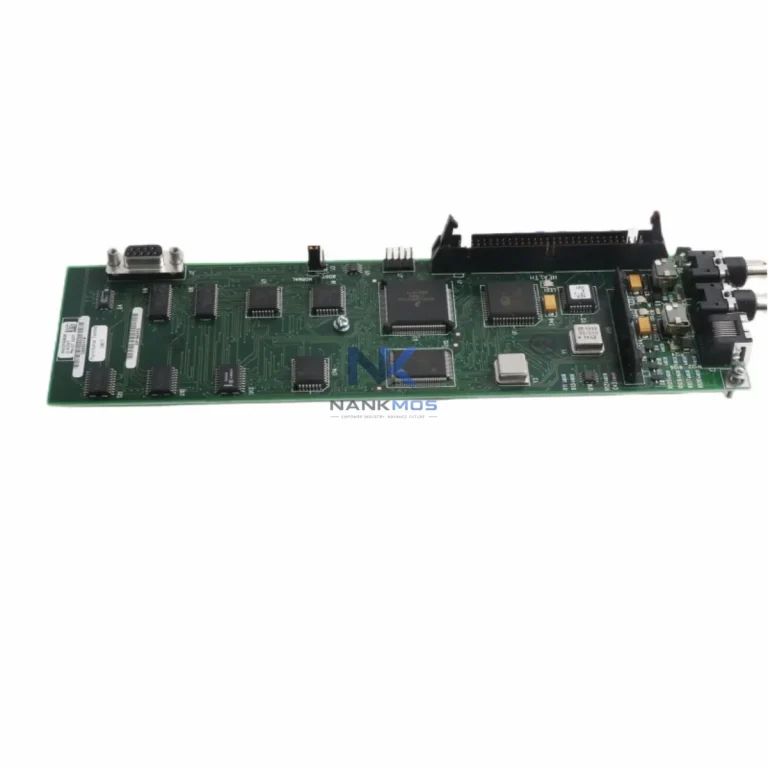
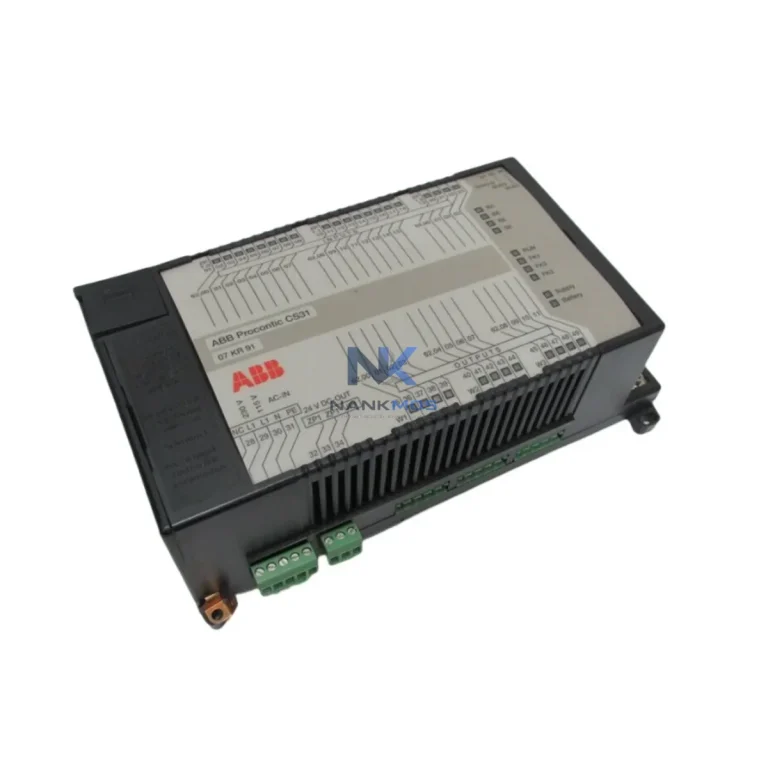
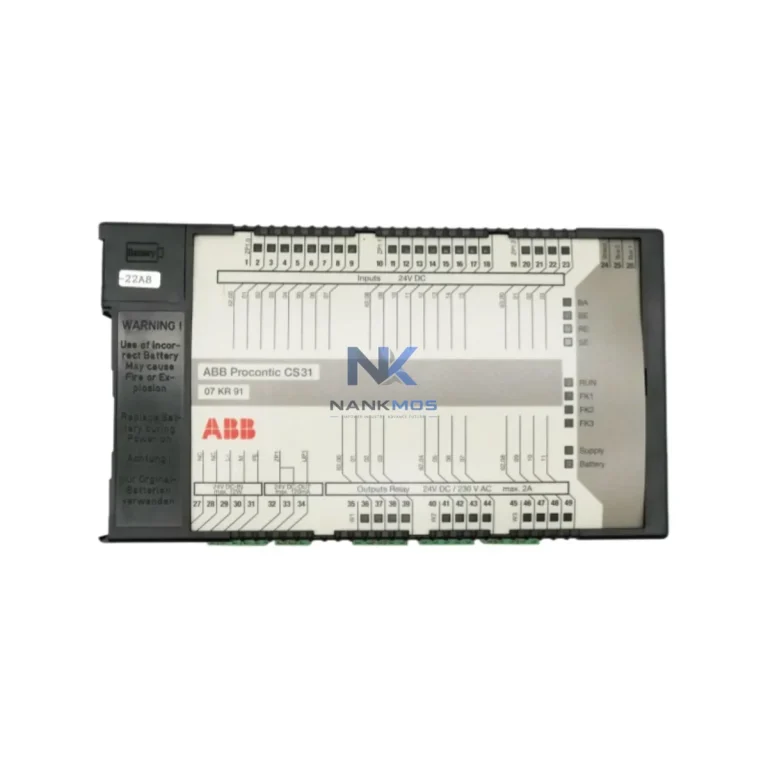
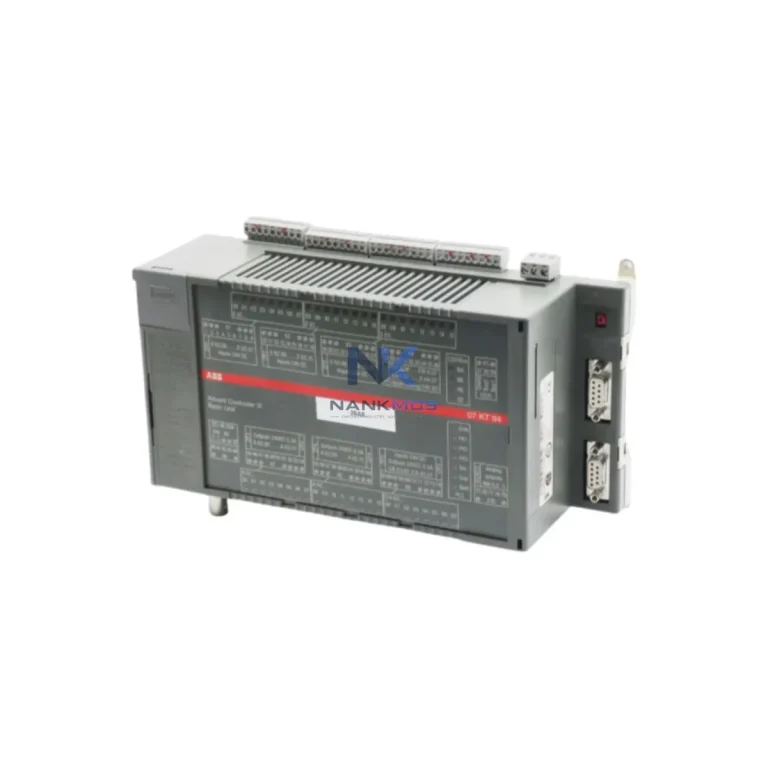
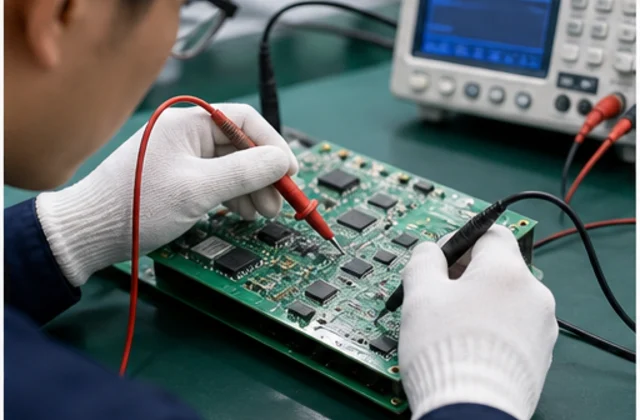
 Functional Inspection
100% tested on professional platforms to ensure stable performance.
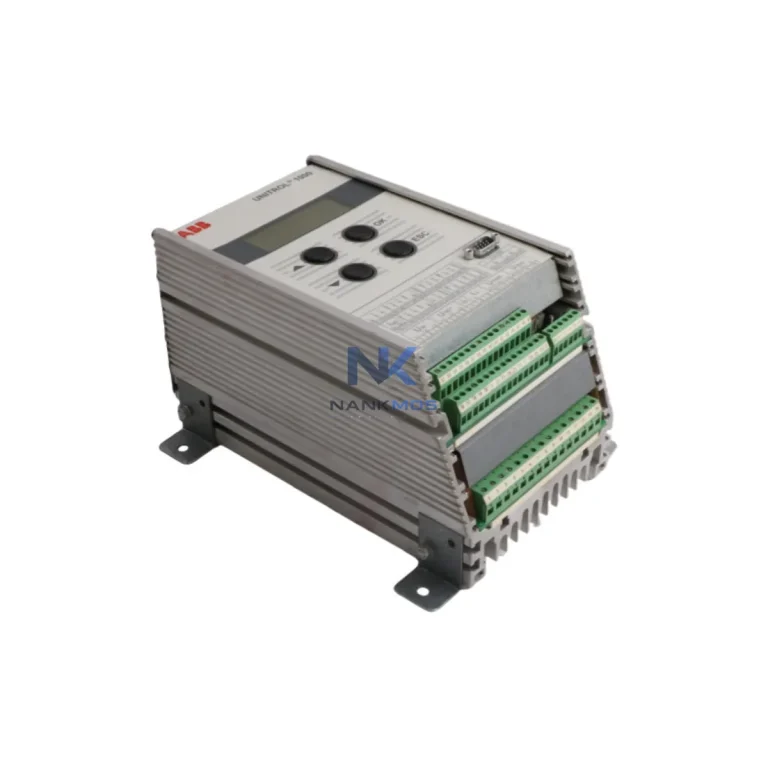
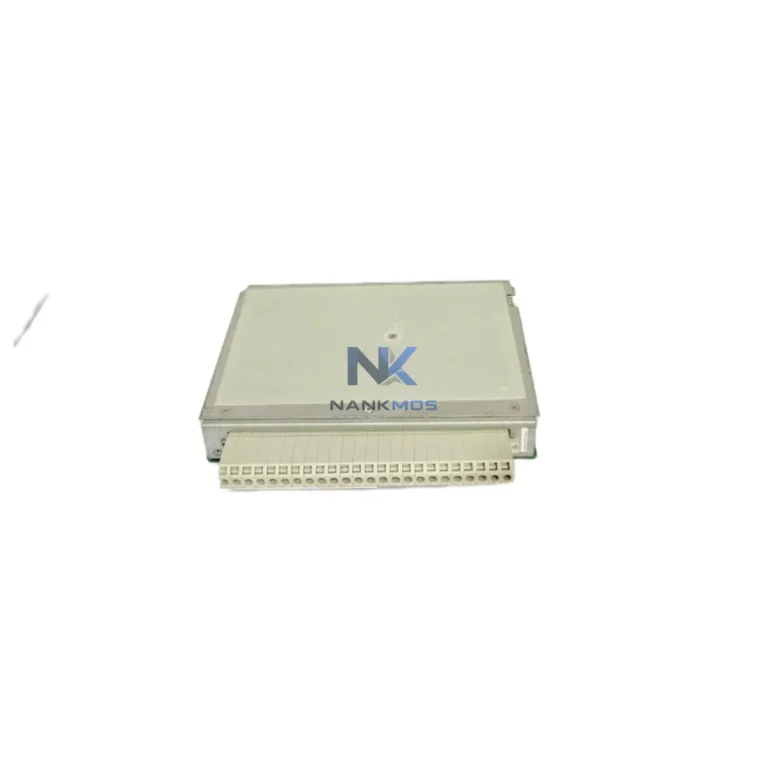
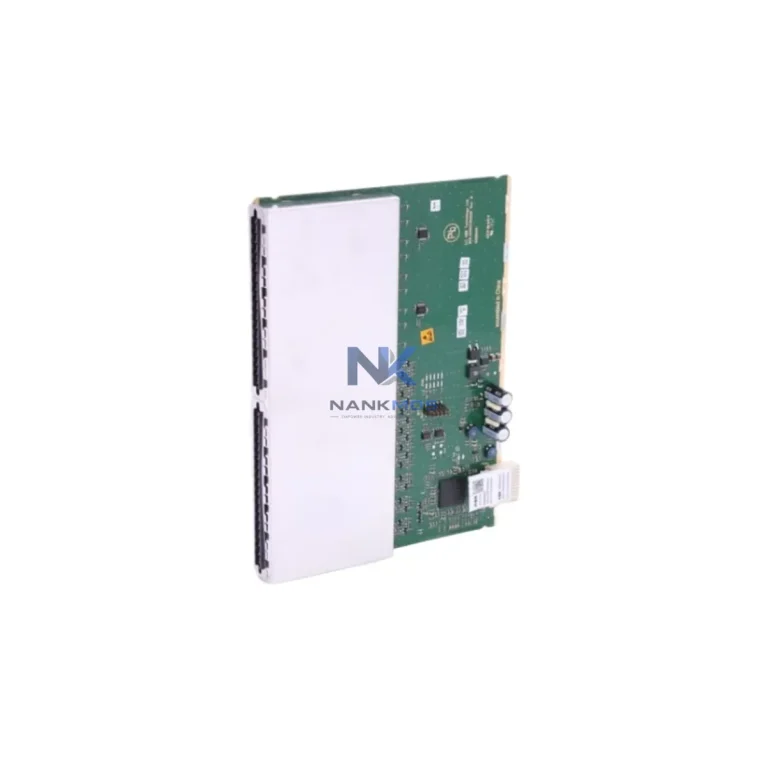
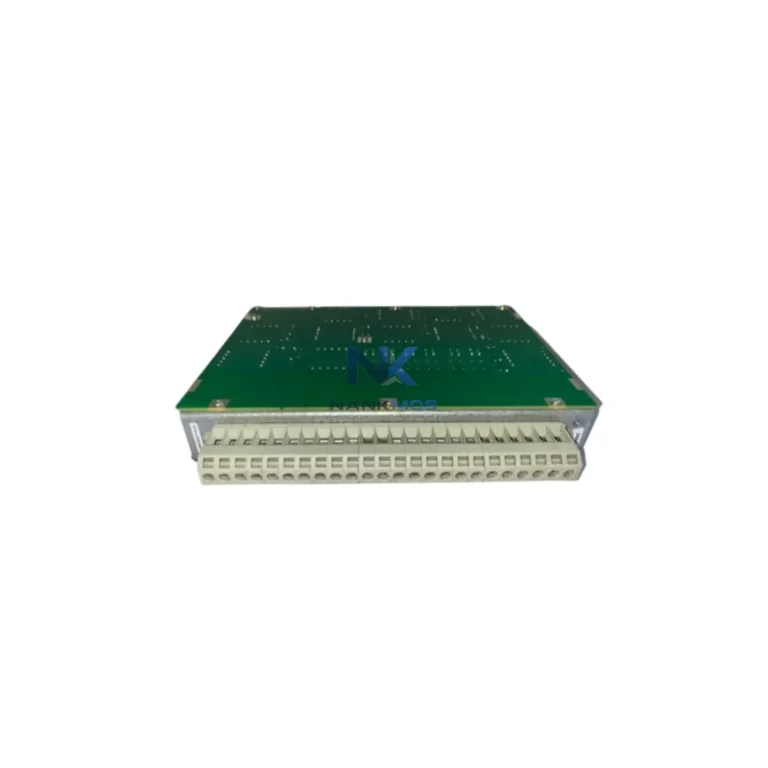
ABB BDPS-11C 3AXD50000000051 is a NANKMOS industrial automation product record Listed under ACS880 series and Business & Industrial > Automation, Control & Flow Devices. Confirm condition, availability, lead time, compatibility and documentation by email inquiry.
Brand names are used for identification only.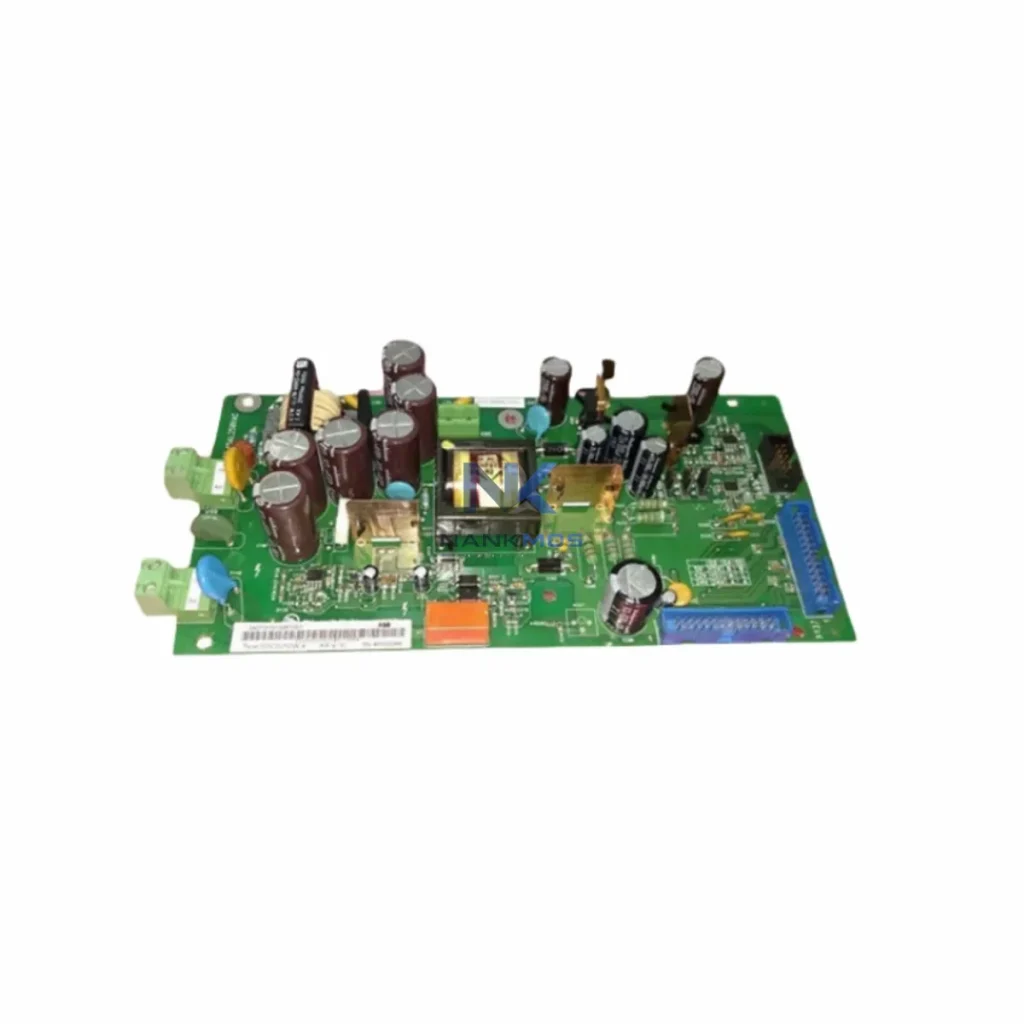
ABB BDPS-11C 3AXD50000000051 is a NANKMOS industrial automation product record Listed under ACS880 series and Business & Industrial > Automation, Control & Flow Devices. Confirm condition, availability, lead time, compatibility and documentation by email inquiry.
| Manufacturer | ABB |
|---|---|
| Application | Industrial Automation Maintenance |
| Part Number / Model | BDPS-11C 3AXD50000000051 |
| Compatible System | ACS880 |
| Series | ACS880 |
| Condition Options | To Confirm |
| Module Type | Automation, Control & Flow Devices |
| Warranty | 12 Months |
| Packaging | Anti-static Bag / Secure Box |
| Shipping Methods | DHL / FedEx / UPS / Air / Sea |
| Availability | To Confirm |
| Lead Time | To Confirm |
| Documentation | Part number and revision checked before quote |
The ABB BDPS-11C (3AXD50000000051) is a precision-engineered brake chopper module designed for seamless integration within ACS880 drive systems and broader industrial network architectures. In modern smart factory environments, where every millisecond of data latency and every node in the control network carries operational significance, the BDPS-11C delivers reliable dynamic braking performance while supporting the connectivity demands of Industry 4.0 data infrastructure. From field-level signal acquisition through to SCADA visualization and remote diagnostics, this module occupies a critical position in the industrial data chain.
In a fully connected smart factory, the ABB BDPS-11C operates as part of a layered automation architecture where data flows continuously from field devices upward through control, supervision, and enterprise systems. At the field level, sensors and encoders feed real-time speed and torque signals into the ACS880 drive, which manages the BDPS-11C's braking activation based on deceleration demand. The ACS880 drive itself communicates upstream via the RDCO-03 PROFINET communication module or the RDCO-02 PROFIBUS adapter, transmitting drive status, fault codes, and energy data to the PLC control layer — typically an ABB AC500 PLC or a Siemens S7-1500 series controller managing the broader production cell.
From the PLC, process data is aggregated and forwarded to the SCADA layer via industrial Ethernet switches — such as ABB's own managed switches or Hirschmann MACH series — ensuring deterministic, low-latency data delivery across the plant network. HMI panels, including ABB CP600 series or Siemens TP1200 Comfort, display real-time drive status, braking events, and energy recovery metrics, giving operators immediate visibility into dynamic braking performance. When the BDPS-11C triggers a braking cycle, the event is timestamped and logged in the SCADA historian, enabling trend analysis and predictive maintenance scheduling.
Remote I/O modules — such as ABB CI854 or Beckhoff EK1100 EtherCAT couplers — extend the data acquisition perimeter to distributed field devices, feeding additional process variables into the same network backbone. Edge gateways, including devices like the Moxa MGate MB3480 or the ABB Edge Controller, perform local protocol conversion between legacy Modbus RTU field instruments and the plant's PROFINET or EtherNet/IP backbone, ensuring that even older instrumentation contributes to the unified data stream. Variable frequency drives in adjacent production zones — such as ABB ACS580 or ACS380 series — share the same network segment, and their operational data is correlated with BDPS-11C braking events to optimize energy consumption across the entire drive system.
At the enterprise level, data collected from the ACS880 drive system — including BDPS-11C fault history, braking frequency, and thermal load data — is forwarded to MES and ERP platforms via OPC-UA servers or cloud IoT gateways, enabling production planners to correlate drive health with overall equipment effectiveness (OEE) metrics. This end-to-end data chain, from the BDPS-11C's braking resistor circuit through to the enterprise dashboard, exemplifies the connected factory model that NANKMOS supports across its industrial automation supply portfolio.
Many industrial sites operating ACS880 drive systems face persistent challenges around data visibility and network integration. Protocol fragmentation is a common barrier: legacy Modbus RTU devices on the factory floor cannot natively communicate with PROFINET-based PLC networks, creating data silos that obscure the true operational state of the braking system. The BDPS-11C, when deployed within a properly configured ACS880 drive with the appropriate RDCO communication module, bridges this gap by exposing drive and braking status data to the plant network in standardized industrial protocols.
Remote monitoring is another critical requirement for multi-site operators. Without real-time visibility into braking chopper status, maintenance teams must rely on scheduled inspections rather than condition-based intervention. By integrating the ACS880 and BDPS-11C into the SCADA network, operators can configure alarm thresholds for over-temperature, overcurrent, and braking duty cycle exceedance, receiving instant notifications via the HMI or remote alarm management system before a fault escalates to unplanned downtime.
Production line transparency is further enhanced through data visualization dashboards that display braking event frequency, energy dissipation trends, and fault occurrence rates over time. This data supports root cause analysis when process anomalies occur and enables engineering teams to optimize deceleration ramp profiles in the ACS880 drive parameters, reducing mechanical stress on connected loads such as crane hoists or centrifuge spindles. System scalability is preserved through the modular architecture of the ACS880 platform: additional BDPS-11C units can be paralleled for higher braking power requirements without redesigning the network topology, and the communication configuration scales accordingly through the drive's existing fieldbus interface.
Q1: Does the ABB BDPS-11C support direct PROFINET or EtherNet/IP communication? The BDPS-11C itself is a power electronics module and does not contain an independent network interface. Industrial protocol communication — including PROFINET, PROFIBUS-DP, EtherNet/IP, and Modbus TCP — is handled by the host ACS880 drive in conjunction with the appropriate RDCO communication adapter module. The BDPS-11C's operational status is exposed to the network through the drive's communication layer.
Q2: How is network stability maintained when the BDPS-11C is active during high-frequency braking cycles? The ACS880 drive's communication module operates independently of the power stage, ensuring that network data transmission remains stable even during intensive braking events. Industrial Ethernet switches with QoS (Quality of Service) prioritization further protect time-critical control traffic from being affected by high-bandwidth data bursts during braking cycles.
Q3: Can the BDPS-11C be monitored and diagnosed remotely without on-site intervention? Yes. When the ACS880 drive is connected to the plant SCADA or a remote access gateway, all drive and braking chopper parameters — including fault codes, thermal status, and braking duty cycle — are accessible remotely via the drive's fieldbus interface. This enables remote diagnostics, parameter adjustment, and fault acknowledgment without requiring a technician to be physically present at the drive cabinet.
Q4: What warranty and pre-shipment testing does NANKMOS provide for the BDPS-11C? Every ABB BDPS-11C (3AXD50000000051) supplied by NANKMOS is covered by a 12-Month Warranty and undergoes pre-shipment functional verification to confirm module integrity before dispatch. Global inventory availability ensures short lead times for both single-unit and bulk orders. For technical specifications, compatibility confirmation, or volume pricing, contact NANKMOS directly.
Functional Inspection100% tested on professional platforms to ensure stable performance.
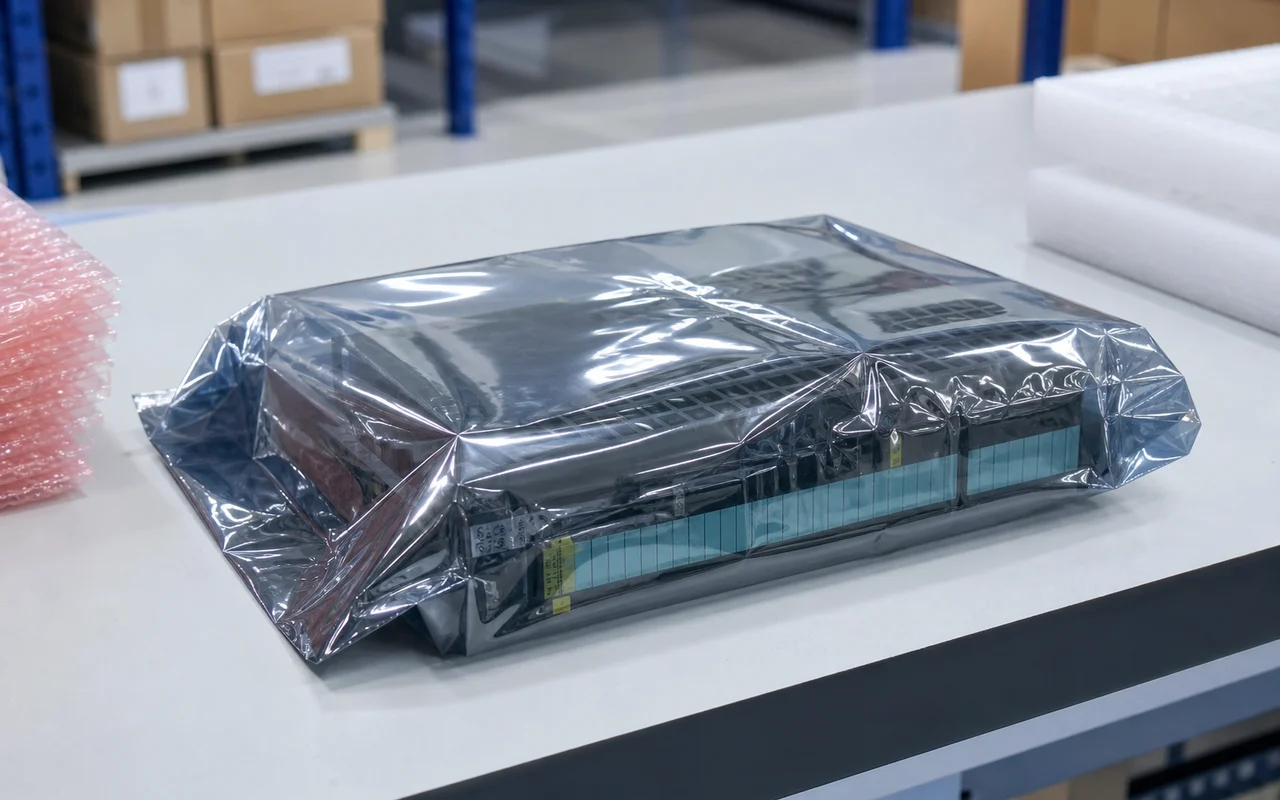 Anti-static Packaging
Modules are packed in anti-static bags to prevent electrostatic damage.
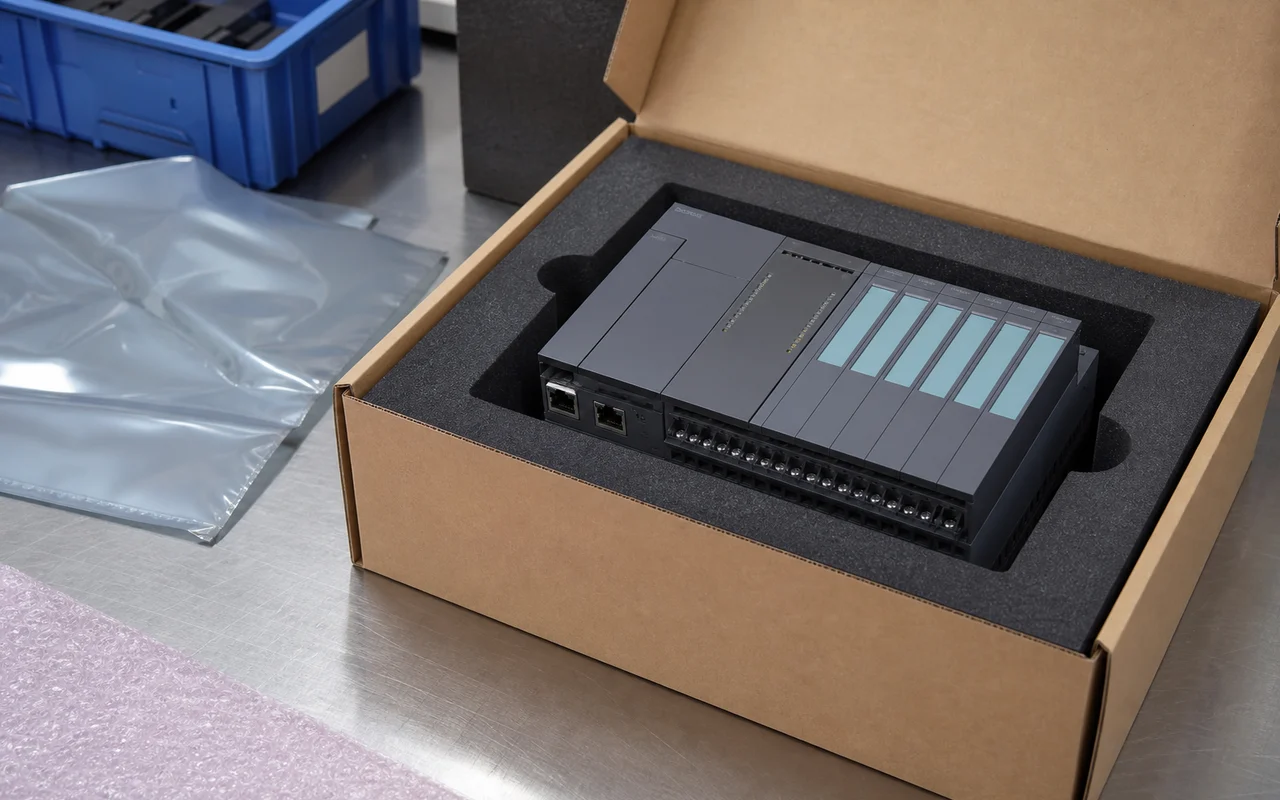 Secure Export Packing
Cushion protection and strong cartons ensure safe transportation.
 Worldwide Shipping
Global logistics network supports air, sea and express delivery.
 Documentation Check
Part number, revision and compatibility verified before shipment.
 After-sales Support
Professional technical support to help resolve your issues.