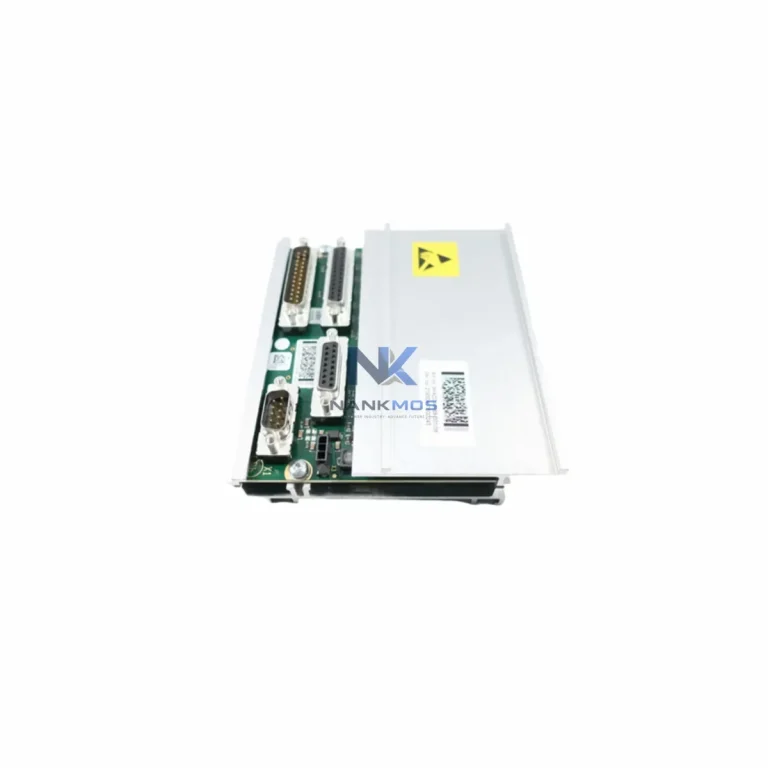
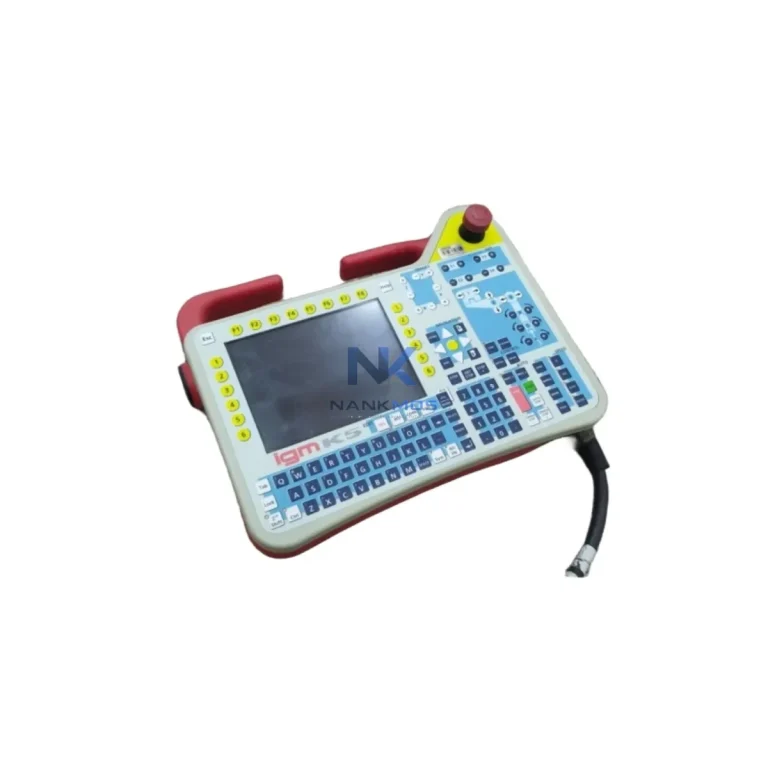
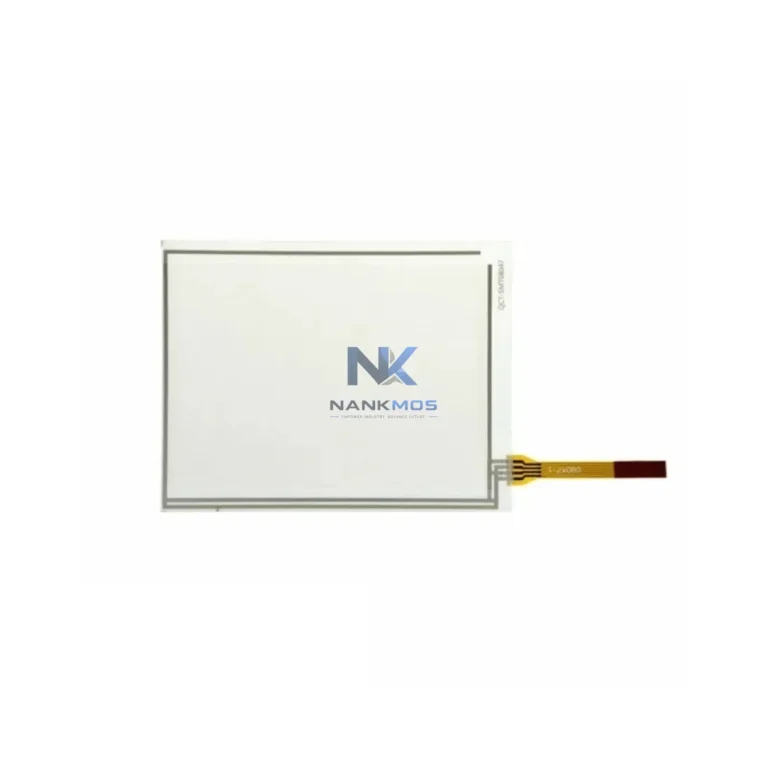
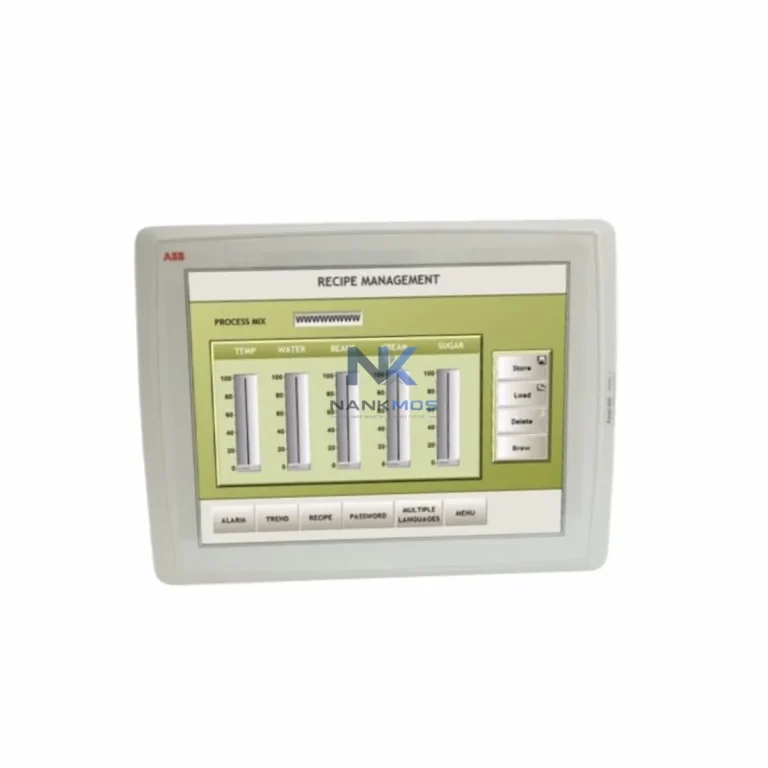
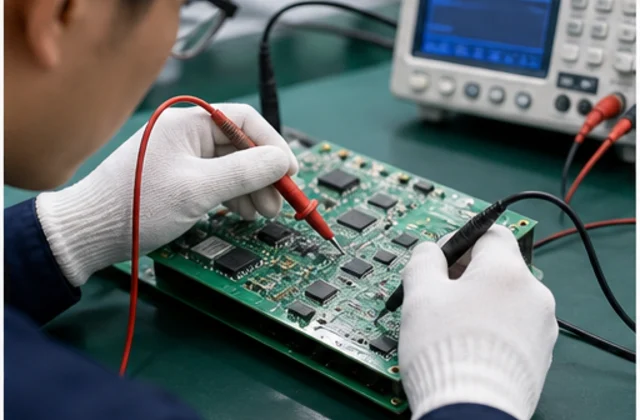
 Functional Inspection
100% tested on professional platforms to ensure stable performance.
ABB DSQC679 3HAC028357-027 is a NANKMOS industrial automation product record Listed under IRC5 series and HMI Panels. Confirm condition, availability, lead time, compatibility and documentation by email inquiry.
Brand names are used for identification only.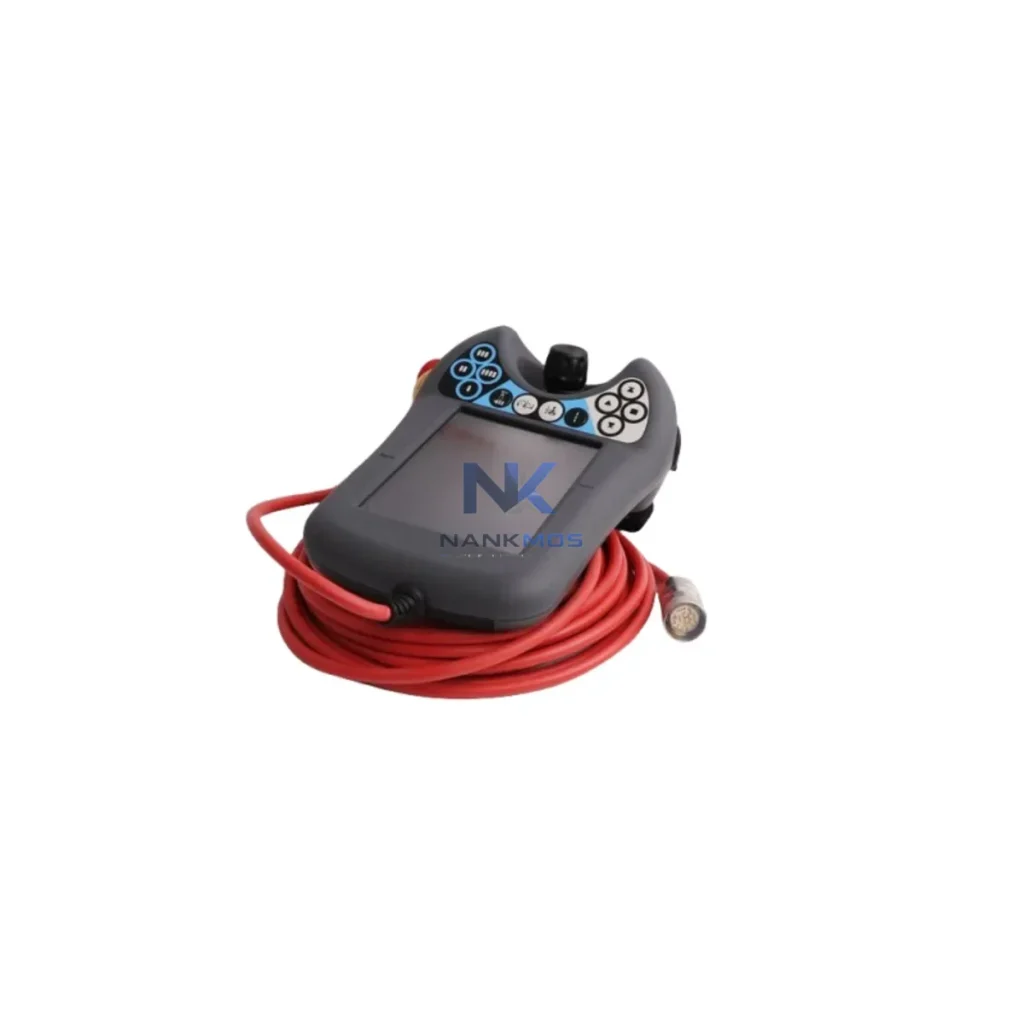
ABB DSQC679 3HAC028357-027 is a NANKMOS industrial automation product record Listed under IRC5 series and HMI Panels. Confirm condition, availability, lead time, compatibility and documentation by email inquiry.
| Manufacturer | ABB |
|---|---|
| Application | Industrial Automation Maintenance |
| Part Number / Model | DSQC679 3HAC028357-027 |
| Compatible System | IRC5 |
| Series | IRC5 |
| Condition Options | To Confirm |
| Module Type | HMI Panels |
| Warranty | 12 Months |
| Packaging | Anti-static Bag / Secure Box |
| Shipping Methods | DHL / FedEx / UPS / Air / Sea |
| Availability | To Confirm |
| Lead Time | To Confirm |
| Documentation | Part number and revision checked before quote |
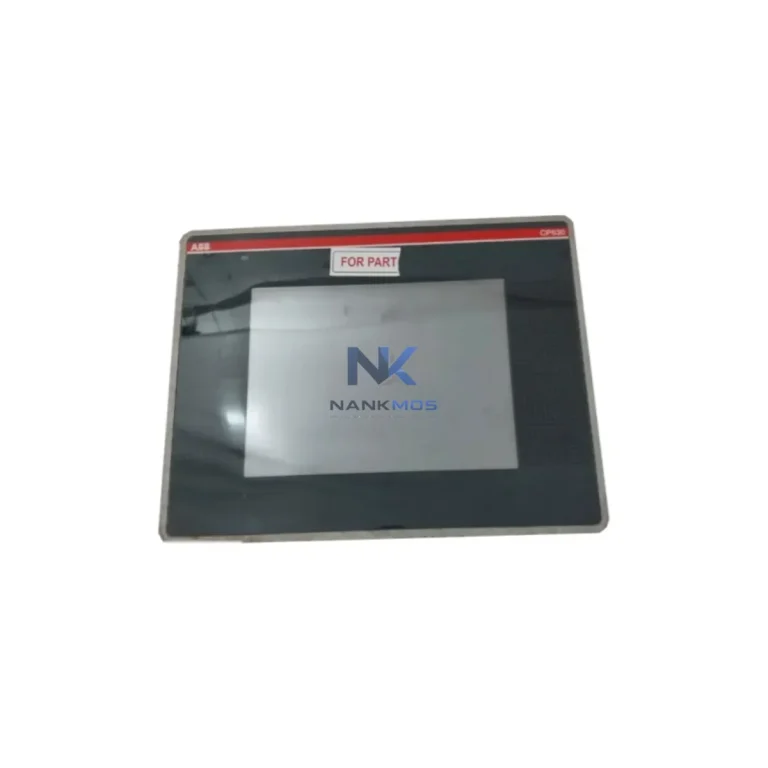
The ABB DSQC679 (3HAC028357-027) is a factory-engineered HMI Display Module purpose-built for the IRC5 robot controller platform. As the primary operator interface within ABB's modular control architecture, the DSQC679 bridges the human-machine layer with the real-time motion control, I/O management, and communication subsystems that define modern industrial robot cells. Its role extends well beyond a simple display panel — it functions as the diagnostic gateway, configuration terminal, and runtime monitoring surface for the entire IRC5 control stack.
In high-throughput manufacturing environments, operator visibility and system responsiveness are non-negotiable. The DSQC679 delivers both, providing a high-resolution touch interface that integrates directly with the IRC5 main computer (DSQC1000 or DSQC652 series) via the internal controller bus. This tight coupling ensures that all axis data, program states, I/O statuses, and alarm logs are rendered in real time without latency introduced by external communication layers. For engineers commissioning multi-robot cells or maintaining legacy IRC5 installations, this level of native integration is critical to reducing downtime and accelerating fault resolution.
The DSQC679 does not operate in isolation. Its value is fully realized when understood within the layered architecture of the IRC5 control platform. At the control layer, the IRC5 main computer — typically the DSQC1000 or legacy DSQC652 — executes RAPID programs and manages real-time motion trajectories. The DSQC679 serves as the runtime interface to this compute core, allowing operators to load programs, monitor axis positions, and acknowledge faults without interrupting the control cycle.
At the I/O layer, the IRC5 architecture relies on distributed I/O modules such as the DSQC652 digital I/O board and DSQC651 analog I/O module. These modules feed process signals — conveyor states, gripper feedback, safety interlocks — into the controller, and the DSQC679 provides the visualization surface through which operators can monitor and override I/O states during commissioning and fault diagnosis. This direct visibility into the I/O layer dramatically reduces the time required to trace signal faults in complex multi-axis cells.
At the communication layer, the IRC5 platform supports DeviceNet, PROFIBUS, EtherNet/IP, and PROFINET via dedicated fieldbus adapter modules such as the DSQC688 (DeviceNet) and DSQC667 (PROFIBUS). The DSQC679 provides the configuration interface for these communication adapters, enabling engineers to set node addresses, baud rates, and network parameters directly from the pendant without requiring a separate engineering workstation. This capability is particularly valuable during initial system integration and network topology changes.
At the power layer, the IRC5 controller's internal power distribution — managed through the DSQC661 power supply unit — ensures stable voltage delivery to all internal modules including the DSQC679. In dual-cabinet configurations, the power architecture extends across both cabinets, and the DSQC679 provides real-time visibility into power status and drive readiness across the full system. For installations requiring uninterrupted operation, this power-layer transparency is essential for predictive maintenance scheduling.
At the drive and execution layer, the IRC5 drive system — comprising axis computer modules such as the DSQC668 and drive units for each robot axis — receives motion commands from the main computer and executes them with sub-millisecond precision. The DSQC679 provides the tuning and diagnostic interface for these drive modules, allowing engineers to perform fine motion calibration, review axis error logs, and execute jogging operations during robot setup and maintenance cycles.
For installations requiring safety integration, the IRC5 architecture supports the DSQC643 safety board, which manages emergency stop circuits, safety door interlocks, and speed monitoring functions. The DSQC679 interfaces with the safety layer to display active safety states and allow authorized personnel to reset safety conditions after fault clearance — a critical workflow in high-frequency production environments where safety resets must be performed quickly and reliably.
In multi-robot or coordinated motion applications, the IRC5 MultiMove configuration allows multiple controllers to synchronize motion across robot groups. In these architectures, the DSQC679 on each controller provides independent operator access while the controllers communicate via the DSQC377B or equivalent inter-controller communication modules. This distributed HMI architecture ensures that each robot cell remains independently operable while participating in coordinated production sequences.
Automotive Manufacturing: In body-in-white welding lines and paint shop automation, IRC5-controlled robots perform high-cycle, precision-critical operations. The DSQC679 provides the operator interface for program selection, weld parameter monitoring, and fault acknowledgment across multi-robot welding cells. Its integration with the IRC5 I/O and safety layers ensures that production restarts after safety events are performed with full system state visibility, minimizing unplanned downtime in high-OEE environments.
Electronics and Semiconductor Assembly: In PCB handling, component placement, and precision dispensing applications, the IRC5 platform's motion accuracy is paramount. The DSQC679 enables fine-tuning of path accuracy parameters and provides real-time feedback on TCP (Tool Center Point) calibration status, ensuring that precision assembly operations remain within tolerance across extended production runs.
Food and Beverage Packaging: In palletizing, case packing, and pick-and-place applications, the IRC5 architecture must support rapid product changeovers. The DSQC679 simplifies program switching and parameter adjustment between product variants, reducing changeover time and enabling operators without deep robotics expertise to manage routine production transitions.
Metal Fabrication and Welding: In arc welding and plasma cutting applications, the DSQC679 provides the interface for weld schedule management, torch calibration, and seam tracking parameter adjustment. Its integration with the IRC5 analog I/O layer allows real-time monitoring of welding process variables, enabling operators to detect and respond to process drift before it affects weld quality.
Petrochemical and Process Industries: In hazardous area robot deployments for inspection, sampling, and maintenance tasks, the IRC5 platform's robust architecture and the DSQC679's clear operator interface support safe and efficient robot operation in environments where human access is restricted. The 12-Month Warranty and pre-shipment testing protocol ensure that replacement units deployed in these critical environments meet the same performance standards as original factory-installed components.
Q1: Is the DSQC679 (3HAC028357-027) compatible with all IRC5 controller variants, including Panel-Mounted and Dual Cabinet configurations? Yes. The DSQC679 is designed for use across the full IRC5 controller family, including the IRC5 Single Cabinet, IRC5 Dual Cabinet, and IRC5 Panel-Mounted Controller (PMC). The module connects via the standard IRC5 internal bus connector and is recognized by all RobotWare versions compatible with the IRC5 platform. For installations running RobotWare 5.x or 6.x, no additional configuration is required — the controller automatically detects and initializes the DSQC679 on power-up. If you are integrating this unit into a specific IRC5 variant or RobotWare version, our technical team can confirm compatibility prior to dispatch.
Q2: What pre-shipment testing is performed on the DSQC679, and what does the 12-Month Warranty cover? Every DSQC679 unit is subjected to a functional verification protocol prior to shipment. This includes power-on testing, display initialization verification, touch interface calibration check, and bus communication handshake confirmation with an IRC5 controller. The 12-Month Warranty covers hardware defects and functional failures under normal operating conditions. It does not cover damage resulting from incorrect installation, voltage irregularities, or physical impact. Warranty claims are processed with priority support, and replacement units are dispatched from in-stock inventory to minimize system downtime.
Q3: How should the DSQC679 be integrated when replacing a failed unit in a live production IRC5 installation? Replacement of the DSQC679 in a live IRC5 installation follows a straightforward procedure. First, ensure the IRC5 controller is powered down and the main disconnect is locked out per site safety procedures. Disconnect the existing DSQC679 from the controller bus connector and remove the unit from its mounting bracket. Install the replacement DSQC679, reconnect the bus cable, and restore power. The IRC5 controller will automatically detect the new unit and load the current RobotWare configuration. No re-programming of the controller is required. For installations where the DSQC679 is used in conjunction with safety-rated functions (e.g., DSQC643 safety board), a safety function verification test should be performed after replacement to confirm that all safety circuits are operating correctly before resuming production.
Functional Inspection100% tested on professional platforms to ensure stable performance.
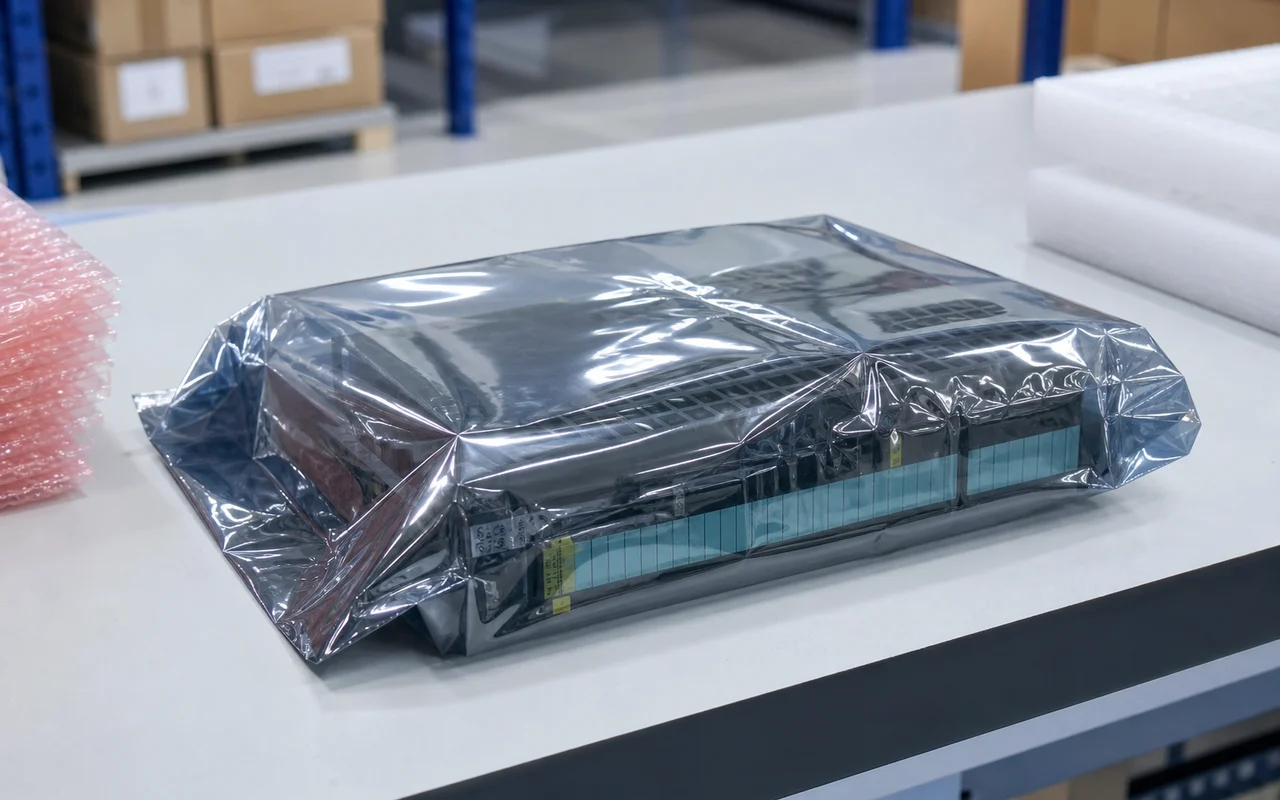 Anti-static Packaging
Modules are packed in anti-static bags to prevent electrostatic damage.
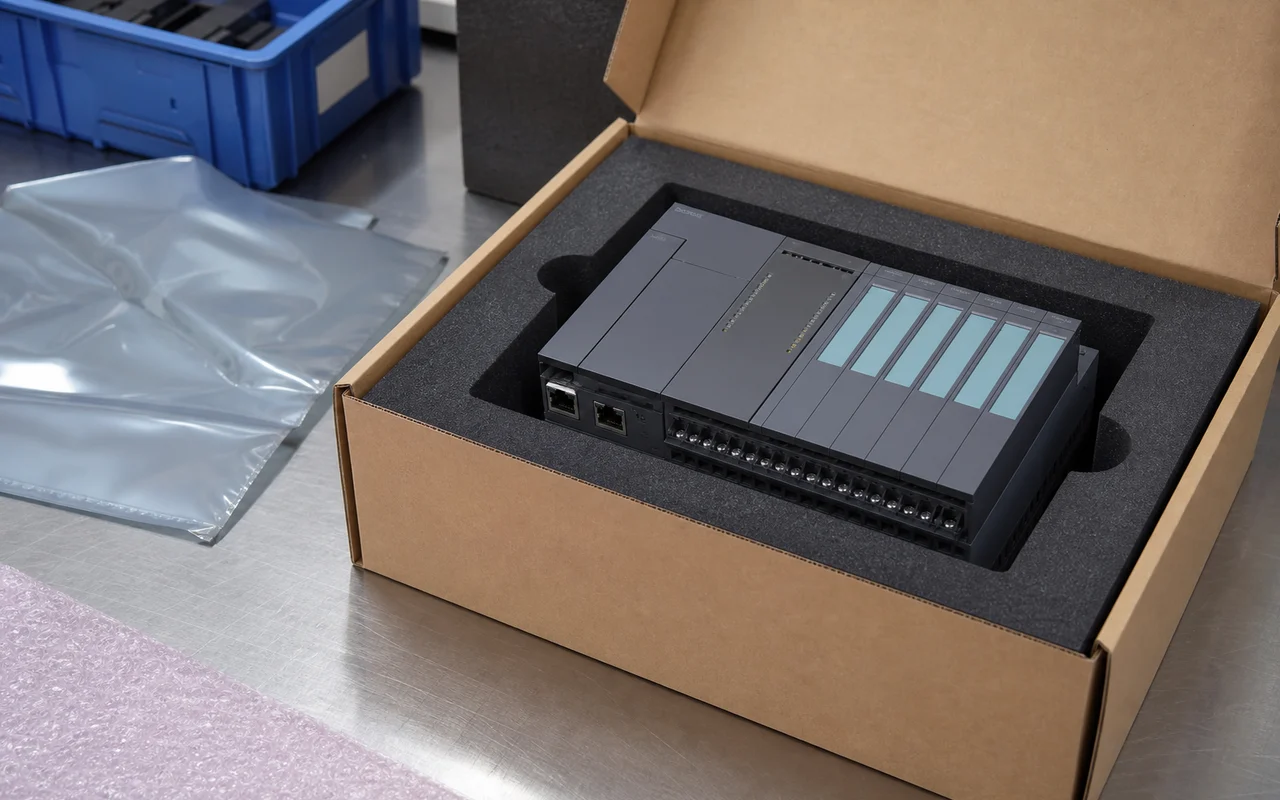 Secure Export Packing
Cushion protection and strong cartons ensure safe transportation.
 Worldwide Shipping
Global logistics network supports air, sea and express delivery.
 Documentation Check
Part number, revision and compatibility verified before shipment.
 After-sales Support
Professional technical support to help resolve your issues.