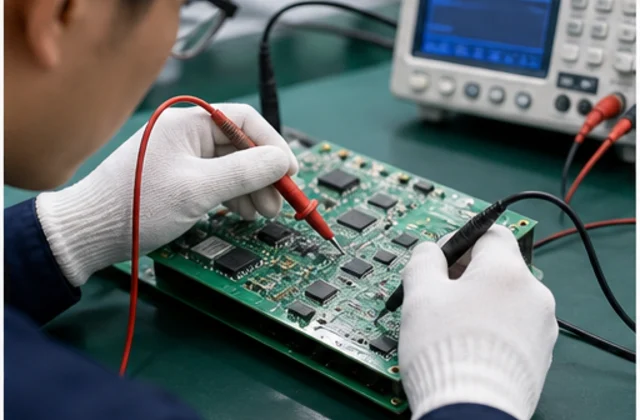
 Functional Inspection
100% tested on professional platforms to ensure stable performance.
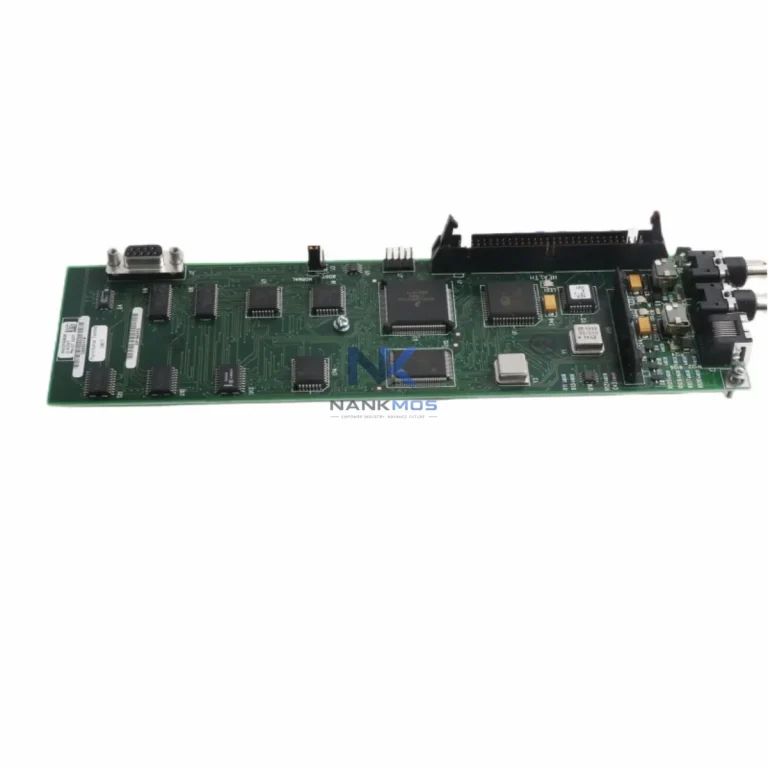
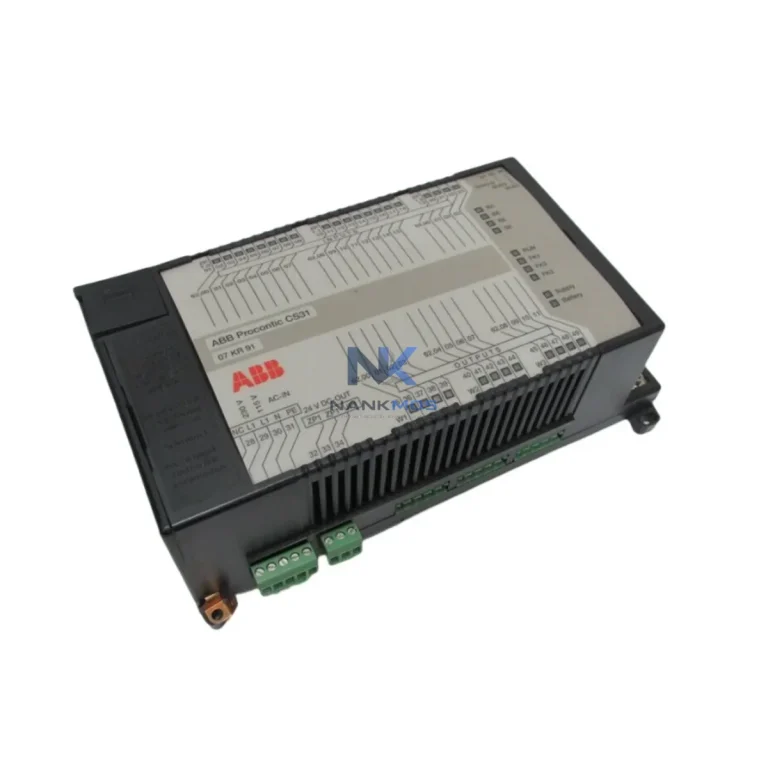
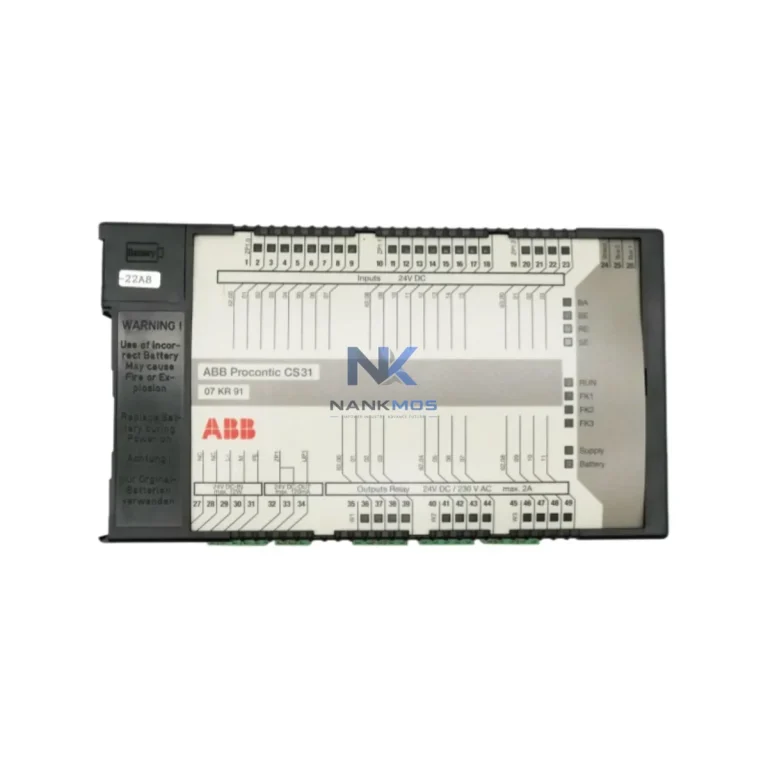
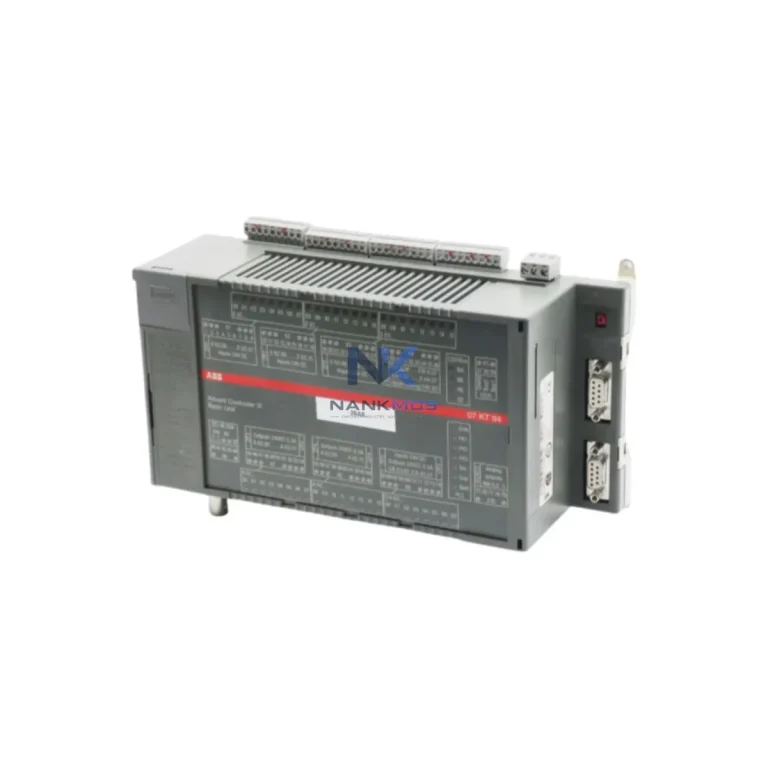
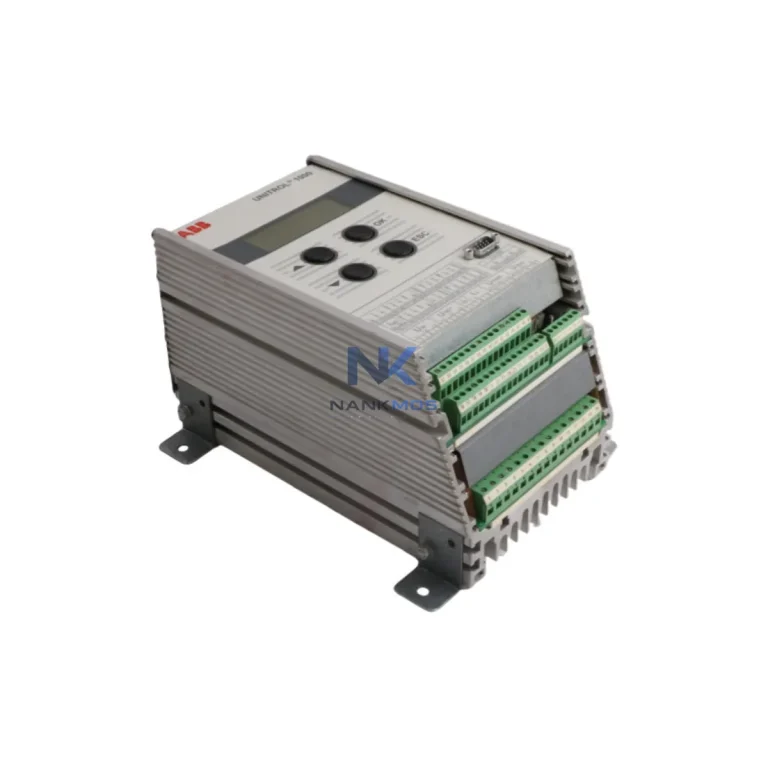
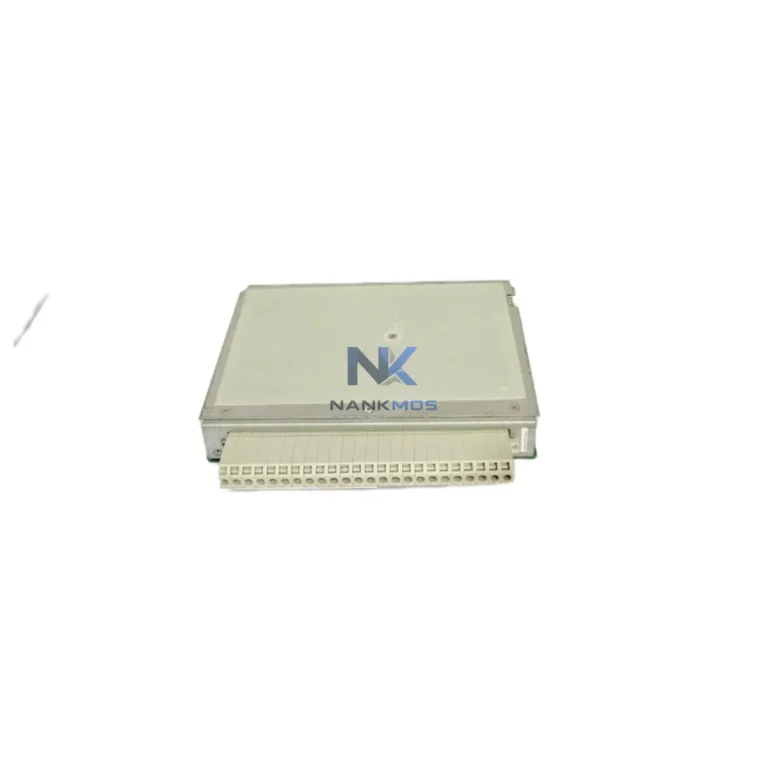
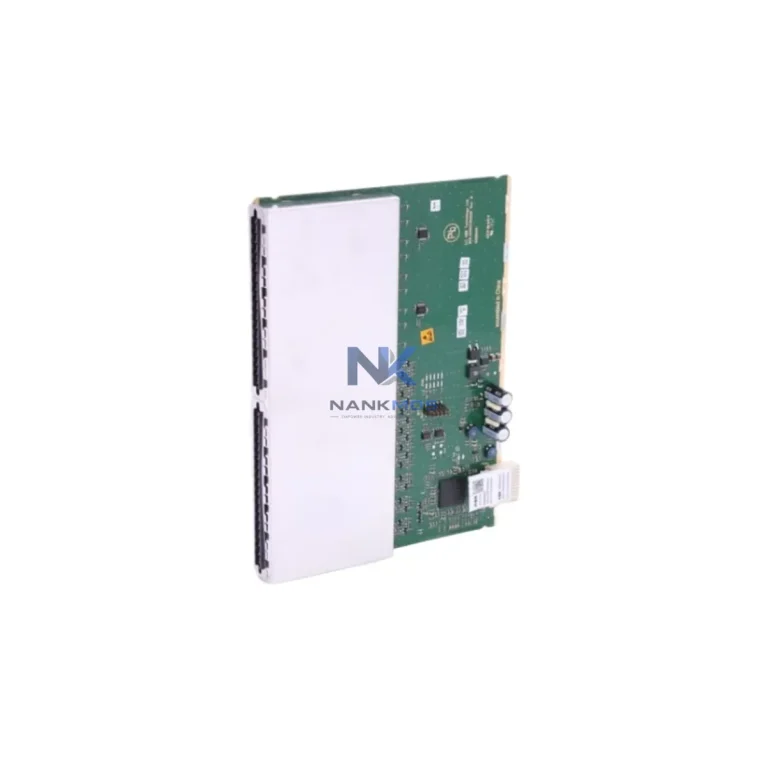
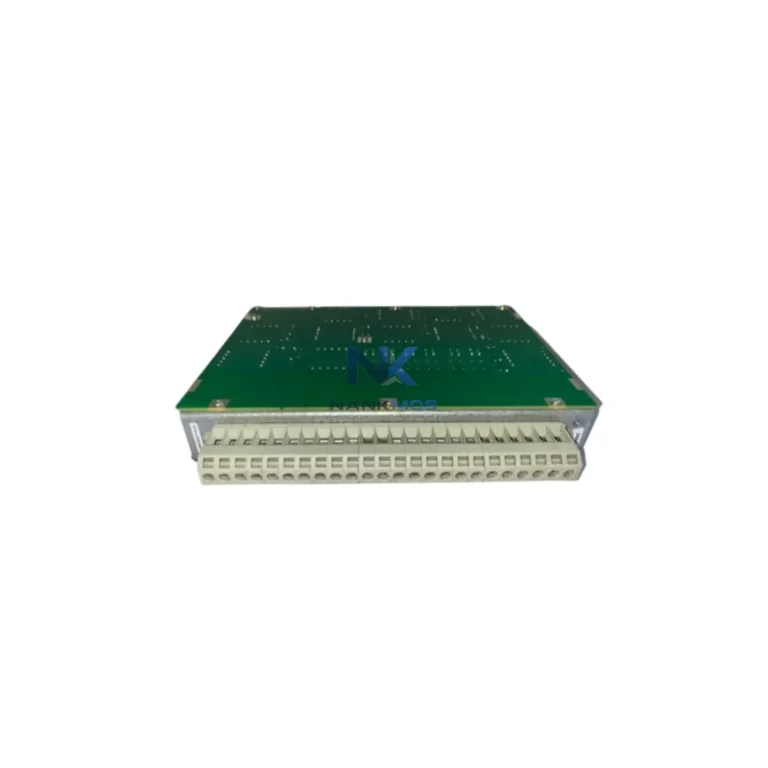
ABB DSTX120 57160001-MA is a NANKMOS industrial automation product record Listed under Symphony Plus series and Business & Industrial > Automation, Control & Flow Devices. Confirm condition, availability, lead time, compatibility and documentation by email inquiry.
Brand names are used for identification only.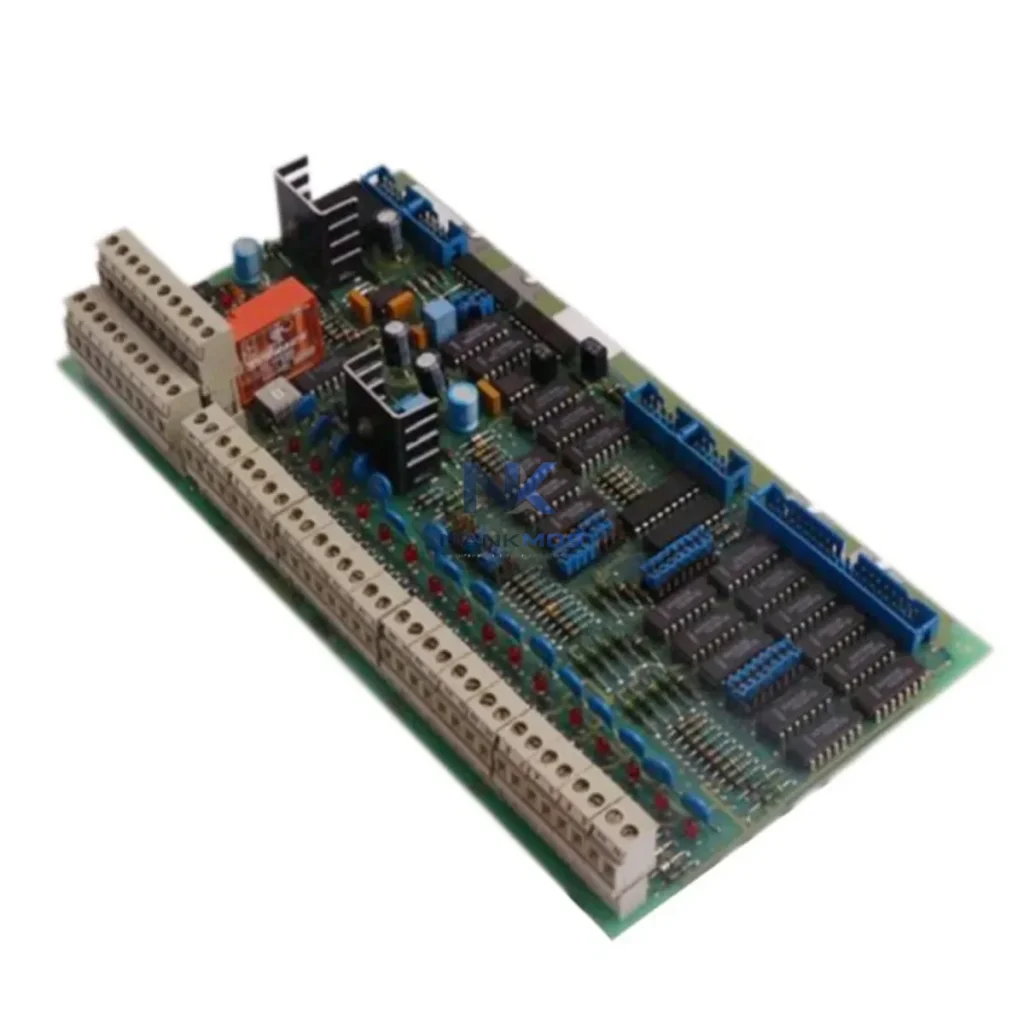
ABB DSTX120 57160001-MA is a NANKMOS industrial automation product record Listed under Symphony Plus series and Business & Industrial > Automation, Control & Flow Devices. Confirm condition, availability, lead time, compatibility and documentation by email inquiry.
| Manufacturer | ABB |
|---|---|
| Application | DCS / Control Board Replacement |
| Part Number / Model | DSTX120 57160001-MA |
| Compatible System | Symphony Plus |
| Series | Symphony Plus |
| Condition Options | To Confirm |
| Module Type | Control Board / Card |
| Warranty | 12 Months |
| Packaging | Anti-static Bag / Secure Box |
| Shipping Methods | DHL / FedEx / UPS / Air / Sea |
| Availability | To Confirm |
| Lead Time | To Confirm |
| Documentation | Part number and revision checked before quote |
The ABB DSTX120 (part number 57160001-MA) is a field-proven DCS connection unit engineered for deployment within the ABB Symphony Plus S100 distributed control architecture. Designed to serve as a critical interface node between field instrumentation and the S100 controller backbone, the DSTX120 ensures deterministic signal routing, reliable I/O termination, and seamless integration across the full automation stack. Its role extends beyond simple connectivity — it functions as a structural anchor within the control layer, enabling consistent signal integrity, simplified commissioning, and long-term maintainability across complex industrial installations.
In modern distributed control environments, the connection unit occupies a pivotal position in the signal flow hierarchy. The DSTX120 bridges the physical field wiring layer with the logical control layer managed by ABB Symphony Plus CPUs such as the PM861A or PM864A, ensuring that analog and digital signals from transmitters, actuators, and field devices are correctly conditioned, isolated, and delivered to the controller with minimal latency and maximum fidelity. This architecture-level integration is what distinguishes a system-matched component from a generic alternative — every termination point, every signal path, and every mechanical interface is engineered to the Symphony Plus S100 specification.
The DSTX120 is particularly well-suited for installations where control cabinet space is at a premium and where long-term serviceability is a design requirement. Its modular form factor allows it to be installed alongside S100 I/O modules, power supply units such as the SD821 or SD822, and communication interface modules without requiring custom wiring adapters or field modifications. This plug-and-play compatibility reduces installation time, minimizes the risk of wiring errors, and supports rapid module replacement during planned maintenance windows or unplanned fault recovery scenarios.
From a system architecture perspective, the DSTX120 supports the layered design philosophy of the Symphony Plus platform. At the control layer, it interfaces directly with the S100 controller rack, providing a stable termination point for process variable inputs and control output signals. At the I/O layer, it accommodates a range of signal types, supporting both analog (4–20 mA, 0–10 V) and discrete (24 VDC) field devices. At the communication layer, the DSTX120 operates transparently within the S100 backplane bus, ensuring that signal data is available to higher-level SCADA systems, historian servers, and operator workstations without protocol conversion overhead.
Redundancy is a core consideration in any high-availability control architecture, and the DSTX120 is designed to support redundant I/O configurations when paired with appropriate S100 redundancy modules. In power generation, petrochemical, and water treatment applications where process continuity is non-negotiable, the ability to maintain signal integrity during a module swap or power supply failover is essential. The DSTX120's passive termination architecture ensures that field wiring remains undisturbed during active module replacement, supporting hot-swap maintenance procedures without process interruption.
Diagnostic efficiency is another area where the DSTX120 delivers measurable value. When integrated with ABB's System 800xA engineering environment, the connection unit's termination points are fully visible within the asset management framework, allowing maintenance engineers to perform loop checks, signal tracing, and fault isolation from the engineering workstation without physical access to the control cabinet. This capability significantly reduces mean time to repair (MTTR) and supports predictive maintenance strategies in facilities with large I/O counts.
The DSTX120 57160001-MA achieves its full operational value when deployed as part of a coherent Symphony Plus S100 automation platform. A well-engineered S100 architecture typically combines the DSTX120 with the following system components to deliver a complete, production-ready control solution:
At the control layer, the ABB PM861A and PM864A process controllers provide the computational backbone, executing control logic and managing I/O communication across the S100 rack. The DSTX120 serves as the termination interface for field signals entering these controllers, ensuring that every process variable is accurately represented in the controller's memory map. For redundant controller configurations, the PM864A's dual-CPU architecture relies on stable, consistent termination points — precisely what the DSTX120 provides.
At the power layer, the ABB SD821 and SD822 power supply units deliver regulated 24 VDC to the S100 rack, including the DSTX120 and associated I/O modules. Power supply redundancy is a standard design practice in high-availability installations, and the DSTX120's passive architecture ensures that power supply switchover events do not introduce signal transients or termination errors.
At the communication layer, the ABB CI854A PROFIBUS DP communication interface module enables the S100 system to exchange data with field devices, variable frequency drives, and remote I/O stations using the PROFIBUS DP protocol. When the DSTX120 is used to terminate signals from PROFIBUS-connected field devices, the CI854A ensures that protocol-level communication remains stable and deterministic, supporting real-time process control requirements.
At the I/O layer, modules such as the ABB AI810 analog input module and ABB DO810 digital output module work in conjunction with the DSTX120 to process field signals. The DSTX120 provides the physical termination point for field wiring, while the AI810 and DO810 perform signal conditioning, analog-to-digital conversion, and output switching. This division of function between the termination unit and the I/O module simplifies troubleshooting and allows individual modules to be replaced without disturbing field wiring.
For HMI and SCADA integration, the Symphony Plus platform interfaces with ABB System 800xA operator workstations and historian servers, providing real-time process visualization, alarm management, and historical data logging. The DSTX120's signals are fully visible within the 800xA asset model, enabling operators and engineers to monitor field device status, perform loop checks, and generate maintenance reports from a centralized engineering environment.
In installations requiring signal isolation between field devices and control system inputs, signal isolator modules compatible with the S100 termination standard can be inserted between the field wiring and the DSTX120 termination points, providing galvanic isolation and protecting the control system from ground loops, surge events, and EMI interference common in heavy industrial environments.
Power Generation & Utilities: In thermal power plants and hydroelectric facilities, the DSTX120 is deployed to terminate signals from turbine control loops, boiler instrumentation, and generator protection systems. Its compatibility with the Symphony Plus S100 platform makes it a standard component in ABB-based power plant DCS upgrades and greenfield installations, where long-term parts availability and system consistency are critical procurement criteria.
Petrochemical & Refining: Petrochemical process units require DCS architectures capable of handling thousands of I/O points with high reliability and precise signal integrity. The DSTX120 supports large-scale S100 installations in refinery control rooms, where it terminates signals from pressure transmitters, flow meters, temperature sensors, and control valves across multiple process units. Its modular design supports phased expansion as process units are added or upgraded.
Water & Wastewater Treatment: Municipal water treatment facilities and industrial wastewater systems rely on ABB Symphony Plus DCS platforms for process automation. The DSTX120 provides reliable field termination for pump control, valve actuation, and water quality monitoring signals, supporting continuous operation in environments where maintenance access is limited and system uptime is a regulatory requirement.
Mining & Metallurgy: In mineral processing and smelting operations, the DSTX120 is used to interface field instrumentation with S100 controllers managing conveyor systems, crusher controls, flotation cell automation, and furnace temperature regulation. Its robust termination design withstands the vibration, dust, and temperature variations common in mining control rooms.
Packaging & Discrete Manufacturing: High-speed packaging lines and discrete manufacturing cells increasingly adopt DCS-style architectures for process consistency and centralized diagnostics. The DSTX120 supports these applications by providing a stable, system-matched termination point for machine I/O signals, enabling integration with Symphony Plus controllers managing production scheduling, quality control, and OEE monitoring.
Q1: Is the DSTX120 57160001-MA compatible with both legacy Symphony and current Symphony Plus S100 architectures?The DSTX120 57160001-MA is designed for the ABB Symphony Plus S100 platform. While ABB has maintained a degree of backward compatibility across Symphony generations, it is recommended to verify rack and backplane compatibility with your specific S100 controller revision before installation. Our technical team can assist with compatibility verification based on your existing system configuration and controller firmware version.
Q2: What is the recommended installation procedure for the DSTX120 in a redundant I/O configuration?In redundant I/O configurations, the DSTX120 should be installed in accordance with ABB's Symphony Plus S100 system engineering guidelines, ensuring that field wiring is terminated to the primary connection unit and that the redundant module is installed in the designated redundancy slot within the same rack. Signal switchover is managed by the S100 controller firmware, and no field wiring changes are required during a redundancy failover event. All units supplied by NANKMOS are pre-tested to confirm termination integrity before dispatch.
Q3: What warranty and after-sales support is provided with the DSTX120 57160001-MA?Every DSTX120 57160001-MA supplied by NANKMOS is covered by a 12-Month Warranty from the date of dispatch. Units undergo functional testing prior to shipment to verify termination integrity and backplane interface compatibility. In the event of a warranty claim, NANKMOS provides rapid replacement from tested stock to minimize control system downtime. For long-term supply planning, NANKMOS maintains ongoing inventory of Symphony Plus S100 components to support multi-year maintenance contracts and emergency replacement requirements.
Functional Inspection100% tested on professional platforms to ensure stable performance.
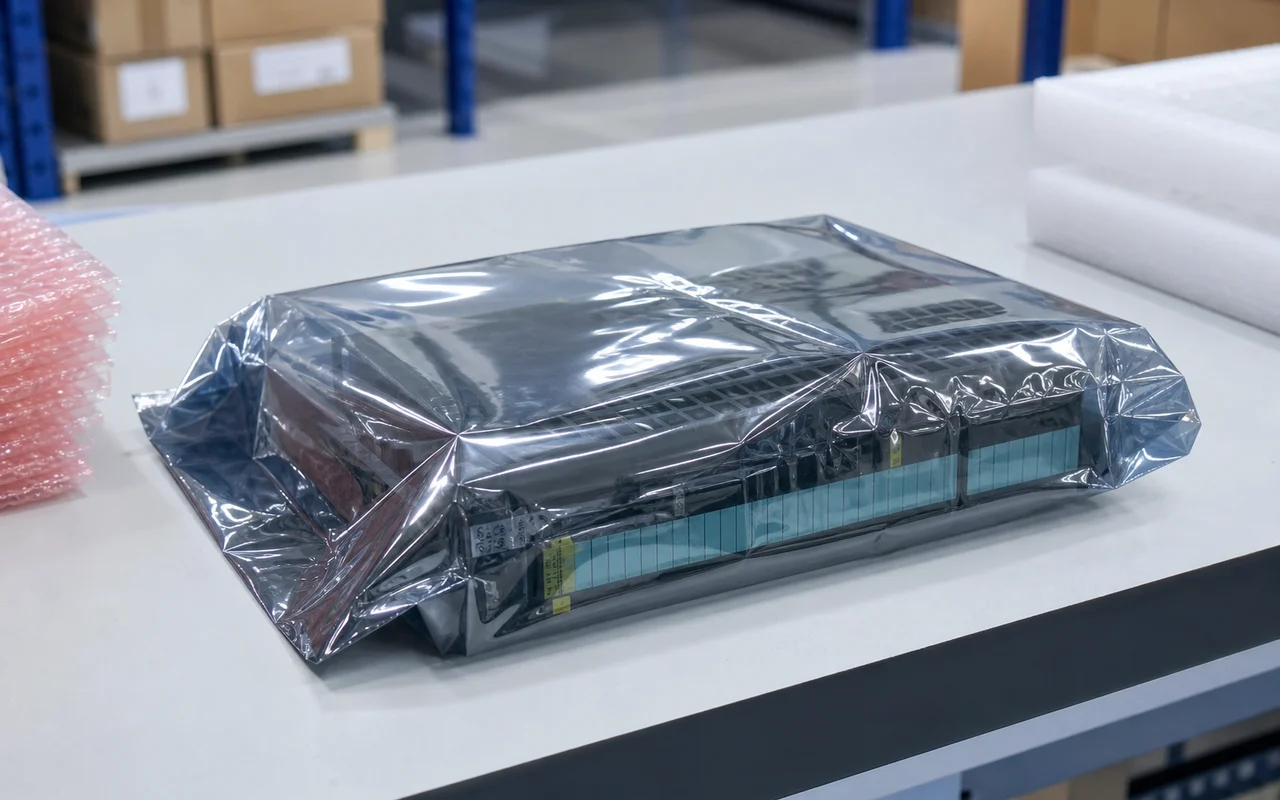 Anti-static Packaging
Modules are packed in anti-static bags to prevent electrostatic damage.
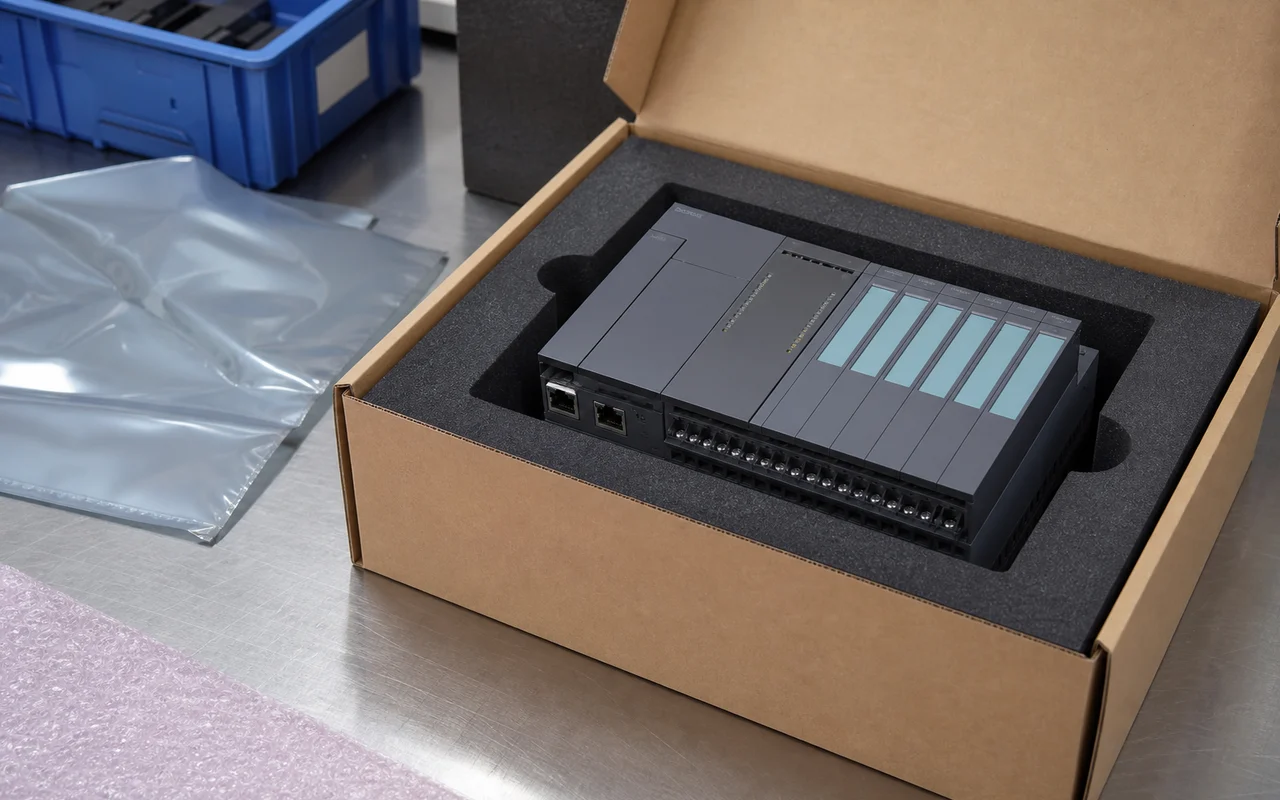 Secure Export Packing
Cushion protection and strong cartons ensure safe transportation.
 Worldwide Shipping
Global logistics network supports air, sea and express delivery.
 Documentation Check
Part number, revision and compatibility verified before shipment.
 After-sales Support
Professional technical support to help resolve your issues.