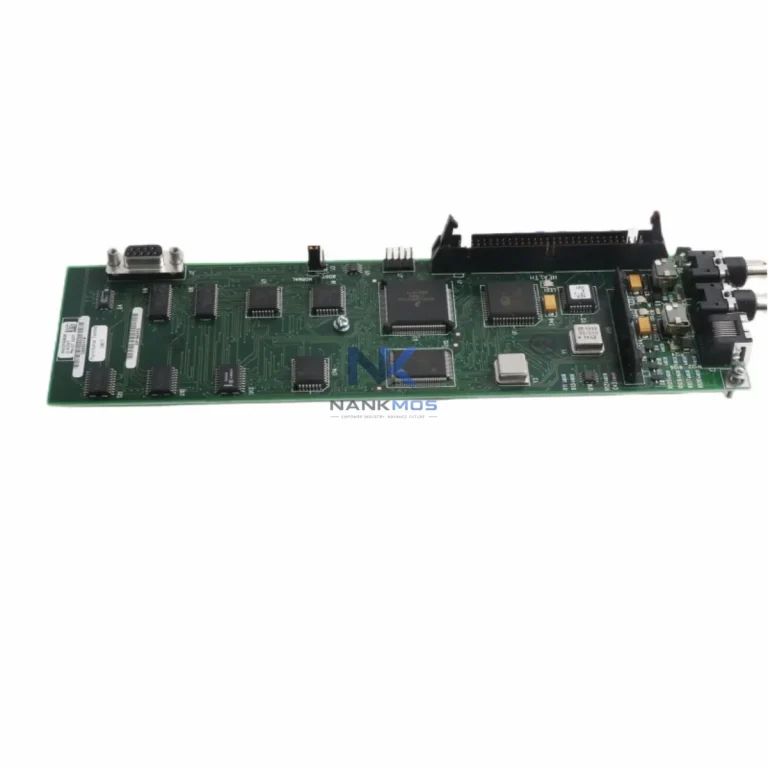
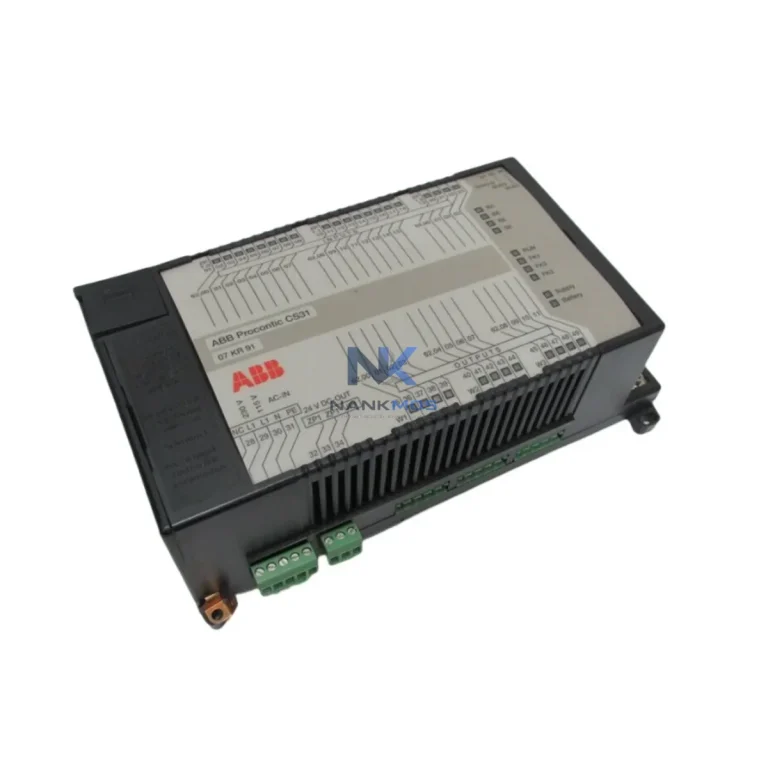
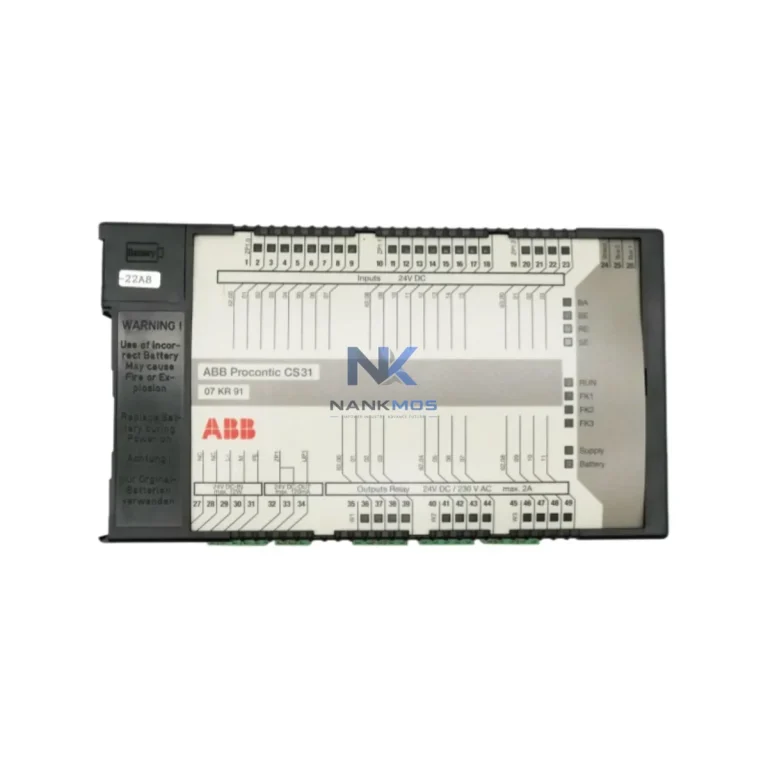
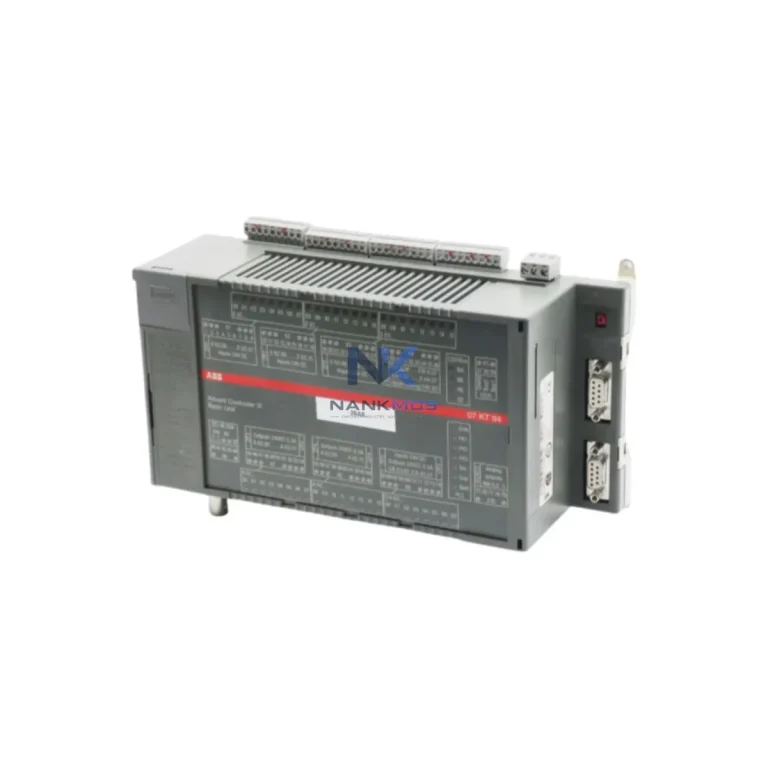
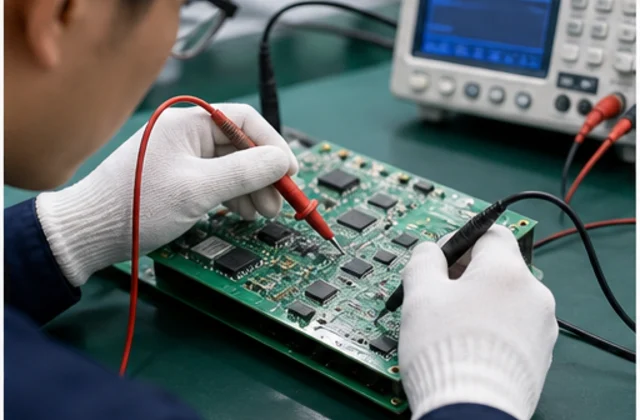
 Functional Inspection
100% tested on professional platforms to ensure stable performance.
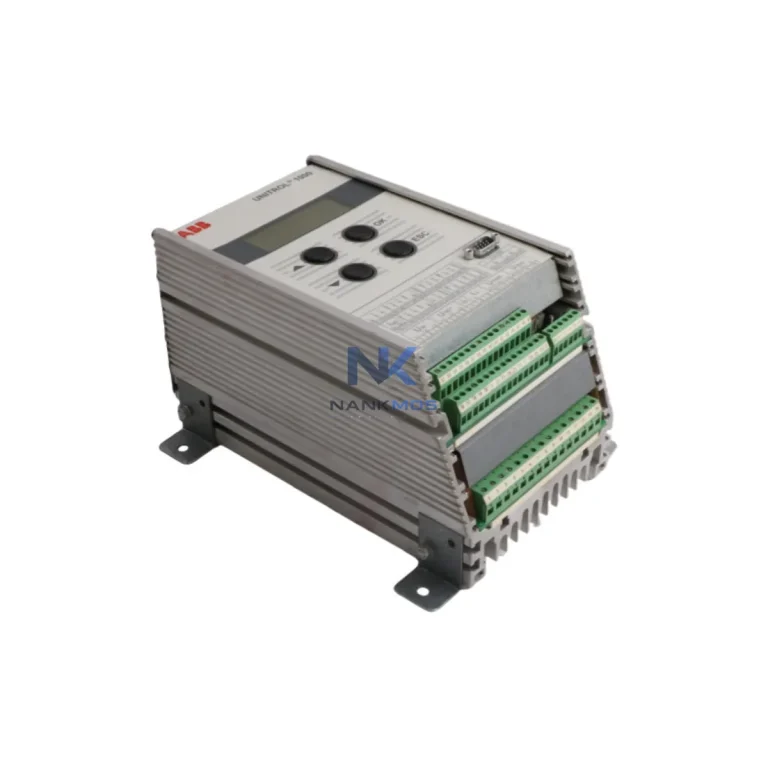
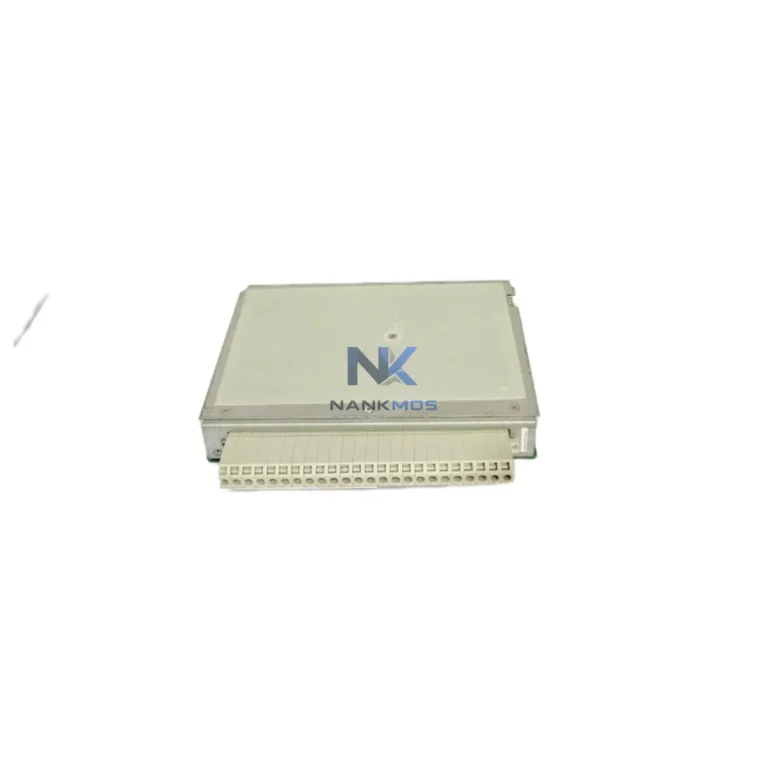
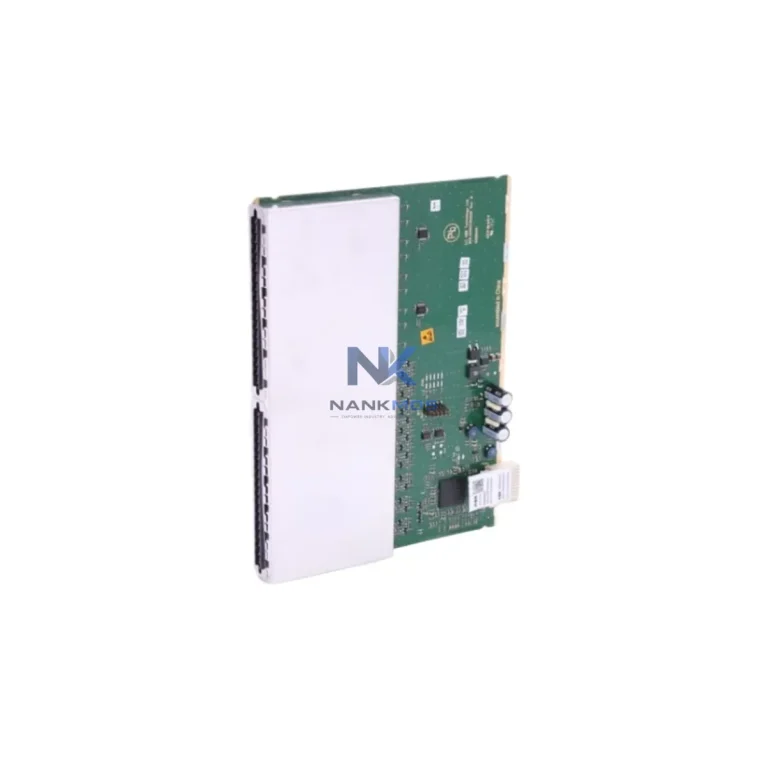
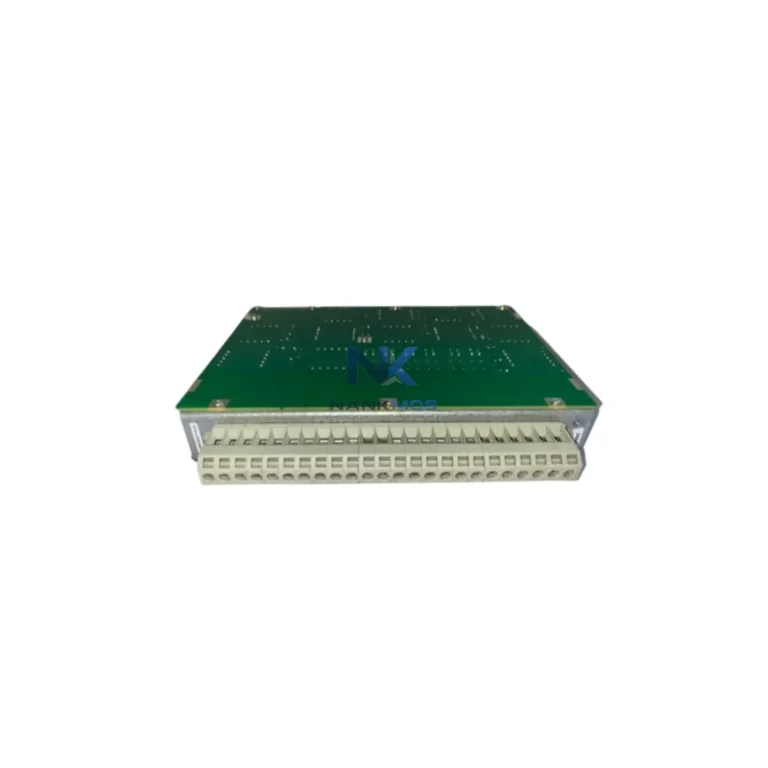
ABB HIEE300043R1 is a NANKMOS industrial automation product record Listed under UNITROL series and Business & Industrial > Automation, Control & Flow Devices. Confirm condition, availability, lead time, compatibility and documentation by email inquiry.
Brand names are used for identification only.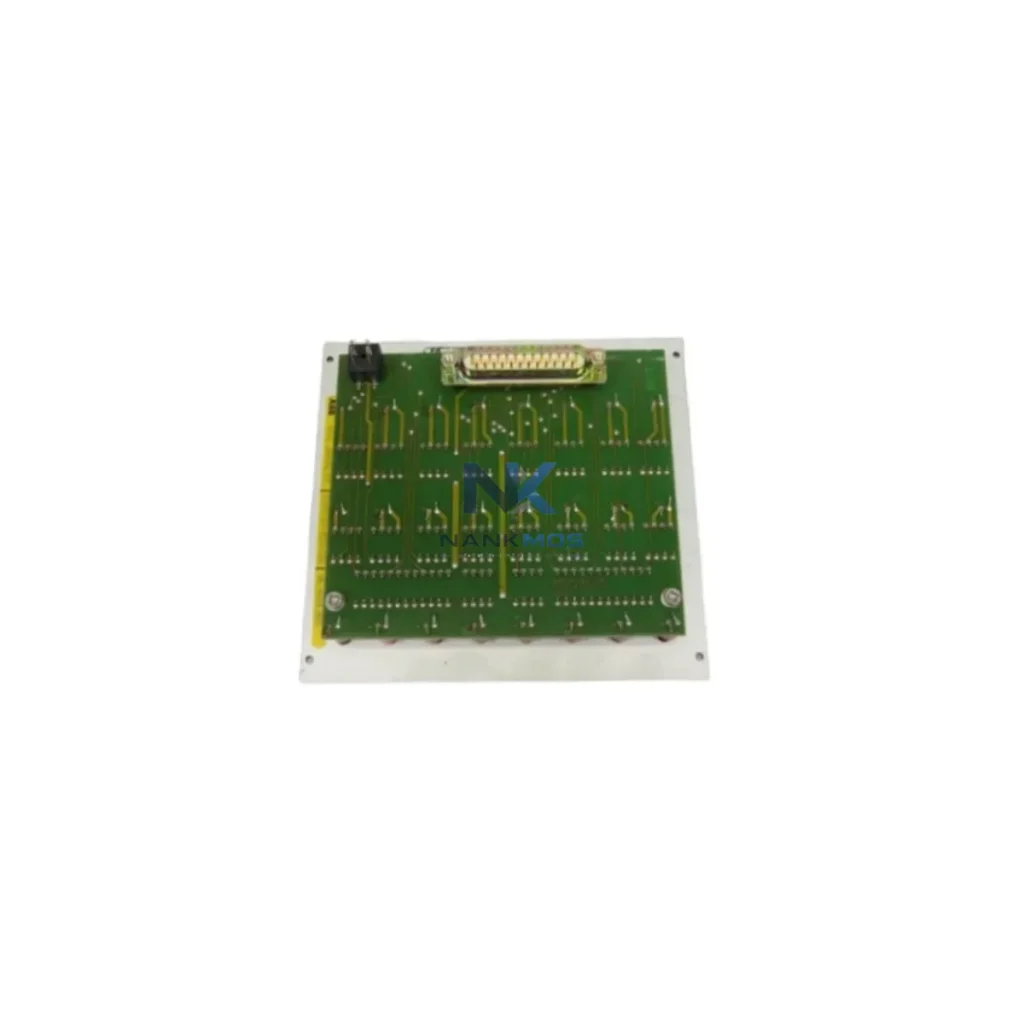
ABB HIEE300043R1 is a NANKMOS industrial automation product record Listed under UNITROL series and Business & Industrial > Automation, Control & Flow Devices. Confirm condition, availability, lead time, compatibility and documentation by email inquiry.
| Manufacturer | ABB |
|---|---|
| Application | Industrial Network Communication |
| Part Number / Model | HIEE300043R1 |
| Compatible System | UNITROL |
| Series | UNITROL |
| Condition Options | To Confirm |
| Module Type | Communication Module |
| Warranty | 12 Months |
| Packaging | Anti-static Bag / Secure Box |
| Shipping Methods | DHL / FedEx / UPS / Air / Sea |
| Availability | To Confirm |
| Lead Time | To Confirm |
| Documentation | Part number and revision checked before quote |
The ABB HIEE300043R1 is a high-performance industrial network interface board engineered for ABB Unitrol excitation control systems. Designed to bridge field-level excitation hardware with plant-wide automation networks, this module enables seamless data exchange across PROFIBUS DP, Modbus RTU/TCP, and IEC 61850 communication layers — making it a critical node in any smart factory data architecture. Whether deployed in power generation, heavy manufacturing, or process automation environments, the HIEE300043R1 delivers the protocol flexibility and network stability that modern industrial connectivity demands.
In a connected factory environment, excitation control is not an isolated function. The HIEE300043R1 integrates directly into the upstream data chain, feeding real-time generator excitation status, voltage regulation feedback, and fault diagnostics into SCADA platforms, DCS controllers, and HMI visualization systems. This continuous data flow supports predictive maintenance strategies, reduces unplanned downtime, and gives operations teams full visibility into generator health from a centralized control room or remote monitoring station.
The HIEE300043R1 sits at the intersection of field-level excitation hardware and the plant-wide automation network. In a typical smart factory deployment, the data flow begins at the generator terminal, where the ABB Unitrol 5000 or Unitrol 6000 excitation controller captures real-time voltage, current, and reactive power signals. The HIEE300043R1 network interface board translates these field signals into structured protocol frames — PROFIBUS DP packets or Modbus TCP telegrams — and forwards them upstream to the plant DCS or SCADA server.
At the network layer, an ABB AF series industrial Ethernet switch or a managed PROFIBUS repeater ensures deterministic, low-latency transmission across the automation backbone. The SCADA platform — whether running on ABB System 800xA, Siemens WinCC, or an equivalent supervisory system — receives the excitation data in real time, enabling operators to monitor generator field current, AVR (Automatic Voltage Regulator) output, and protection relay status from a unified HMI dashboard.
For remote I/O integration, the HIEE300043R1 can interface with ABB CI854 or CI857 communication interface modules, extending the data reach to distributed I/O racks across the plant floor. In parallel, edge gateway devices — such as an ABB Edge Connect or a third-party IIoT gateway running OPC-UA — can aggregate the excitation data alongside readings from vibration sensors, temperature transmitters, and power quality analyzers, feeding a unified data lake for analytics and predictive maintenance.
Variable frequency drives (VFDs) controlling auxiliary systems — cooling fans, lubrication pumps, and excitation transformer cooling circuits — can also be networked into the same PROFIBUS or Modbus segment, allowing the SCADA system to correlate excitation performance with auxiliary equipment status. ABB ACS880 or ACS580 drives, commonly deployed in these auxiliary roles, share the same communication architecture, simplifying network topology and reducing integration complexity.
At the HMI layer, operators interact with real-time excitation data through graphical trend displays, alarm banners, and event logs. The HIEE300043R1 ensures that every excitation event — voltage dip, field current surge, AVR mode change — is timestamped and transmitted to the historian database, supporting post-event analysis and regulatory compliance reporting. For remote diagnostics, the network interface enables plant engineers to access excitation controller parameters and fault logs from off-site locations via secure VPN tunnels into the SCADA network, eliminating the need for on-site intervention during routine checks.
Many industrial sites operating legacy excitation systems face a common challenge: the excitation controller operates as a data island, disconnected from the plant-wide automation network. Fault events are logged locally, voltage regulation adjustments are made manually, and there is no real-time visibility into excitation performance from the control room. The HIEE300043R1 directly addresses this gap by providing a standards-compliant network interface that bridges the Unitrol excitation system into the existing PROFIBUS or Modbus network without requiring a full controller replacement.
Protocol fragmentation is another frequent obstacle. Sites running mixed automation environments — with Siemens S7 PLCs on PROFIBUS alongside Allen-Bradley ControlLogix systems on EtherNet/IP — often struggle to integrate ABB excitation data into a unified SCADA view. The HIEE300043R1's multi-protocol support allows it to communicate natively with PROFIBUS masters while also exposing Modbus TCP registers to Ethernet-based supervisory systems, effectively acting as a protocol bridge without additional gateway hardware.
For production line transparency, the HIEE300043R1 enables continuous excitation monitoring that feeds directly into OEE (Overall Equipment Effectiveness) dashboards. Alarm tracking becomes systematic: every excitation fault generates a timestamped SCADA alarm with diagnostic context, replacing the reactive, paper-based fault logging that many sites still rely on. As plant capacity grows, the network interface supports system expansion — additional Unitrol controllers or new generator units can be added to the PROFIBUS segment without redesigning the communication architecture.
Q1: What communication protocols does the ABB HIEE300043R1 support, and is it compatible with third-party SCADA systems?The HIEE300043R1 supports PROFIBUS DP, Modbus RTU, Modbus TCP/IP, and IEC 61850, making it compatible with a wide range of SCADA platforms including ABB System 800xA, Siemens WinCC, Wonderware, and iFIX. Standard protocol support ensures integration without custom driver development.
Q2: How does the HIEE300043R1 perform in terms of communication latency and network stability?The board is designed for deterministic, real-time data transmission within PROFIBUS DP cycle times typically under 10ms at standard baud rates. For Modbus TCP deployments over industrial Ethernet, latency is governed by network switch configuration and polling intervals, both of which can be optimized for sub-100ms response in most plant environments.
Q3: Can the HIEE300043R1 support remote diagnostics and parameter access without on-site presence?Yes. When integrated into a SCADA or DCS network with remote access capability, the HIEE300043R1 exposes excitation controller parameters and fault registers over the network interface. Plant engineers can read AVR settings, review fault history, and monitor real-time excitation status remotely via the SCADA client or OPC-UA data server, subject to network security configuration.
Q4: What pre-shipment testing and warranty coverage is provided for the HIEE300043R1?Every HIEE300043R1 unit undergoes full functional verification prior to dispatch, including communication interface testing and board-level diagnostics. All units are covered by a 12-month warranty from the date of shipment. In-stock units are available for immediate global dispatch to minimize production downtime.
Functional Inspection100% tested on professional platforms to ensure stable performance.
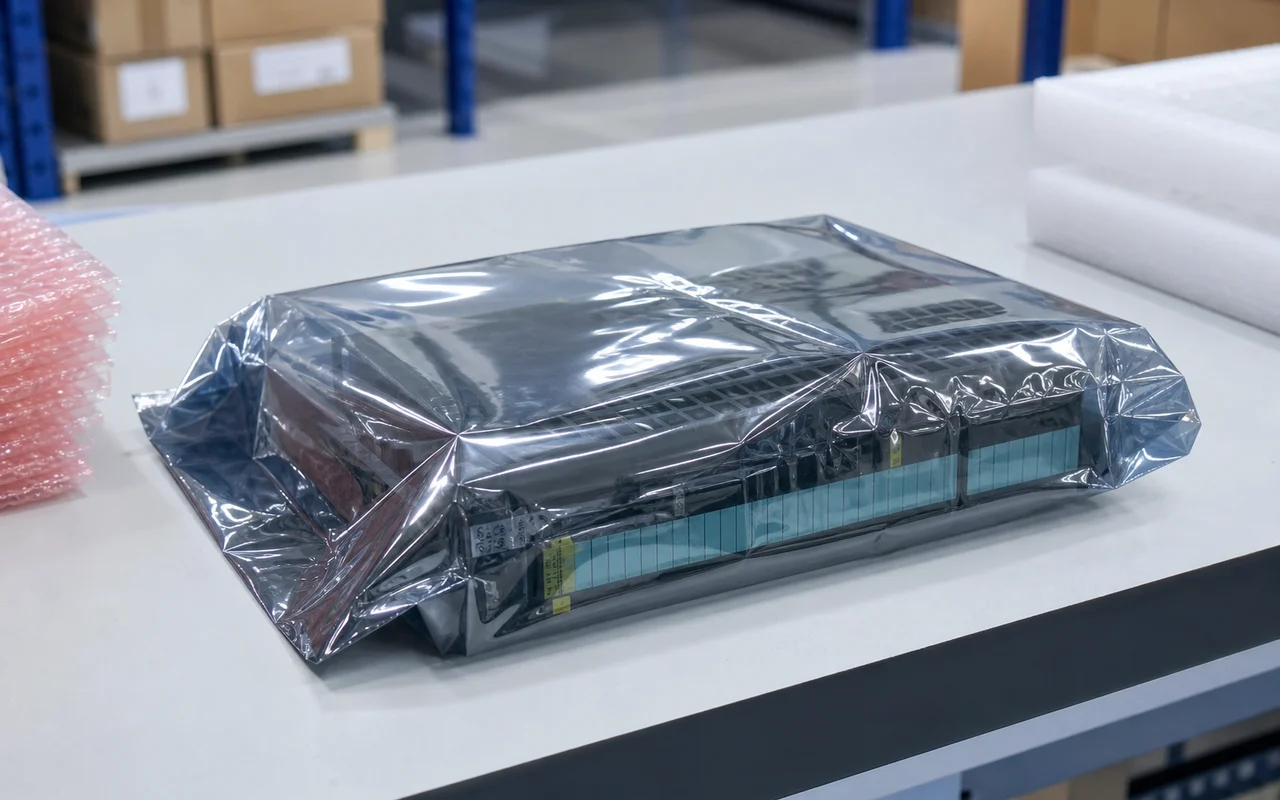 Anti-static Packaging
Modules are packed in anti-static bags to prevent electrostatic damage.
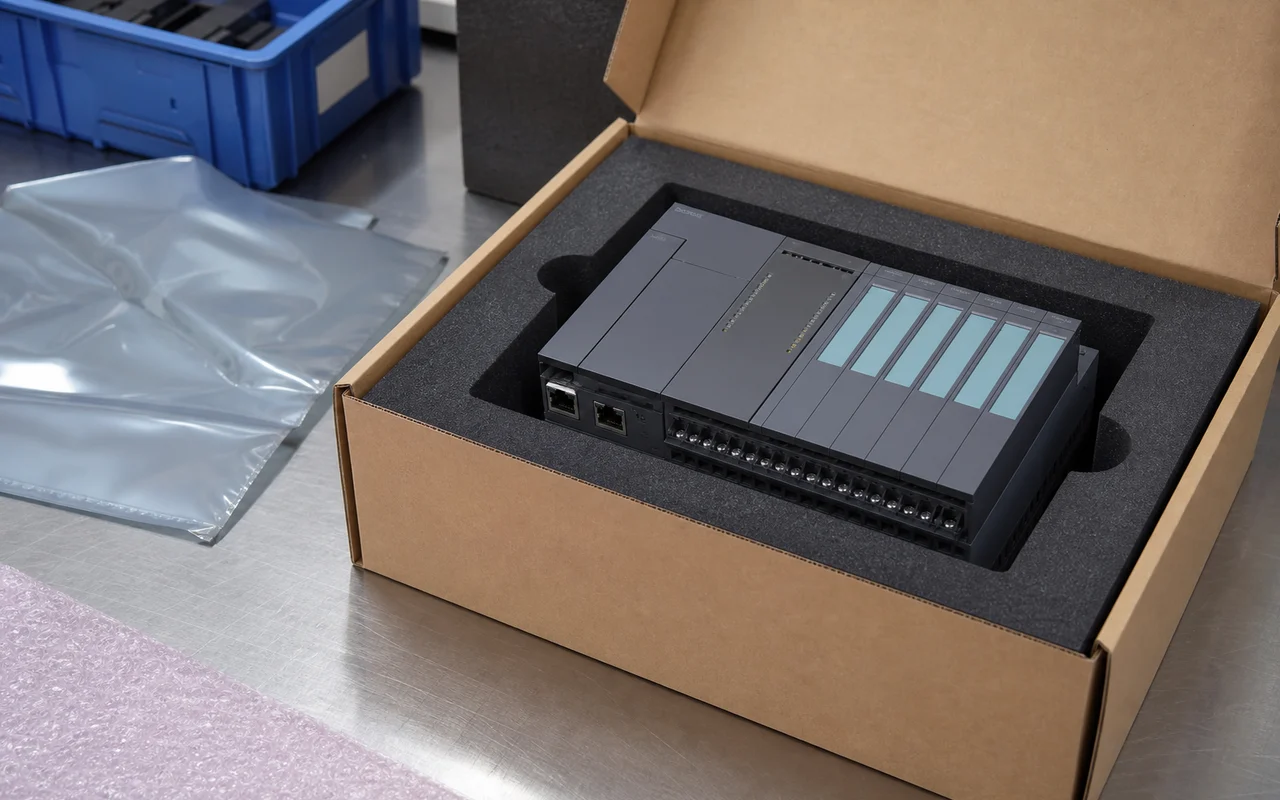 Secure Export Packing
Cushion protection and strong cartons ensure safe transportation.
 Worldwide Shipping
Global logistics network supports air, sea and express delivery.
 Documentation Check
Part number, revision and compatibility verified before shipment.
 After-sales Support
Professional technical support to help resolve your issues.