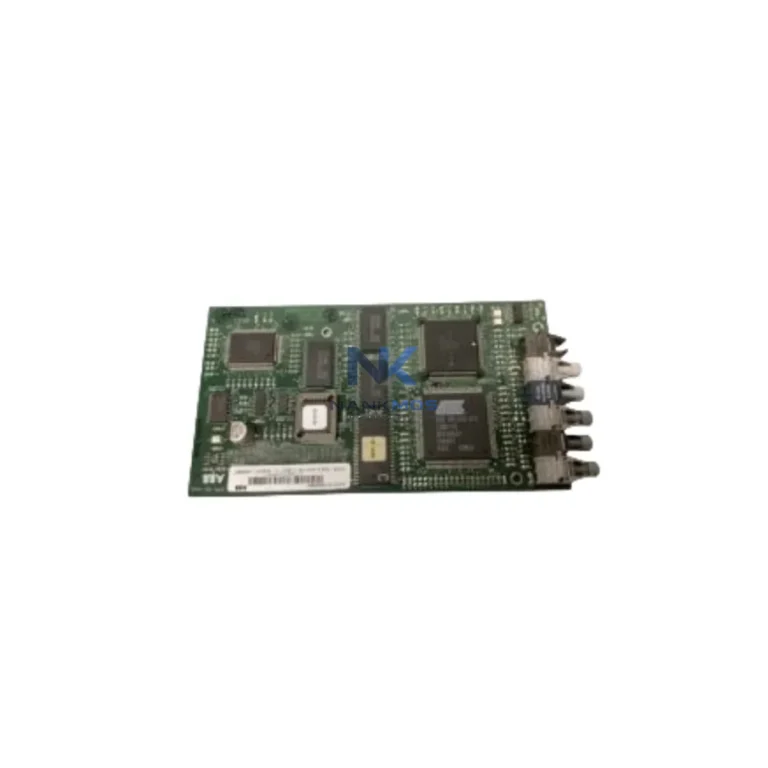
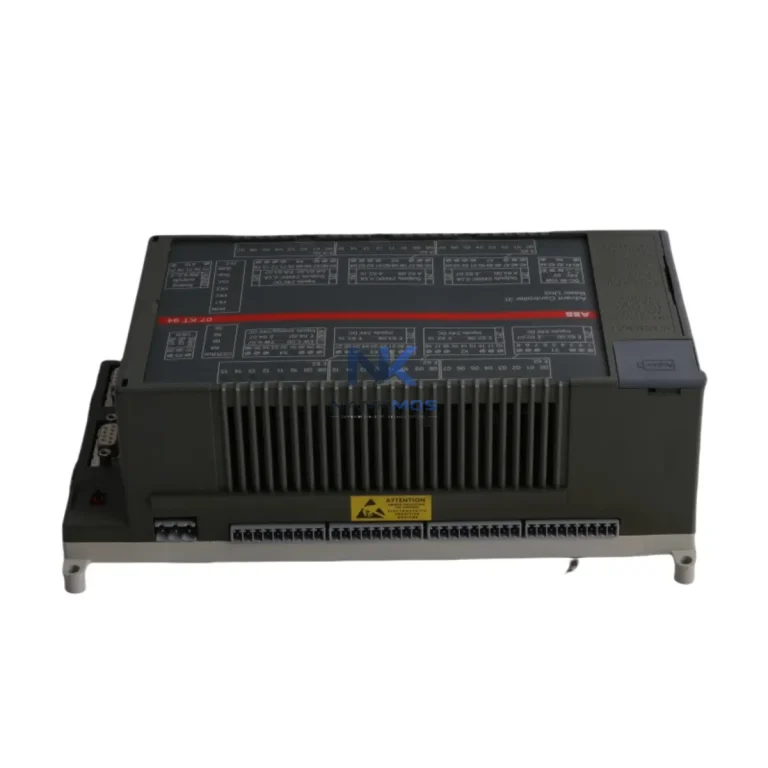
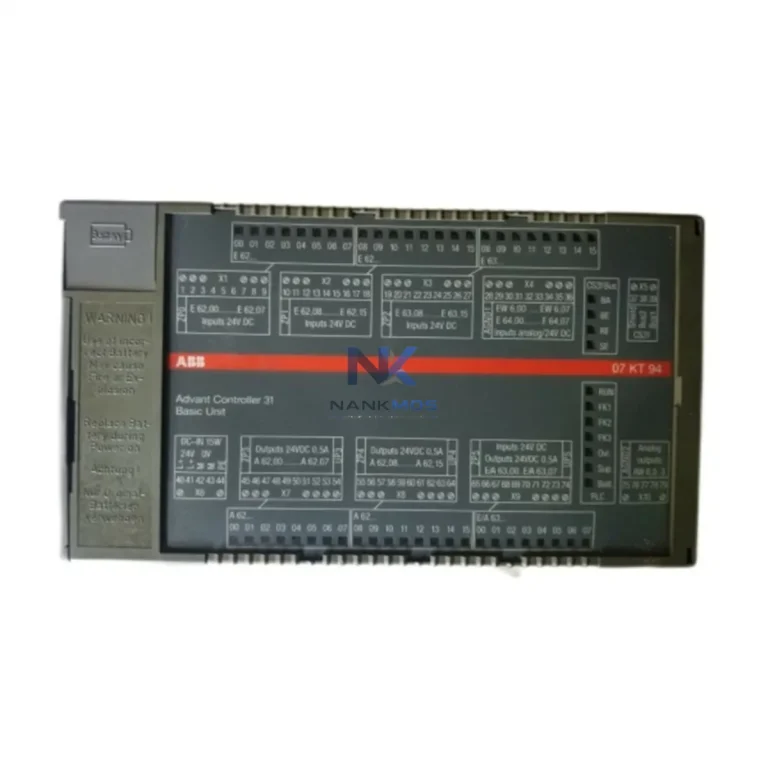
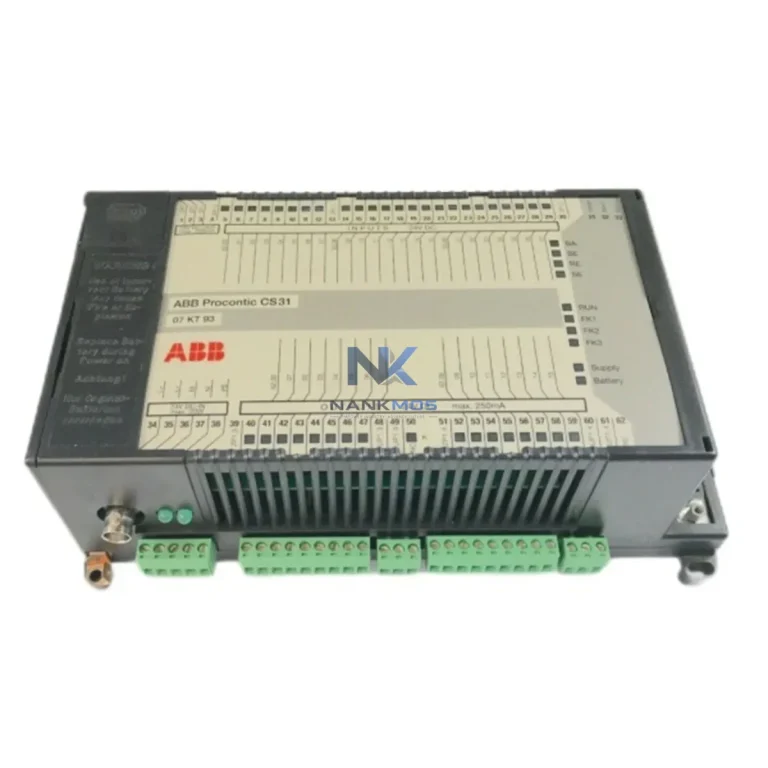
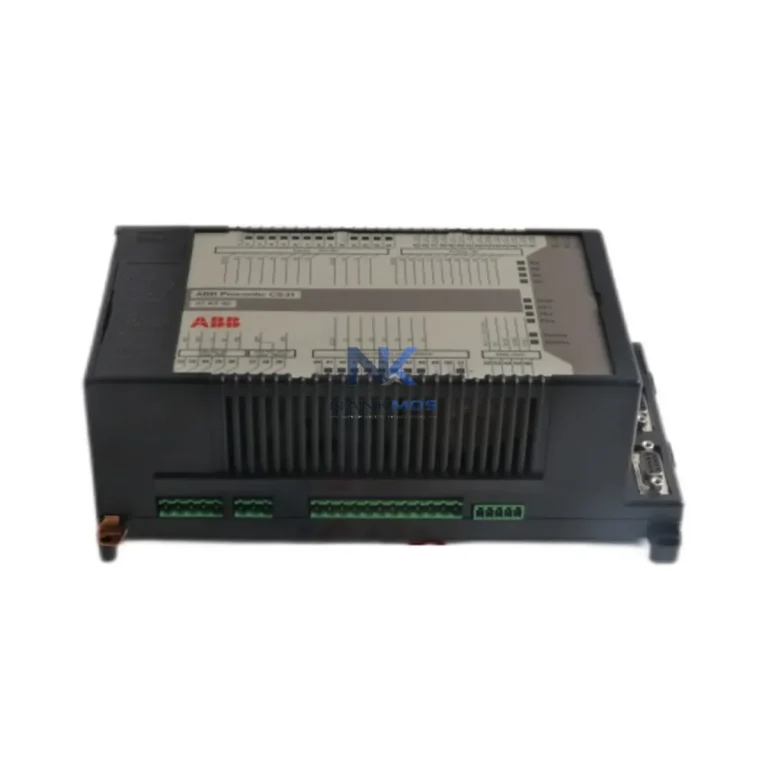
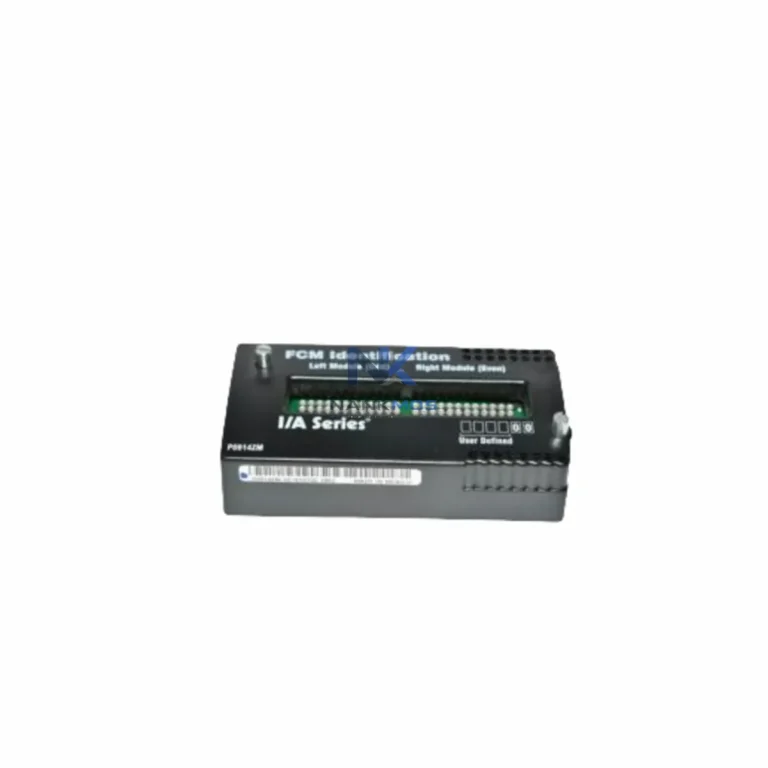
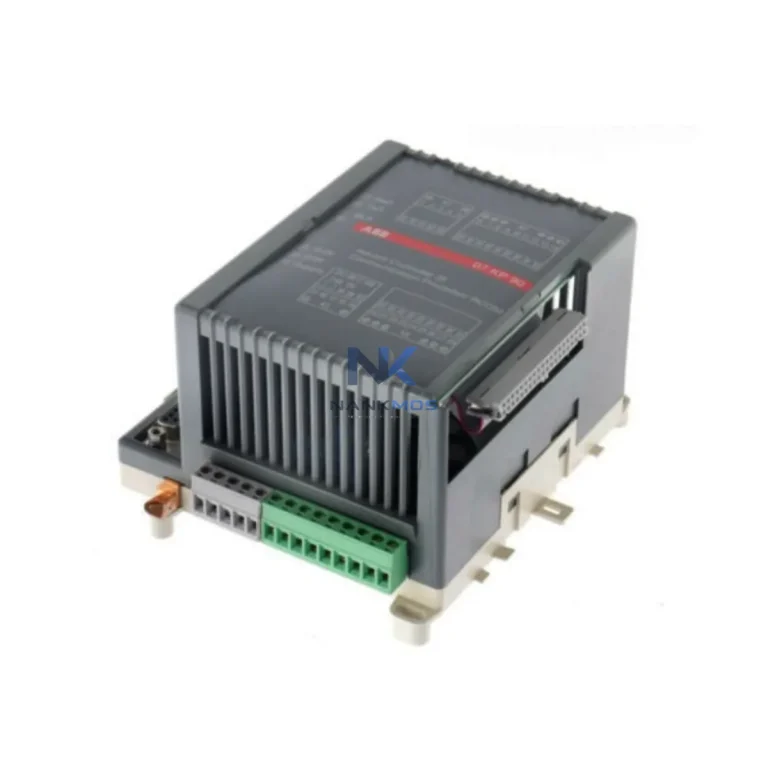
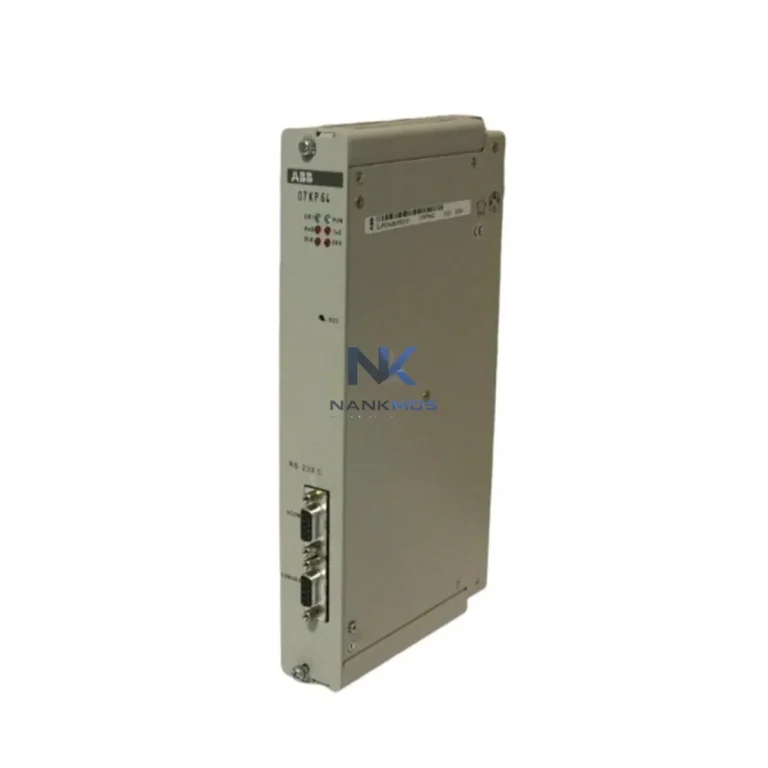
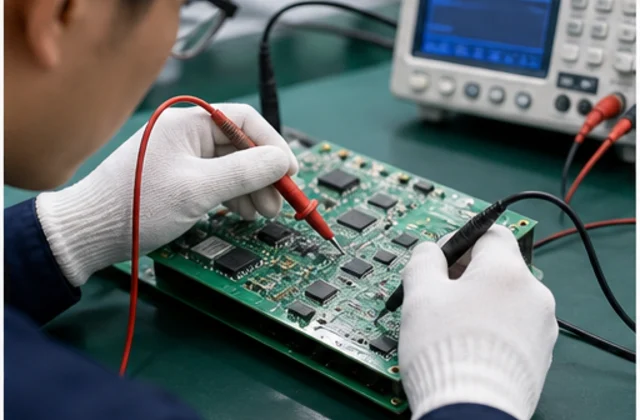
 Functional Inspection
100% tested on professional platforms to ensure stable performance.
ABB SPDSI13 is a NANKMOS industrial automation product record Listed under Symphony Plus series and Business & Industrial > Automation, Control & Flow Devices > Programmable Logic Controllers. Confirm condition, availability, lead time, compatibility and documentation by email inquiry.
Brand names are used for identification only.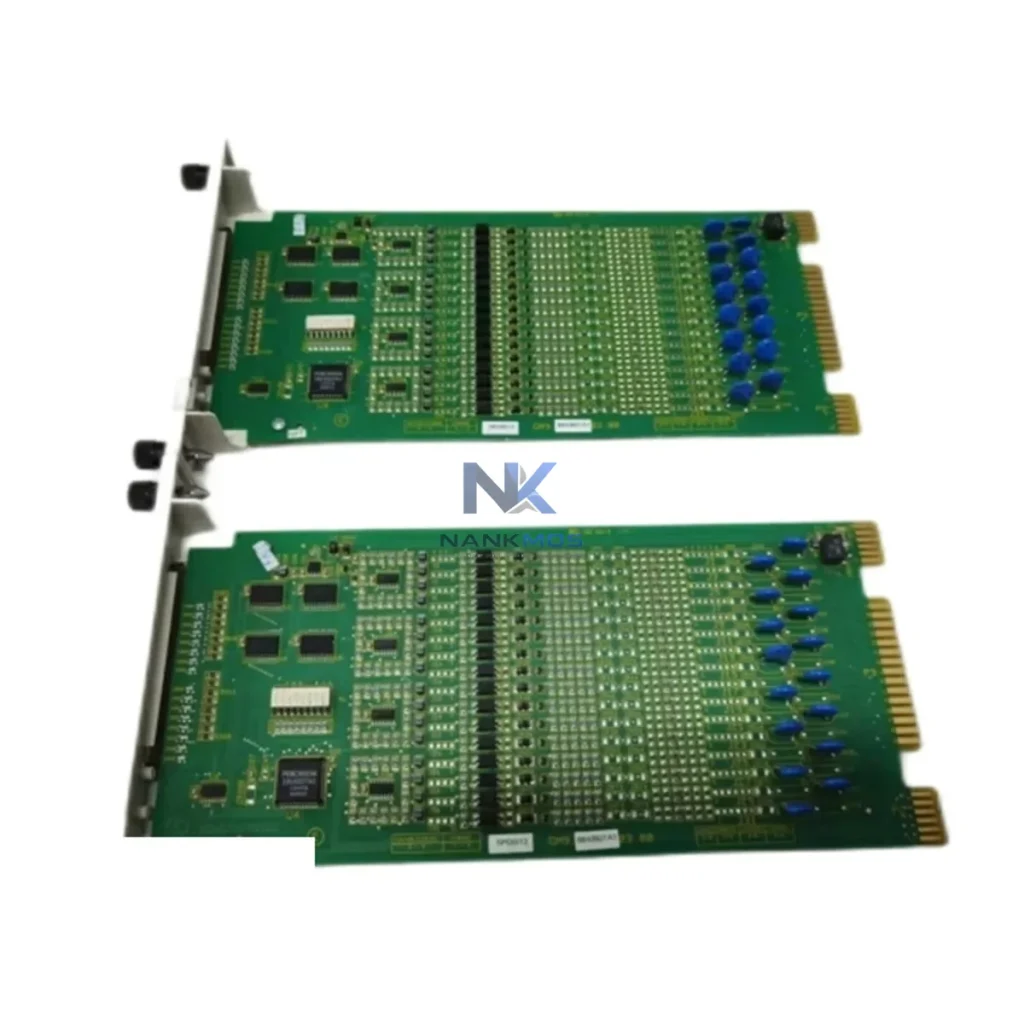
ABB SPDSI13 is a NANKMOS industrial automation product record Listed under Symphony Plus series and Business & Industrial > Automation, Control & Flow Devices > Programmable Logic Controllers. Confirm condition, availability, lead time, compatibility and documentation by email inquiry.
| Manufacturer | ABB |
|---|---|
| Application | Controller Processing & System Control |
| Part Number / Model | SPDSI13 |
| Compatible System | Symphony Plus |
| Series | Symphony Plus |
| Condition Options | To Confirm |
| Module Type | Controller / CPU Module |
| Warranty | 12 Months |
| Packaging | Anti-static Bag / Secure Box |
| Shipping Methods | DHL / FedEx / UPS / Air / Sea |
| Availability | To Confirm |
| Lead Time | To Confirm |
| Documentation | Part number and revision checked before quote |
The ABB SPDSI13 is a high-integrity digital input module engineered for deployment within the ABB Symphony Plus Distributed Control System (DCS) platform. Designed to operate as a precision signal acquisition node within layered industrial control architectures, the SPDSI13 delivers deterministic input scanning, robust field-side isolation, and seamless integration with the Symphony Plus controller backplane. Its role within the control hierarchy spans the I/O layer, bridging field-level discrete signals — from limit switches, proximity sensors, valve position feedback, and motor run contacts — to the process controller with the accuracy and reliability demanded by continuous and batch process industries.
In modern automation architectures, the digital input module is not a peripheral component — it is a foundational element of the signal flow chain. The SPDSI13 is engineered to fulfill this role with consistency across multi-rack, multi-controller, and redundant DCS configurations. Its compatibility with the Symphony Plus I/O bus ensures that signal acquisition latency remains within the deterministic bounds required for closed-loop control, safety interlock logic, and event-driven sequencing. Whether deployed in a single-controller greenfield installation or integrated into a multi-node redundant architecture, the SPDSI13 maintains signal fidelity and system coherence across the full operational lifecycle.
From a system architecture perspective, the SPDSI13 participates in a coordinated ecosystem of ABB Symphony Plus components. The module seats into the Symphony Plus I/O carrier and communicates upstream to controllers such as the ABB PM866 or PM891 process controller modules, which manage scan cycle execution and data aggregation across the I/O network. Power distribution to the I/O rack is handled by dedicated power supply modules including the ABB SD832 or SD833 power supply units, which provide regulated 24 VDC to the carrier bus. On the communications layer, the Symphony Plus architecture supports integration with ABB CI854 PROFIBUS DP communication interface modules and CI858 DNP3 communication modules, enabling the SPDSI13's acquired signals to be surfaced to SCADA systems, historian platforms, and remote monitoring infrastructure.
Signal conditioning and field-side protection are critical considerations in industrial environments where electromagnetic interference, ground loops, and transient voltages are endemic. The SPDSI13 incorporates optical isolation on each input channel, ensuring that field-side disturbances do not propagate into the controller backplane. This isolation architecture is complementary to external signal conditioning devices such as ABB RISH series signal isolators or third-party DIN-rail mounted signal conditioners, which may be deployed upstream of the SPDSI13 in high-noise environments such as motor control centers, variable frequency drive panels, or high-voltage switchgear rooms.
For HMI and operator interface integration, the SPDSI13's digital input data is surfaced through the Symphony Plus Operate IT or System 800xA HMI environment, where operators can monitor discrete input states, configure alarm thresholds, and review event logs with millisecond-resolution timestamping. This integration supports the ABB PP865 or PP886 operator panel series, which provide local HMI capability at the control panel level. The combination of the SPDSI13's deterministic input acquisition and the Symphony Plus HMI layer creates a coherent operator experience from field device to control room display.
In redundant architecture deployments, the SPDSI13 supports configurations where dual I/O carriers and redundant controller modules — such as paired ABB PM891 controllers in hot-standby mode — share a common I/O bus. This redundancy model ensures that a single module or controller failure does not interrupt process monitoring or control, a requirement in safety-critical applications including power generation, oil and gas processing, and chemical manufacturing. The SPDSI13's role in this redundancy architecture is to provide a stable, continuously available input signal source that both the primary and standby controllers can access without arbitration delay.
Installation and commissioning of the SPDSI13 follows the standard Symphony Plus I/O module procedure: module insertion into the designated carrier slot, automatic address assignment via the carrier's slot addressing scheme, and controller-side configuration through the ABB Control Builder engineering tool. Diagnostic capability is built into the module firmware, with channel-level fault detection, open-wire detection (where supported by field wiring configuration), and module health status reporting to the controller. These diagnostics reduce commissioning time and support predictive maintenance workflows by surfacing module-level anomalies before they escalate to process disruptions.
Long-term maintenance efficiency is a core design objective of the Symphony Plus I/O architecture. The SPDSI13's hot-swap capability — supported within the Symphony Plus carrier design — allows module replacement without rack power-down, minimizing planned maintenance windows and eliminating unplanned process shutdowns caused by module servicing. Replacement modules sourced through NANKMOS are pre-tested against ABB factory specifications, ensuring that field-installed units meet the same performance benchmarks as original equipment. Each SPDSI13 supplied by NANKMOS is covered by a 12-Month Warranty, providing assurance of module integrity from delivery through the initial operational period.
Inventory availability and lead time predictability are operational priorities for maintenance teams managing aging DCS infrastructure. NANKMOS maintains stock of the SPDSI13 and compatible Symphony Plus I/O modules to support both planned replacement programs and emergency sourcing requirements. Pre-shipment functional testing, including input channel verification and backplane communication validation, is performed on each unit prior to dispatch. This testing protocol, combined with the 12-Month Warranty coverage, supports the Contextual Integration model — ensuring that replacement modules integrate into existing Symphony Plus architectures without configuration rework, firmware conflicts, or signal calibration discrepancies.
The SPDSI13 operates as a coordinated node within the broader ABB Symphony Plus automation platform. A complete control architecture built around this module typically includes the following layers and components:
The ABB SPDSI13 is deployed across a broad spectrum of process and discrete manufacturing industries where Symphony Plus DCS infrastructure is the control platform of choice:
Q1: Is the ABB SPDSI13 compatible with both Symphony Plus and legacy Symphony Harmony DCS architectures? The SPDSI13 is designed for the Symphony Plus platform and its associated I/O carrier and backplane architecture. While ABB has maintained a degree of architectural continuity between Symphony Harmony and Symphony Plus, direct module interchangeability between the two generations is not guaranteed and should be verified against the specific carrier and controller revision in the target installation. NANKMOS technical support can assist with compatibility verification prior to order placement.
Q2: What is the recommended approach for replacing an SPDSI13 in a live process environment without causing a process interruption? The Symphony Plus I/O architecture supports hot-swap module replacement, allowing the SPDSI13 to be removed and reinserted into its carrier slot without powering down the rack or interrupting the controller scan cycle. The replacement module is automatically recognized by the controller upon insertion, with channel configuration restored from the controller's resident I/O database. Pre-shipment functional testing performed by NANKMOS ensures that the replacement module is operationally ready upon arrival, minimizing the time between module receipt and return to normal process monitoring.
Q3: What warranty and post-delivery support does NANKMOS provide for the ABB SPDSI13? Each ABB SPDSI13 supplied by NANKMOS is covered by a 12-Month Warranty from the date of delivery, covering manufacturing defects and functional failures under normal operating conditions. Pre-shipment testing includes input channel verification and backplane communication validation. NANKMOS maintains inventory of the SPDSI13 and compatible Symphony Plus I/O modules to support both planned maintenance programs and emergency replacement requirements, with global shipping capability to minimize lead time impact on plant operations.
Functional Inspection100% tested on professional platforms to ensure stable performance.
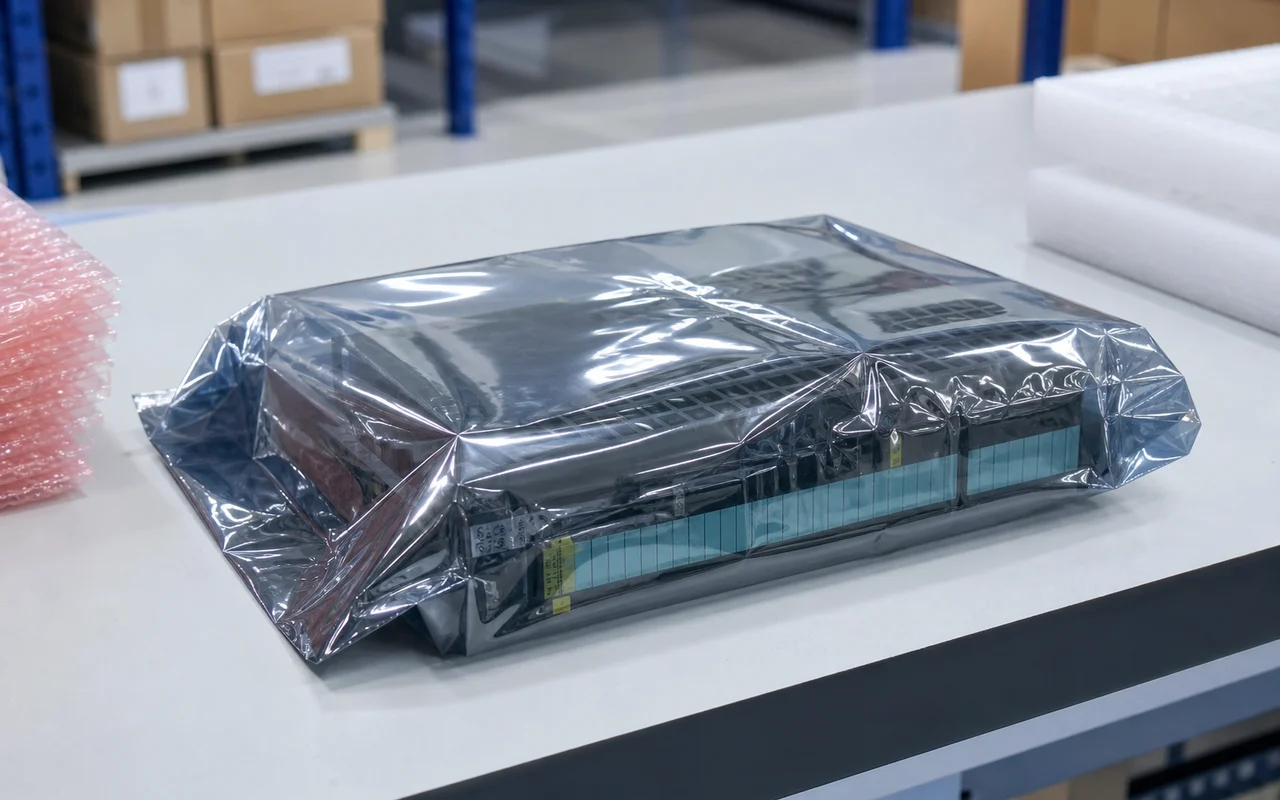 Anti-static Packaging
Modules are packed in anti-static bags to prevent electrostatic damage.
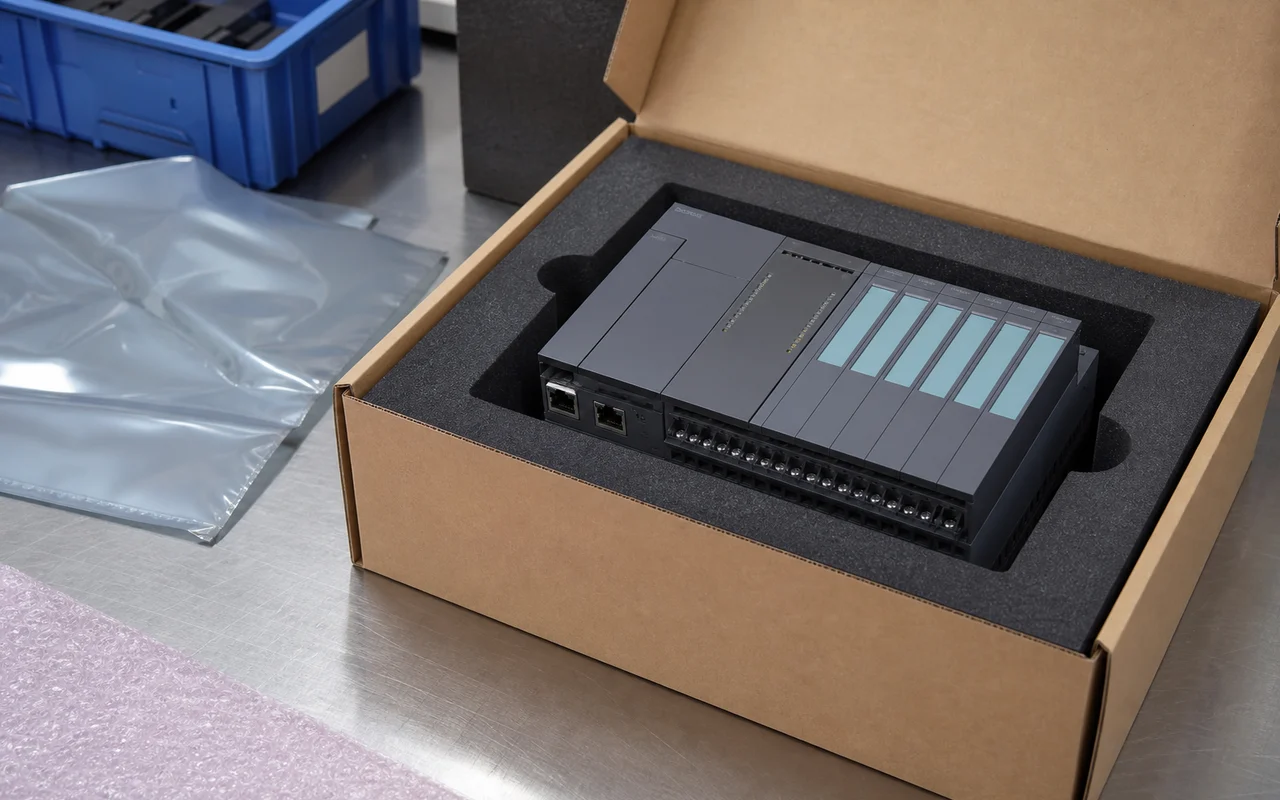 Secure Export Packing
Cushion protection and strong cartons ensure safe transportation.
 Worldwide Shipping
Global logistics network supports air, sea and express delivery.
 Documentation Check
Part number, revision and compatibility verified before shipment.
 After-sales Support
Professional technical support to help resolve your issues.